




Industrial Oil Fired Hot Water Heater Prices and Efficiency Guide
When evaluating heating infrastructure for industrial or commercial facilities, the balance between initial capital expenditure and long-term operational efficiency is critical. For many operators, understanding the factors that influence oil fired hot water heater prices is the first step in optimizing their energy budget. These systems provide a reliable, high-density heat source capable of maintaining precise temperatures for large-scale water heating requirements, from textile processing to facility climate control.
Selecting the right heating unit requires more than just a price comparison; it involves analyzing thermal efficiency, fuel consumption rates, and the structural integrity of the boiler. Hebei Hongze Boiler Manufacturing Co., Ltd. specializes in high-capacity heating solutions that leverage advanced water-fire tube designs to ensure that the total cost of ownership is minimized through reduced energy waste and extended equipment lifespan.

Engineering Principles of High-Efficiency Hot Water Heat Generation
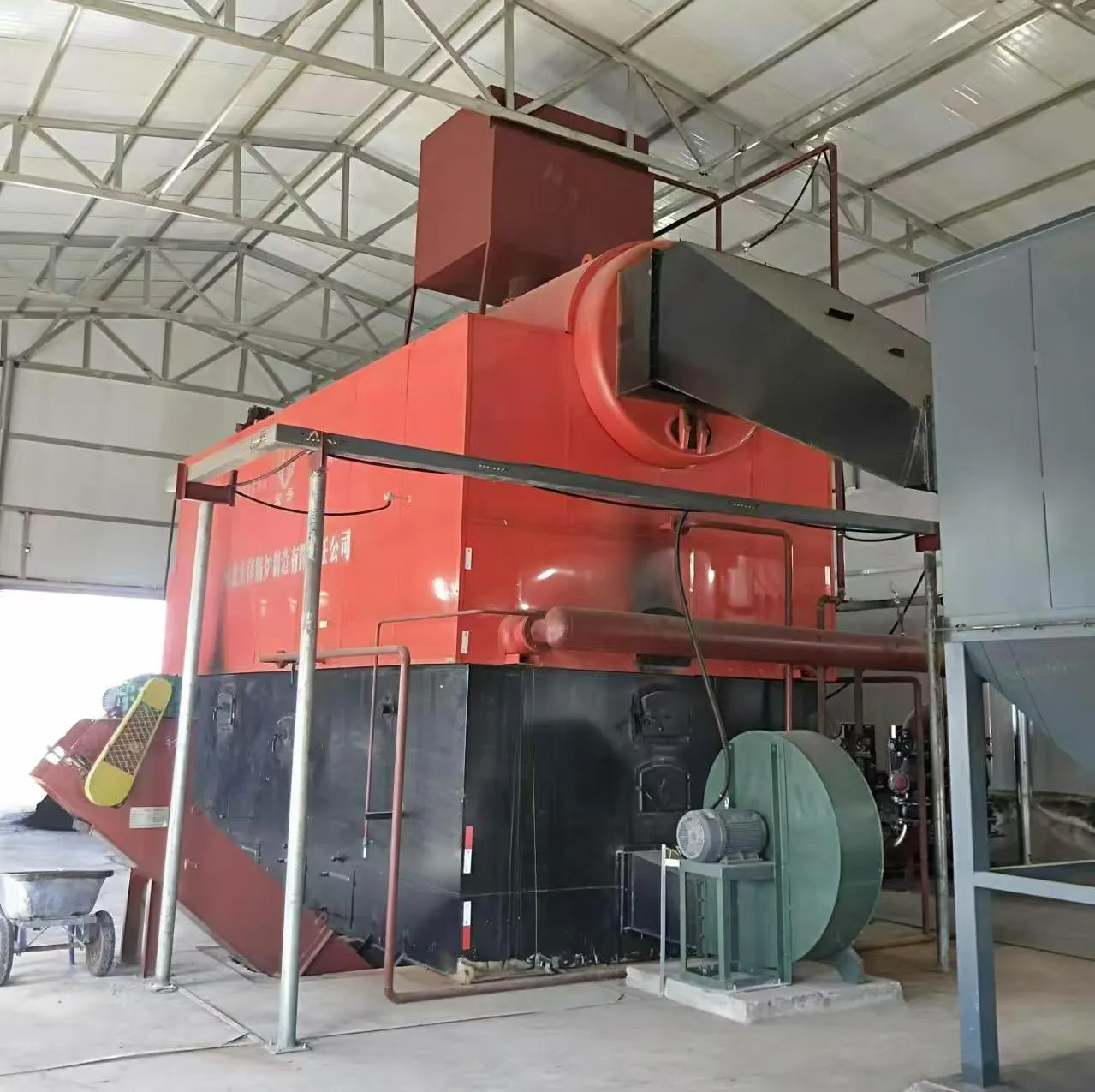
The core functionality of an industrial hot water heater revolves around the efficient transfer of thermal energy from fuel combustion to a water medium. In advanced oil-fired systems, this is achieved through a specialized furnace chamber where fuel is atomized and burned, releasing intense heat. This energy is then transferred via flue pipes and water-cooled walls to the boiler water, which is circulated throughout the facility to provide heating.
To maximize output and reduce fuel consumption, modern designs incorporate several key engineering features:
- Threaded Flue Pipe Arrangement: Increases the surface area for heat exchange, allowing the water to absorb more energy from the exhaust gases.
- Water-Cooled Wall Tubes: Positioned strategically around the hearth to protect the boiler structure and capture radiant heat.
- Single-Bottle Structural Design: Reduces thermal leakage and simplifies the installation process, ensuring a more stable operational environment.
By focusing on these technical refinements, manufacturers can achieve thermal efficiencies of up to 89%, significantly lowering the recurring costs associated with fuel procurement and emissions management.

Critical Performance Advantages for Industrial Applications
Industrial operators prioritize reliability and safety above all else. A well-engineered heating system must handle sudden fluctuations in demand without risking structural failure. One of the primary advantages of a large-cylinder, high-water-capacity design is its inherent safety margin. In the event of a sudden power failure, the substantial volume of water acts as a thermal buffer, preventing rapid vaporization and reducing the risk of accidents.
Furthermore, the integration of a rear-positioned dust separation room is essential for environmental compliance. By lowering the original dust concentration of the flue gas, these boilers meet stringent emission standards while maintaining high performance. This combination of safety and environmental stewardship makes high-capacity boilers an ideal choice for industries that operate under strict regulatory oversight.
Durability is another cornerstone of high-end manufacturing. With a design lifespan reaching up to 15 years, these units are built to withstand the rigors of continuous industrial operation, provided that standard maintenance protocols are followed. The use of high-grade materials in the water-fire tube sections ensures that the thermal efficiency remains constant throughout the equipment's life.
Procurement Framework and Selection Criteria for Buyers
Navigating the procurement process for industrial boilers requires a clear understanding of site-specific needs. Buyers often focus on the initial quote, but the true value is found in the technical specifications and the manufacturer's supporting infrastructure. When comparing different models, it is essential to evaluate the rated working pressure and steam/water capacity to ensure the unit can handle peak loads without inefficiency.
Key considerations during the selection process include:
- Fuel Compatibility: Ensuring the burner system is optimized for the specific grade of fuel available at the site to prevent carbon buildup.
- Installation Footprint: Evaluating the available space for the boiler, fuel storage, and exhaust stacks.
- After-Sales Support: Verifying the warranty period and the availability of replacement parts to minimize downtime during unplanned outages.
Collaborating with a manufacturer that holds multiple product patents allows buyers to access unique designs that offer better fuel-to-heat ratios. A comprehensive evaluation of the technical data sheet—including exhaust gas temperatures and thermal efficiency percentages—is the only way to accurately predict long-term operational costs.
Technical Specifications and Model Performance Comparison
| Model Series | Rated Capacity (t/h) | Working Pressure (MPa) | Thermal Efficiency (%) |
|---|---|---|---|
| DZL1-0.7-AⅡ | 0.7 | 1.7 | 85.8% |
| DZL2-1.25-AⅡ | 1.25 | 1.9 | 86.2% |
| DZL4-1.6-AⅡ | 1.6 | 2.0 | 86.4% |
| DZL10-1.6-AⅡ | 1.6 | 2.0 | 86.9% |
| DZL20-1.6-AⅡ | 1.6 | 2.0 | 88.1% |
Manufacturing Excellence and Quality Assurance Standards
The reliability of a boiler is determined long before it reaches the installation site. High-quality manufacturing involves a rigorous blend of automated production and expert engineering. By utilizing fully automated equipment, manufacturers can ensure that every weld and tube placement is consistent, which is vital for maintaining pressure integrity across the entire unit. The ability to produce a wide range of capacities—from 0.5 tons to 200 tons—demonstrates a versatile manufacturing capability that can cater to both small workshops and massive industrial plants.
Quality control extends to the research and development phase. The pursuit of scientific innovation, evidenced by over 30 independent patents, allows for the continuous improvement of the combustion process. By optimizing the furnace chamber volume and the arrangement of the water-cooled walls, the equipment achieves a balance between rapid heating and low fuel consumption.
Trustworthiness in B2B procurement is built on transparency and guarantees. A standard 12-month warranty covering manufacturing defects provides buyers with the necessary security, while the focus on "fine products made with heart" reflects a commitment to quality that exceeds basic industry standards. This dedication ensures that the delivered products are 100% qualified and ready for immediate industrial deployment.
Future Trends in Industrial Thermal Energy Systems
The industrial heating landscape is shifting toward higher sustainability and smarter control systems. The integration of IoT-enabled monitoring allows operators to track thermal efficiency and fuel consumption in real-time, enabling predictive maintenance and further reducing operational waste. As environmental regulations tighten, the move toward biomass-fired and gas-fired hybrid systems is becoming more prevalent, though oil-fired systems remains a cornerstone for applications requiring high energy density and reliability.
Looking forward, the industry is focusing on "ultra-low emission" technologies. This involves not only better dust separation but also the implementation of advanced flue gas scrubbing and heat recovery systems. By capturing waste heat from the exhaust and recycling it back into the feed water, the overall system efficiency can be pushed even higher, further decoupling industrial growth from carbon intensity.
For procurement managers, the strategy is moving from "lowest purchase price" to "lowest lifecycle cost." This shift emphasizes the importance of selecting equipment with a proven track record of durability and high thermal efficiency. Investing in a system designed for a 15-year lifespan reduces the frequency of costly replacements and ensures a more stable energy supply for the facility.
Frequently Asked Questions About Industrial Heating Solutions
What factors primarily determine the price of industrial oil-fired heaters?
Prices are primarily driven by the rated capacity (t/h), the working pressure requirements, the materials used in construction (such as specialized alloys for corrosion resistance), and the inclusion of advanced efficiency features like threaded flue pipes and automated control systems.
How does thermal efficiency impact long-term operational costs?
Higher thermal efficiency (e.g., reaching 89%) means a larger percentage of the fuel's energy is transferred to the water rather than wasted through the exhaust. This directly reduces monthly fuel consumption and lowers the overall cost per unit of heat generated.
Is a large water capacity design actually safer during power outages?
Yes, a larger volume of water provides a thermal buffer that slows down the rate of vaporization if the circulation pumps fail during a power outage, giving operators more time to implement safety protocols and preventing rapid pressure spikes.
What is the typical lifespan of a high-quality industrial boiler?
With proper installation and adherence to scheduled maintenance, a professionally manufactured industrial boiler can have a service life of up to 15 years, maintaining consistent thermal performance throughout its operation.
Can these boilers be customized for specific industrial applications?
Yes, most professional manufacturers offer customization regarding capacity, pressure ratings, and fuel configurations to match the specific thermal demands and infrastructure of the client's facility.
How do I evaluate the environmental compliance of a heating system?
Check the design of the dust separation room and the exhaust gas temperature specifications. Boilers with integrated separation rooms and optimized combustion chambers typically produce lower particulate emissions.
Technical References and Industry Standards
- ASHRAE - Standards for Heating, Ventilating, and Air Conditioning
- ISO - International Organization for Standardization (Industrial Boilers)
- EPA - Regulations on Industrial Combustion Emissions
- ASME - Boiler and Pressure Vessel Code (BPVC)
Choosing a reliable industrial heating system requires a partnership between the operator and a manufacturer who understands the intersection of thermodynamics and industrial scale. By prioritizing thermal efficiency and structural integrity, businesses can ensure a stable energy supply while controlling their long-term operational expenditures.
Related Industrial Heating Solutions



 English
 Arabic
 Bengali
 French
 German
 Hindi
 Indonesian
 Kazakh
 Khmer
 Korean
 Kyrgyz
 Lao
 Latin
 Mongolian
 Nepali
 Russian
 Turkish
 Turkmen
 Uzbek


