Look, I've spent the last fifteen years knee-deep in concrete, dust, and blueprints, and let me tell you, a reliable heating system isn’t just about comfort—it’s about safety, efficiency, and keeping projects moving. That's where the tankless boiler system comes in. It’s a game-changer on construction sites, especially for temporary facilities, and increasingly for permanent installations. We’re talking about on-demand hot water, scalable solutions, and a significant reduction in energy waste. Forget those bulky, inefficient storage tank heaters; we need something that keeps pace with the demands of a busy site.
The old systems? They were a nightmare. Constant monitoring, potential for leaks, and a huge energy footprint. With a tankless boiler system, you eliminate a lot of those headaches. It’s not just about saving money – although that’s a major benefit – it's about streamlining operations and minimizing downtime. We’re constantly under pressure to meet deadlines, and a failing heating system can throw everything off schedule. This isn't some fancy office perk; it's a critical piece of infrastructure.
And it's not just construction. I've seen these systems used for mobile medical units, disaster relief shelters, even remote research stations. Anywhere you need reliable, on-demand hot water, a tankless boiler system delivers. It’s a versatile solution that’s proving its worth in a whole range of challenging environments.
The Importance of Tankless Boiler Systems
I’ve seen firsthand how outdated heating solutions slow down projects and drive up costs. The demand for efficient, reliable hot water on construction sites, in remote areas, and during emergencies is constantly increasing. A tankless boiler system addresses this need directly. It’s about minimizing logistical challenges and maximizing productivity. We need equipment that works with us, not against us.
The global push for sustainability is also driving adoption. Traditional storage tank heaters are energy hogs. Tankless systems offer significant energy savings, reducing carbon footprints and aligning with stricter environmental regulations. It's not just good for the bottom line, it’s the right thing to do.
Defining Tankless Boiler Systems
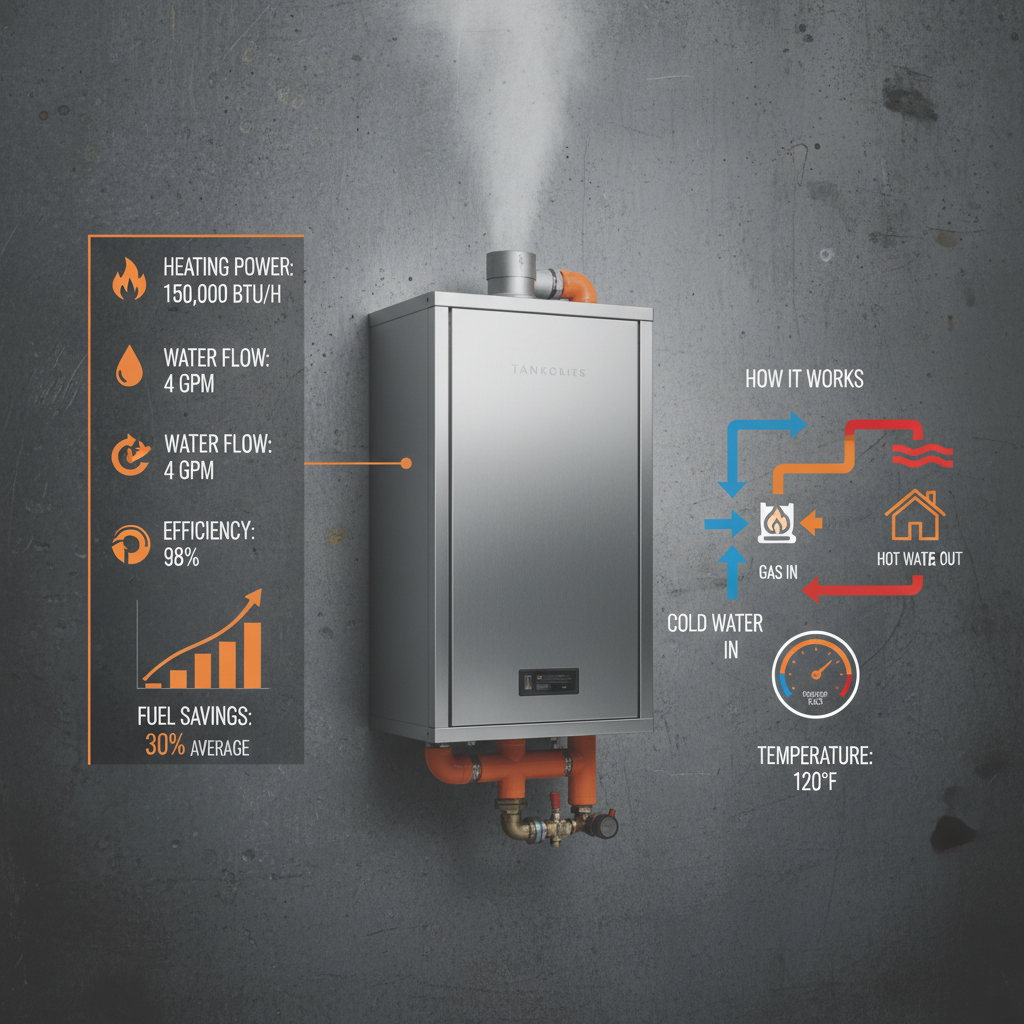
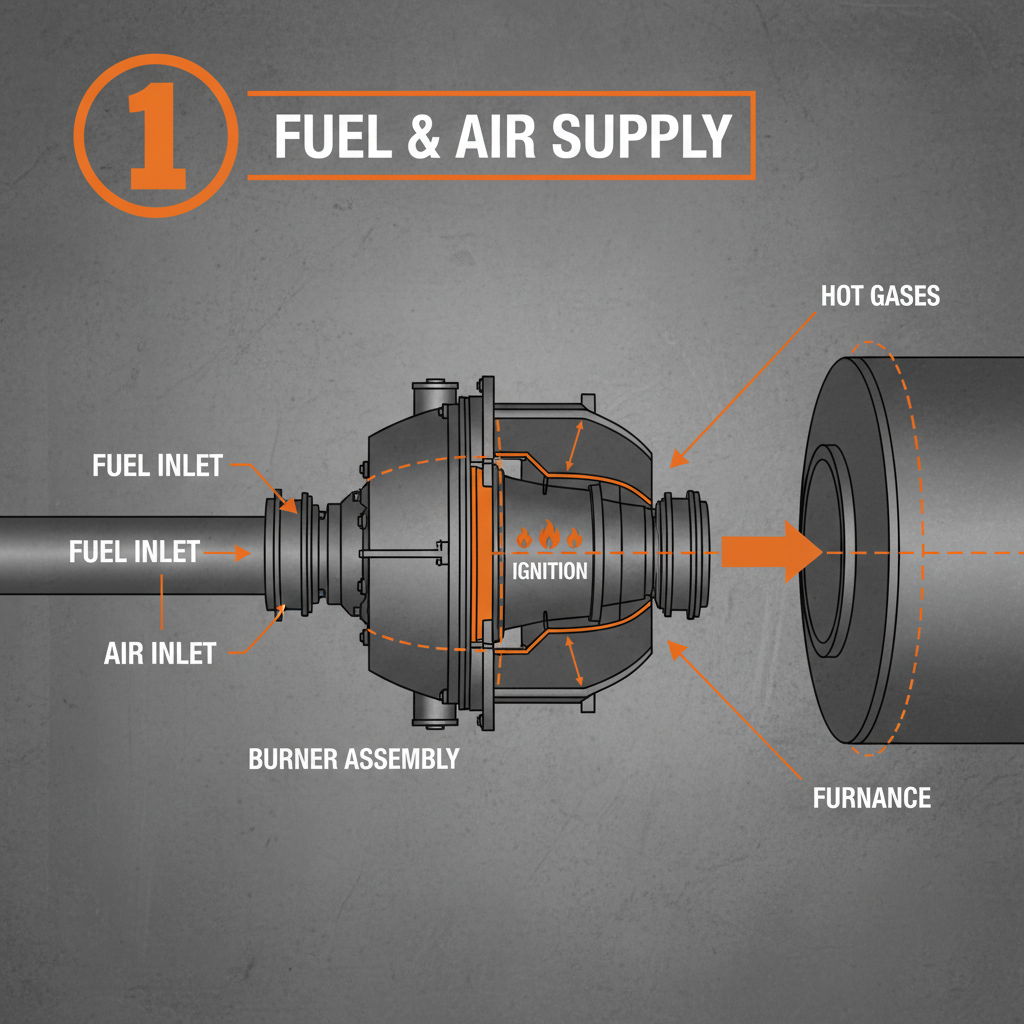
Simply put, a tankless boiler system heats water only when you need it. No giant tank constantly heating water and losing energy to standby heat loss. These systems, also known as on-demand water heaters, use a high-powered burner to quickly heat water as it flows through a heat exchanger. It’s a relatively straightforward concept, but the engineering behind it is pretty sophisticated.
This technology has connections to modern industrial demands for precise temperature control and optimized energy usage. It’s not just about providing hot water for washing; it’s about maintaining specific temperatures for critical processes, from sterilizing equipment to powering specialized machinery. The precision and responsiveness of a tankless system are crucial in these applications.
And consider the humanitarian aspect. In disaster relief scenarios, quickly providing clean, hot water is essential for sanitation and hygiene, preventing the spread of disease. A portable tankless boiler system can be deployed rapidly, offering a life-saving solution where traditional infrastructure is compromised.
Key Components and Operational Factors
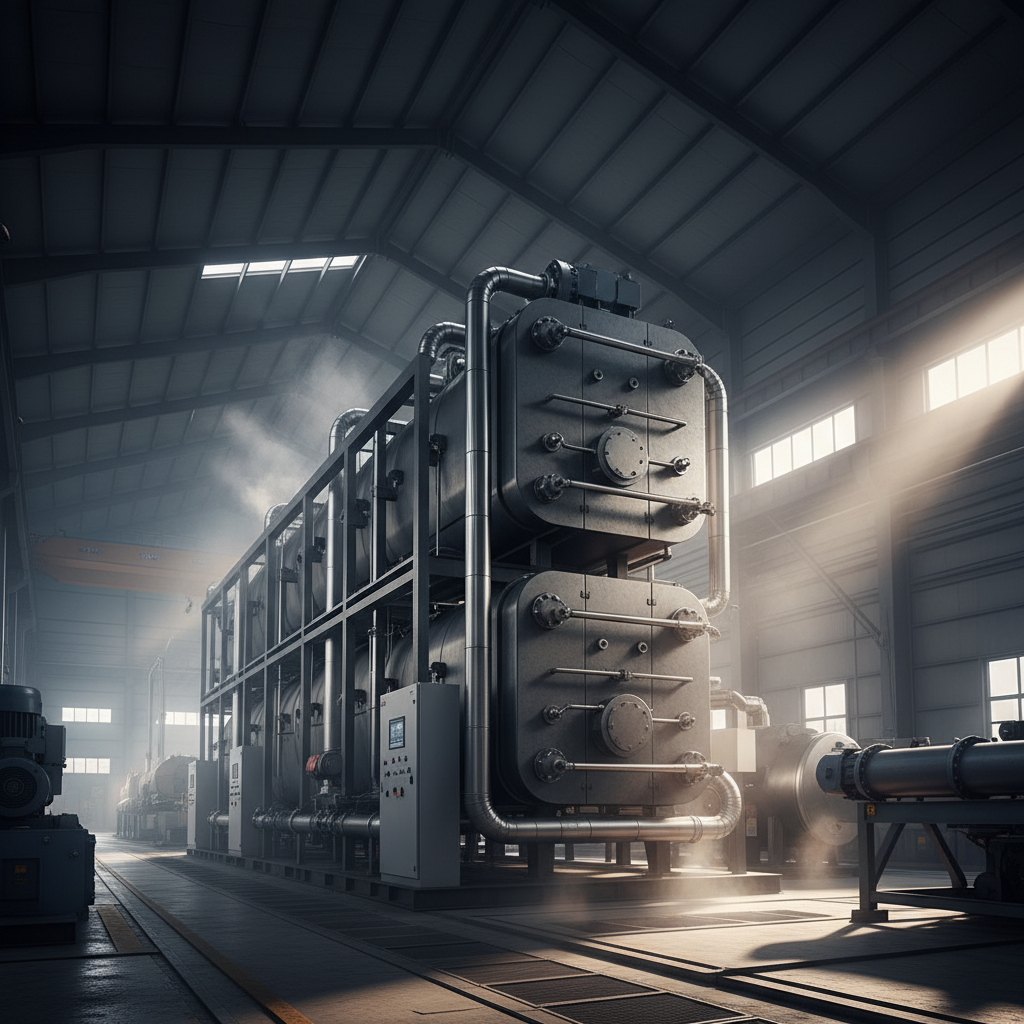
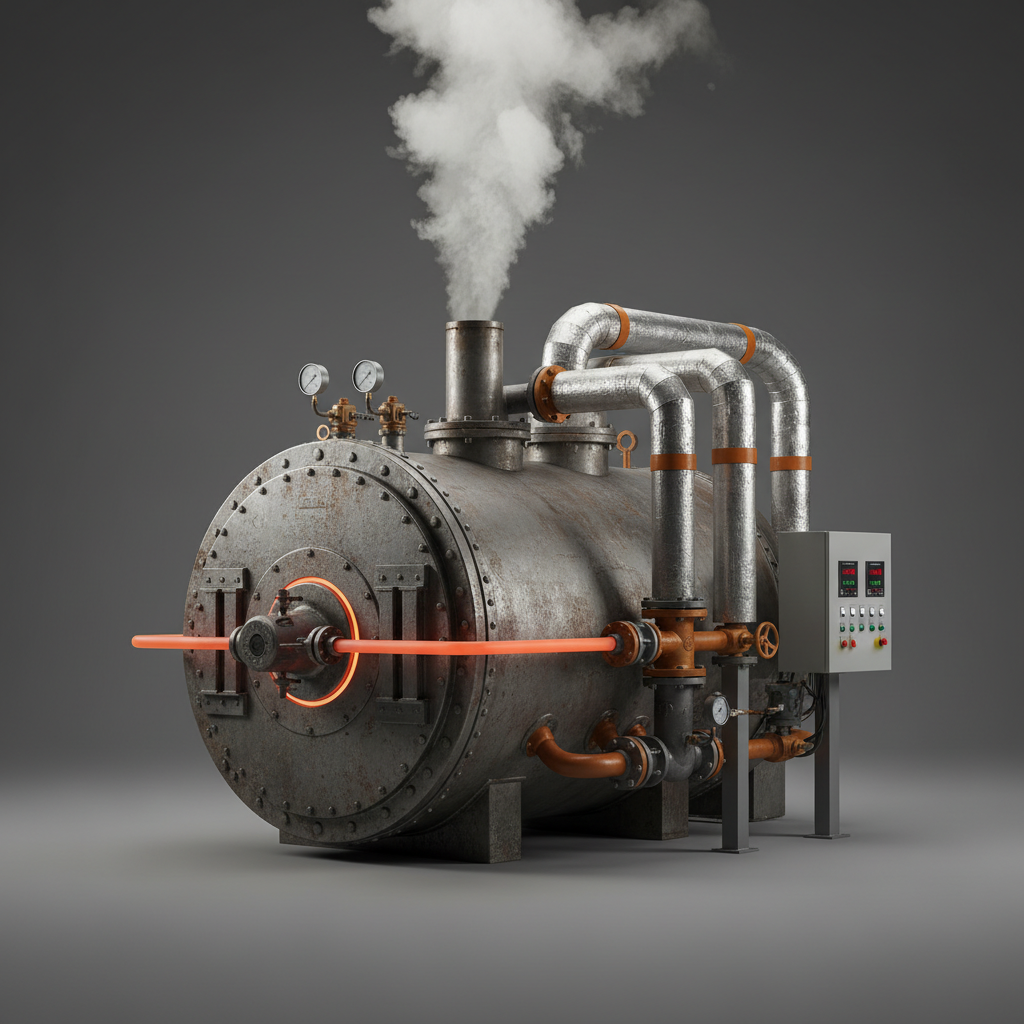
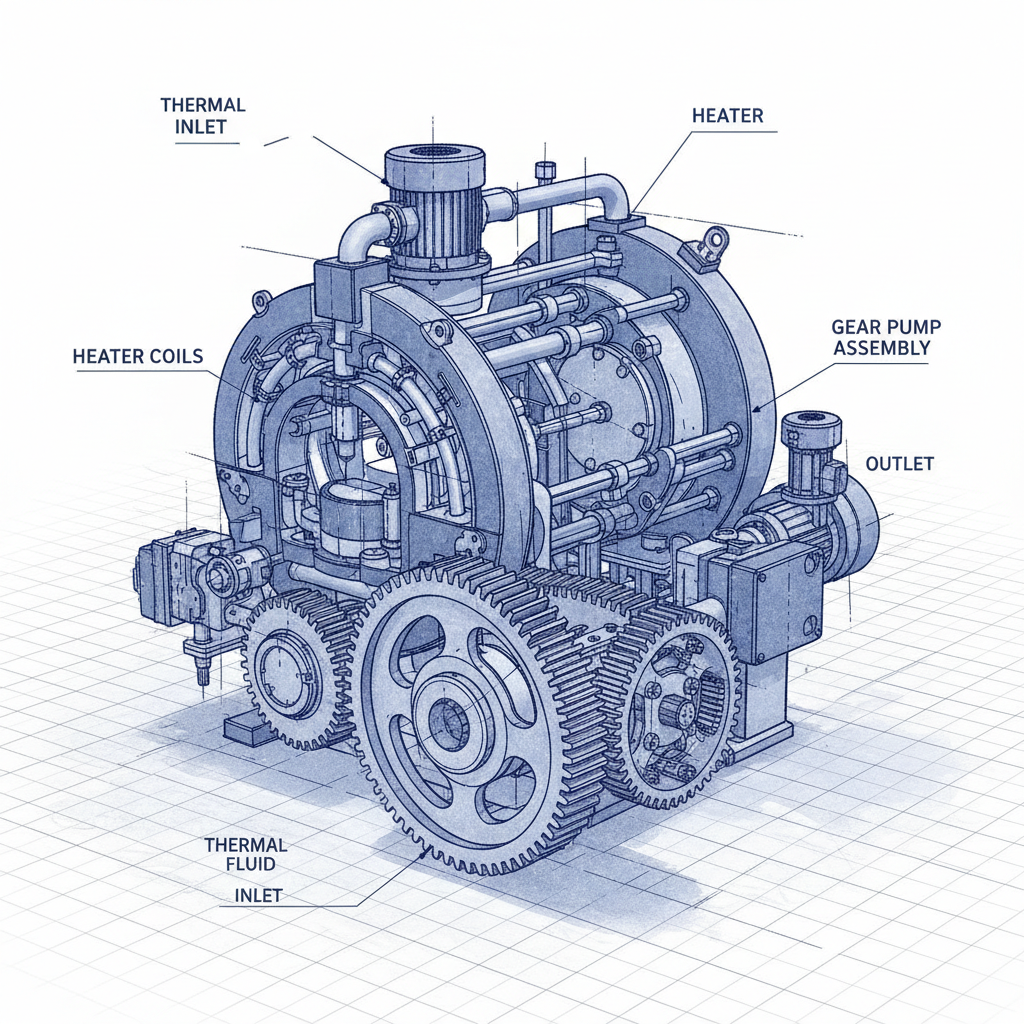
The core of any tankless boiler system lies in its heat exchanger, burner, and control system. The heat exchanger efficiently transfers heat from the combustion gases to the water. The burner – gas or electric – provides the heat source. And the control system regulates the flow of water and fuel, ensuring consistent temperature output. It's all about precision and responsiveness.
But it’s not just about the hardware. Factors like water hardness, fuel type, and ventilation play a critical role in performance and longevity. Scaling from hard water can clog the heat exchanger, reducing efficiency. Proper ventilation is essential to safely exhaust combustion gases. Regular maintenance – flushing the system and inspecting components – is crucial for optimal operation. We see a lot of failures simply due to lack of routine care.
Sizing the system correctly is also paramount. Under-sizing leads to insufficient hot water, while over-sizing wastes energy and increases initial cost. A thorough assessment of hot water demand – peak usage, number of fixtures, and application requirements – is essential for selecting the right tankless boiler system.
Global Applications in Diverse Settings
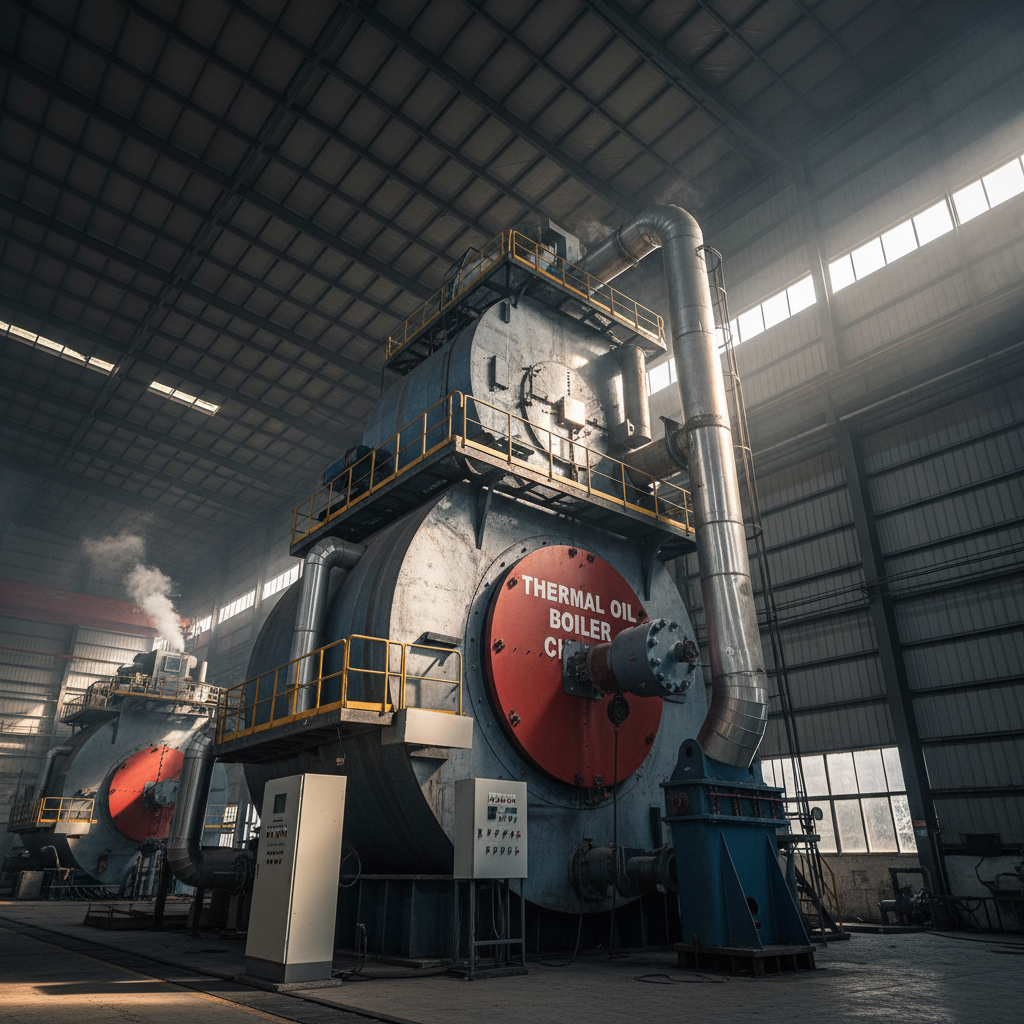
I've seen these systems installed in everything from remote Alaskan fishing lodges to bustling city hospitals. On construction sites, they provide hot water for temporary wash stations, showers, and concrete curing. In disaster relief, they offer clean, hot water for sanitation and hygiene in temporary shelters.
In Europe, they're increasingly popular for residential heating, offering energy savings and space-saving benefits. In Asia, they're used in a wide range of commercial and industrial applications, from hotels and restaurants to manufacturing plants. The versatility of the tankless boiler system is truly remarkable.
Tankless Boiler System Performance Metrics
Advantages and Long-Term Value Proposition
The benefits are clear. Reduced energy consumption translates into lower operating costs. The compact size saves valuable space, which is often at a premium on construction sites or in confined spaces. And the on-demand nature eliminates the risk of scalding associated with storage tank heaters.
From a reliability standpoint, these systems are built to last. With proper maintenance, they can provide years of dependable service. That peace of mind is invaluable. And let's not forget the environmental benefits – reducing our carbon footprint is something we all need to prioritize.
Future Trends and Innovations in Tankless Technology
We're seeing a growing trend toward integrating tankless boiler systems with smart home technology and building management systems. This allows for remote monitoring, automated control, and predictive maintenance. The ability to optimize performance and identify potential issues before they become major problems is a game-changer.
Another exciting development is the use of alternative fuels, such as hydrogen and renewable natural gas. This will further reduce the environmental impact of these systems and contribute to a more sustainable future. The industry is constantly evolving, and I expect to see even more innovative solutions in the years to come.
Digital twins - virtual replicas of the physical systems - are also emerging as a powerful tool for optimizing performance and troubleshooting issues. It allows engineers to simulate different scenarios and identify the best solutions without disrupting the actual operation.
Challenges and Potential Solutions
One of the main challenges is the initial cost. Tankless boiler systems can be more expensive to purchase and install than traditional storage tank heaters. However, the long-term energy savings often offset this initial investment.
Another challenge is the need for adequate gas supply and venting. These systems require a larger gas line and a dedicated vent pipe to safely exhaust combustion gases. Proper installation and adherence to local codes are essential.
Scaling and maintenance are also concerns. Regular flushing is needed to prevent mineral buildup. Solutions include preventative maintenance contracts and the development of self-cleaning technologies to minimize downtime and maximize efficiency.
Summary of Tankless Boiler System Challenges and Solutions
| Challenge |
Impact on System Performance |
Potential Solutions |
Cost of Implementation |
| High Initial Cost |
May deter initial adoption |
Life cycle cost analysis, financing options |
Low to Medium |
| Gas Supply Requirements |
Insufficient gas supply can limit capacity |
Gas line upgrade, alternative fuel options |
Medium to High |
| Scaling and Mineral Buildup |
Reduced efficiency and lifespan |
Regular flushing, water softener installation |
Low to Medium |
| Ventilation Requirements |
Improper venting can lead to safety hazards |
Professional installation, proper vent pipe selection |
Medium |
| Maintenance Needs |
Neglect can lead to failure and reduced lifespan |
Preventive maintenance contracts, self-diagnostic systems |
Low to Medium |
| Integration with Existing Systems |
Compatibility issues can arise during retrofits |
Careful system design, professional installation |
Medium |
FAQS
The biggest advantages are efficiency and space-saving. Tankless systems only heat water when you need it, eliminating standby heat loss, and they're significantly smaller than traditional tanks. Plus, you get an unlimited supply of hot water, unlike a tank that eventually runs out. We’ve seen energy bills drop by 20-30% in many installations. They're also safer, with no risk of tank rupture or scalding.
With proper maintenance, a tankless boiler system can last 20 years or more. Regular flushing to remove mineral buildup is crucial, especially in areas with hard water. Annual inspections by a qualified technician are also recommended to check for any potential issues and ensure optimal performance. The key is preventative care.
It depends on your existing infrastructure. You'll need a sufficient gas supply and proper venting. Older homes may require upgrades to these systems. It's best to have a professional assess your home to determine if an installation is feasible and what modifications might be necessary. We’ve handled plenty of retrofit projects, so it’s definitely possible.
The cost varies widely depending on the size of the system, the complexity of the installation, and local labor rates. A basic installation can start around $3,000, but it can easily exceed $7,000 for larger homes or complex retrofits. It’s essential to get quotes from multiple installers to compare pricing and ensure you're getting a fair deal.
Yes, many states and utility companies offer rebates and incentives to encourage the adoption of energy-efficient technologies like tankless boilers. Check with your local utility provider and state energy office to see what programs are available in your area. These incentives can significantly reduce the upfront cost of the system.
The most common fuel sources are natural gas and propane. Electric tankless boilers are also available, but they typically require a significant electrical upgrade. The choice of fuel depends on your location and existing infrastructure. Natural gas is generally the most cost-effective option, but propane can be a good choice if natural gas isn’t available.
Conclusion
In my experience, a tankless boiler system isn’t just a product; it’s a solution. It’s about efficiency, reliability, and sustainability. It addresses the real-world challenges we face on construction sites, in emergency situations, and in our everyday lives. From reducing energy costs to minimizing environmental impact, the benefits are clear. It's a smart investment that pays dividends in the long run.
Looking ahead, I believe we'll see even greater integration of smart technology and alternative fuels into these systems. The industry is poised for continued innovation, and I encourage anyone considering a heating upgrade to seriously evaluate the benefits of a tankless boiler system. To learn more about our solutions and find the right system for your needs, visit our website: tankless boiler system.





 English
  Arabic
  Bengali
  French
  German
  Hindi
Hindi  Indonesian
  Kazakh
  Khmer
Khmer  Korean
  Kyrgyz
  Lao
Lao  Latin
Latin  Mongolian
  Nepali
  Russian
  Turkish
  Turkmen
  Uzbek
Uzbek