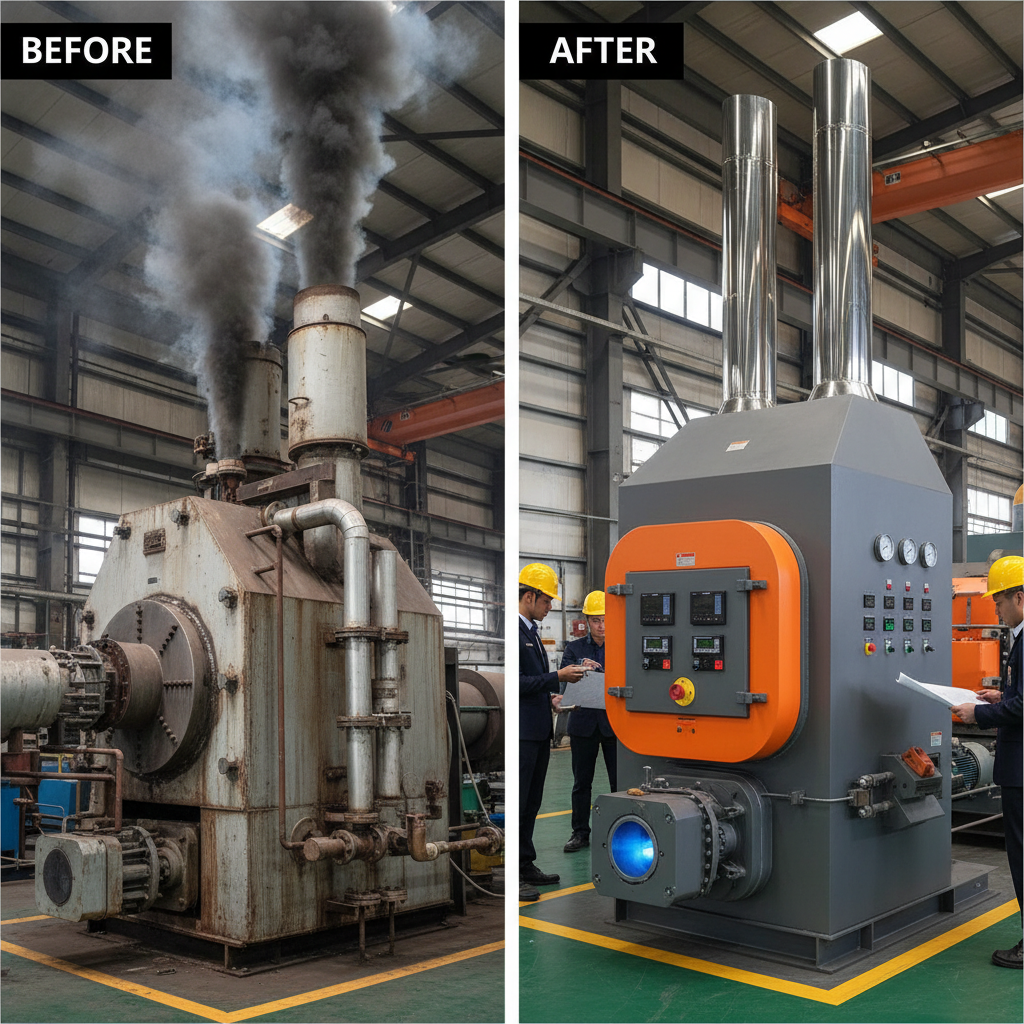
Gas fired thermal oil boilers represent a sophisticated heating solution crucial across diverse industries. These boilers utilize thermal oil as a heat transfer medium, offering precise temperature control and consistent heating capabilities, unlike traditional steam boilers. Their ability to operate at higher temperatures without pressure limitations makes them ideal for processes requiring efficient and reliable heat delivery. Understanding the benefits and applications of a gas fired thermal oil boiler is paramount for businesses seeking optimized thermal efficiency and process control.
Globally, the demand for efficient and environmentally conscious heating systems is surging. Industries like chemical processing, pharmaceuticals, food processing, and plastics manufacturing heavily rely on consistent and accurately controlled thermal energy. Gas fired thermal oil boilers directly address these needs, offering a cleaner alternative to traditional fuel oil systems while maintaining high performance. The International Energy Agency (IEA) emphasizes the need for improved industrial energy efficiency, and advancements in gas fired thermal oil boiler technology contribute significantly to this objective.
The increasing focus on sustainability and reduced carbon emissions drives the adoption of modern heating solutions. A gas fired thermal oil boiler offers a pathway towards achieving these goals, reducing operational costs, and improving overall process reliability. This technology is becoming increasingly vital for maintaining competitiveness in a world prioritizing environmental responsibility.
Introduction to gas fired thermal oil boiler
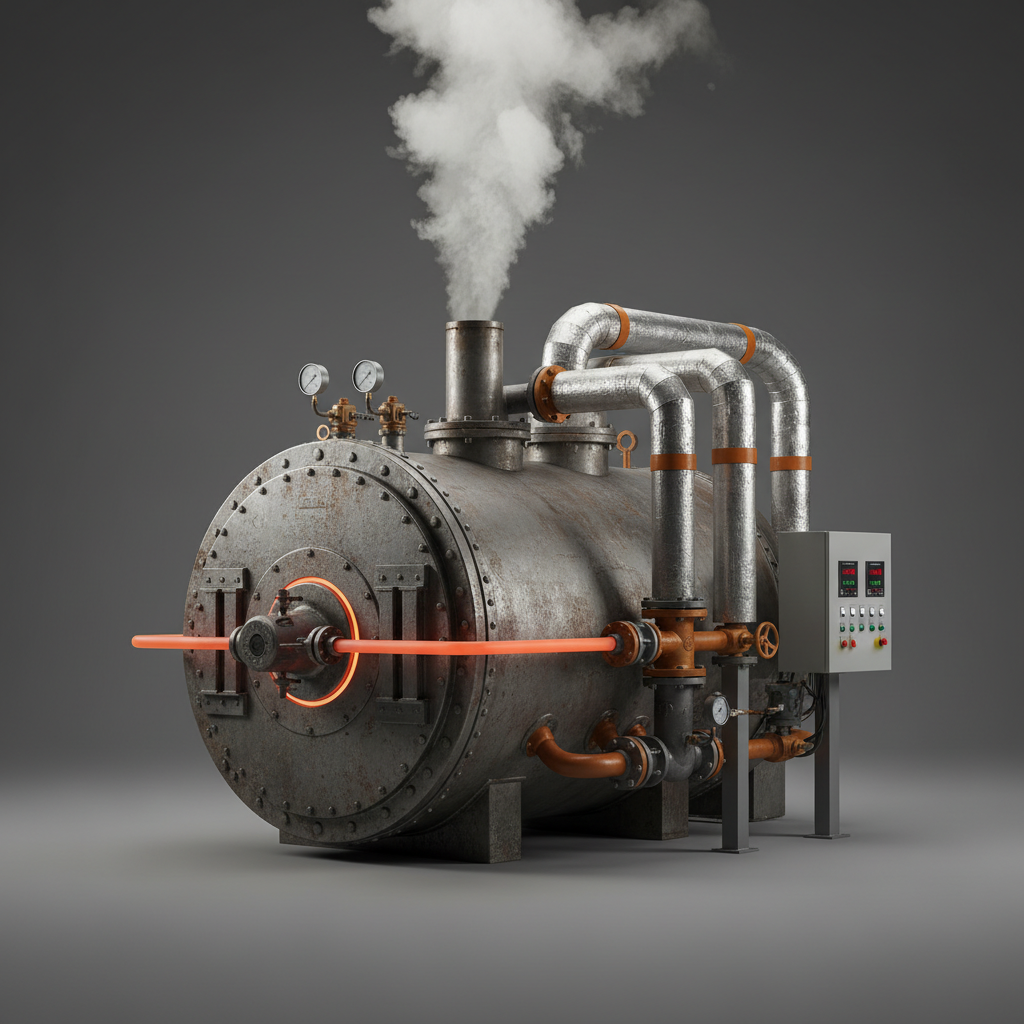
A gas fired thermal oil boiler is a closed-loop heating system employing thermal oil as its heat transfer medium. Unlike steam boilers which require constant makeup water and operate under pressure, thermal oil boilers circulate oil through a heated chamber, raising its temperature to deliver consistent, precise heat. This inherent design minimizes water treatment requirements and eliminates the risk of pressure-related incidents.
The widespread adoption of gas fired thermal oil boiler technology is driven by its inherent advantages in applications needing tight temperature control, rapid response times, and high thermal efficiency. These systems are crucial for various industrial processes and are increasingly favored over alternative heating methods due to their performance and reliability.
Defining gas fired thermal oil boiler
At its core, a gas fired thermal oil boiler is a sophisticated heat transfer system. It uses a hydrocarbon-based thermal fluid, also known as heat transfer oil, to absorb heat generated by the combustion of natural gas. This heated oil is then circulated through a closed loop to deliver thermal energy to the desired process. The key difference from steam boilers lies in the absence of a phase change; the thermal oil remains liquid throughout the process, leading to greater efficiency and precision.
This closed-loop design enables higher operating temperatures compared to steam boilers, reaching up to 340°C (644°F) without the risk of pressure build-up. This makes gas fired thermal oil boiler essential for processes that require high-temperature heating, like polymer production and specialized chemical reactions.
The integration of gas fired thermal oil boiler into modern industrial infrastructure signifies a shift towards enhanced thermal control, reduced energy consumption, and a safer operating environment. Its significance extends beyond just heating; it's about optimizing entire industrial processes.
Core Components and Characteristics
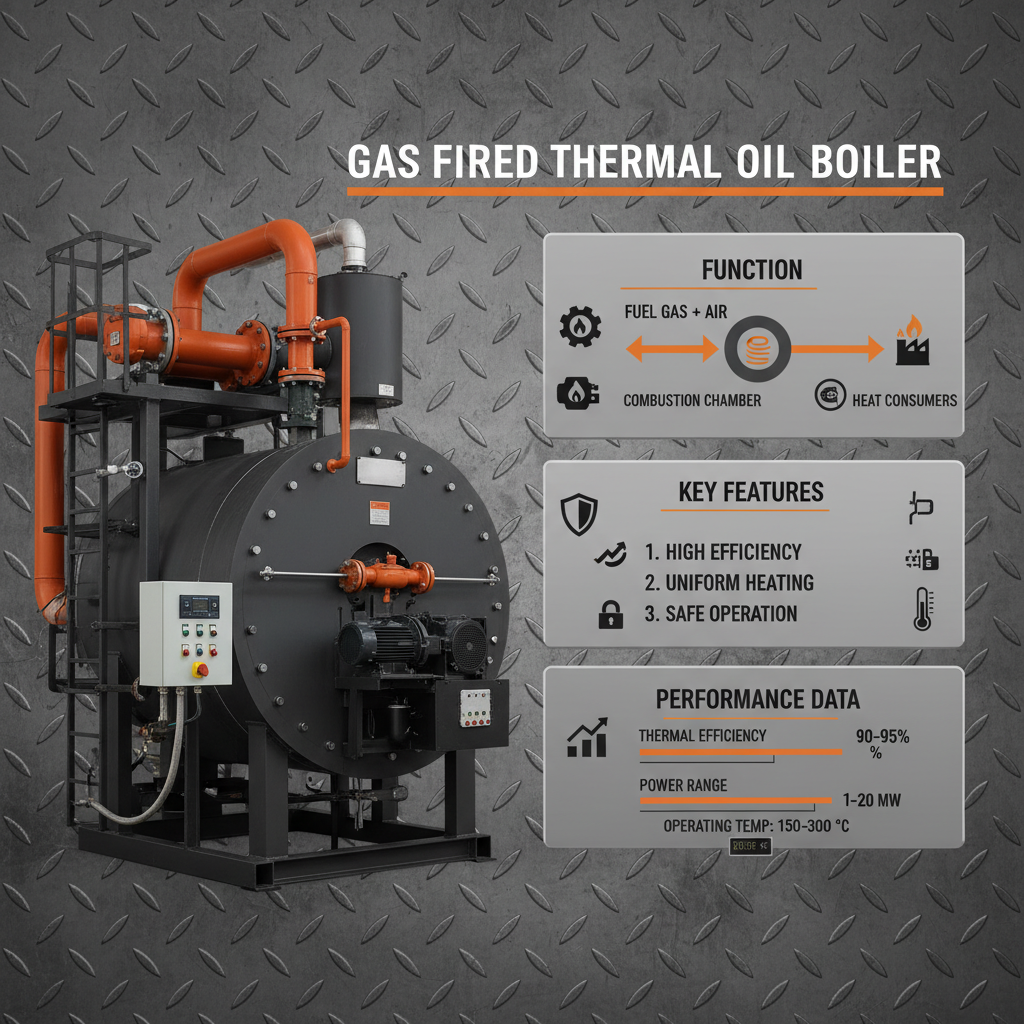
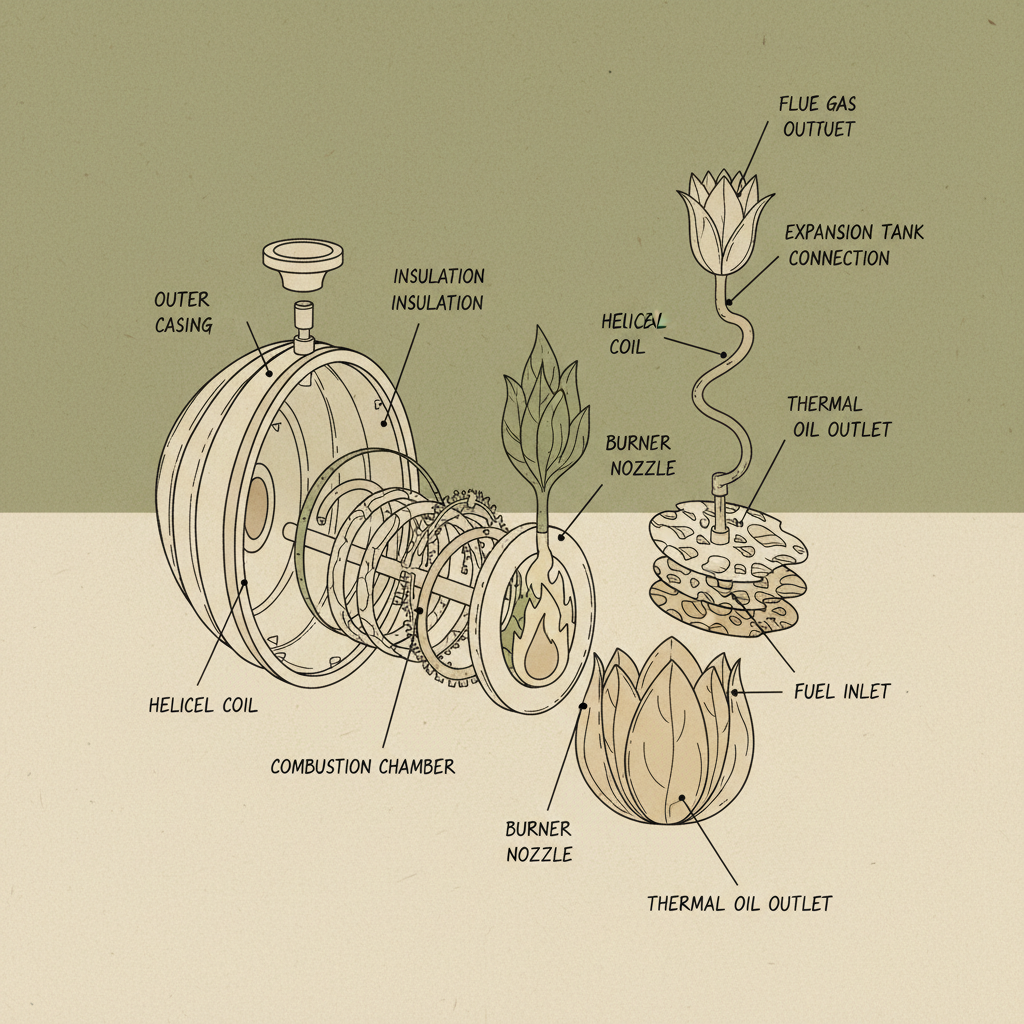
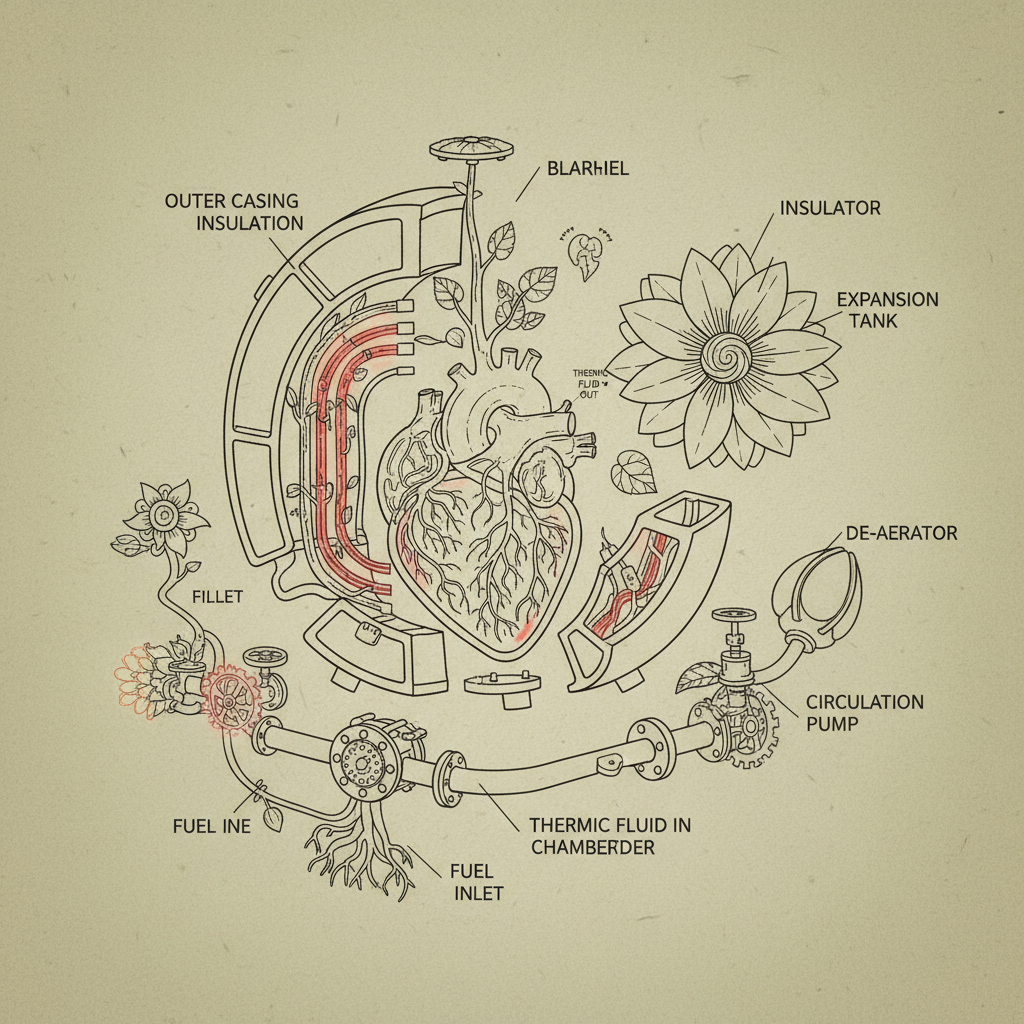
Several key components contribute to the efficient operation of a gas fired thermal oil boiler. These include the gas burner, which provides the heat source; the heat exchanger, where heat is transferred to the thermal oil; the circulation pump, responsible for moving the oil through the system; and the expansion tank, which accommodates volume changes due to temperature fluctuations. A sophisticated control system manages these components, ensuring optimal performance and safety.
Beyond the physical components, certain characteristics define a high-quality gas fired thermal oil boiler. High thermal efficiency is paramount, minimizing fuel consumption and reducing operating costs. Precise temperature control is another crucial factor, essential for processes demanding consistent heat. Long-term reliability and minimal maintenance requirements further enhance the value proposition of these systems.
The choice of thermal oil is also critical. Different oils have varying thermal stability and heat transfer properties. Selecting the correct oil for the specific application is vital for maximizing performance and extending the lifespan of the boiler. Regularly monitoring the oil’s condition is also essential to prevent degradation and ensure optimal heat transfer.
Key Performance Indicators of gas fired thermal oil boiler
Evaluating the performance of a gas fired thermal oil boiler involves several key indicators. Thermal efficiency, expressed as a percentage, measures how effectively the boiler converts fuel energy into usable heat. A higher efficiency translates to lower fuel costs and reduced emissions. Another important metric is temperature control accuracy, which reflects the boiler's ability to maintain a consistent and precise temperature.
Other essential KPIs include heat-up time, the duration it takes to reach the desired operating temperature, and temperature stability, the boiler's ability to maintain a constant temperature under varying load conditions. Reliability, measured by mean time between failures (MTBF), indicates the system’s longevity and resistance to breakdowns.
gas fired thermal oil boiler Performance Comparison
Global Applications of gas fired thermal oil boiler
The applications of gas fired thermal oil boilers span a wide range of industries worldwide. In the chemical industry, they provide precise temperature control for reactors and distillation processes. The pharmaceutical sector relies on them for sterile heating and temperature-sensitive reactions. Food processing utilizes them for cooking, sterilization, and evaporation applications.
Plastics manufacturing benefits from the consistent heat needed for extrusion, molding, and film production. Textile dyeing and finishing also leverage the precise temperature control offered by these boilers. In remote industrial zones where steam infrastructure is limited, gas fired thermal oil boilers provide a convenient and reliable heat source.
Advantages and Long-Term Value
The advantages of employing a gas fired thermal oil boiler are manifold. Reduced energy consumption translates to significant cost savings. Precise temperature control enhances product quality and process efficiency. The closed-loop system minimizes water treatment costs and eliminates the risks associated with steam boilers. Lower maintenance requirements contribute to reduced downtime and increased productivity.
Furthermore, the adoption of gas fired thermal oil boiler promotes sustainability by reducing emissions and supporting responsible energy usage. The reliability and longevity of these systems provide long-term value, ensuring consistent performance and minimal lifecycle costs. A gas fired thermal oil boiler represents a sound investment for businesses prioritizing efficiency, reliability, and environmental responsibility.
Beyond the tangible economic benefits, there's the increased safety and peace of mind associated with a closed-loop system operating at lower pressures. This enhances the overall work environment and reduces potential hazards.
Future Trends and Innovations
The future of gas fired thermal oil boiler technology is focused on enhancing efficiency, sustainability, and integration with smart manufacturing systems. Innovations in burner technology are leading to improved combustion efficiency and reduced NOx emissions. The development of advanced thermal oils with enhanced thermal stability and heat transfer properties is also driving improvements.
Digitalization plays a crucial role, with the integration of IoT sensors and data analytics enabling predictive maintenance and optimized boiler operation. Remote monitoring and control capabilities enhance operational efficiency and reduce the need for on-site personnel. The increasing adoption of renewable energy sources, such as biogas, as fuel for these boilers further contributes to sustainability efforts.
We can anticipate more widespread use of waste heat recovery systems, capturing and reusing thermal energy that would otherwise be lost, further improving overall energy efficiency.
Challenges & Solutions
Despite their benefits, gas fired thermal oil boilers present certain challenges. Thermal oil degradation over time requires periodic replacement and careful monitoring of its properties. Maintaining optimal oil circulation and preventing localized overheating are crucial for preventing oil breakdown. The initial investment cost can be higher compared to some traditional heating systems.
Solutions involve implementing regular oil analysis programs to track degradation and proactively schedule replacements. Utilizing advanced control systems with precise temperature monitoring and circulation control minimizes the risk of localized overheating. Financial incentives and lifecycle cost analysis can help justify the initial investment.
Furthermore, proper system design and commissioning are essential to ensure optimal performance and longevity. Regular preventative maintenance, including inspections and cleaning, is critical for preventing problems and extending the lifespan of the boiler.
Core Challenges and Mitigation Strategies for gas fired thermal oil boiler
| Challenge |
Impact Area |
Severity (1-10) |
Mitigation Strategy |
| Thermal Oil Degradation |
Operational Efficiency |
8 |
Regular Oil Analysis & Timely Replacement |
| Localized Overheating |
Oil Lifespan |
7 |
Advanced Temperature Control & Circulation |
| High Initial Investment |
Capital Expenditure |
6 |
Lifecycle Cost Analysis & Incentives |
| Maintenance Complexity |
Downtime |
5 |
Preventative Maintenance Schedule & Training |
| Emission Control |
Environmental Compliance |
4 |
Advanced Burner Technology & Monitoring |
| System Commissioning |
Performance Optimization |
6 |
Expert Installation & Testing |
FAQS
Gas fired thermal oil boilers offer several advantages over steam boilers, including higher operating temperatures without pressure limitations, precise temperature control, reduced water treatment requirements, and a simpler, more compact design. These benefits translate to improved efficiency, lower maintenance costs, and enhanced process control for a variety of industrial applications. The elimination of steam-related risks also contributes to a safer operating environment.
The frequency of thermal oil replacement depends on several factors, including the operating temperature, oil quality, and system design. Regular oil analysis is crucial for monitoring degradation and determining the optimal replacement schedule. Generally, oil should be replaced every 3-5 years, but this can vary significantly based on usage and environmental conditions. Ignoring oil degradation can lead to reduced efficiency and system damage.
Safety is paramount when operating a gas fired thermal oil boiler. Ensure regular inspections of all system components, including the burner, heat exchanger, and circulation pump. Implement proper lockout/tagout procedures during maintenance. Monitor oil temperature and pressure closely, and ensure the expansion tank is functioning correctly. Train personnel thoroughly on safe operating procedures and emergency shutdown protocols.
Modern gas fired thermal oil boilers typically achieve thermal efficiencies ranging from 85% to 95%, depending on the specific model, fuel type, and operating conditions. High-efficiency burners and optimized heat exchanger designs contribute to these impressive efficiency ratings. Implementing waste heat recovery systems can further enhance overall energy savings and reduce environmental impact.
Yes, many gas fired thermal oil boilers can be adapted to operate with alternative fuels like biogas, offering a more sustainable heating solution. However, modifications may be required to the burner and control system to accommodate the different fuel properties. Careful evaluation of fuel composition and system compatibility is essential to ensure safe and efficient operation.
Regular maintenance is crucial for ensuring the longevity and efficiency of a gas fired thermal oil boiler. This includes annual inspections of the burner, heat exchanger, and safety devices. Periodic oil analysis, cleaning of the heat transfer surfaces, and filter replacements are also essential. Following the manufacturer’s recommended maintenance schedule will minimize downtime and optimize performance.
Conclusion
In conclusion, gas fired thermal oil boilers represent a sophisticated and highly efficient heating solution for a wide range of industrial applications. Their ability to deliver precise temperature control, operate at high temperatures, and minimize water treatment requirements makes them a compelling alternative to traditional steam boilers. The long-term benefits, including reduced energy consumption, lower maintenance costs, and enhanced safety, contribute to significant cost savings and improved operational efficiency.
Looking ahead, ongoing innovations in burner technology, thermal oil formulations, and digitalization will further enhance the performance and sustainability of gas fired thermal oil boilers. Embracing these advancements is crucial for businesses seeking to optimize their thermal processes, reduce their environmental impact, and maintain a competitive edge. For detailed information and tailored solutions, visit our website: www.hzsteamboiler.com.






 English
  Arabic
  Bengali
  French
  German
  Hindi
Hindi  Indonesian
  Kazakh
  Khmer
Khmer  Korean
  Kyrgyz
  Lao
Lao  Latin
Latin  Mongolian
  Nepali
  Russian
  Turkish
  Turkmen
  Uzbek
Uzbek