ब्लॉग
-
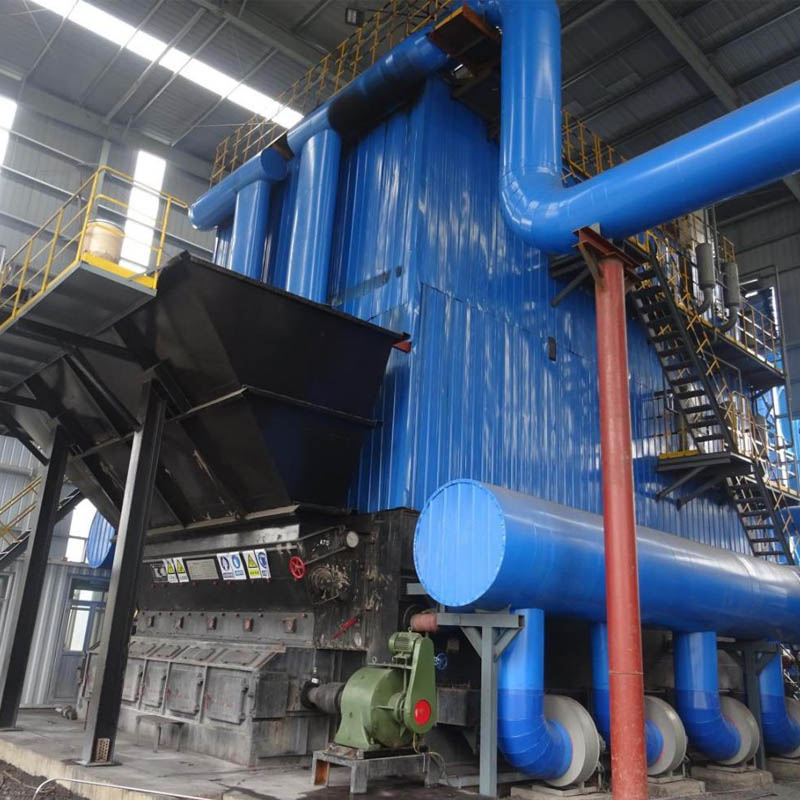
Coal-Fired Steam Boiler - HEBEI HONGZE|Industrial Efficiency&Environmental Compliance
Discover the cutting-edge technology of Industrial Efficiency and Environmental Compliance. High fuel versatility combined with advanced combustion technology, ensuring HEBEI HONGZE quality assurance. Explore now: https://www.hzsteamboiler.comऔर पढ़ें -
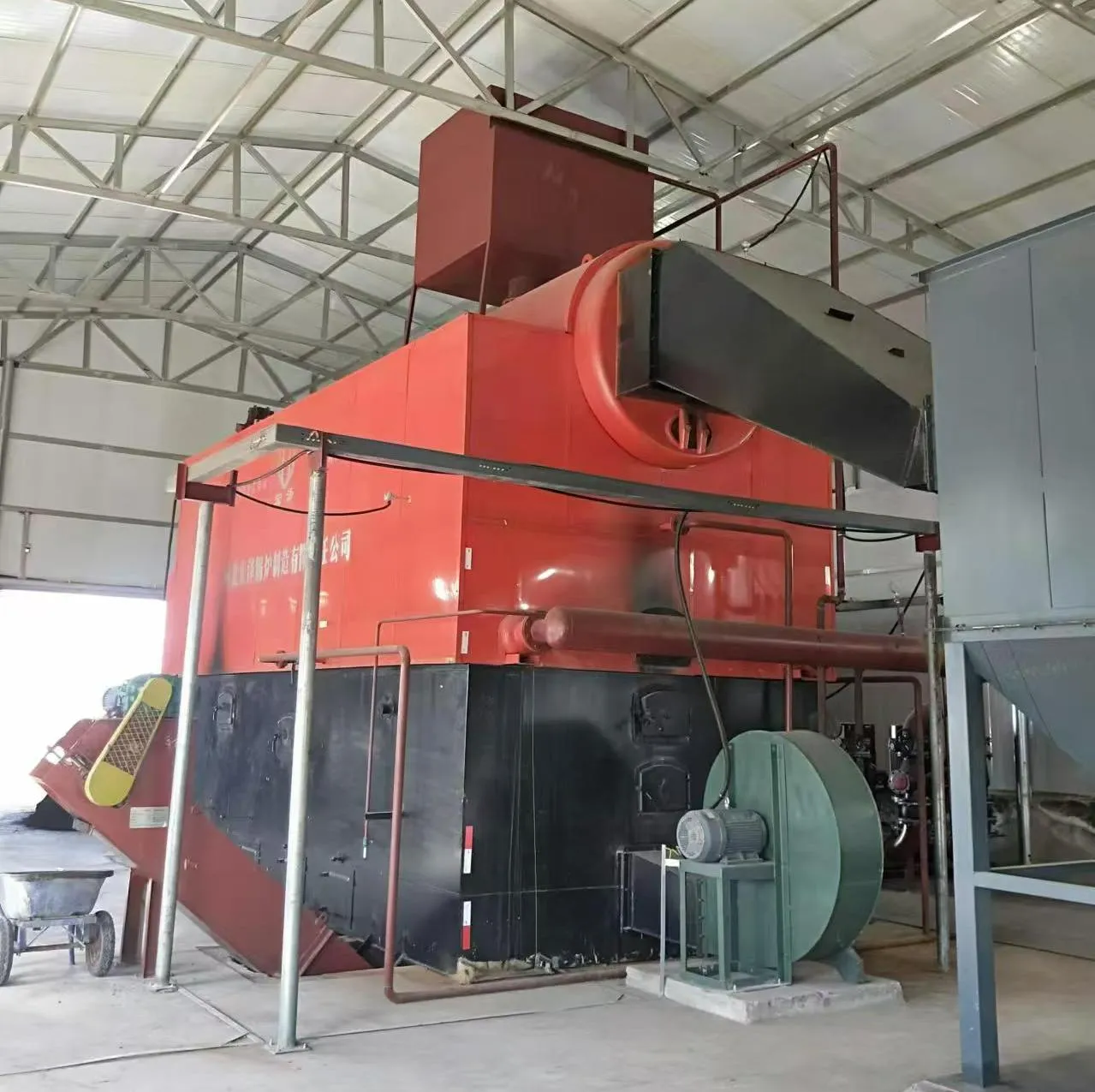
Coal-Fired Steam Boiler - HEBEI HONGZE|Industrial Efficiency&Environmental Compliance
Discover the cutting-edge technology of Industrial Efficiency and Environmental Compliance. High fuel versatility combined with advanced combustion technology, ensuring HEBEI HONGZE quality assurance. Explore now: https://www.hzsteamboiler.comऔर पढ़ें -
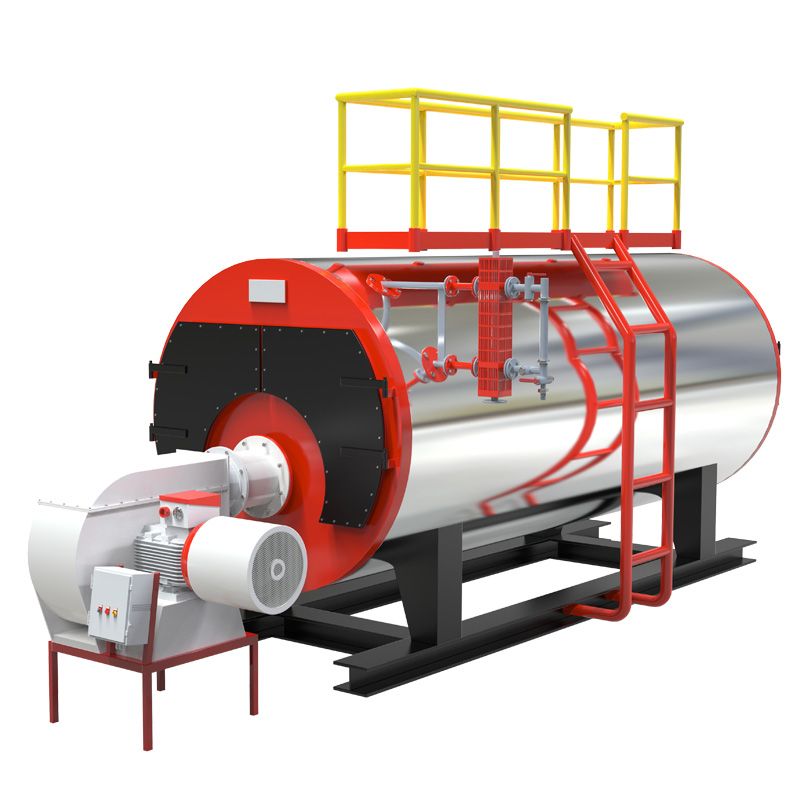
Maximizing Steam Boiler Efficiency for Optimal Performance and Cost Savings
Improving steam boiler efficiency is crucial for reducing operational costs, minimizing environmental impact, and ensuring optimal performance. This article explores the factors affecting boiler efficiency, practical strategies for improvement, and the latest technologies available. Understanding these principles allows businesses to maximize energy savings and extend the lifespan of their boiler systems. We will delve into maintenance best practices, combustion optimization, and the role of advanced controls. Several key factors contribute to the overall efficiency of a steam boiler. These include fuel quality, combustion air temperature, heat transfer surface cleanliness, steam trap performance, and insulation effectiveness. Poor fuel quality can lead to incomplete combustion and reduced heat release. Cold combustion air requires more energy to heat up, decreasing overall efficiency. Fouled heat transfer surfaces act as insulation, hindering heat transfer to the water. Leaking or malfunctioning steam traps waste valuable steam energy. Finally, inadequate insulation results in heat loss to the surrounding environment. Addressing each of these factors is essential for achieving optimal performance.और पढ़ें -
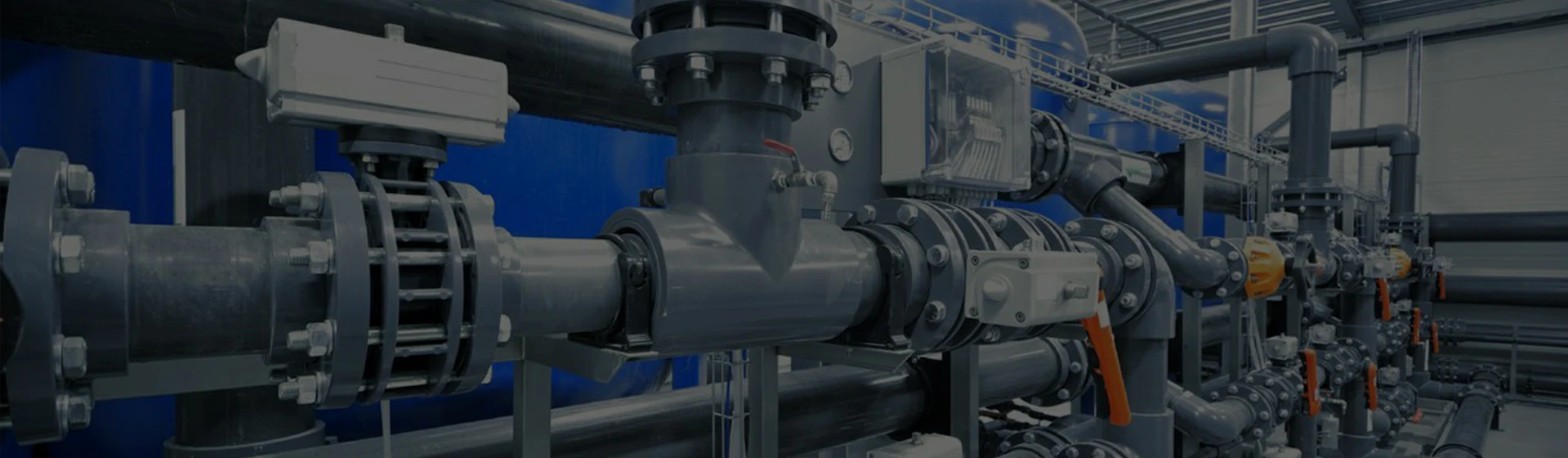
Comprehensive Guide to Steam Boiler Replacement Options and Solutions
When your steam boiler reaches the end of its service life, or becomes inefficient or unreliable, considering replacement options is crucial for maintaining operational efficiency and safety. Choosing the right boiler depends on your facility’s specific needs, including steam demand, fuel source availability, and budget. At HZ Steam Boiler, we specialize in providing tailored steam boiler solutions. This article will explore the various steam boiler replacement options available, helping you make an informed decision. Before diving into replacement options, accurately assessing your steam requirements is paramount. This includes determining the peak steam demand (in pounds per hour or kilograms per hour), operating pressure, and steam quality needed for your processes. Consider future expansion plans, as oversizing a boiler is more cost-effective than undersizing. Additionally, evaluate your existing fuel infrastructure (natural gas, oil, coal, biomass) and the costs associated with each. A thorough analysis will help narrow down the most suitable steam boiler replacement choices. We provide free assessment to all of our potential clients.और पढ़ें -
Comprehensive Guide to Efficient Diesel Steam Boiler Systems and Applications
Diesel steam boilers are robust and versatile heating solutions widely used across various industries. These boilers efficiently convert diesel fuel into steam, providing a reliable source of power for processes like heating, sterilization, and power generation. Choosing the right boiler is crucial for operational efficiency and cost-effectiveness. HZ Steam Boiler specializes in designing and manufacturing high-quality diesel steam boilers tailored to meet diverse industrial needs. Understanding the nuances of these systems can significantly improve your operations and overall performance. The operation of a diesel steam boiler involves several key stages. First, diesel fuel is fed into the burner where it's mixed with air and ignited. This combustion process generates heat, which is then transferred to water within the boiler's pressure vessel. As the water heats up, it transforms into high-pressure steam. This steam is then distributed through a network of pipes to power various applications.और पढ़ें -
Selecting the Optimal New Steam Boiler for Industrial and Commercial Applications
Investing in a new steam boiler is a significant decision for any industrial or commercial operation. A reliable and efficient boiler is crucial for processes ranging from heating and power generation to sterilization and manufacturing. This article will guide you through the key considerations when selecting a new steam boiler, ensuring you choose the best solution for your specific requirements. We'll cover different types, fuel sources, sizing, and essential safety features. There are several types of new steam boilers available, each with its own advantages and disadvantages. Fire-tube boilers are known for their simplicity and lower initial cost, making them suitable for smaller applications. Water-tube boilers, on the other hand, offer higher steam output and can handle higher pressures, making them ideal for larger industrial facilities. Condensing boilers are designed for high efficiency by recovering heat from exhaust gases. The best choice depends on your specific steam demand, pressure requirements, and budget. HZ Steam Boiler offers a comprehensive range of boiler types to meet diverse needs.और पढ़ें -
Comprehensive Guide to Steam Boiler Furnace Types and Maintenance
A steam boiler furnace is a critical component in many industrial processes, providing the heat needed to generate steam for power, heating, and various manufacturing applications. Choosing the right furnace for your needs is essential for efficiency, safety, and cost-effectiveness. This article will explore the different types, key features, applications, and maintenance considerations of steam boiler furnaces. Understanding these aspects will empower you to make an informed decision when selecting a furnace for your specific operational requirements. Steam boiler furnaces come in various designs, each suited for different fuel types and applications. Common types include fire-tube furnaces, water-tube furnaces, and packaged firebox boilers. Fire-tube furnaces are known for their simplicity and lower initial cost, making them ideal for smaller steam demands. Water-tube furnaces are preferred for higher-pressure, higher-capacity applications due to their superior heat transfer and safety characteristics.और पढ़ें -
Comprehensive Guide to Steam Furnaces for Industrial Applications
A steam furnace, also known as a steam boiler, is a crucial component in many industrial processes. It's a closed vessel where water is heated to produce steam, which is then used for a variety of applications including power generation, heating, and processing. This article will provide an in-depth look at steam furnaces, their types, applications, key considerations, and the role HZ Steam Boiler plays in delivering high-quality solutions. Investing in a reliable steam furnace is essential for operational efficiency and safety. Steam furnaces come in various designs, each suited for different applications and fuel sources. Common types include fire-tube boilers, water-tube boilers, and electric boilers. Fire-tube boilers are simpler and less expensive, making them ideal for smaller applications. Water-tube boilers, on the other hand, are more efficient and can handle higher pressures, making them suitable for power generation.और पढ़ें -
Comprehensive Guide to Steam Boiler Heating Systems and Their Applications
A steam boiler heating system is a robust and efficient solution for providing heat in a variety of applications, from industrial processes to district heating. This article will explore the benefits, components, types, and applications of steam boiler heating systems, providing a thorough understanding for those considering this technology. We will delve into how these systems operate, their advantages over other heating methods, and key factors to consider when selecting the right boiler for your needs. A steam boiler system isn't just the boiler itself; it's a network of interconnected components working in harmony. The core components include the boiler drum (where water is heated and steam is generated), the furnace (where fuel is burned to provide heat), the heat exchanger (transfers heat from combustion gases to the water), the steam piping (delivers steam to the point of use), and the condensate return system (returns condensed steam back to the boiler). Efficient operation relies on the proper functioning of each element.और पढ़ें