Selecting the right hot water boiler for house applications is more than just a utility upgrade; it is a fundamental investment in residential comfort and energy autonomy. As global energy prices fluctuate and the demand for sustainable heating grows, understanding the technical nuances of water-based heating systems becomes essential for homeowners and developers alike.
Across the globe, the shift toward high-efficiency thermal solutions has transformed how we perceive domestic climate control. From the freezing winters of Northern Europe to the humid highlands of Asia, a reliable hot water boiler for house ensures that sanitary water and space heating are delivered consistently, reducing reliance on inefficient electric heaters.
By integrating advanced heat exchange technology and smart controls, modern boilers now offer an unprecedented balance of performance and environmental responsibility. This guide explores the critical factors, from durability to scalability, that define the modern standard for domestic hot water generation.
Global Industry Context of Residential Boilers
The global demand for efficient residential heating is accelerating, driven by urbanization and a stringent push toward carbon neutrality. According to International Energy Agency (IEA) trends, the residential sector accounts for a significant portion of global energy consumption, making the optimization of a hot water boiler for house a priority for reducing greenhouse gas emissions.
In many developing regions, the transition from traditional biomass heating to engineered water boilers represents a leap in humanitarian standards, providing safer, cleaner, and more reliable warmth. This shift not only improves health outcomes by reducing indoor air pollution but also enhances the economic viability of housing projects.
Defining the Modern Hot Water Boiler for House
In simple technical terms, a hot water boiler for house is a closed-loop heating system designed to heat water to a specific temperature without allowing it to boil into steam. This heated water is then circulated through a network of pipes to radiators, underfloor heating systems, or storage tanks for domestic use.
Unlike industrial steam boilers, domestic hot water systems focus on precise temperature modulation and safety. The integration of heat exchangers ensures that the energy from the fuel source—whether it be natural gas, electricity, or biomass—is transferred efficiently to the water, maintaining a steady thermal equilibrium throughout the residence.
From a broader perspective, these systems are the heartbeat of modern home infrastructure. They bridge the gap between raw energy production and human comfort, evolving from simple iron tanks to sophisticated, digitally controlled units that adapt to the occupants' habits and the external weather conditions.
Core Components and Performance Factors
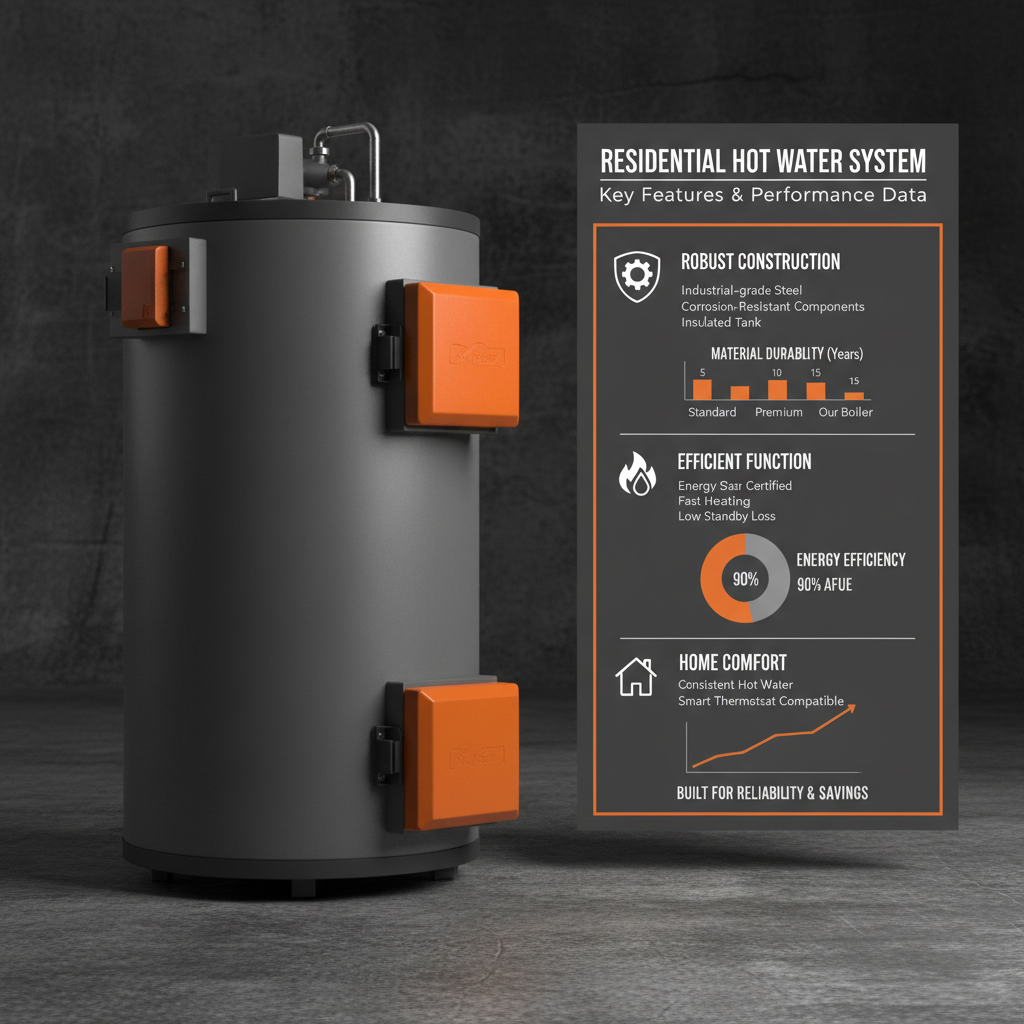
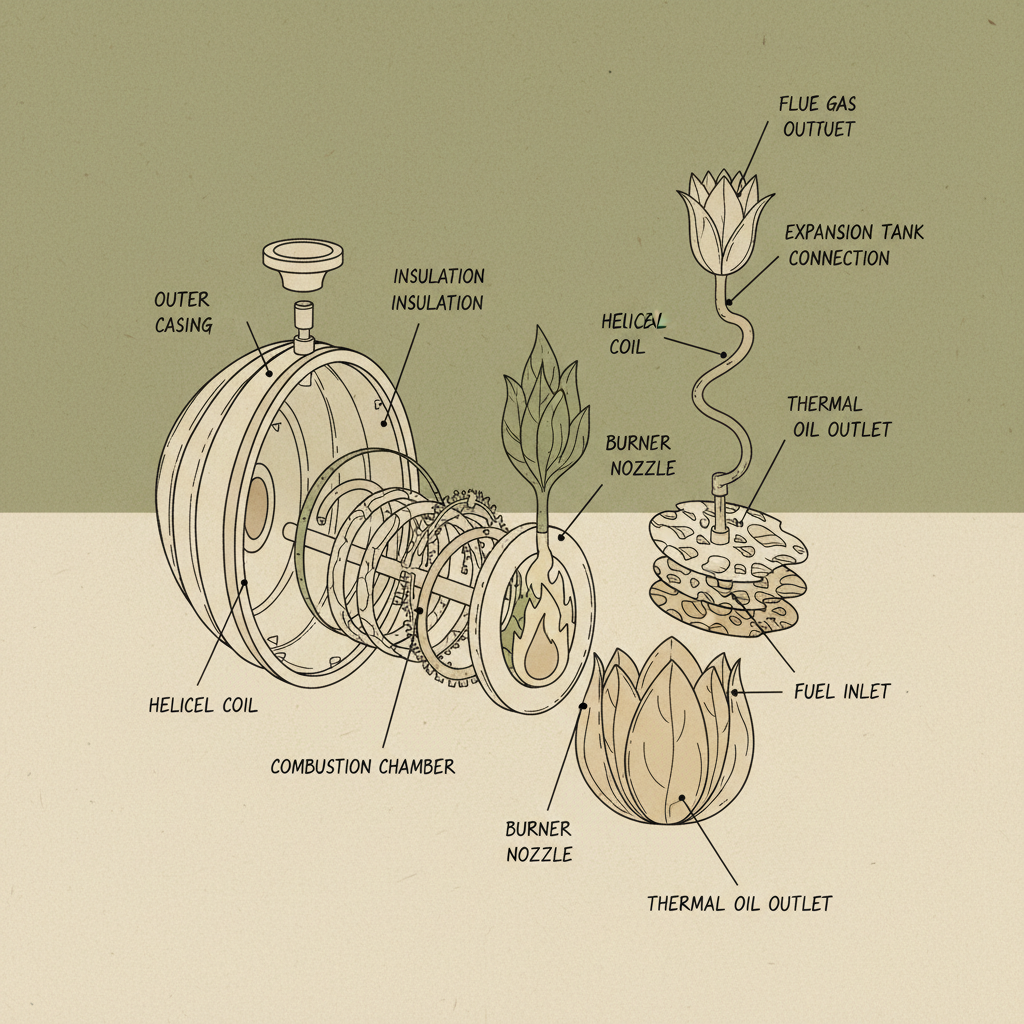
The durability of a hot water boiler for house depends heavily on the quality of its heat exchanger materials. High-grade stainless steel or copper alloys are typically employed to resist corrosion and scale buildup, ensuring that the system remains operational for decades without significant loss in thermal efficiency.
Scalability is another critical factor; a well-engineered hot water boiler for house should be capable of handling varying loads, from a single bathroom tap to the simultaneous heating of multiple rooms during a cold snap, without compromising water temperature or pressure.
Cost efficiency is realized through the implementation of condensing technology. By capturing the latent heat from exhaust gases, these advanced systems can achieve efficiency ratings exceeding 90%, drastically reducing monthly utility bills and the overall carbon footprint of the household.
Practical Applications and Efficiency Metrics
The application of a hot water boiler for house varies significantly by climate. In temperate zones, these systems are often integrated with solar thermal collectors, creating a hybrid model that uses renewable energy for pre-heating, while the boiler handles the primary load during winter months.
In high-end residential developments, these boilers are often paired with smart home ecosystems, allowing users to zone their heating. This means the system only delivers hot water to occupied rooms, maximizing energy conservation and ensuring that no BTU is wasted on empty spaces.
Performance Comparison of Residential Heating Methods
Long-Term Value and Sustainability Benefits
Investing in a high-quality hot water boiler for house provides tangible long-term value through reduced operational costs and increased property appraisal. A system that demonstrates high energy ratings and low emissions is increasingly viewed as a premium asset in the real estate market.
Beyond the financial logic, there is a profound emotional value in the reliability of home heating. The peace of mind knowing that a system will provide consistent warmth and hot water during extreme weather contributes to the overall dignity and safety of the living environment.
Future Trends in Domestic Thermal Innovation
The future of the hot water boiler for house is leaning heavily toward digitalization. We are seeing the rise of AI-driven predictive maintenance, where the boiler can alert the homeowner to a potential part failure before it happens, eliminating the risk of unexpected winter outages.
Material science is also evolving, with the introduction of nano-coatings for heat exchangers that virtually eliminate lime-scale accumulation. This innovation will extend the lifespan of residential boilers and maintain their peak efficiency for much longer periods without chemical flushing.
Furthermore, the integration of hydrogen-ready burners is becoming a key focus. As the global energy grid transitions toward hydrogen, the next generation of boilers will be capable of switching fuels without requiring a full system replacement, ensuring long-term sustainability.
Overcoming Common Installation Challenges
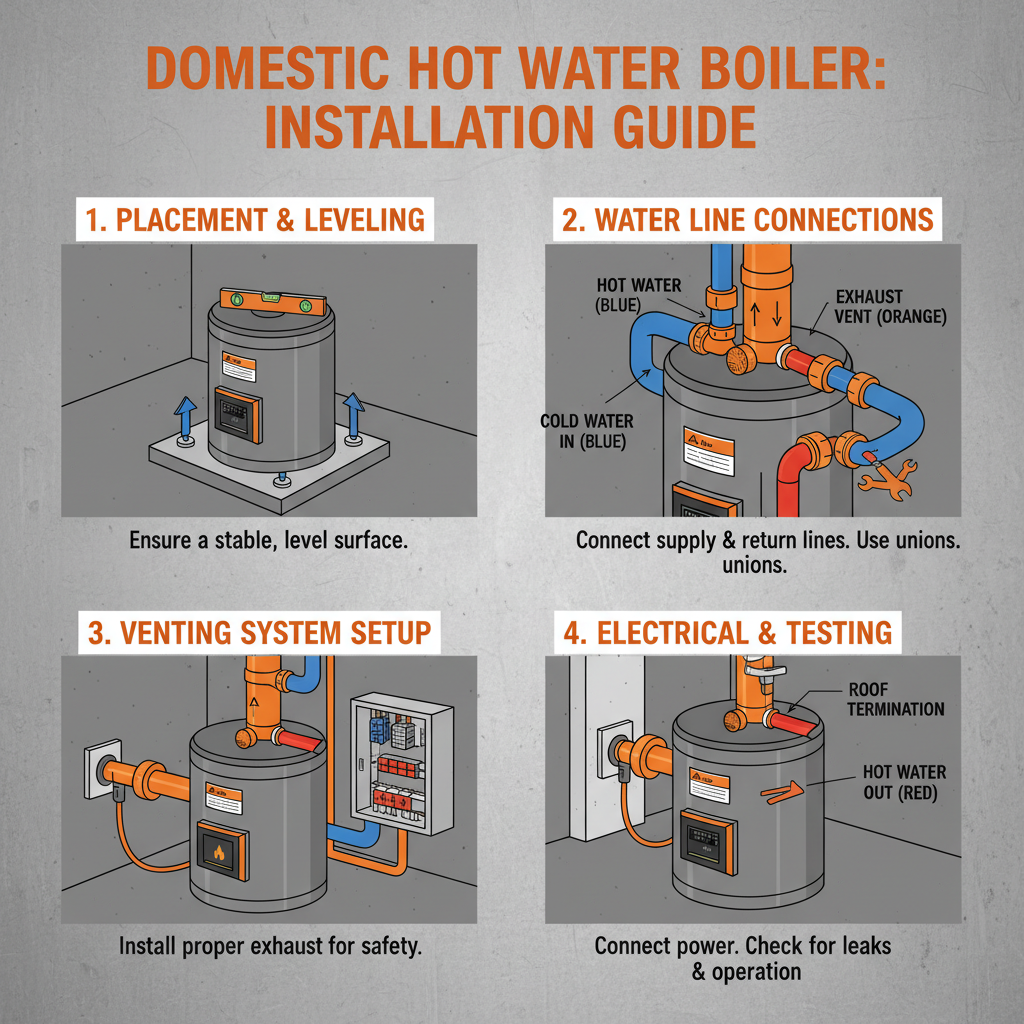
One of the most frequent challenges in deploying a hot water boiler for house is the integration with legacy piping. Old pipes often have internal corrosion or insufficient diameters, which can lead to pressure drops and inefficient heat distribution.
Expert installers now recommend a comprehensive system flush and the installation of magnetic sludge filters. These components capture metallic debris and contaminants, protecting the sensitive heat exchanger of the new boiler from premature wear and tear.
Another common hurdle is space optimization in urban apartments. The industry has responded by developing compact, wall-mounted units that offer the same power as traditional floor-standing models, allowing homeowners to reclaim valuable square footage without sacrificing thermal performance.
Technical Analysis of Boiler Integration Strategies
| Installation Approach |
Complexity Level |
Energy Impact |
Expected Lifespan |
| Direct Replacement |
Low |
Moderate Improvement |
12-15 Years |
| Full System Retrofit |
High |
Maximum Efficiency |
20+ Years |
| Hybrid Solar Integration |
Medium |
Very High Savings |
15-20 Years |
| Smart Zoning Update |
Medium |
High Precision |
15 Years |
| Heat Pump Pairing |
High |
Eco-Optimal |
18-25 Years |
| Basic Pipe Upgrade |
Low |
Low Improvement |
10-12 Years |
FAQS
A condensing boiler is significantly more efficient because it captures heat from the water vapor in the exhaust gases, which would otherwise be lost through the flue. This process allows the boiler to operate at efficiency levels above 90%, whereas non-condensing models typically peak around 80%. While the initial cost is higher, the long-term fuel savings make condensing boilers the superior choice for most modern homes.
It is highly recommended to have your hot water boiler for house serviced annually, ideally before the start of the winter heating season. Regular maintenance includes checking the gas pressure, cleaning the heat exchanger, and testing safety valves. Annual servicing not only ensures the system operates at peak efficiency but also prevents costly emergency breakdowns and extends the overall lifespan of the equipment.
Yes, absolutely. The industry has developed compact, wall-mounted "combi" boilers that combine heating and hot water production in one small unit. These eliminate the need for a separate large hot water storage tank, making them ideal for apartments or homes with limited space. Modern compact boilers provide the same high-performance output as larger units without compromising on reliability.
Many modern boilers are now being designed as "hybrid-ready" or "hydrogen-ready." While traditional boilers run on natural gas, you can integrate them with heat pumps or solar thermal panels to reduce fossil fuel reliance. For those looking for a fully green transition, electric boilers powered by renewable energy grids or biomass boilers using certified pellets are excellent sustainable alternatives.
Noise in a hot water boiler for house is often caused by "kettling," which occurs when lime-scale builds up inside the heat exchanger, trapping bubbles of steam. Other causes include air trapped in the pipes or a failing circulation pump. Regular water softening treatments and bleeding the radiators can resolve most noise issues and protect the boiler from internal damage.
Capacity is usually determined by the total square footage of the house, the level of insulation, and the number of bathrooms. A general rule is to calculate the peak heat loss of the building and ensure the boiler can exceed that load by 10-20%. Consulting a professional engineer is recommended to avoid "oversizing," which can lead to inefficient short-cycling and increased wear on the boiler components.
Conclusion
Integrating a high-performance hot water boiler for house is a strategic decision that blends technical efficiency with domestic luxury. By focusing on core components like high-grade heat exchangers and adopting condensing technology, homeowners can significantly reduce their environmental impact while ensuring a stable, comfortable living environment. From the initial selection of capacity to the implementation of smart zoning, every detail contributes to the long-term sustainability of the home.
Looking forward, the convergence of AI diagnostics and hydrogen-ready hardware will redefine residential heating, making it more autonomous and eco-friendly. We encourage homeowners and builders to move beyond basic utility and embrace these innovations to future-proof their properties. For those seeking professional-grade thermal solutions and expert guidance, we invite you to explore our comprehensive range of systems. Visit our website: www.hzsteamboiler.com






 English
  Arabic
  Bengali
  French
  German
  Hindi
Hindi  Indonesian
  Kazakh
  Khmer
Khmer  Korean
  Kyrgyz
  Lao
Lao  Latin
Latin  Mongolian
  Nepali
  Russian
  Turkish
  Turkmen
  Uzbek
Uzbek