The management of hot boiler water is a critical cornerstone of industrial thermal efficiency, serving as the primary medium for energy transfer in countless manufacturing processes. From large-scale textile mills to sophisticated chemical plants, the ability to maintain precise temperatures and water quality determines not only the output quality but also the longevity of the equipment. Understanding the nuances of thermal fluid dynamics is essential for any facility aiming to reduce operational downtime and maximize heat recovery.
Globally, the demand for high-efficiency heating solutions is skyrocketing as industries shift toward sustainable energy. According to international ISO standards for boiler efficiency, improper handling of hot boiler water can lead to a loss of up to 15% in thermal performance due to scaling and corrosion. This inefficiency translates into millions of tons of unnecessary carbon emissions and billions in wasted fuel costs across the global manufacturing sector, making the optimization of boiler water a matter of both economic and environmental urgency.
The primary challenge facing modern plant managers is the delicate balance between achieving high temperature differentials and preventing the degradation of the boiler internals. When hot boiler water is not treated or circulated correctly, it can lead to catastrophic failures such as tube bursts or severe pitting. By integrating advanced water treatment and precision control systems, industries can transform a basic utility into a strategic asset that drives productivity and safety.
Fundamentals of Hot Boiler Water Systems
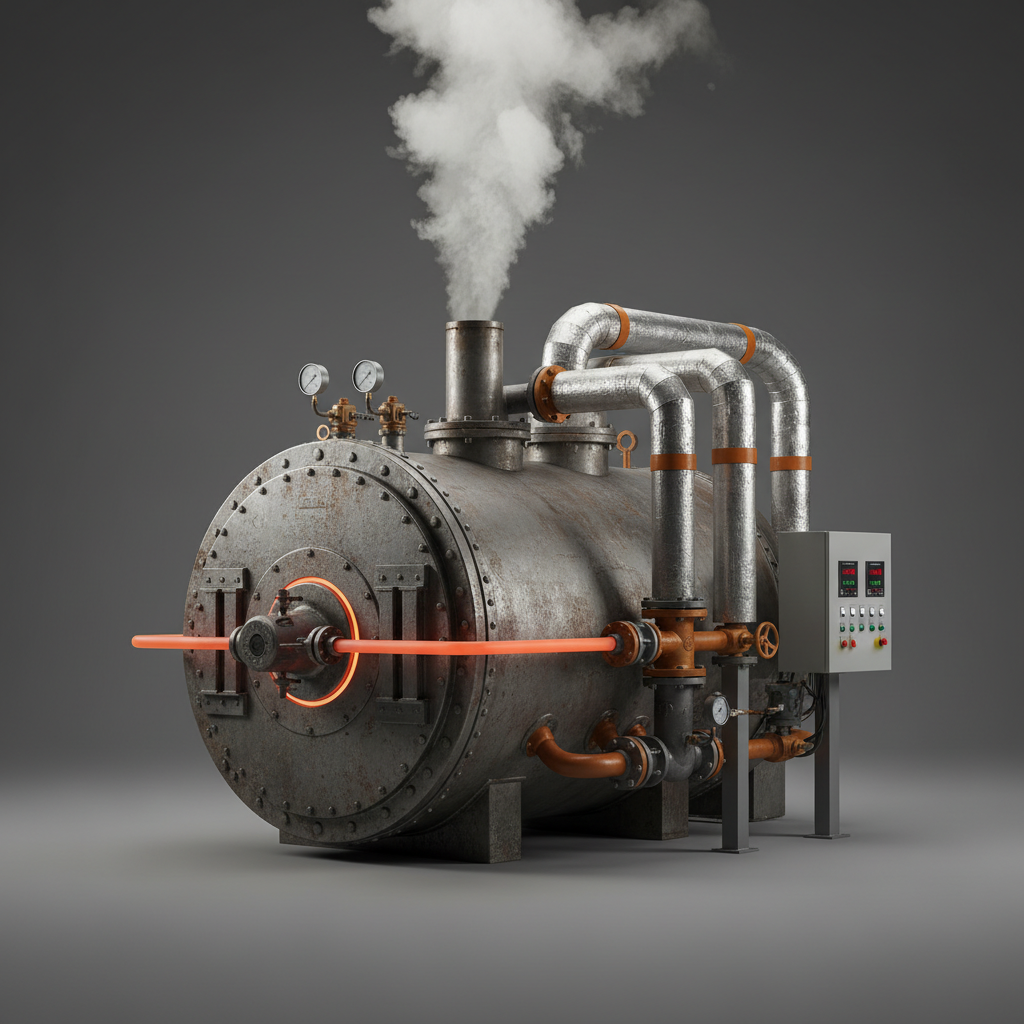
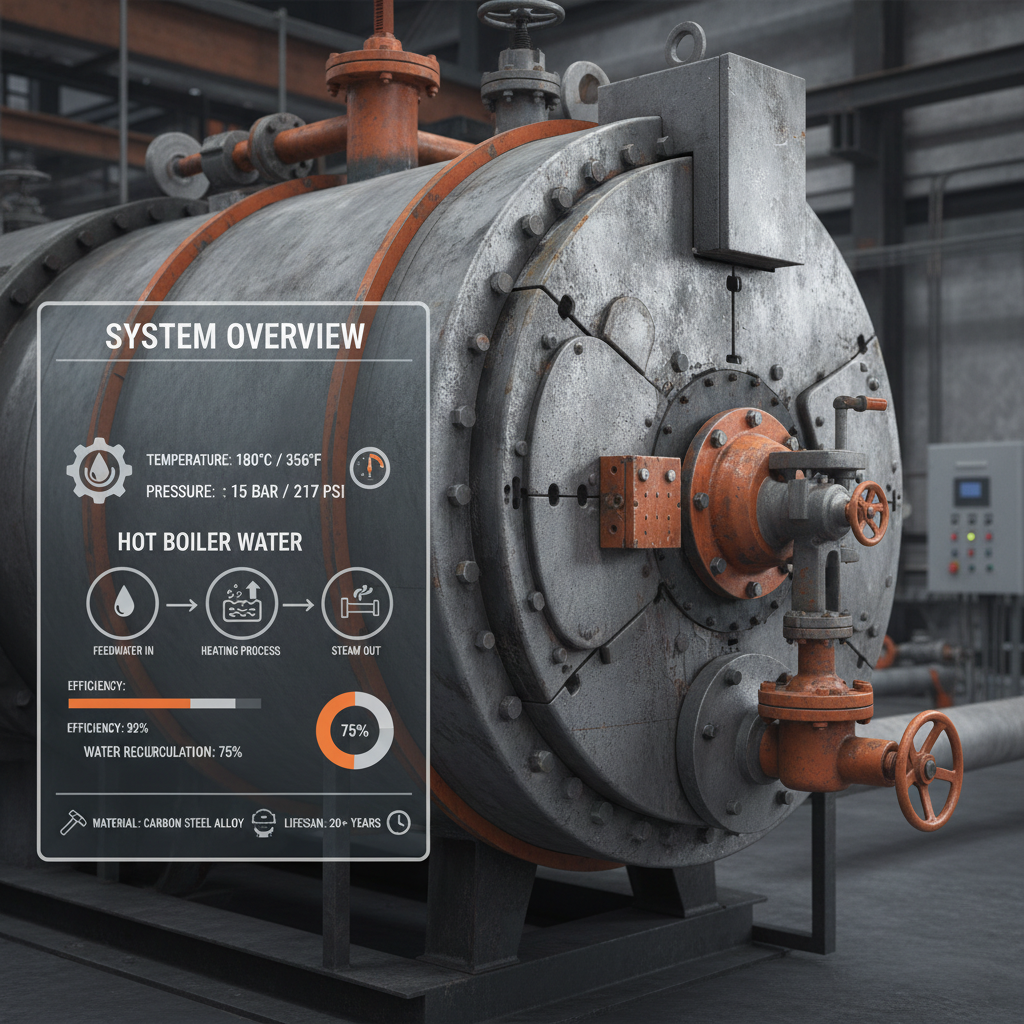
At its core, hot boiler water refers to the heated liquid medium within a boiler system that is used to provide heat to a secondary process or space. Unlike steam, which involves a phase change, hot water systems typically operate in a closed loop, maintaining the water in a liquid state to facilitate more stable and controllable temperature distribution. This process requires precise pressure management to ensure the water remains liquid even at temperatures exceeding 100°C.
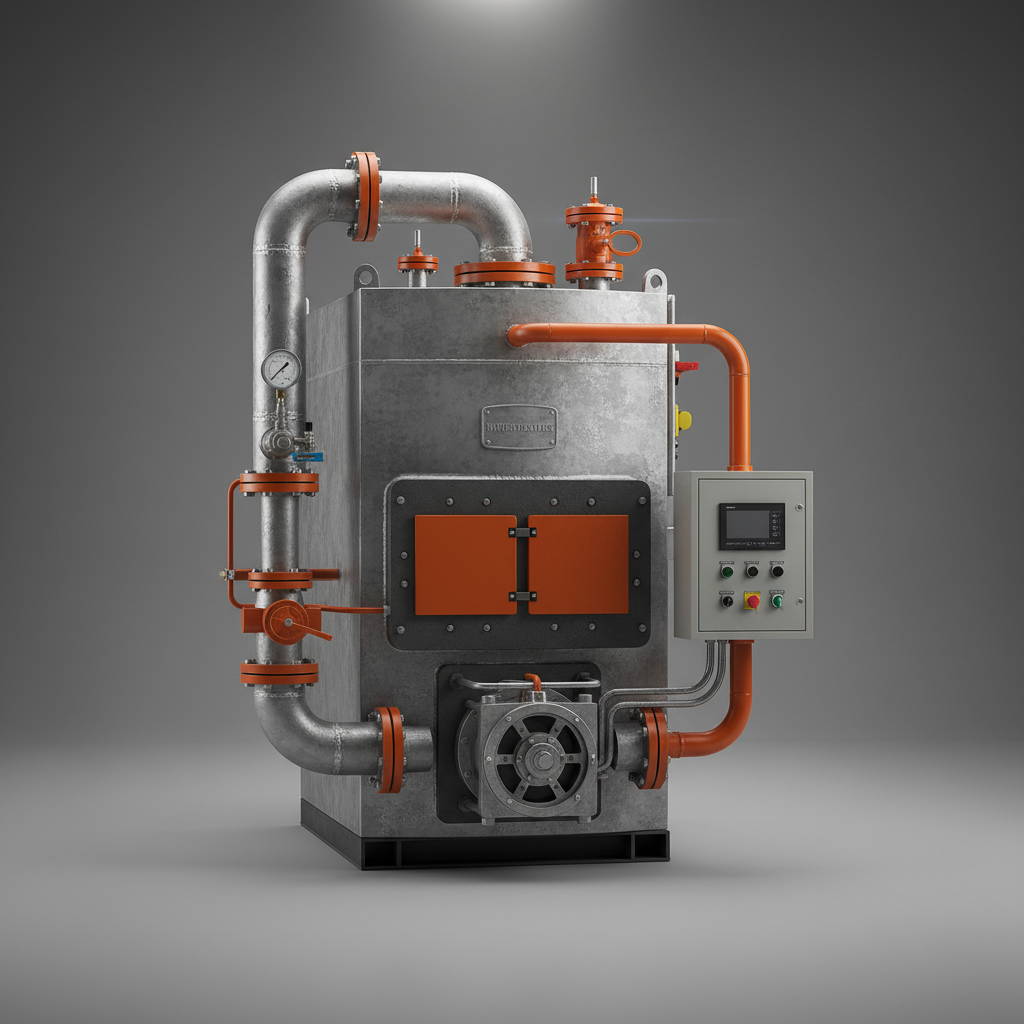
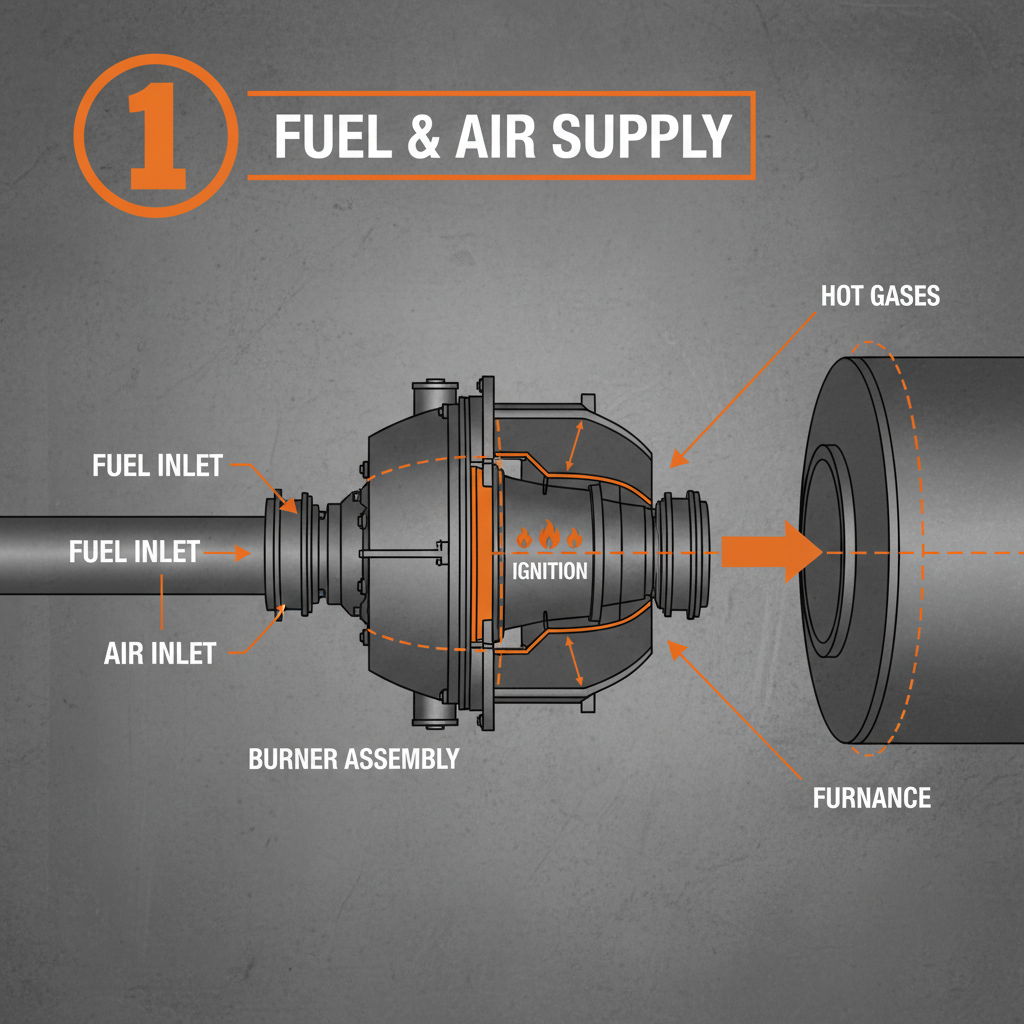
The fundamental goal of these systems is to transport thermal energy from the combustion chamber or electrical element to the end-use point with minimal loss. The efficiency of this transfer depends heavily on the flow rate and the specific heat capacity of the water. By optimizing these variables, manufacturers can ensure that their Hot Water Boilers or Thermal Oil Boilers operate at peak performance, reducing the overall energy footprint of the facility.
Critical Factors for Water Quality and Stability
Durability in a boiler system is directly linked to the purity of the hot boiler water. Dissolved minerals, such as calcium and magnesium, tend to precipitate as the water heats up, forming a hard scale on the interior walls of the heat exchanger. This scale acts as an insulator, forcing the boiler to burn more fuel to achieve the same temperature, which eventually leads to localized overheating and metal fatigue.
Scalability and system flexibility are also influenced by the chemical stability of the water. For industries expanding their operations, the ability to integrate additional heat exchangers requires a water chemistry profile that remains consistent across a larger volume. Using demineralized or softened water ensures that as the system grows, the risk of sludge accumulation in low-flow areas is minimized, maintaining a uniform heat distribution.
Cost efficiency is perhaps the most tangible factor. While investing in high-grade water treatment plants may seem like a high upfront cost, the long-term savings in fuel and maintenance are immense. Properly treated hot boiler water reduces the frequency of "blowdowns"—the process of draining water to remove concentrated impurities—thereby saving both water and the energy used to heat it.
Impact of Water Chemistry on Boiler Longevity
The relationship between pH levels and the corrosion of hot boiler water is a primary concern for engineers. If the water becomes too acidic, it aggressively attacks the carbon steel of the boiler shells; if it is too alkaline, it can lead to caustic embrittlement. Maintaining a strict pH window is essential to creating a protective magnetite layer on the metal surfaces.
Oxygen scavenging is another critical process where hot boiler water is treated to remove dissolved oxygen. Oxygen in the presence of heat causes "pitting," a form of localized corrosion that can create pinholes in the boiler tubes in a surprisingly short amount of time, leading to leaks and unplanned shutdowns.
Ultimately, the synergy between chemical additives and mechanical filtration determines the lifecycle of the asset. By implementing a rigorous monitoring schedule for the hot boiler water, operators can predict when descaling is necessary and avoid the catastrophic failure of the pressure vessel, ensuring the system remains operational for decades rather than years.
Efficiency Analysis of Heating Methods
When comparing different methods of generating hot boiler water, it is important to analyze the heat transfer coefficient and the energy input required. Electric boilers offer precision and zero on-site emissions, whereas gas-fired boilers provide higher capacities for heavy industrial loads. The choice depends on the specific thermal demand and the available infrastructure of the plant.
Another critical consideration is the use of condensate recovery systems. By capturing the heat from the returning hot boiler water, the system can pre-heat the incoming makeup water, significantly reducing the amount of energy needed to reach the target operating temperature.
Efficiency Comparison of Hot Boiler Water Generation Methods
Global Industrial Applications and Use Cases
The application of hot boiler water is diverse and spans across multiple continents. In Northern Europe, large-scale district heating systems use centralized boilers to distribute hot water to thousands of residential buildings, providing a sustainable alternative to individual heating units. In Southeast Asia, the textile and dyeing industries rely heavily on these systems to maintain precise vat temperatures for fabric coloring.
Beyond traditional manufacturing, these solutions are vital in the food and beverage sector. For example, in large-scale breweries or dairies, hot boiler water is used for pasteurization and cleaning-in-place (CIP) processes. The reliability of the heat source is paramount here, as any temperature fluctuation could compromise food safety or product consistency, highlighting the need for high-precision boiler controls.
Long-Term Economic and Sustainable Value
Investing in a high-quality system for hot boiler water provides tangible long-term financial benefits. Reduced fuel consumption, lower insurance premiums due to improved safety, and extended equipment lifespans create a compelling ROI. When a boiler is optimized, the operational expenditure (OPEX) drops significantly, allowing companies to reinvest those savings into further innovation.
From a sustainability perspective, the transition toward "green" hot boiler water is a key part of the global Net-Zero strategy. By integrating heat recovery ventilators and utilizing biomass or hydrogen fuels, manufacturers can decouple their growth from carbon emissions. This not only satisfies regulatory requirements but also enhances the brand's reputation among eco-conscious consumers.
Moreover, the psychological peace of mind provided by a stable, safe system cannot be overlooked. Trust in the equipment allows engineers to focus on process optimization rather than crisis management. The dignity of a safe working environment, where the risk of pressure-related accidents is minimized, is a core value of modern industrial management.
Future Trends in Thermal Fluid Technology
The future of hot boiler water systems lies in digital transformation. The integration of IoT (Internet of Things) sensors allows for real-time monitoring of water chemistry and thermal gradients. Predictive maintenance algorithms can now alert operators to scale buildup before it affects efficiency, shifting the maintenance paradigm from reactive to proactive.
We are also seeing a shift toward advanced materials. The use of specialty alloys and ceramic coatings within boilers is reducing the impact of corrosive hot boiler water, allowing for higher operating temperatures and pressures without sacrificing safety. This enables more compact boiler designs that occupy less factory floor space.
Finally, the convergence of thermal energy storage (TES) with boiler systems is a game-changer. By storing hot boiler water in insulated tanks during off-peak energy hours, plants can flatten their energy demand curve, significantly lowering electricity costs and supporting grid stability.
Comparison of Modern Boiler Water Management Strategies
| Management Approach |
Initial Cost |
Efficiency Gain |
Lifespan Extension |
| Standard Softening |
Low |
Moderate (5-8%) |
2-3 Years |
| Reverse Osmosis (RO) |
Medium |
High (10-15%) |
5-7 Years |
| IoT-Driven Monitoring |
Medium |
Very High (15%+) |
8-10 Years |
| Chemical Dosing Automation |
Low-Medium |
Moderate (7-10%) |
4-6 Years |
| Full Deionization |
High |
Extreme (18%+) |
12+ Years |
| Condensate Recovery |
Medium |
High (12-20%) |
3-5 Years |
FAQS
Poor water quality leads to scale buildup, which acts as a thermal barrier. This means the boiler must consume more fuel to heat the hot boiler water to the desired temperature. Even a thin layer of scale can increase fuel consumption by 2% to 10%, directly increasing monthly energy costs.
A hot water boiler heats hot boiler water and circulates it as a liquid through a system. A steam boiler heats water until it evaporates into steam. Hot water systems are generally easier to control and more efficient for space heating, while steam is superior for high-temperature industrial sterilization.
For industrial-grade systems, daily testing of pH and hardness is recommended. Weekly tests for dissolved oxygen and alkalinity ensure the hot boiler water remains non-corrosive. Automated IoT systems can now do this every second, providing a much higher level of safety.
Using raw tap water is highly discouraged. Tap water contains minerals that will quickly create scale. It is essential to use a water softener or a reverse osmosis system to treat the water before it becomes hot boiler water to protect the boiler's interior.
Common signs include an increase in fuel consumption, frequent "hammering" sounds in the pipes, a drop in output temperature, or visible rust/cloudiness in the water. If these occur, your hot boiler water chemistry is likely unbalanced.
While technically possible, it usually requires significant modifications to the pressure vessel and the piping network. It is often more cost-effective to install a dedicated Hot Water Boiler designed specifically for circulating hot boiler water efficiently.
Conclusion
Optimizing the management of hot boiler water is far more than a maintenance chore; it is a strategic imperative for any modern manufacturing facility. By focusing on the intersection of water chemistry, thermal efficiency, and digital monitoring, companies can drastically reduce their operational costs while extending the life of their capital assets. The transition from basic heating to precision thermal management is the key to maintaining a competitive edge in an energy-conscious market.
Looking forward, the integration of green energy and AI-driven analytics will redefine how we perceive industrial heating. We encourage plant managers to audit their current water treatment protocols and consider the long-term value of investing in high-efficiency boilers. For those seeking professional guidance on selecting the right system for their specific needs, visit our website: www.hzsteamboiler.com to explore our range of Hot Water, Steam, and Thermal Oil Boilers.





 English
  Arabic
  Bengali
  French
  German
  Hindi
Hindi  Indonesian
  Kazakh
  Khmer
Khmer  Korean
  Kyrgyz
  Lao
Lao  Latin
Latin  Mongolian
  Nepali
  Russian
  Turkish
  Turkmen
  Uzbek
Uzbek