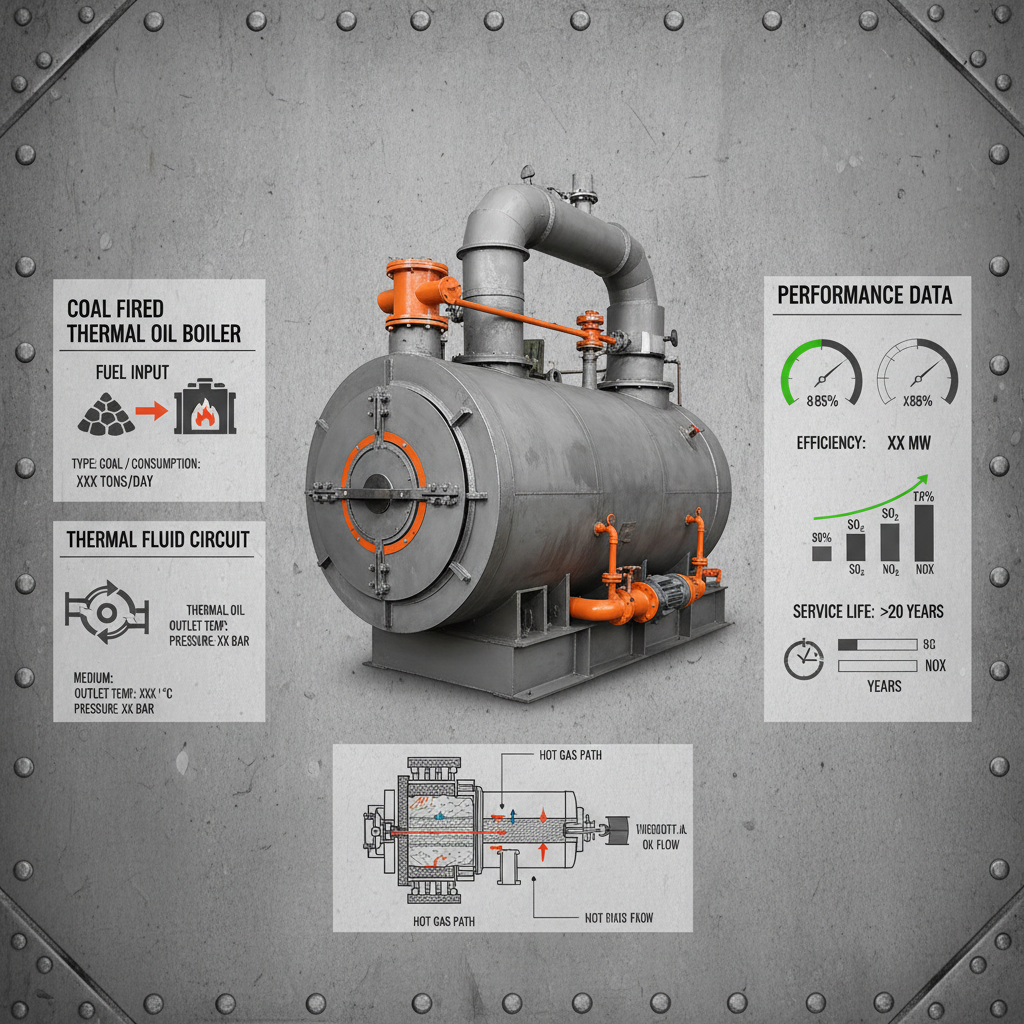
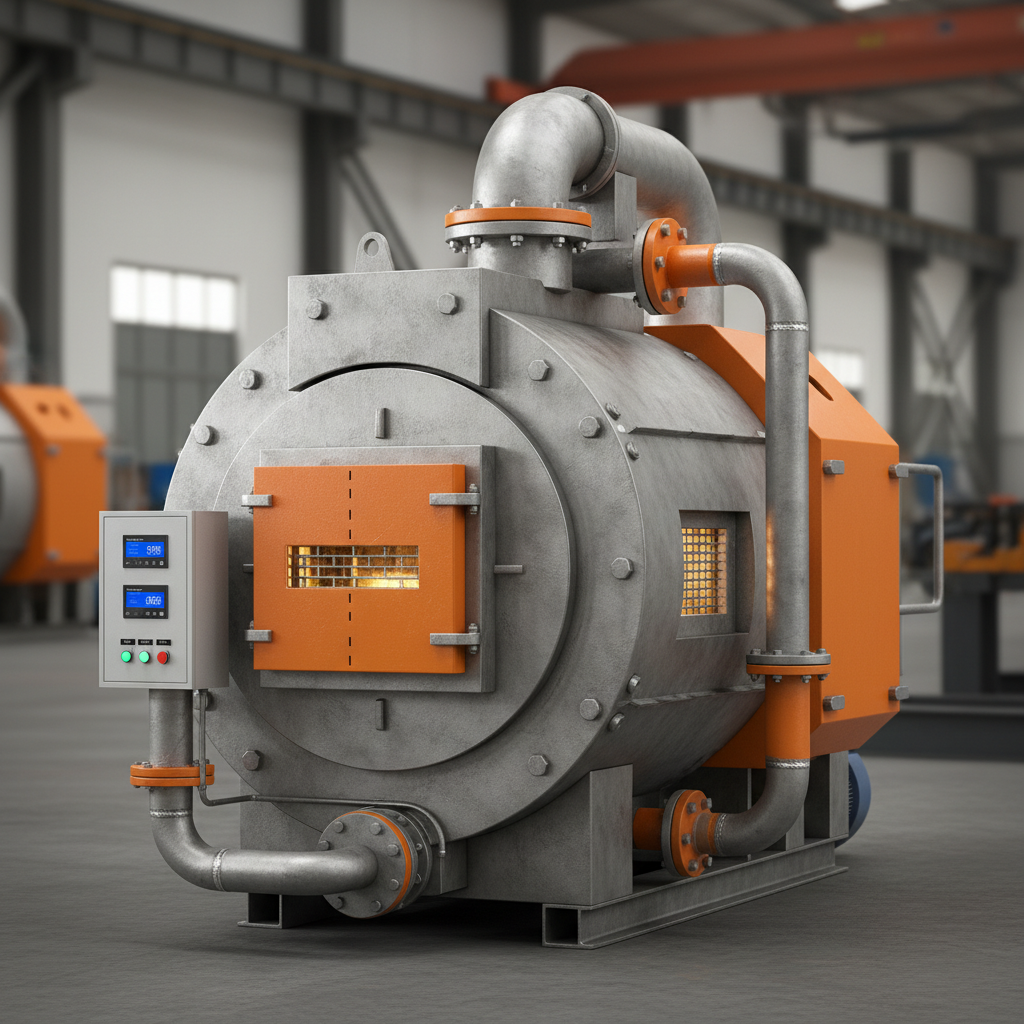
Coal fired thermal oil boilers represent a crucial technology in modern industrial heating, offering a reliable and efficient method for transferring heat energy. These boilers utilize coal as a fuel source to heat a thermal oil, which then circulates to provide process heat for a wide array of applications. Understanding the intricacies of these systems is vital for industries seeking to optimize energy efficiency, reduce operational costs, and minimize environmental impact. The demand for robust and adaptable heating solutions continues to drive innovation in coal fired thermal oil boiler technology globally.
The global reliance on industrial processes requiring consistent and high-temperature heat makes coal fired thermal oil boilers indispensable in numerous sectors. While environmental concerns push for greener alternatives, coal continues to be a significant energy source in many regions, particularly in developing economies. According to the International Energy Agency (IEA), coal accounts for approximately 27% of global primary energy consumption. coal fired thermal oil boiler systems offer a pragmatic solution where coal availability is high and stringent emissions controls can be implemented.
The challenge lies in balancing the need for efficient and affordable heating with the growing imperative of sustainable energy practices. This is where advancements in boiler design, fuel optimization, and emissions reduction technologies become paramount. Addressing this challenge is essential for maintaining industrial productivity while minimizing environmental consequences and ensuring compliance with international standards like ISO 14001.
Introduction to coal fired thermal oil boiler
Coal fired thermal oil boilers serve as a cornerstone of process heating in a multitude of industries, delivering consistent and reliable thermal energy. The key benefit lies in their ability to achieve high operating temperatures without the pressure limitations inherent in steam systems. This characteristic makes them ideal for applications requiring direct heat transfer, contributing to greater efficiency and improved process control.
The adoption of these boilers is driven by their versatility and suitability for various fuel types, beyond just coal, offering a degree of operational flexibility. Understanding the nuances of their operation, maintenance, and optimization is crucial for maximizing their lifespan and minimizing downtime, ensuring continuous and cost-effective thermal energy provision.
Defining Coal Fired Thermal Oil Boilers
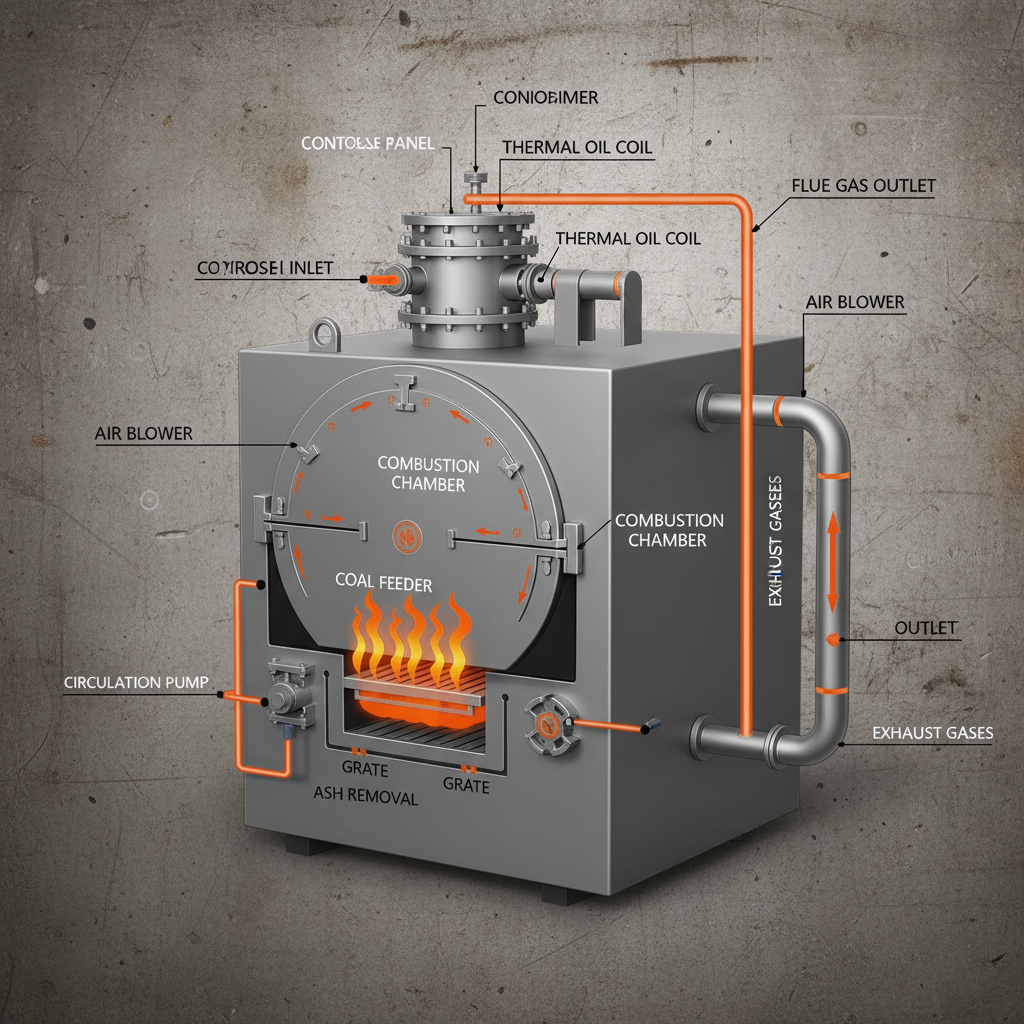
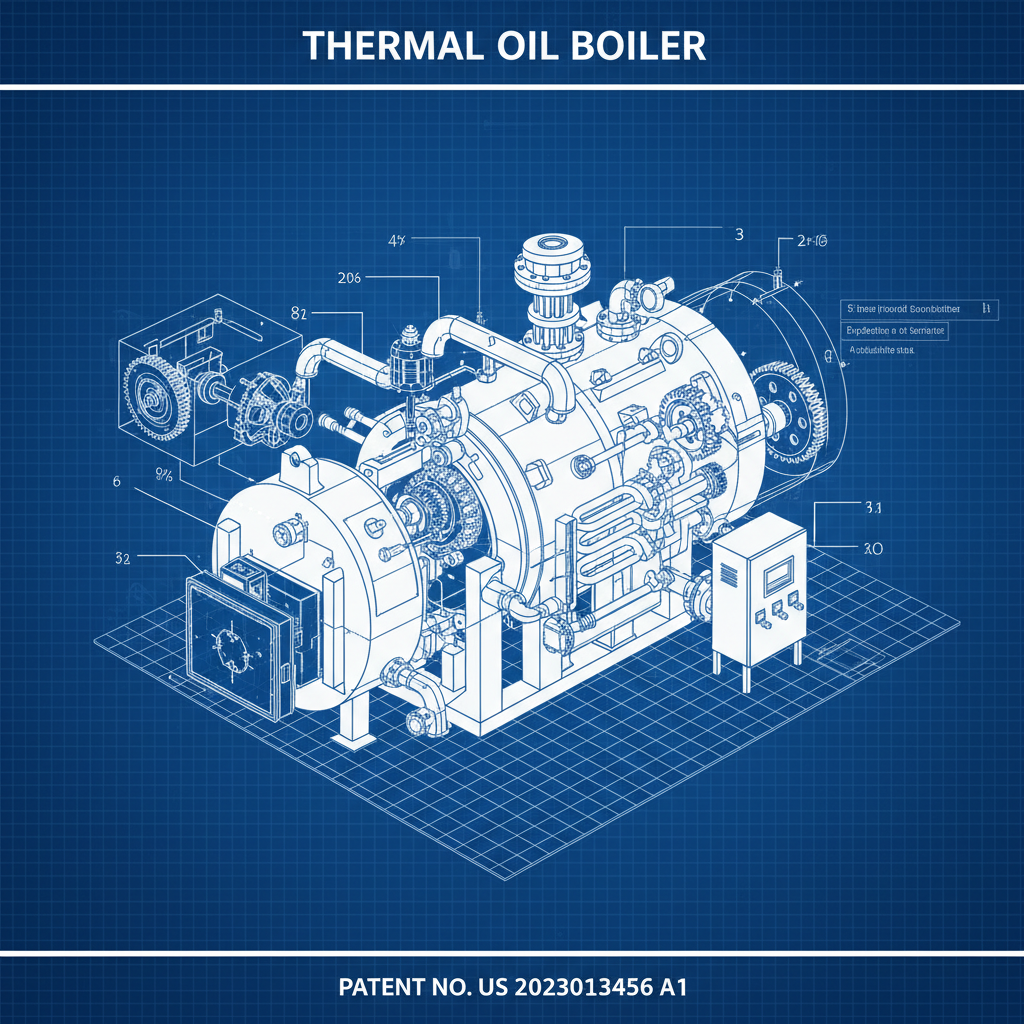
A coal fired thermal oil boiler is a heat transfer system where coal combustion generates heat, which is then used to warm a specially formulated thermal oil. This oil, unlike water, has excellent heat transfer properties and can operate at significantly higher temperatures without vaporizing. It’s a closed-loop system, meaning the thermal oil continuously circulates, delivering heat to processes and returning to the boiler for reheating.
The connection to modern industry is profound. These boilers provide the necessary thermal energy for processes in sectors like chemical manufacturing, food processing, textile production, and asphalt plants. Their ability to deliver consistent, high-temperature heat makes them critical for maintaining production efficiency and product quality.
Furthermore, their contribution extends to humanitarian needs, particularly in areas where access to reliable energy is limited. Coal fired thermal oil boilers can provide essential heat for hospitals, schools, and community facilities, improving living conditions and supporting essential services.
Core Components & Operational Factors
Several key factors define the performance and longevity of a coal fired thermal oil boiler. Firstly, fuel quality is critical. The type and calorific value of the coal directly impact efficiency and emissions. Secondly, combustion efficiency needs to be maximized through precise air-fuel ratio control and proper burner maintenance. Thirdly, thermal oil stability plays a vital role; the oil must resist thermal degradation and maintain its properties over time.
Heat transfer surface design is another crucial factor. Optimizing the boiler’s tube layout and material selection ensures efficient heat absorption from the combustion gases to the thermal oil. Equally important is circulation pump performance, maintaining adequate oil flow to prevent localized overheating and ensure uniform heat distribution. Finally, a robust control system is essential for automating operation, monitoring parameters, and ensuring safe and efficient boiler operation.
These aspects directly translate to practical applications. For example, high combustion efficiency reduces fuel consumption and lowers operating costs. Stable thermal oil extends the boiler’s lifespan and minimizes maintenance requirements. Optimized heat transfer maximizes energy output and improves process efficiency.
Global Applications and Industry Integration
Coal fired thermal oil boilers are extensively used in the chemical industry for processes such as distillation, evaporation, and reactor heating. In the food processing sector, they provide the thermal energy needed for cooking, drying, and sterilization. The textile industry utilizes them for dyeing and finishing processes. Furthermore, asphalt plants rely on them for maintaining the optimal temperature of asphalt during production and transportation.
Regions with abundant coal reserves, such as China, India, and parts of Eastern Europe, exhibit a particularly high adoption rate of these boilers. However, their applications extend globally to any industrial setting where high-temperature process heat is required.
In remote industrial zones lacking access to natural gas or electricity, coal fired thermal oil boilers provide a self-sufficient heating solution. Similarly, in post-disaster relief operations, portable boiler systems can be rapidly deployed to provide essential heating for medical facilities and shelters.
Coal Fired Thermal Oil Boiler Efficiency Comparison
Advantages and Long-Term Value Proposition
The advantages of utilizing coal fired thermal oil boilers are multi-faceted. Firstly, they offer significant cost savings due to their high thermal efficiency and the relatively low cost of coal in certain regions. Secondly, their reliability is well-established, ensuring continuous operation and minimizing production downtime.
Beyond the economic benefits, there’s a strong long-term value proposition. Investing in high-quality boiler systems and implementing proper maintenance procedures extends the equipment's lifespan, reducing the total cost of ownership. The inherent safety features and robust design contribute to a secure working environment, fostering trust and operational peace of mind.
Future Trends in Coal Fired Thermal Oil Boiler Technology
Future trends are heavily focused on sustainability and efficiency improvements. This includes the integration of advanced combustion control systems utilizing AI and machine learning to optimize fuel usage and minimize emissions. There's also a growing emphasis on carbon capture and storage (CCS) technologies to mitigate the environmental impact of coal combustion.
Furthermore, digital transformation is playing a crucial role, with remote monitoring and diagnostics capabilities allowing for proactive maintenance and optimized performance. Automation of boiler operations, coupled with predictive maintenance algorithms, is expected to significantly reduce operational costs and enhance system reliability.
Challenges and Innovative Solutions
One of the primary challenges associated with coal fired thermal oil boilers is environmental impact, specifically concerning emissions of particulate matter, sulfur oxides, and nitrogen oxides. Addressing this requires the implementation of advanced emission control technologies, such as flue gas desulfurization (FGD) and selective catalytic reduction (SCR).
Another challenge is the potential for thermal oil degradation over time. Innovative solutions include the development of more stable thermal oil formulations and the implementation of online oil monitoring systems to detect and prevent degradation. Furthermore, improved boiler designs that minimize localized overheating can extend the oil’s lifespan.
A third issue is ash handling and disposal, requiring efficient and environmentally sound ash management systems. Utilizing ash for beneficial purposes, such as cement production or soil amendment, can further reduce environmental impact and create a circular economy.
Summary of Challenges and Innovative Solutions for Coal Fired Thermal Oil Boilers
| Challenge Area |
Severity (1-10) |
Current Mitigation Strategies |
Future Innovation Pathways |
| Emissions Control |
9 |
FGD, SCR, Baghouses |
CCS, Advanced Burner Design |
| Thermal Oil Degradation |
7 |
Regular Oil Analysis, Antioxidant Additives |
Enhanced Oil Formulations, Online Monitoring |
| Ash Handling & Disposal |
6 |
Landfilling, Dry Ash Handling |
Ash Utilization in Construction, Geopolymer Production |
| Fuel Quality Variability |
8 |
Fuel Pre-treatment, Blending |
Advanced Fuel Analysis, Adaptive Combustion Control |
| Operational Efficiency |
5 |
Regular Maintenance, Operator Training |
AI-powered Optimization, Predictive Maintenance |
| System Scalability |
4 |
Modular Boiler Design |
Standardized Components, Distributed Boiler Systems |
FAQS
Coal fired thermal oil boilers offer several key advantages over steam boilers. Firstly, they can achieve higher operating temperatures without the pressure limitations of steam. Secondly, they offer faster response times and more precise temperature control, making them ideal for processes requiring consistent heat input. Thirdly, thermal oil systems typically require less maintenance and have a lower risk of water treatment issues. Finally, the compact size of thermal oil boilers often results in a smaller footprint.
A variety of coal types can be used, including anthracite, bituminous, and sub-bituminous coal. However, the suitability depends on the boiler design and emission control technologies. Lower-grade coals with higher ash content may require additional pre-treatment and more frequent cleaning to maintain efficient operation. The calorific value and moisture content of the coal are also crucial factors determining its suitability.
The lifespan of thermal oil varies depending on operating temperatures, the quality of the oil, and maintenance practices. Typically, thermal oil needs to be replaced every 5-10 years. Regular oil analysis is crucial to monitor its condition and identify any signs of degradation, such as increased acidity or viscosity changes. Replacing the oil proactively can prevent equipment damage and maintain optimal system performance.
Common emission control technologies include flue gas desulfurization (FGD) for reducing sulfur dioxide emissions, selective catalytic reduction (SCR) for controlling nitrogen oxides, and baghouses or electrostatic precipitators for removing particulate matter. Advanced combustion control systems can also minimize emissions by optimizing the air-fuel ratio and combustion process. Regular monitoring and maintenance of these systems are essential for compliance with environmental regulations.
Safety measures include leak detection systems, high-temperature alarms, and emergency shutdown mechanisms. Thermal oil expansion tanks accommodate volume changes due to temperature fluctuations. Pressure relief valves prevent over-pressurization. Regular inspections of pipelines, valves, and fittings are crucial to identify and address potential leak points. Operator training on proper operating procedures and emergency response protocols is also essential.
Compared to direct-fired heating, coal fired thermal oil boilers offer higher efficiency due to the indirect heat transfer process and reduced heat losses. They also generally outperform electric resistance heating in terms of cost-effectiveness, especially in regions with affordable coal prices. While natural gas boilers may have slightly higher efficiencies, coal fired thermal oil boilers offer a viable alternative where natural gas infrastructure is limited or unavailable.
Conclusion
In conclusion, coal fired thermal oil boilers remain a vital technology for providing reliable and efficient process heat across a multitude of industries. Their ability to operate at high temperatures, coupled with their versatility and cost-effectiveness, ensures their continued relevance in the energy landscape. Understanding the core components, operational factors, and future trends is essential for maximizing their performance and minimizing environmental impact.
Looking ahead, continued innovation in emission control technologies, fuel optimization, and digital monitoring will be critical for ensuring the sustainable operation of these boilers. Investing in modern boiler systems and implementing best practices for maintenance and operation will not only reduce operational costs but also contribute to a cleaner and more sustainable future. Visit our website at www.hzsteamboiler.com to learn more about our advanced coal fired thermal oil boiler solutions.





 English
  Arabic
  Bengali
  French
  German
  Hindi
Hindi  Indonesian
  Kazakh
  Khmer
Khmer  Korean
  Kyrgyz
  Lao
Lao  Latin
Latin  Mongolian
  Nepali
  Russian
  Turkish
  Turkmen
  Uzbek
Uzbek