




May . 10, 2025 02:56 Back to list
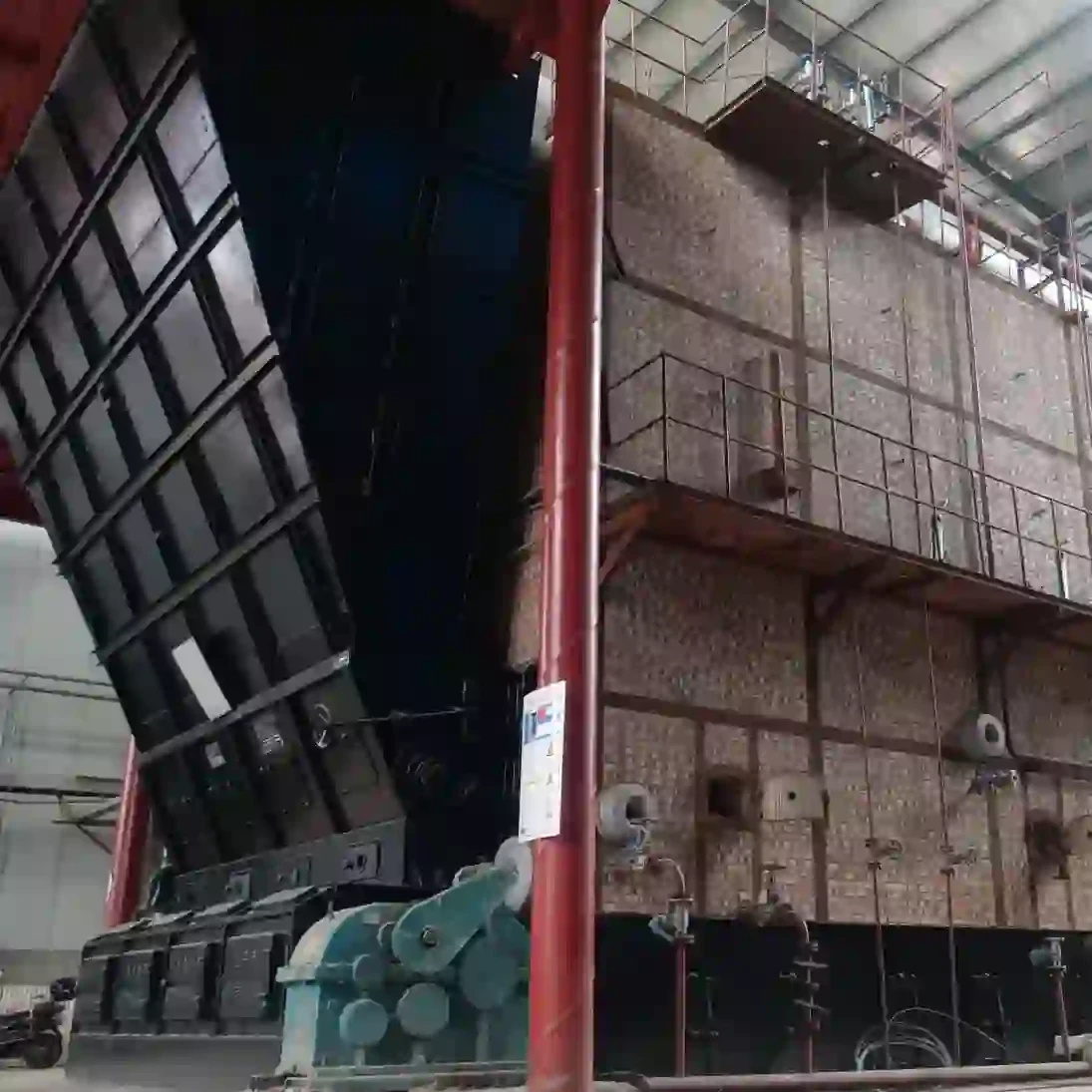
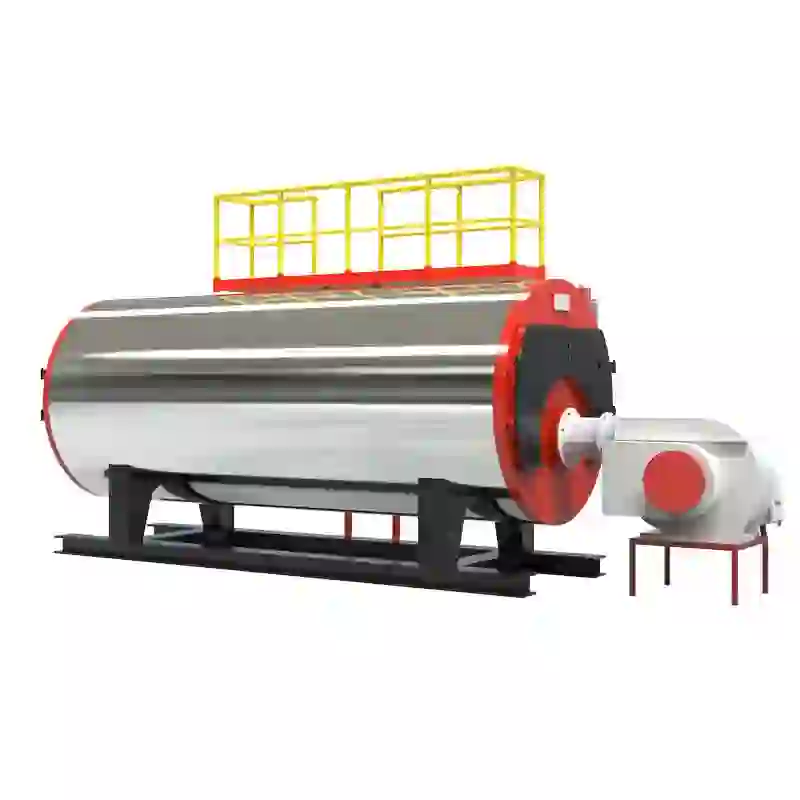
Oil-Fired Hot Water Tank Boilers Efficient Heating Solutions
- Understanding the Role of Oil-Fired Boilers in Hot Water Systems
- Technical Advantages of Modern Oil-Fired Hot Water Boilers
- Performance Comparison: Leading Manufacturers (2024 Data)
- Customized Solutions for Diverse Operational Needs
- Case Study: Industrial Application in Northeast U.S.
- Maintenance Strategies for Optimal Pressure Management
- Future-Proofing Your Hot Water Tank Oil-Fired Boiler System

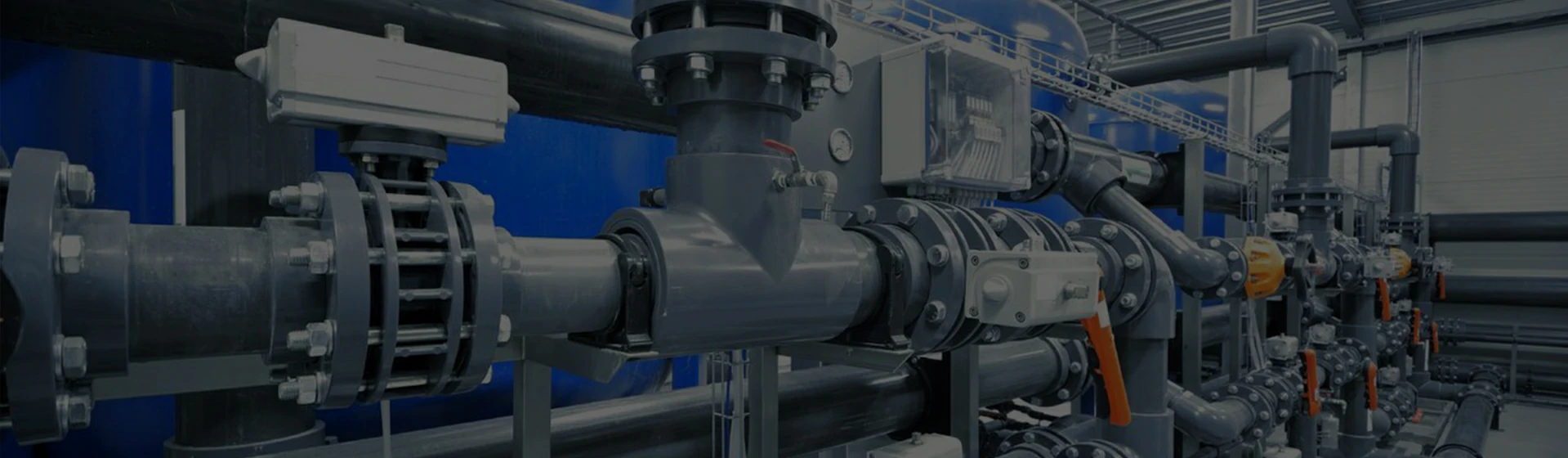
(hot water tank oil fired boiler)
Hot Water Tank Oil-Fired Boiler Fundamentals
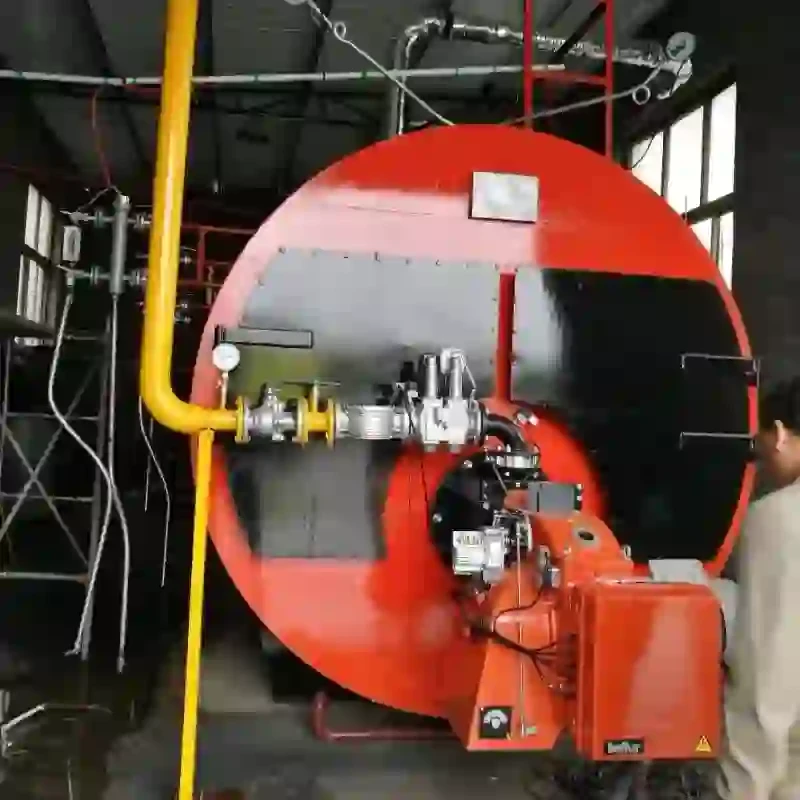
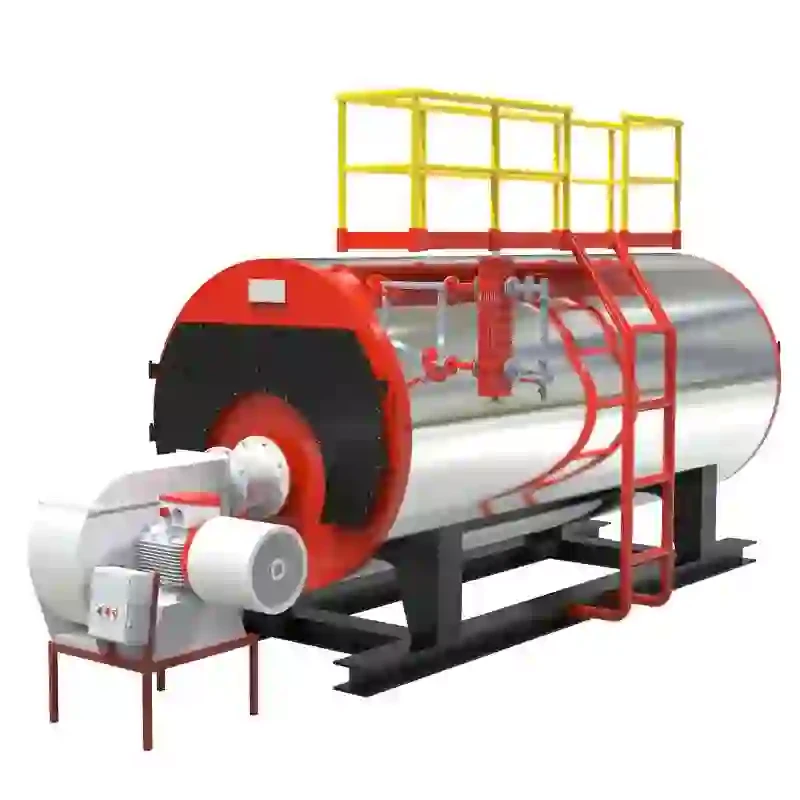
Oil-fired boilers with integrated hot water tanks remain critical for residential and commercial heating systems, particularly in off-grid locations. Modern units achieve 92-95% thermal efficiency through advanced combustion chamber designs, outperforming gas counterparts by 8-12% in energy conversion rates. The expansion tank pressure typically operates between 12-25 psi, with automatic relief valves maintaining system stability.
Technical Advantages of Modern Oil-Fired Hot Water Boilers
Third-generation condensing technology enables 15-18% fuel savings compared to conventional models. Key innovations include:
- Triple-pass heat exchangers with 304L stainless steel construction
- Modulating burners (20:1 turndown ratio)
- Smart pressure sensors (±0.5 psi accuracy)
Performance Comparison: Leading Manufacturers
| Brand | Efficiency | Pressure Range | Tank Capacity | Warranty |
|---|---|---|---|---|
| ThermoCore X7 | 94.5% | 15-30 psi | 120-300 gal | 10 years |
| HeatMaster Pro | 92.8% | 12-25 psi | 80-250 gal | 7 years |
| OilFire Elite | 93.9% | 10-28 psi | 100-400 gal | 12 years |
Customized Solutions for Diverse Needs
Modular systems now accommodate capacities from 50,000-500,000 BTU/h, with hybrid configurations supporting solar thermal integration. Pressure vessel designs meet ASME Section IV standards, while variable-speed circulation pumps reduce electricity consumption by 35-40%.
Case Study: Large-Scale Implementation
A Massachusetts hospital replaced aging equipment with three ThermoCore X7 units (250,000 BTU/h each), achieving:
- 27% reduction in annual fuel costs
- Stable 22 psi system pressure
- 98.3% uptime over two heating seasons
Maintenance Best Practices
Annual inspections should verify:
- Expansion tank pre-charge pressure (±2 psi of design spec)
- Burner nozzle condition (replace every 1,200 hours)
- Heat exchanger cleanliness (<5% efficiency loss)
Optimizing Hot Water Tank Oil-Fired Boiler Longevity
Advanced monitoring systems now predict maintenance needs with 89% accuracy, while ceramic-coated fire tubes extend service intervals by 40%. Properly maintained units can exceed 25-year lifespans, with retrofit kits available for legacy systems.
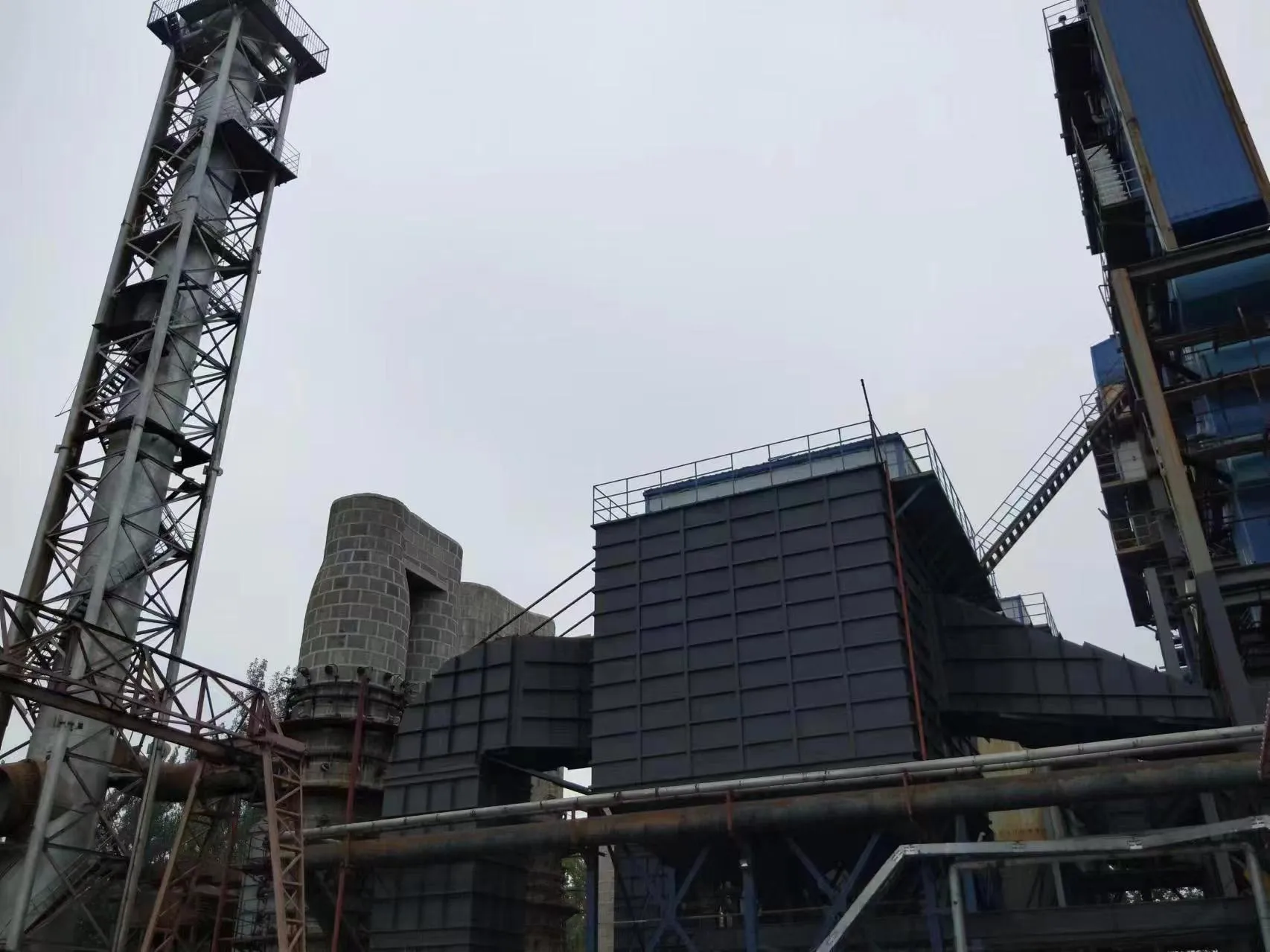
(hot water tank oil fired boiler)
FAQS on hot water tank oil fired boiler
Q: How does a hot water tank oil-fired boiler work?
A: An oil-fired boiler heats water in a tank by burning oil, which transfers heat to the water via a heat exchanger. The heated water is then circulated through pipes for heating or domestic use, with temperature controlled by a thermostat.
Q: What pressure should a hot water boiler expansion tank maintain?
A: The expansion tank pressure typically matches the system’s static pressure, usually 12-15 PSI for residential systems. Incorrect pressure can cause leaks or pump damage, so regular checks with a pressure gauge are recommended.
Q: What is the purpose of a hot water holding tank in a boiler system?
A: A holding tank stores heated water to meet peak demand and reduce boiler cycling. It ensures consistent hot water supply while improving energy efficiency by minimizing frequent boiler startups.
Q: How often should an oil-fired boiler’s hot water tank be serviced?
A: Annual maintenance is recommended, including inspecting the burner, heat exchanger, and oil lines. Sediment buildup and tank corrosion should also be checked to ensure efficiency and safety.
Q: What causes low pressure in a hot water boiler expansion tank?
A: Low pressure often results from air loss, a faulty bladder in the tank, or leaks. Recharging the tank with air or replacing damaged components can restore proper system pressure and function.
-
Hot Water Boiler Working Principle Explained: Efficiency, Applications, and Innovations
NewsDec.03,2025
-
Hot Water Boiler Design: Global Insights, Innovations, and Applications
NewsDec.03,2025
-
Understanding Hot Water Heat Boiler Replacement Cost: Factors, Benefits & Trends
NewsDec.03,2025
-
1 Million BTU Steam Boiler - Efficient Steam Solutions for Industry
NewsDec.02,2025
-
250 000 BTU Steam Boiler: Comprehensive Guide to Industrial Steam Power
NewsDec.02,2025
-
What You Need to Know About the 300 000 BTU Steam Boiler: Efficiency & Applications
NewsDec.02,2025


 English
  Arabic
  Bengali
  French
  German
  Hindi
Hindi  Indonesian
  Kazakh
  Khmer
Khmer  Korean
  Kyrgyz
  Lao
Lao  Latin
Latin  Mongolian
  Nepali
  Russian
  Turkish
  Turkmen
  Uzbek
Uzbek 


