Energy efficient water boilers are pivotal in modern industrial processes and sustainable heating solutions. Globally, the demand for efficient energy utilization is escalating, driven by concerns over climate change, rising energy costs, and stringent environmental regulations. An energy efficient water boiler offers a powerful response to these challenges, providing a reliable and cost-effective source of hot water for diverse applications, from district heating to industrial processing.
The increasing focus on decarbonization and green technologies necessitates a shift towards more sustainable boiler systems. Traditional boilers often suffer from significant energy losses, contributing to higher operational costs and a larger carbon footprint. Understanding the principles behind energy efficient water boiler technology is crucial for businesses and organizations seeking to reduce their environmental impact and improve profitability.
The adoption of these boilers isn’t merely a compliance issue; it’s a strategic investment. Improved energy efficiency directly translates to reduced fuel consumption, lower greenhouse gas emissions, and enhanced operational resilience. As industries worldwide strive for greater sustainability, the role of the energy efficient water boiler will only continue to grow in importance.
The Significance of Energy Efficient Water Boilers
The increasing global focus on sustainability and reducing carbon footprints has made energy efficient water boiler systems increasingly critical. These boilers represent a substantial opportunity to minimize energy waste and optimize resource utilization within various industries. By embracing advanced technologies and innovative designs, these boilers contribute to a more sustainable and environmentally responsible future.
The significance extends beyond environmental benefits. Implementing an energy efficient water boiler can significantly reduce operational costs, enhance process efficiency, and improve a company’s overall competitiveness. In an era of rising energy prices, these savings can have a profound impact on profitability and long-term financial stability.
Defining Energy Efficient Water Boilers
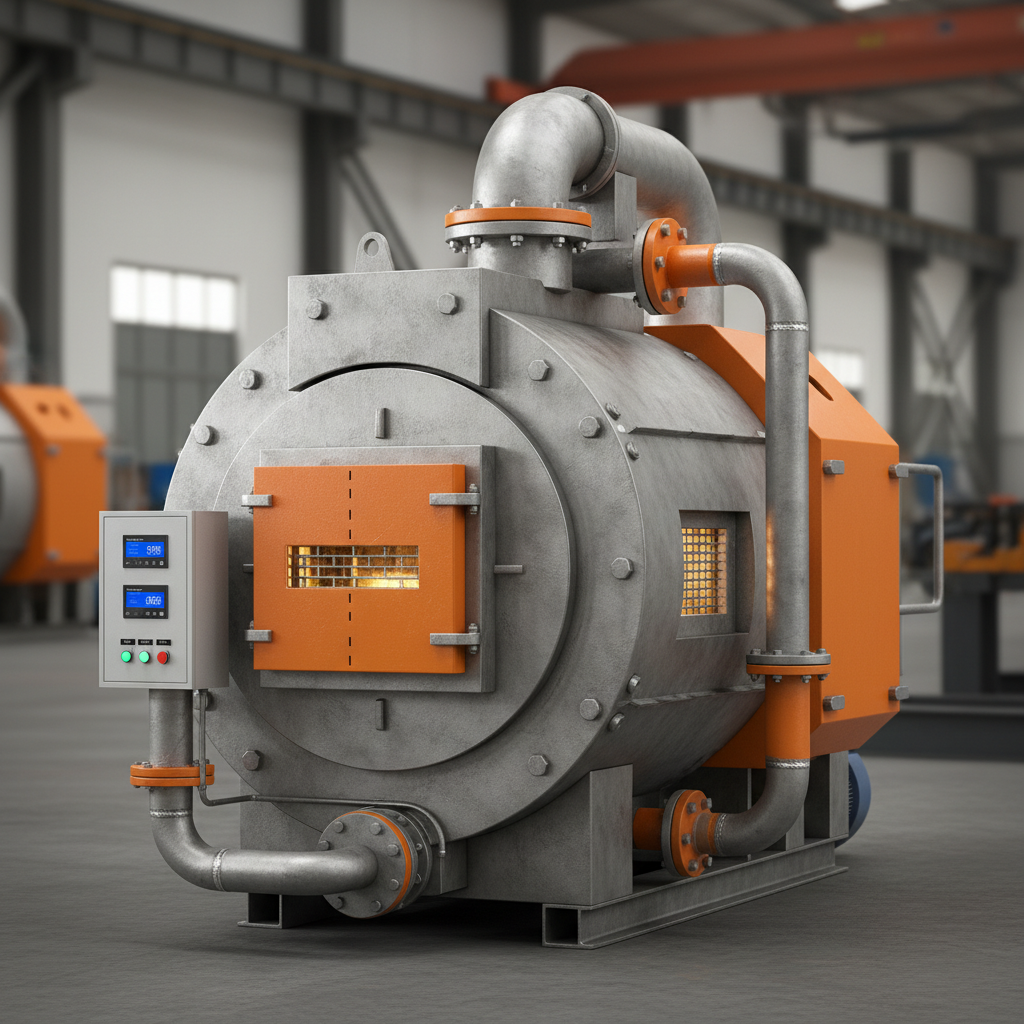
An energy efficient water boiler is a heating system designed to maximize the conversion of fuel into usable heat while minimizing energy loss. Unlike conventional boilers, these systems incorporate advanced technologies such as condensing heat recovery, improved insulation, and optimized combustion control to achieve higher efficiency levels. They are used to heat water for diverse applications including space heating, industrial processes, and hot water supply.
The core principle behind these boilers is to capture and reuse waste heat that would otherwise be released into the atmosphere. This is often achieved through condensing technology, which recovers heat from the flue gases. The connection to modern industrial needs is paramount; processes reliant on consistent and reliable hot water benefit tremendously from the cost savings and reduced environmental impact of these systems.
Essentially, an energy efficient water boiler is more than just a heating appliance; it's a component of a broader strategy for resource management and sustainability, aligning with the growing global emphasis on responsible energy consumption.
Core Components & Design Features
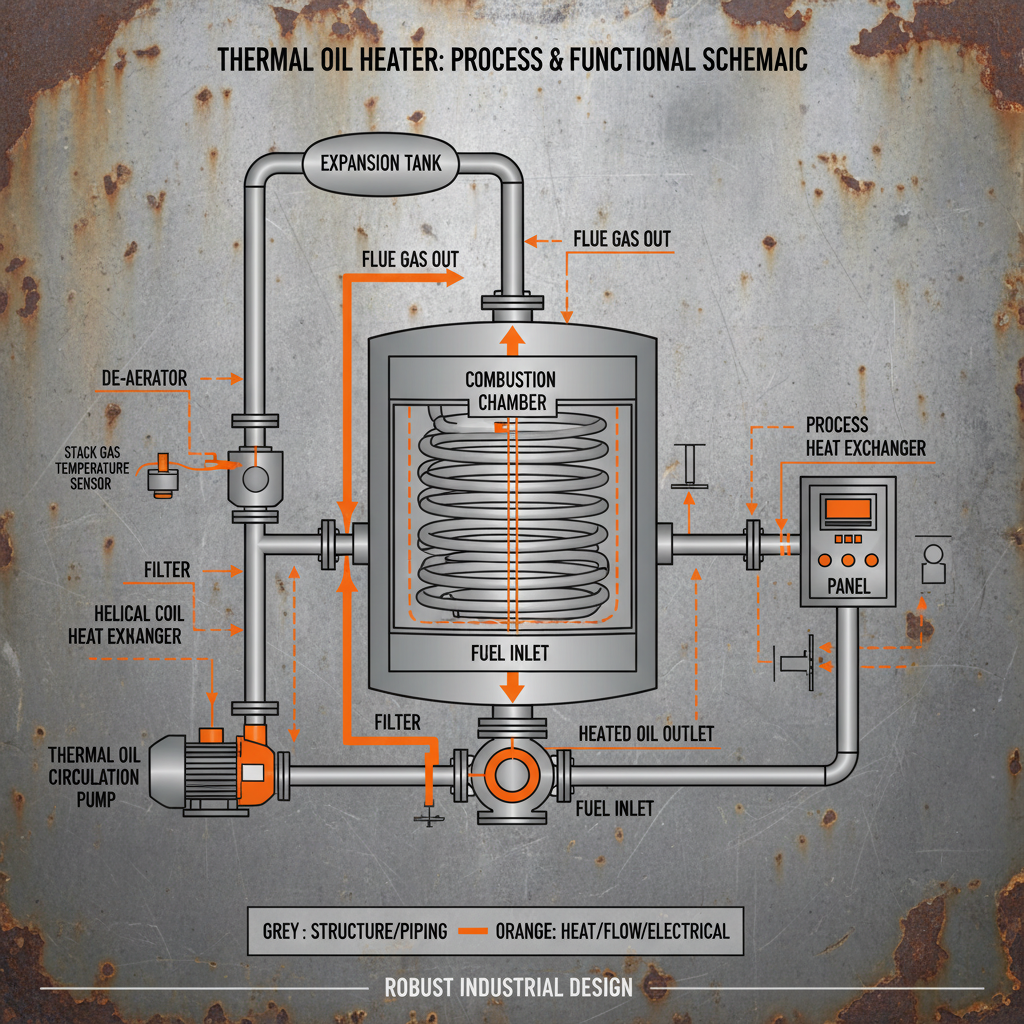
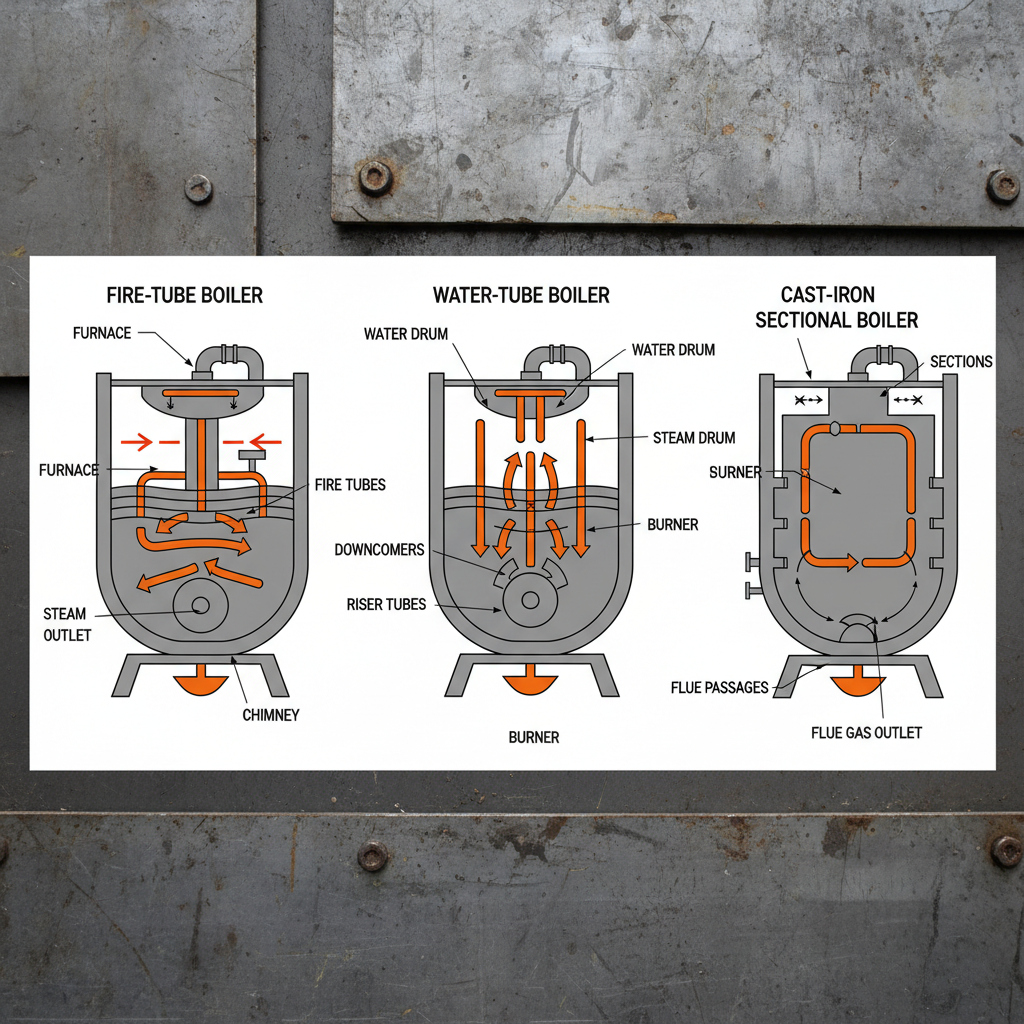
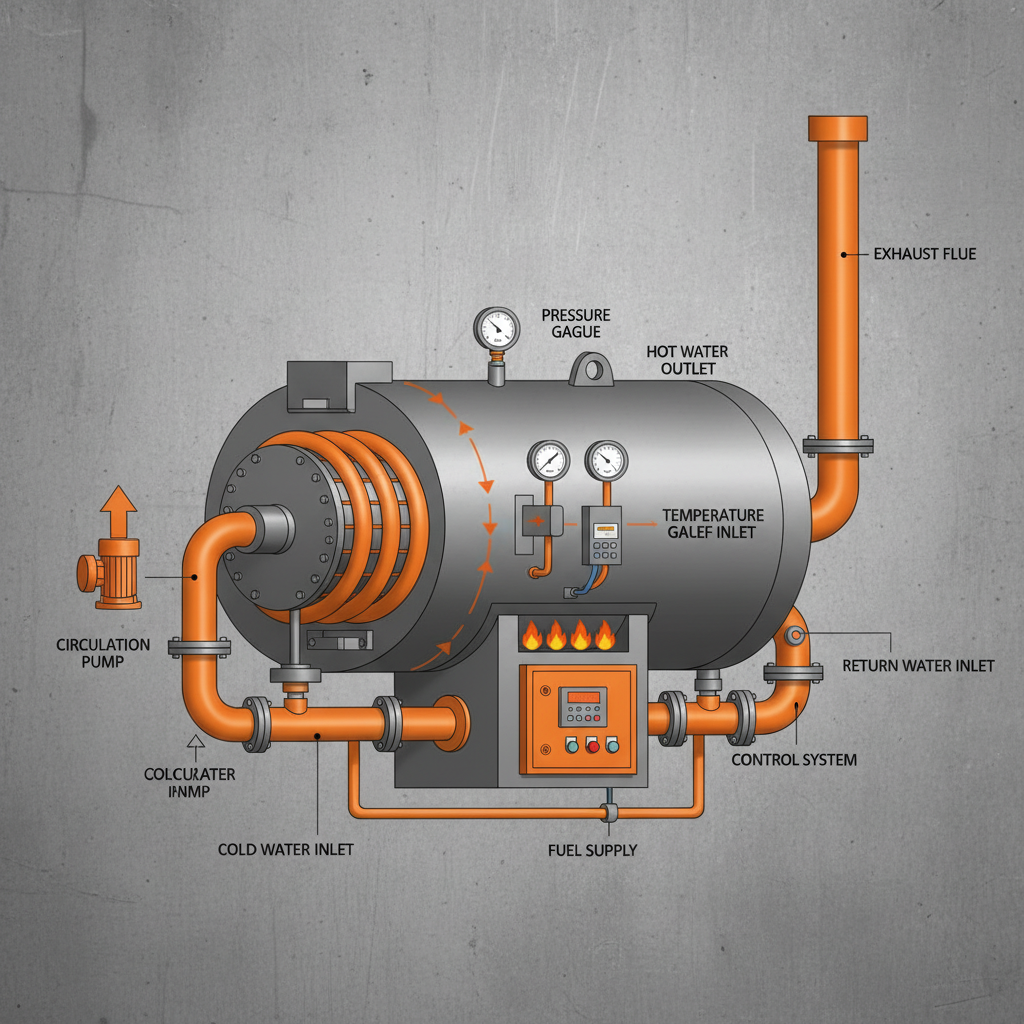
Several key components contribute to the enhanced efficiency of modern water boilers. High-efficiency burners, optimized heat exchangers, and advanced control systems work in synergy to ensure maximum heat transfer and minimal energy waste. Effective insulation is also critical, reducing heat loss from the boiler casing and flue ducts.
Condensing technology is a defining feature. This process recovers latent heat from water vapor in the flue gases, increasing overall efficiency significantly. The design of the heat exchanger is also crucial, with corrugated or finned tubes maximizing surface area for heat transfer. Sophisticated control systems continuously monitor and adjust boiler operation, optimizing performance based on real-time demand.
Modern energy efficient water boiler designs often incorporate features like modulating burners, which adjust their output based on heat demand, further enhancing efficiency and reducing fuel consumption. The materials used in construction, such as high-grade stainless steel, contribute to durability and corrosion resistance, extending the boiler’s lifespan.
Key Performance Indicators of Energy Efficient Water Boilers
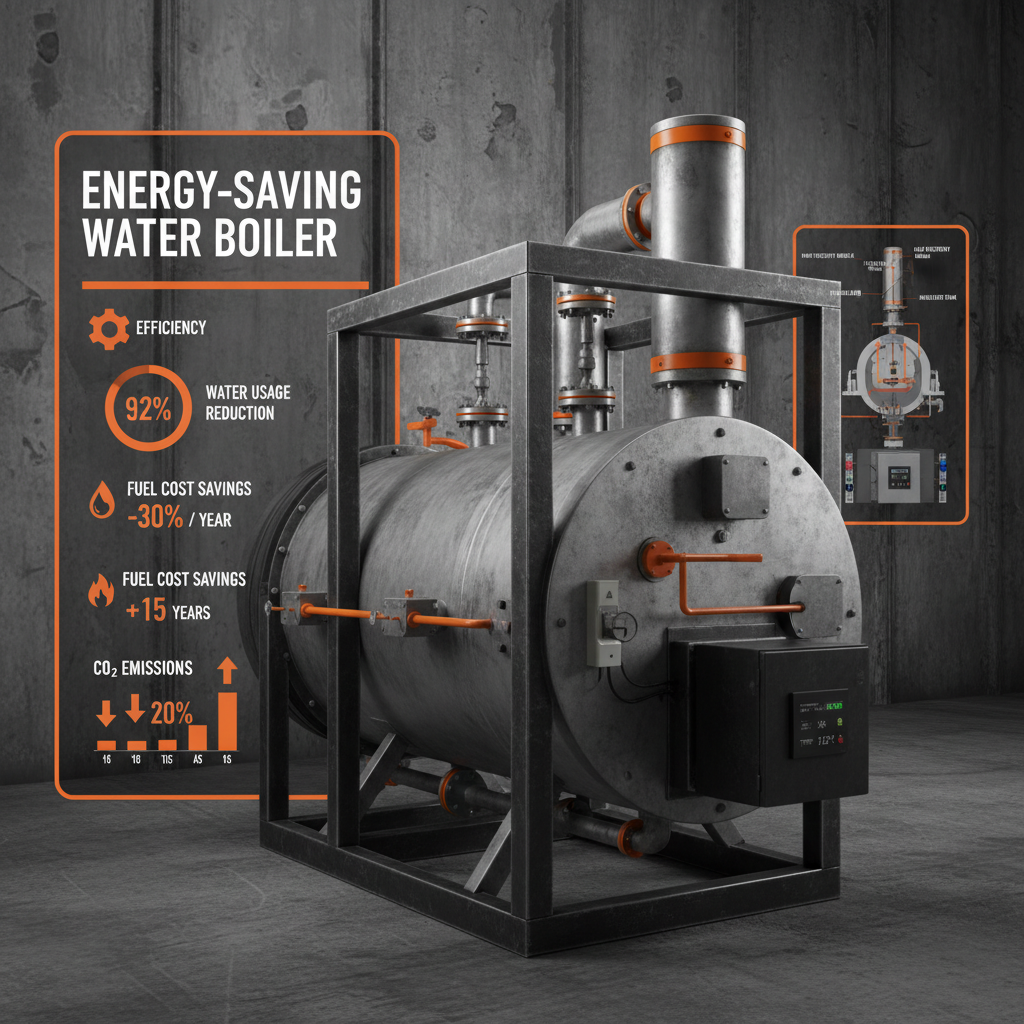
Evaluating the performance of an energy efficient water boiler requires consideration of several key performance indicators (KPIs). Among the most important is thermal efficiency, typically expressed as a percentage, indicating the amount of fuel energy converted into usable heat. A higher percentage signifies better efficiency.
Another critical KPI is the combustion efficiency, which measures how completely the fuel is burned. Complete combustion minimizes the production of harmful emissions and maximizes energy output. Furthermore, standby losses, representing heat lost when the boiler is idle, are also crucial to monitor and minimize.
Energy Efficient Water Boiler Performance Comparison
Global Applications and Industries Served
Energy efficient water boiler systems find applications across a diverse range of industries and geographical locations. In the district heating sector, they provide a sustainable and cost-effective solution for supplying hot water to residential and commercial buildings. This is particularly prevalent in Scandinavian countries and Eastern Europe, where district heating networks are widespread.
Industrial facilities, such as food processing plants, textile mills, and chemical plants, rely heavily on hot water for various processes. Implementing energy efficient boilers can significantly reduce energy costs and improve operational efficiency in these settings. In remote industrial zones, where access to reliable energy sources is limited, these boilers offer a dependable and sustainable solution.
Advantages and Long-Term Value Proposition
The advantages of investing in an energy efficient water boiler extend far beyond simple cost savings. Reduced fuel consumption translates directly to lower operating expenses and a faster return on investment. Furthermore, these boilers contribute to a smaller carbon footprint, enhancing a company’s environmental credentials and appealing to environmentally conscious consumers.
Long-term value is further enhanced by increased reliability and reduced maintenance requirements. Modern boilers are built to last, with durable materials and advanced control systems minimizing the risk of breakdowns and extending operational lifespan. The enhanced safety features incorporated into these designs provide peace of mind, protecting personnel and facilities.
Future Trends and Innovations in Water Boiler Technology
The future of energy efficient water boiler technology is characterized by ongoing innovation and a growing focus on integration with smart grids and renewable energy sources. The development of advanced materials, such as ceramic heat exchangers, promises even higher efficiency levels and improved durability.
Digitalization and the Internet of Things (IoT) are also playing a crucial role, enabling remote monitoring, predictive maintenance, and optimized boiler control. Integration with renewable energy sources, such as solar thermal collectors and biomass systems, allows for hybrid solutions that further reduce reliance on fossil fuels.
Artificial intelligence (AI) and machine learning algorithms are being employed to analyze boiler performance data and identify opportunities for optimization, leading to even greater energy savings and reduced emissions.
Summary of Core Factors Influencing Energy Efficient Water Boiler Performance
| Technology Employed |
Fuel Type |
Operational Environment |
Maintenance Schedule |
| Condensing Technology |
Natural Gas |
Moderate Climate |
Annual Inspection |
| Modulating Burners |
Propane |
Cold Climate |
Semi-Annual Inspection |
| Advanced Heat Exchangers |
Oil |
Coastal Environment |
Quarterly Inspection |
| IoT Integration |
Biomass |
Industrial Setting |
Predictive Maintenance |
| Ceramic Heat Exchangers |
Renewable Gas |
High Altitude |
Bi-Annual Inspection |
| AI-Powered Control |
Hydrogen Blend |
Urban Area |
Remote Monitoring |
FAQS
The payback period for an energy efficient water boiler varies depending on factors such as fuel costs, boiler size, and usage patterns. However, many installations experience a payback period of between 3 to 7 years due to significantly reduced fuel consumption and lower operating costs. Government incentives and rebates can further shorten this timeframe.
Condensing technology recovers latent heat from the water vapor present in flue gases. In traditional boilers, this heat is lost to the atmosphere. By capturing and reusing this heat, condensing boilers can achieve efficiency levels exceeding 98%, resulting in substantial energy savings and reduced emissions. The process involves cooling the flue gases to condense the water vapor, releasing the stored heat.
Energy efficient water boiler systems typically require less maintenance than conventional boilers due to their advanced design and durable components. Routine maintenance includes annual inspections, cleaning of heat exchangers, and verification of control system functionality. Regular servicing ensures optimal performance and extends the boiler’s lifespan.
In many cases, energy efficient water boiler systems can be retrofitted into existing heating systems, although a thorough assessment of the existing infrastructure is crucial. Factors to consider include flue gas venting, condensate drainage, and compatibility with existing controls. Retrofitting can often provide significant energy savings without the expense of a complete system overhaul.
Energy efficient water boiler systems significantly reduce greenhouse gas emissions compared to traditional boilers. Lower fuel consumption translates to a smaller carbon footprint, contributing to a more sustainable environment. Furthermore, reduced emissions of pollutants such as nitrogen oxides (NOx) and sulfur dioxide (SO2) improve air quality.
Many governments and utility companies offer incentives, rebates, and tax credits to encourage the adoption of energy efficient water boiler technology. These programs can significantly reduce the upfront cost of installation and accelerate the return on investment. It's important to research available incentives in your specific region.
Conclusion
In conclusion, energy efficient water boiler technology represents a vital step towards a sustainable future. From reducing energy consumption and lowering operating costs to minimizing environmental impact and enhancing operational reliability, the benefits are substantial and far-reaching. Embracing this technology is not simply an economic decision, but a commitment to responsible resource management and a healthier planet.
As technology continues to evolve and regulations become more stringent, the demand for energy efficient water boilers will only continue to grow. Investing in this technology now positions businesses and organizations for long-term success, ensuring both profitability and sustainability. Visit our website at www.hzsteamboiler.com to explore our range of innovative boiler solutions and discover how we can help you achieve your energy efficiency goals.





 English
  Arabic
  Bengali
  French
  German
  Hindi
Hindi  Indonesian
  Kazakh
  Khmer
Khmer  Korean
  Kyrgyz
  Lao
Lao  Latin
Latin  Mongolian
  Nepali
  Russian
  Turkish
  Turkmen
  Uzbek
Uzbek