Thermal oil furnaces represent a crucial technology in modern industrial heating processes. Their ability to provide precise temperature control, coupled with high thermal efficiency and environmental benefits, has made them increasingly vital across a diverse range of sectors. Understanding the principles and applications of a thermal oil furnace is becoming essential for engineers, plant managers, and anyone involved in heat transfer systems.
Globally, the demand for efficient and reliable heating solutions is rising, driven by increasing industrialization and a growing emphasis on sustainable practices. According to the World Bank, energy consumption is projected to increase significantly in the coming decades, making technologies like thermal oil furnaces key to mitigating environmental impact. Their closed-loop system minimizes emissions and maximizes fuel utilization, offering a practical solution to the challenge of balancing industrial growth with environmental responsibility.
The rise of the thermal oil furnace addresses a critical need for consistent and controllable heat in applications where traditional steam boilers fall short. From chemical processing to food production, the demand for a clean, efficient, and safe heating method is paramount, and the thermal oil furnace provides a compelling answer.
The Fundamentals of Thermal Oil Furnace Technology
A thermal oil furnace, at its core, is a closed-loop heating system that utilizes a specialized heat transfer fluid – thermal oil – to deliver consistent and precise temperatures. Unlike steam systems, which operate at a constant temperature dictated by pressure, a thermal oil furnace can maintain stable temperatures across a broad range, making it ideal for processes demanding precise thermal control. This precise temperature capability dramatically improves product quality and reduces waste.
The closed-loop design is a critical feature. The thermal oil is continuously circulated through the furnace and the application, absorbing heat and then returning to the furnace to be reheated. This process minimizes thermal degradation of the oil, extending its lifespan and reducing maintenance requirements. The inherent safety of a closed-loop system, operating at lower pressures than steam systems, further contributes to its appeal in a wide range of industrial environments.
Key Components and Operational Principles
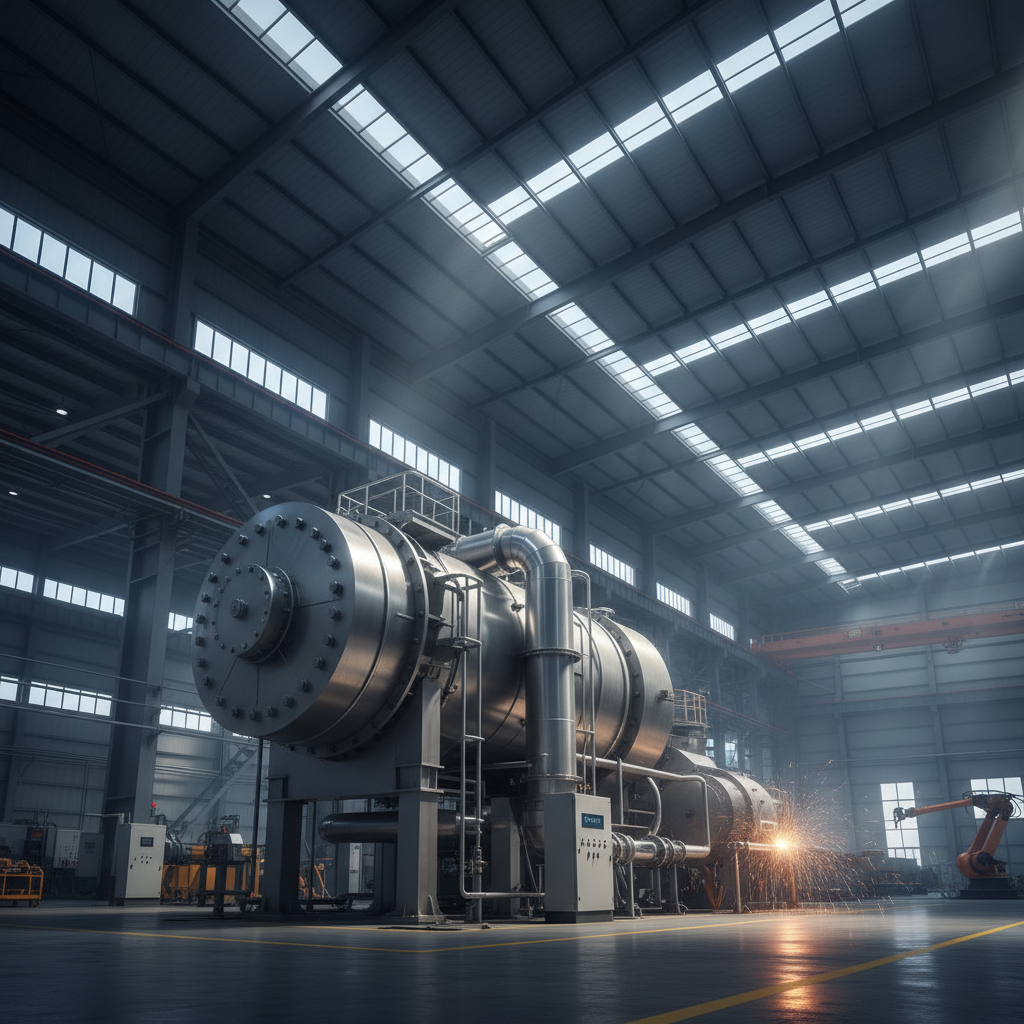
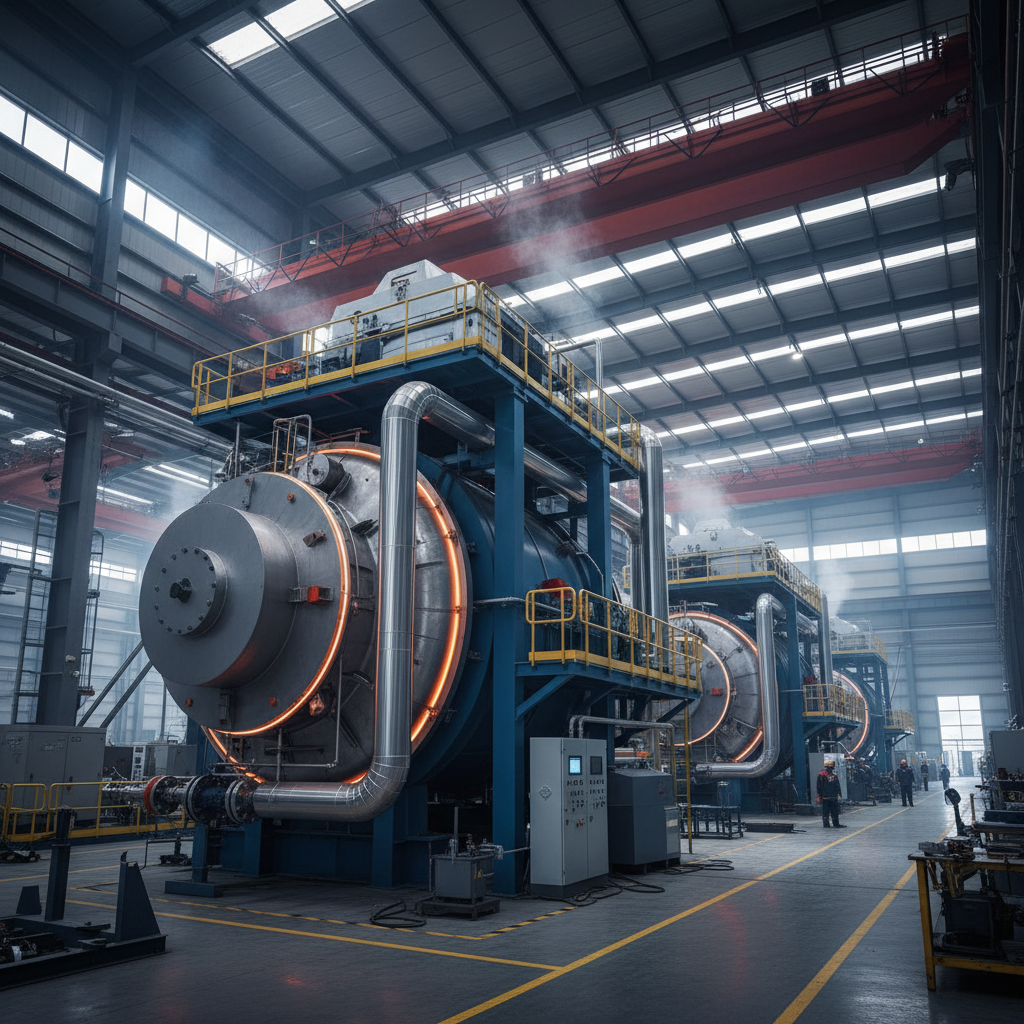
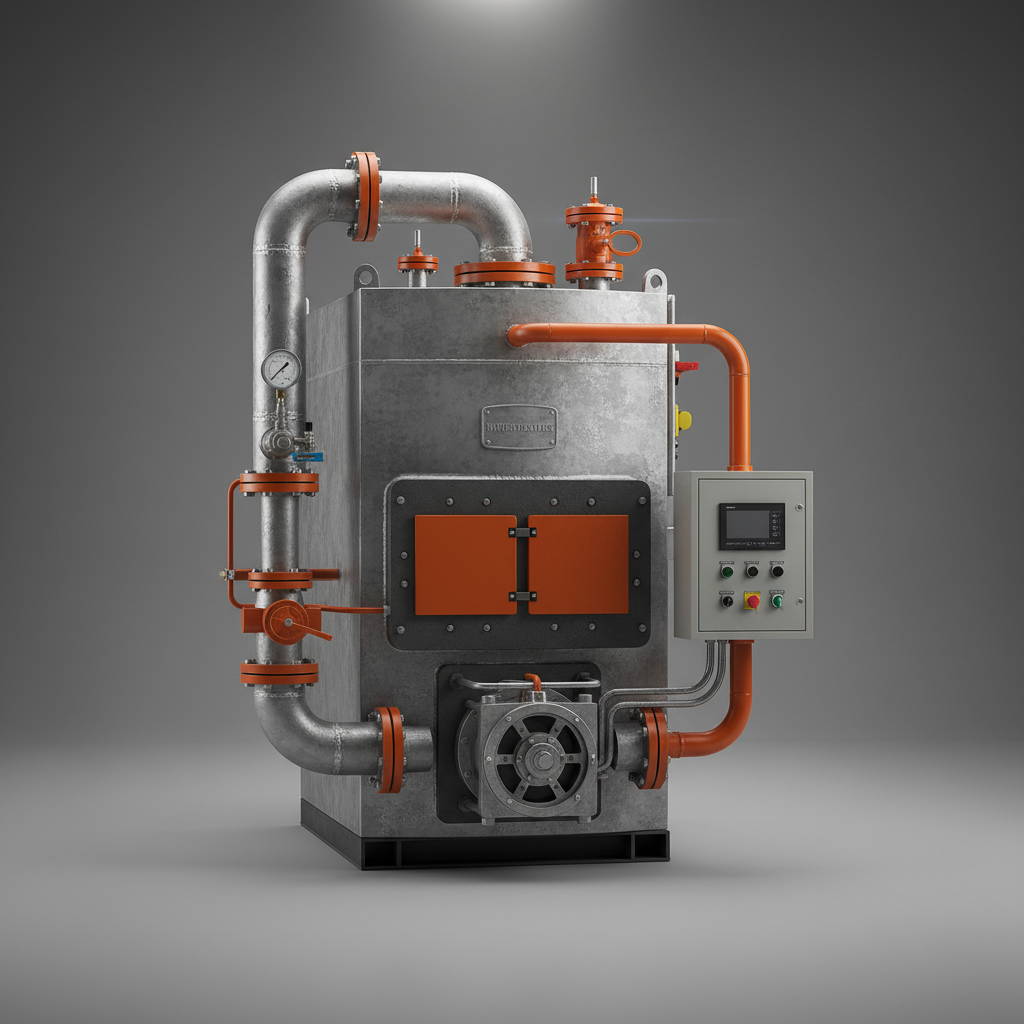
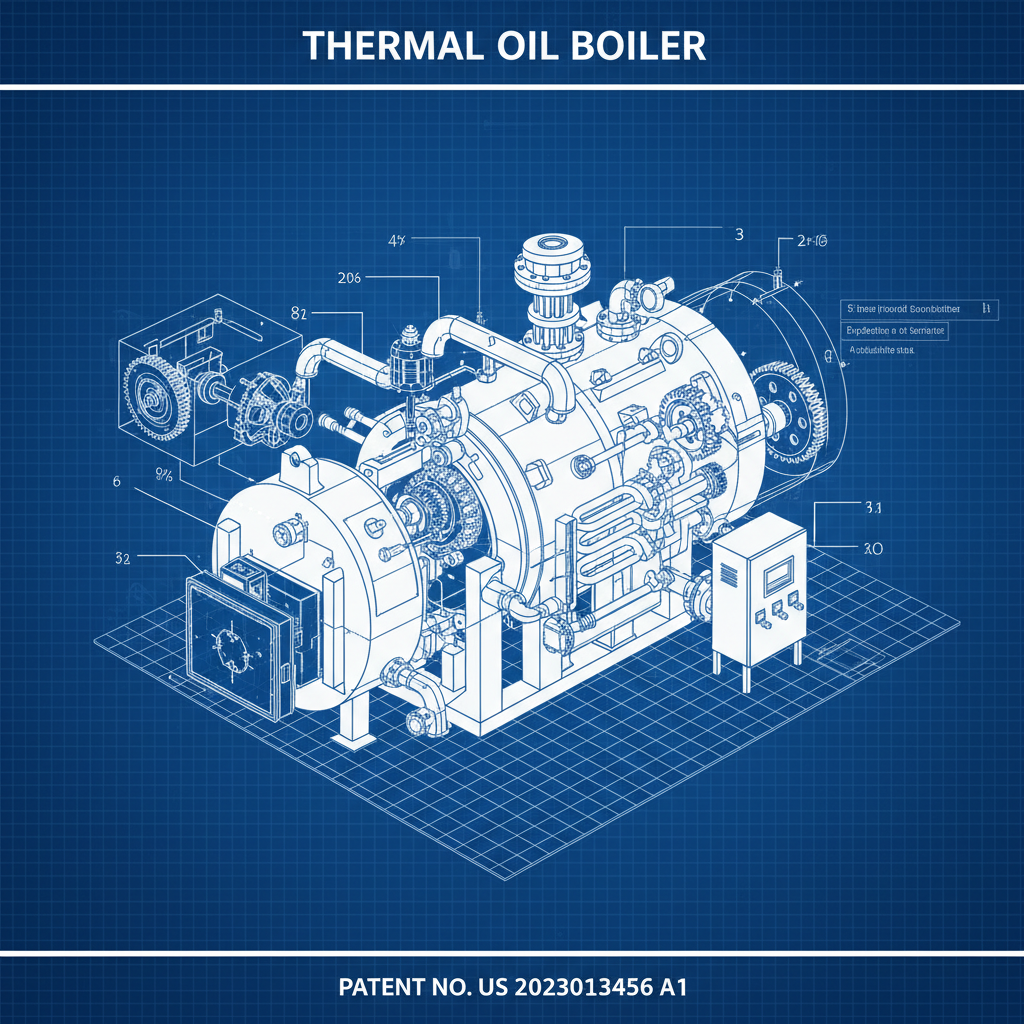
The fundamental components of a thermal oil furnace include the burner, the heater, the thermal oil reservoir, the circulation pump, and the control system. The burner ignites the fuel source (typically natural gas, oil, or propane) to generate heat, which is then transferred to the thermal oil flowing through the heater. The heater is designed to maximize heat transfer efficiency, often utilizing a network of coiled tubes.
The thermal oil, heated to the desired temperature, is pumped through a network of piping to the application requiring heat. After releasing its heat, the cooled oil returns to the reservoir, completing the closed loop. The control system meticulously monitors and regulates the oil temperature, burner operation, and pump speed to maintain precise thermal control. Advanced systems now incorporate programmable logic controllers (PLCs) for automated operation and remote monitoring.
The choice of thermal oil is also critical. Different oils offer varying temperature capabilities and thermal stability. Selecting the appropriate oil based on the application's temperature requirements and operating conditions is crucial for long-term performance and safety. A thermal oil furnace's efficiency relies on the correct oil and proper circulation.
Durability and Longevity of Thermal Oil Furnaces
Thermal oil furnaces are renowned for their robust construction and long service life. Unlike traditional boilers, they operate at lower pressures and temperatures, reducing stress on components and minimizing the risk of catastrophic failure. This inherent design contributes to reduced maintenance costs and increased uptime.
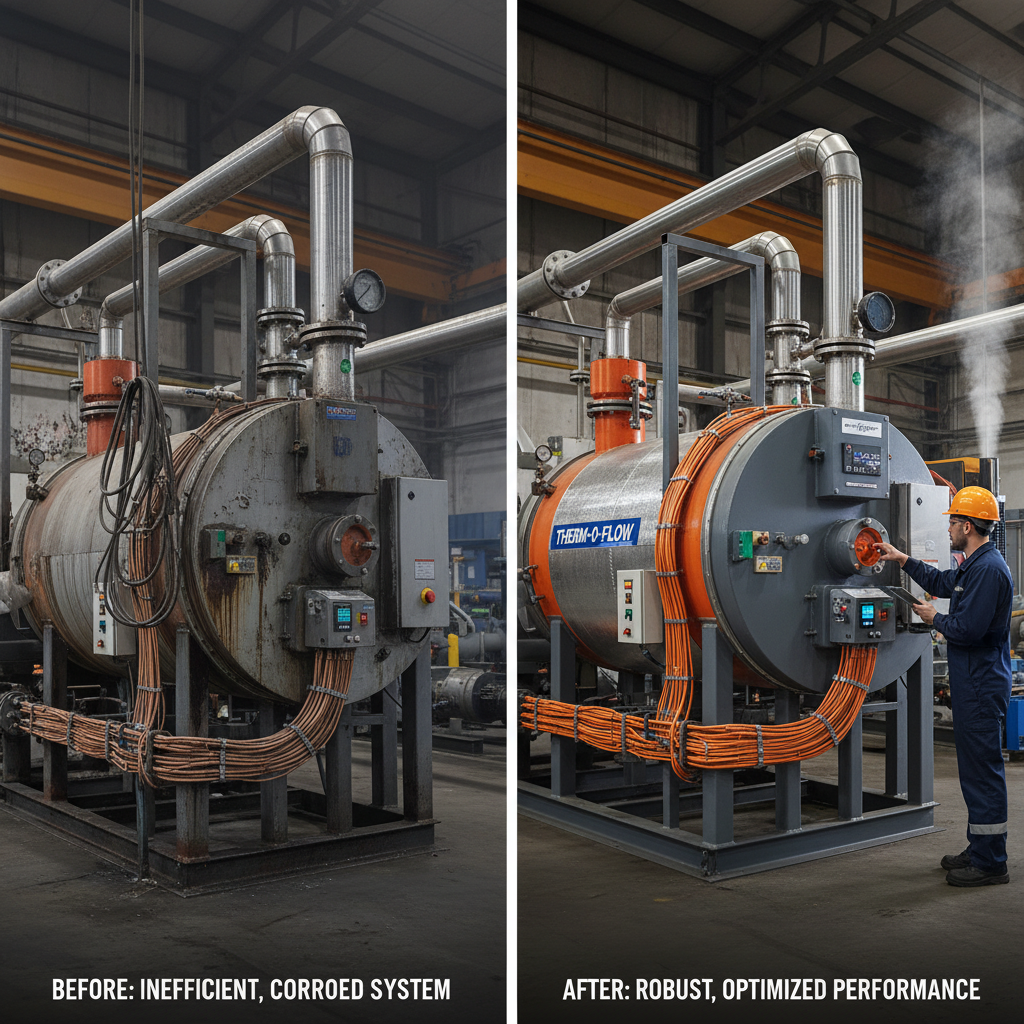
The quality of materials used in construction significantly impacts durability. High-grade steel alloys are commonly employed for the heater tubes and reservoir to withstand thermal stress and corrosion. Proper insulation is also critical to minimize heat loss and protect external components. Regular maintenance, including oil analysis and filter changes, is essential for extending the furnace's lifespan.
With diligent maintenance and appropriate operating conditions, a well-maintained thermal oil furnace can reliably operate for 20 years or more, representing a significant return on investment. This makes them an attractive option for industries seeking long-term, dependable heating solutions.
Thermal Efficiency and Cost Analysis of Thermal Oil Furnaces
Thermal oil furnaces boast impressive thermal efficiencies, typically ranging from 85% to 95%. This high efficiency translates directly into reduced fuel consumption and lower operating costs. The closed-loop system minimizes heat loss and maximizes energy recovery, contributing to these superior performance metrics.
A comprehensive cost analysis must consider not only the initial purchase price but also ongoing operating costs, maintenance expenses, and potential downtime. While the upfront investment may be higher than some alternative heating systems, the long-term cost savings associated with reduced fuel consumption and minimal maintenance often result in a lower total cost of ownership.
Thermal Oil Furnace Efficiency Comparison
Global Applications of Thermal Oil Furnaces
Thermal oil furnaces find diverse applications across a broad spectrum of industries worldwide. The chemical processing industry utilizes them for precise temperature control in reactors and distillation columns. The food and beverage sector relies on them for cooking, sterilization, and evaporation processes, ensuring product quality and safety.
In the plastics industry, thermal oil furnaces provide the consistent heat required for molding and extrusion. The pharmaceutical industry depends on them for maintaining precise temperatures during drug manufacturing. From textile dyeing to wood processing, the versatility of a thermal oil furnace makes it a valuable asset in countless industrial applications.
Advantages and the Long-Term Value Proposition
The advantages of employing thermal oil furnaces extend beyond mere efficiency. Their precise temperature control minimizes product defects, enhances quality, and reduces waste. The closed-loop system offers superior safety compared to steam systems, reducing the risk of burns and explosions. Furthermore, their low maintenance requirements translate into reduced downtime and lower operational expenses.
The long-term value proposition is compelling. The combination of high efficiency, low maintenance, and long service life delivers a significant return on investment. The reduced environmental impact, due to lower emissions and optimized fuel utilization, also aligns with increasing sustainability goals. Ultimately, a thermal oil furnace represents a strategic investment in long-term operational excellence.
This strategic investment builds trust and delivers consistent results for organizations worldwide, fostering innovation and a commitment to responsible industrial practices.
Future Trends and Emerging Innovations
The future of thermal oil furnace technology is focused on enhancing efficiency, reducing emissions, and integrating smart technologies. Research and development efforts are centered on optimizing burner designs for cleaner combustion and exploring alternative thermal fluids with improved thermal stability and environmental profiles.
Digitalization plays a key role, with the incorporation of advanced sensors, data analytics, and predictive maintenance algorithms. These technologies enable real-time monitoring of furnace performance, identification of potential issues, and proactive maintenance, maximizing uptime and minimizing operating costs. The integration of artificial intelligence (AI) is also emerging, allowing for automated optimization of furnace operation based on dynamic process requirements.
Furthermore, the development of hybrid systems, combining thermal oil furnaces with renewable energy sources, is gaining traction, offering a pathway to even greater sustainability and reduced carbon footprints.
Summary of Key Considerations for Thermal Oil Furnace Optimization
| Operational Parameter |
Impact on Efficiency |
Maintenance Requirement |
Optimization Strategy |
| Thermal Oil Temperature |
Higher temperatures reduce efficiency. |
Regular oil analysis. |
Optimize setpoint to minimize temperature. |
| Burner Efficiency |
Low burner efficiency leads to fuel waste. |
Annual burner inspection. |
Implement regular maintenance. |
| Heat Loss from Piping |
Significant heat loss reduces overall efficiency. |
Insulation inspection. |
Improve piping insulation. |
| Thermal Oil Degradation |
Degraded oil loses thermal capacity. |
Oil change based on analysis. |
Follow manufacturer's oil change schedule. |
| Pump Performance |
Reduced flow rate impacts heat transfer. |
Pump inspection. |
Ensure proper pump operation. |
| Control System Calibration |
Incorrect calibration leads to temperature fluctuations. |
Regular calibration checks. |
Calibrate sensors and controllers. |
FAQS
Thermal oil furnaces offer several advantages over steam boilers, including more precise temperature control, a lower operating pressure (enhancing safety), and a more compact footprint. They also exhibit higher thermal efficiency and reduce the risk of scale buildup common in steam systems. This means better process control, reduced maintenance, and a safer work environment, making them ideal for applications needing stable and reliable heat.
The frequency of thermal oil replacement depends on various factors, including operating temperature, oil type, and system design. Generally, it's recommended to perform regular oil analysis to monitor its condition. Typically, oil will require replacement every 5-10 years, however, analysis results may indicate a need for earlier replacement if degradation is detected. Maintaining oil quality is critical for long-term furnace performance.
Key safety precautions include ensuring proper ventilation to prevent the accumulation of combustion gases, implementing regular leak checks of the oil circulation system, and adhering to manufacturer’s guidelines for operation and maintenance. Personnel should be thoroughly trained on the furnace's operating procedures and emergency shutdown protocols. Regularly inspect safety valves and interlocks.
Yes, thermal oil furnaces can be integrated with renewable energy sources, such as solar thermal collectors or biomass boilers. The thermal oil can act as a storage medium, accumulating heat from renewable sources and delivering it on demand. This hybrid approach allows for reduced reliance on fossil fuels and a lower carbon footprint, promoting sustainable industrial practices.
Common issues include thermal oil degradation, burner malfunctions, and pump failures. Preventative maintenance, including regular oil analysis, burner inspections, and pump checks, is crucial. Maintaining proper insulation and ensuring adequate ventilation also helps prevent problems. Promptly addressing any identified issues minimizes downtime and extends furnace lifespan.
The payback period for a new thermal oil furnace varies depending on factors like fuel costs, operating hours, and the efficiency of the replaced system. However, due to the high thermal efficiency and reduced maintenance requirements, typical payback periods range from 3 to 7 years. The long-term cost savings often outweigh the initial investment, offering a significant return on investment.
Conclusion
In conclusion, the thermal oil furnace stands as a cornerstone of modern industrial heating, offering a compelling blend of efficiency, precision, safety, and longevity. From its robust design and closed-loop operation to its adaptability across diverse industries, it provides a reliable and sustainable heating solution for a wide range of applications. Its inherent benefits translate into reduced operating costs, minimized downtime, and enhanced product quality, making it an invaluable asset for businesses seeking operational excellence.
Looking ahead, the continued integration of smart technologies, coupled with the exploration of alternative thermal fluids and renewable energy sources, will further enhance the capabilities and sustainability of thermal oil furnace systems. By embracing these innovations, industries can unlock even greater efficiencies, reduce their environmental impact, and ensure a secure and reliable heating supply for decades to come. Visit our website at www.hzsteamboiler.com to learn more.





 English
  Arabic
  Bengali
  French
  German
  Hindi
Hindi  Indonesian
  Kazakh
  Khmer
Khmer  Korean
  Kyrgyz
  Lao
Lao  Latin
Latin  Mongolian
  Nepali
  Russian
  Turkish
  Turkmen
  Uzbek
Uzbek