The efficient and reliable transfer of thermal energy is crucial across a diverse range of industries, from chemical processing and plastics manufacturing to food production and pharmaceutical development. A hot oil boiler system provides a sophisticated solution for maintaining precise temperatures in processes requiring consistent and uniform heating, often surpassing the capabilities of traditional steam or direct-fire methods. Understanding these systems is becoming increasingly important as industries demand greater control, efficiency, and safety in their thermal fluid operations.
Globally, the demand for robust thermal fluid heating solutions is driven by the continuous expansion of manufacturing sectors and increasingly stringent regulatory requirements concerning process safety and environmental impact. According to data from the United Nations Industrial Development Organization (UNIDO), industrial growth in emerging economies is significantly outpacing developed nations, creating a heightened need for advanced thermal technologies. A well-designed hot oil boiler system addresses critical challenges related to heat transfer efficiency, process stability, and operational reliability, representing a key technological enabler for sustainable industrial development.
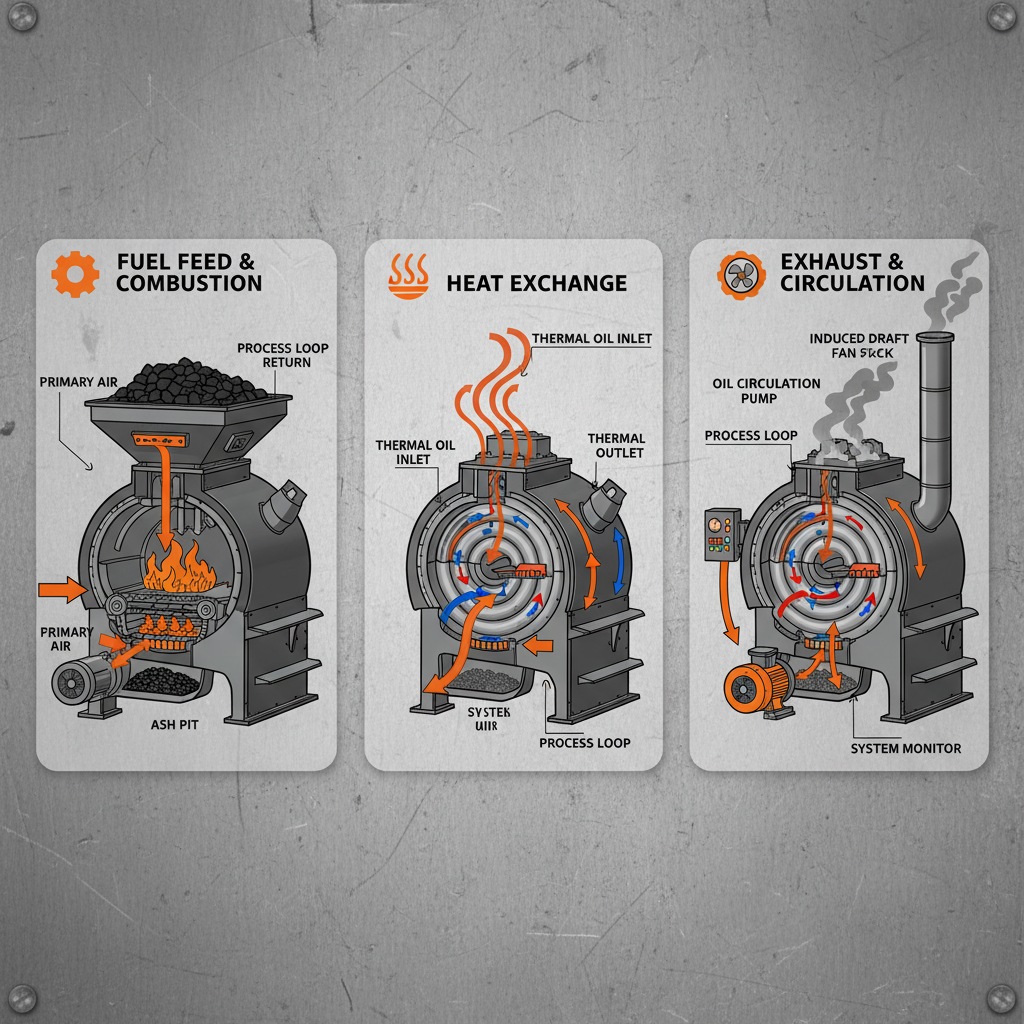
The core function of a hot oil boiler system is to heat a specialized thermal oil to a predetermined temperature and circulate it through a closed-loop system to provide consistent and controlled heating to various process applications. This technology is especially valuable where precise temperature control, a wide operating range, and minimal degradation of the heated substance are essential. Its application extends far beyond traditional industries, reaching into sectors like concentrated solar power and renewable energy storage.
Introduction to Hot Oil Boiler Systems
A hot oil boiler system isn’t simply a heating device; it's an integrated thermal energy solution designed for demanding industrial processes. These systems offer advantages in temperature consistency and operational control that traditional steam systems struggle to match. They're increasingly used where precise heating is crucial to product quality and process efficiency.
The significance of robust thermal fluid handling lies in the ability to reliably power continuous operations and complex processes. With increasing emphasis on energy efficiency and reduced environmental footprint, the demand for well-engineered and maintained hot oil systems continues to rise, becoming integral to various industries’ strategic investments.
Defining a Hot Oil Boiler System
At its core, a hot oil boiler system is a closed-loop heating system that uses a specifically formulated thermal oil as the heat transfer fluid. Unlike water-based steam systems, thermal oils can operate at significantly higher temperatures without substantial pressure increases, making them ideal for processes demanding temperatures exceeding the boiling point of water. This directly addresses the limitations of traditional heating methods.
The connection to modern industry is undeniable. From manufacturing polymers and resins to refining petroleum products and producing pharmaceuticals, countless processes rely on precisely controlled heating. The hot oil boiler system isn’t just a component; it’s the engine driving these critical industrial applications.
In humanitarian contexts, while not directly deployed in emergency shelter, the principles of efficient thermal fluid heating inform designs for mobile medical units and food processing facilities in disaster relief scenarios, where reliable temperature control is essential for maintaining supply chain integrity and public health.
Core Components of Efficiency
Several key factors contribute to the overall performance and efficiency of a hot oil boiler system. One of the most important is the quality of the thermal oil itself. Selecting an oil with appropriate thermal stability, low vapor pressure, and resistance to degradation is critical for long-term reliability. Furthermore, the design of the heat transfer surfaces and the efficiency of the insulation play significant roles.
Scalability is another crucial aspect. A properly designed system allows for easy expansion or modification to accommodate changing process demands. This is achieved through modular designs and careful consideration of pump capacity, heat exchanger sizing, and control system architecture. A hot oil boiler system can be easily adapted to evolving operational needs.
Cost efficiency isn't solely about initial investment; it encompasses long-term operating costs, including fuel consumption, maintenance, and downtime. High-efficiency burners, intelligent control systems, and optimized heat recovery technologies all contribute to reducing the total cost of ownership. Regular maintenance, including oil analysis and filter changes, is also vital for maintaining optimal performance.
Practical Applications Across Industries
The applications of a hot oil boiler system are incredibly diverse. In the chemical industry, they are used for reactor heating, distillation processes, and maintaining precise temperatures during polymerization. The plastics industry relies on them for mold heating, extrusion processes, and maintaining the viscosity of molten polymers.
The food processing sector utilizes them for cooking, sterilization, and pasteurization, ensuring food safety and quality. Pharmaceutical companies employ them for drug synthesis, sterilization of equipment, and maintaining controlled temperature environments during research and development. In remote industrial zones, where access to steam or electricity might be limited, a hot oil boiler system offers a reliable and independent heating solution.
Comparison of Hot Oil Boiler System Methods
Advantages and Long-Term Value Proposition
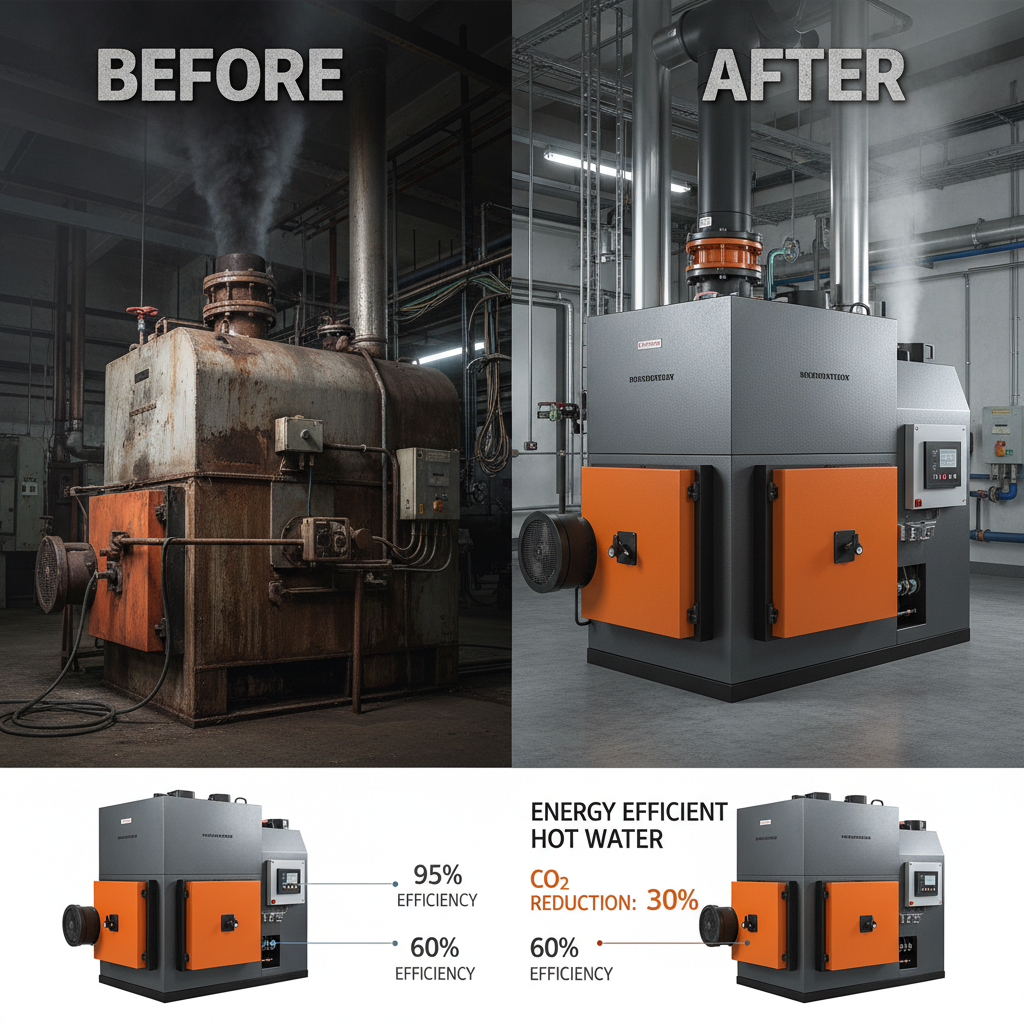
The tangible benefits of implementing a hot oil boiler system are numerous. Reduced energy consumption translates directly into cost savings, particularly when compared to less efficient heating methods. The ability to maintain precise temperature control minimizes product defects and waste, further enhancing profitability.
From a sustainability perspective, these systems often allow for the integration of waste heat recovery technologies, reducing overall carbon emissions and promoting environmentally responsible operations. The inherent safety features, such as automatic shutdown mechanisms and leak detection systems, prioritize worker safety and minimize the risk of accidents. The reliability of a well-maintained system contributes to consistent production and reduced downtime, building trust with customers and stakeholders.
Future Trends and Innovations in Thermal Fluid Technology
The future of hot oil boiler systems is intertwined with the broader trends of green energy and digital transformation. The development of more thermally stable and environmentally friendly thermal fluids is a key area of innovation. Integrating renewable energy sources, such as solar thermal collectors, to preheat the thermal oil can significantly reduce fossil fuel consumption.
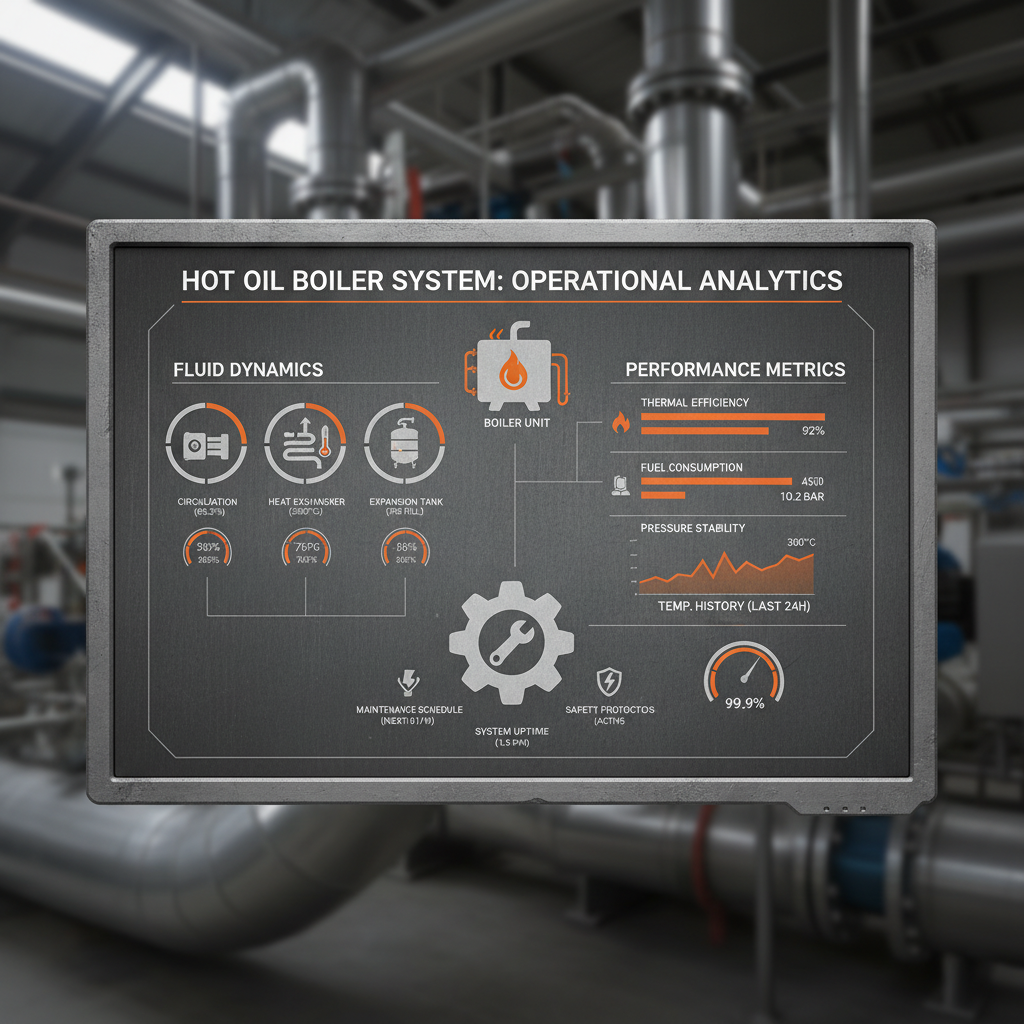
Automation and advanced control systems, leveraging technologies like artificial intelligence and machine learning, are poised to optimize system performance, predict maintenance needs, and enhance overall efficiency. Digital twins – virtual replicas of the physical system – will enable remote monitoring, diagnostics, and predictive maintenance, minimizing downtime and maximizing operational lifespan.
Common Challenges and Innovative Solutions
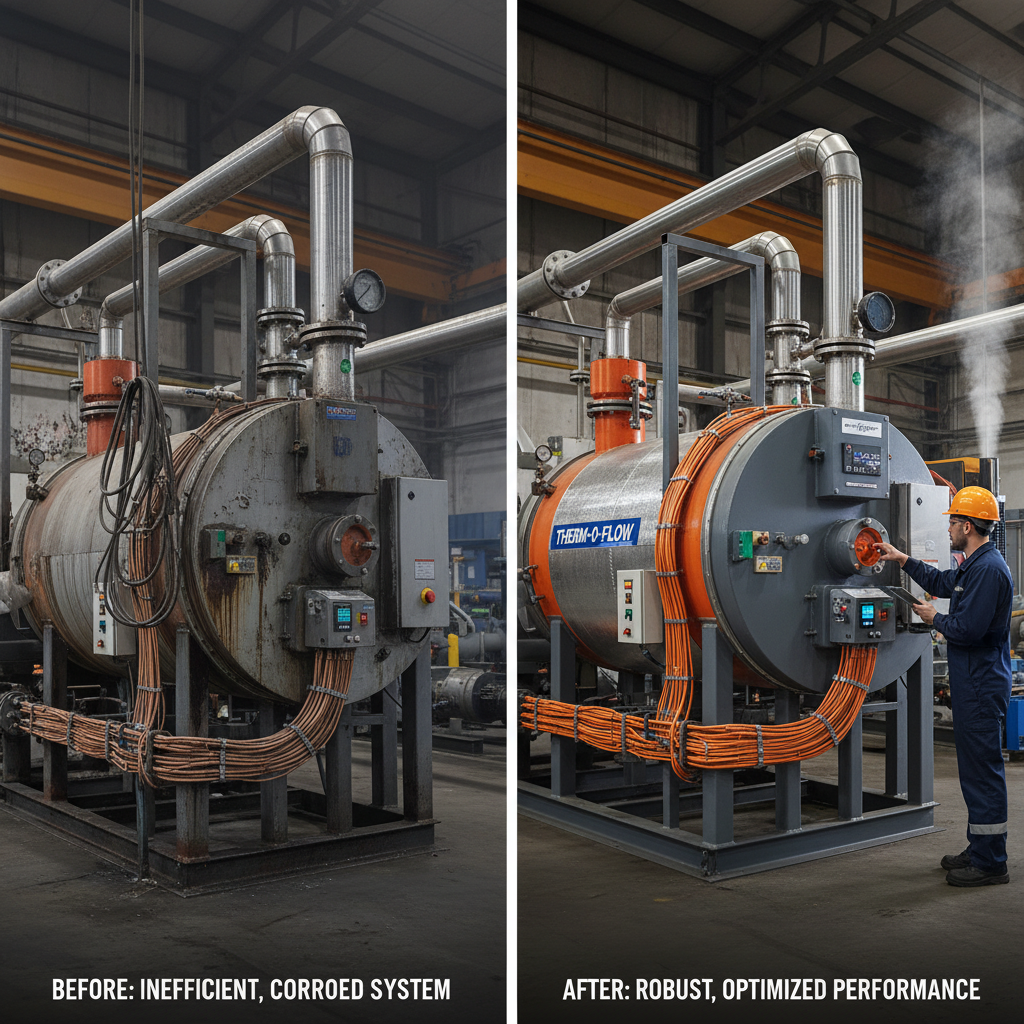
One of the primary challenges associated with hot oil boiler systems is the potential for thermal oil degradation over time. High temperatures and prolonged exposure to oxygen can lead to the formation of sludge and deposits, reducing heat transfer efficiency and potentially causing system failure. Regular oil analysis and proactive maintenance are essential to mitigate this risk.
Another challenge is ensuring proper system insulation to minimize heat loss and maintain energy efficiency. Innovative insulation materials and techniques, such as vacuum insulation panels and aerogels, are being developed to address this issue. Furthermore, implementing advanced control algorithms can optimize burner firing rates and minimize temperature fluctuations, reducing thermal stress on the system components.
The complexities of thermal fluid selection and compatibility with process materials present ongoing engineering challenges. Expert consultation and meticulous material selection are essential for ensuring long-term reliability and preventing corrosion or other forms of degradation.
Summary of Hot Oil Boiler System Challenges and Solutions
| Challenge |
Severity (1-10) |
Potential Impact |
Solution |
| Thermal Oil Degradation |
8 |
Reduced Efficiency, System Failure |
Regular Oil Analysis, Oil Filtration |
| Heat Loss through Insulation |
6 |
Increased Energy Consumption, Higher Costs |
High-Performance Insulation Materials |
| Control System Inaccuracy |
7 |
Process Instability, Product Defects |
Advanced Control Algorithms, AI Integration |
| Fluid Compatibility Issues |
9 |
Corrosion, System Damage |
Expert Fluid Selection, Material Compatibility Testing |
| Pump Cavitation |
5 |
Pump Damage, Reduced Flow Rate |
Optimized Pump Selection, NPSH Calculation |
| Sludge Formation |
7 |
Reduced Heat Transfer, System Blockage |
Regular Filtration, Proper Oil Maintenance |
FAQS
Hot oil systems offer precise temperature control, operating at higher temperatures without significant pressure increases, which steam systems cannot achieve. They also eliminate the risks associated with steam, such as condensation and water hammer. Furthermore, thermal oils offer superior heat transfer characteristics for certain applications, leading to increased efficiency and reduced energy consumption.
Thermal oil should be analyzed at least annually, and ideally every six months, to monitor its condition and identify any signs of degradation. Oil analysis can detect changes in viscosity, acidity, and the presence of contaminants, allowing for timely intervention to prevent system damage and maintain optimal performance. Proactive oil analysis is vital to extending the life of the fluid and minimizing downtime.
With proper maintenance and regular servicing, a hot oil boiler system can have a lifespan of 20-30 years or even longer. Key factors influencing lifespan include the quality of the system components, the operating conditions, and the adherence to recommended maintenance schedules. Routine inspections, preventative maintenance, and timely repairs are essential for maximizing the system's longevity.
Modern hot oil boiler systems incorporate numerous safety features, including high-temperature cutouts, low-level alarms, pressure relief valves, and leak detection systems. Many systems also feature automatic shutdown mechanisms to prevent overheating or overpressure situations. Comprehensive safety instrumentation and control systems are crucial for protecting personnel and preventing costly damage.
Minimizing thermal oil degradation requires maintaining optimal operating temperatures, avoiding localized hotspots, and preventing exposure to oxygen and contaminants. Regular oil analysis, filtration, and the use of nitrogen blanketing can significantly extend the oil's lifespan. Proper system design, including appropriate expansion tank sizing and efficient heat transfer surfaces, also plays a vital role.
While traditionally relying on fossil fuels, modern hot oil boiler systems can be designed for improved environmental performance. Integrating waste heat recovery systems, utilizing high-efficiency burners, and exploring renewable energy sources like solar thermal preheating can significantly reduce carbon emissions. Choosing environmentally responsible thermal fluids further enhances the sustainability of these systems.
Conclusion
In conclusion, a hot oil boiler system represents a sophisticated and versatile solution for a wide array of industrial heating applications. Its ability to deliver precise temperature control, operate at high temperatures, and offer enhanced safety features makes it an indispensable component in numerous critical processes. Understanding the core components, advantages, and future trends associated with these systems is paramount for optimizing performance and ensuring long-term operational success.
Looking ahead, continued innovation in thermal fluid technology, coupled with the integration of digital technologies, will further enhance the efficiency, reliability, and sustainability of hot oil boiler systems. Investing in proactive maintenance, utilizing advanced control systems, and embracing environmentally responsible practices will unlock the full potential of these essential industrial assets. Visit our website: www.hzsteamboiler.com to learn more.





 English
  Arabic
  Bengali
  French
  German
  Hindi
Hindi  Indonesian
  Kazakh
  Khmer
Khmer  Korean
  Kyrgyz
  Lao
Lao  Latin
Latin  Mongolian
  Nepali
  Russian
  Turkish
  Turkmen
  Uzbek
Uzbek