Hot water boiler types are integral to numerous industries and applications, providing a reliable source of heat for processes ranging from district heating and industrial manufacturing to domestic hot water supply. Understanding the diverse landscape of these boilers – including their operational principles, efficiencies, and suitability for specific needs – is crucial for optimizing energy consumption, minimizing environmental impact, and ensuring operational reliability. The global demand for efficient and sustainable heating solutions continues to drive innovation within this sector, making a comprehensive understanding of hot water boiler types essential for engineers, facility managers, and anyone involved in energy systems.
The significance of hot water boiler types extends beyond mere heating provision. These systems play a vital role in powering various industrial processes, supporting healthcare facilities, and maintaining comfortable living environments. The United Nations Sustainable Development Goals, particularly those relating to affordable and clean energy (Goal 7) and sustainable cities and communities (Goal 11), are directly impacted by advancements in boiler technology and the widespread adoption of efficient heating systems. Globally, improving boiler efficiency is a key strategy for reducing greenhouse gas emissions and mitigating climate change.
The benefits of understanding different hot water boiler types are multifaceted. Proper selection can lead to significant cost savings through reduced fuel consumption, lower maintenance requirements, and extended operational life. Choosing the right boiler also ensures optimal performance, improved safety, and a smaller carbon footprint, aligning with increasingly stringent environmental regulations and corporate sustainability goals. Furthermore, a solid grasp of these technologies empowers informed decision-making when designing, installing, or maintaining heating systems.
Defining and Categorizing hot water boiler types
At their core, hot water boiler types are heat exchangers designed to transfer thermal energy from a fuel source to water, creating hot water for various applications. These applications range from space heating and domestic hot water in residential and commercial buildings to process heating in industrial facilities. The term "hot water boiler types" encompasses a diverse range of designs, classified primarily by fuel source, construction, and operational principles. Understanding these categories is the first step in selecting the appropriate system for a specific need. hot water boiler types are crucial to sustainable energy solutions.
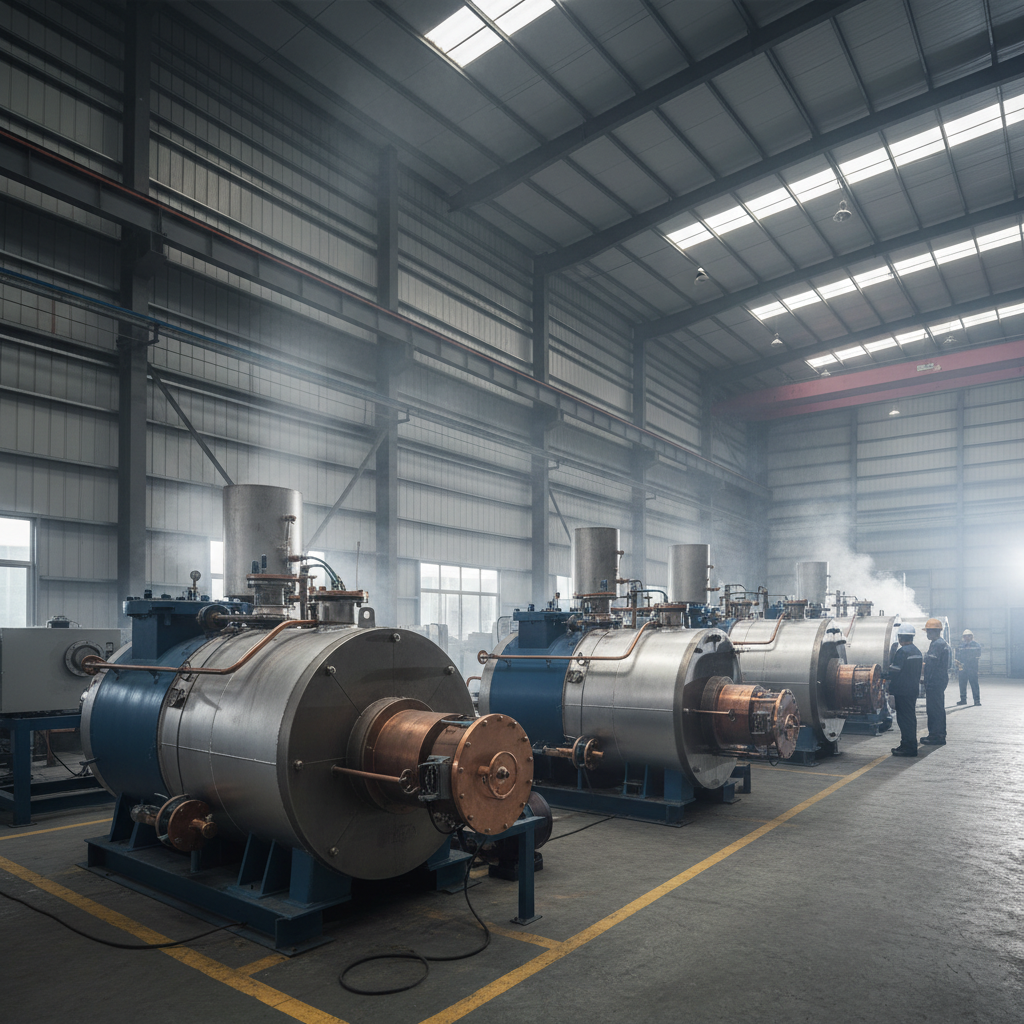
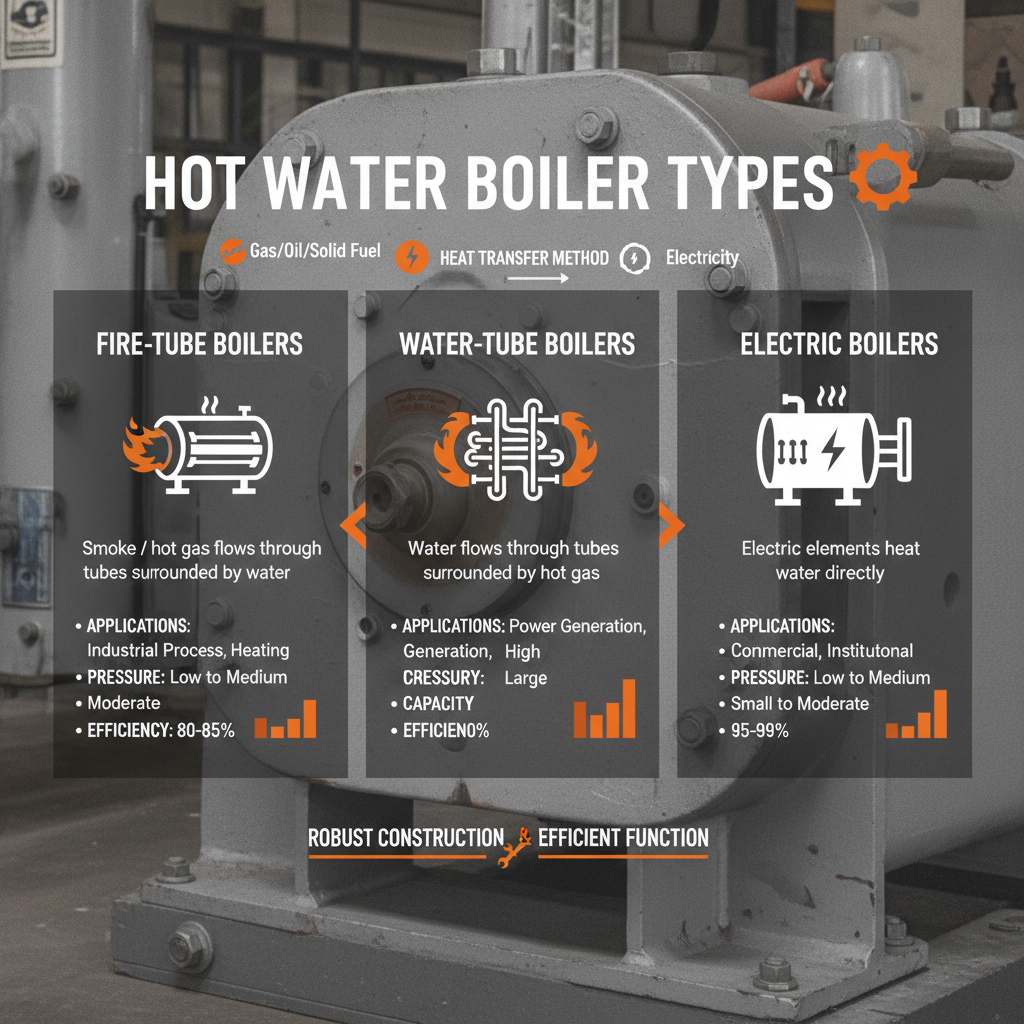
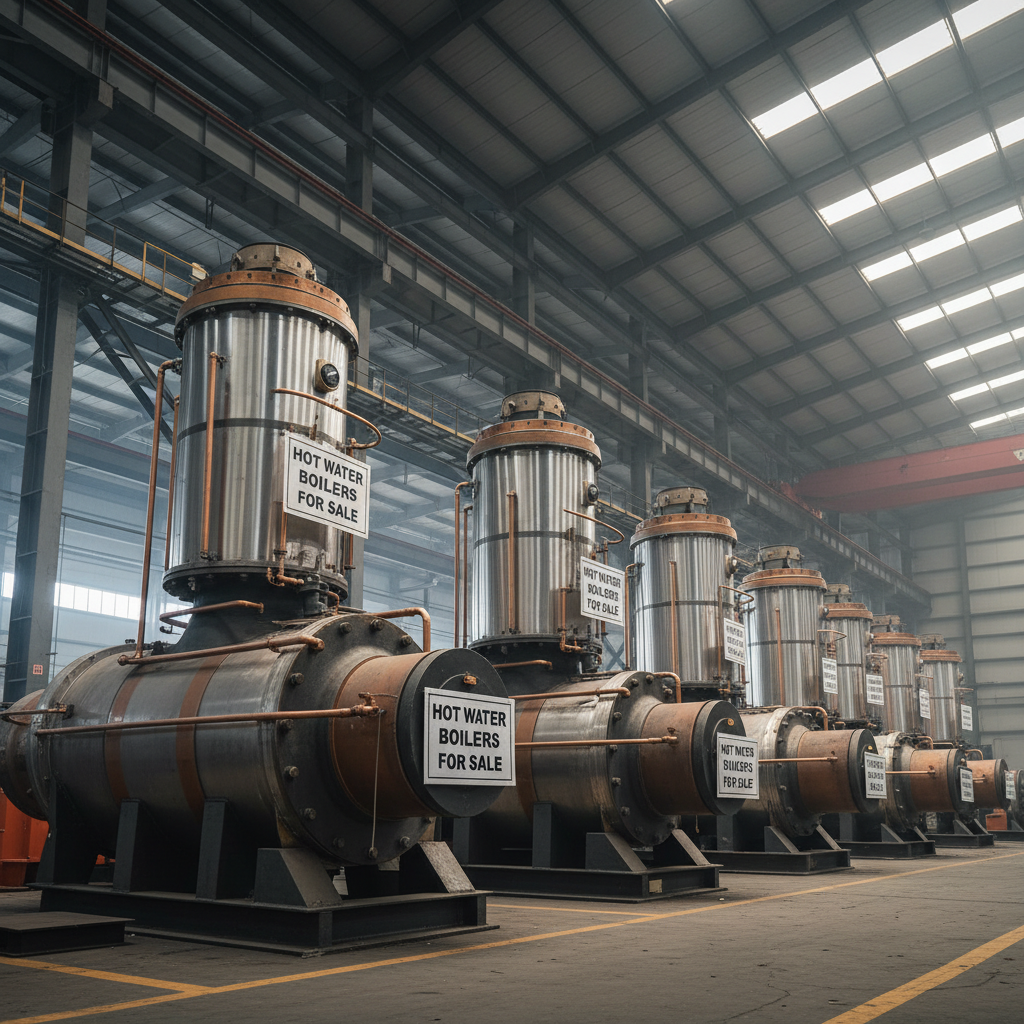
The key types include fire-tube boilers, water-tube boilers, condensing boilers, and electric boilers. Fire-tube boilers are generally more compact and less expensive, making them suitable for smaller applications. Water-tube boilers, on the other hand, are more efficient and can handle higher pressures, making them ideal for large-scale industrial processes and power generation. Condensing boilers maximize efficiency by recovering heat from flue gases, while electric boilers offer a clean and emission-free heating solution.
The Global Landscape of hot water boiler types
The global market for hot water boiler types is experiencing steady growth, driven by increasing energy demands, stricter environmental regulations, and the ongoing need for efficient heating solutions. Asia-Pacific currently dominates the market, fueled by rapid industrialization and population growth in countries like China and India. North America and Europe represent significant mature markets, where the focus is shifting towards replacing aging infrastructure with more efficient and sustainable boiler technologies. The demand for condensing boilers and electric boilers is particularly strong in these regions.
According to the International Energy Agency (IEA), boilers account for a significant portion of global energy consumption. Improving boiler efficiency is therefore a critical component of global efforts to reduce greenhouse gas emissions. Government incentives and regulations, such as carbon taxes and energy efficiency standards, are playing a key role in driving the adoption of advanced boiler technologies. Furthermore, the rise of district heating systems, particularly in colder climates, is increasing the demand for large-scale, high-efficiency hot water boilers.
The market is also characterized by increasing competition among boiler manufacturers, leading to continuous innovation and the development of more efficient and cost-effective solutions. Key players in the industry are investing heavily in research and development to improve boiler performance, reduce emissions, and integrate smart technologies for remote monitoring and control. The global shift towards renewable energy sources is also influencing the development of hybrid boiler systems that combine conventional fuels with renewable energy inputs.
Core Components and Operational Principles
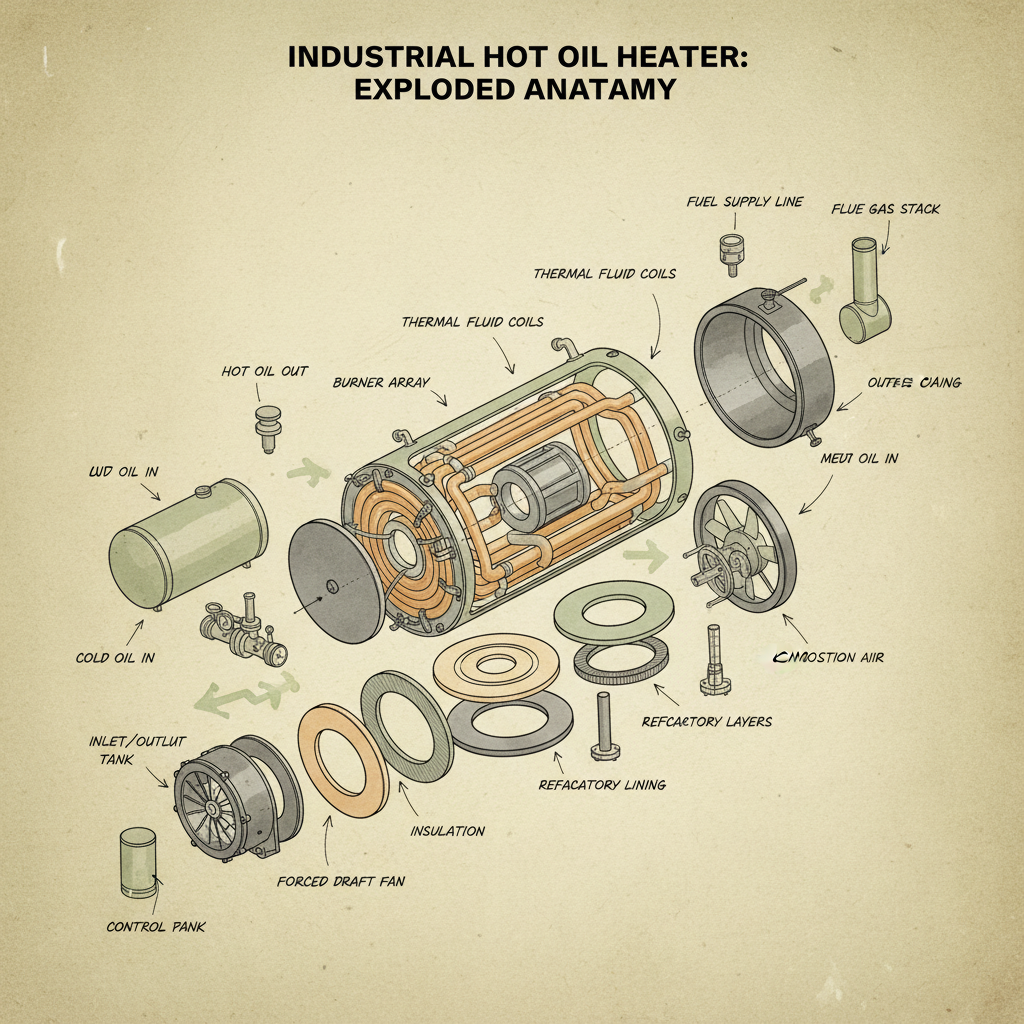
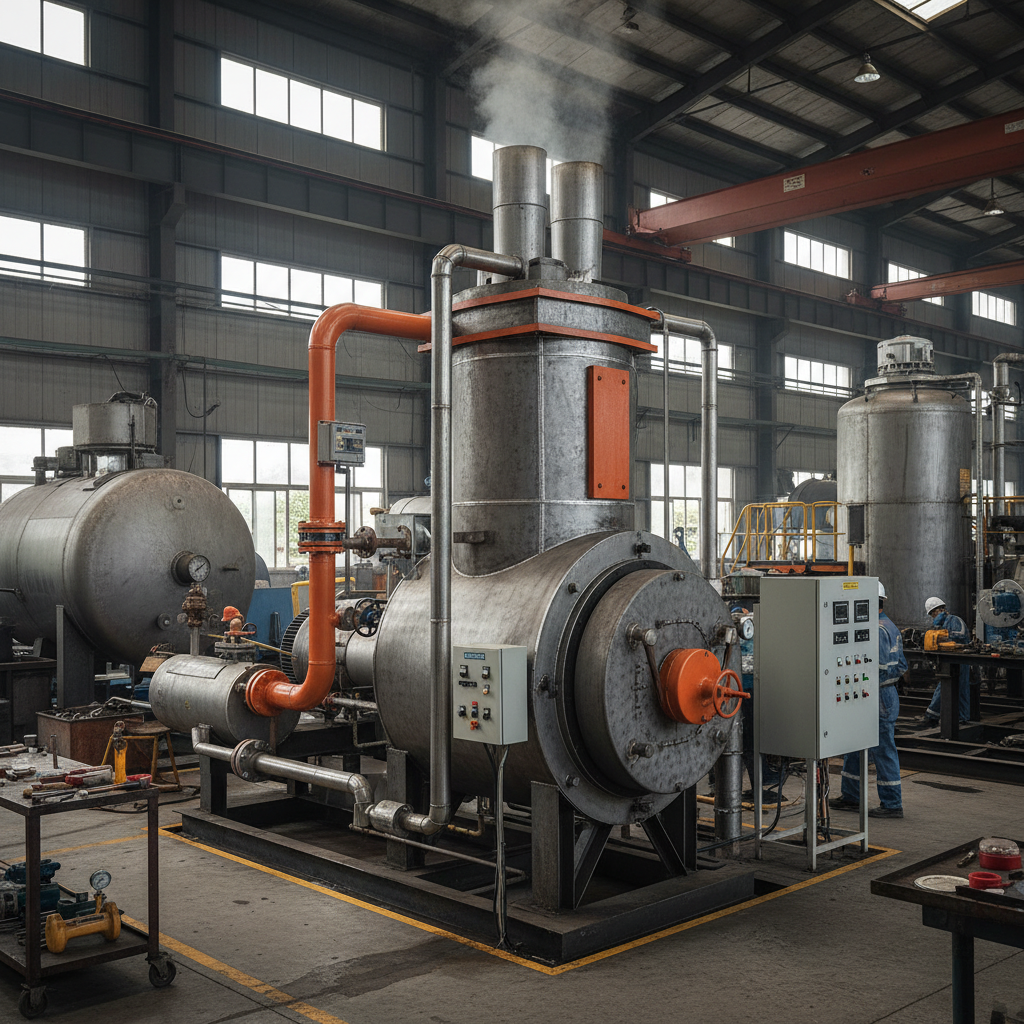
All hot water boiler types, regardless of their specific design, share several core components. These include the combustion chamber, where the fuel is burned; the heat exchanger, where heat is transferred to the water; the flue gas system, which removes combustion byproducts; the controls and safety systems, which regulate boiler operation and prevent hazardous conditions; and the water treatment system, which maintains water quality to prevent scaling and corrosion. The efficient operation of each component is critical to overall boiler performance and longevity.
The operational principle behind hot water boiler types relies on the fundamental laws of thermodynamics. Fuel combustion releases thermal energy, which heats the water circulating through the heat exchanger. The heated water is then pumped to the point of use, where it delivers heat for various applications. The efficiency of this process is determined by factors such as fuel type, combustion efficiency, heat transfer rate, and heat loss from the system. Maintaining optimal combustion conditions and minimizing heat loss are key to maximizing boiler efficiency.
Water treatment is an often-overlooked but crucial aspect of boiler operation. Impurities in the water can lead to scaling, corrosion, and reduced heat transfer efficiency. Proper water treatment involves removing dissolved minerals, adjusting pH levels, and adding corrosion inhibitors to protect the boiler components. Regular water analysis and maintenance are essential to ensure optimal boiler performance and prevent costly repairs. hot water boiler types necessitate proper water treatments.
Key Performance Indicators for hot water boiler types
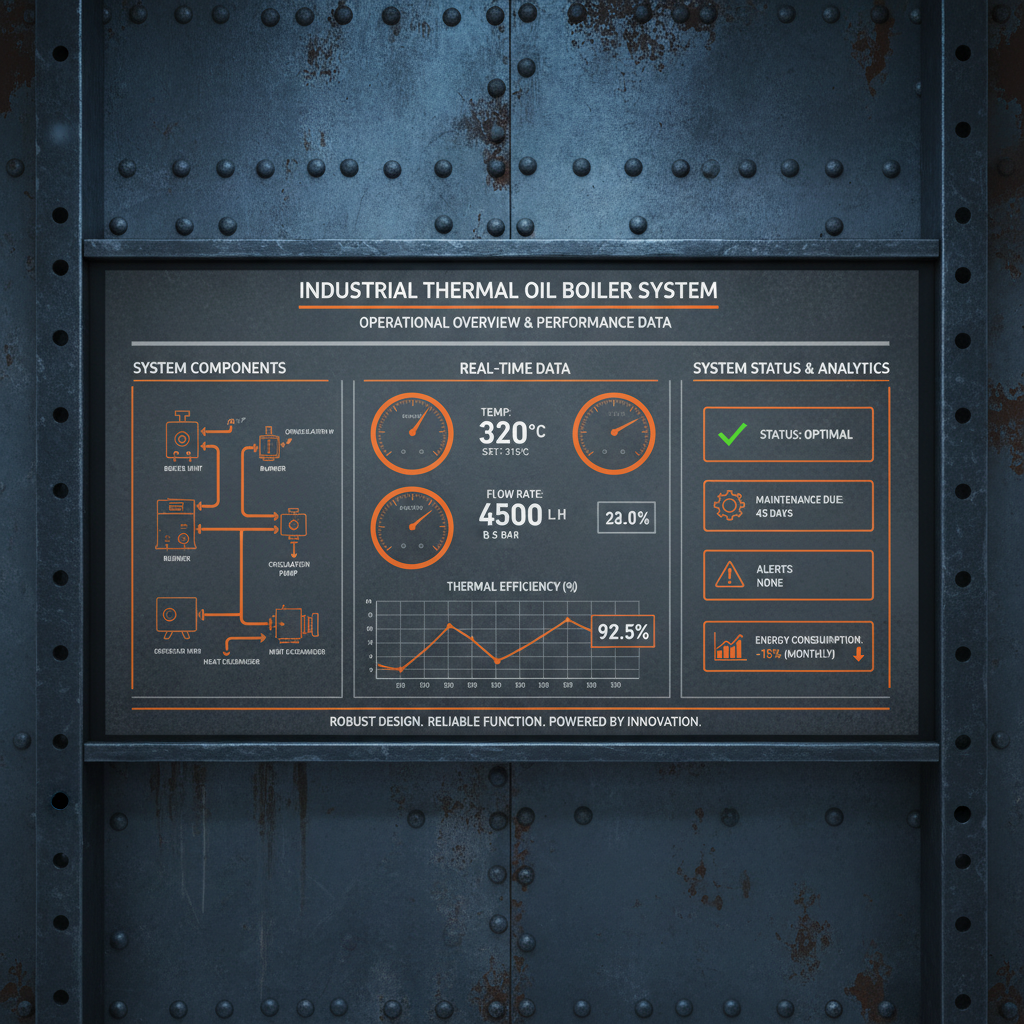
Assessing the performance of hot water boiler types requires tracking several key performance indicators (KPIs). The most fundamental is thermal efficiency, expressed as a percentage of the energy input converted into useful heat output. Higher efficiency translates directly into lower fuel costs and reduced emissions. Another important KPI is fuel consumption, measured in units of fuel per unit of heat output. Minimizing fuel consumption is a primary goal of boiler operation.
Other important KPIs include stack temperature, which indicates heat loss through the flue gases; excess air, which affects combustion efficiency; and downtime, which measures the reliability of the boiler system. Monitoring these KPIs allows operators to identify areas for improvement and optimize boiler performance. Regular maintenance and performance testing are essential to ensure that the boiler is operating at its peak efficiency.
hot water boiler types Performance Comparison
Applications Across Industries and Regions
Hot water boiler types find widespread application across diverse industries and geographical regions. In the power generation sector, water-tube boilers are commonly used to produce steam for driving turbines. In the chemical and petrochemical industries, boilers provide process heat for various chemical reactions and separation processes. In the food and beverage industry, boilers are used for sterilization, pasteurization, and cleaning. In the pharmaceutical industry, boilers provide steam for sterilization and manufacturing processes.
District heating systems, prevalent in many European cities, rely on large-scale hot water boiler types to provide heat to multiple buildings from a central source. Hospitals and healthcare facilities require reliable hot water for sterilization, laundry, and space heating. Commercial buildings, such as hotels and office complexes, use boilers for domestic hot water and space heating. The selection of the appropriate boiler type depends on the specific application, energy demand, and regulatory requirements.
Advantages and Long-Term Value Proposition
The advantages of investing in efficient hot water boiler types are substantial. Reduced energy consumption translates into lower operating costs and a quicker return on investment. Improved reliability minimizes downtime and maintenance expenses. Lower emissions contribute to a smaller carbon footprint and compliance with environmental regulations. Furthermore, advanced boiler technologies offer greater control and flexibility, allowing operators to optimize performance and respond to changing energy demands.
The long-term value proposition extends beyond financial benefits. Investing in sustainable heating solutions demonstrates a commitment to environmental responsibility, enhancing a company's reputation and attracting environmentally conscious customers. Reliable and efficient heating systems contribute to improved indoor air quality and a more comfortable working environment, boosting employee productivity and well-being. The increasing availability of smart boiler technologies also enables predictive maintenance, preventing costly breakdowns and extending the lifespan of the equipment.
Future Trends and Innovations in hot water boiler types
The future of hot water boiler types is characterized by a focus on increased efficiency, reduced emissions, and integration with renewable energy sources. Hybrid boiler systems, which combine conventional fuels with solar thermal or biomass energy, are gaining popularity as a way to reduce reliance on fossil fuels. The development of advanced combustion technologies, such as low-NOx burners and oxygen-trimmed combustion, is helping to minimize emissions.
Digitalization and the Industrial Internet of Things (IIoT) are also transforming the boiler industry. Smart boilers equipped with sensors and remote monitoring capabilities allow operators to track performance in real-time, identify potential problems, and optimize operation remotely. Artificial intelligence (AI) and machine learning (ML) algorithms are being used to predict boiler failures and optimize maintenance schedules. The move towards hydrogen-fueled boilers also represents a significant advancement in the pursuit of decarbonization.
Furthermore, research is underway to develop new materials and designs that can withstand higher temperatures and pressures, leading to even greater efficiency and performance. The incorporation of thermal energy storage systems can also improve boiler efficiency by capturing and storing excess heat for later use. The evolution of hot water boiler types will be crucial in achieving global sustainability goals and meeting the growing demand for clean and reliable energy.
Key Comparison of Emerging hot water boiler types Technologies
| Technology Type |
Efficiency Potential (1-10) |
Implementation Cost (1-10) |
Environmental Impact (1-10, 1=High, 10=Low) |
| Hybrid Boiler Systems |
8.5 |
7 |
9 |
| Low-NOx Burners |
7.5 |
5 |
8 |
| Smart Boiler Controls |
8 |
6 |
7 |
| Hydrogen-Fueled Boilers |
9 |
9 |
10 |
| Thermal Energy Storage |
7 |
8 |
7.5 |
| Advanced Materials (High-Temp Alloys) |
8.5 |
8 |
8 |
FAQS
Fire-tube boilers have hot gases passing through tubes surrounded by water, generally simpler and cheaper for lower pressure applications. Water-tube boilers have water flowing inside the tubes heated by external combustion, enabling higher pressures and efficiencies. Water-tube boilers are favored for large-scale power generation and industrial processes. Fire-tube boilers are suitable for smaller heating needs due to their faster startup and generally lower costs. Choosing the right type depends on your specific application and energy demands.
Several steps can boost boiler efficiency. Regular maintenance, including cleaning heat transfer surfaces and checking burner performance, is vital. Insulate steam lines and the boiler shell to reduce heat loss. Optimize combustion air settings to minimize excess air. Implement a water treatment program to prevent scaling and corrosion. Consider upgrading to a more efficient burner or adding a condensing economizer to recover waste heat. A professional boiler inspection can identify specific areas for improvement.
A condensing boiler is designed to recover heat from the flue gases that would normally be wasted. It achieves this by cooling the flue gases to their dew point, causing water vapor to condense. The heat released during condensation is then used to preheat the incoming water, significantly increasing overall efficiency – typically exceeding 90%. Condensing boilers are a crucial technology in reducing energy consumption and carbon emissions.
Water treatment is critical for the longevity and efficient operation of any hot water boiler system. Impurities in the water can cause scaling on heat transfer surfaces, reducing efficiency and potentially leading to overheating and failure. Corrosion can also damage boiler components. A properly designed water treatment program removes impurities, adjusts pH levels, and adds corrosion inhibitors to protect the system. Regular water testing and monitoring are essential.
Switching to a more efficient hot water boiler offers substantial environmental benefits. Reduced fuel consumption directly translates to lower greenhouse gas emissions, contributing to climate change mitigation. Lower emissions of pollutants like nitrogen oxides (NOx) and sulfur dioxide (SO2) improve air quality. Choosing renewable fuel sources, such as biomass or hydrogen, can further reduce the carbon footprint. Efficient boilers support sustainable energy practices and a cleaner environment.
Modern hot water boiler types are increasingly integrating smart technologies. Remote monitoring and control systems allow operators to track performance and adjust settings from anywhere. Predictive maintenance algorithms use sensor data to anticipate potential failures and schedule maintenance proactively. Integration with building management systems (BMS) optimizes boiler operation based on overall building energy demand. Cloud-based analytics provide valuable insights into boiler performance and identify opportunities for improvement.
Conclusion
In conclusion, understanding the nuances of hot water boiler types is essential for optimizing energy efficiency, reducing environmental impact, and ensuring operational reliability. From the fundamental differences between fire-tube and water-tube designs to the emerging trends in smart boiler technologies and renewable fuel sources, a comprehensive knowledge of these systems is crucial for engineers, facility managers, and anyone involved in energy management. Selecting the appropriate boiler type, implementing proper maintenance procedures, and embracing innovative technologies are key to unlocking the full potential of hot water boiler systems.
Looking ahead, the future of hot water boiler types will be shaped by the ongoing pursuit of sustainability and the integration of digital technologies. Continued investment in research and development will drive the development of even more efficient, environmentally friendly, and intelligent boiler systems. By embracing these advancements, we can pave the way for a cleaner, more sustainable energy future. Visit our website at www.hzsteamboiler.com to learn more about our hot water boiler solutions.





 English
  Arabic
  Bengali
  French
  German
  Hindi
Hindi  Indonesian
  Kazakh
  Khmer
Khmer  Korean
  Kyrgyz
  Lao
Lao  Latin
Latin  Mongolian
  Nepali
  Russian
  Turkish
  Turkmen
  Uzbek
Uzbek