Look, I’ve spent the last 20 years knee-deep in dust and concrete, watching boilers get installed – and reinstalled – across a million different sites. What I’ve seen is that reliability isn’t just about the initial build, it's about long-term efficiency and keeping downtime to a minimum. That’s where a high efficiency water boiler really shines. It’s not just about saving a few bucks on fuel; it's about a consistent, predictable operation that lets projects stay on schedule. We’re talking about real money saved, and a lot less headaches for everyone involved.
You see a lot of cheap boilers out there, designed to last just long enough to get through the warranty. Then they start causing problems – scale buildup, inconsistent pressure, burner failures. A high efficiency water boiler, built with quality materials and smart design, is a different beast. I've seen units still running strong after 15, 20 years with minimal maintenance. That kind of longevity pays for itself many times over, especially on large-scale projects.
And frankly, the old boilers just guzzle fuel. These days, energy costs are through the roof, and clients are demanding sustainable solutions. A high-efficiency model isn’t just good for the bottom line; it helps meet those green building standards and gives companies a competitive edge. It’s a win-win.
The Importance of high efficiency water boiler in Modern Construction
Look, any seasoned contractor will tell you that a reliable source of hot water is the backbone of nearly every construction site. From curing concrete to providing sanitation, it’s a constant need. And increasingly, we're seeing stricter regulations around energy consumption and emissions. A high efficiency water boiler isn’t just a nice-to-have anymore; it’s often a necessity for meeting project requirements.
We’re not just talking about building codes, either. Clients are demanding more sustainable practices. They're asking about the carbon footprint of the project, and a significant part of that comes down to the energy efficiency of the equipment we use. Investing in a quality, high-efficiency boiler shows clients you're serious about sustainability and responsible construction.
Understanding the Core Principles of high efficiency water boiler
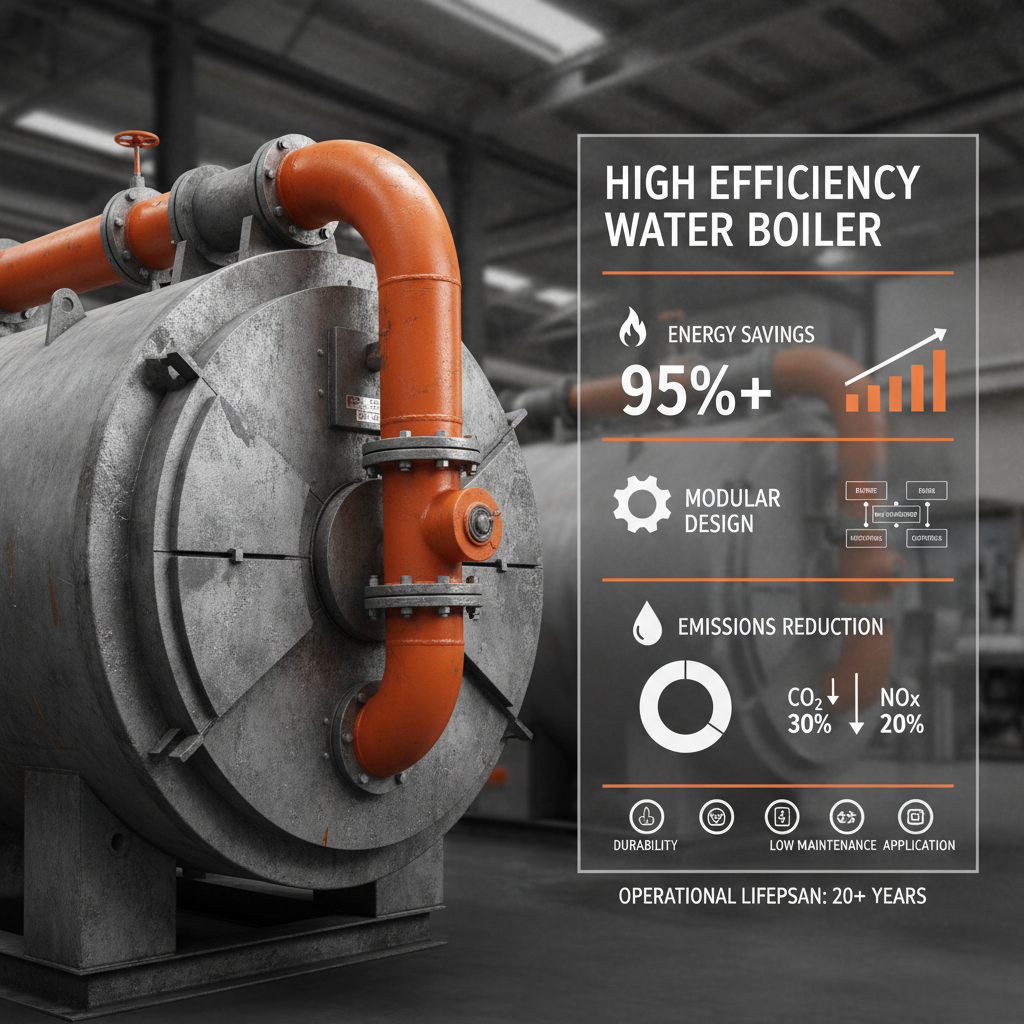
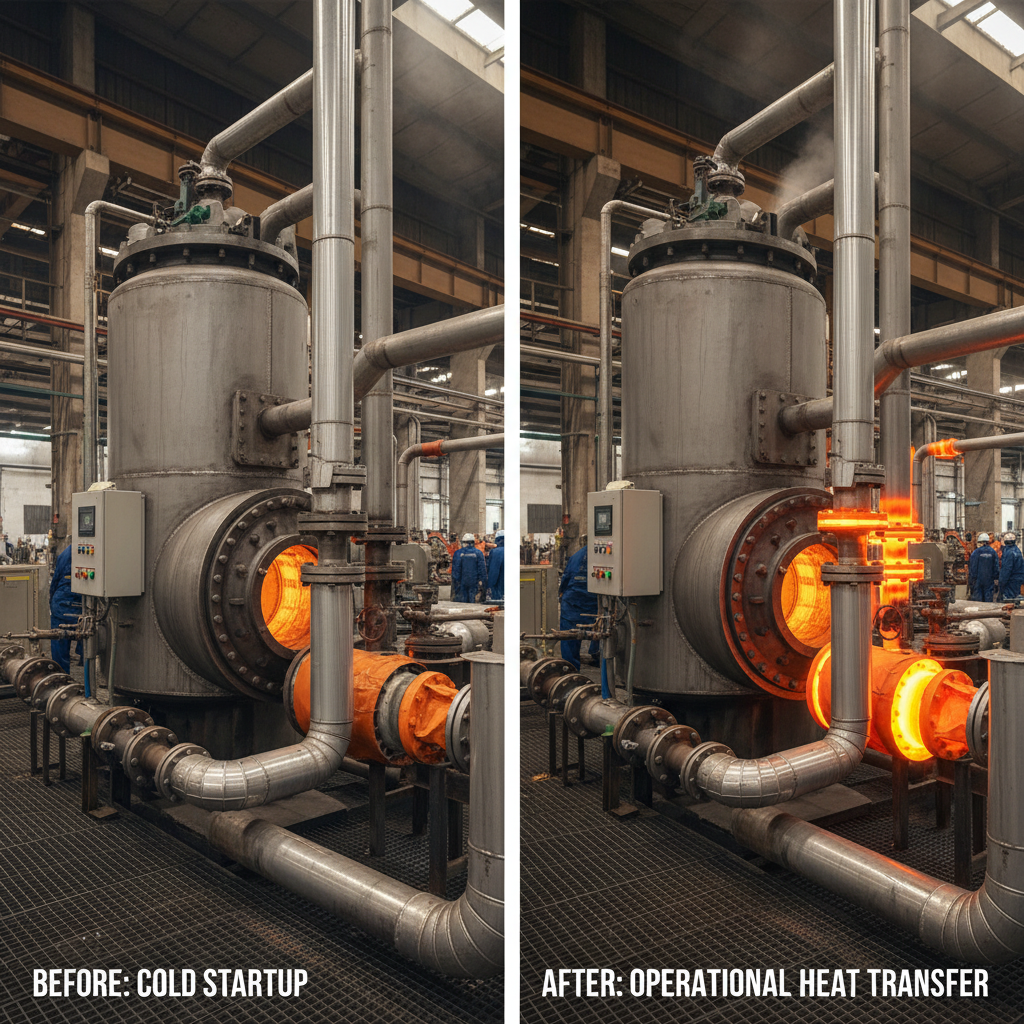
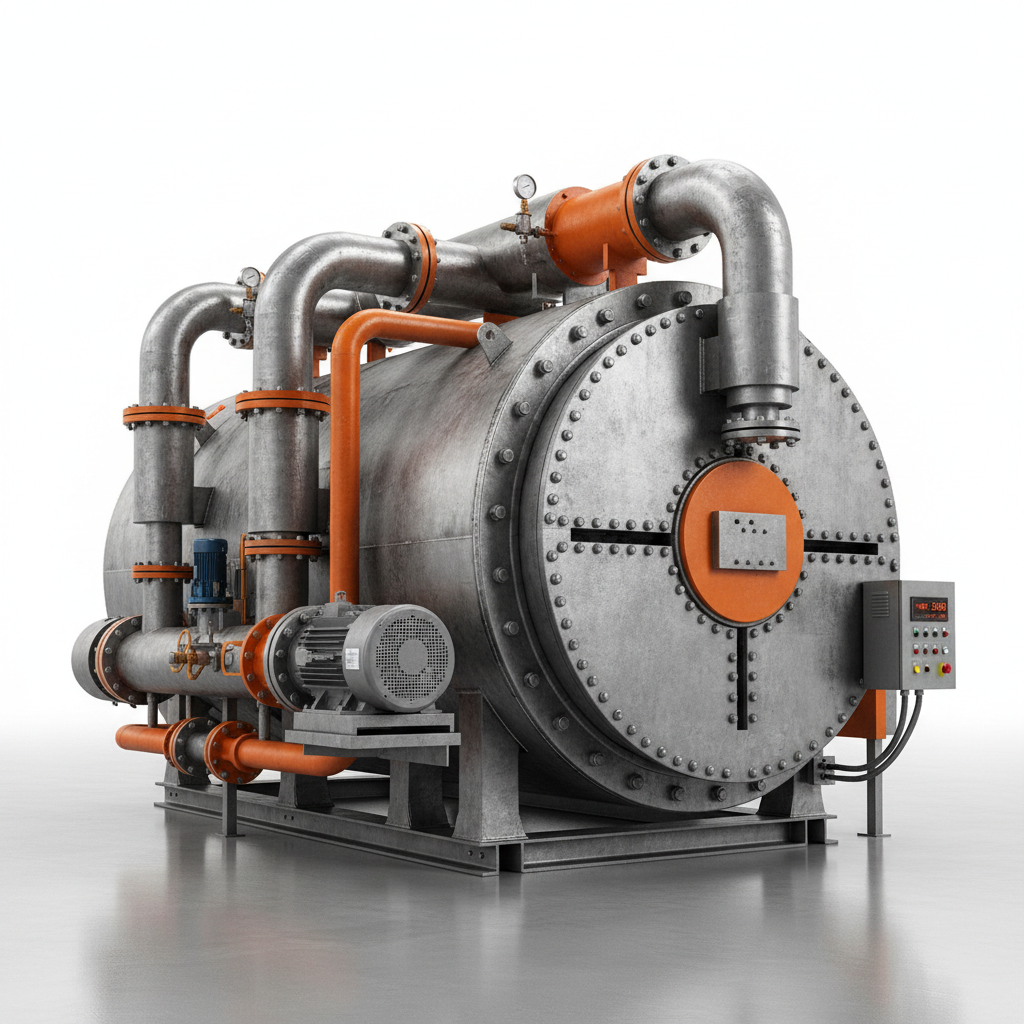
At its core, a high efficiency water boiler maximizes the amount of heat transferred to the water, minimizing waste. Older models lose a lot of heat through the flue – essentially, venting hot air into the atmosphere. Modern designs incorporate features like condensing technology, which recovers heat from the exhaust gases, significantly boosting efficiency.
It's also about smart controls. Modern boilers are often equipped with sophisticated systems that monitor water temperature, pressure, and fuel consumption, automatically adjusting the burner to optimize performance. These controls can also be integrated with building management systems for remote monitoring and control.
Beyond the technical specs, the quality of the materials matters. A well-built boiler uses durable components that can withstand the harsh conditions of a construction site – fluctuating water pressure, corrosive chemicals, and constant temperature changes. That’s where you really see the difference in longevity.
Key Factors Influencing high efficiency water boiler Performance
Fuel type is a big one. Natural gas tends to be cleaner and more efficient than oil, but the availability and cost vary depending on location. Another crucial factor is proper water treatment. Scale buildup can drastically reduce efficiency, so a regular maintenance program that includes water testing and chemical treatment is essential.
Insulation also plays a major role. A well-insulated boiler loses less heat to the surrounding environment, maximizing efficiency. That includes not just the boiler itself, but also the piping and storage tanks. The better the insulation, the less energy you waste keeping the water hot.
Finally, proper sizing is critical. An oversized boiler is inefficient because it’s constantly cycling on and off. An undersized boiler, on the other hand, can’t keep up with demand, leading to delays and frustration. It’s important to carefully calculate the heat load requirements of the project to ensure the boiler is the right size.
Real-World Applications of high efficiency water boiler
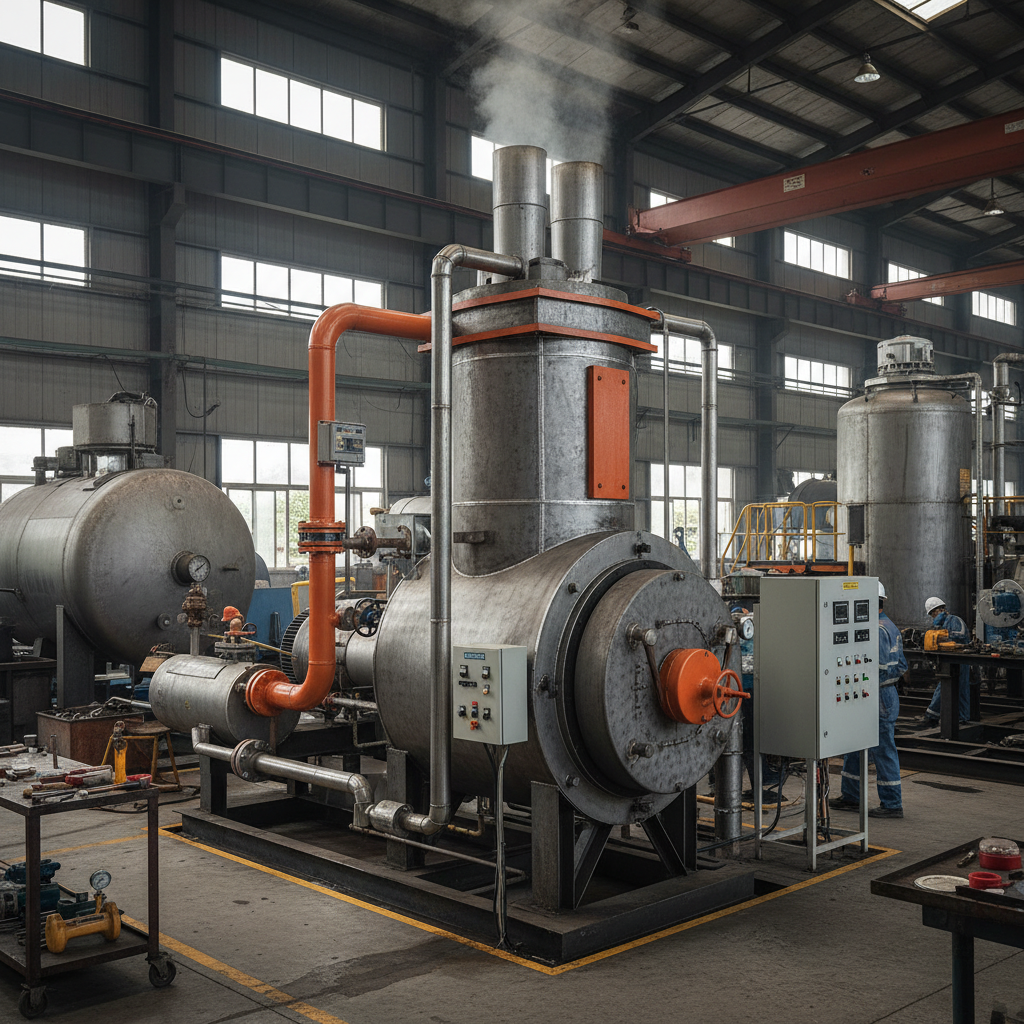
I’ve seen these boilers used on everything from high-rise construction sites to remote industrial facilities. In urban areas, where space is limited, the compact size of some high-efficiency models is a major advantage. In remote locations, the reliability and low maintenance requirements are key.
They’re especially valuable for concrete curing. Maintaining the right temperature is crucial for ensuring the concrete sets properly, and a high efficiency water boiler can provide a consistent and reliable source of hot water for this process. They're also heavily used in prefabrication plants, where a constant supply of hot water is needed for various manufacturing processes.
high efficiency water boiler Application Efficiency Comparison
Advantages and Long-Term Value of high efficiency water boiler
The initial investment in a high-efficiency boiler is typically higher than a standard model, but the long-term savings are substantial. Reduced fuel consumption translates to lower operating costs, and the increased reliability minimizes downtime and repair expenses.
Beyond the financial benefits, there’s the environmental impact. Lower emissions contribute to a cleaner environment, which is increasingly important to both clients and the public. Plus, a well-maintained, high-efficiency boiler is simply a safer piece of equipment. They often have advanced safety features that protect workers and prevent accidents.
Future Trends and Innovations in high efficiency water boiler Technology
We’re starting to see more integration of smart technology, with boilers that can be remotely monitored and controlled via smartphone apps. There’s also a growing trend towards hybrid systems that combine boilers with renewable energy sources like solar thermal collectors.
I also think we’ll see advancements in materials science, leading to even more durable and efficient boilers. New alloys and coatings will be able to withstand higher temperatures and pressures, reducing the risk of corrosion and failure. And, of course, the push for even greater energy efficiency will continue, driving innovation in burner technology and heat recovery systems.
Challenges and Solutions for Implementing high efficiency water boiler Systems
One of the biggest challenges is the upfront cost. Convincing clients to invest in a higher-priced boiler can be difficult, especially on budget-conscious projects. The key is to clearly demonstrate the long-term cost savings and environmental benefits.
Another challenge is finding qualified technicians to install and maintain these systems. High-efficiency boilers are more complex than older models, so it’s important to work with experienced professionals. And finally, proper water treatment is crucial, but it often gets overlooked. A comprehensive water treatment program is essential for maximizing efficiency and extending the life of the boiler.
Proper planning and a long-term perspective are the keys to successfully implementing a high efficiency water boiler system. It's not just about buying a piece of equipment; it’s about investing in a more sustainable and efficient future.
Summary of Key Considerations for high efficiency water boiler Implementation
| Initial Investment |
Maintenance Requirements |
Technician Skill Level |
Long-Term Cost Savings |
| Higher than standard boilers (7/10) |
Requires regular water treatment (6/10) |
Specialized training needed (8/10) |
Significant due to fuel efficiency (9/10) |
| Potential for government incentives (5/10) |
Periodic inspections recommended (4/10) |
Remote monitoring capabilities (7/10) |
Reduced downtime and repairs (8/10) |
| Payback period typically 3-5 years (6/10) |
Sensor calibration may be required (3/10) |
Integration with building management systems (7/10) |
Lower environmental impact (9/10) |
| Financing options available (4/10) |
Regular filter replacement (5/10) |
Advanced diagnostics for troubleshooting (8/10) |
Increased property value (6/10) |
| Potential for tax deductions (5/10) |
Monitoring for scale buildup (7/10) |
Access to remote support (6/10) |
Enhanced brand reputation (5/10) |
| Lifecycle cost analysis crucial (9/10) |
Preventative maintenance schedules (8/10) |
Understanding of control systems (7/10) |
Long-term return on investment (8/10) |
FAQS
Generally, a well-maintained high efficiency water boiler can last between 15 and 20 years, sometimes even longer. This is significantly more than older, standard boilers, which often require replacement after 10-12 years. The lifespan depends heavily on factors like water quality, maintenance schedules, and the initial quality of the unit. Regular inspections and preventative maintenance are key to maximizing its longevity.
Fuel savings can vary depending on your existing system and usage, but you can typically expect to see a reduction of 20-30% in fuel consumption. The higher efficiency of the boiler means less energy is wasted, and the heat recovery systems recapture energy that would otherwise be lost. Over the lifetime of the boiler, these savings can add up to a substantial amount of money.
Regular maintenance includes annual inspections by a qualified technician, water testing and treatment to prevent scale buildup, and periodic cleaning of the burner and heat exchanger. Some models also require filter replacements. Following a preventative maintenance schedule is crucial for ensuring optimal performance and extending the lifespan of the boiler.
Many governments and utility companies offer incentives and rebates for installing energy-efficient equipment, including high-efficiency boilers. These incentives can help offset the initial cost of the boiler and make it a more attractive investment. It’s worth checking with your local authorities and utility providers to see what programs are available in your area.
The correct size depends on the heat load requirements of your site. This involves calculating the total amount of heat needed for processes like concrete curing, space heating, and hot water supply. A qualified HVAC engineer can perform a heat load calculation to determine the appropriate boiler size for your specific needs. Oversizing or undersizing the boiler can both lead to inefficiencies.
Condensing technology recovers heat from the exhaust gases that would normally be vented into the atmosphere. This is achieved by cooling the exhaust gases, causing the water vapor to condense and release latent heat, which is then used to preheat the incoming water. This process significantly increases the overall efficiency of the boiler and reduces fuel consumption.
Conclusion
Ultimately, investing in a high efficiency water boiler isn’t just about saving money on fuel; it’s about building a more sustainable and reliable operation. From reduced emissions to lower maintenance costs and increased longevity, the benefits are clear. It’s a smart investment that pays dividends in the long run, both financially and environmentally.
If you’re serious about improving the efficiency and sustainability of your construction projects, I strongly recommend considering a high-efficiency boiler. Don't just look at the upfront cost – consider the total cost of ownership and the long-term benefits. For more information, and to find a boiler that’s right for your needs, visit our website: www.hzsteamboiler.com.





 English
  Arabic
  Bengali
  French
  German
  Hindi
Hindi  Indonesian
  Kazakh
  Khmer
Khmer  Korean
  Kyrgyz
  Lao
Lao  Latin
Latin  Mongolian
  Nepali
  Russian
  Turkish
  Turkmen
  Uzbek
Uzbek