

Look, I’ve been on construction sites for over twenty years. I've seen steam boilers fail, causing delays, costing money, and frankly, creating dangerous situations. That's why understanding a robust, reliable thermal water boiler is crucial – not just for engineers, but for anyone involved in large-scale projects. We're talking about powering everything from heating and cooling systems to industrial processes, and downtime isn’t an option. A good thermal water boiler isn’t just a piece of equipment; it's the backbone of keeping a project on schedule and within budget.
Globally, the demand for efficient and dependable heating solutions is skyrocketing. According to the UN, infrastructure development is a key driver for economic growth, particularly in developing nations. The World Bank estimates trillions in investment are needed just to meet projected infrastructure demands. And these projects need reliable heat sources. Thermal water boilers meet that need, offering a scalable and adaptable solution. The challenge, though, is finding boilers that can withstand harsh environments, varying fuel sources, and deliver consistent performance.
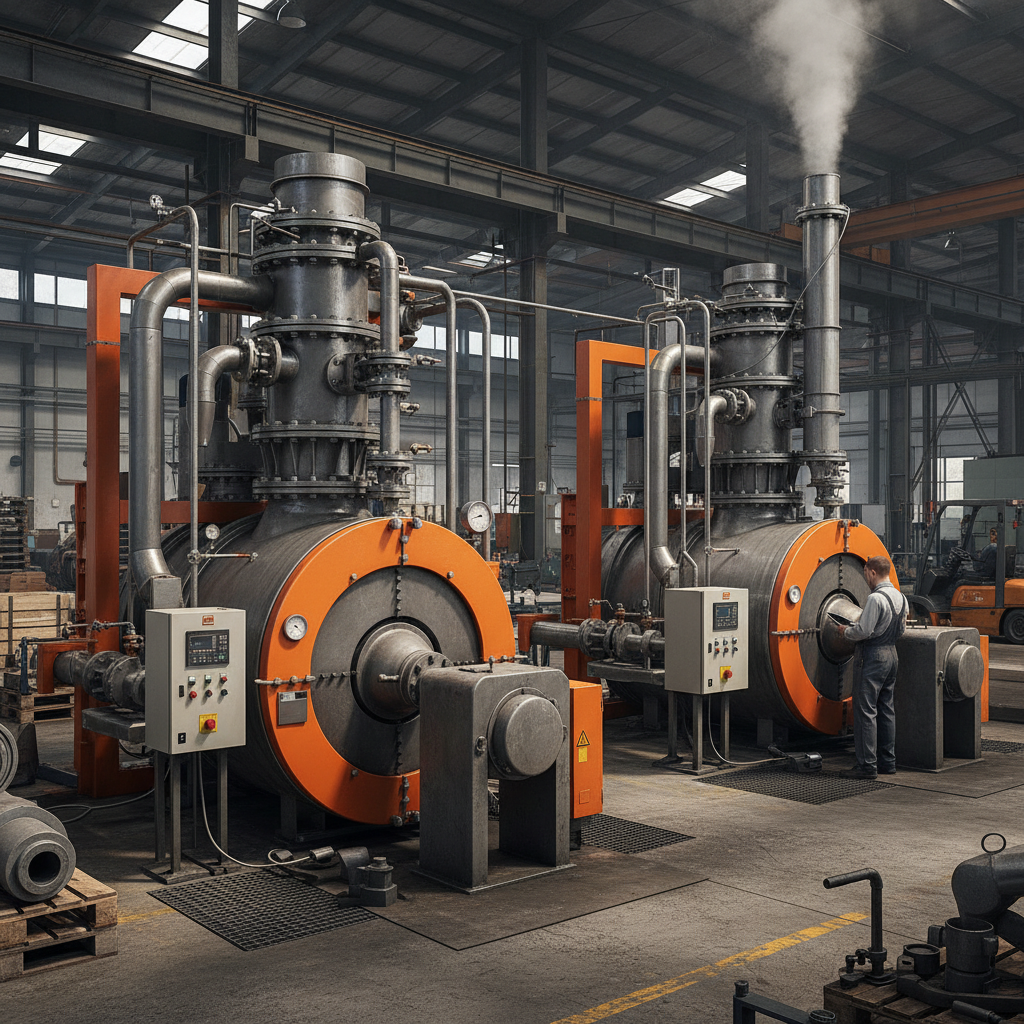
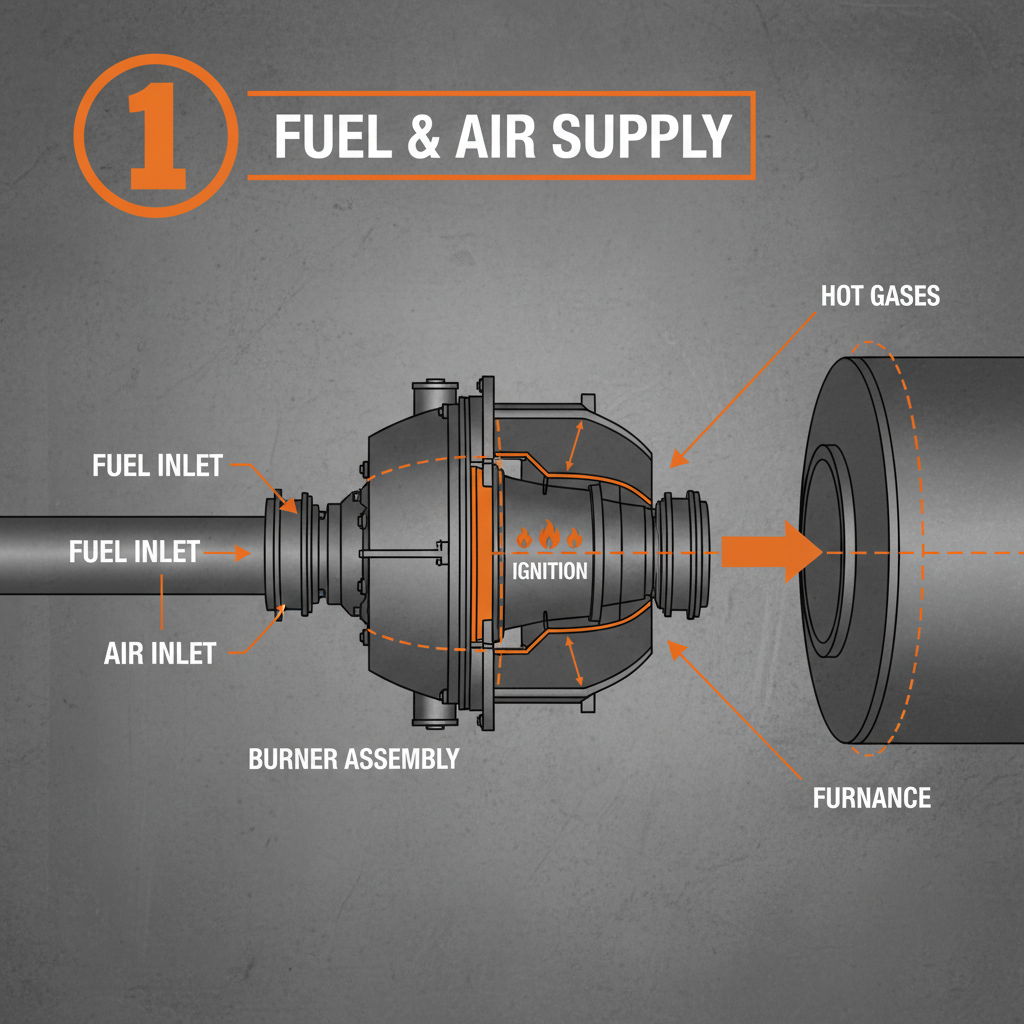
Simply put, a thermal water boiler heats water using a fuel source – whether it’s natural gas, oil, biomass, or even waste heat – and then circulates that hot water to provide heating, power generation, or various industrial processes. It’s a fundamentally simple idea, but the execution is what sets them apart. It's the workhorse of many industrial sites and is becoming increasingly vital for modern district heating systems, providing a centralized and efficient way to deliver warmth to entire communities.
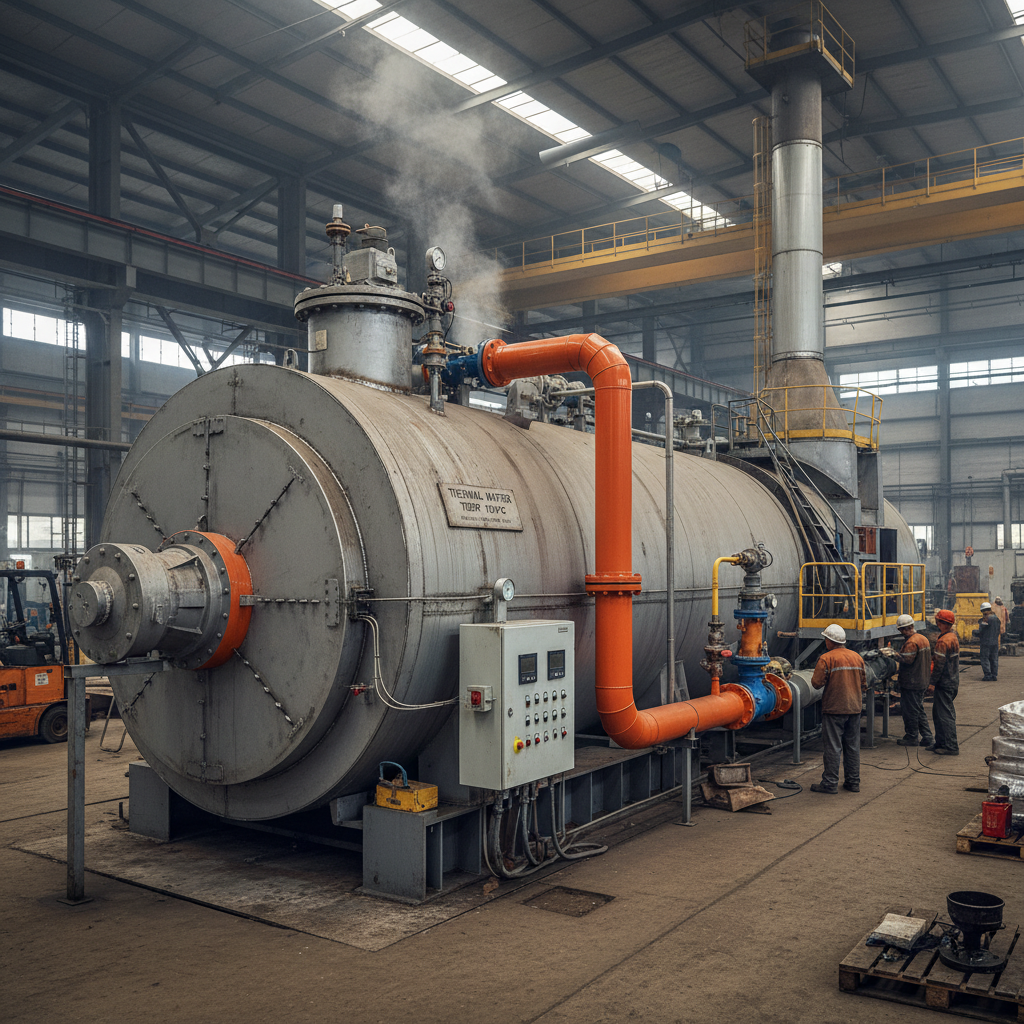
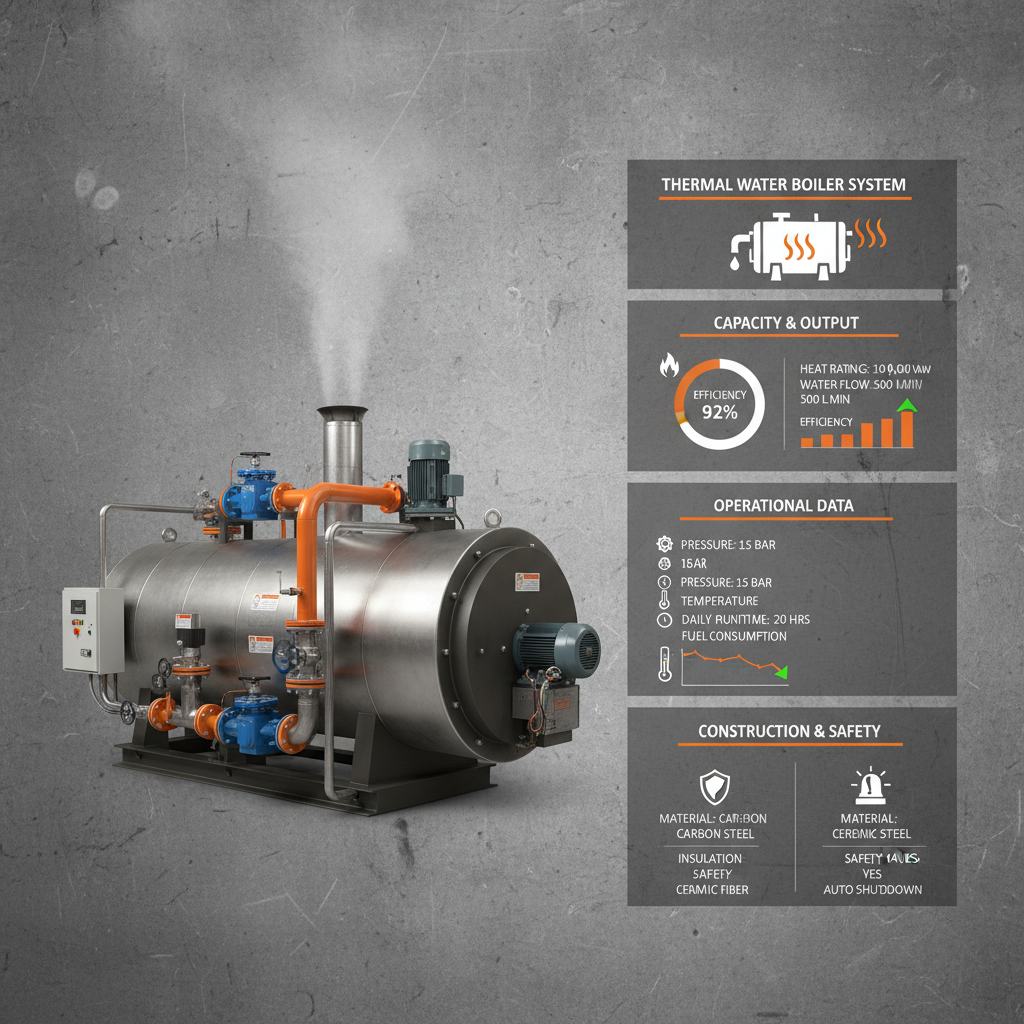
When I’m looking at a boiler for a job, I’m not just looking at the price tag. I need to know it’s going to last. Fuel efficiency is critical, of course, but a boiler that’s constantly breaking down will cost you more in the long run. We also need to consider the type of fuel available on-site and future-proof the system. Choosing the right boiler, with the correct capacity and features, can prevent serious issues.
The selection process is driven by project requirements. A large-scale industrial complex will need a substantially different boiler than a smaller commercial building. Factors like pressure requirements, water quality, and environmental regulations all play a role. It’s not one-size-fits-all; it’s about finding the right fit.
A well-maintained thermal water boiler, constructed with high-quality materials and subjected to regular inspections, can easily last 20-30 years. However, several factors influence lifespan, including operating conditions, fuel type, and the frequency of maintenance. Neglecting preventative maintenance will significantly shorten its life. It's an investment that requires ongoing care.
Determining the correct size is crucial. You need to accurately calculate your peak heating or process steam demand. Factors to consider include the building’s square footage, insulation levels, occupancy rates, and the specific requirements of your industrial processes. An undersized boiler won’t meet your needs, and an oversized boiler will be inefficient. A professional assessment is highly recommended.
Common fuel options include natural gas, fuel oil (No. 2 or No. 6), propane, and biomass (wood chips, pellets, agricultural waste). The best option depends on availability, cost, and environmental considerations. Biomass can be a sustainable option, but requires proper handling and storage. Natural gas is often the most efficient and cleanest-burning option where available.
Essential safety features include low-water cut-offs, pressure relief valves, flame scanners, and automatic burner shut-down systems. Regular safety inspections are paramount. The boiler should also comply with all relevant industry standards and regulations. Don’t compromise on safety; it’s the most important consideration.
Water quality is extremely important. Impurities in the water can cause scaling, corrosion, and reduced efficiency. Water treatment is essential to remove minerals, oxygen, and other contaminants. Regular water testing and chemical treatment are necessary to maintain optimal boiler performance and prevent costly damage. Don’t skimp on water treatment!
Regular maintenance includes annual inspections, cleaning, pressure testing, and burner adjustments. Water treatment monitoring is ongoing. Inspect and replace any worn or damaged components promptly. Keep detailed maintenance records. Proactive maintenance prevents breakdowns and extends the boiler's lifespan.
Thermal water boilers are the unsung heroes of countless industries and infrastructure projects. They’re not glamorous, but they’re reliable, efficient, and essential. From ensuring consistent heating in commercial buildings to powering critical industrial processes, they are a foundational element of modern operations. Understanding their key features, benefits, and future trends is vital for anyone involved in project management, engineering, or facility operations.
Investing in a quality thermal water boiler is an investment in long-term reliability, sustainability, and cost-effectiveness. Don't settle for less. Explore your options, consult with experts, and choose a boiler that will meet your needs for years to come. For more information and to discuss your specific requirements, visit our website: www.hzsteamboiler.com



 English
  Arabic
  Bengali
  French
  German
  Hindi
Hindi  Indonesian
  Kazakh
  Khmer
Khmer  Korean
  Kyrgyz
  Lao
Lao  Latin
Latin  Mongolian
  Nepali
  Russian
  Turkish
  Turkmen
  Uzbek
Uzbek