The comparison between thermal oil boilers and steam boilers is crucial in modern industrial heating applications. Both systems offer efficient heat transfer, but they operate on different principles and are suited for diverse needs. Understanding the nuances of each – from their operating temperatures and pressures to their maintenance requirements and environmental impact – is paramount for informed decision-making. The choice significantly impacts operational efficiency, cost-effectiveness, and overall sustainability, especially with growing emphasis on energy conservation and emissions reduction.
Globally, the demand for efficient and reliable heating solutions is rising, driven by industrial expansion in developing economies and the modernization of infrastructure in established ones. The UN’s Sustainable Development Goals (SDG 7 - Affordable and Clean Energy) and SDG 9 (Industry, Innovation, and Infrastructure) highlight the need for such advancements. Selecting the optimal heating system – whether a thermal oil boiler or a steam boiler – directly contributes to achieving these goals by minimizing energy waste and maximizing productive output.
The effective integration of either technology can unlock significant benefits in various sectors, leading to improved productivity, lower operational costs, and reduced environmental footprints. The rising need for sustainable industrial practices underscores the importance of carefully assessing the advantages and disadvantages of thermal oil boiler vs steam boiler for each unique application.
Introduction: Global or Industry Context
The global industrial landscape is continually evolving, with a growing emphasis on optimizing energy efficiency and reducing operational costs. The selection between a thermal oil boiler and a steam boiler is a critical consideration for many industries. According to a report by the World Bank, industrial energy consumption accounts for approximately one-third of global energy demand, highlighting the significant potential for improvement.
The demand for consistent, precise heating in processes like chemical production, pharmaceuticals, and food processing has driven the adoption of both technologies. However, the specific requirements of each application, such as temperature range, pressure needs, and the nature of the heat transfer fluid, dictate the optimal choice. A recent ISO survey indicated that industries are increasingly seeking solutions that offer both high performance and environmental sustainability.
The challenge lies in balancing these competing demands. While steam boilers have a long-established presence and a robust infrastructure, thermal oil boilers offer advantages in terms of temperature control, reduced water treatment needs, and potentially lower operating costs. This decision-making process necessitates a thorough understanding of the distinctions between thermal oil boiler vs steam boiler and their respective strengths and weaknesses.
Definition & Meaning
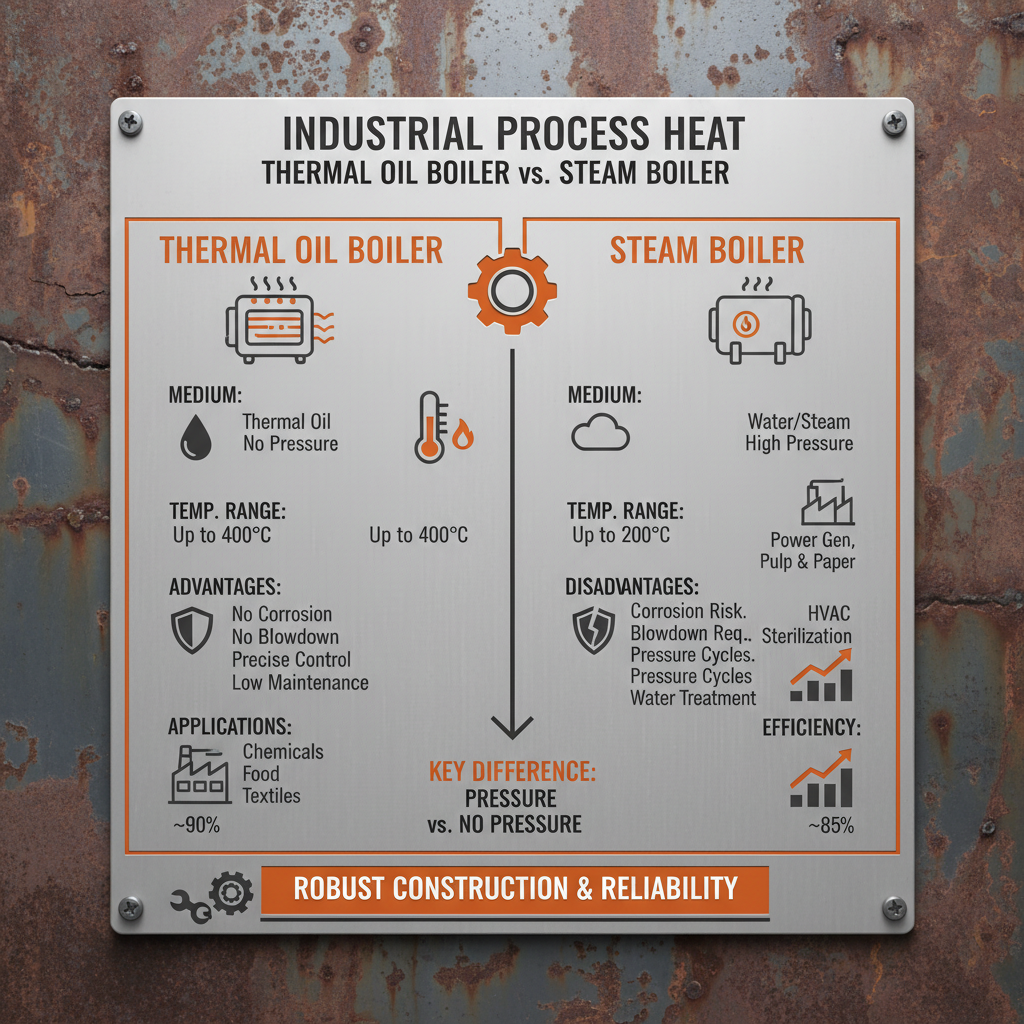
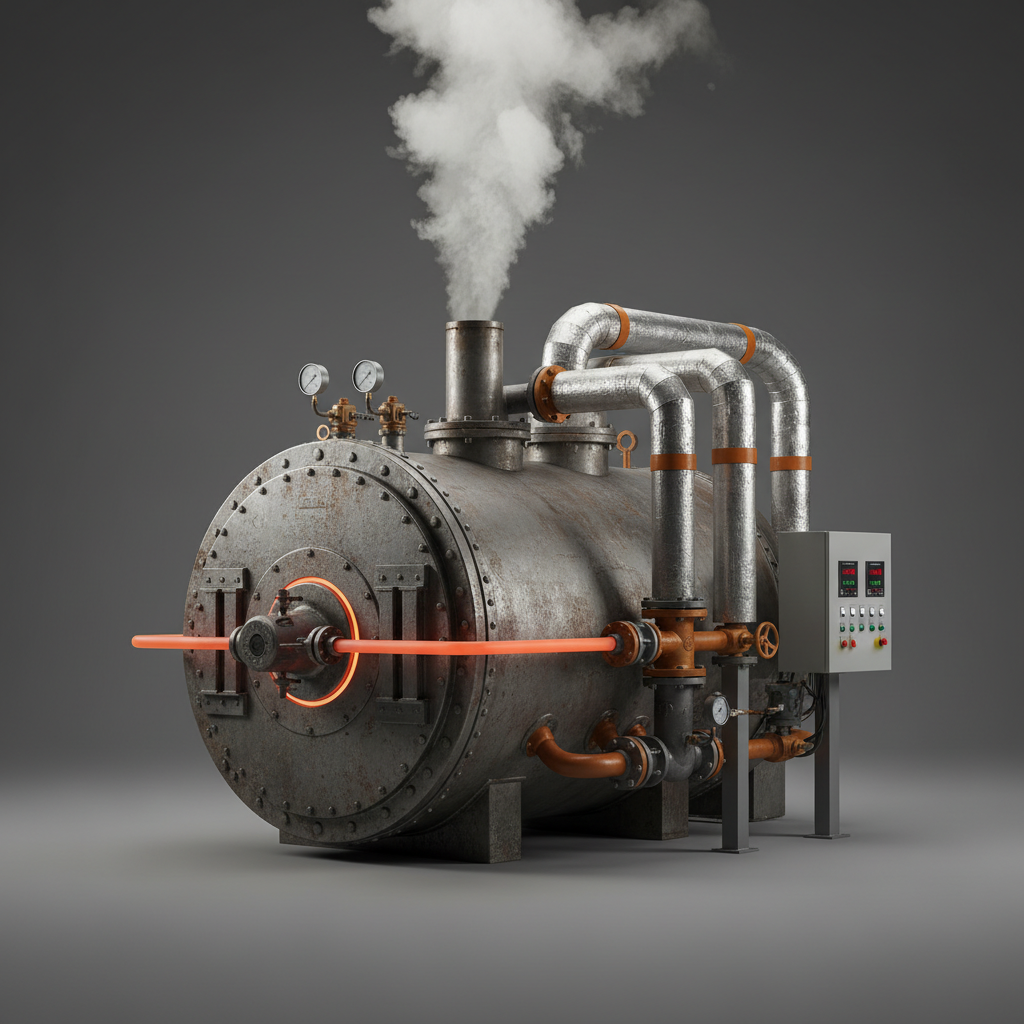
A steam boiler utilizes water as a heat transfer medium. Heat generated from fuel combustion is used to convert water into steam, which is then distributed via pipes to various process applications. Steam boilers typically operate under pressure, and the temperature of the steam is directly related to the pressure. This technology has been a cornerstone of industrial heating for over a century.
In contrast, a thermal oil boiler, also known as a thermic fluid heater, employs a specialized organic fluid, called thermal oil, to transfer heat. Unlike water, thermal oil doesn't undergo a phase change (boiling) during operation. It circulates through the system, absorbing heat from combustion and delivering it to the process. Thermal oil boilers generally operate at higher temperatures than steam boilers, without the pressure constraints.
The distinction is fundamental. Steam boilers rely on the latent heat of vaporization, while thermal oil boilers utilize sensible heat. This difference translates into variations in operating characteristics, application suitability, and maintenance requirements. Understanding this core difference is crucial when evaluating thermal oil boiler vs steam boiler options for a specific industrial process.
Key Factors or Core Components
Durability: Thermal oil systems tend to have fewer corrosion issues than steam systems, as thermal oil is less corrosive than water. However, thermal oil degrades over time and requires periodic analysis and replacement. Steam systems, while prone to corrosion, benefit from well-established water treatment technologies to mitigate this.
Temperature Control: Thermal oil boilers offer precise temperature control across a wider range, particularly at higher temperatures where steam struggles. This precision is vital in applications requiring specific and consistent heating profiles. Steam temperature, while adjustable, is often limited by pressure constraints.
Maintenance: Steam boilers require regular water treatment and scale removal to prevent fouling and corrosion. Thermal oil systems require monitoring of oil degradation and occasional oil changes. Both require routine inspections and maintenance to ensure safe and efficient operation.
Efficiency: Both systems can achieve high efficiency levels with proper design and operation. However, thermal oil systems may experience higher thermal efficiency at higher temperatures due to the absence of steam condensation losses. Modern steam boiler designs incorporating economizers and blowdown heat recovery can also achieve impressive efficiencies.
Safety: Both systems involve handling potentially hazardous materials (high-pressure steam or high-temperature thermal oil). Robust safety features, including pressure relief valves, temperature sensors, and leak detection systems, are essential for both. Thermal oil systems generally operate at lower pressures, potentially reducing the risk of catastrophic failure.
Cost: Initial investment costs can vary depending on the size and complexity of the system. Steam boilers often have lower upfront costs, but ongoing maintenance and water treatment expenses can add up. Thermal oil boilers may have higher initial costs, but lower long-term operating costs due to reduced maintenance and improved efficiency.
Global Applications & Use Cases
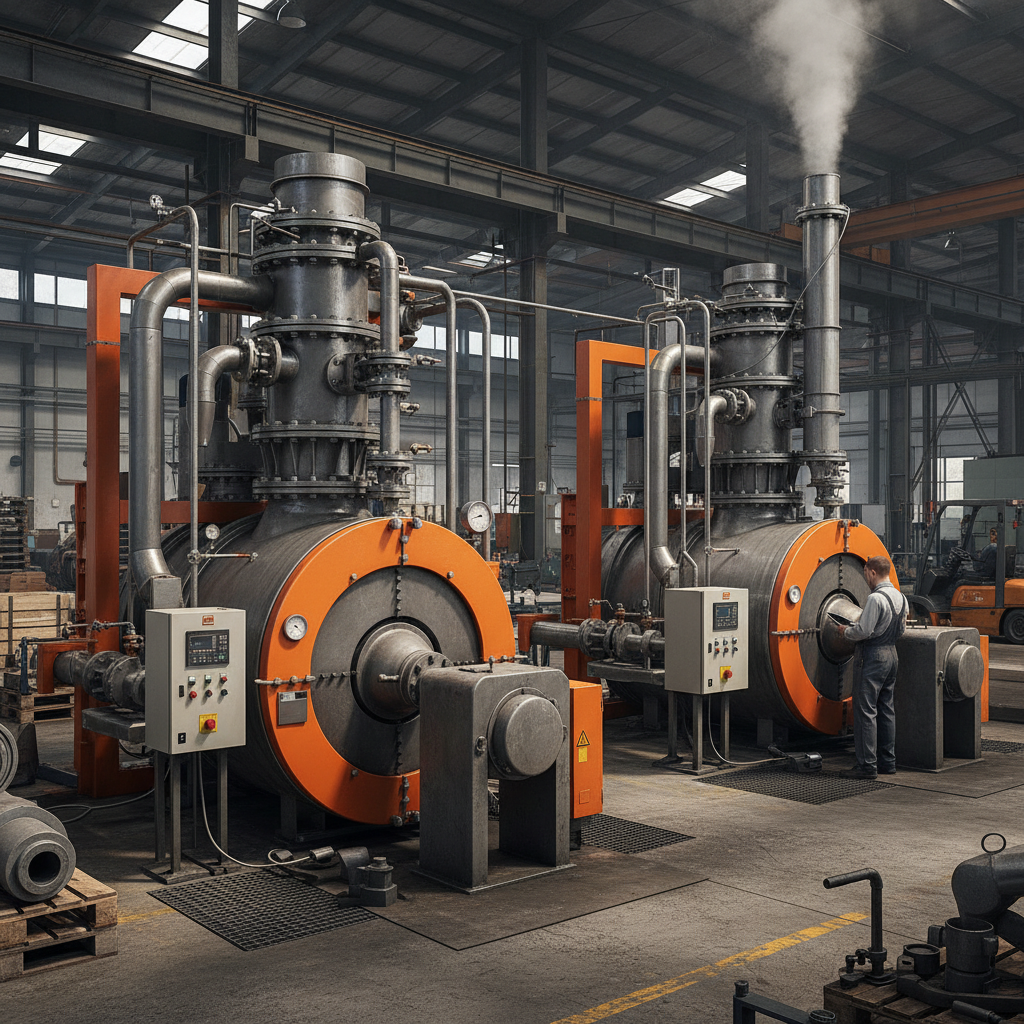
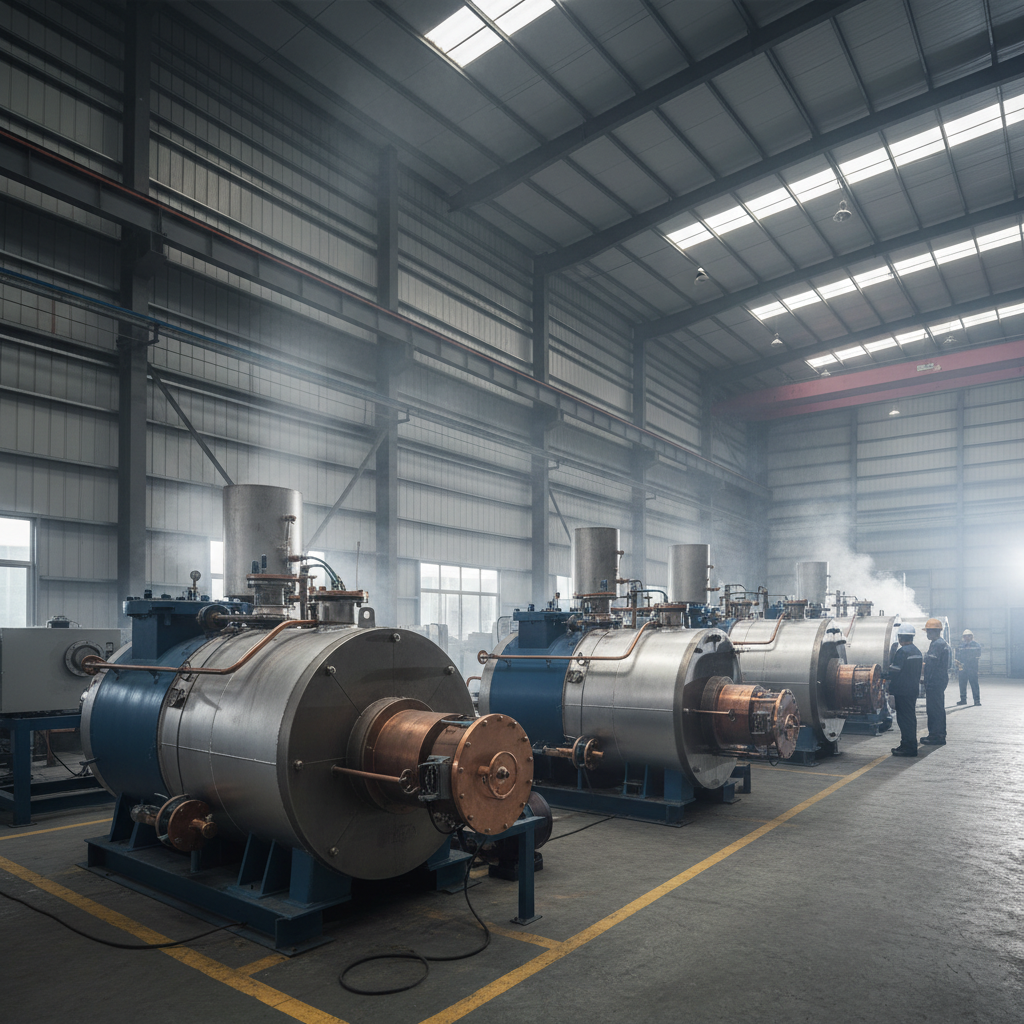
Thermal oil boilers are widely used in industries requiring high-temperature, precise heating, such as chemical processing, polymer production, and pharmaceuticals. They are favored in applications where steam’s limitations—like temperature constraints and potential water contamination—are problematic. In Europe, particularly in Germany’s chemical industry, thermal oil systems are a dominant force.
Steam boilers, on the other hand, remain the workhorse in power generation, district heating, and many food processing facilities. They are cost-effective for large-scale heating applications and benefit from an established infrastructure and readily available expertise. In North America, steam boilers are prevalent in refineries and pulp and paper mills.
In remote industrial zones or developing countries, the choice often depends on access to water treatment facilities and skilled labor. Thermal oil systems can be advantageous where water quality is poor or specialized maintenance expertise is limited. Furthermore, thermal oil boiler vs steam boiler consideration is essential for selecting the optimal system for specific environmental conditions.
Thermal Oil Boiler vs Steam Boiler Application Suitability
Advantages & Long-Term Value
The long-term value of choosing between a thermal oil boiler and a steam boiler extends beyond initial cost savings. Thermal oil systems often translate to reduced maintenance downtime due to lower corrosion and scaling issues, leading to increased productivity. The precision temperature control inherent in these systems improves product quality and reduces waste.
From a sustainability perspective, thermal oil systems can minimize water consumption and wastewater treatment needs, aligning with environmental regulations and corporate social responsibility goals. While steam boilers can be modernized with energy recovery systems, thermal oil systems often offer inherently higher thermal efficiency at elevated temperatures. The reliable operation and minimal downtime of well-maintained thermal oil systems create a positive return on investment over the lifespan of the equipment.
Future Trends & Innovations
The future of both thermal oil and steam boiler technology is focused on enhancing efficiency, reducing emissions, and integrating with smart grid systems. Innovations in thermal oil formulations are leading to more stable and longer-lasting fluids, reducing the frequency of oil changes and minimizing waste. Digitalization is also playing a key role, with advanced monitoring and control systems optimizing boiler performance.
For steam boilers, advancements in combustion technology, such as low-NOx burners and oxygen trim control, are reducing emissions. Furthermore, the integration of renewable energy sources, such as solar thermal collectors, with both systems is gaining traction, contributing to a more sustainable energy mix. The convergence of energy efficiency and digital transformation is reshaping the landscape of thermal oil boiler vs steam boiler technology.
Challenges & Solutions
A key challenge with thermal oil systems is the potential for oil degradation and the associated disposal costs. However, advancements in oil analysis techniques and regeneration services are mitigating this issue. Another challenge is the higher initial investment cost compared to traditional steam boilers.
For steam boilers, maintaining water quality and preventing corrosion remain persistent challenges. However, innovative water treatment technologies and corrosion inhibitors are constantly being developed to address these concerns. The lack of skilled personnel for operating and maintaining complex boiler systems is a universal challenge, which can be addressed through comprehensive training programs and remote monitoring services.
Ultimately, overcoming these challenges requires a holistic approach that encompasses technology innovation, operator training, and proactive maintenance strategies. Careful assessment of the specific application requirements and a thorough evaluation of the long-term costs and benefits of thermal oil boiler vs steam boiler are essential for making informed decisions.
Comparison of Key Characteristics: Thermal Oil vs. Steam Boilers
| Operating Temperature Range |
Maintenance Complexity |
Initial Investment Cost |
Application Versatility |
| 150°C - 350°C |
Moderate (Oil Analysis, Oil Changes) |
7/10 |
High (Precise Temperature Control) |
| 100°C - 250°C |
High (Water Treatment, Scale Removal) |
6/10 |
Moderate (Large-Scale Heating) |
| Up to 400°C with specialized fluids |
Lower Corrosion Potential |
8/10 |
High (Chemical Processing, Polymers) |
| Limited by steam pressure |
Established Infrastructure & Expertise |
5/10 |
Moderate (Power Generation, District Heating) |
| High Operational Flexibility |
Reduced Water Consumption |
9/10 |
High (Precise Process Control) |
| Cost-Effective for Large Heat Loads |
Extensive Water Treatment Options |
7/10 |
Moderate (Mature Technology) |
FAQS
Thermal oil boilers excel in chemical processing due to their ability to maintain very precise and stable temperatures without pressure limitations. This is critical for sensitive reactions and processes. They also eliminate the risk of water contamination, which can be detrimental in many chemical applications. Furthermore, thermal oil systems often require less frequent maintenance than steam systems, minimizing downtime and improving production efficiency.
For very large-scale heating where precise temperature control isn’t paramount, steam boilers can often be more cost-effective initially. They benefit from established infrastructure and lower upfront investment. However, when considering long-term operating costs—including water treatment, scale removal, and potential downtime—the total cost of ownership can be comparable, or even higher, for steam systems. A thorough life-cycle cost analysis is vital.
The primary safety concern with thermal oil boilers is the potential for thermal oil degradation and the formation of flammable gases. Regular oil analysis is crucial to monitor oil condition and prevent overheating. Furthermore, proper ventilation and explosion-proof components are essential in the boiler room. Regular maintenance and adherence to manufacturer guidelines are paramount for safe operation.
The frequency of thermal oil replacement depends on several factors, including the operating temperature, the quality of the oil, and the system’s design. Typically, thermal oil needs to be replaced every 5 to 10 years, but this can vary significantly. Regular oil analysis can help determine the optimal replacement schedule and prevent premature degradation.
Yes, thermal oil boilers can be effectively integrated with renewable energy sources, such as solar thermal collectors or biomass combustion systems. The thermal oil acts as a heat storage medium, allowing for a more consistent and reliable heat supply even when the renewable source is intermittent. This integration enhances the sustainability of the overall heating system.
Thermal oil boilers generally consume less water than steam boilers, reducing water usage and wastewater treatment needs. They can also operate at higher temperatures with greater efficiency, potentially reducing fuel consumption and emissions. Furthermore, the reduced corrosion in thermal oil systems minimizes the need for harsh chemicals used in water treatment.
Conclusion
The choice between thermal oil and steam boilers isn’t a one-size-fits-all scenario. Careful consideration of the specific application requirements – temperature needs, pressure constraints, process sensitivities, and long-term operating costs – is crucial. Thermal oil boilers excel in applications demanding precise temperature control and minimal water usage, while steam boilers remain a reliable and cost-effective solution for large-scale heating.
As industries increasingly prioritize sustainability and efficiency, the integration of advanced technologies and renewable energy sources will further shape the future of both systems. A proactive approach to maintenance, coupled with ongoing monitoring and analysis, will be essential for maximizing the performance and lifespan of these critical heating assets. For detailed information and assistance in selecting the ideal solution for your needs, visit our website: https://www.hzsteamboiler.com.





 English
  Arabic
  Bengali
  French
  German
  Hindi
Hindi  Indonesian
  Kazakh
  Khmer
Khmer  Korean
  Kyrgyz
  Lao
Lao  Latin
Latin  Mongolian
  Nepali
  Russian
  Turkish
  Turkmen
  Uzbek
Uzbek