0%

Table of Contents

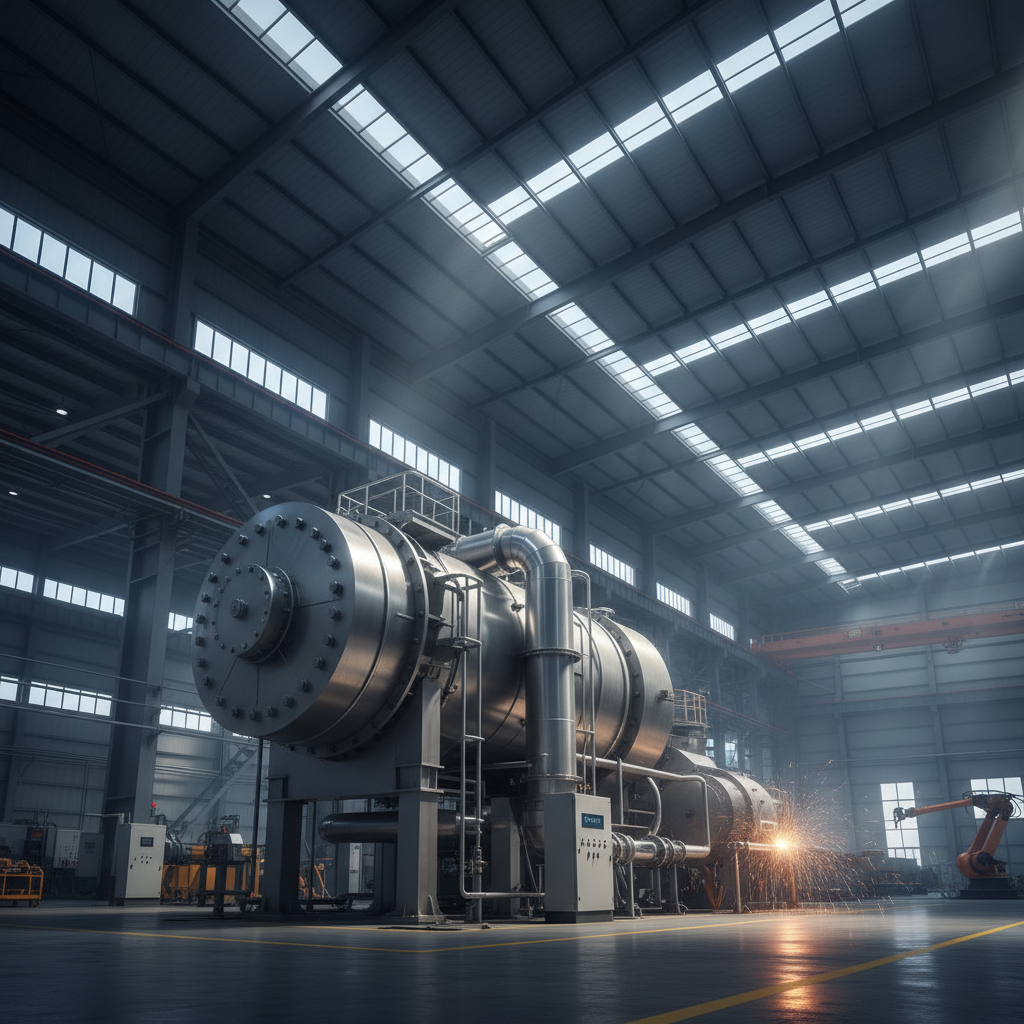
To be honest, the thermal oil boiler market’s been… interesting. A lot of folks are moving away from direct-fired systems, you know, all that talk about emissions and efficiency. Everyone wants “green” these days, even if it just means a slightly better sticker on the side. But the real shift, I’ve noticed, is in demand for smaller, more modular units. Big central plants? Those are becoming less common. People want flexibility, quick installation. It's all about faster ROI, and less upfront investment. And honestly, finding skilled labor to maintain those massive systems is becoming a real headache. That’s why thermal oil boilers for sale are seeing such a bump.

Have you noticed how everyone’s obsessed with maximizing heat transfer? It sounds simple, right? But the devil’s in the details. I encountered this at a factory in Zhejiang last time, they were using this super-expensive alloy for the heat exchanger, thinking it would solve all their problems. Turns out, the alloy was reacting with the thermal oil itself, creating sludge. Sludge! A complete mess. It just goes to show, a fancy material isn’t always the answer. The flow rate, surface area, and temperature control… those are the things that really matter.

It all starts with the oil, of course. Most use mineral oils – they're relatively cheap, good thermal stability. You can smell them a mile away, that distinctive, almost petroleum-like aroma. Synthetic oils are gaining traction, though. They can handle higher temperatures, but they’re a lot pricier and can be trickier to work with. You gotta be careful with those, they can be sensitive to moisture. And the carbon steel for the boiler body...it’s gotta be just right. Too thin, and you're looking at a pressure vessel failure. Too thick… well, that just adds cost and weight, doesn't it?
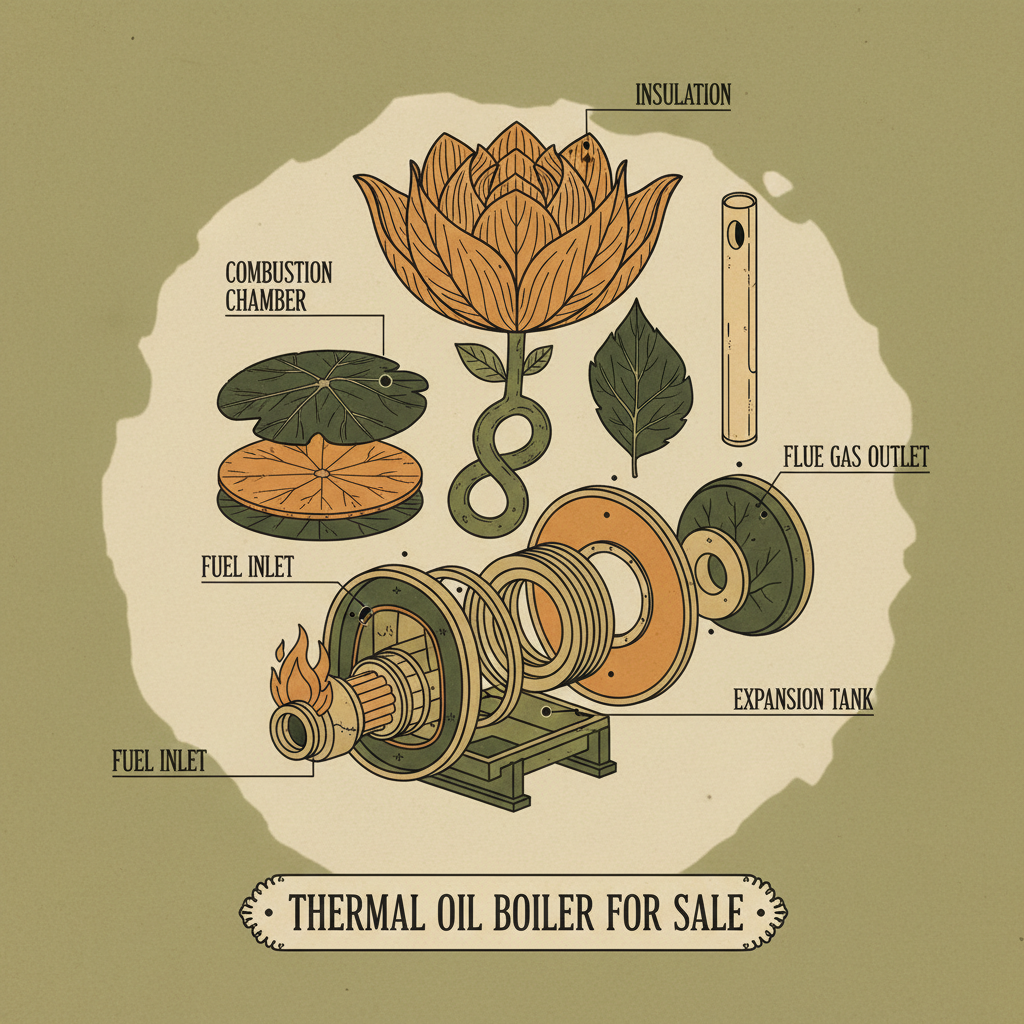
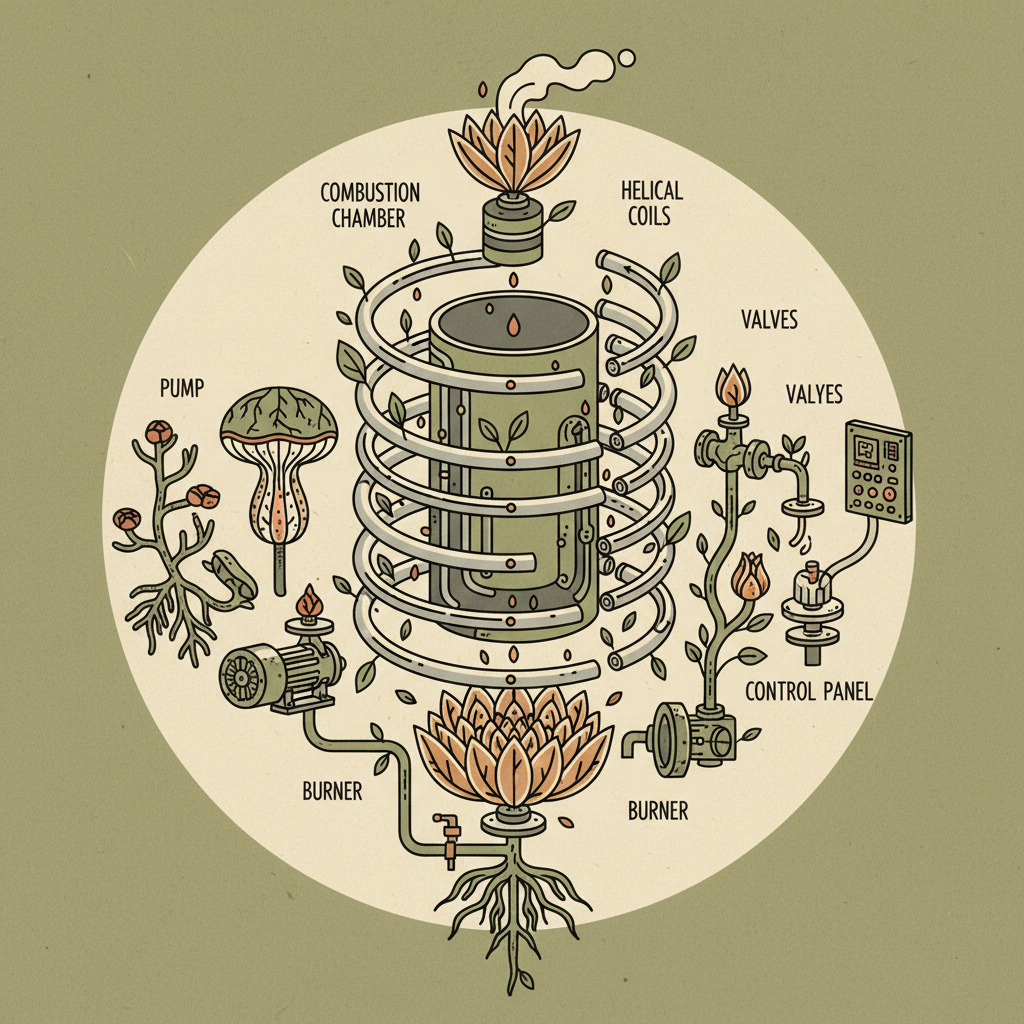
thermal oil boiler for sale

Introduction to the Thermal Oil Boiler Market

thermal oil boiler for sale

Strangely enough, a lot of people think of these boilers as solely for large-scale industrial processes. And sure, they are. But I've been seeing more and more smaller workshops, even breweries, looking at them. It's that precise temperature control, you see. They're not relying on steam, which can be a bit…unpredictable. Thermal oil gives you consistency, and that's critical for a lot of applications. The demand for thermal oil boiler for sale is definitely up.

You see, it's not just about heat. It's about consistent heat. That's what people are paying for.

Design Pitfalls and Common Mistakes

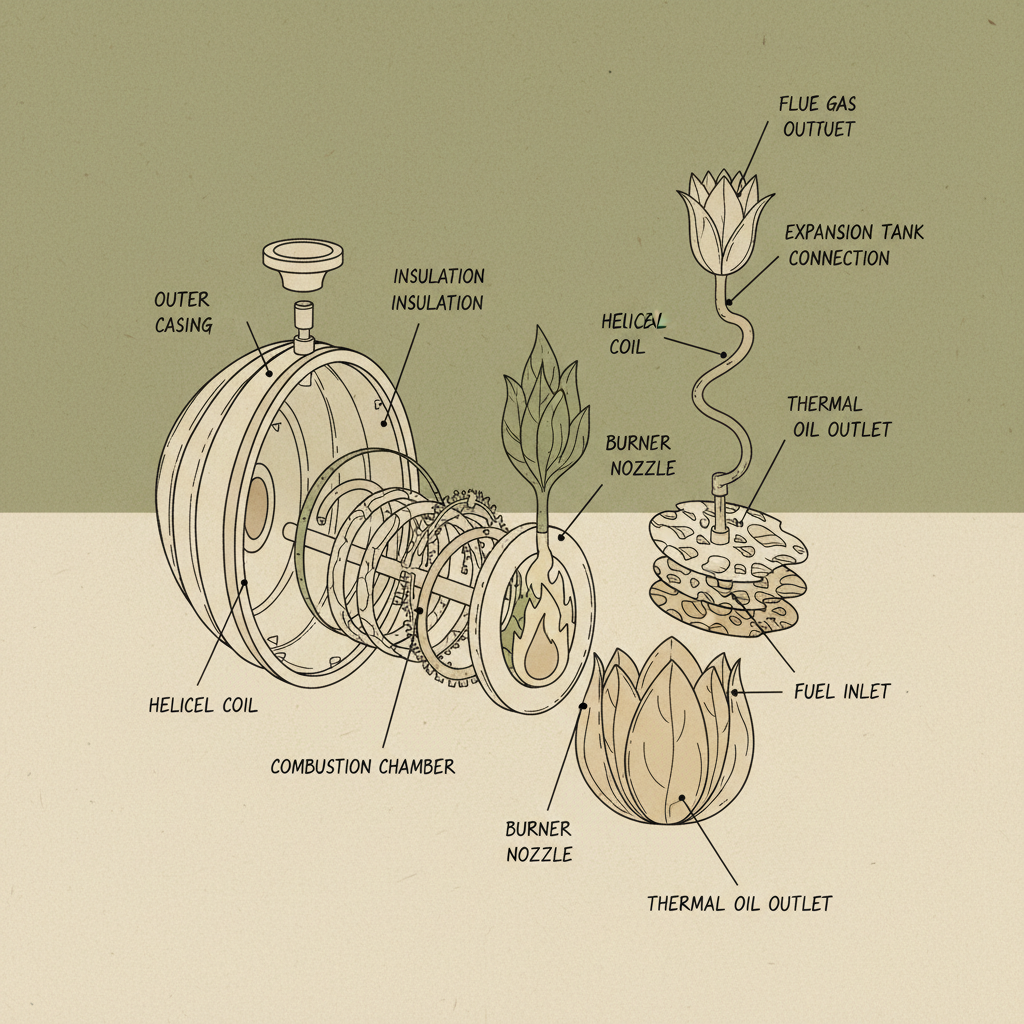
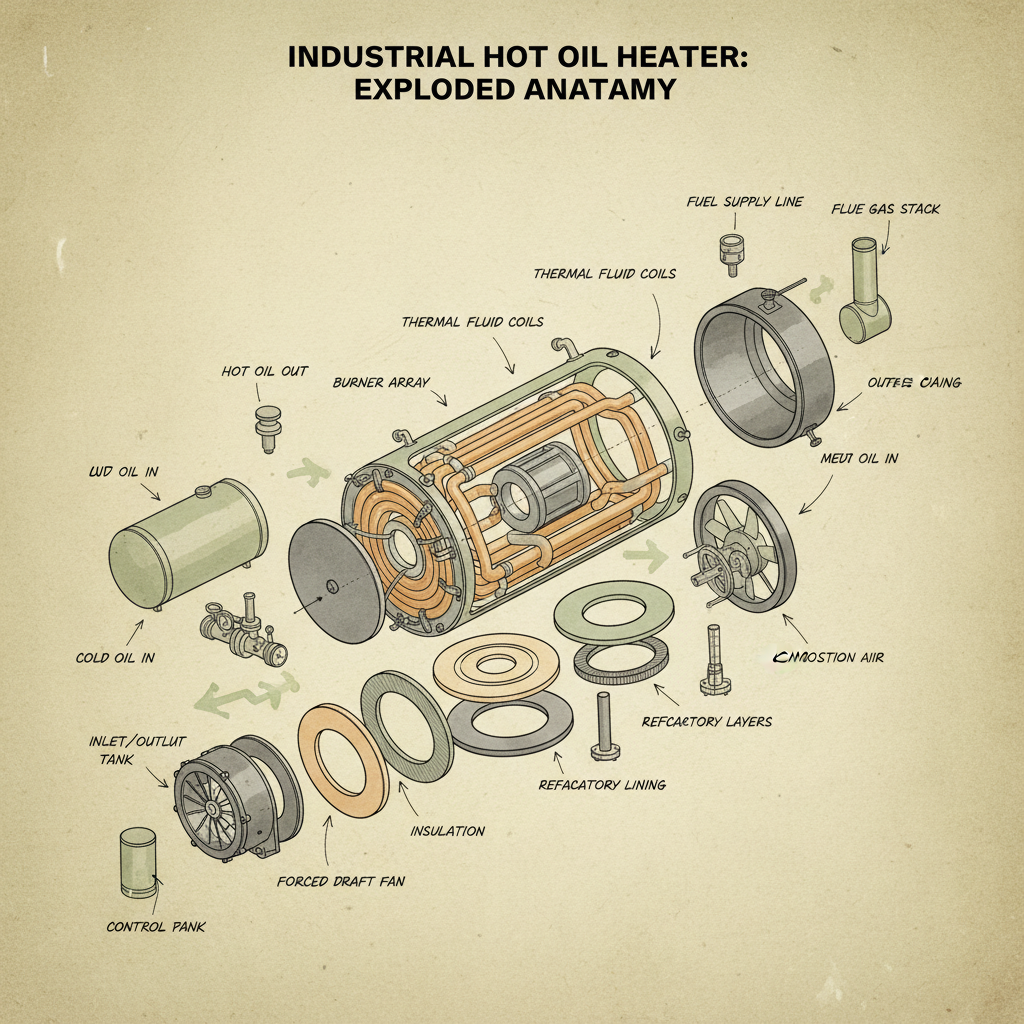
I've seen a lot of designs where they skimp on insulation. Big mistake. You're losing heat, wasting energy, and creating a safety hazard. Another common one is undersizing the expansion tank. Thermal oil expands when it heats up, and if you don't have enough room for it, you're going to have pressure issues. And don’t even get me started on the control systems… too many bells and whistles, too complex. Give me a simple, reliable system any day. You know, ones you can actually troubleshoot on-site without needing a PhD in automation.

What gets me is when engineers forget about maintenance access. They design these things so tightly packed, you can barely get a wrench in there. Then when something breaks down, it’s a nightmare. It’s like they’ve never actually seen one of these things being serviced.

And the burner… the burner is critical. A poorly designed burner will create hotspots, leading to oil degradation. It’s a slow killer, but it’ll happen.

Materials and Handling: A Practical Perspective

As I mentioned earlier, the steel for the pressure vessel needs to be top-notch. We're talking certified material, proper welding procedures, and rigorous inspection. You can’t just go cheap on this. It’s the heart of the whole system. The smell of good steel when you’re inspecting it is reassuring, you know? A slight metallic tang. It’s a gut feeling, really, after years of doing this.

And handling the thermal oil itself... that’s a whole different ballgame. It gets hot. Seriously hot. You need proper PPE – gloves, eye protection, the works. And you gotta be careful about spills. It's messy, it's slippery, and it's a fire hazard. Always have absorbent materials on hand. It's like working with molten chocolate... only much, much more dangerous.

The seals… oh, the seals. They have to withstand high temperatures and prolonged exposure to the oil. Viton is a good choice, but it's expensive. There are cheaper alternatives, but they tend to degrade quickly. It's a trade-off, really.

Real-World Testing and Performance Metrics

Forget about lab tests. I want to see these things run in a real-world environment. We put them through sustained operation at maximum temperature, cycling them on and off repeatedly. We monitor the oil degradation, checking for viscosity changes and sludge buildup. That’s the key indicator of performance, trust me.

I also like to test the responsiveness of the control system. How quickly does it react to changes in demand? Can it maintain a stable temperature even with fluctuating loads? And most importantly: how easy is it to troubleshoot when something goes wrong?

Thermal Oil Boiler for Sale – Key Performance Indicators


User Applications and Unexpected Uses

Most folks use them for chemical processing, plastics manufacturing, and asphalt heating. But I've seen some really creative applications. One guy was using it to heat a large vat of wax for candle making. Another was using it to sterilize soil for a hydroponics farm. People are always finding new ways to use them, which is kinda cool.

And you wouldn’t believe how many breweries are using them now. Precise temperature control is crucial for fermentation, and thermal oil boilers are perfect for that. They’re replacing steam systems left and right.

Advantages, Disadvantages, and Customization Options

The biggest advantage? Consistent heat, as we’ve discussed. And you get higher operating temperatures compared to steam. That opens up a lot of possibilities. But they're not perfect. They require regular maintenance – oil changes, filter replacements, the usual. And the initial cost can be higher than some other heating systems.

Customization is definitely possible. We had a customer who needed a specific interface for their existing control system. They insisted on Modbus TCP, which wasn't standard. It required some extra engineering work, but we made it happen. We can also tailor the size and capacity of the boiler to meet specific requirements. Anything is possible... for a price.

Case Study: Shenzhen Smart Home Manufacturer

Anyway, I think back to last month, that small boss in Shenzhen who makes smart home devices. He insisted on changing the interface to , thought it would make his product look more modern. We tried to explain that it wasn't necessary, that the standard interface was perfectly adequate, but he wouldn't listen. The result? Delays, increased costs, and a product that didn’t perform any better. Sometimes, you just gotta let people learn the hard way.

He wanted everything "cutting edge" without understanding the implications. It was a mess, honestly. But it taught us a valuable lesson: sometimes, simplicity is best. It's easy to get caught up in trends, but you need to focus on what actually works.

It’s situations like that that make me appreciate a good, reliable design.

Thermal Oil Boiler for Sale – Material Comparison

Material Temperature Resistance Corrosion Resistance Cost (1-10, 1=Cheap)
Carbon Steel 300°C Moderate 2
Stainless Steel (304) 450°C High 6
Stainless Steel (316) 500°C Very High 8
Inconel 625 700°C Excellent 10
Viton Seals 200°C Excellent (Oil Resistance) 7
EPDM Seals 150°C Good (Water Resistance) 3

FAQS

What's the typical lifespan of a thermal oil boiler?

That’s a good question. It really depends on maintenance, oil quality, and operating conditions. But, generally speaking, a well-maintained thermal oil boiler can last 15-20 years. We’ve seen some go longer, but those are exceptions. The key is regular oil analysis and timely component replacements. You can't just ignore it and expect it to keep running.

How often do I need to change the thermal oil?

Again, it varies. But as a rule of thumb, we recommend oil analysis every six months. Based on the results, you may need to change the oil every 2-5 years. Look for signs of degradation like increased viscosity, sludge formation, and decreased thermal stability. Don't wait until it's completely broken down – that's when you'll have problems. It’s cheaper to change the oil than to replace the whole system.

What safety features should I look for in a thermal oil boiler?

Safety is paramount. You need a high-limit thermostat, a low-oil-level shutdown, and a pressure relief valve. Also, proper insulation is crucial to prevent burns. And make sure the control system is reliable and easy to understand. Don’t skimp on safety features – it’s not worth the risk. You're dealing with extremely hot oil, after all.

Can these boilers be used with renewable energy sources?

Absolutely. They’re often paired with biomass boilers or solar thermal collectors. The thermal oil acts as a heat storage medium, allowing you to use renewable energy sources even when they’re not actively generating heat. It’s a good way to reduce your carbon footprint and save money on energy costs. But remember it requires a well-designed integration system.

What’s the biggest mistake people make when operating a thermal oil boiler?

Ignoring maintenance. Seriously. People think they can just set it and forget it. But thermal oil boilers require regular attention. Oil analysis, filter changes, inspections... it all adds up. Neglect it, and you’re asking for trouble. Trust me, I've seen it happen way too many times.

Are thermal oil boilers suitable for hazardous environments?

They can be, but you need to specify an explosion-proof design. That means using intrinsically safe components and ensuring the boiler is properly grounded. It also requires careful consideration of the ventilation system. It’s not something you can just retrofit – it needs to be built in from the start. Consult with an expert to ensure compliance with relevant safety standards.

Conclusion

Ultimately, thermal oil boilers offer a compelling combination of efficiency, precision, and reliability. They’re not a silver bullet, mind you. They require proper maintenance and a good understanding of the underlying principles. But for applications where consistent heat is critical, they're hard to beat. They've become a cornerstone in many industries, and their versatility is constantly being discovered.

And remember, whether this thing works or not, the worker will know the moment he tightens the screw. That's the ultimate test. If it feels right, looks right, and operates smoothly, you’re probably in good shape. If not… well, you know what to do. For all your thermal oil boiler needs, visit our website: www.hzsteamboiler.com

Daniel Wilson

Daniel Wilson

Daniel Wilson is a Service Engineer at Hebei Hongze Boiler Manufacturing Co., Ltd. He specializes in the maintenance and repair of hot water boiler systems and provides on-site support to customers. Daniel is known for his rapid response time and technical expertise, ensuring minimal downtime and maximum efficiency for clients.
Previous thermal oil boiler
Read More About gas fired water boiler
Read More About residential gas fired hot water boilers
Read More About oil burning water heater
Read More About oil fired water boiler
en_USEnglish