Thermal oil boilers represent a cornerstone of modern industrial heating, offering precise temperature control and efficient energy transfer across a wide range of applications. Understanding the thermal oil boiler working principle is crucial for optimizing processes in sectors like chemical processing, pharmaceuticals, food production, and power generation. These boilers differ significantly from traditional steam boilers, operating at lower pressures and higher temperatures, resulting in increased efficiency and reduced operational costs. This understanding empowers engineers and facility managers to make informed decisions regarding system design, maintenance, and overall performance.
The global demand for efficient and reliable heating solutions is continuously growing, driven by increasing industrialization and stricter environmental regulations. The UN’s Sustainable Development Goals, particularly those related to affordable and clean energy (Goal 7) and responsible consumption and production (Goal 12), highlight the importance of optimizing energy usage in industrial processes. Thermal oil boilers, with their ability to recover and reuse waste heat, are well-positioned to contribute to these goals. According to the World Bank, investments in energy efficiency technologies are essential for achieving sustainable economic growth.
The challenge lies in maximizing the lifespan and efficiency of these systems while minimizing environmental impact. Proper understanding of the thermal oil boiler working principle and diligent maintenance are essential for addressing these concerns. This article delves into the fundamental principles, applications, advantages, and future trends surrounding thermal oil boiler technology.
Introduction to Thermal Oil Boiler Systems
Thermal oil boilers are closed-loop heating systems utilizing a specially formulated heat transfer fluid – thermal oil – to efficiently deliver heat to various industrial processes. Unlike steam boilers which generate steam as the heat transfer medium, thermal oil boilers operate at significantly lower vapor pressures, enabling higher operating temperatures and eliminating the risks associated with steam handling. This leads to a more compact system design and improved safety.
The versatility of these systems makes them ideal for applications requiring precise temperature control within a wide range, typically from 60°C to 400°C. This precision is particularly critical in processes sensitive to temperature fluctuations, ensuring product quality and maximizing yield. Their design also offers enhanced heat transfer characteristics compared to steam.
Defining the Thermal Oil Boiler Working Principle
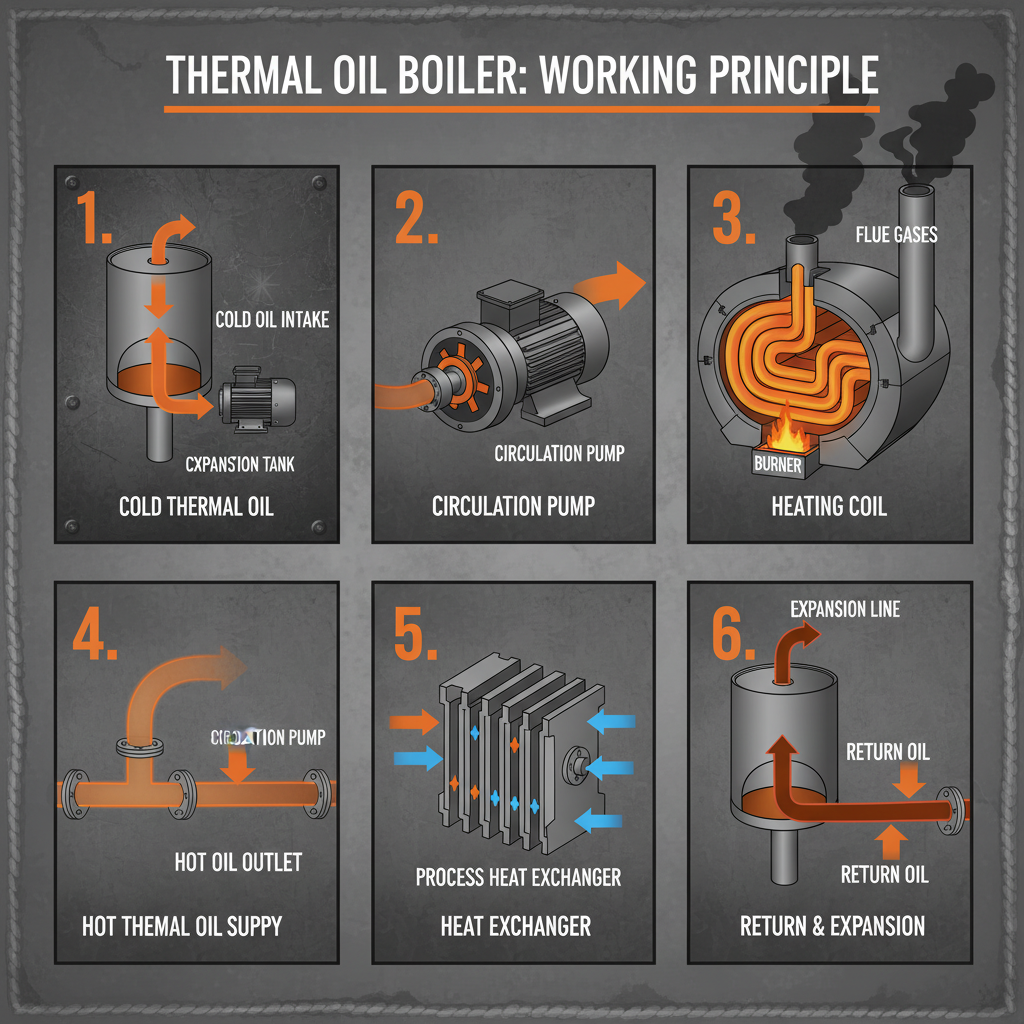
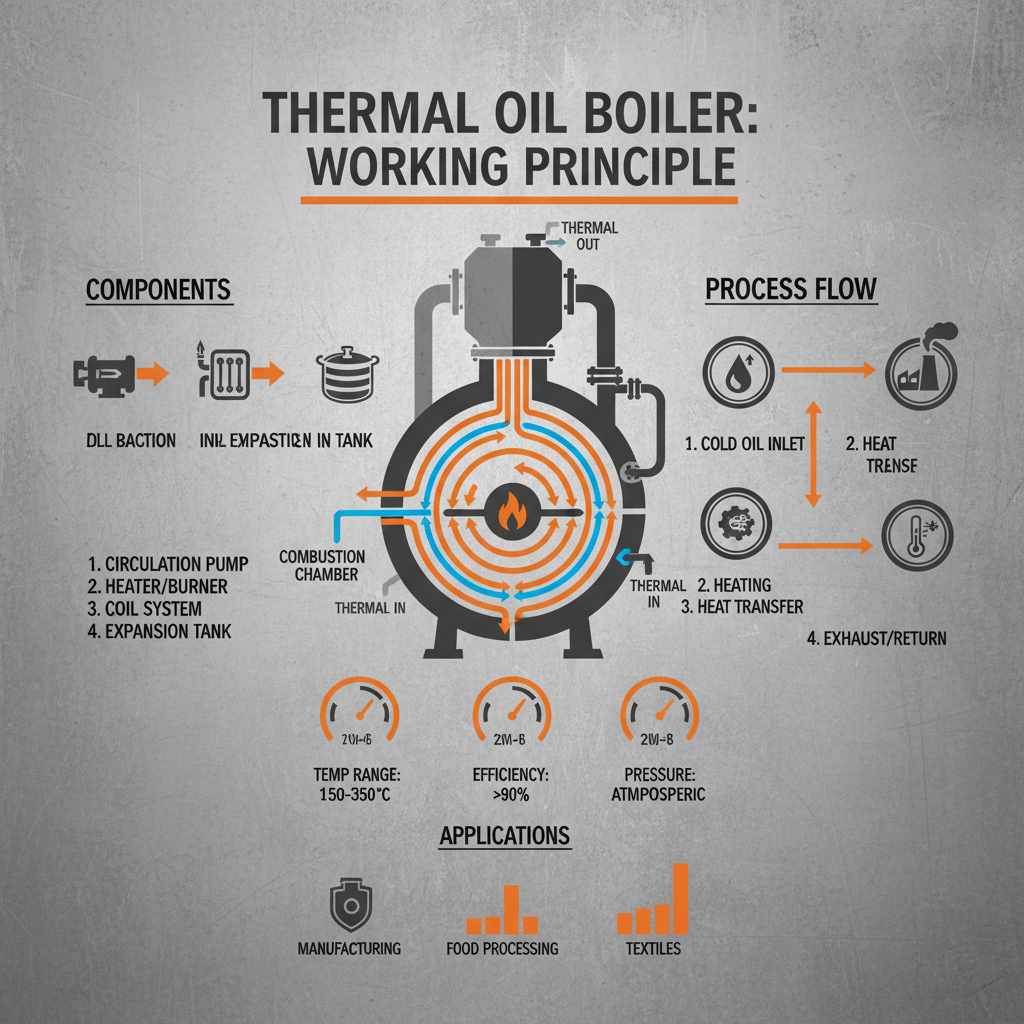
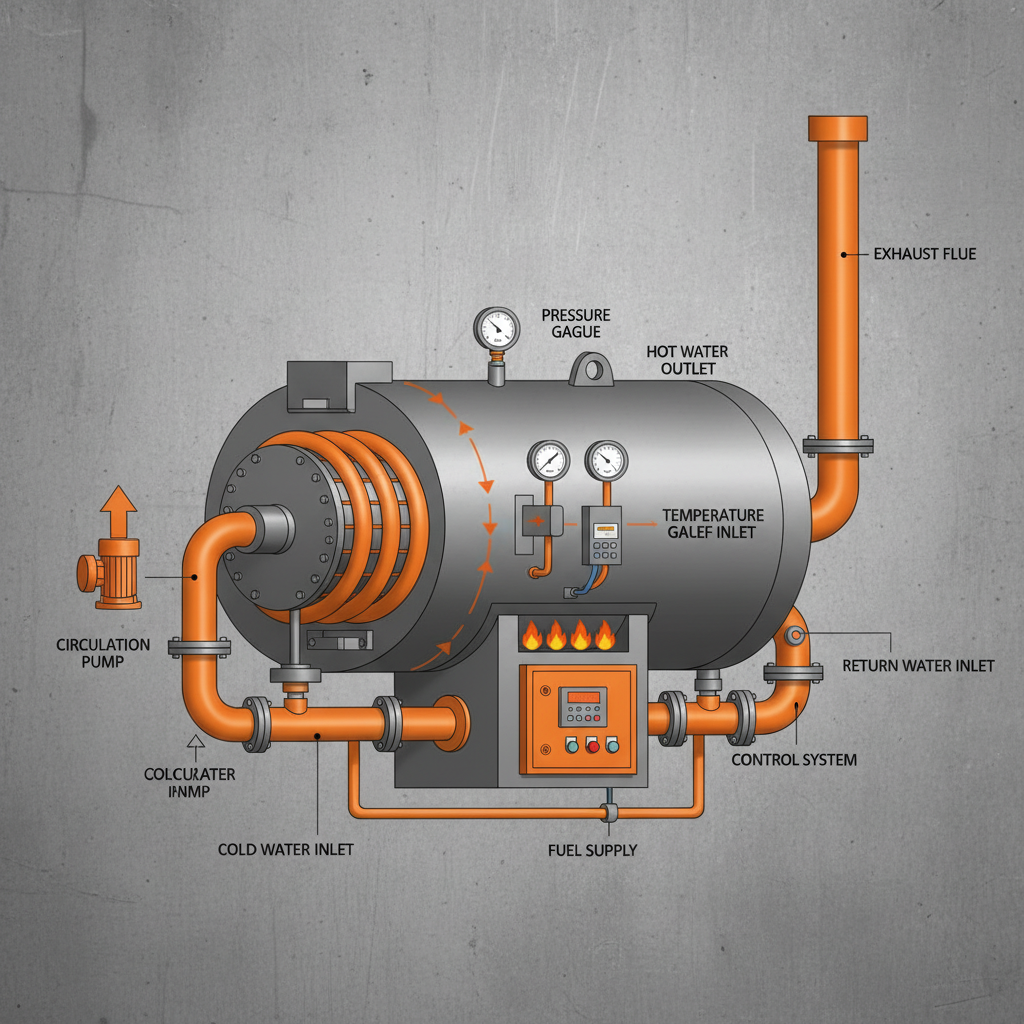
The thermal oil boiler working principle revolves around the circulation of thermal oil through a closed-loop system. The oil is heated within the boiler by a fuel source (natural gas, oil, biomass, or electricity) and then pumped to the process application where it releases its heat. The cooled oil returns to the boiler to be reheated, completing the cycle. The key to this process is the specialized thermal oil itself - a stable mixture of refined mineral oils that exhibit excellent thermal stability and low vapor pressure at high temperatures.
This closed-loop system ensures consistent temperature control and minimizes thermal degradation of the oil. Unlike water-based systems, there’s no risk of corrosion or scaling, extending the lifespan of the system and reducing maintenance requirements. The consistent temperature also contributes to more efficient heat transfer, reducing energy consumption.
The efficiency of the entire process depends on several factors, including the quality of the thermal oil, the boiler's design, the insulation of the piping system, and the overall system control strategy. Maintaining the oil within its specified temperature limits and regularly monitoring its condition are crucial for optimal performance and longevity.
Core Components and Operating Characteristics
Several key components contribute to the effective operation of a thermal oil boiler. These include the boiler itself, which houses the heating element and facilitates heat transfer to the oil; the thermal oil circulation pump, responsible for maintaining the flow of oil throughout the system; the expansion tank, accommodating volume changes in the oil due to temperature fluctuations; and the control system, monitoring and regulating the process.
The operating characteristics of thermal oil boilers differ significantly from steam boilers. They operate at lower pressures, typically between 10-20 bar, and higher temperatures, ranging from 200°C to 400°C. This allows for more efficient heat transfer and eliminates the need for complex steam traps and condensate return systems. The stable thermal properties of the oil also contribute to a more consistent and reliable heating process.
Regular monitoring of key parameters such as oil temperature, flow rate, and pressure is essential for ensuring optimal performance and preventing potential issues. The thermal oil also requires periodic analysis to assess its condition and identify any signs of degradation, ensuring the longevity and reliability of the system.
Key Advantages of Thermal Oil Boiler Technology
Thermal oil boilers offer a multitude of advantages over traditional heating methods. One significant benefit is their precise temperature control, crucial for applications demanding consistent thermal output. This precision translates to improved product quality, reduced waste, and increased efficiency. Another key advantage is their operational safety, stemming from the low-pressure operation, minimizing the risk of explosions or scalding.
Compared to steam systems, thermal oil systems exhibit faster response times to temperature changes, allowing for quicker adjustments and improved process control. Furthermore, the absence of condensate return systems simplifies the system design and reduces maintenance requirements.
Performance Metrics of Thermal Oil Boiler Systems
Global Applications and Industry Impact
The applications of thermal oil boilers are extensive and span numerous industries. In the chemical processing sector, they provide precise heating for reactors and distillation columns. The pharmaceutical industry relies on them for sterile heating applications and maintaining critical temperature control during drug manufacturing. Food processing utilizes them for cooking, pasteurization, and sterilization processes.
Globally, these systems are crucial in industries located in regions with stringent environmental regulations, such as Europe and North America. Emerging economies in Asia and South America are also increasingly adopting thermal oil boilers to enhance their industrial capabilities and improve energy efficiency. In remote industrial zones, where access to steam infrastructure is limited, thermal oil boilers offer a viable and efficient heating solution.
Long-Term Value and Sustainability
Investing in thermal oil boiler technology provides significant long-term value. The reduced maintenance requirements and increased operational efficiency translate to lower lifecycle costs compared to traditional steam systems. The precise temperature control minimizes product waste and enhances product quality, contributing to improved profitability. The extended lifespan of the oil, with proper maintenance, further reduces operational expenses.
Sustainability is also a key benefit. The ability to recover and reuse waste heat minimizes energy consumption and reduces carbon emissions. The use of renewable fuel sources, such as biomass, can further enhance the environmental performance of these systems. The overall contribution to a more sustainable industrial process is significant.
Beyond the economic and environmental benefits, thermal oil boilers contribute to enhanced workplace safety due to their low-pressure operation, creating a more secure environment for personnel. This combination of factors makes them a compelling investment for businesses seeking long-term value and responsible operation.
Future Trends and Innovations in Thermal Oil Boilers
The future of thermal oil boiler technology is marked by ongoing innovations focused on improving efficiency, reducing emissions, and enhancing automation. The integration of advanced control systems utilizing artificial intelligence and machine learning will enable more precise temperature control and predictive maintenance, optimizing performance and minimizing downtime. The development of new thermal oil formulations with improved thermal stability and extended lifespan is another key area of research.
Furthermore, the increasing adoption of Industry 4.0 principles and the Industrial Internet of Things (IIoT) will facilitate remote monitoring and control of thermal oil boiler systems, enabling proactive maintenance and optimized energy consumption. The exploration of alternative heat sources, such as solar thermal energy, will further enhance the sustainability of these systems.
The trend towards digitalization and automation will also drive the development of more sophisticated diagnostic tools and remote support services, reducing the need for on-site expertise and minimizing maintenance costs. These advancements will position thermal oil boilers as essential components of the modern, sustainable industrial landscape.
Summary of Challenges and Solutions for Thermal Oil Boiler Systems
| Challenge |
Impact on Performance |
Proposed Solution |
Implementation Cost (1-10) |
| Thermal Oil Degradation |
Reduced heat transfer efficiency, increased viscosity |
Regular oil analysis and timely replacement |
6 |
| Fouling and Sludge Formation |
Reduced heat transfer, increased pressure drop |
Implementing filtration systems and maintaining proper oil circulation |
7 |
| Inefficient Combustion |
Increased fuel consumption, higher emissions |
Optimizing air-fuel ratio and burner maintenance |
5 |
| Lack of Real-Time Monitoring |
Delayed detection of issues, potential for unplanned downtime |
Implementing IIoT sensors and remote monitoring systems |
8 |
| Insufficient Insulation |
Heat loss, increased energy consumption |
Upgrading insulation materials and ensuring proper coverage |
4 |
| Control System Calibration |
Inaccurate temperature control, process instability |
Regular calibration and maintenance of control system components |
3 |
FAQS
Thermal oil boilers offer several advantages over steam boilers, including higher operating temperatures, lower pressures, faster response times, and reduced maintenance requirements. They also eliminate the need for complex condensate return systems and offer more precise temperature control, leading to improved process efficiency and product quality. Furthermore, the lower pressure operation enhances safety.
The frequency of thermal oil analysis depends on the operating conditions and the type of oil used. Generally, it's recommended to conduct an initial analysis after the first 500 hours of operation, followed by regular analyses every 6-12 months. Replacement should be considered when the oil shows signs of significant degradation, such as increased viscosity, reduced flash point, or the presence of sludge.
Overheating thermal oil can lead to thermal degradation, resulting in the formation of sludge, reduced heat transfer efficiency, and potential system failure. Severe overheating can also cause the oil to crack and release harmful gases. Therefore, it's crucial to maintain the oil within its specified temperature limits and implement robust temperature control systems.
Yes, thermal oil boilers can be readily integrated with various renewable fuel sources, such as biomass, biogas, and solar thermal energy. This makes them a sustainable heating solution that can contribute to reducing carbon emissions. However, it's essential to ensure that the fuel source is compatible with the boiler design and that appropriate combustion controls are in place.
With proper maintenance and regular oil analysis, a thermal oil boiler system can have a lifespan of 20-30 years or even longer. The longevity of the system depends on factors such as the quality of the components, the operating conditions, and the adherence to recommended maintenance schedules. Regular inspections and proactive repairs are crucial for maximizing the lifespan of the system.
Preventing sludge formation involves maintaining the oil within its recommended temperature limits, avoiding localized overheating, and implementing filtration systems to remove particulate matter. Regular oil analysis can also help detect early signs of degradation and allow for timely intervention. Proper system design and insulation are also crucial for minimizing heat loss and preventing thermal stress.
Conclusion
In conclusion, understanding the thermal oil boiler working principle is paramount for industries seeking efficient, reliable, and sustainable heating solutions. These systems offer a compelling alternative to traditional steam boilers, delivering precise temperature control, enhanced safety, and reduced operational costs. From chemical processing to food production, the versatility of thermal oil boilers makes them an invaluable asset across diverse applications.
Looking ahead, continued innovation in areas like advanced control systems, renewable fuel integration, and predictive maintenance will further enhance the performance and sustainability of these technologies. Embracing these advancements will not only optimize industrial processes but also contribute to a more environmentally responsible future. For more information on thermal oil boiler solutions, visit our website: https://www.hzsteamboiler.com.





 English
  Arabic
  Bengali
  French
  German
  Hindi
Hindi  Indonesian
  Kazakh
  Khmer
Khmer  Korean
  Kyrgyz
  Lao
Lao  Latin
Latin  Mongolian
  Nepali
  Russian
  Turkish
  Turkmen
  Uzbek
Uzbek