You know, I’ve been running around construction sites all year, dealing with dust and engineers… honestly, the biggest trend I’ve seen lately is everyone wanting ‘smart’ everything. Smart heaters, smart boilers, even smart wrenches, if someone could figure that out! Everyone's chasing efficiency, lower emissions, but sometimes…sometimes they forget about the guy actually using the thing. It’s always about the spec sheet, never about how it feels in your hands.
And the amount of times I’ve seen designs that look good on paper but are a nightmare to service... it's incredible. They try to pack too much in, make it too compact, and then you can’t even get a wrench in there to tighten a bolt. Have you noticed that? Seriously. It’s like they’ve never actually been on a job site.
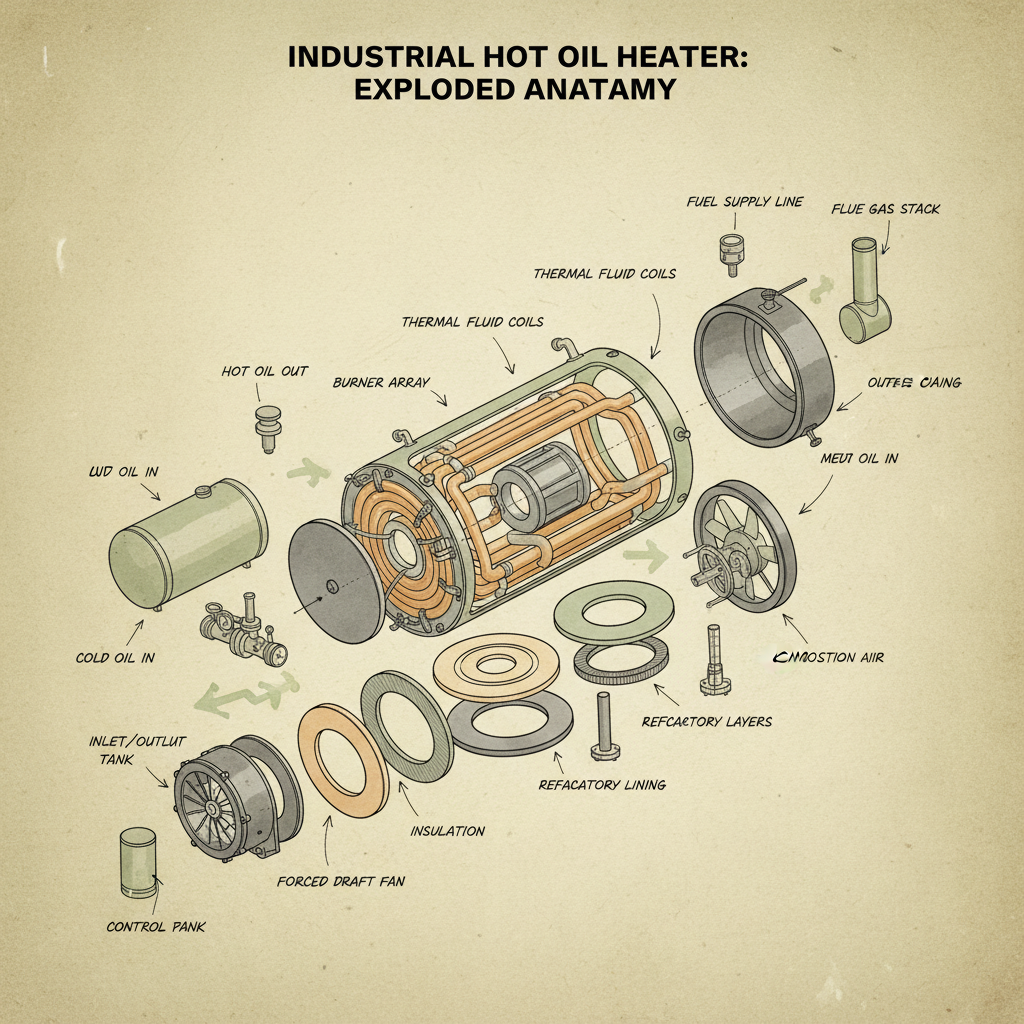
We’re talking about industrial hot oil heater here, of course. These aren’t your grandma’s space heaters. These things are workhorses.
The Current Landscape of industrial hot oil heater
Strangely enough, the demand for precise temperature control is driving a lot of innovation. It used to be, 'just get it hot enough,' right? Now, folks need to maintain very specific temps for plastics processing, chemical reactions, all sorts of stuff. That means better sensors, more responsive controls. It also means more complexity, which… well, we’ll get to that.
I encountered this at a factory in Ningbo last time. They were making these super-thin films for solar panels and even a degree off could ruin an entire batch. They needed an industrial hot oil heater that could hold a temp within 0.1 degrees Celsius, consistently. That’s a tall order.
Design Pitfalls in industrial hot oil heater Manufacturing
Honestly, the biggest mistake I see is over-engineering. Trying to make everything too ‘smart’ or too ‘efficient’ without thinking about practicality. You get these units with all these fancy digital displays and remote control features, but then the heating element itself is a pain to replace. Or the pump is buried under a ton of wiring. It’s frustrating.
Another thing is the seals. I’ve seen so many heaters fail because the seals weren't rated for the temperature or the fluid being used. It seems simple, but it happens all the time. And the access panels… oh, the access panels! They always make them too small! You need room to work!
There was this one job last year in Guangzhou, a plastic injection molding plant. They had a new heater installed, looked great on paper, but the engineers couldn’t even get to the expansion tank for routine maintenance. What a mess.
Material Matters: What's Under the Hood of industrial hot oil heater
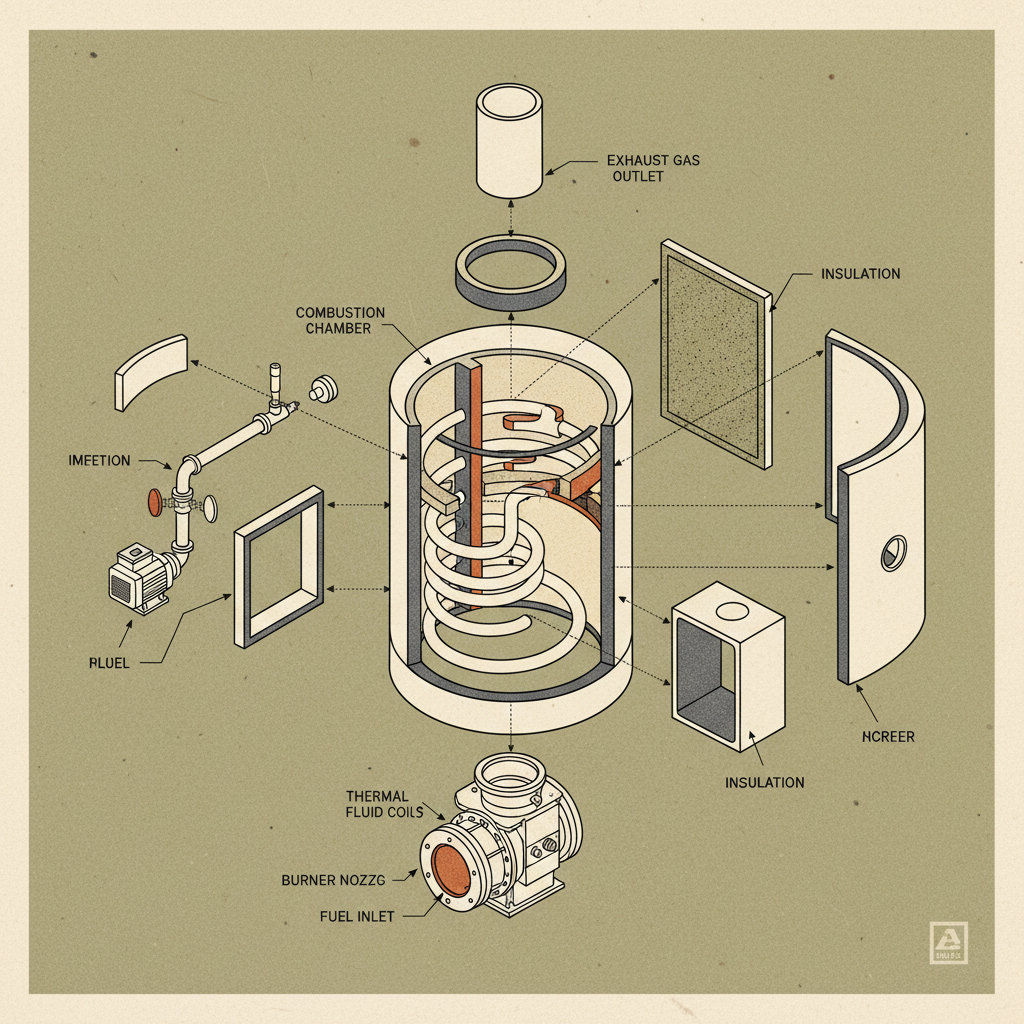
Now, let’s talk materials. You’ve got your standard carbon steel for the tanks, which is good, solid stuff. Smells a bit like…well, steel, when you weld it. But you need to be careful with corrosion, especially with certain heat transfer fluids. I always recommend a good epoxy coating on the inside. It adds a bit of cost, but it’s worth it in the long run.
The heating elements themselves, that's where things get interesting. You’ve got your Incoloy sheathed elements, which are pretty standard, but they can get brittle over time. The stainless steel ones are more forgiving, but they don’t transfer heat as efficiently. And then there’s the thermal oil itself…that stuff smells awful when it breaks down. Seriously, like burnt caramel and regret. You can tell a good batch from a bad batch just by the smell.
The insulation is crucial too. High-temperature mineral wool is the way to go. It's itchy as heck to work with, always wear a mask, but it holds the heat in beautifully.
Real-World Testing of industrial hot oil heater
Look, I’m not a fan of lab testing. Sure, it's important for initial certification, but it doesn’t tell you how the thing will actually perform. I prefer to see them tested on-site, under real-world conditions. That means running them at full capacity for days, maybe weeks, with fluctuating loads and different fluid types.
We used to have this torture test where we’d run a heater at 120% capacity for 48 hours straight, then cycle it on and off rapidly to see how the thermal stress affected the components. Brutal, but it weeded out the weak ones. Another good test is to simulate a power outage and see how quickly the heater can recover when power is restored. Anyway, I think it's crucial to simulate common site issues.
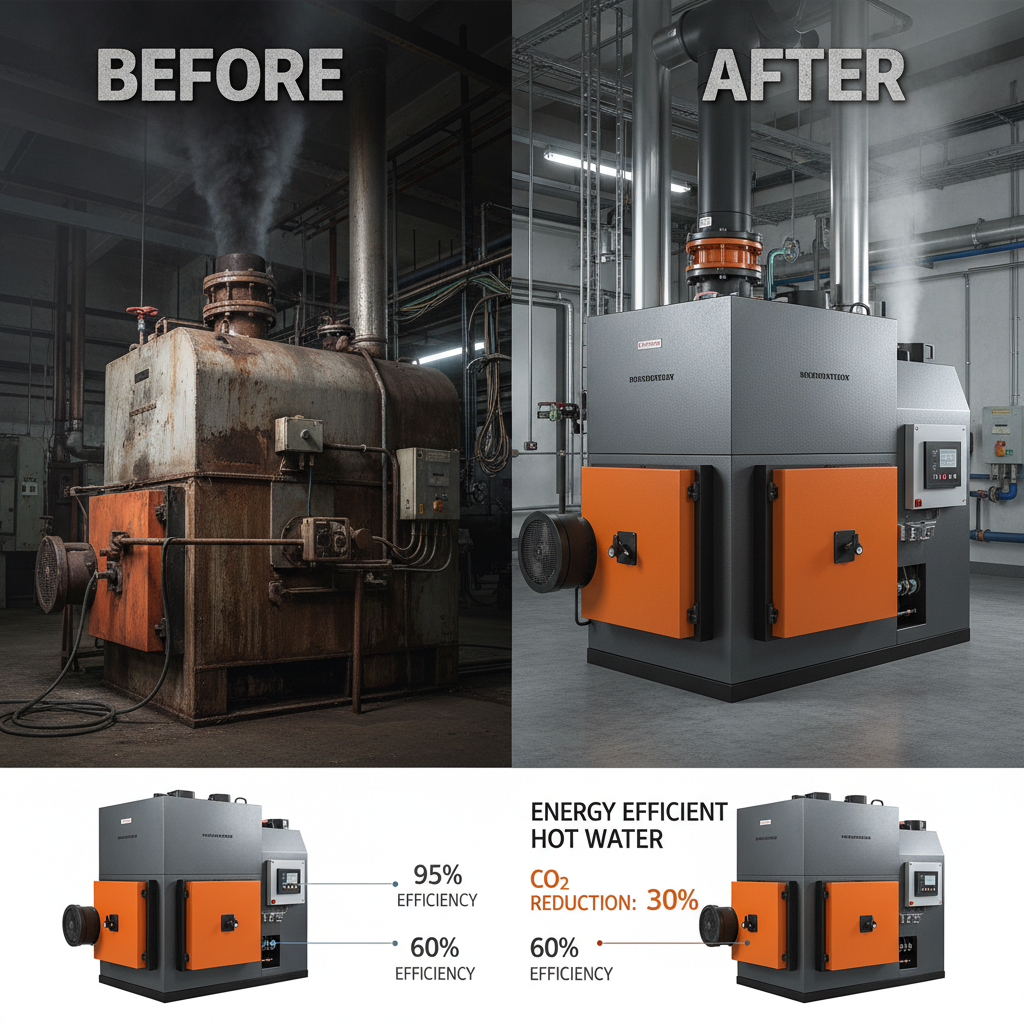
Thermal Efficiency Comparison of industrial hot oil heater Designs
How Users Actually Interact with industrial hot oil heater
This is where things get interesting. You design a heater with all these fancy features, but the guys on the shop floor just want it to work reliably. They don’t care about the remote monitoring system if they can’t easily check the fluid level. They don’t want to spend hours reading a manual, they want to flip a switch and get to work.
I’ve seen guys bypass safety interlocks just to get the heater running faster. It’s scary, but it happens. That’s why simplicity is so important. The more complex the system, the more likely someone is to try to ‘improve’ it in a way that compromises safety.
Advantages and Disadvantages of industrial hot oil heater
Okay, let’s be real. The biggest advantage of these things is their precise temperature control and ability to deliver consistent heat. They're also relatively safe, compared to steam systems, because you're dealing with a liquid, not a gas. But… they’re not perfect. The thermal oil degrades over time, you need to monitor it constantly, and the initial cost is higher than some other heating methods.
Also, they can be slow to respond to changes in demand. If you need to ramp up the heat quickly, they’re not the best choice. And the thermal oil… that stuff's a pain to dispose of properly. It’s considered hazardous waste.
However, the long-term reliability and consistent performance usually outweigh the downsides, especially for applications where precise temperature control is critical.
Customization Options for industrial hot oil heater
We get a lot of requests for customization. Most common is changing the heating capacity to match a specific process. Sometimes they want different materials for the tank, like stainless steel instead of carbon steel, especially if they’re dealing with corrosive fluids.
Last month, that small boss in Shenzhen who makes smart home devices insisted on changing the interface to for the remote monitoring system. Said it was “more modern.” The result was a complete headache for his technicians, because none of their existing equipment was compatible. He ended up having to buy a whole new set of cables and adapters. A perfect example of form over function.
We can also add different types of pumps, sensors, and control systems to meet specific requirements. Anything is possible, really, as long as it doesn't compromise the safety or reliability of the unit.
Summary of Key Parameters for Industrial Hot Oil Heater Selection
| Application |
Temperature Range (°C) |
Heating Capacity (kW) |
Fluid Type |
| Plastic Injection Molding |
80 - 250 |
50 - 200 |
Synthetic Thermal Oil |
| Chemical Processing |
100 - 350 |
100 - 300 |
Mineral Thermal Oil |
| Rubber Manufacturing |
60 - 200 |
30 - 150 |
Synthetic Thermal Oil |
| Food Processing |
50 - 150 |
20 - 80 |
Food-Grade Thermal Oil |
| Textile Dyeing |
40 - 120 |
15 - 60 |
Mineral Thermal Oil |
| Pharmaceutical Production |
70 - 220 |
40 - 120 |
Synthetic Thermal Oil |
FAQS
The lifespan of thermal oil varies significantly depending on operating temperature, fluid quality, and maintenance practices. Generally, you can expect between 5 and 10 years, but regular oil analysis is crucial. Signs of degradation include increased acidity, sludge formation, and reduced thermal stability. Ignoring these signs can lead to reduced efficiency and potential damage to the heater.
Essential safety features include high-temperature limits, low-fluid level cutoffs, overpressure protection, and emergency shutdown systems. Regularly check these features and ensure they are functioning correctly. Consider a system with redundant safety mechanisms for critical applications. Proper grounding and electrical safety are also paramount.
Regular maintenance is vital. At minimum, you should inspect the heater monthly for leaks, corrosion, and proper operation. Annual preventative maintenance should include a thorough inspection of all components, fluid analysis, and testing of safety features. Follow the manufacturer's recommendations closely.
Common thermal fluids include mineral oils, synthetic oils, and eutectic mixtures. Mineral oils are generally less expensive but have a lower operating temperature range. Synthetic oils offer higher temperature stability and longer lifespan, but at a higher cost. Always check compatibility with the heater's materials of construction to prevent corrosion or degradation.
Overheating can be caused by a faulty temperature controller, a malfunctioning pump, insufficient fluid level, or a blocked heat exchanger. Regular monitoring of the heater's operating parameters and prompt attention to any anomalies are crucial. Ignoring overheating can lead to severe damage and safety hazards.
Yes, absolutely! Many modern industrial hot oil heater systems can be integrated with solar thermal collectors or electric heating elements. This allows for a reduction in fossil fuel consumption and a lower carbon footprint. However, careful consideration must be given to the system’s control strategy to ensure stable and efficient operation.
Conclusion
Ultimately, industrial hot oil heater are a crucial component in many industrial processes, offering precise temperature control and reliable performance. Choosing the right heater, maintaining it properly, and understanding its limitations are all essential for success. Don't get caught up in the hype – focus on practicality and reliability.
And remember, whether this thing works or not, the worker will know the moment he tightens the screw. That’s the bottom line. Visit our website at www.hzsteamboiler.com to learn more about how we can help you with your heating needs.





 English
  Arabic
  Bengali
  French
  German
  Hindi
Hindi  Indonesian
  Kazakh
  Khmer
Khmer  Korean
  Kyrgyz
  Lao
Lao  Latin
Latin  Mongolian
  Nepali
  Russian
  Turkish
  Turkmen
  Uzbek
Uzbek