Thermic fluid boilers represent a crucial component in modern industrial heating systems, offering a safe and efficient method for transferring heat across a wide range of applications. Understanding the principles of thermic fluid boiler working is paramount for engineers, plant operators, and anyone involved in process heating. These boilers utilize a heat transfer fluid, typically a specially formulated oil, to deliver consistent and precise temperature control, surpassing traditional steam-based systems in many respects.
The global demand for efficient and reliable heating solutions is steadily increasing, driven by expanding industrial sectors and a growing focus on energy conservation. Thermic fluid boilers are particularly vital in industries such as chemical processing, pharmaceuticals, food processing, and plastics manufacturing, where precise temperature regulation is critical for product quality and process efficiency. The adoption of these systems contributes significantly to reducing operational costs and improving overall productivity.
Furthermore, advancements in thermic fluid technology and boiler design are leading to systems with improved thermal stability, extended operational lifespans, and reduced environmental impact. Properly understanding thermic fluid boiler working allows for optimized performance, minimized downtime, and compliance with stringent safety and environmental regulations, making it a key consideration for modern industrial operations.
Introduction to Thermic Fluid Boiler Systems
Thermic fluid boilers are closed-loop heating systems designed to provide precise and consistent temperature control without the drawbacks associated with steam boilers, such as condensation return and corrosion issues. These systems circulate a specialized heat transfer fluid, which is heated by a fuel source and then pumped to various process applications requiring thermal energy. thermic fluid boiler working is central to many industrial processes.
The versatility of thermic fluid boilers allows them to be utilized across a broad spectrum of industries, from food processing and pharmaceuticals to chemical plants and manufacturing facilities. Their ability to maintain stable temperatures within tight tolerances makes them indispensable in applications where precise heating is paramount for product quality and process reliability.
Core Principles of Operation
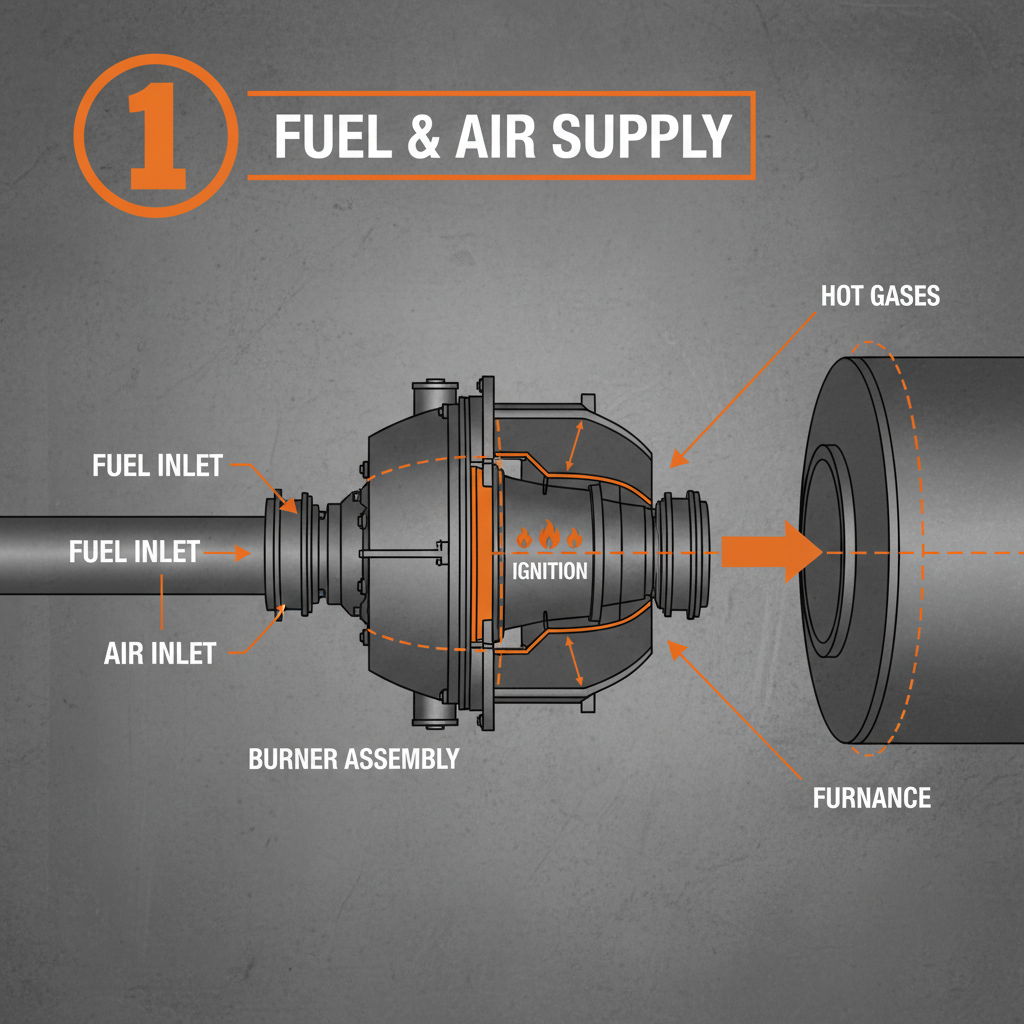
The core principle behind thermic fluid boiler working relies on the efficient transfer of heat from a combustion source to the heat transfer fluid. This fluid, typically a mixture of aromatic hydrocarbons, possesses excellent thermal stability and a wide operating temperature range. Unlike water-based steam systems, these fluids do not undergo a phase change during heating, minimizing thermal losses and maintaining consistent heat transfer characteristics.
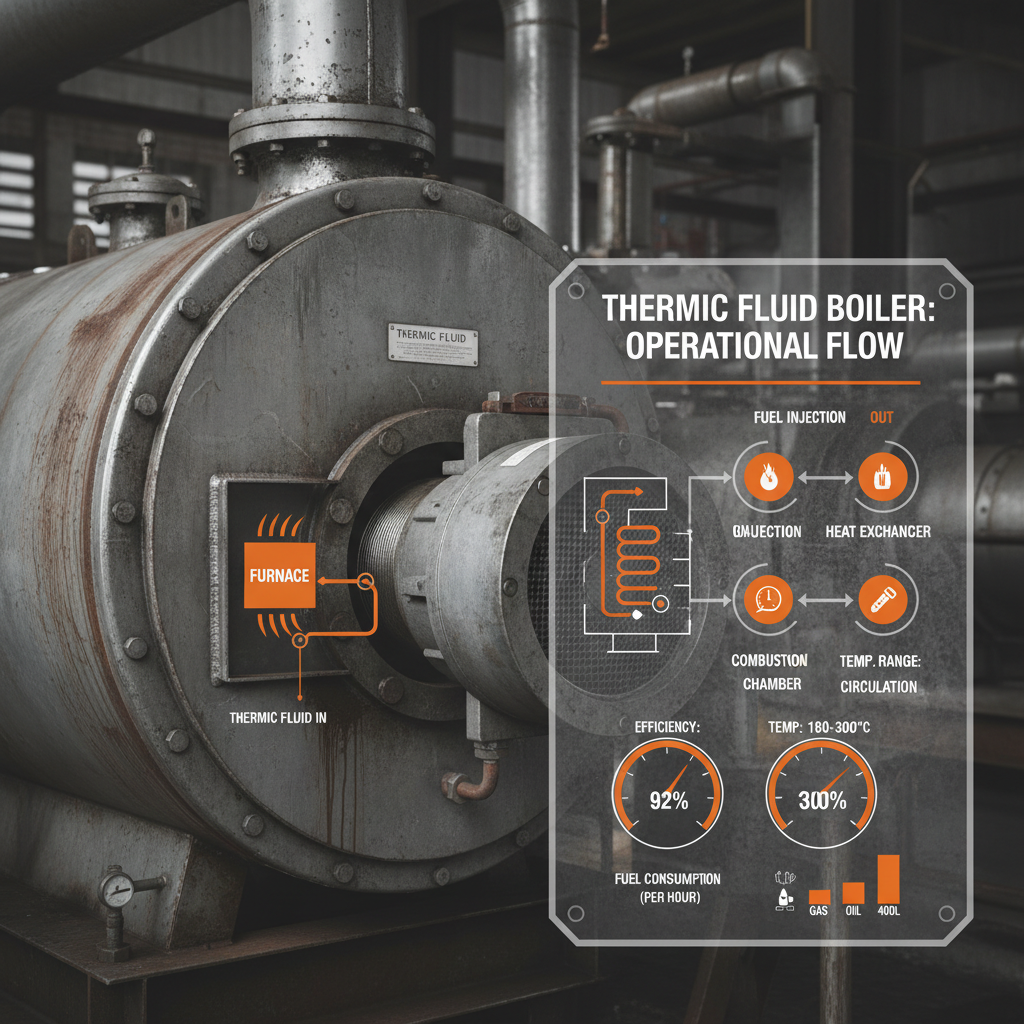
The heat transfer fluid is circulated through a closed loop consisting of the boiler, pumps, heat exchangers, and process applications. The fluid absorbs heat within the boiler, then transports it to the point of use, where it releases heat to the process before returning to the boiler for reheating. This closed-loop system ensures consistent temperature control and minimizes fluid loss.
The efficiency of the system depends on factors such as the fluid’s thermal properties, the boiler’s design, and the insulation of the piping and components. Proper fluid maintenance, including regular analysis and filtration, is crucial to prevent degradation and maintain optimal performance of the thermic fluid boiler working system.
Key Components and Their Functions
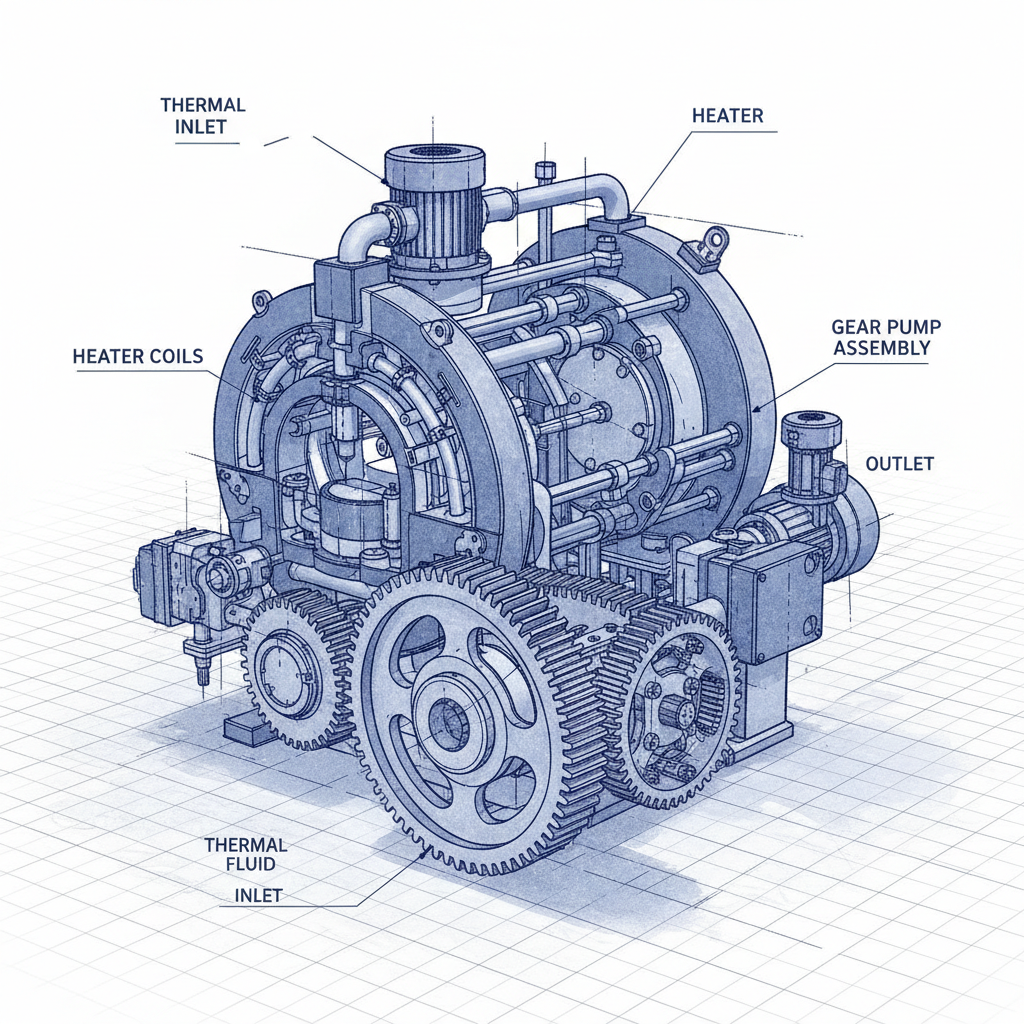
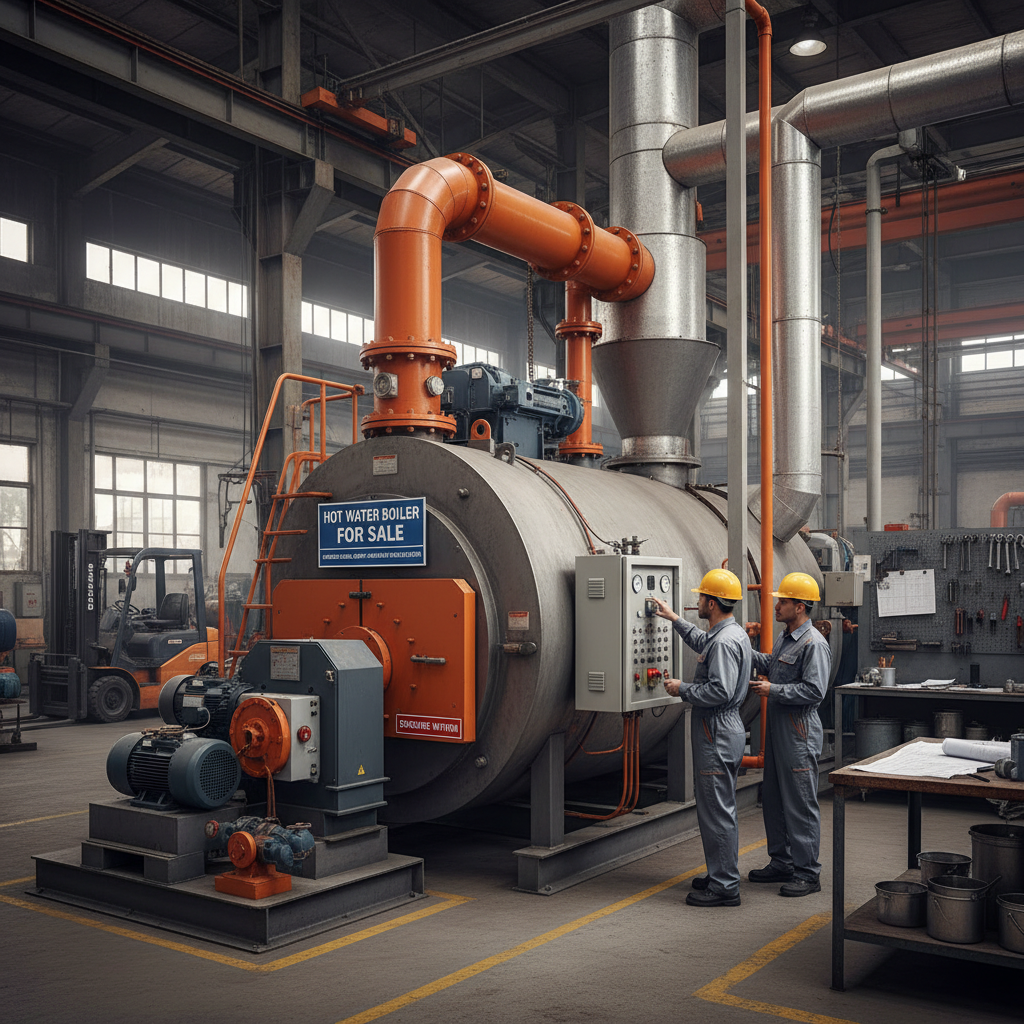
A typical thermic fluid boiler system comprises several key components working in harmony to deliver efficient and reliable heating. These include the boiler itself, which houses the combustion chamber and heat exchanger; the circulation pump, responsible for maintaining fluid flow; the expansion tank, accommodating fluid volume changes due to temperature fluctuations; and the control system, regulating temperature and pressure.
The heat exchanger is a critical component, facilitating the transfer of heat from the thermic fluid to the process application. It's designed to maximize heat transfer efficiency while minimizing pressure drop. The selection of appropriate heat exchanger materials and design is crucial for ensuring compatibility with the specific thermic fluid and process requirements, impacting the overall thermic fluid boiler working efficiency.
Furthermore, the system incorporates safety devices such as pressure relief valves, high-temperature cutouts, and low-fluid level sensors to protect against overpressure, overheating, and fluid loss. Regular inspection and maintenance of these components are essential to ensure safe and reliable operation of the entire system.
Performance Metrics and Efficiency Factors
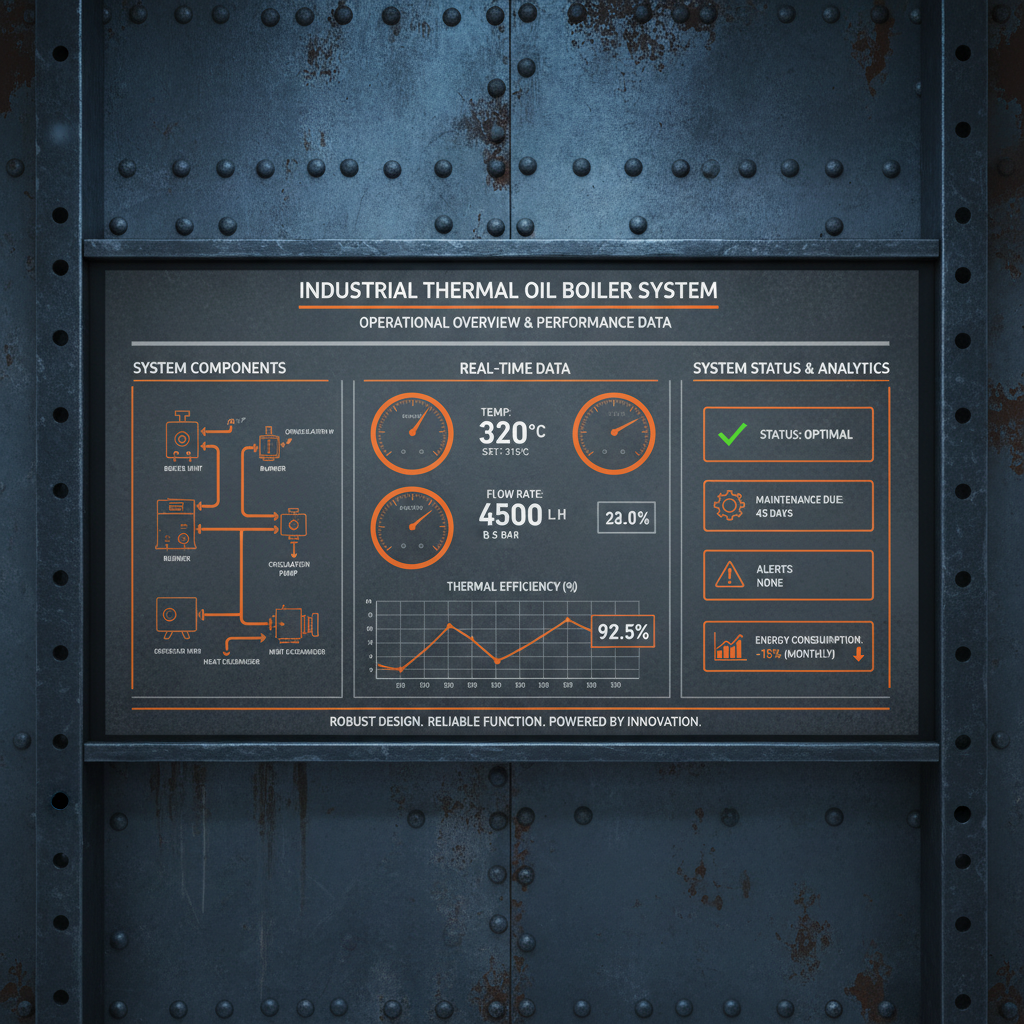
Evaluating the performance of a thermic fluid boiler system involves assessing several key metrics. Thermal efficiency, measured as the ratio of heat output to fuel input, is a primary indicator of system performance. Another crucial metric is the temperature stability, reflecting the system’s ability to maintain a constant temperature under varying load conditions. thermic fluid boiler working is affected by these metrics.
Several factors influence the efficiency of these systems, including the quality of the heat transfer fluid, the effectiveness of insulation, the design of the heat exchangers, and the proper tuning of the control system. Regular monitoring and optimization of these factors are essential for maximizing efficiency and minimizing energy consumption.
Thermic Fluid Boiler Performance Indicators
Global Industrial Applications
Thermic fluid boilers find extensive applications across diverse industries worldwide. The chemical processing sector utilizes them for precise temperature control in reactors and distillation columns. The pharmaceutical industry relies on their consistent heating for sterilization, drying, and formulation processes. thermic fluid boiler working is essential in these sectors.
In the food processing industry, they are employed for cooking, pasteurization, and evaporation processes, ensuring product safety and quality. The plastics industry utilizes them for molding, extrusion, and other thermal processing operations. Furthermore, these boilers are increasingly adopted in renewable energy applications, such as concentrated solar power plants, as a heat transfer medium.
Benefits and Long-Term Value Proposition
The benefits of employing thermic fluid boilers extend beyond efficient heating. They offer improved safety compared to steam systems, eliminating the risk of explosions and reducing the potential for burns. Their closed-loop design minimizes fluid loss and environmental emissions, contributing to sustainable operations. The ability to maintain precise temperature control enhances product quality and reduces waste.
The long-term value proposition lies in reduced operating costs, increased productivity, and extended equipment lifespan. Regular maintenance and fluid analysis ensure optimal performance and minimize the risk of unplanned downtime. Investing in a high-quality thermic fluid boiler working system translates to a significant return on investment over its operational life.
Furthermore, the reliability and durability of these systems contribute to a safer and more productive work environment, enhancing employee morale and reducing the potential for accidents. This holistic approach to heating solutions makes thermic fluid boilers a valuable asset for any industrial operation.
Future Trends and Technological Advancements
The future of thermic fluid boiler technology is focused on enhancing efficiency, sustainability, and automation. Ongoing research and development efforts are exploring the use of advanced heat transfer fluids with improved thermal stability and lower environmental impact. Integration with digital control systems and IoT sensors enables real-time monitoring and optimization of boiler performance.
The development of more efficient combustion technologies and waste heat recovery systems further reduces energy consumption and minimizes greenhouse gas emissions. The incorporation of artificial intelligence (AI) and machine learning (ML) algorithms allows for predictive maintenance and optimized control strategies, maximizing system uptime and reducing operating costs.
Furthermore, the trend toward modular and compact boiler designs allows for greater flexibility and scalability, catering to the evolving needs of diverse industrial applications. These advancements will continue to drive the adoption of thermic fluid boiler working systems in a wider range of industries.
Table Summarizing Key Operational Parameters
| Operational Parameter |
Typical Range |
Impact on Efficiency |
Maintenance Considerations |
| Fluid Temperature |
150°C – 350°C |
High Temp = Lower Efficiency |
Regular fluid analysis for degradation |
| Fluid Pressure |
5 – 15 bar |
Optimal pressure reduces pumping costs |
Check for leaks and pressure drops |
| Fluid Flow Rate |
Variable, based on demand |
Correct flow prevents overheating |
Monitor pump performance and flow rates |
| Combustion Efficiency |
85% – 95% |
Directly impacts fuel consumption |
Regular burner maintenance and tuning |
| Heat Exchanger Fouling |
Increases over time |
Reduces heat transfer and efficiency |
Periodic cleaning or replacement |
| Fluid Degradation Rate |
Dependent on temperature & usage |
Decreases fluid thermal stability |
Monitor acid number and other parameters |
FAQS
Thermic fluid boilers offer several advantages, including lower operating pressures, eliminating the risk of water hammer, and providing more precise temperature control. They also minimize heat loss due to condensation and corrosion, resulting in higher energy efficiency. The simplified design and reduced maintenance requirements contribute to lower lifecycle costs and improved reliability.
The frequency of thermic fluid analysis depends on operating conditions, but generally, it should be analyzed at least twice a year. Fluid replacement is typically recommended every 5-10 years, or sooner if analysis reveals significant degradation. Regular monitoring ensures optimal performance and prevents equipment damage due to fluid breakdown.
Safety precautions include regular inspection of all components, adherence to manufacturer’s guidelines, and proper training for operators. Ensure pressure relief valves are functioning correctly, and implement lockout/tagout procedures during maintenance. Always wear appropriate personal protective equipment (PPE) and maintain adequate ventilation in the boiler room.
Common heat transfer fluids include mineral oils, synthetic oils (like aromatics and siloxanes), and eutectic mixtures. Mineral oils are cost-effective but have limited temperature ranges. Synthetic oils offer higher thermal stability and temperature capabilities but are more expensive. The choice depends on the specific application and temperature requirements.
Improve efficiency through proper insulation of piping and components, regular burner maintenance and tuning, and optimizing fluid flow rates. Implement waste heat recovery systems to recapture unused heat, and consider upgrading to a more efficient boiler model. Routine fluid analysis and timely fluid replacement are also crucial for maintaining optimal efficiency.
The payback period varies depending on factors like the existing system’s efficiency, energy costs, and operating hours. However, due to reduced fuel consumption, lower maintenance costs, and increased productivity, a new high-efficiency thermic fluid boiler often has a payback period of 2-5 years. A detailed energy audit can provide a more accurate estimate for your specific application.
Conclusion
Thermic fluid boilers represent a significant advancement in industrial heating technology, providing efficient, reliable, and safe heating solutions across diverse applications. Understanding the principles of thermic fluid boiler working, from core components to performance optimization, is crucial for maximizing operational efficiency and minimizing environmental impact. Their closed-loop design, precise temperature control, and reduced maintenance requirements make them a compelling alternative to traditional steam systems.
Looking ahead, continued innovation in fluid technology, automation, and digital control systems will further enhance the performance and sustainability of these boilers. Investing in a modern thermic fluid boiler system is not only a smart business decision but also a commitment to responsible and efficient energy usage. For more information and to explore solutions tailored to your specific needs, visit our website: www.hzsteamboiler.com.





 English
  Arabic
  Bengali
  French
  German
  Hindi
Hindi  Indonesian
  Kazakh
  Khmer
Khmer  Korean
  Kyrgyz
  Lao
Lao  Latin
Latin  Mongolian
  Nepali
  Russian
  Turkish
  Turkmen
  Uzbek
Uzbek