Thermal oil boiler design is a critical field within process heating, providing efficient and precise temperature control for a diverse range of industrial applications. These systems, utilizing organic heat transfer fluids, offer significant advantages over traditional steam boilers in scenarios demanding consistent, non-pressurized heat delivery. Understanding the nuances of thermal oil boiler design is paramount for optimizing process efficiency, minimizing energy consumption, and ensuring safe operation across numerous sectors.
The global demand for efficient and reliable heating solutions is steadily increasing, driven by industrial growth in emerging economies and a heightened focus on energy conservation. This demand particularly impacts the thermal oil boiler market, as industries seek alternatives to less efficient and environmentally friendly heating methods. Recent data from the World Bank indicates a consistent rise in industrial energy consumption, underscoring the necessity for advanced thermal oil boiler designs.
A key challenge addressed by advancements in thermal oil boiler design is the need for systems that can operate safely and efficiently at higher temperatures. This is especially important in industries like chemical processing and polymer production where precise temperature control is vital. Improved thermal fluid stability and advanced heat transfer technologies are at the forefront of innovation in this area, driving down operational costs and enhancing product quality.
Introduction to Thermal Oil Boiler Design
Thermal oil boiler design centers around the effective and safe utilization of organic heat transfer fluids – specialized oils capable of carrying heat at high temperatures without significant pressure buildup. These boilers are distinct from steam boilers in their operational characteristics and the types of industrial processes they serve. Effective thermal oil boiler design focuses on maximizing heat transfer efficiency while ensuring the longevity and stability of the thermal fluid.
The design process involves careful consideration of factors such as thermal fluid properties, heat exchanger configurations, burner selection, and control system integration. A robust design minimizes fluid degradation, prevents localized overheating, and ensures consistent temperature delivery to the process. A well-designed system will dramatically reduce downtime and improve overall process reliability.
Defining Thermal Oil Boiler Design
Thermal oil boiler design is the engineering process of creating a heating system that uses a thermal oil as the heat transfer medium. Unlike water-based steam systems, thermal oil systems operate at significantly higher temperatures and lower pressures. This makes them ideal for applications where precise temperature control and direct heat application are crucial. The process involves selecting appropriate materials, optimizing heat exchanger designs, and implementing sophisticated control systems.
The connection to modern industry is deeply rooted in the demand for efficient and reliable process heating. From chemical manufacturing and pharmaceuticals to food processing and plastics production, countless industries depend on accurately controlled heat. Thermal oil boiler design provides a tailored heating solution that meets the unique requirements of each application.
Furthermore, thermal oil boilers contribute to humanitarian needs in specialized scenarios like concentrated solar power (CSP) plants which utilize thermal oil as a heat storage medium, providing a sustainable and dispatchable energy source. thermal oil boiler design improvements contribute directly to renewable energy capabilities.
Core Components of Thermal Oil Boilers
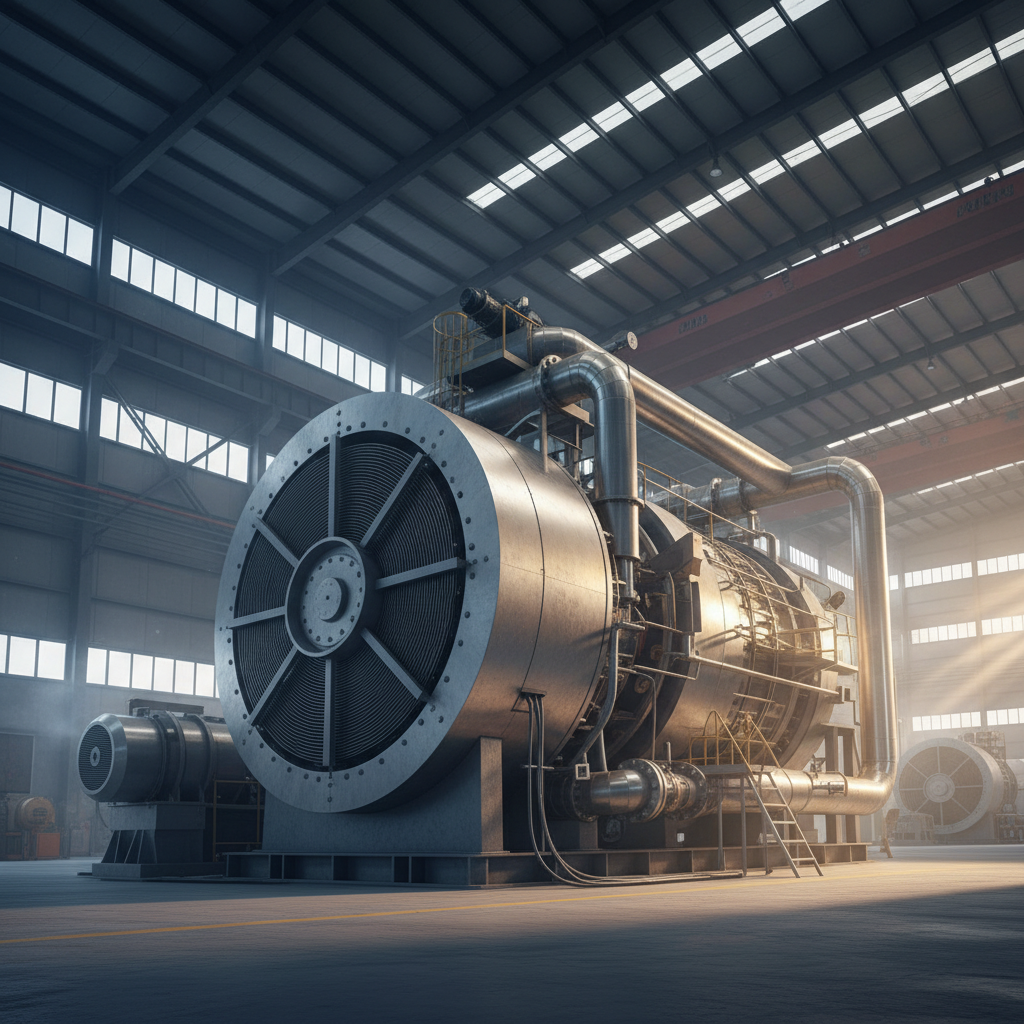
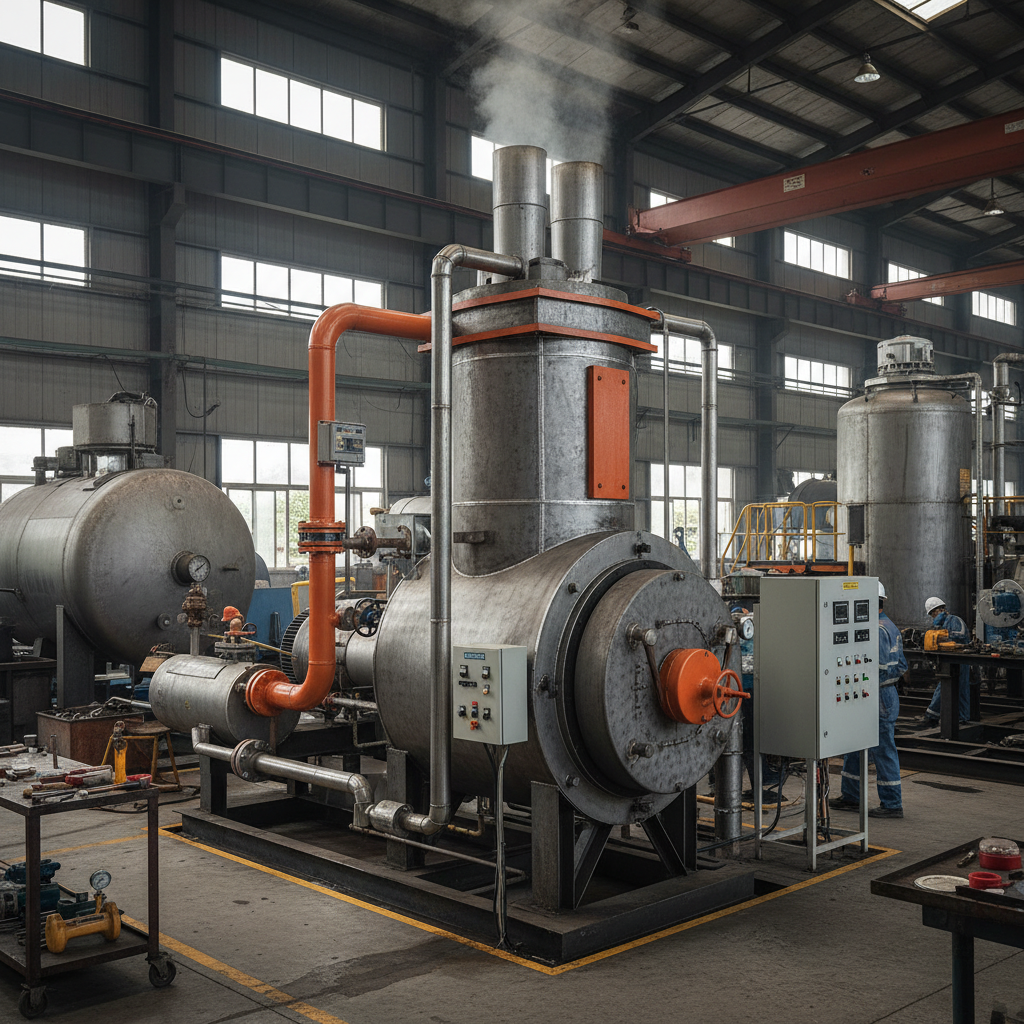
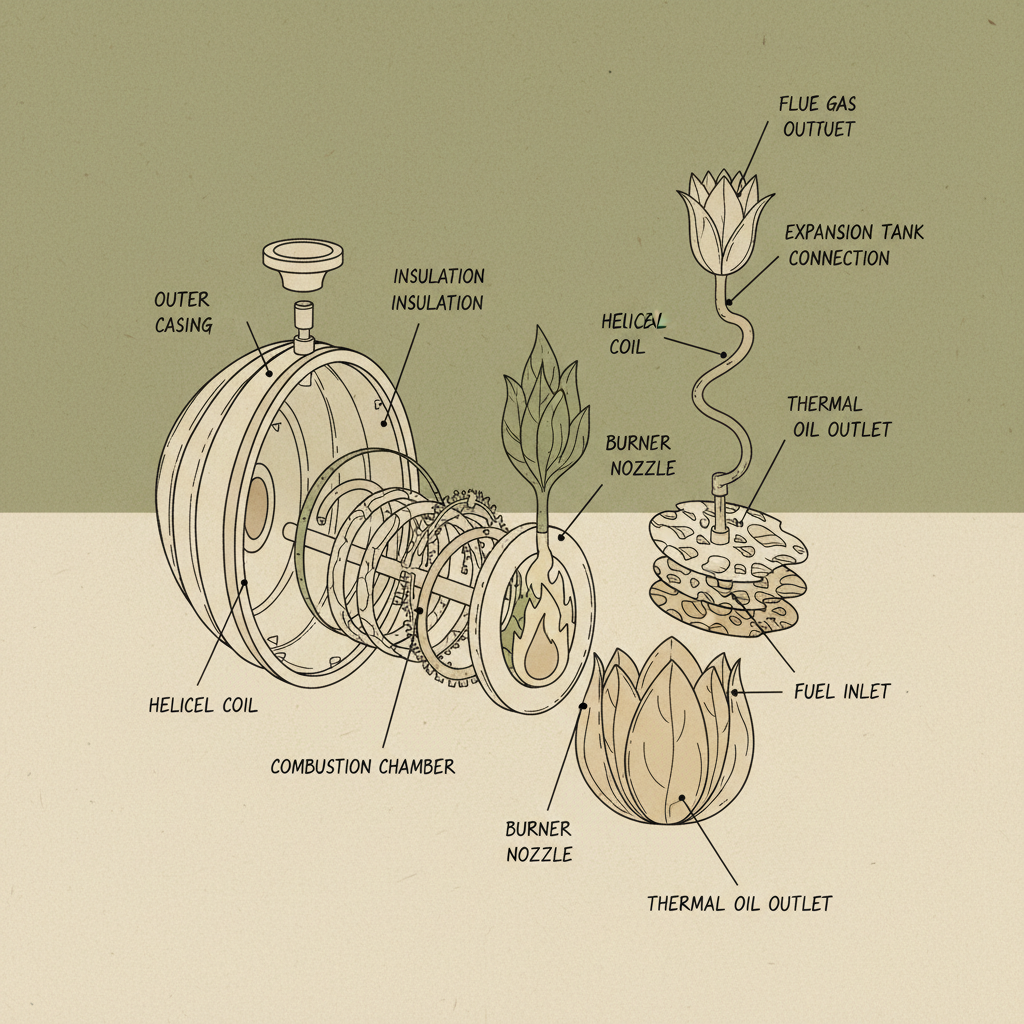
Several core components define the functionality of a thermal oil boiler. The first is the burner, responsible for generating the heat source. Efficient burner design, whether natural gas, oil, or biomass-fueled, is critical for maximizing thermal efficiency. Next is the heat exchanger, where the heat is transferred from the combustion gases to the thermal oil. This component’s design significantly impacts the overall performance of the boiler.
Another essential element is the thermal oil circulation pump, which ensures a consistent flow of the heat transfer fluid throughout the system. Precise pump control prevents stagnation and overheating. The expansion tank accommodates the volume changes of the thermal oil as it heats and cools, maintaining system pressure.
Finally, the control system plays a vital role in monitoring and regulating the boiler's operation. This system manages temperature, pressure, and fluid levels, ensuring safe and efficient performance. Sophisticated control systems often incorporate safety interlocks and remote monitoring capabilities.
Key Design Factors for Efficiency
Durability is a cornerstone of effective thermal oil boiler design. The materials selected must withstand the high temperatures and chemical properties of the thermal oil, preventing corrosion and ensuring a long operational lifespan. Scalability is also crucial, allowing systems to be adapted to changing production demands. Modular designs provide flexibility and facilitate future expansion.
Cost efficiency is paramount. Optimizing heat transfer, minimizing fluid degradation, and reducing maintenance requirements contribute to lower operating costs. Furthermore, selecting components based on life-cycle cost rather than initial price is a key consideration.
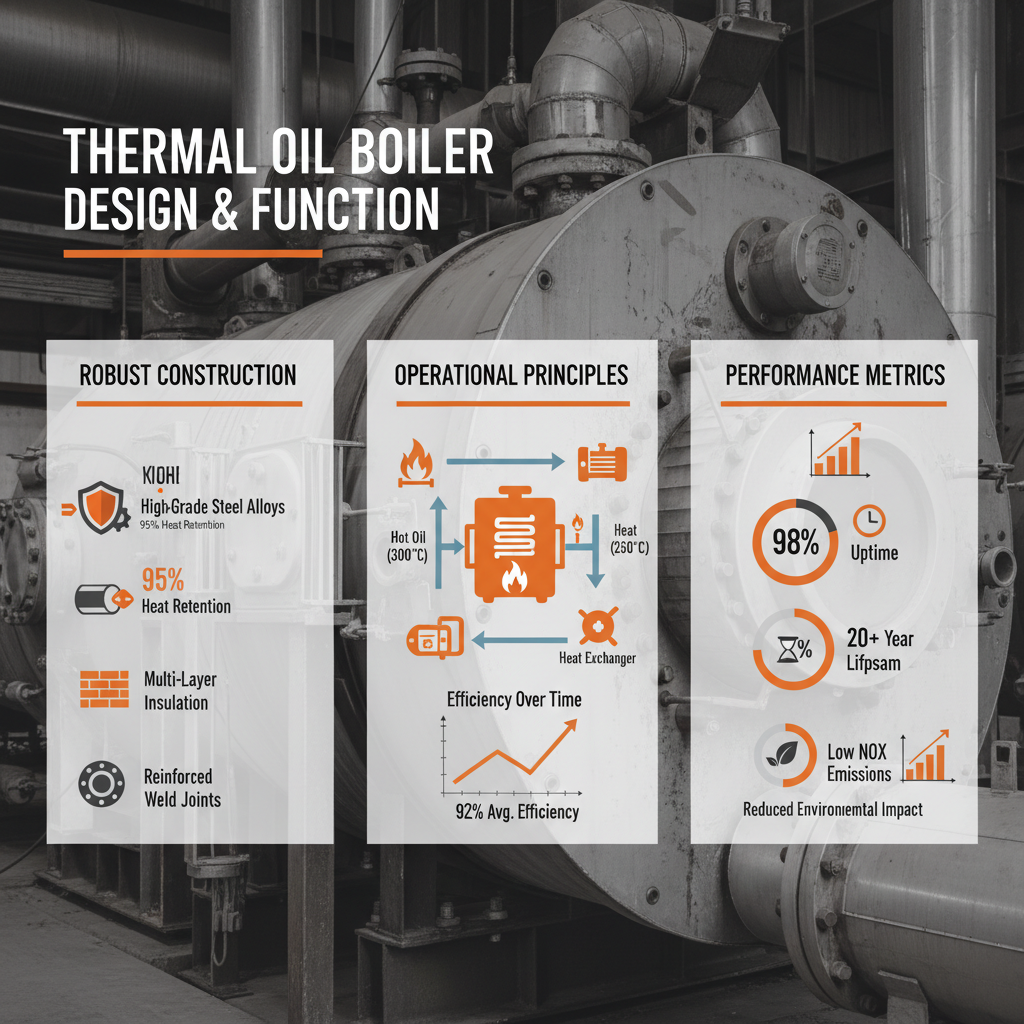
Thermal Oil Boiler Design Efficiency Metrics
Global Applications of Thermal Oil Boilers
Thermal oil boilers find widespread application in the chemical industry, providing precise temperature control for reactors and distillation columns. They’re also commonly used in the plastics and polymer industries for processes like extrusion and molding. The food processing sector utilizes thermal oil boilers for sterilization, evaporation, and drying operations.
In Europe, particularly in Germany and Italy, thermal oil boilers are prevalent in the manufacturing sector. North America sees significant use in oil and gas processing, while emerging economies in Asia, such as China and India, are witnessing rapid adoption due to industrial expansion. thermal oil boiler design expertise is critical for supporting this growth.
In remote industrial zones lacking access to steam infrastructure, thermal oil boilers offer a self-contained and reliable heating solution. In post-disaster relief operations, mobile thermal oil heaters can provide essential warmth and power. Their ability to quickly reach operating temperature and maintain consistent heat makes them invaluable in emergency situations.
Advantages and Long-Term Value
The primary advantage of thermal oil boilers is their ability to deliver heat at high temperatures without generating high pressures. This enhances safety and simplifies system design. Reduced maintenance compared to steam boilers translates to lower operational costs and minimized downtime. Thermal oil systems also offer greater flexibility in terms of temperature control and responsiveness to changing process demands.
Beyond cost savings, thermal oil boilers contribute to sustainability by offering higher thermal efficiency and reduced emissions compared to older heating technologies. The inherent safety features build trust and provide peace of mind. Furthermore, innovative designs are constantly pushing the boundaries of efficiency and performance, cementing their role as a reliable and forward-thinking heating solution.
Future Trends in Thermal Oil Boiler Design
Several key trends are shaping the future of thermal oil boiler design. Integration of advanced control systems, utilizing artificial intelligence and machine learning, will optimize performance and predict maintenance needs. The development of more sustainable thermal fluids, with improved thermal stability and reduced environmental impact, is a major focus. The implementation of digital twin technology allows for virtual testing and optimization of boiler designs.
Automation plays an increasingly important role, with automated fluid monitoring and replenishment systems enhancing efficiency and reducing the risk of human error. Furthermore, research into new materials and heat transfer technologies promises to further enhance performance and durability. thermal oil boiler design companies are actively investing in these areas to stay at the forefront of innovation.
FAQS
Thermal oil boilers operate at higher temperatures without high pressure, enhancing safety and simplifying design. They offer precise temperature control, faster response times, and often require less maintenance. While steam boilers are still viable for some applications, thermal oil offers superior precision and efficiency in many industrial processes.
The lifespan of thermal oil varies depending on operating temperatures and system design. Generally, with proper maintenance and temperature control, thermal oil can last 5-10 years. Regular oil analysis is crucial to monitor degradation and schedule replacements proactively, preventing system inefficiencies and potential damage.
Critical safety features include high-temperature alarms, low-level cut-offs, overpressure protection, and redundant control systems. Emergency shutdown systems and proper venting are also vital. Regular inspections and maintenance are paramount to ensure all safety features function correctly and to prevent potential hazards.
Maintaining optimal operating temperatures and avoiding localized overheating are key. Regular oil analysis helps identify degradation products. Proper system insulation reduces heat loss and stabilizes temperatures. Employing a high-quality thermal oil designed for your specific application is also crucial. Avoid exceeding the oil's recommended maximum temperature.
The flash point determines the minimum temperature at which the thermal fluid can ignite. Boiler design must ensure that the fluid temperature never exceeds the flash point, even during transient conditions or system failures, to prevent fire hazards. Safety systems and control strategies are built around this critical parameter.
Yes, responsible disposal of spent thermal oil is crucial, as it can be considered hazardous waste. Selecting thermally stable oils with lower environmental impact is beneficial. Optimizing combustion efficiency reduces emissions. Increasingly, designers are exploring bio-based thermal fluids as more sustainable alternatives.
Conclusion
In conclusion, thermal oil boiler design represents a vital field for optimizing process heating across a diverse range of industries. The ability to deliver precise, high-temperature heat without the hazards associated with high-pressure steam makes these systems indispensable. Continued innovation in thermal fluid technology, control systems, and materials promises to further enhance efficiency, sustainability, and reliability.
Looking ahead, the integration of advanced technologies like AI and digital twins will revolutionize thermal oil boiler design, enabling predictive maintenance and optimized performance. Embracing these advancements and prioritizing sustainable practices will be crucial for maximizing the long-term benefits of this essential heating technology. For expert solutions and cutting-edge thermal oil boiler design, visit our website today.






 English
  Arabic
  Bengali
  French
  German
  Hindi
Hindi  Indonesian
  Kazakh
  Khmer
Khmer  Korean
  Kyrgyz
  Lao
Lao  Latin
Latin  Mongolian
  Nepali
  Russian
  Turkish
  Turkmen
  Uzbek
Uzbek