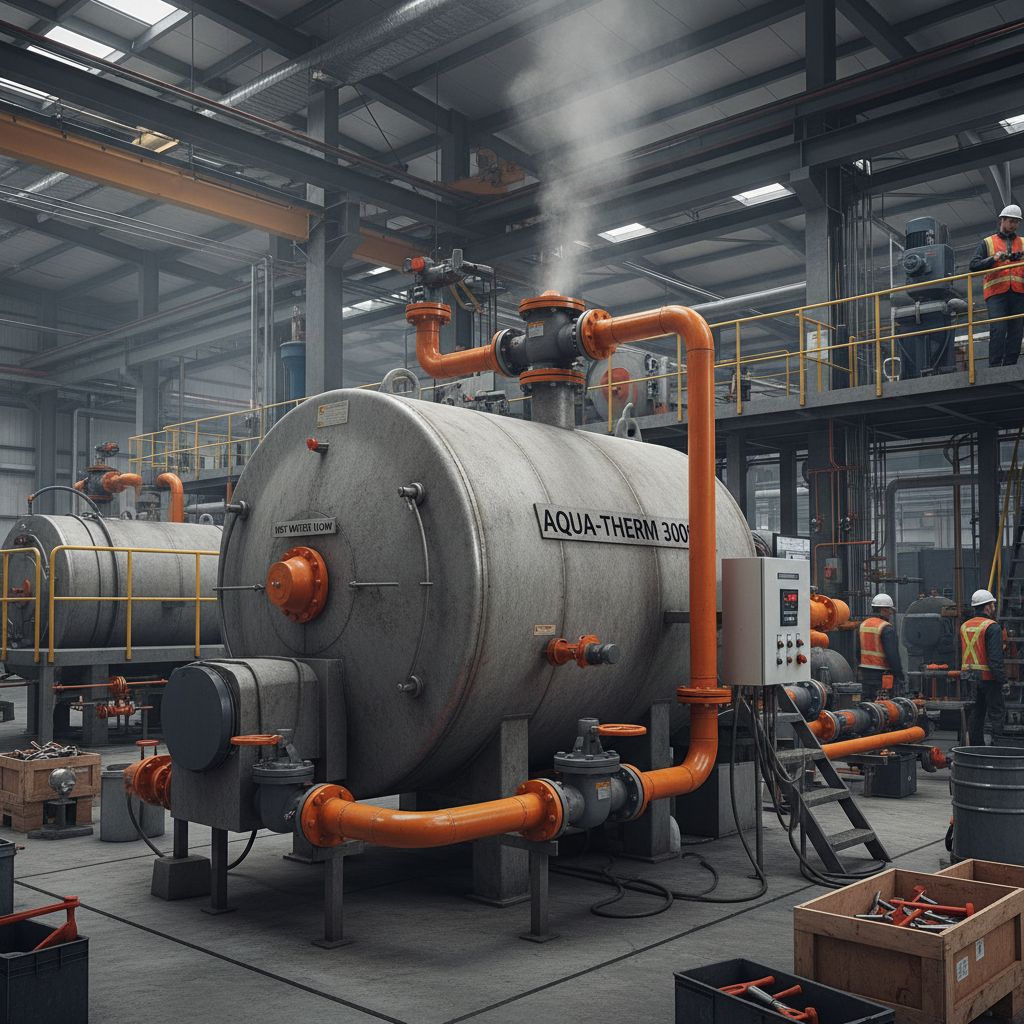
In the demanding landscape of modern industrial heating, the constant hot water boiler stands as a cornerstone of thermal stability and operational efficiency. Whether providing consistent warmth for large-scale HVAC systems or maintaining precise temperature gradients for chemical processing, these systems are engineered to eliminate the volatility often associated with traditional heating methods. Understanding the mechanics and strategic implementation of these boilers is essential for any facility manager looking to reduce energy overhead while increasing output reliability.
Globally, the shift toward smarter, more sustainable manufacturing has placed a premium on precision. A constant hot water boiler ensures that water is delivered at a steady, predetermined temperature, preventing the thermal shocks that can damage sensitive equipment or compromise product quality. This consistency is not merely a luxury but a technical requirement in sectors ranging from pharmaceuticals to food processing, where a few degrees of deviation can result in significant financial loss.
By integrating advanced modulation and high-grade insulation, the modern constant hot water boiler bridges the gap between raw power and refined control. As industries face increasing pressure to adhere to ISO energy standards and reduce carbon footprints, investing in high-efficiency hot water generation becomes a strategic move. This guide explores the technical nuances, global applications, and future innovations that make these systems indispensable in the contemporary industrial toolkit.
Global Relevance of Constant Hot Water Boiler Systems
The global industrial landscape is currently undergoing a massive transition toward energy decarbonization, making the role of the constant hot water boiler more critical than ever. According to international energy benchmarks, heating accounts for a substantial portion of industrial energy consumption. By utilizing systems that maintain a constant temperature, facilities can avoid the "start-stop" energy spikes common in outdated boilers, thereby aligning with ISO 50001 energy management standards.
In developing regions, the deployment of these boilers is driving the industrialization of textile and food processing plants. The ability to provide a steady stream of hot water without the complexities of high-pressure steam simplifies the operational requirements for smaller factories, reducing the need for highly specialized boiler operators while maintaining a professional standard of heat delivery.
Defining the Constant Hot Water Boiler in Modern Industry
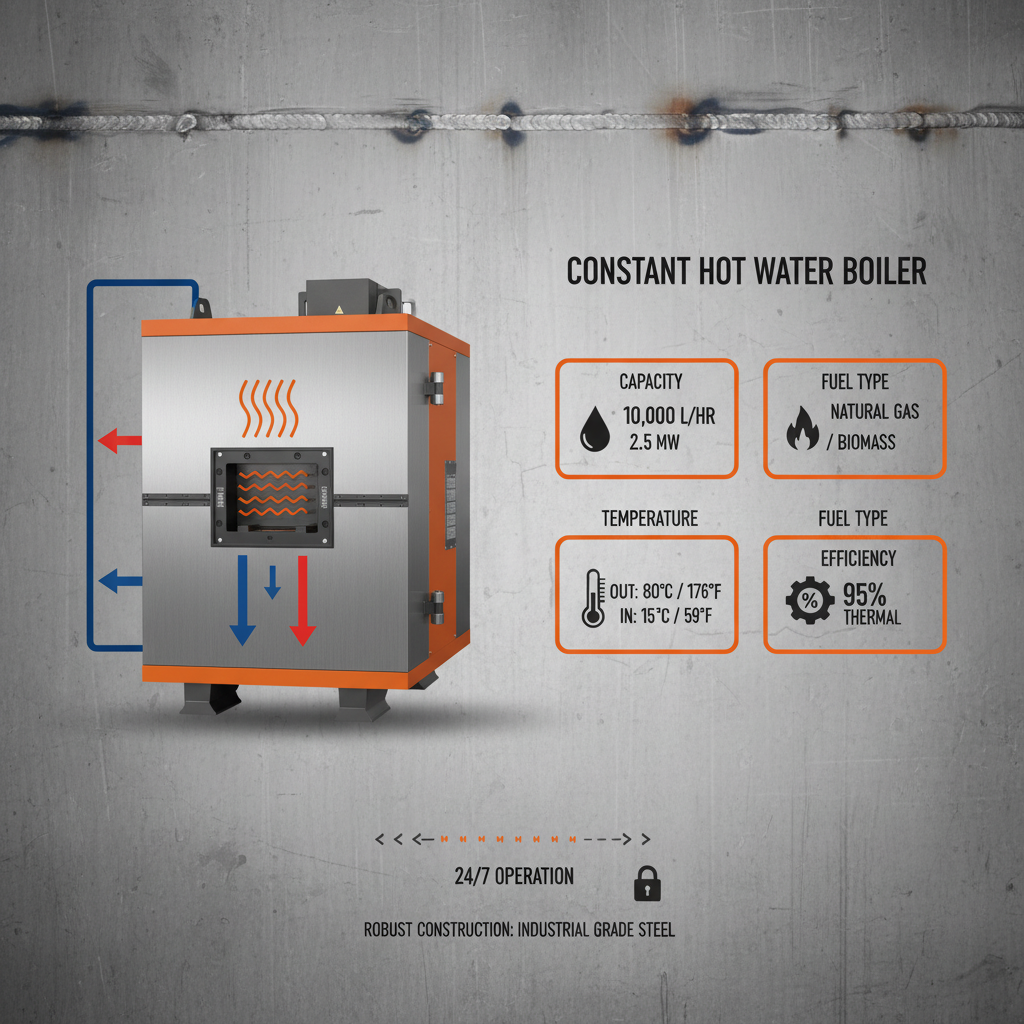
At its most fundamental level, a constant hot water boiler is a specialized pressure vessel designed to heat water to a specific temperature and maintain that level regardless of the fluctuating demand from the connected heat exchangers or radiators. Unlike steam boilers, which operate on phase change, these systems focus on the sensible heat of water, making them inherently safer and often more efficient for low-to-medium temperature applications.
In the context of modern industry, this technology addresses the critical challenge of "thermal drifting." When water temperatures fluctuate, the viscosity of chemicals changes, the cooking time of food products varies, and the comfort levels in hospitals or hotels drop. The constant hot water boiler solves this by utilizing sophisticated PID (Proportional-Integral-Derivative) controllers that adjust the burner intensity in real-time.
Beyond the technical definition, these systems represent a shift toward "lean heating." By tailoring the heat output exactly to the load requirement, companies reduce waste and prolong the lifespan of their piping infrastructure, as they are no longer subjected to the extreme thermal expansion and contraction cycles associated with erratic heating.
Core Components for Maximum Thermal Stability
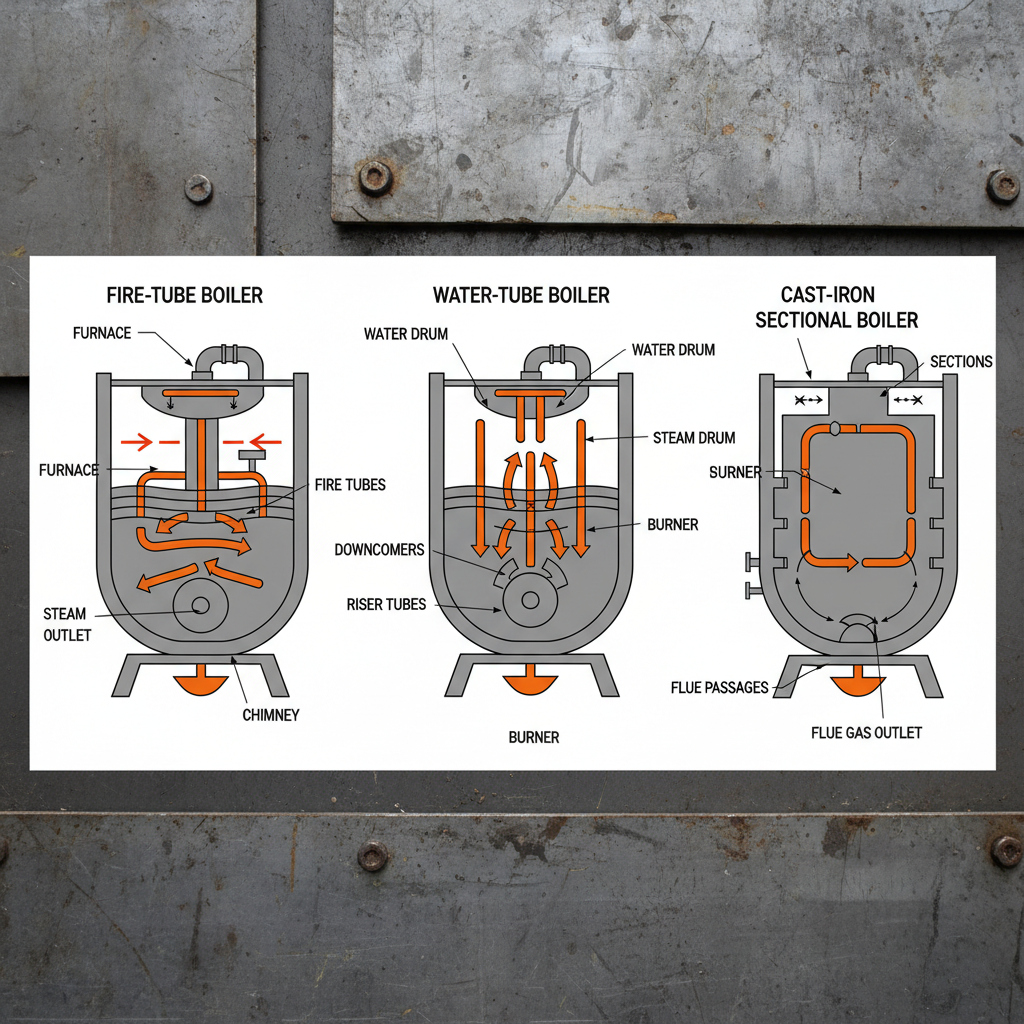
The reliability of a constant hot water boiler depends heavily on its heat exchange surface. High-quality seamless steel tubes and optimized baffle arrangements ensure that the combustion gases transfer maximum energy to the water, minimizing the fuel required to reach the setpoint.
Central to the "constant" nature of the system is the modulation burner. Modern constant hot water boiler units employ electronic modulation that can scale the flame from a tiny pilot to full capacity. This prevents the boiler from simply turning on and off, which is the primary cause of temperature instability and premature component wear.
Finally, the integration of an expansion tank and a precision circulation pump ensures that the pressure remains stable as the water expands. Without these components, the boiler would struggle to maintain a constant temperature due to pressure-induced boiling or cavitation, which could compromise the structural integrity of the entire heating loop.
Efficiency Analysis of Hot Water Generation Methods
When evaluating the performance of a constant hot water boiler, it is important to compare different heating technologies. Condensing boilers, for instance, recover latent heat from flue gases, while traditional non-condensing units offer simpler maintenance. The choice depends on the required output temperature and the available fuel source.
The following analysis demonstrates how different configurations of constant hot water boilers perform across key metrics such as energy efficiency, temperature precision, and maintenance overhead, providing a clear roadmap for facility procurement.
Performance Comparison of Constant Hot Water Boiler Types
Global Applications and Real-World Use Cases
The versatility of the constant hot water boiler makes it a staple in diverse environments. In the healthcare sector, specifically in large hospitals, these boilers provide the precise temperature water needed for sterilization and patient hygiene without the risk of scalding associated with steam leaks. This ensures a safe environment for both staff and patients while maintaining strict sanitary codes.
In remote industrial zones, such as mining camps or offshore platforms, modular constant hot water boilers are deployed to provide essential heating and hot water. These units are often designed for rapid installation and high durability, ensuring that workforce living conditions remain dignified and functional even in sub-zero temperatures, where a failure in the heating system could lead to a complete operational shutdown.
Long-Term Economic and Environmental Value
Investing in a high-quality constant hot water boiler delivers tangible economic benefits over a 10-to-15-year lifecycle. By reducing the frequency of thermal cycling, the mechanical stress on the boiler shell and piping is significantly lowered, leading to fewer emergency repairs and longer intervals between major overhauls. This reliability translates directly into lower operational expenditure (OPEX).
From an environmental perspective, the precision of these systems minimizes fuel waste. When a boiler can maintain a constant temperature through modulation rather than cycling, it consumes significantly less fuel during low-load periods. This reduction in carbon emissions is critical for companies aiming to meet "Net Zero" targets and avoid carbon taxes in strictly regulated markets like the European Union.
Beyond the numbers, there is a human element of trust and safety. A stable heating system reduces the risk of catastrophic pressure failures and ensures that employees work in a controlled environment. This fosters a culture of innovation and quality, as the technical foundation of the facility is rock-solid and predictable.
Future Trends in Boiler Automation and Green Energy
The future of the constant hot water boiler is inextricably linked to the Internet of Things (IoT) and digital twins. We are seeing the emergence of "predictive maintenance" where sensors monitor flue gas temperature and pump vibration in real-time, alerting engineers to a potential failure weeks before it happens. This transition from reactive to proactive maintenance will virtually eliminate unplanned downtime.
Furthermore, the integration of hybrid energy sources is becoming a standard. Future boilers will likely combine traditional gas burners with heat pumps or solar thermal collectors. In this hybrid model, the constant hot water boiler acts as the "peak lopping" unit, kicking in only when renewable sources cannot meet the demand, thereby maximizing the use of green energy.
Finally, new materials such as advanced ceramics and corrosion-resistant alloys are being introduced to handle the acidic condensate of ultra-high-efficiency boilers. This allows for even lower return water temperatures, pushing the boundaries of thermal efficiency to levels previously thought impossible in large-scale industrial heating.
Analysis of Constant Hot Water Boiler Technical Specifications by Application
| Application Sector |
Temp Stability Req. |
Recommended Fuel |
Efficiency Score |
| Pharmaceutical Labs |
± 0.5°C (Critical) |
Electric / Natural Gas |
9.5 |
| Textile Dyeing |
± 2.0°C (High) |
Natural Gas / Oil |
8.2 |
| Hospital HVAC |
± 3.0°C (Medium) |
Condensing Gas |
9.0 |
| Food Processing |
± 1.5°C (High) |
Biomass / Gas |
7.8 |
| Remote Mining Camp |
± 5.0°C (Low) |
Diesel / Dual Fuel |
6.5 |
| District Heating |
± 4.0°C (Medium) |
Natural Gas / Coal |
7.2 |
FAQS
The primary difference is the state of the medium. A steam boiler heats water until it evaporates into steam, which is used for high-energy transfer but requires complex pressure management. A constant hot water boiler keeps water in its liquid state, delivering heat via circulation. This makes the hot water boiler safer, easier to maintain, and more efficient for space heating and low-temperature industrial processes.
It utilizes a combination of a modulating burner and a PID controller. The sensors constantly monitor the water temperature at the outlet; as the temperature drops due to demand, the PID controller signals the burner to increase the flame intensity precisely. This avoids the "on-off" cycle of older systems, ensuring a smooth and constant temperature delivery.
Yes, especially modern condensing models. By recovering heat from the exhaust gases that would otherwise be wasted, these boilers can achieve thermal efficiencies exceeding 90%. When integrated into a managed energy system, they help facilities significantly reduce their carbon footprint and meet ISO 50001 requirements for energy performance improvement.
Key maintenance includes regular water quality testing to prevent scaling on the heat exchange surfaces, which can impede heat transfer. Additionally, the modulating valves and sensors should be calibrated annually to ensure the PID controller is receiving accurate data, and the burner should be tuned for optimal air-fuel ratios.
In most cases, yes. Since hot water systems use similar piping layouts to older boilers, the primary challenge is matching the flow rate and pump capacity to the new boiler's specifications. Replacing an old non-modulating boiler with a modern constant hot water boiler often results in immediate energy savings and improved temperature control without requiring a full repiping of the facility.
The "best" fuel depends on local availability and cost. Natural gas is the gold standard for efficiency and emissions. However, for remote areas, diesel or dual-fuel options are more practical. In regions with agricultural abundance, biomass boilers are an excellent sustainable alternative, though they require more intensive ash management.
Conclusion
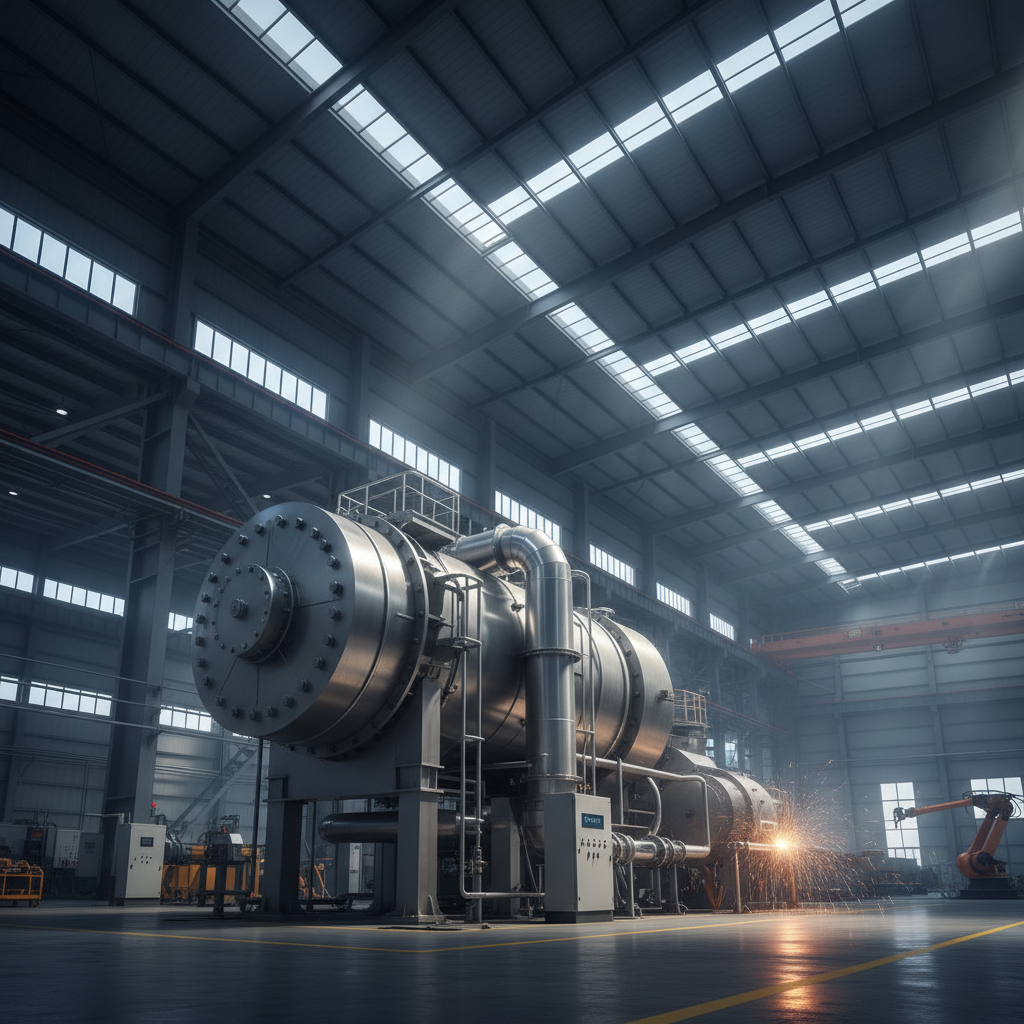
The constant hot water boiler is more than just a piece of industrial equipment; it is a strategic asset that ensures operational stability, safety, and energy efficiency. From its core components like modulating burners to its diverse applications in healthcare and remote industry, the ability to provide a steady, reliable heat source is fundamental to modern manufacturing excellence. By reducing thermal stress and fuel waste, these systems provide a clear path toward economic sustainability.
As we look toward a future defined by green energy and digital automation, the evolution of boiler technology will continue to prioritize precision and decarbonization. For businesses seeking to optimize their thermal infrastructure, the transition to advanced hot water systems is a logical step toward future-proofing their operations. To explore the best solutions for your specific industrial needs, visit our website: www.hzsteamboiler.com.





 English
  Arabic
  Bengali
  French
  German
  Hindi
Hindi  Indonesian
  Kazakh
  Khmer
Khmer  Korean
  Kyrgyz
  Lao
Lao  Latin
Latin  Mongolian
  Nepali
  Russian
  Turkish
  Turkmen
  Uzbek
Uzbek