




Déc . 30, 2025 17:13 Retour à la liste
Understanding Hot Water Boiler Design: Why It Matters in Our Global Energy Landscape
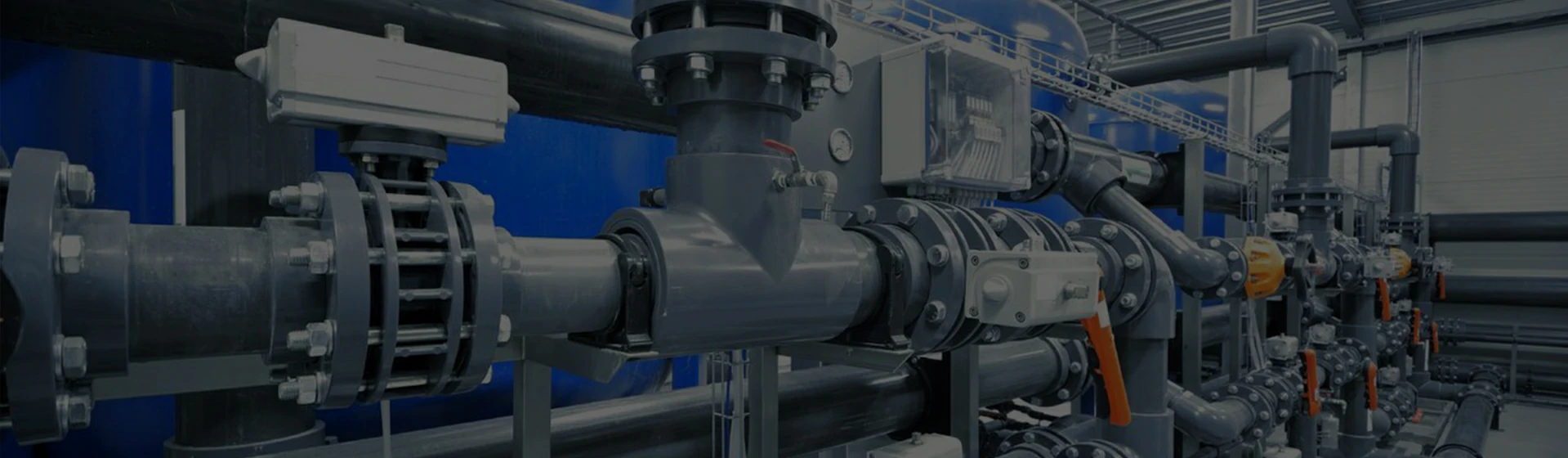
Hot water boiler design might sound like a niche puzzle for engineers and manufacturers, but its impact spreads far beyond factory floors or industrial plants. On a global scale, efficient and reliable hot water boilers play a pivotal role in everything from heating homes to powering critical industrial processes. In fact, according to the International Energy Agency, approximately 40% of global energy consumption in buildings is for heating — a demand that modern hot water boiler design directly addresses.
So why should you care about the intricacies of hot water boiler design? Well, it’s about more than just hot water. It’s about sustainable energy use, lowering carbon footprints, improving safety, and even advancing humanitarian efforts in remote or disaster-hit regions. As energy costs skyrocket and environmental regulations tighten globally, embracing smart boiler solutions isn’t just smart — it’s essential.
Mini takeaway: At its core, hot water boiler design is a key driver in energy efficiency and sustainability, impacting critical sectors worldwide.
Hot Water Boiler Design in Today's World: A Global Perspective
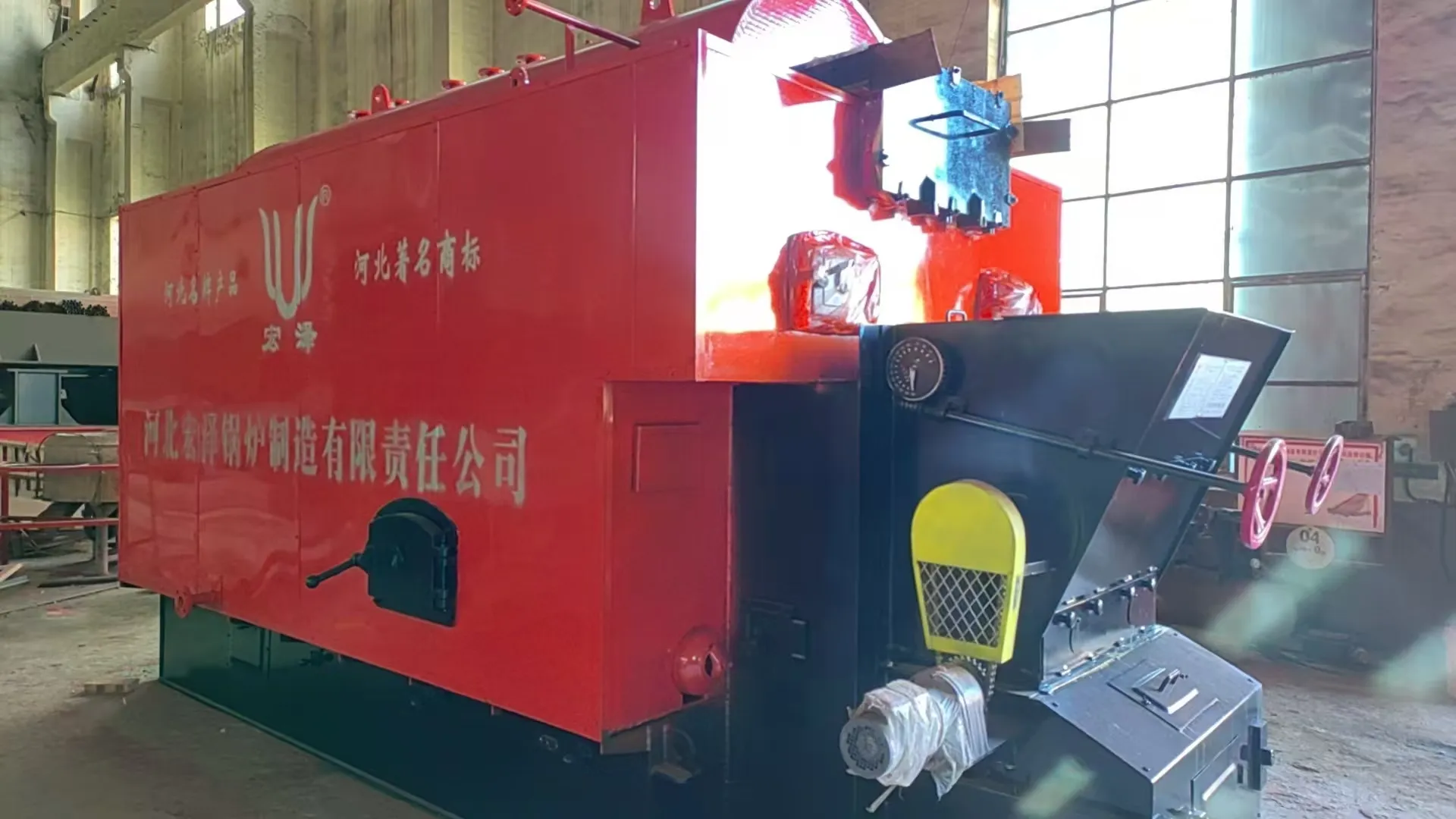
Looking at the bigger picture, the global market for heating systems, including hot water boilers, is forecasted to grow steadily, led by stricter efficiency standards and urbanization trends (World Bank). Countries in cold climates or rapidly industrializing nations especially depend on these systems for residential heating and manufacturing processes alike.
However, challenges exist. Many existing systems are outdated, wasting energy and increasing emissions. The UN’s Sustainable Development Goal 7 emphasizes affordable, reliable energy access — and improved hot water boiler design is part of that equation. How do we meet rising demand while cutting emissions? That’s exactly the challenge driving innovation in boiler technologies now.
Defining Hot Water Boiler Design: What Exactly Is It?
Simply put, hot water boiler design refers to the engineering and configuration of systems that heat water and distribute it for various uses — from heating buildings to underpinning industrial tasks. The design involves selecting materials, sizing components, optimizing the combustion or electrical heating process, and ensuring safety controls.
It’s closely tied to modern industry needs (like precise thermal management) and humanitarian applications (such as quickly deployed heating units in colder climates after natural disasters). The goal? Systems that are efficient, durable, safe, and adaptable.
Core Components of Hot Water Boiler Design
Durability
Good designs use corrosion-resistant materials and robust welding to withstand years of temperature fluctuations and water pressure. This matters because boiler failure is costly and dangerous.
Scalability
Whether you’re heating a single-family home or a massive factory floor, designs must easily scale. Modular boilers or units with adjustable output make this flexibility practical.
Cost Efficiency
Both upfront installation costs and long-term fuel use factor in here. For example, condensing boilers recover heat from exhaust gases, boosting overall efficiency and saving money—a big deal for industrial users.
Safety Controls
Boiler explosions or leaks are rare but catastrophic. Incorporating multiple fail-safes—pressure relief valves, temperature sensors, automatic shutoffs—is a non-negotiable design priority.
Environmental Considerations
Low emissions, fuel flexibility (gas, biomass, electricity), and integration with renewable sources feature heavily in modern designs aligning with global “green” goals.
User-friendly Operation
Automation, remote monitoring, and simple maintenance routines reduce downtime and make everyday use less of a headache.
Mini takeaway: A well-designed hot water boiler balances durability, efficiency, safety, and sustainability, tuned to its usage context and scale.
Global Applications & Use Cases of Hot Water Boiler Design
- Residential and Commercial Heating:In Europe’s cold winters, modern hot water boilers efficiently provide radiant heating—cutting costs for homeowners and businesses.
- Industrial Manufacturing:Factories rely on hot water boilers for process heat, which is essential for food processing, chemical production, and metal forging, among others.
- Humanitarian & Disaster Relief:In remote regions or post-disaster zones, quickly deployable hot water systems help maintain hygiene and provide warmth — boosting community resilience.
- District Heating Systems:Some Asian and Nordic countries operate expansive networked heating supplied by centralized hot water boilers, reducing fossil fuel use overall.
Mini takeaway: The versatility of hot water boiler design serves diverse communities and industries — from global cities to remote relief camps.
Advantages and Long-Term Value of Modern Boiler Designs
We’re talking tangible benefits: customers save money with reduced energy bills, operators gain peace of mind thanks to safety features, and communities benefit from a cleaner environment. From a social perspective, reliable heating fosters health and dignity in cold climates—a sometimes overlooked but critical advantage.
Moreover, efficiency gains translate into less fuel consumption and lower emissions, supporting international climate commitments. Innovations promote trust in heating systems that just work, quietly, day after day, unnoticed until something goes wrong.
Future Trends Shaping Hot Water Boiler Design
Oddly enough, the future is both high-tech and green. We’re seeing advancements like:
- Smart and IoT-enabled Boilers:Remote monitoring optimizes performance, flags maintenance needs proactively.
- Integration with Renewable Energy:Hybrid systems combine solar thermal or biomass inputs with conventional boilers.
- Advanced Materials:New alloys and coatings prolong lifespan and efficiency under higher temperature and pressure.
- Automation & AI:Predictive analytics improve fuel use and fault detection, minimizing downtime.
Mini takeaway: As environmental and efficiency standards rise, boiler designs simultaneously become smarter and greener.
Challenges & Proactive Solutions
Of course, challenges remain. For instance, the upfront cost of cutting-edge designs can be prohibitive, especially in developing regions. Plus, proper installation and maintenance are often lacking, leading to premature failures.
Experts suggest collaborative training programs, modular designs for easier upgrades, and flexible financing can help overcome these barriers. Also, local customization to meet climate, fuel type, and usage patterns is key — no one-size-fits-all solution here.
Frequently Asked Questions About Hot Water Boiler Design
What factors most affect a boiler’s efficiency?
Efficiency depends on fuel type, system design (e.g., condensing vs. non-condensing), insulation quality, and control systems that optimize combustion.
How can hot water boiler systems be better integrated with renewable energy?
By designing hybrid systems that use solar thermal or biomass alongside traditional boilers, and using smart controls to switch sources based on availability.
What safety features are essential in boiler design?
Pressure relief valves, temperature sensors, automatic shutdown protocols, and regular safety inspections ensure safe operation.
How do I choose the right size for a hot water boiler?
Proper sizing depends on building or process heat load calculations, peak demand periods, and future expansion plans — oversizing wastes fuel; undersizing risks system failure.
Are there eco-friendly fuels compatible with hot water boilers?
Yes, fuels like biomass pellets, biogas, and even hydrogen (in emerging designs) are options to reduce environmental impact.
Product Specification Table for an Example Hot Water Boiler Model
|
Specification |
Model HX-500 |
|
Heat Output Capacity |
500 kW |
|
Fuel Type |
Natural Gas / Biomass |
|
Efficiency |
93% |
|
Operating Pressure |
10 bar |
|
Dimensions (L×W×H) |
2.5m × 1.5m × 1.8m |
|
Safety Features |
Pressure relief valve, automatic shutdown, temperature sensors |
Vendor Comparison Table: Leading Hot Water Boiler Manufacturers
|
Vendor |
Efficiency Range |
Fuel Options |
Global Reach |
Typical Applications |
|
BoilerTech Inc. |
90-95% |
Gas, Biomass |
Europe, North America |
Commercial Heating, Industrial |
|
EcoHeat Solutions |
85-93% |
Electric, Solar Thermal Hybrid |
Asia, Europe |
Residential, District Heating |
|
Global Boilers Ltd. |
88-92% |
Gas, Biogas |
Worldwide |
Industrial, Humanitarian Use |
Conclusion: The Long-Term Payoff of Smart Hot Water Boiler Design
In real terms, good hot water boiler design translates to safer homes, stronger industries, and greener communities. The upfront investment pays dividends in energy savings, reduced emissions, and social well-being. If you’re in a business or community that relies on reliable heating — honestly, there’s no better time than now to explore the latest advances in hot water boiler systems.
To dive deeper and explore tailored solutions, visit our website: https://www.hzsteamboiler.com.
It feels like, with each innovation, the humble boiler is quietly transforming how we think about heat, energy, and sustainability.
References:
-
Industrial Natural Gas Steam Boiler High Efficiency System Guide
NouvellesApr.16,2026
-
Maximize Industrial Productivity with High Efficiency Gas Steam Boiler
NouvellesApr.09,2026
-
Comprehensive Guide to Industrial Steam Heater Systems and Applications
NouvellesApr.07,2026
-
Comprehensive Guide to Low Pressure Steam Boilers and Their Applications
NouvellesApr.04,2026
-
Understanding High Pressure Steam Boiler Technology and Industrial Applications
NouvellesMar.31,2026
-
Comprehensive Guide to High Efficiency Steam Boiler Systems and Applications
NouvellesMar.28,2026
En rapport DES PRODUITS


 French
  English
  Arabic
  Bengali
  German
  Hindi
Hindi  Indonesian
  Kazakh
  Khmer
Khmer  Korean
  Kyrgyz
  Lao
Lao  Latin
Latin  Mongolian
  Nepali
  Russian
  Turkish
  Turkmen
  Uzbek
Uzbek 


