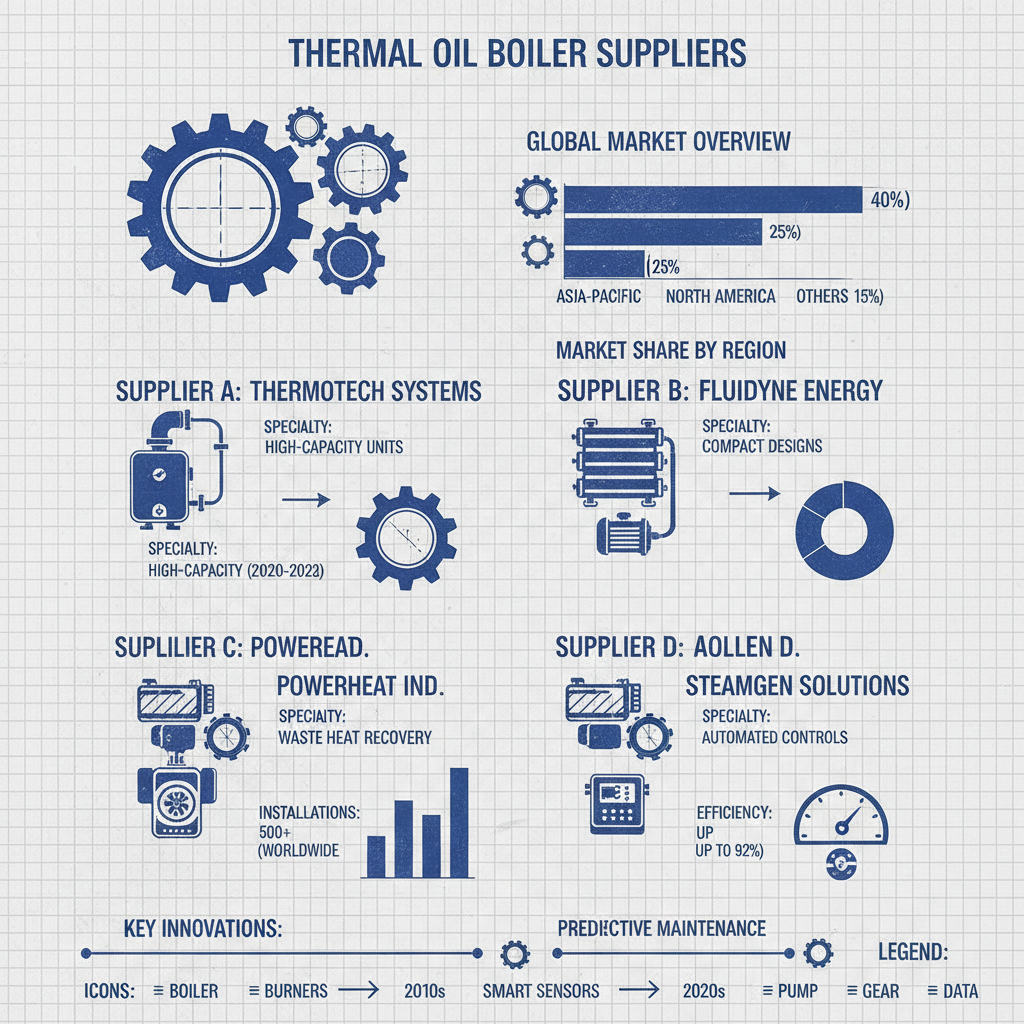
Thermal oil boiler suppliers play a crucial role in numerous industrial processes, providing efficient and reliable heat transfer solutions. These suppliers aren't merely vendors; they are partners in optimizing operations across diverse sectors. Understanding the landscape of thermal oil boiler suppliers, their capabilities, and the technologies they offer is vital for businesses seeking to enhance energy efficiency, reduce operational costs, and maintain consistent process temperatures. The demand for reliable heat transfer systems drives a global market for these specialized suppliers.
The significance of selecting the right thermal oil boiler supplier extends beyond the initial purchase. It encompasses ongoing maintenance, technical support, and the ability to adapt to evolving industry needs. A skilled supplier will offer customized solutions tailored to specific application requirements, ensuring optimal performance and longevity of the system. The current global focus on sustainability further elevates the importance of choosing suppliers committed to eco-friendly technologies and practices.
Essentially, thermal oil boiler suppliers are instrumental in supporting industrial productivity and innovation. Their expertise directly impacts the quality, efficiency, and environmental footprint of processes across industries ranging from chemical production to food processing and beyond. Finding a reputable and experienced supplier is therefore a strategic imperative for businesses operating in thermally-intensive environments.
The Importance of Thermal Oil Boiler Suppliers
The availability of reliable thermal oil boiler suppliers is paramount to the operational success of many industries. These suppliers provide not only the equipment but also the expertise to ensure safe, efficient, and compliant operation. The demand stems from the need for precise temperature control in processes where direct heating isn't feasible or desirable. thermal oil boiler suppliers offer solutions tailored to a wide range of thermal requirements.
Furthermore, the expertise of these suppliers in system design, installation, and maintenance contributes significantly to energy efficiency and cost reduction. A properly maintained thermal oil system can minimize heat loss and maximize the utilization of fuel, ultimately leading to lower operating expenses and a reduced environmental impact.
Defining Thermal Oil Boiler Suppliers
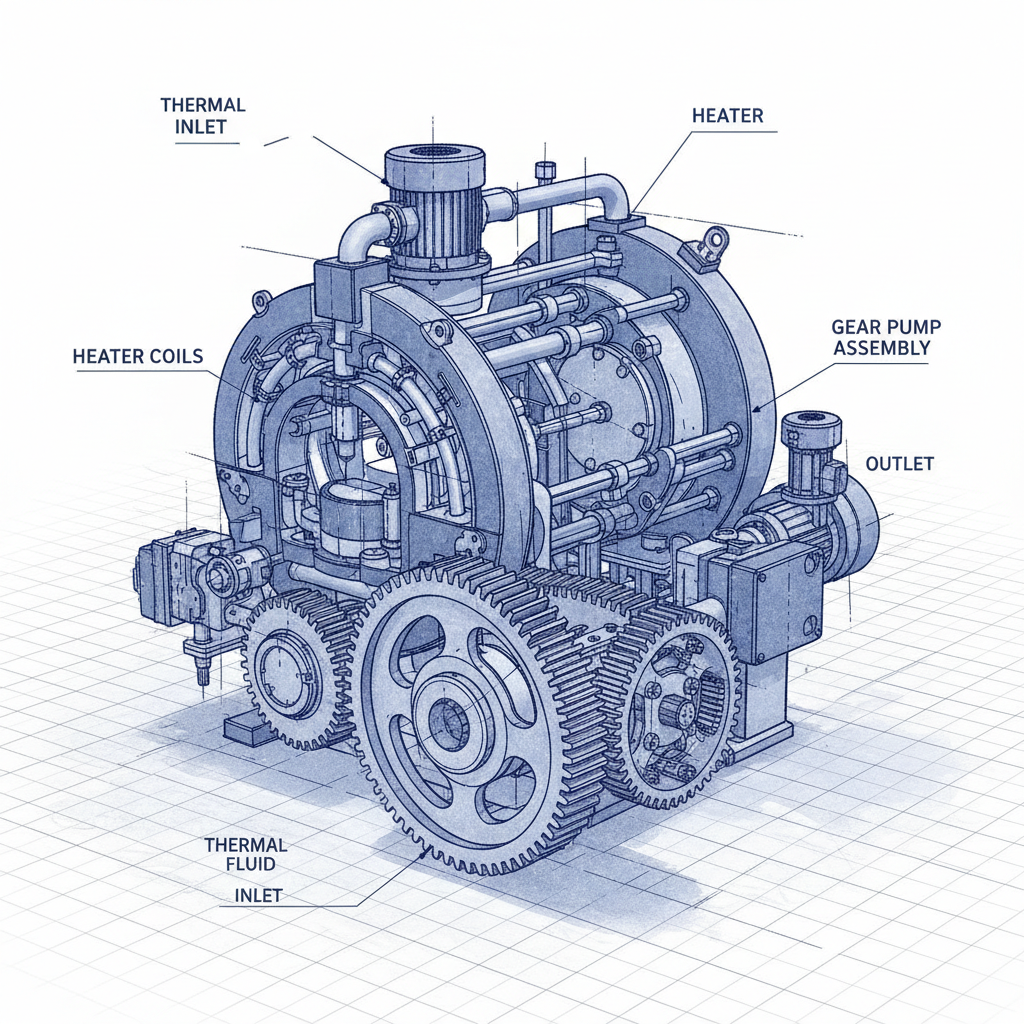
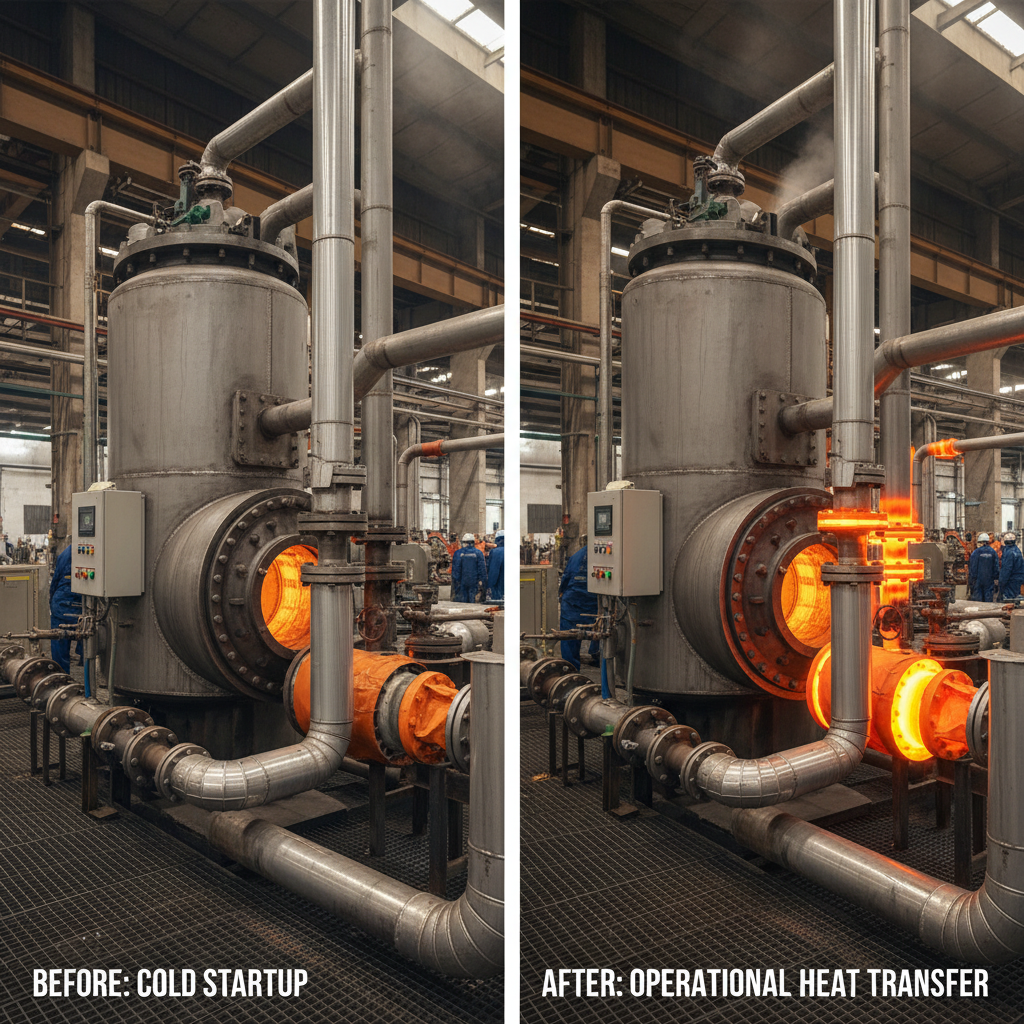
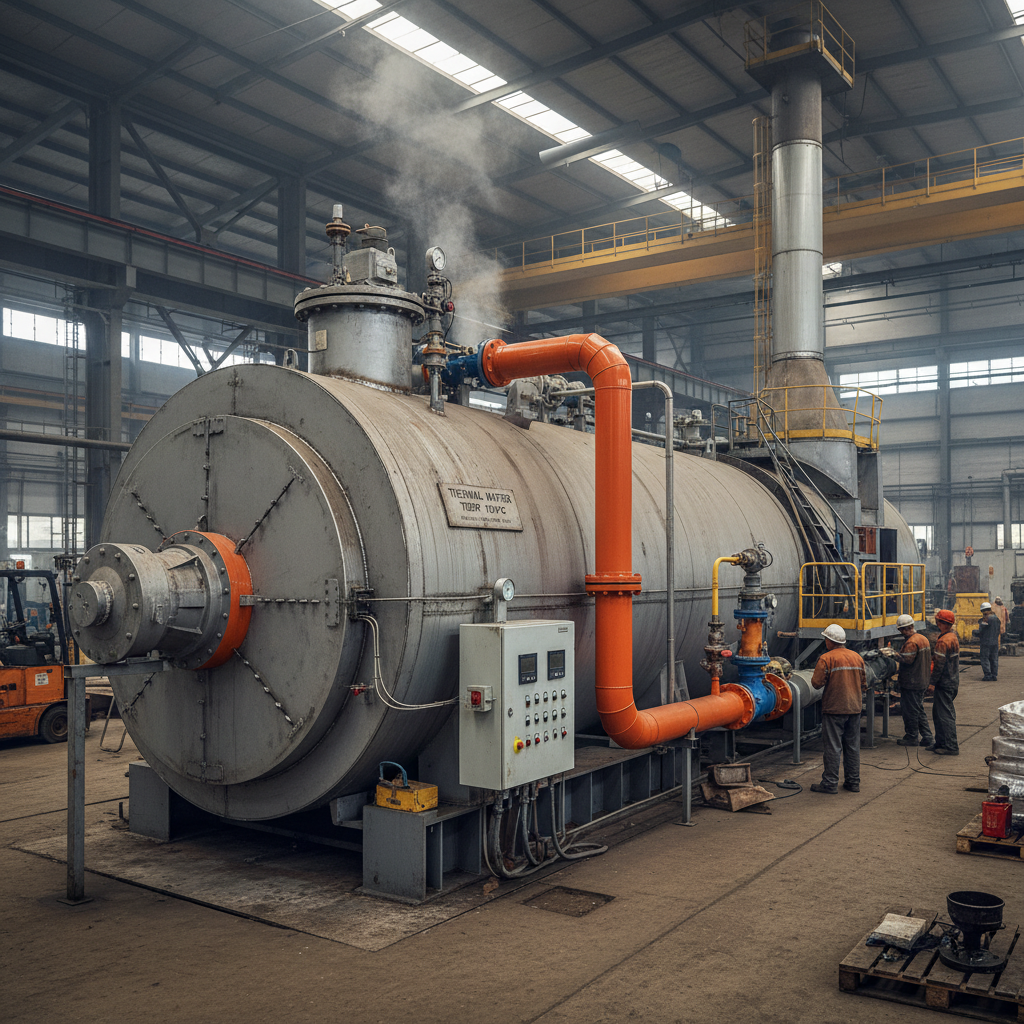
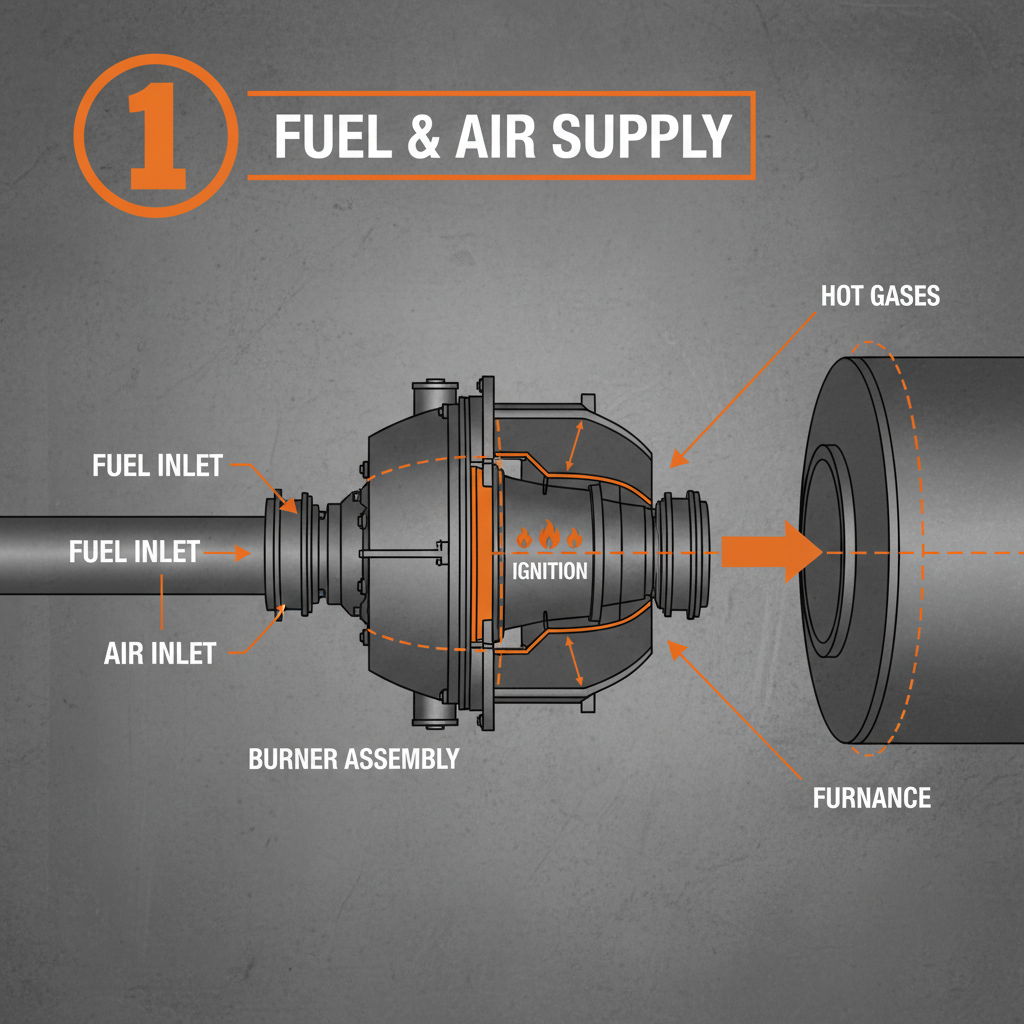
Thermal oil boiler suppliers specialize in the design, manufacture, and service of heating systems that utilize thermal oil (also known as heat transfer fluid) as the heat transfer medium. Unlike steam boilers, thermal oil boilers operate at lower pressures, offering a safer and more efficient method for delivering consistent and precise heat to various industrial processes. These suppliers provide complete systems, including the boiler itself, the thermal oil, and associated control and safety equipment.
These systems are crucial for industries requiring consistent, accurate temperatures for processes like chemical production, polymer processing, food manufacturing, and pharmaceutical production. Thermal oil offers excellent heat stability and a wide operating temperature range, making it ideal for applications demanding precise thermal control.
thermal oil boiler suppliers often offer customized solutions, adapting their designs to meet the specific needs of each client, considering factors like heating capacity, temperature requirements, and safety protocols.
Core Factors in Supplier Selection
Selecting the right thermal oil boiler supplier requires careful consideration of several key factors. Durability is paramount, as these systems represent a significant investment. Suppliers should offer boilers constructed from high-quality materials capable of withstanding continuous operation and thermal stress. The longevity of the equipment directly impacts the return on investment.
Scalability is another critical factor. Businesses may experience growth or changes in production demands, necessitating an expansion of their heating capacity. Suppliers offering modular designs or the ability to easily integrate additional units provide greater flexibility. Cost efficiency isn't solely about the initial purchase price; it includes operating costs, maintenance expenses, and the potential for downtime.
Reputation and customer support are also vital. A supplier with a proven track record of reliability and responsiveness can provide peace of mind and minimize disruptions to operations. Furthermore, the availability of genuine spare parts and skilled technicians is essential for maintaining optimal system performance.
Key Performance Indicators of Thermal Oil Boiler Suppliers
Evaluating thermal oil boiler suppliers requires assessing their performance across various indicators. Response time to service requests is a critical metric, indicating the supplier's commitment to customer support. The availability of spare parts and their lead times are also significant, minimizing downtime in case of component failure.
Energy efficiency of the boilers offered is another crucial KPI. Suppliers should provide data on fuel consumption and heat transfer efficiency, allowing businesses to compare options and select the most cost-effective solution. Compliance with industry standards and safety regulations is non-negotiable, ensuring the safe and reliable operation of the equipment.
Thermal Oil Boiler Supplier Performance Metrics
Global Applications and Industry Impact
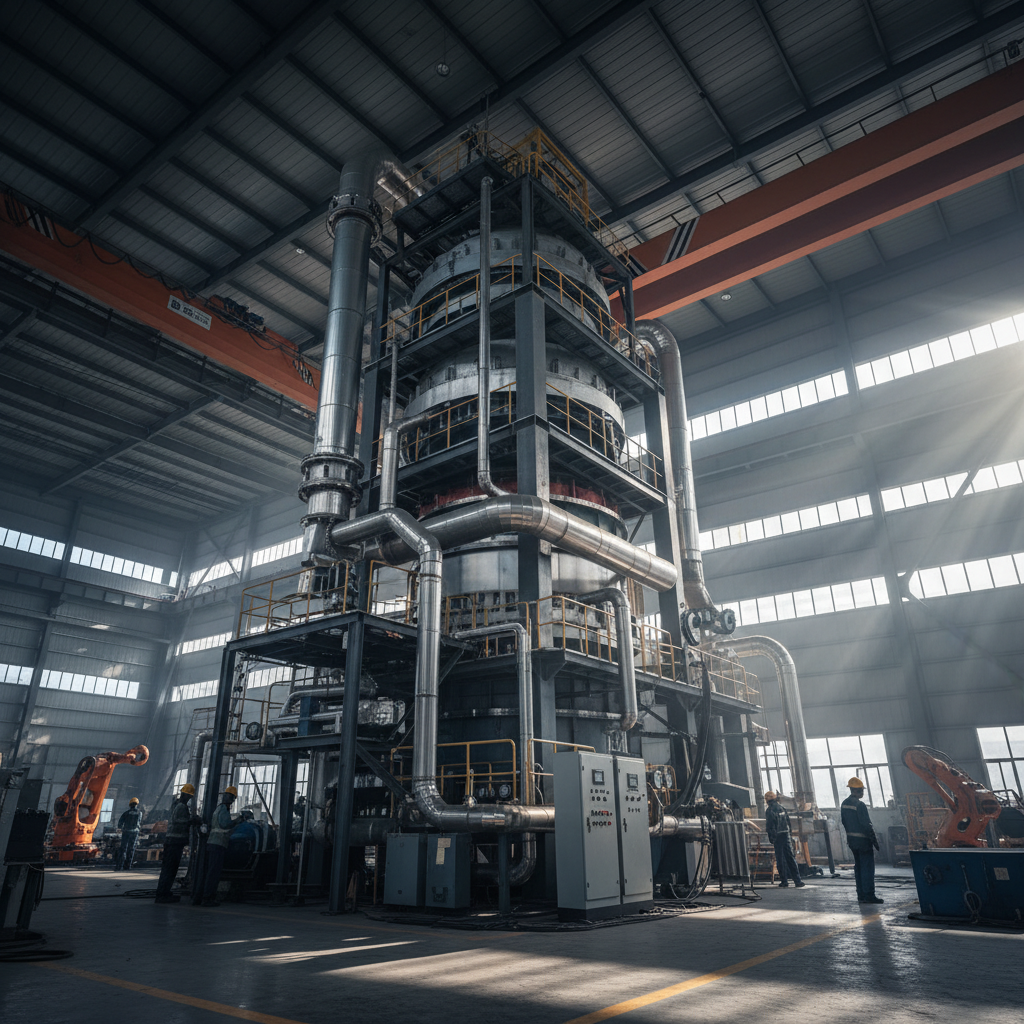
Thermal oil boiler systems find extensive application across a diverse range of industries. In the chemical industry, they provide precise temperature control for reactions and distillation processes. The plastics and polymer sectors rely on them for consistent heating in extrusion and molding operations. Food processing utilizes these systems for cooking, sterilization, and drying processes.
Pharmaceutical companies employ thermal oil for heating during drug manufacturing and sterilization. These systems are also vital in the pulp and paper industry for drying processes and in the textile industry for dyeing and finishing. thermal oil boiler suppliers support these diverse needs with tailored solutions.
Long-Term Advantages and Value Proposition
Investing in a quality thermal oil boiler system from a reputable supplier offers substantial long-term benefits. Reduced energy consumption translates into lower operating costs and a smaller carbon footprint. Improved process control leads to higher product quality and reduced waste. A well-maintained system minimizes downtime and maximizes productivity.
The inherent safety features of thermal oil systems, operating at lower pressures than steam boilers, contribute to a safer working environment. Furthermore, the ability to precisely control temperature optimizes energy use and reduces the risk of thermal degradation of materials. Ultimately, a strategic partnership with a leading thermal oil boiler supplier drives operational efficiency, cost savings, and sustainable growth.
Future Trends and Innovations in Thermal Oil Technology
The future of thermal oil technology is focused on increasing efficiency, reducing environmental impact, and enhancing system intelligence. Innovations in thermal oil fluids are leading to higher operating temperatures and improved heat transfer capabilities. Integration with digital monitoring and control systems enables predictive maintenance and optimized performance.
The development of more sustainable thermal oil options, derived from renewable resources, is gaining momentum. Furthermore, advancements in boiler design are focused on minimizing heat loss and maximizing fuel utilization. The adoption of Industry 4.0 principles, including data analytics and machine learning, will further enhance the efficiency and reliability of these systems.
thermal oil boiler suppliers are at the forefront of these innovations, providing customers with cutting-edge solutions to meet evolving industry demands.
Key Features of Advanced Thermal Oil Boiler Systems
| Technology Type |
Energy Efficiency Rating (1-10) |
Maintenance Frequency (Months) |
Overall System Cost (USD) |
| Conventional Thermal Oil Boiler |
6 |
6 |
50,000 |
| High-Efficiency Condensing Boiler |
9 |
9 |
80,000 |
| Modular Thermal Oil System |
7 |
12 |
65,000 |
| Digitally Integrated Boiler System |
8 |
18 |
95,000 |
| Biomass-Fired Thermal Oil Boiler |
7 |
8 |
70,000 |
| Hybrid Thermal Oil Boiler (Gas/Electric) |
8.5 |
10 |
75,000 |
FAQS
Thermal oil systems offer several advantages over steam, including lower operating pressures, resulting in increased safety and reduced energy losses. They provide more precise temperature control, excellent heat transfer efficiency, and a wider operating temperature range. Additionally, thermal oil systems eliminate the need for costly water treatment and reduce the risk of corrosion. Choosing the right system depends on specific application requirements.
The lifespan of thermal oil varies depending on operating temperatures and the quality of the fluid. Generally, thermal oil should be analyzed annually and replaced every 5-10 years. Degradation occurs over time due to thermal stress and oxidation. Regular analysis helps identify degradation levels and ensure optimal system performance. Ignoring oil maintenance can lead to reduced efficiency and potential system damage.
Thermal oil operates at high temperatures and can cause severe burns. Always wear appropriate personal protective equipment (PPE), including gloves, eye protection, and heat-resistant clothing. Avoid direct contact with hot surfaces and ensure adequate ventilation in the work area. Follow all manufacturer’s recommendations and safety guidelines. Proper training is crucial for personnel handling thermal oil systems.
The payback period for a thermal oil boiler investment varies based on factors like system size, energy costs, and operating hours. However, with improved energy efficiency and reduced maintenance requirements, payback periods typically range from 3 to 7 years. Choosing a reputable thermal oil boiler suppliers and optimizing system operation can shorten this timeframe.
Environmental considerations include the proper disposal of used thermal oil and the selection of environmentally friendly fluid options. Many suppliers offer biodegradable or low-VOC thermal oils. Proper disposal prevents soil and water contamination. Optimizing system efficiency reduces fuel consumption and minimizes greenhouse gas emissions.
Regular maintenance is crucial for ensuring reliable and efficient operation. This includes annual oil analysis, leak inspections, burner cleaning, and control system calibration. Preventive maintenance schedules should be established and followed diligently. A qualified technician should perform regular inspections and repairs. Neglecting maintenance can lead to reduced performance and costly breakdowns.
Conclusion
In conclusion, thermal oil boiler systems are essential components of numerous industrial processes, providing reliable, efficient, and precise heat transfer solutions. Selecting the right supplier, considering core factors like durability, scalability, and cost efficiency, is paramount to long-term success. The future of this technology lies in continued innovation, focusing on sustainability, digitalization, and enhanced system performance.
Investing in a quality thermal oil system and partnering with a knowledgeable thermal oil boiler suppliers represents a strategic advantage for businesses seeking to optimize operations, reduce costs, and minimize their environmental impact. We encourage you to explore the possibilities and contact us today to discover how we can help you meet your thermal heating needs.





 English
  Arabic
  Bengali
  French
  German
  Hindi
Hindi  Indonesian
  Kazakh
  Khmer
Khmer  Korean
  Kyrgyz
  Lao
Lao  Latin
Latin  Mongolian
  Nepali
  Russian
  Turkish
  Turkmen
  Uzbek
Uzbek