0%

Table of Contents

Thermal oil boiler systems represent a crucial technology in modern industrial heating, offering a versatile and efficient alternative to traditional steam boilers. These closed-loop systems utilize a specially formulated thermal oil as the heat transfer fluid, operating at consistently high temperatures without the phase change associated with steam. This makes them ideally suited for processes requiring precise temperature control and uniform heat distribution, spanning a broad range of applications from chemical processing and plastics manufacturing to food production and pharmaceutical industries. Understanding the intricacies of these systems is paramount for optimizing operational efficiency and ensuring safe, reliable performance.

Globally, the demand for efficient and sustainable heating solutions is driving increased adoption of thermal oil boiler systems. The UN’s Sustainable Development Goals, particularly those relating to industrial innovation and responsible consumption, highlight the need for technologies that minimize energy waste and reduce environmental impact. According to recent industry reports, the market for thermal oil boilers is projected to grow at a compound annual growth rate of approximately 4-6% over the next decade, spurred by expanding industrial sectors in emerging economies and a growing emphasis on energy efficiency in developed nations. This growth underscores the critical role these systems play in supporting global manufacturing and process industries.

A key challenge facing many industrial facilities is the need for robust and reliable heating systems capable of delivering consistent performance and minimizing downtime. Thermal oil boiler systems directly address this challenge by providing a stable and controllable heat source, reducing the risk of operational disruptions and improving overall productivity. Their ability to operate at higher temperatures than water-based systems, coupled with their precise temperature control capabilities, makes them a preferred choice for demanding applications where consistent thermal input is critical.
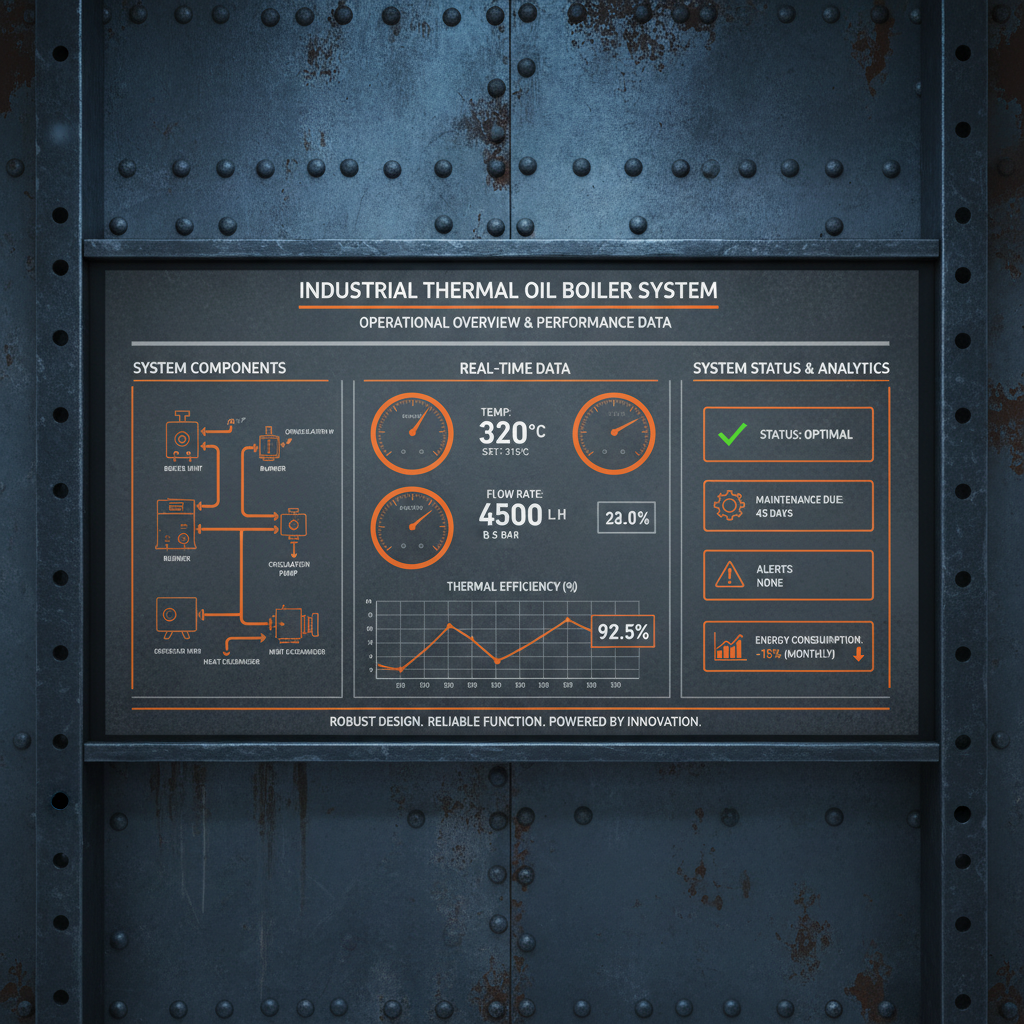
Optimizing Industrial Processes with Advanced Thermal Oil Boiler Systems

Introduction to Thermal Oil Boiler Systems

Optimizing Industrial Processes with Advanced Thermal Oil Boiler Systems

A thermal oil boiler system, fundamentally, is a closed-loop heating system designed to deliver high-temperature heat efficiently and safely. Unlike steam boiler systems that rely on a phase change (water to steam), thermal oil systems maintain the heat transfer fluid in a liquid state throughout the process. This crucial difference allows for operation at significantly higher temperatures and eliminates the complexities and safety concerns associated with steam. The inherent benefits of precise temperature control and consistent heat delivery make thermal oil boiler systems invaluable across diverse industrial processes.

These systems are increasingly recognized for their environmental benefits, especially concerning reduced emissions and improved energy efficiency. By minimizing heat loss and optimizing combustion processes, modern thermal oil boiler systems contribute to a smaller carbon footprint and lower operational costs. Furthermore, the ability to recover and reuse waste heat adds to their sustainability profile, aligning them with global efforts to promote responsible industrial practices.

Defining Thermal Oil Boiler Systems

At its core, a thermal oil boiler system is a heat transfer system that uses a specially engineered organic fluid – the thermal oil – to carry heat from a combustion source to a process. This oil circulates through a closed loop, heated by the boiler’s combustion chamber and then delivered to heat exchangers where it transfers its energy to the process being heated. This closed-loop design minimizes fluid loss and contamination, ensuring consistent performance and extending the lifespan of the thermal oil.

The connection between thermal oil boiler systems and modern industry is undeniable. They are integral to the efficient operation of numerous manufacturing processes, including polymer production, chemical synthesis, and food processing. They provide the consistent, high-temperature heat needed for these processes, often exceeding the capabilities of traditional steam systems. This reliance highlights the critical role they play in the global supply chain.

The demand for reliable and efficient heating solutions in industries requiring precise temperature control underscores the necessity of thermal oil boiler systems. They offer a stable and predictable heat source, allowing for precise process regulation and improved product quality. Their ability to maintain consistent temperatures over extended periods is essential for applications demanding tight tolerances and repeatable results.

Core Components and Characteristics

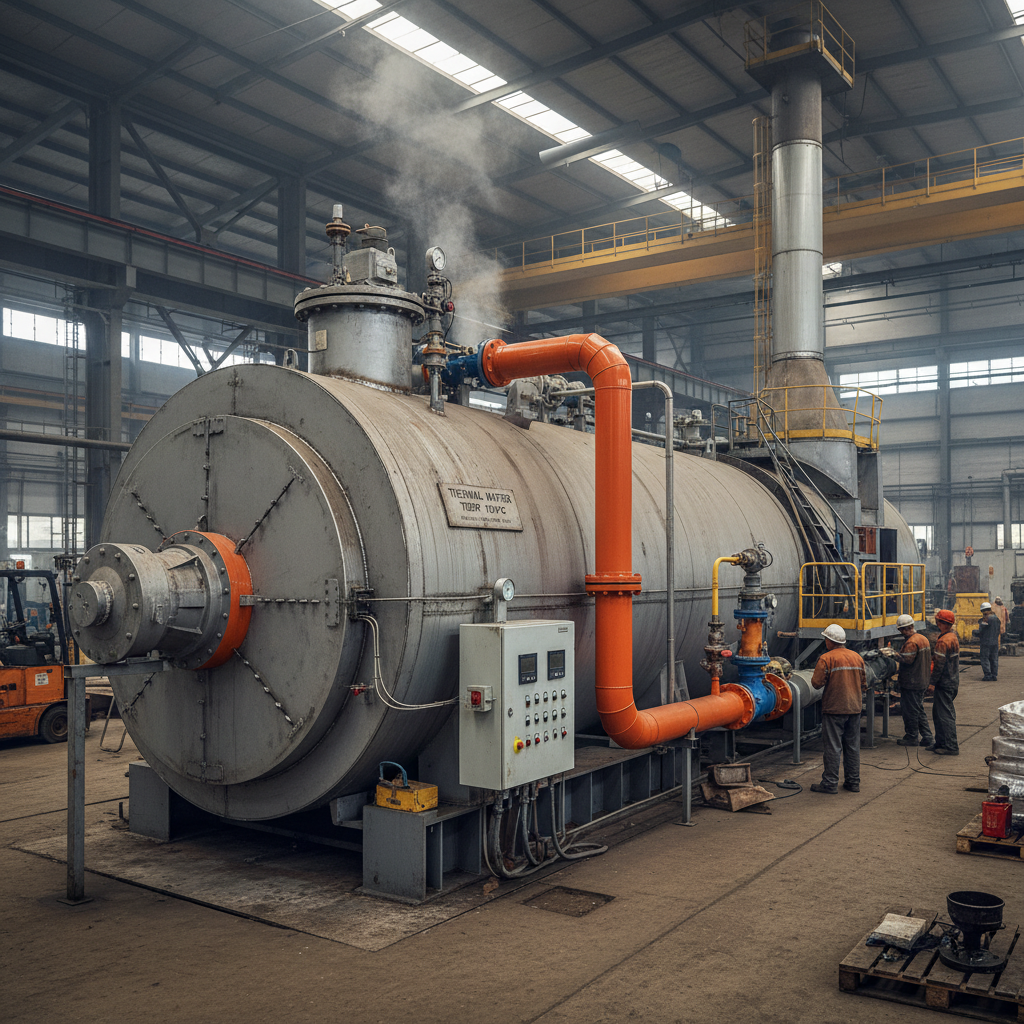
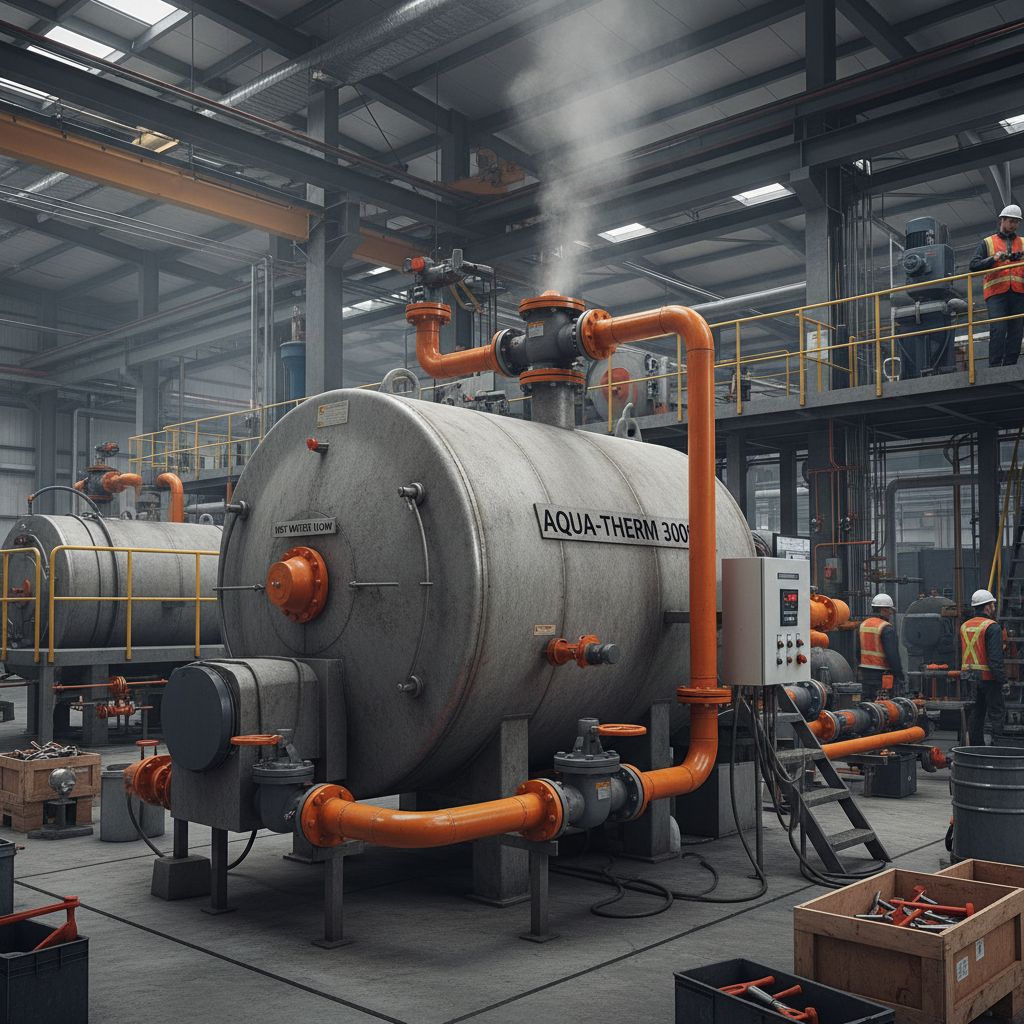
Several key components define the functionality of a thermal oil boiler system. The combustion chamber is where the fuel is burned to generate heat. The heat exchanger transfers the heat from the combustion gases to the thermal oil. A circulation pump ensures consistent fluid flow throughout the system. A thermal expansion tank accommodates volume changes in the oil due to temperature fluctuations, and a control system manages and optimizes the entire process.

A defining characteristic of thermal oil is its high thermal stability, allowing it to withstand prolonged exposure to high temperatures without significant degradation. This stability is crucial for maintaining consistent performance and reducing the need for frequent oil replacement. Furthermore, thermal oils typically have low vapor pressure, minimizing the risk of flashing and ensuring safe operation. Their lower density compared to water also contributes to efficient heat transfer.

The closed-loop nature of the system is another critical characteristic. This prevents contamination of the thermal oil and minimizes fluid loss, contributing to lower operating costs and environmental impact. Regular monitoring of the oil's properties, such as viscosity and acidity, is essential to ensure optimal performance and prevent long-term damage to the system.

Key Performance Factors of Thermal Oil Boiler Systems

The efficiency of a thermal oil boiler system is heavily influenced by factors such as burner design, heat exchanger effectiveness, and insulation quality. High-efficiency burners maximize fuel combustion, minimizing energy waste and reducing emissions. Effective heat exchangers facilitate optimal heat transfer from the combustion gases to the thermal oil. Proper insulation minimizes heat loss from the system, further enhancing efficiency.

Thermal Oil Boiler System Performance Metrics


Global Applications and Industry Use Cases

Thermal oil boiler systems find widespread application in the chemical industry, providing precise temperature control for reactors, distillation columns, and other critical processes. Their ability to operate at high temperatures without pressure buildup makes them ideal for demanding chemical reactions. In the plastics industry, they are used for heating molds and extruders, ensuring consistent product quality and efficient production.

Food processing is another significant area of application, where thermal oil systems deliver sanitary and reliable heating for pasteurization, sterilization, and drying processes. In remote industrial zones, where access to steam infrastructure is limited, these systems offer a self-contained and efficient heating solution. In post-disaster relief operations, smaller, portable thermal oil boiler systems can provide essential heating for temporary facilities and emergency services.

Advantages and Long-Term Value

The tangible benefits of utilizing a thermal oil boiler system are significant. Reduced energy consumption translates directly to lower operating costs. The extended lifespan of the thermal oil, coupled with minimal maintenance requirements, further contribute to cost savings. Their precise temperature control improves product quality and reduces waste, boosting overall profitability.

Beyond economic advantages, thermal oil systems offer considerable long-term value through improved safety, environmental sustainability, and increased operational reliability. Their inherent safety features, such as low vapor pressure and stable thermal properties, minimize the risk of accidents. Their reduced emissions align with environmental regulations and contribute to a more sustainable industrial footprint.

Future Trends and Innovations in Thermal Oil Boiler Systems

Several exciting trends are shaping the future of thermal oil boiler systems. Integration with digital monitoring and control systems enables predictive maintenance, optimizing performance and minimizing downtime. Research into advanced thermal oils with enhanced thermal stability and environmental compatibility is ongoing. The development of more efficient burner technologies and heat exchanger designs promises to further reduce energy consumption.

Automation plays a crucial role, with automated control systems managing temperature, pressure, and fluid levels for optimal performance. The increasing emphasis on green energy solutions is driving the development of hybrid systems that combine thermal oil boilers with renewable energy sources, such as solar thermal collectors.

Sustainability is becoming a key driver, with manufacturers focusing on developing systems that minimize environmental impact and promote responsible energy use. This includes utilizing renewable fuels, reducing emissions, and implementing efficient heat recovery systems. These advancements will ensure that thermal oil boiler systems remain a vital component of sustainable industrial heating for years to come.

FAQS

What are the primary safety features incorporated into a modern thermal oil boiler system?

Modern thermal oil boiler systems incorporate several safety features including high-limit temperature switches, low-oil level cutouts, pressure relief valves, and comprehensive alarm systems. These features are designed to prevent overheating, maintain safe operating pressures, and alert operators to potential malfunctions. Regular inspections and maintenance are crucial to ensure these safety systems function correctly.

How often should the thermal oil be analyzed and replaced in a typical system?

The thermal oil should be analyzed at least annually, and ideally bi-annually, to monitor its condition and identify any degradation. Analysis includes checking for viscosity changes, acidity, and the presence of contaminants. Replacement frequency depends on the oil’s degradation rate, but generally, thermal oil should be replaced every 5-10 years to ensure optimal performance and prevent system damage.

What is the typical payback period for investing in a new thermal oil boiler system?

The payback period for a new thermal oil boiler system varies depending on the existing system's efficiency, energy costs, and the system's utilization rate. However, with increased efficiency and reduced fuel consumption, payback periods typically range from 3 to 7 years. The long-term benefits of reduced maintenance and improved product quality also contribute to the overall return on investment.

Can thermal oil boiler systems be integrated with renewable energy sources?

Yes, thermal oil boiler systems can be effectively integrated with renewable energy sources such as solar thermal collectors. Solar thermal collectors can preheat the thermal oil, reducing the amount of fuel required by the boiler. This hybrid approach significantly lowers carbon emissions and reduces reliance on fossil fuels, promoting a more sustainable energy solution.

What maintenance procedures are crucial for ensuring long-term reliability?

Regular maintenance is vital for long-term reliability. This includes routine inspections of the burner, heat exchanger, pump, and control system. Cleaning the heat exchanger to remove soot and scale is essential for maintaining efficient heat transfer. Regularly analyzing and replenishing or replacing the thermal oil is also a critical maintenance step.

How do thermal oil systems compare to steam boiler systems in terms of energy efficiency?

Thermal oil systems generally exhibit higher energy efficiency compared to traditional steam boiler systems. This is primarily due to the elimination of latent heat losses associated with steam condensation, and the ability to operate at higher temperatures without pressure limitations. The closed-loop design also minimizes heat loss, resulting in a more efficient heat transfer process.

Conclusion

Thermal oil boiler systems offer a compelling solution for industries requiring high-temperature, precise heating, and consistent performance. Their inherent advantages in efficiency, safety, and sustainability, coupled with ongoing innovation in technology, position them as a crucial element of modern industrial infrastructure. From chemical processing and plastics manufacturing to food production and pharmaceutical applications, these systems consistently deliver reliable and cost-effective heat transfer.

Looking ahead, the integration of advanced control systems, renewable energy sources, and optimized thermal oil formulations promises to further enhance the performance and environmental profile of these systems. Investing in a thermal oil boiler system is not merely acquiring equipment; it's embracing a long-term strategy for operational efficiency, reduced costs, and sustainable industrial practices. To learn more about how a thermal oil boiler system can benefit your operations, visit our website: thermal oil boiler system.

William Davis

William Davis

William Davis is a Quality Control Manager at Hebei Hongze Boiler Manufacturing Co., Ltd. with extensive experience in manufacturing processes and materials science. He’s dedicated to maintaining the highest standards of quality throughout the production process, ensuring all boilers meet or exceed industry standards. William oversees a team of inspectors
Previous Comprehensive Guide to Thermal Oil Boilers and the Importance of the thermal oil boiler pdf
Next Advanced Thermal Oil Boiler Design for Efficient Industrial Heating Solutions
Read More About gas fired water boiler
Read More About residential gas fired hot water boilers
Read More About oil burning water heater
Read More About oil fired water boiler
en_USEnglish