0%

Table of Contents

Look, I’ve been on construction sites for over twenty years. I've seen steam boilers fail, causing delays, costing money, and frankly, creating dangerous situations. That's why understanding a robust, reliable thermal water boiler is crucial – not just for engineers, but for anyone involved in large-scale projects. We're talking about powering everything from heating and cooling systems to industrial processes, and downtime isn’t an option. A good thermal water boiler isn’t just a piece of equipment; it's the backbone of keeping a project on schedule and within budget.

Globally, the demand for efficient and dependable heating solutions is skyrocketing. According to the UN, infrastructure development is a key driver for economic growth, particularly in developing nations. The World Bank estimates trillions in investment are needed just to meet projected infrastructure demands. And these projects need reliable heat sources. Thermal water boilers meet that need, offering a scalable and adaptable solution. The challenge, though, is finding boilers that can withstand harsh environments, varying fuel sources, and deliver consistent performance.

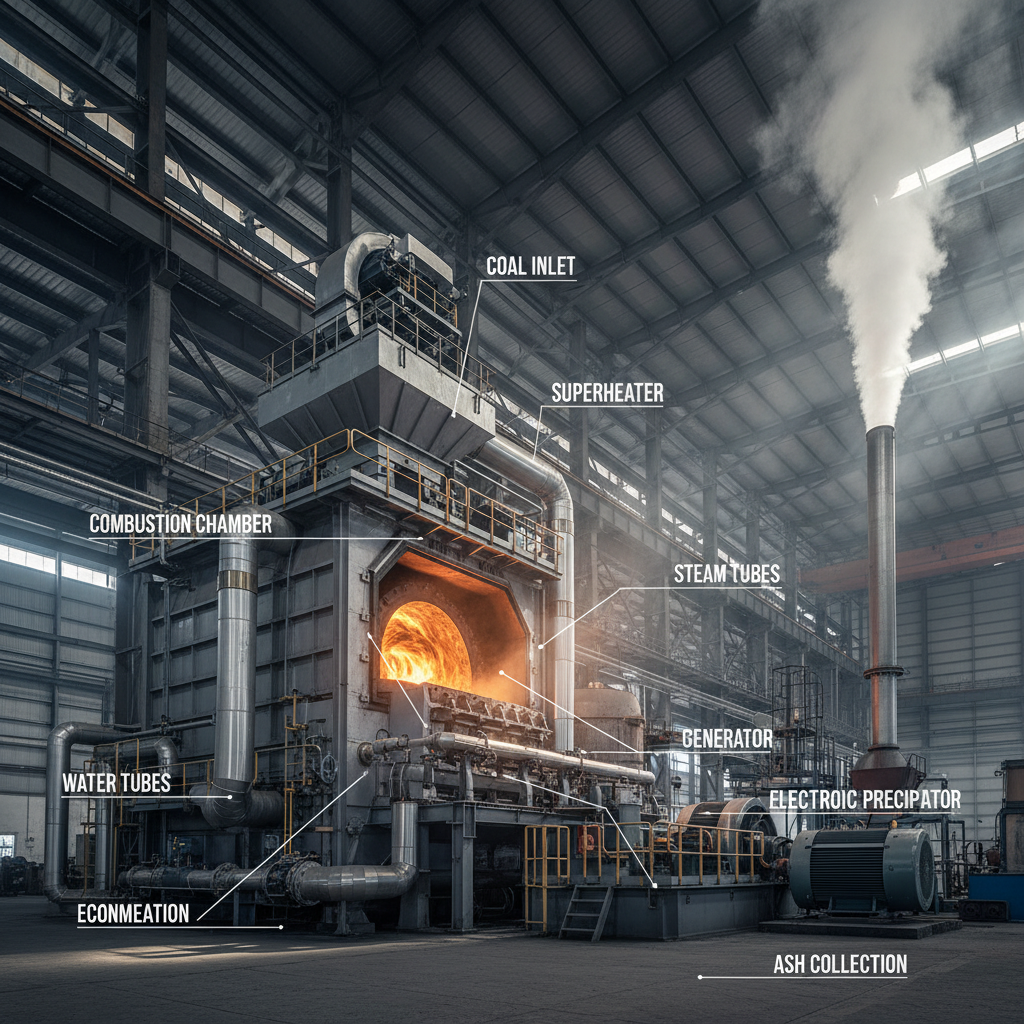
Simply put, a thermal water boiler heats water using a fuel source – whether it’s natural gas, oil, biomass, or even waste heat – and then circulates that hot water to provide heating, power generation, or various industrial processes. It’s a fundamentally simple idea, but the execution is what sets them apart. It's the workhorse of many industrial sites and is becoming increasingly vital for modern district heating systems, providing a centralized and efficient way to deliver warmth to entire communities.
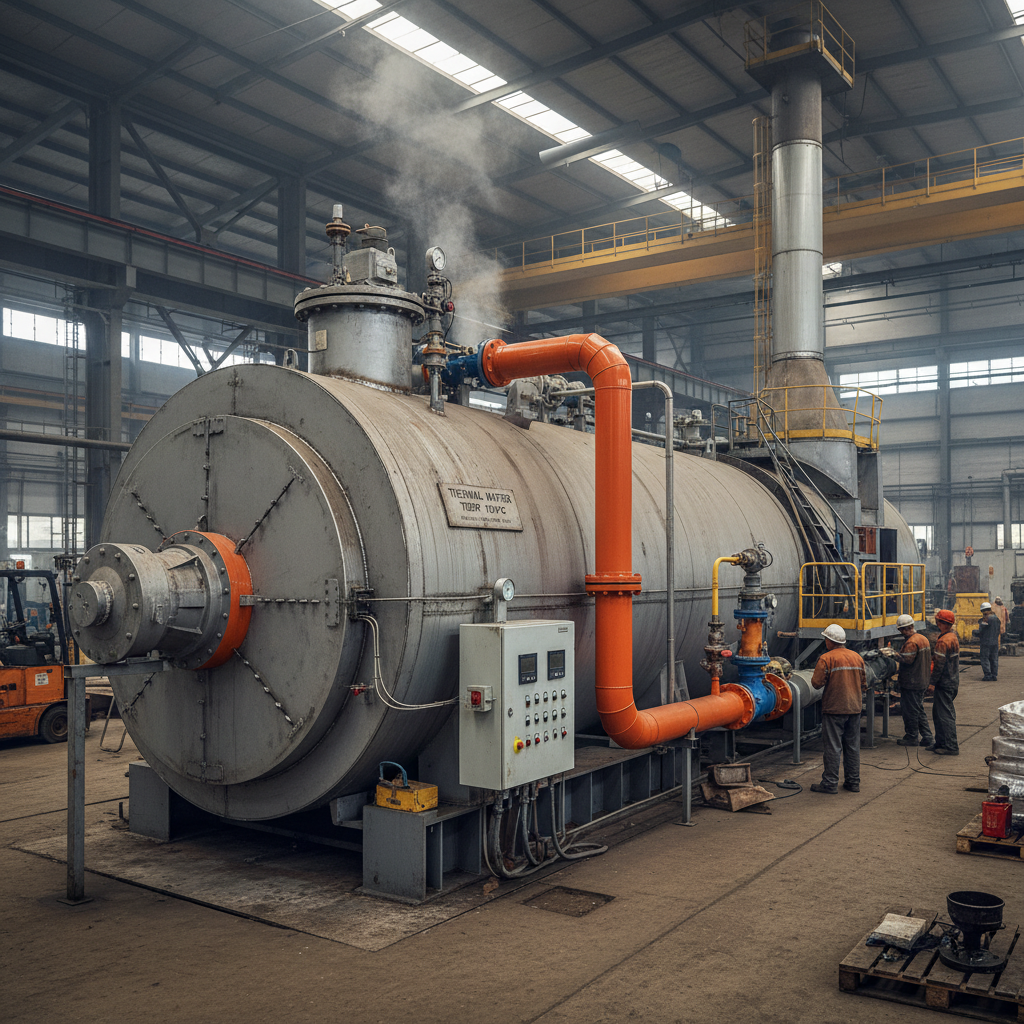
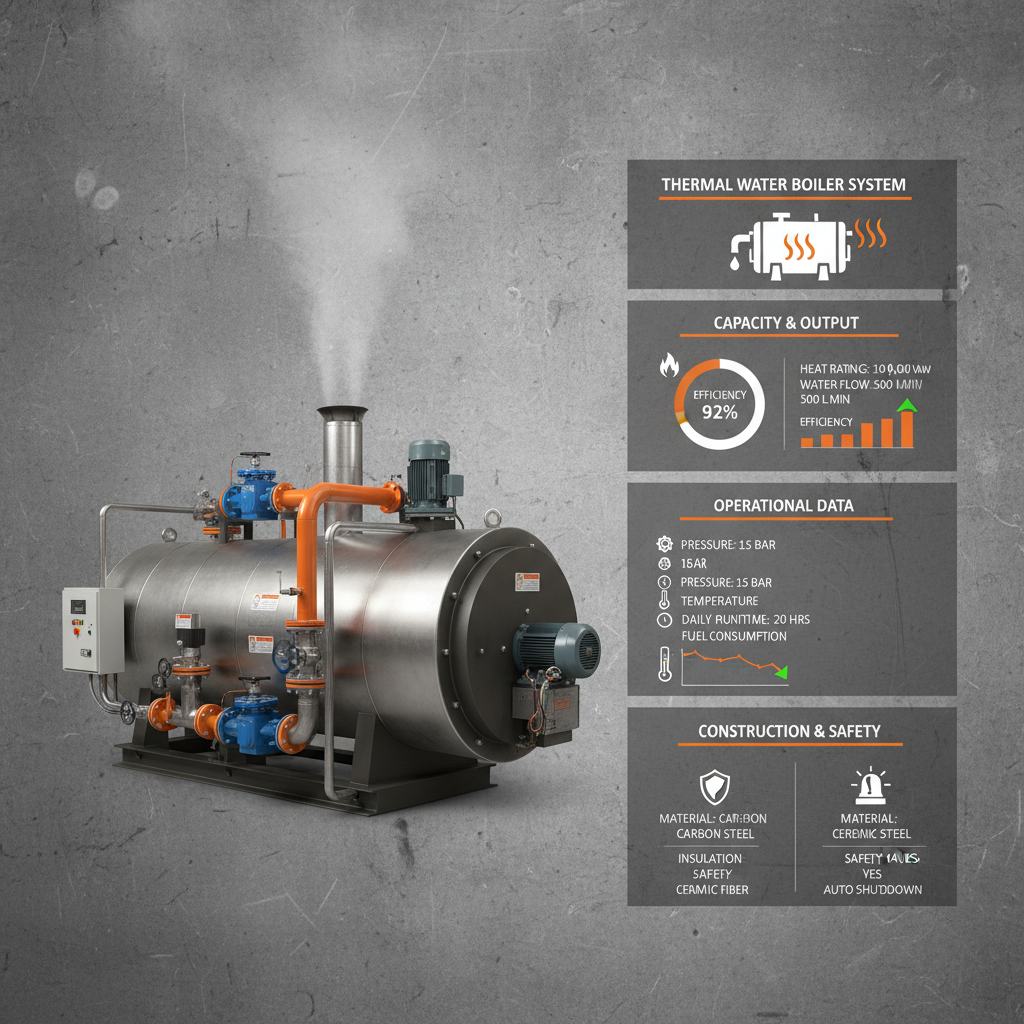
Robust Thermal Water Boiler Solutions for Efficient Heating and Power Generation

Key Factors in Thermal Water Boiler Selection

Robust Thermal Water Boiler Solutions for Efficient Heating and Power Generation

When I’m looking at a boiler for a job, I’m not just looking at the price tag. I need to know it’s going to last. Fuel efficiency is critical, of course, but a boiler that’s constantly breaking down will cost you more in the long run. We also need to consider the type of fuel available on-site and future-proof the system. Choosing the right boiler, with the correct capacity and features, can prevent serious issues.

The selection process is driven by project requirements. A large-scale industrial complex will need a substantially different boiler than a smaller commercial building. Factors like pressure requirements, water quality, and environmental regulations all play a role. It’s not one-size-fits-all; it’s about finding the right fit.

Global Applications of Thermal Water Boilers

I've seen these boilers in action everywhere – from massive petrochemical plants in the Gulf Coast to district heating systems in Scandinavian cities. In post-disaster relief operations, they're used to provide clean, heated water for hospitals and shelters. They’re absolutely vital for food processing plants, pharmaceutical manufacturing, and countless other industries.

In remote industrial zones like those in Siberia or the Canadian Arctic, where fuel supply can be a challenge, a well-maintained thermal water boiler is a lifeline. They’re also increasingly popular in agricultural settings for greenhouse heating and irrigation systems.

The versatility is key. Whether it’s supplying steam for power generation or simply providing hot water for sanitation, these boilers are essential for modern infrastructure and industrial processes across the globe. And that demand isn't slowing down.

Durability and Material Science

You wouldn't build a skyscraper with flimsy materials, and you shouldn't trust a cheap boiler. The quality of the materials is paramount. Look for boilers constructed with high-grade steel alloys designed to withstand high pressures and temperatures, as well as resist corrosion. I've seen boilers where the weld quality was subpar, leading to leaks and catastrophic failures.

Modern material science plays a huge role. Developments in corrosion-resistant alloys and improved welding techniques have significantly extended the lifespan of thermal water boilers. Proper coatings and insulation also help protect the boiler from the elements and minimize heat loss. It’s not just about the steel; it’s about how it’s treated and applied.

Regular inspections and maintenance are non-negotiable. A preventative maintenance schedule, including pressure testing, water analysis, and component checks, is essential for identifying potential problems before they become major issues. Ignoring maintenance will always catch up with you.

Cost-Effectiveness and ROI of Thermal Water Boilers

Look, upfront cost is always a factor, but you have to look at the total cost of ownership. A cheaper boiler that’s inefficient and requires frequent repairs will end up costing you more in the long run. A quality thermal water boiler pays for itself through reduced fuel consumption, lower maintenance costs, and increased uptime.

The ROI calculation needs to include factors like fuel prices, labor costs for maintenance, and potential downtime penalties. Investing in a more efficient boiler can significantly reduce your operating expenses and improve your bottom line. It’s about maximizing efficiency and minimizing risk.

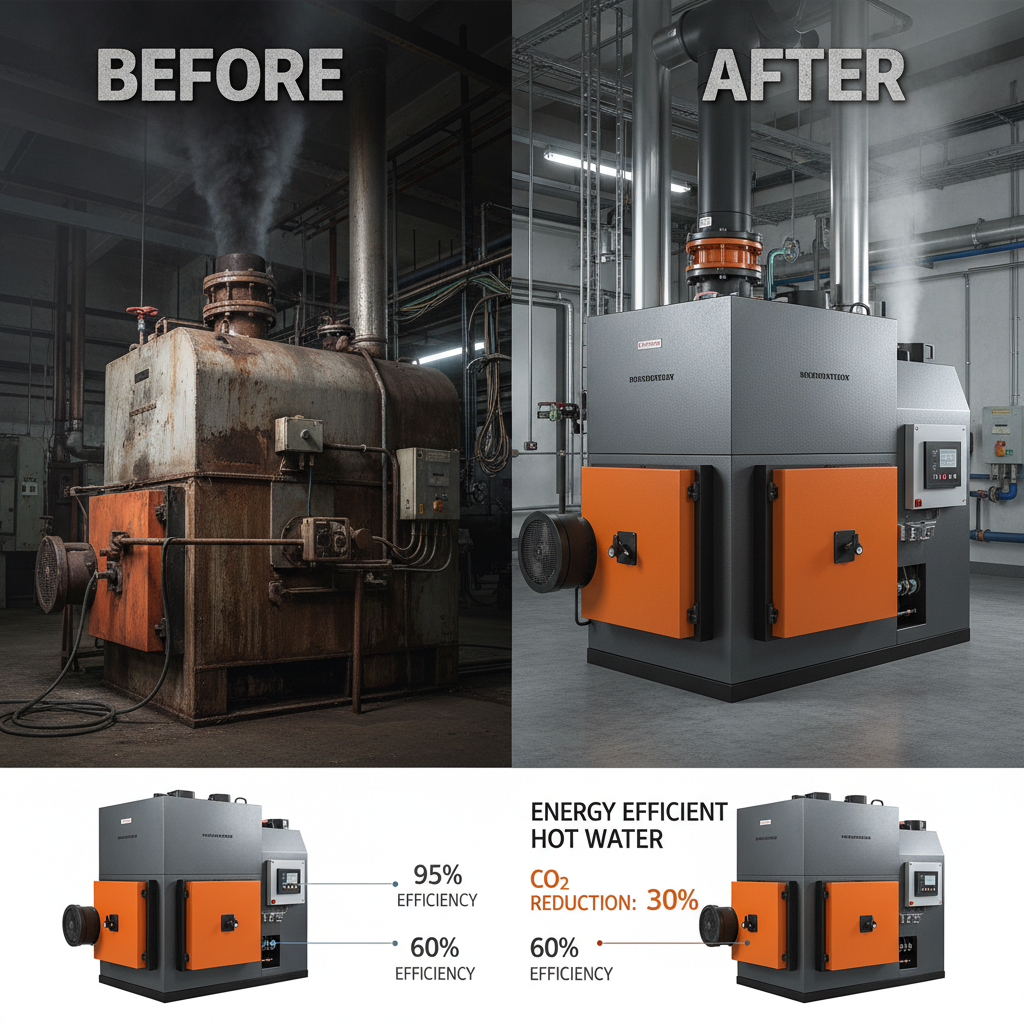
Thermal Water Boiler Efficiency Comparison


Scalability and Modularity

One of the things I appreciate about modern thermal water boilers is their scalability. If a project’s heating needs increase, you can often add additional modules or increase the capacity of the existing boiler without having to replace the entire system. This saves time and money.

Modular designs also make maintenance easier. Individual components can be replaced or repaired without shutting down the entire system. That’s a huge advantage on a busy construction site where downtime is simply not an option.

Long-Term Value and Sustainability

Investing in a high-quality, energy-efficient thermal water boiler isn’t just about saving money; it’s about reducing your environmental footprint. Modern boilers offer significantly lower emissions compared to older models.

Sustainability is becoming increasingly important, and companies are under pressure to reduce their carbon emissions. A thermal water boiler that utilizes renewable fuel sources, like biomass, can further enhance your sustainability profile. It’s about doing what’s right for the planet and for your business.

Beyond the environmental benefits, a reliable boiler builds trust with stakeholders and enhances your company’s reputation. It demonstrates a commitment to quality, efficiency, and responsible operation.

Future Trends and Innovation in Thermal Water Boiler Technology

We’re seeing a lot of exciting developments in the thermal water boiler space. Digital controls and remote monitoring systems are becoming standard, allowing operators to optimize performance and identify potential problems before they escalate.

The integration of artificial intelligence and machine learning is also showing promise, allowing boilers to adapt to changing conditions and optimize fuel consumption in real-time. And with the growing emphasis on renewable energy, we're seeing more boilers designed to operate with biofuels and waste heat recovery systems.

The future of thermal water boilers is about smarter, more efficient, and more sustainable solutions. It’s about leveraging technology to reduce costs, improve performance, and minimize environmental impact.

Core Benefits of Advanced Thermal Water Boiler Technologies

Technology Type Efficiency Improvement (%) Maintenance Reduction (%) Environmental Impact
Digital Control Systems 8-12% 15-20% Reduced Emissions
Waste Heat Recovery 10-15% 10-15% Reduced Fuel Consumption
Biomass Integration 5-10% 5-10% Renewable Energy Source
AI-Powered Optimization 12-18% 20-25% Optimized Fuel Use
Advanced Material Coatings 2-5% 10-15% Extended Lifespan
Remote Monitoring Systems 3-7% 15-20% Preventative Maintenance

FAQS

What is the typical lifespan of a well-maintained thermal water boiler?

A well-maintained thermal water boiler, constructed with high-quality materials and subjected to regular inspections, can easily last 20-30 years. However, several factors influence lifespan, including operating conditions, fuel type, and the frequency of maintenance. Neglecting preventative maintenance will significantly shorten its life. It's an investment that requires ongoing care.

How do I determine the right size thermal water boiler for my project?

Determining the correct size is crucial. You need to accurately calculate your peak heating or process steam demand. Factors to consider include the building’s square footage, insulation levels, occupancy rates, and the specific requirements of your industrial processes. An undersized boiler won’t meet your needs, and an oversized boiler will be inefficient. A professional assessment is highly recommended.

What are the common fuel options for thermal water boilers?

Common fuel options include natural gas, fuel oil (No. 2 or No. 6), propane, and biomass (wood chips, pellets, agricultural waste). The best option depends on availability, cost, and environmental considerations. Biomass can be a sustainable option, but requires proper handling and storage. Natural gas is often the most efficient and cleanest-burning option where available.

What safety features should I look for in a thermal water boiler?

Essential safety features include low-water cut-offs, pressure relief valves, flame scanners, and automatic burner shut-down systems. Regular safety inspections are paramount. The boiler should also comply with all relevant industry standards and regulations. Don’t compromise on safety; it’s the most important consideration.

How important is water quality for thermal water boiler operation?

Water quality is extremely important. Impurities in the water can cause scaling, corrosion, and reduced efficiency. Water treatment is essential to remove minerals, oxygen, and other contaminants. Regular water testing and chemical treatment are necessary to maintain optimal boiler performance and prevent costly damage. Don’t skimp on water treatment!

What are the maintenance requirements for a thermal water boiler?

Regular maintenance includes annual inspections, cleaning, pressure testing, and burner adjustments. Water treatment monitoring is ongoing. Inspect and replace any worn or damaged components promptly. Keep detailed maintenance records. Proactive maintenance prevents breakdowns and extends the boiler's lifespan.

Conclusion

Thermal water boilers are the unsung heroes of countless industries and infrastructure projects. They’re not glamorous, but they’re reliable, efficient, and essential. From ensuring consistent heating in commercial buildings to powering critical industrial processes, they are a foundational element of modern operations. Understanding their key features, benefits, and future trends is vital for anyone involved in project management, engineering, or facility operations.

Investing in a quality thermal water boiler is an investment in long-term reliability, sustainability, and cost-effectiveness. Don't settle for less. Explore your options, consult with experts, and choose a boiler that will meet your needs for years to come. For more information and to discuss your specific requirements, visit our website: www.hzsteamboiler.com

David Chen

David Chen

David Chen serves as the Lead Design Engineer at Hebei Hongze Boiler Manufacturing Co., Ltd. With a strong background in thermodynamics and fluid mechanics, he leads the development of new boiler designs, particularly focusing on large-capacity coal-fired and biomass-fired boilers. David is the driving force behind many of Hongze’s 30+
Previous Maximize Project Efficiency with a High Efficiency Water Boiler System
Next Reliable Mains Water Boiler Systems for Construction Site Efficiency and Worker Wellbeing
Read More About gas fired water boiler
Read More About residential gas fired hot water boilers
Read More About oil burning water heater
Read More About oil fired water boiler
en_USEnglish