Thermal oil boiler china are becoming increasingly vital components in a wide range of industrial processes globally. These systems offer a unique combination of precise temperature control, efficient heat transfer, and operational safety, making them ideal for applications where consistent and reliable heating is paramount. Understanding the nuances of thermal oil boilers, particularly those manufactured in China, is crucial for businesses seeking cost-effective and high-performance heating solutions. The demand for these boilers is driven by growing industrialization across developing nations and a continuous need for energy efficiency in established economies.
The global market for thermal oil boilers is experiencing significant growth, fueled by the expanding chemical, pharmaceutical, food processing, and polymer industries. China has emerged as a leading manufacturer, leveraging its robust manufacturing capabilities and competitive pricing. However, it’s important to differentiate between quality and cost when sourcing from this region. Selecting a reputable thermal oil boiler china supplier is essential to ensure long-term reliability and compliance with international safety standards. This is particularly important given the increasingly stringent environmental regulations impacting industrial operations.
Ultimately, the adoption of thermal oil boiler china technologies offers a path towards improved operational efficiency, reduced energy consumption, and enhanced process control. This makes it an essential consideration for any industry relying on precise and consistent heating processes. This overview will delve into the specifics of thermal oil boilers, focusing on their key features, applications, advantages, and future trends, specifically regarding those sourced from China.
Introduction to Thermal Oil Boiler China
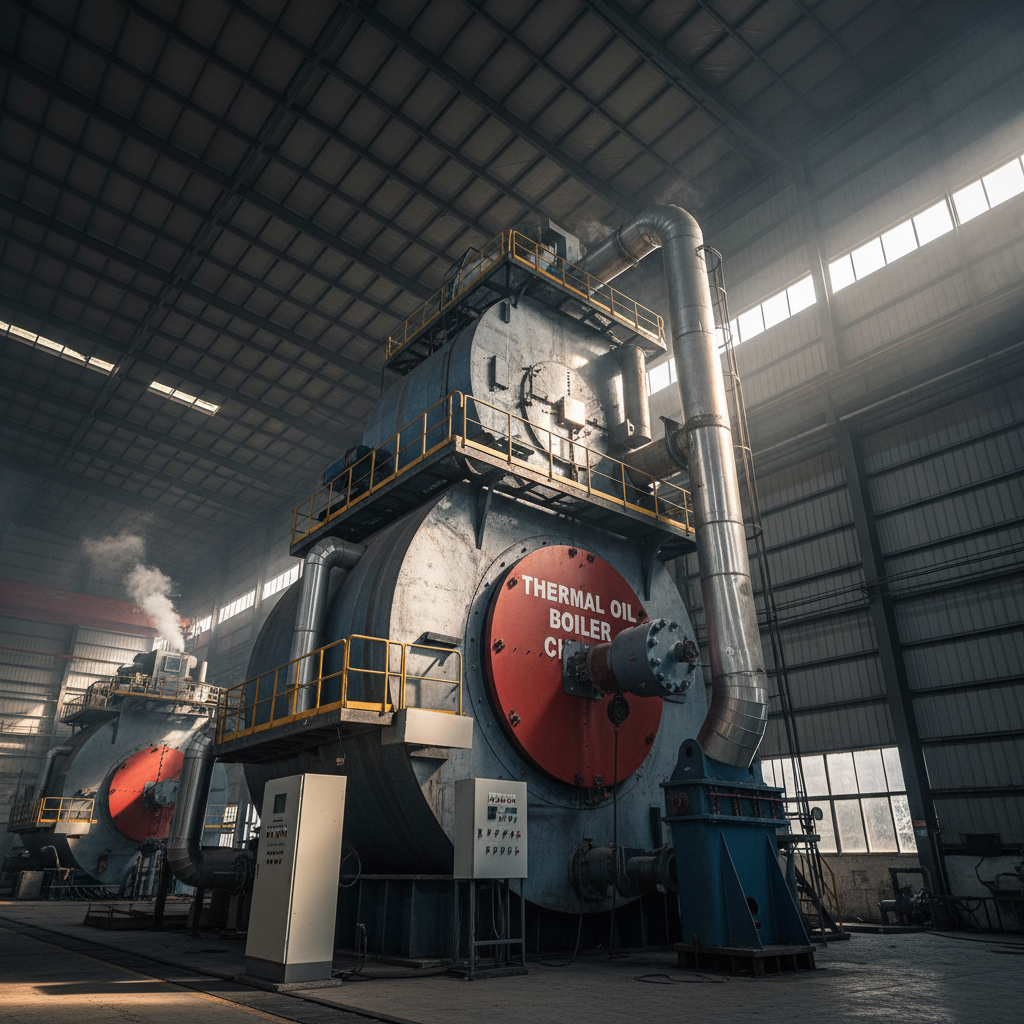
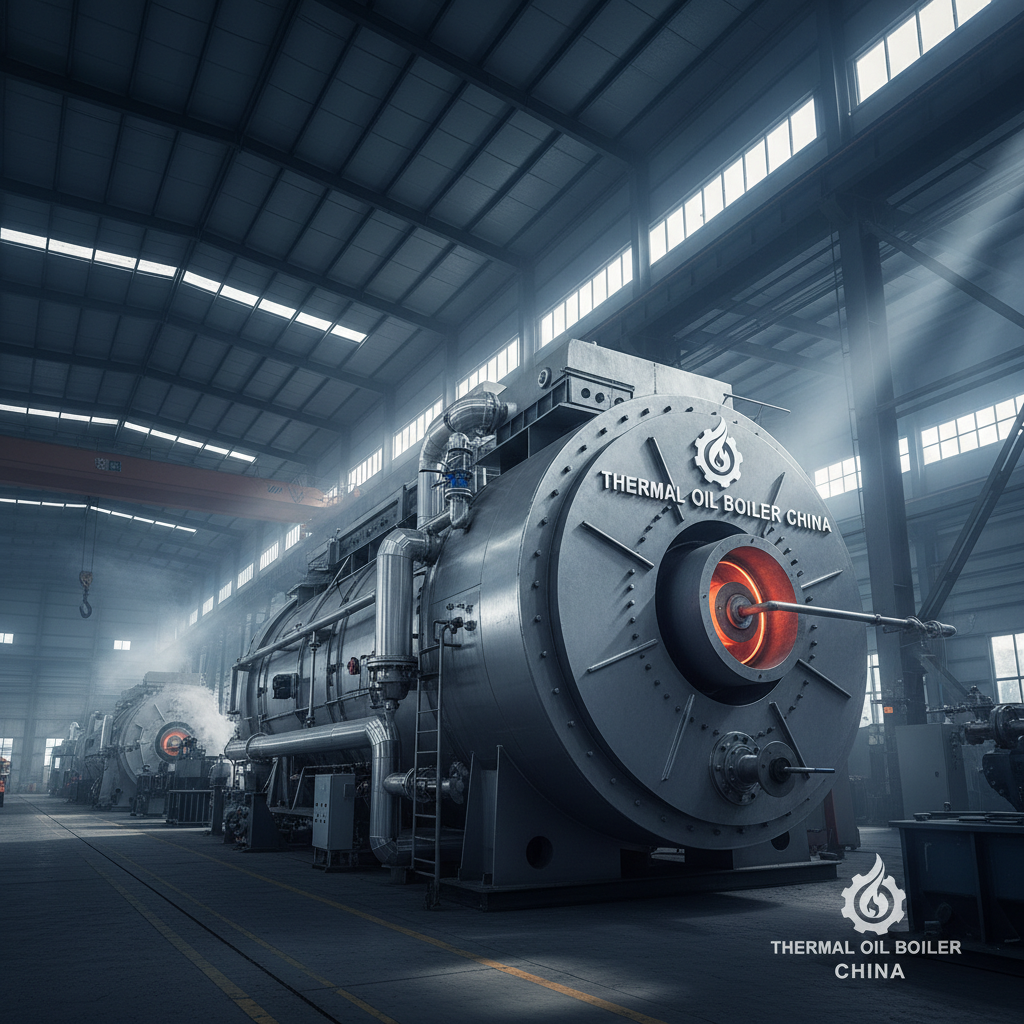
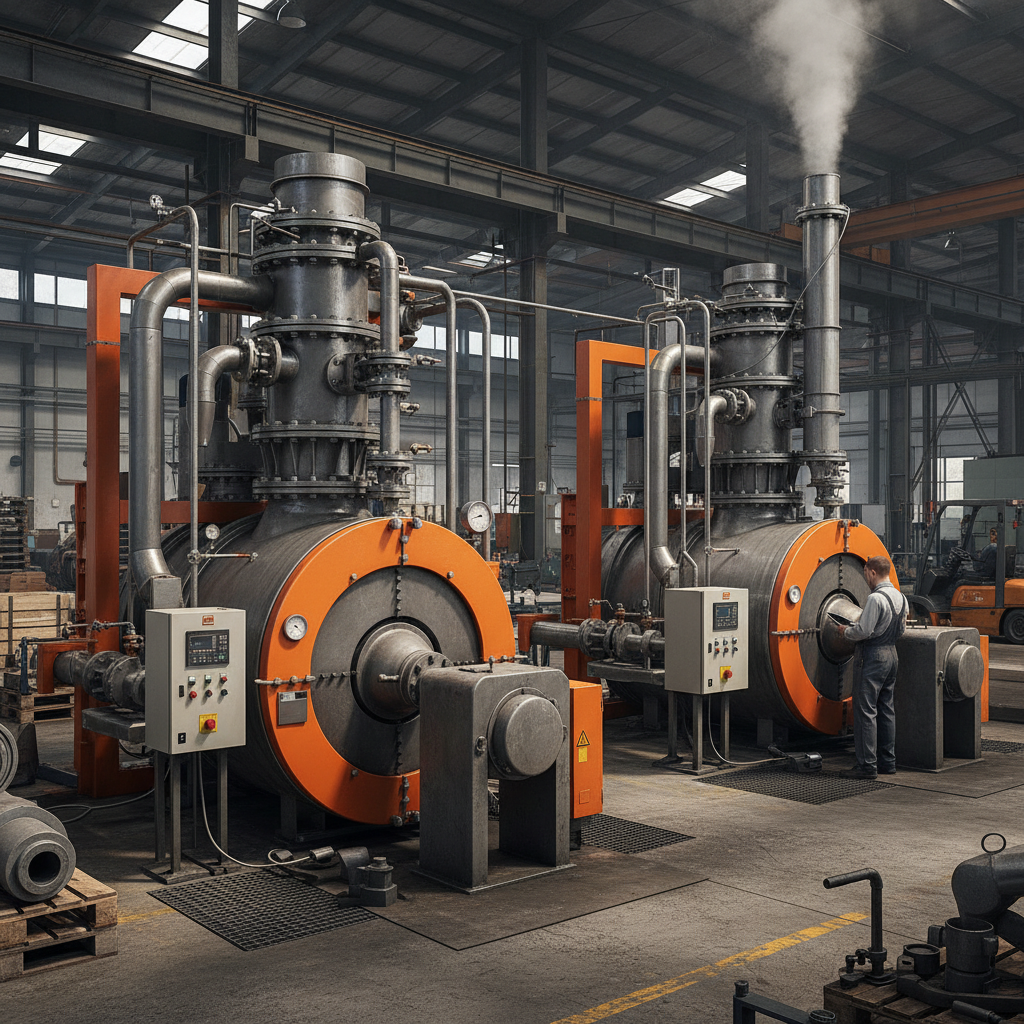
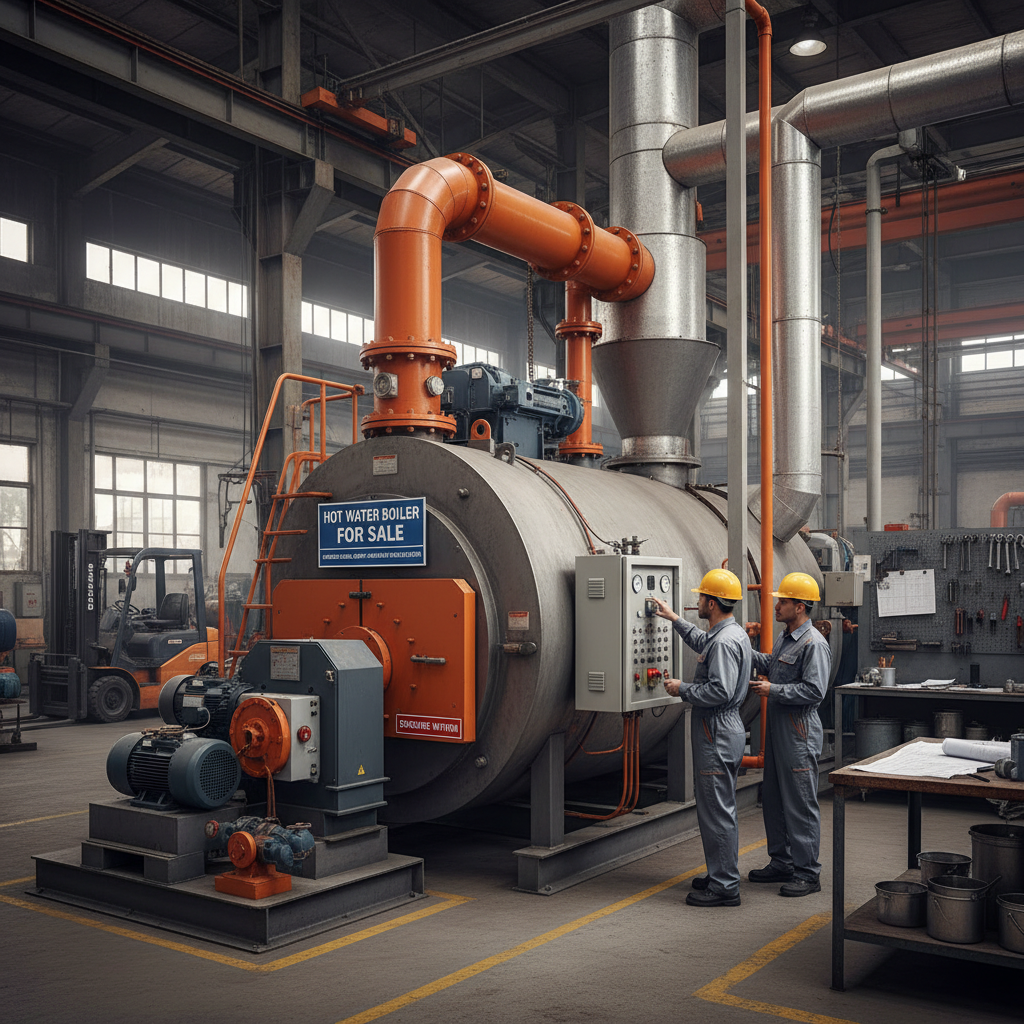
Thermal oil boilers manufactured in China represent a significant portion of the global supply, providing a cost-effective solution for numerous industrial heating needs. These boilers utilize a specially formulated thermal oil as the heat transfer medium, which circulates through a closed loop, delivering consistent and precise temperature control. They are distinct from traditional steam boilers due to their lower operating pressures and higher operating temperatures, offering advantages in specific applications.
The increasing prominence of thermal oil boiler china is driven by the country’s advancements in boiler technology and its capacity for large-scale production. Chinese manufacturers are now capable of producing boilers that meet international quality standards, making them a viable alternative to those from established European or American suppliers. However, due diligence is critical to ensure the selected boiler meets the specific requirements of your application and adheres to safety regulations.
Global Relevance & Industry Context
The demand for efficient and reliable industrial heating solutions is a global phenomenon, influenced by factors such as industrial growth, energy costs, and environmental regulations. Thermal oil boilers, and especially those from China, are playing an increasingly important role in meeting this demand. According to a report by the World Bank, industrial energy consumption is projected to rise significantly in developing countries over the next decade, creating a substantial market for these types of systems.
The chemical industry, in particular, relies heavily on thermal oil boilers for various processes including distillation, reaction heating, and solvent recovery. Similarly, the food processing industry utilizes these boilers for cooking, sterilization, and drying operations. Pharmaceutical companies depend on precise temperature control, making thermal oil boilers an ideal choice for manufacturing processes. The UN's Sustainable Development Goals further emphasize the need for energy-efficient technologies, adding to the relevance of thermal oil boilers.
A key challenge remains in ensuring consistent quality control across different manufacturers. While China offers competitive pricing, maintaining rigorous quality assurance processes is vital to avoid operational disruptions and safety concerns. The ISO 9001 certification is a common benchmark for quality management systems, and selecting suppliers with this certification is a prudent step.
Defining Thermal Oil Boiler China
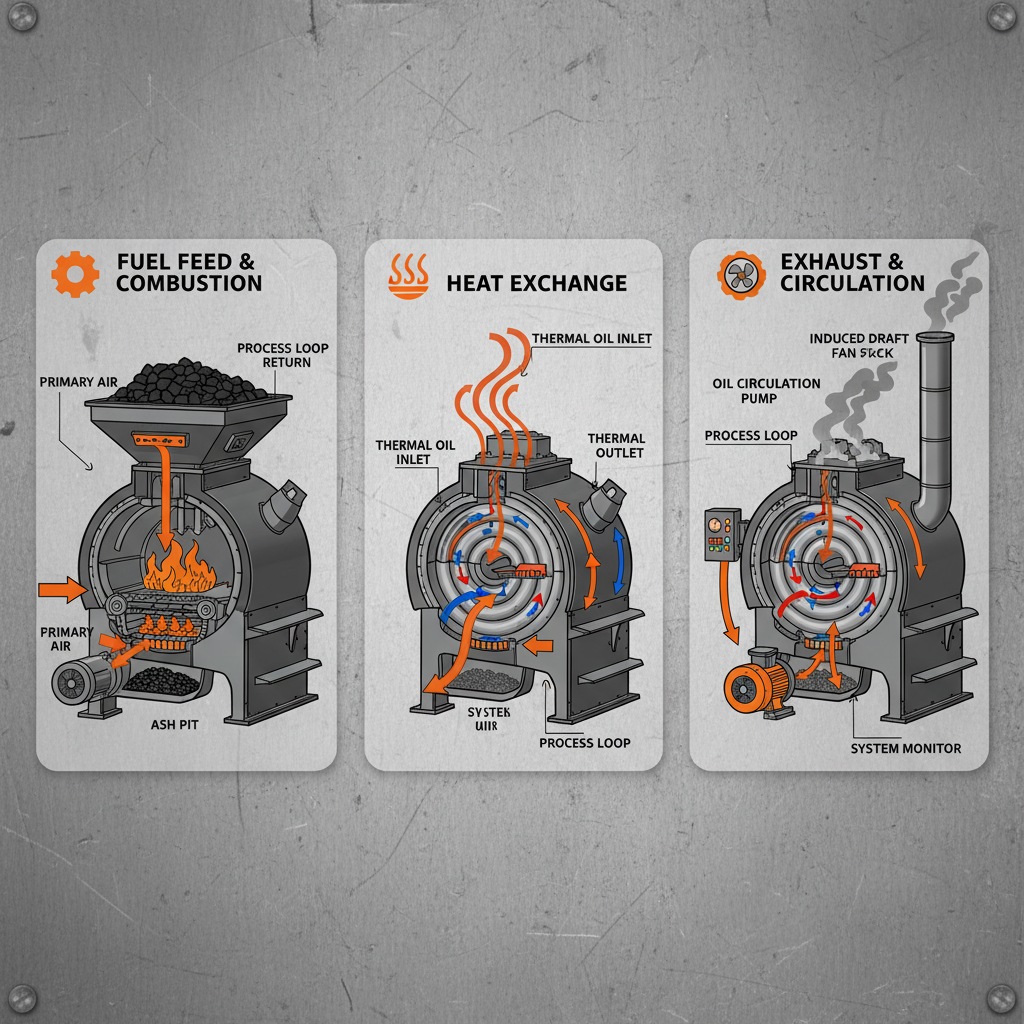
A thermal oil boiler china is a closed-loop heating system utilizing a specialized heat transfer fluid – thermal oil – to deliver consistent and precise temperatures. Unlike steam boilers that operate under pressure, these boilers function at atmospheric pressure, eliminating the risk of explosions and reducing maintenance requirements. The thermal oil circulates through the boiler and the application requiring heat, absorbing and transferring thermal energy efficiently.
The “china” designation indicates the country of origin for the manufacturing of these boilers. China has become a global hub for boiler production, benefiting from economies of scale, advanced manufacturing techniques, and a skilled labor force. However, it’s important to note that not all thermal oil boilers from China are created equal, and quality can vary significantly depending on the manufacturer and the materials used.
These boilers are integral to modern industry, enabling precise temperature control in a diverse range of applications. From complex chemical reactions to delicate food processing operations, thermal oil boilers provide the consistent and reliable heating necessary for optimal performance. They represent a critical link in many manufacturing supply chains and contribute to the efficient production of countless essential goods.
Key Factors of Thermal Oil Boiler China
When evaluating thermal oil boiler china, several key factors come into play. First, Durability is paramount. The boiler’s construction materials – typically carbon steel or stainless steel – must withstand high temperatures and prolonged use without corrosion or degradation. A robust design and high-quality welding are crucial for ensuring a long operational lifespan.
Secondly, Efficiency is a major consideration. The boiler’s ability to maximize heat transfer and minimize energy loss directly impacts operational costs. Factors such as insulation quality, burner design, and heat recovery systems contribute to overall efficiency. The third element is Temperature Control Precision. Thermal oil boilers excel at maintaining stable temperatures, critical for processes requiring consistent heating.
Thermal Oil Boiler China Performance Metrics
Global Applications and Use Cases
Thermal oil boiler china systems find diverse applications across various industries globally. In the chemical sector, they are essential for maintaining precise temperatures in reactors and distillation columns. The pharmaceutical industry utilizes them for sterilization processes and temperature-sensitive synthesis reactions. Food processing plants employ these boilers for cooking, drying, and pasteurization.
Beyond these core industries, thermal oil boilers are also used in the plastics and rubber industries for mold heating and material processing. Textile manufacturers utilize them for dyeing and finishing processes. In remote industrial zones, where access to steam infrastructure is limited, these boilers provide a reliable and independent heating solution.
Even in post-disaster relief operations, smaller, mobile thermal oil boilers can be deployed to provide heat for temporary shelters and medical facilities. Their ability to operate efficiently and safely without requiring complex infrastructure makes them invaluable in emergency situations.
Advantages & Long-Term Value
The advantages of utilizing thermal oil boiler china extend beyond simply providing heat. Cost efficiency is a major benefit, as these boilers typically require less maintenance and have lower operating costs compared to steam systems. The higher operating temperatures achieved with thermal oil also translate to increased process efficiency and faster production cycles.
Long-term value is further enhanced by the system’s inherent safety. Operating at atmospheric pressure eliminates the risk of explosions, contributing to a safer working environment. The reliability of modern thermal oil boilers also minimizes downtime and ensures continuous production. This equates to a substantial return on investment over the system’s lifespan.
Future Trends & Innovations
The future of thermal oil boiler china is intertwined with several emerging trends. A growing focus on sustainability is driving demand for more energy-efficient boiler designs and the development of renewable thermal oil alternatives. Digitalization and automation are also playing a key role, with advanced control systems optimizing boiler performance and reducing energy consumption.
Integration with smart grid technologies allows for dynamic load management and improved energy distribution. Researchers are exploring new materials and coatings to enhance heat transfer efficiency and prolong boiler lifespan. Furthermore, the implementation of predictive maintenance programs, leveraging data analytics and sensor technology, will further reduce downtime and optimize operational costs.
Challenges & Solutions
Despite their advantages, thermal oil boilers face certain challenges. Thermal oil degradation over time is a common concern, requiring regular analysis and replacement. Maintaining optimal oil quality is crucial for preventing fouling and corrosion. Another challenge is the proper disposal of spent thermal oil, which must be handled responsibly to minimize environmental impact.
Solutions include implementing robust oil monitoring programs, utilizing high-quality thermal oil formulations, and establishing partnerships with certified waste disposal facilities. Regular maintenance and inspection are also vital for identifying and addressing potential issues before they escalate. Investing in advanced filtration systems can further extend the lifespan of the thermal oil.
Summary of Thermal Oil Boiler China Maintenance Strategies
| Maintenance Task |
Frequency |
Estimated Cost (USD) |
Impact on Performance |
| Thermal Oil Analysis |
Quarterly |
50 - 150 |
High |
| Boiler Cleaning |
Annually |
200 - 500 |
Medium |
| Burner Inspection & Adjustment |
Semi-Annually |
100 - 300 |
Medium |
| Leak Detection |
Monthly |
20 - 50 |
High |
| Safety Valve Testing |
Annually |
100 - 200 |
Critical |
| Thermal Oil Replacement |
Every 5-7 Years |
1000 - 3000 |
High |
FAQS
Thermal oil boilers offer several advantages over steam boilers, including higher operating temperatures, lower operating pressures (reducing safety risks), and more precise temperature control. They also require less maintenance due to the absence of feedwater treatment and steam condensate return systems. This makes them ideal for applications where consistent and accurate heating is essential, such as chemical processing and pharmaceutical manufacturing. Choosing a thermal oil boiler china can lead to significant cost savings and increased operational efficiency.
The frequency of thermal oil replacement depends on several factors, including operating temperature, oil quality, and the presence of contaminants. Generally, thermal oil should be analyzed annually to assess its condition. Complete replacement is typically recommended every 5-7 years, or sooner if analysis reveals significant degradation, such as increased viscosity, sludge formation, or reduced thermal stability. Ignoring this maintenance can lead to reduced efficiency, fouling, and potential damage to the boiler.
Safety is paramount when operating a thermal oil boiler. Key precautions include ensuring proper ventilation, regular leak checks, and maintaining the oil within its recommended temperature range. Overheating can lead to oil degradation and potentially dangerous situations. It's also crucial to implement lockout/tagout procedures during maintenance and ensure that all personnel are properly trained on boiler operation and safety protocols. Compliance with local safety regulations is essential.
The lifespan of a thermal oil boiler typically ranges from 15 to 20 years, provided it's properly maintained and operated within its design parameters. Factors such as the quality of construction, the frequency of maintenance, and the severity of operating conditions all influence longevity. Regular inspections, timely repairs, and adherence to manufacturer recommendations can significantly extend the boiler's operational life.
Thermal oil boilers generally offer high efficiency, typically ranging from 85% to 95%, depending on the specific model and operating conditions. This efficiency stems from the efficient heat transfer properties of thermal oil and the minimal heat loss associated with closed-loop systems. Compared to older steam boiler systems, modern thermal oil boilers can provide significant energy savings. Proper insulation and burner optimization further enhance efficiency.
When selecting a supplier of thermal oil boiler china, prioritize factors such as certifications (ISO 9001), manufacturing experience, quality control processes, and after-sales support. Check for compliance with international standards and ensure the supplier offers comprehensive documentation and technical support. It’s also beneficial to review customer testimonials and case studies to assess the supplier's reliability and reputation. Requesting a factory audit is a proactive step towards ensuring quality.
Conclusion
In conclusion, thermal oil boiler china represent a powerful and versatile heating solution for a wide range of industrial applications. Their precision, efficiency, and safety characteristics make them increasingly attractive alternatives to traditional steam systems. Understanding the key factors involved in selection, operation, and maintenance is crucial for maximizing their long-term value and ensuring optimal performance. The continued innovation in this field, driven by sustainability concerns and technological advancements, promises even greater efficiency and reliability in the future.
Looking ahead, the demand for thermal oil boilers, particularly those from reputable Chinese manufacturers, is expected to remain strong. To ensure optimal results, consider a proactive approach to maintenance, investing in advanced control systems, and exploring renewable thermal oil alternatives. For high-quality, reliable thermal oil boilers, visit our website: www.hzsteamboiler.com.





 English
  Arabic
  Bengali
  French
  German
  Hindi
Hindi  Indonesian
  Kazakh
  Khmer
Khmer  Korean
  Kyrgyz
  Lao
Lao  Latin
Latin  Mongolian
  Nepali
  Russian
  Turkish
  Turkmen
  Uzbek
Uzbek