Thermal oil boiler manufacturers are crucial players in a multitude of industries, providing reliable and efficient heating solutions for processes that demand precise temperature control. These boilers, unlike traditional steam boilers, operate at lower pressures but achieve significantly higher temperatures, making them ideal for applications like chemical processing, pharmaceuticals, food production, and plastics manufacturing. The increasing demand for energy efficiency and process optimization globally is driving growth in the thermal oil boiler market, making manufacturers like thermal oil boiler manufacturer increasingly important.
The selection of a thermal oil boiler often hinges on factors like heat transfer efficiency, fuel type compatibility, and operational safety. Manufacturers are continually innovating to develop boilers that meet stricter environmental regulations and provide enhanced performance. Key considerations include the thermal oil's stability at high temperatures, the boiler’s ability to minimize thermal degradation of the oil, and the incorporation of advanced control systems for precise temperature management. A reliable thermal oil boiler manufacturer provides solutions tailored to specific process needs.
Furthermore, the scalability and flexibility offered by thermal oil boilers are significant advantages. They can easily adapt to changing production demands and are often a more cost-effective alternative to other high-temperature heating methods. The future of thermal oil boiler manufacturing lies in embracing digital technologies and sustainable practices, ensuring both operational efficiency and environmental responsibility.
Understanding Thermal Oil Boiler Manufacturing
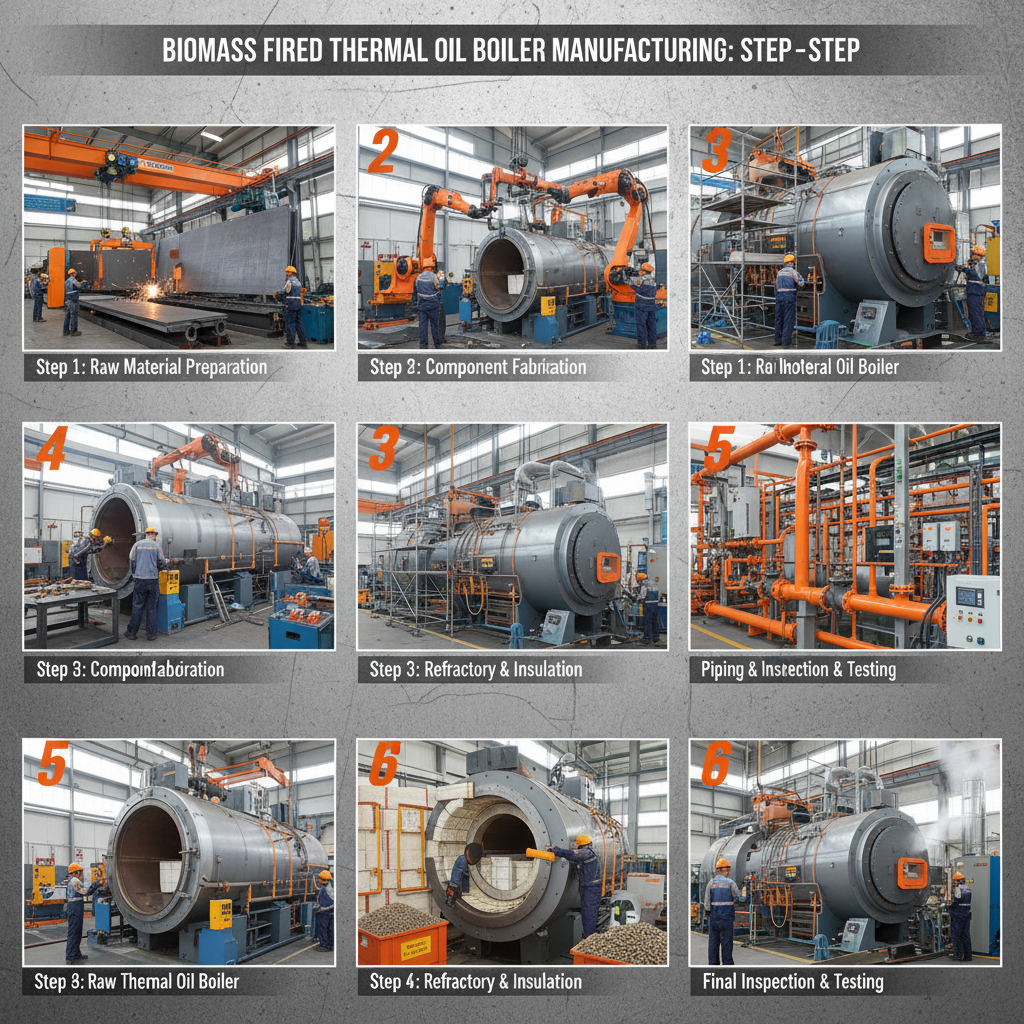
The process of thermal oil boiler manufacturing is a complex undertaking, requiring specialized expertise in metallurgy, heat transfer, and control systems. A quality thermal oil boiler manufacturer employs rigorous quality control measures throughout the entire production cycle, from raw material sourcing to final testing. This ensures the boilers meet stringent industry standards and deliver consistent, reliable performance.
Beyond the physical construction, a significant aspect of thermal oil boiler manufacturing lies in the design and optimization of the heat transfer system. Factors like tube arrangement, surface area, and fluid flow rates are meticulously calculated to maximize efficiency and minimize energy loss. Selecting the right materials, specifically those resistant to thermal degradation and corrosion, is also paramount to the longevity of the boiler.
Defining Thermal Oil Boiler Manufacturing
Thermal oil boiler manufacturing encompasses the design, fabrication, assembly, and testing of boilers that utilize thermal oil as the heat transfer fluid. These boilers are designed to heat the thermal oil to high temperatures (typically 250-350°C) without significant pressure increase, offering a safe and efficient alternative to steam systems. The term “manufacturing” isn’t merely about assembly; it includes the critical processes of material selection, welding techniques, and quality assurance protocols employed by a specialized thermal oil boiler manufacturer.
The core distinction between a thermal oil boiler and other boiler types lies in the indirect heating method. The thermal oil circulates through the boiler's heating chamber, absorbing heat from the fuel source, and then transfers that heat to the process application via a closed-loop system. This eliminates the risks associated with high-pressure steam and allows for precise temperature control.
This indirect heating system makes thermal oil boilers vital to industries requiring precise and consistent temperature control. The manufacturing process emphasizes longevity and performance within these demanding applications, solidifying the role of a skilled thermal oil boiler manufacturer.
Core Components of Thermal Oil Boilers
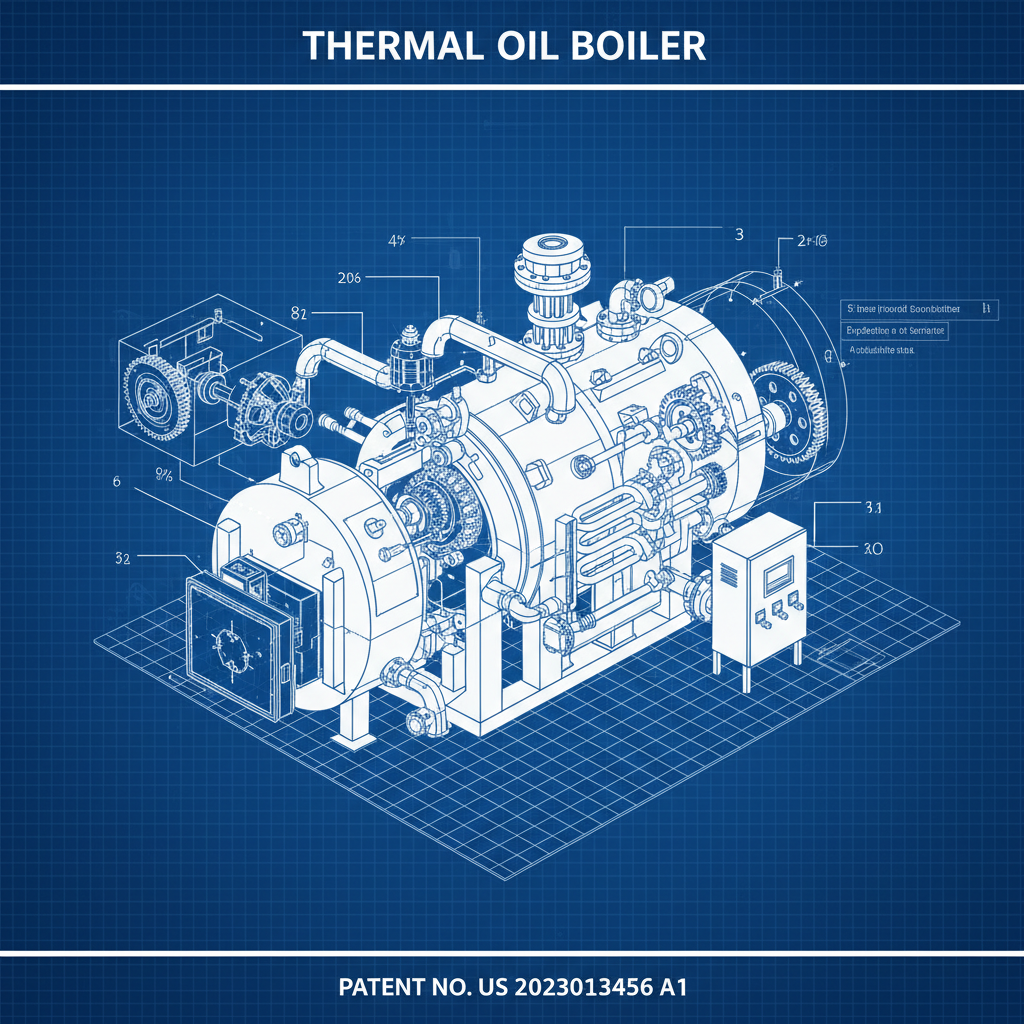
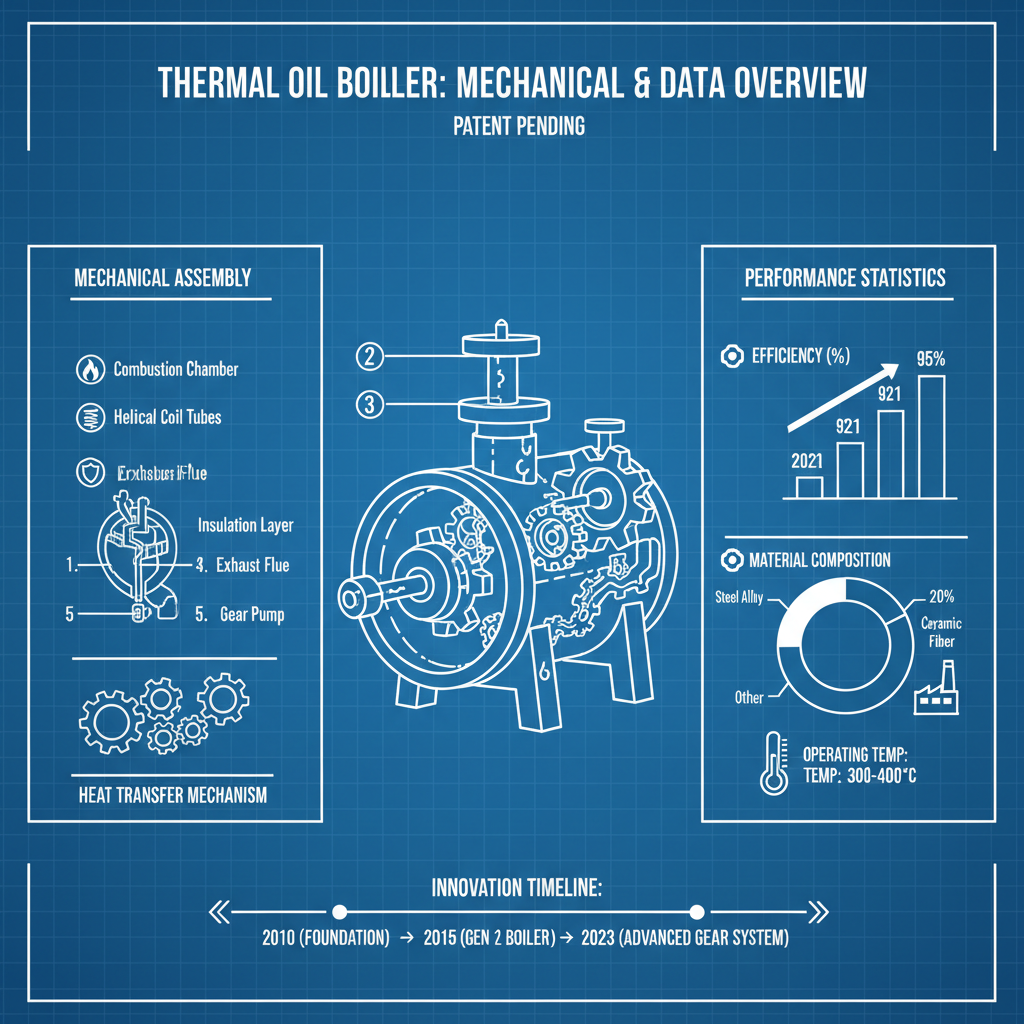
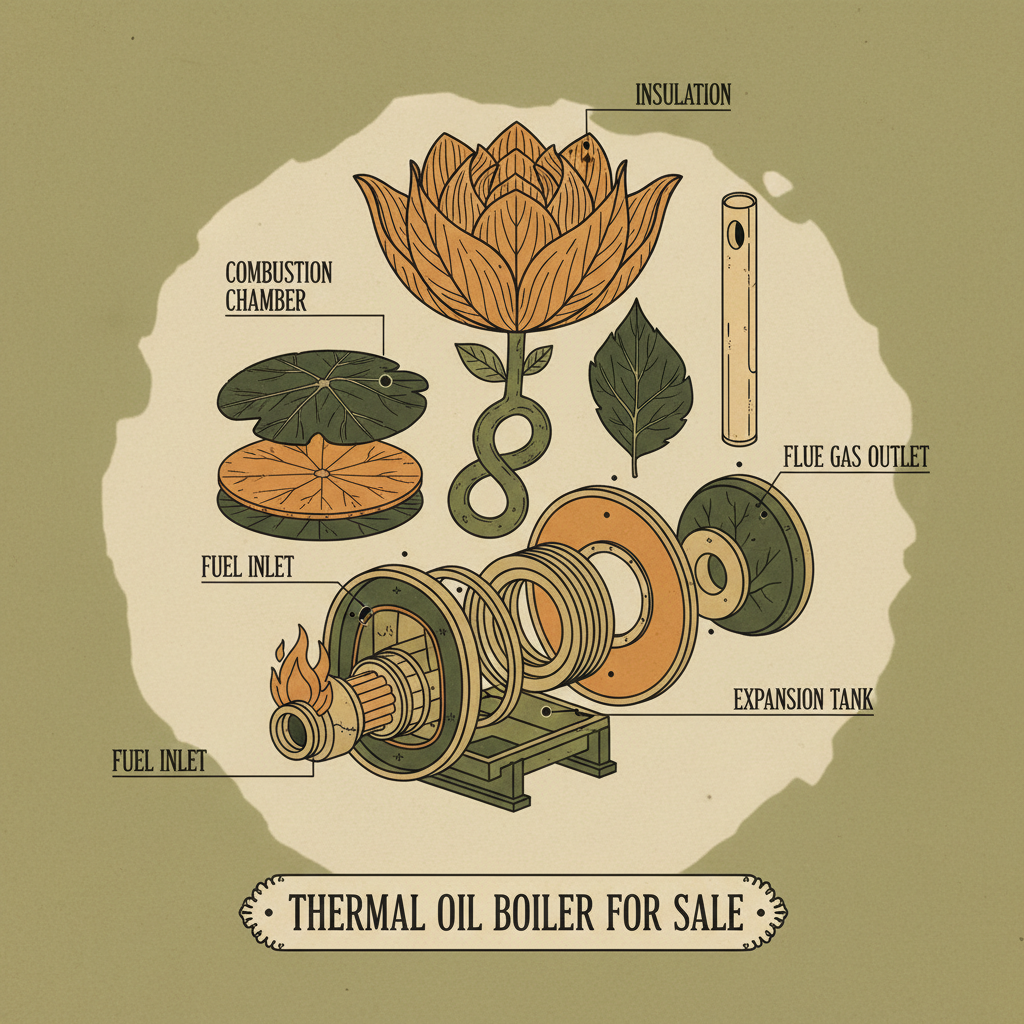
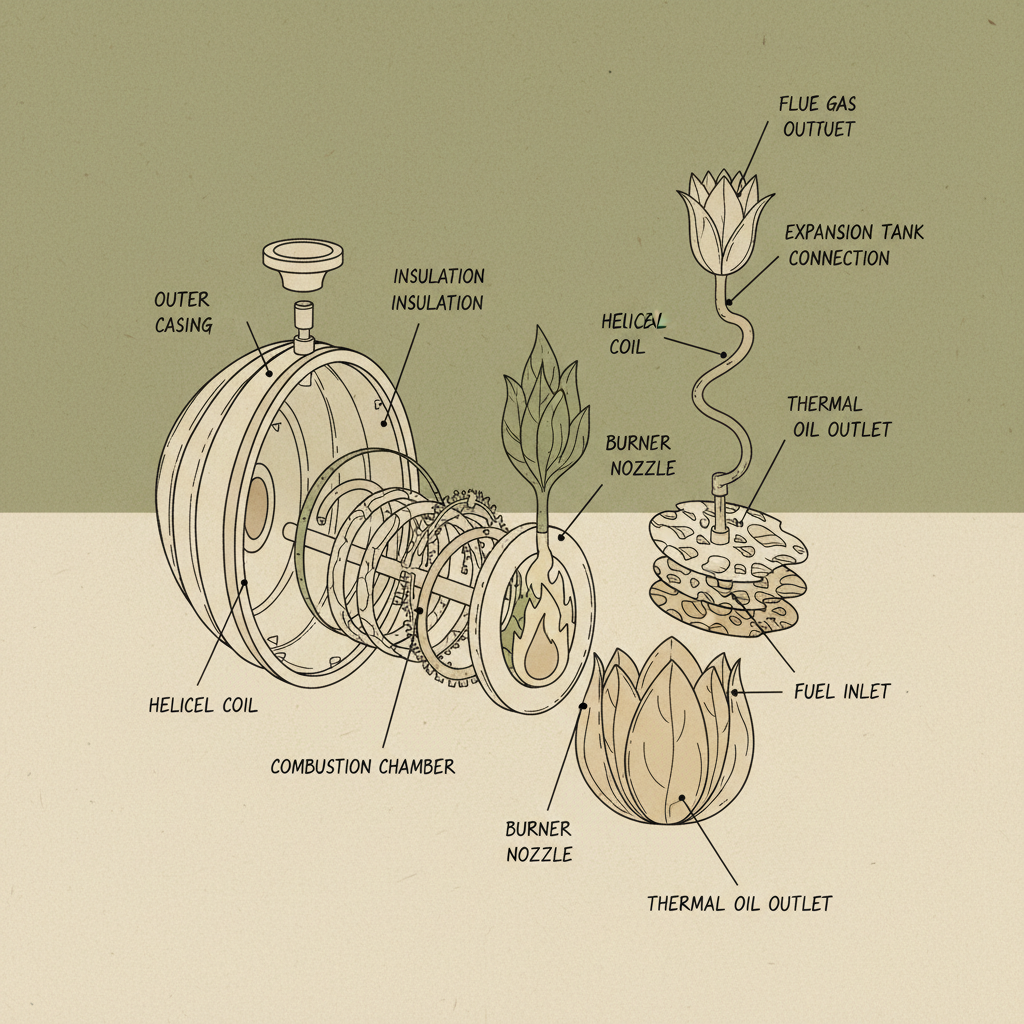
Several key components are integral to the functionality of a thermal oil boiler. The combustion chamber is where the fuel is burned, generating heat. The radiant and convection sections facilitate heat transfer to the thermal oil circulating through the tubes. A thermal oil storage tank ensures a consistent supply of heated oil, and a circulation pump maintains the flow within the system. A reputable thermal oil boiler manufacturer prioritizes the quality and integration of each component.
Crucially, the expansion tank accommodates the thermal expansion of the oil as its temperature increases. Sophisticated control systems, including temperature sensors, pressure gauges, and safety valves, are essential for monitoring and regulating the boiler's operation. The quality of these components directly impacts the boiler's efficiency, safety, and lifespan. Selecting a manufacturer with a proven track record in component sourcing and integration is paramount.
Furthermore, the burner system, whether gas, oil, or solid fuel-fired, plays a significant role in the overall efficiency. A properly designed burner ensures complete combustion, minimizing emissions and maximizing heat output. The selection of the appropriate burner is a crucial aspect of the manufacturing process, tailored to the specific fuel source and application requirements.
Key Performance Indicators for Thermal Oil Boilers
Assessing the performance of thermal oil boilers relies on several key indicators. Thermal efficiency, measuring the percentage of fuel energy converted into usable heat, is a primary metric. Another crucial factor is heat transfer rate, indicating the boiler’s capacity to deliver heat to the process application. A skilled thermal oil boiler manufacturer will provide detailed performance data for their products.
Furthermore, temperature stability and control precision are vital, particularly in applications demanding consistent heating. Fuel consumption rates and emissions levels are also important considerations, reflecting both operational costs and environmental impact. Regularly monitoring these KPIs allows for optimized operation and preventative maintenance.
Thermal Oil Boiler Manufacturer Performance Metrics
Global Applications of Thermal Oil Boilers
Thermal oil boilers find widespread application across numerous industries globally. In the chemical processing sector, they provide precise temperature control for various reactions and distillation processes. The pharmaceutical industry relies on them for sterile heating and temperature-sensitive manufacturing processes.
Furthermore, the food and beverage industry utilizes thermal oil boilers for cooking, sterilization, and pasteurization. The plastics industry employs them for injection molding and extrusion processes, requiring consistent and high temperatures. Demand for these systems extends to regions with robust manufacturing bases like China, Germany, and the United States, and a quality thermal oil boiler manufacturer serves these global markets.
Advantages of Selecting a Reputable Manufacturer
Choosing a reputable thermal oil boiler manufacturer offers significant advantages. These manufacturers provide boilers engineered for optimal efficiency, reliability, and safety. They typically offer comprehensive after-sales service, including installation, commissioning, maintenance, and spare parts supply.
Furthermore, experienced manufacturers possess in-depth knowledge of industry regulations and can ensure compliance with relevant standards. They often offer customized solutions tailored to specific application requirements, maximizing performance and minimizing operational costs. Investing in a quality boiler from a trusted thermal oil boiler manufacturer represents a long-term investment in process efficiency and reliability.
Beyond technical expertise, a reputable manufacturer prioritizes customer support and builds lasting relationships based on trust and responsiveness. This ensures continued smooth operation and timely resolution of any potential issues.
Future Trends and Innovations in Thermal Oil Boiler Manufacturing
The future of thermal oil boiler manufacturing is focused on enhancing efficiency, reducing emissions, and integrating digital technologies. Innovations in burner technology, such as low-NOx burners, are aimed at minimizing environmental impact. The development of advanced control systems, utilizing artificial intelligence and machine learning, allows for predictive maintenance and optimized operation.
Furthermore, research is underway to explore alternative thermal fluids with improved thermal stability and environmental profiles. The integration of Industry 4.0 principles, including remote monitoring and data analytics, will enable manufacturers to offer more proactive and value-added services. A forward-thinking thermal oil boiler manufacturer will embrace these technologies to deliver cutting-edge solutions.
Sustainable manufacturing practices, including the use of recycled materials and energy-efficient production processes, are also gaining prominence, reflecting a growing commitment to environmental responsibility within the industry.
Key Features and Performance Indicators of Thermal Oil Boilers
| Boiler Type |
Thermal Efficiency (%) |
Maximum Operating Temperature (°C) |
Typical Application |
| Vertical Fire-Tube |
85-90 |
350 |
Chemical Processing |
| Horizontal Fire-Tube |
80-85 |
320 |
Food & Beverage |
| Packaged Fire-Tube |
82-88 |
300 |
Pharmaceuticals |
| Three-Pass Fire-Tube |
87-92 |
340 |
Plastics Manufacturing |
| Compact Fire-Tube |
83-89 |
310 |
Textile Industry |
| Condensing Fire-Tube |
90-95 |
330 |
Paper & Pulp |
FAQS
Thermal oil boilers offer significant advantages over steam boilers, particularly in applications requiring precise temperature control. They operate at lower pressures, enhancing safety and reducing maintenance requirements. Furthermore, thermal oil provides superior heat transfer capabilities, eliminating condensate return and minimizing energy losses. This results in higher efficiency and reduced operating costs. A reputable thermal oil boiler manufacturer can help determine the best solution.
The frequency of thermal oil replacement depends on various factors, including operating temperature, oil quality, and system maintenance. Generally, thermal oil should be analyzed annually to assess its degradation levels. Complete oil replacement is typically recommended every 5-10 years, or sooner if significant degradation is detected. Proper oil analysis and maintenance are crucial for ensuring optimal boiler performance and preventing system failures. Consult with your thermal oil boiler manufacturer for specific recommendations.
Essential safety features in a thermal oil boiler include high-temperature cut-outs, low-oil level sensors, pressure relief valves, and emergency shutdown systems. Proper insulation and leak detection systems are also critical. A reputable thermal oil boiler manufacturer will incorporate these features into their designs and ensure compliance with relevant safety standards. Regular inspections and maintenance are vital for maintaining the integrity of these safety systems.
Thermal oil boilers are compatible with a wide range of fuels, including natural gas, propane, oil, and biomass. The choice of fuel depends on factors like cost, availability, and environmental considerations. Many modern boilers are designed to operate on multiple fuels, providing greater flexibility. A thermal oil boiler manufacturer can advise on the optimal fuel choice based on your specific needs and location.
Minimizing thermal oil degradation involves maintaining appropriate operating temperatures, avoiding localized overheating, and ensuring proper oil circulation. Regular oil analysis is crucial for detecting early signs of degradation. Implementing a preventative maintenance program, including regular cleaning and inspection of the boiler system, can also help prolong the oil's lifespan. Consult your thermal oil boiler manufacturer for recommended maintenance procedures.
The payback period for a new thermal oil boiler varies depending on factors such as the boiler's efficiency, energy costs, and production volume. However, the improved efficiency and reduced maintenance requirements of a modern boiler often result in a payback period of 2-5 years. Furthermore, the increased process reliability and reduced downtime can provide significant long-term benefits. A detailed cost-benefit analysis, conducted in collaboration with a thermal oil boiler manufacturer, can provide a more accurate estimate.
Conclusion
In conclusion, thermal oil boiler manufacturing plays a vital role in supporting a diverse range of industries by providing efficient, reliable, and safe heating solutions. The choice of a thermal oil boiler manufacturer is critical, impacting not only the initial investment but also long-term operational costs, performance, and environmental sustainability. Understanding the core components, key performance indicators, and future trends in this field is essential for informed decision-making.
As industries increasingly prioritize energy efficiency and environmental responsibility, the demand for innovative thermal oil boiler solutions will continue to grow. By embracing advanced technologies, sustainable practices, and a commitment to customer satisfaction, manufacturers can ensure continued success and contribute to a more sustainable future. Visit our website at www.hzsteamboiler.com to learn more about our thermal oil boiler solutions and how we can help optimize your heating processes.






 English
  Arabic
  Bengali
  French
  German
  Hindi
Hindi  Indonesian
  Kazakh
  Khmer
Khmer  Korean
  Kyrgyz
  Lao
Lao  Latin
Latin  Mongolian
  Nepali
  Russian
  Turkish
  Turkmen
  Uzbek
Uzbek