You know, things are moving fast these days. Everyone’s talking about modular designs, prefabrication… honestly, it’s all about speed to market now. But speed isn’t everything, right? I’ve seen too many projects rush things and end up with a right mess. Seems like everyone wants everything yesterday. And the pressure on materials…whew. It’s a whole different ball game.
Speaking of messes, the biggest trap I see, and I encountered this at the Xifeng Steel factory last time, is over-engineering. Guys get so caught up in specs and tolerances they forget about…well, reality. Real construction sites aren’t sterile labs. Dust, grime, water, guys dropping tools…you gotta design for that. A beautiful CAD model doesn’t mean squat if it can’t handle a bit of rough handling.
We use a lot of high-strength steel, naturally. Mostly Q345B, that’s the workhorse. Feels solid, bit oily when it’s new, you get used to it. And for the panels, it's a combination of galvanized steel and, increasingly, aluminum composite materials. The aluminum stuff…it’s lighter, sure, but it doesn't feel as robust. Strangely, the guys on site always give it a little extra tap to check if it's actually solid. We also use a lot of phenolic resin panels. You can smell that stuff a mile away; kind of a sweet, chemical scent. Takes a bit of getting used to, but it’s incredibly durable.
Introduction to Thermic Fluid Boiler Technology
Thermic fluid boilers, frankly, they’re not glamorous. But they’re essential. They provide consistent, reliable heat for processes that just can't be done with steam or direct fire. Think plastics manufacturing, chemical processing, even some food production.
What’s really picking up steam (pun intended!) is their use in concentrated solar power plants. Using thermic fluid to transfer heat from the sun… it’s brilliant, really. Allows for energy storage and continuous operation even when the sun isn’t shining.
We’ve seen demand increase significantly in the last few years, especially in regions trying to reduce their reliance on fossil fuels. There's a lot of talk about sustainability, and these boilers can play a key role in that, particularly when paired with renewable energy sources. But, and this is a big but, they need proper maintenance. Neglect them, and you're asking for trouble.
The Core Components of a Thermic Fluid Boiler
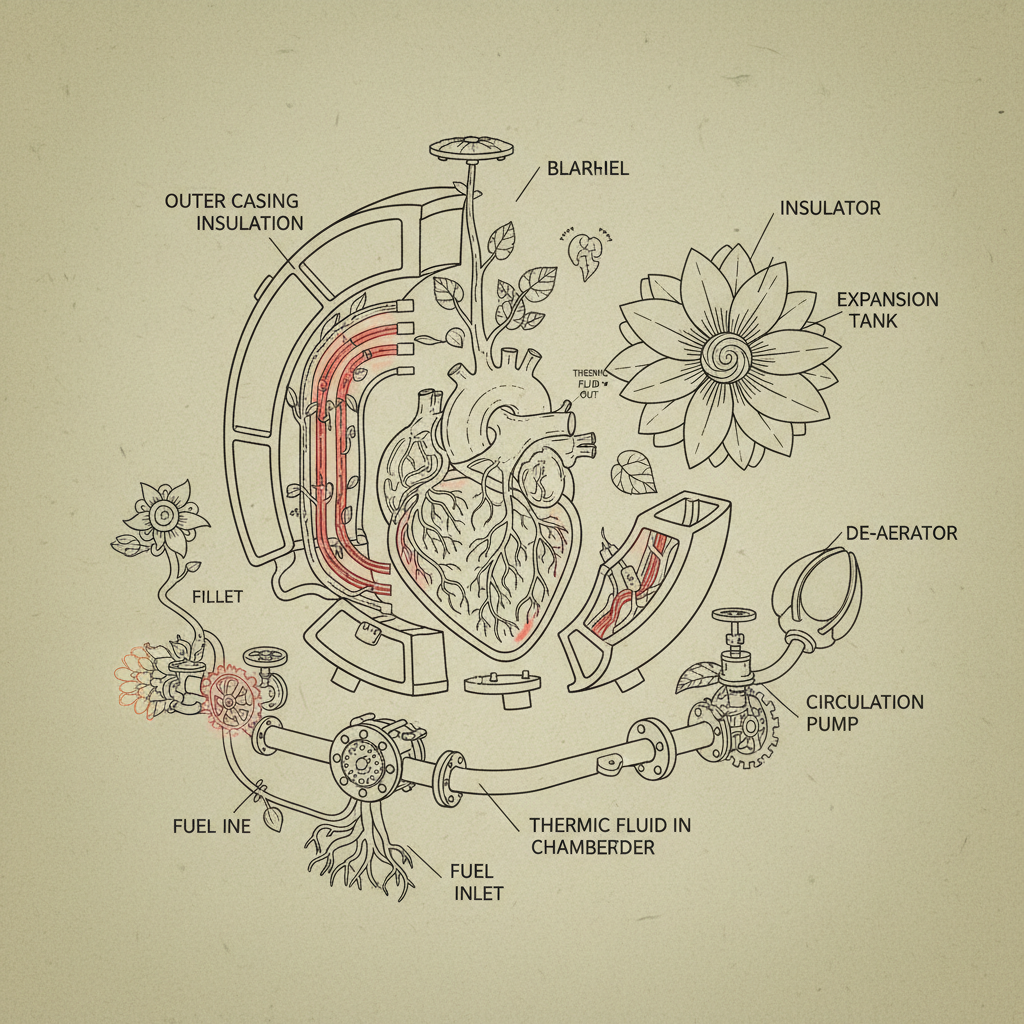
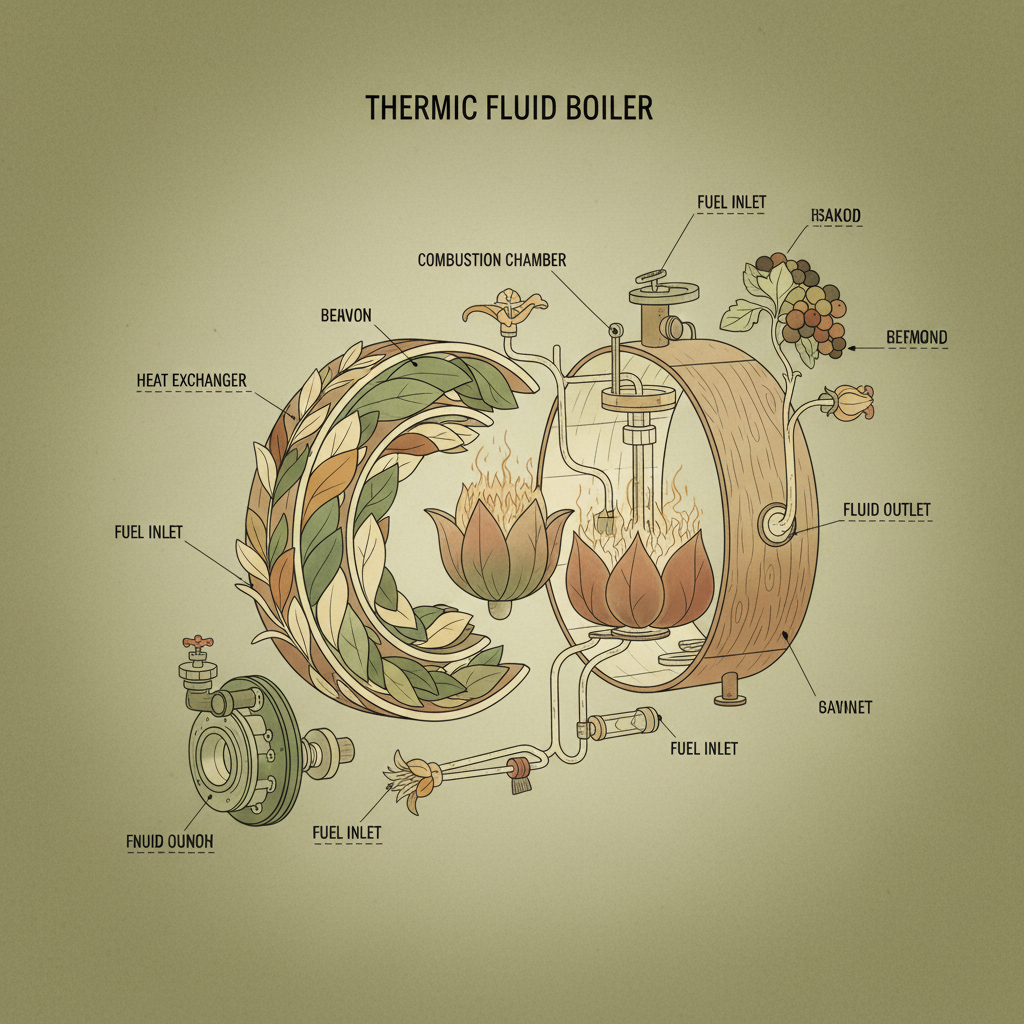
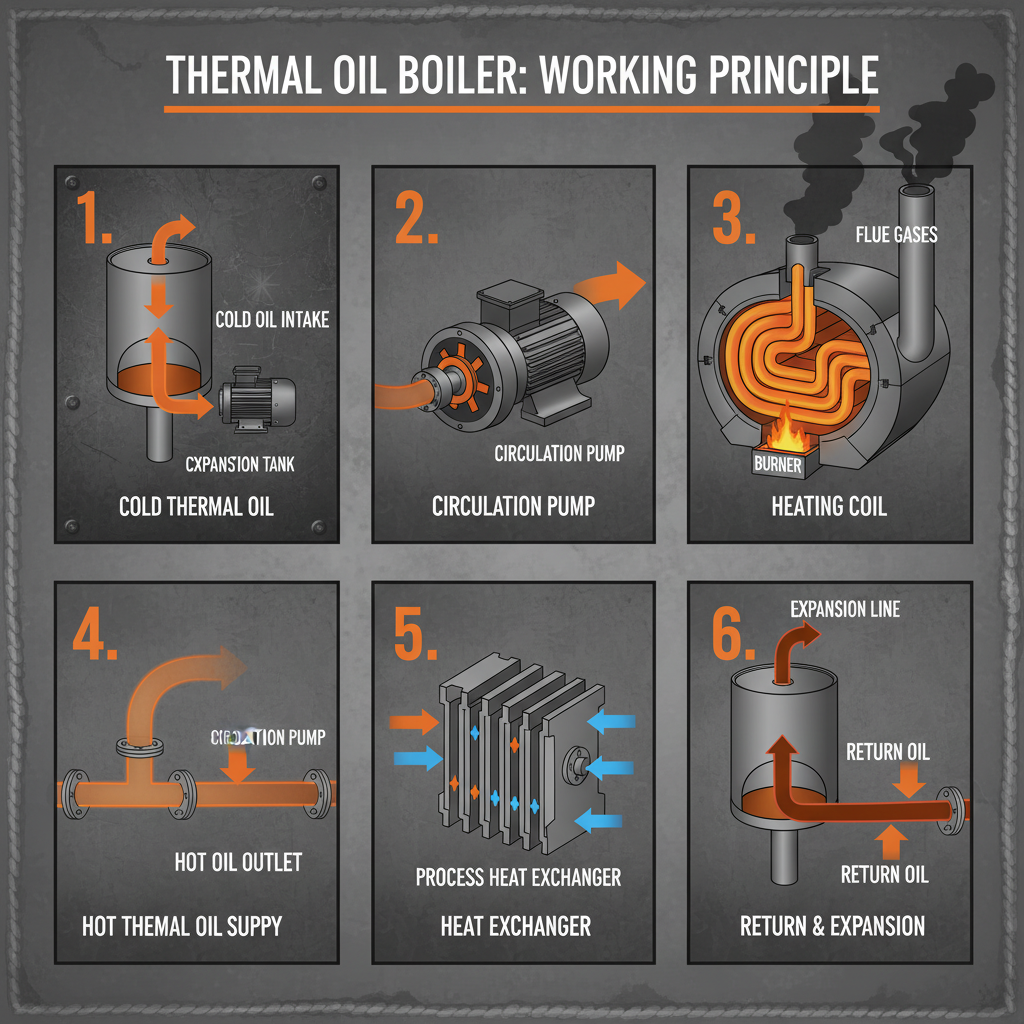
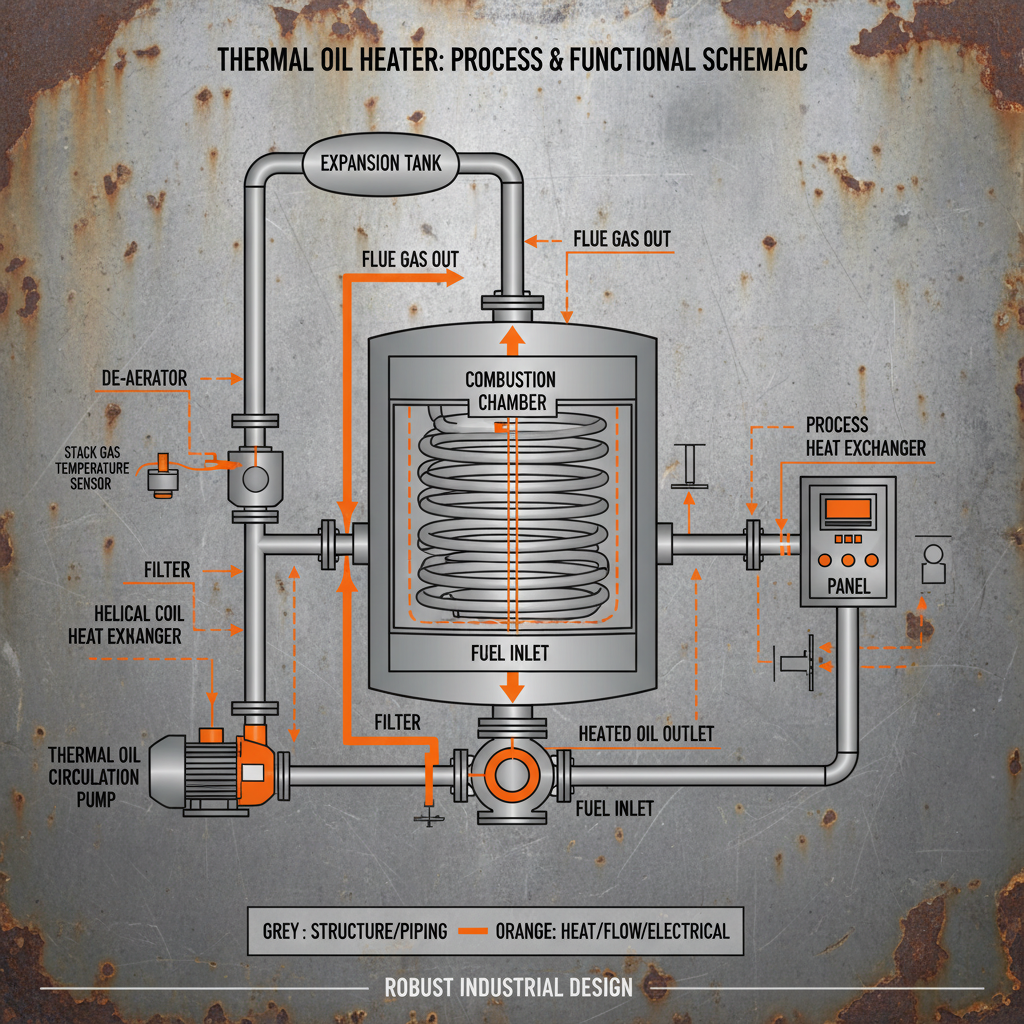
Okay, let’s break down what's inside one of these things. You’ve got the heater – usually gas-fired, sometimes electric, occasionally oil. Then the circulation pump, that’s crucial for maintaining consistent temperature and preventing hot spots. The expansion tank is key too – thermic fluid expands when it heats up, and you need somewhere for it to go. If you don’t…well, things get messy, and I’ve cleaned up those messes.
And, of course, the fluid itself. That's the heart of the system. We primarily use synthetic organic fluids, but mineral oils are also used. Each has its pros and cons – temperature range, thermal stability, flammability… it's a complex decision. The fluid needs to be compatible with the process it's heating, that’s paramount.
The control system is becoming increasingly sophisticated. We’re seeing more and more PLC-based controls, allowing for precise temperature regulation, remote monitoring, and automated safety shutdowns. It's a good thing, really, because relying on a guy with a thermometer just isn’t cutting it anymore. It’s still important to have a qualified operator though - technology isn't a substitute for experience.
Durability and Longevity in Thermic Fluid Boilers
To be honest, durability is a big selling point. These aren’t things you want to be replacing every few years. A well-maintained system should last 15-20 years, easily. But it depends. It depends on the quality of the materials, the operating conditions, and, crucially, the maintenance schedule.
The biggest enemy of a thermic fluid boiler is thermal degradation of the fluid. Over time, the fluid breaks down, forming sludge and deposits. That reduces heat transfer efficiency and can lead to corrosion. Regular fluid analysis is essential – checking for acidity, viscosity, and the presence of degradation products. I encountered a situation last month where a plant hadn’t changed their fluid in eight years. It was like tar. Just…tar.
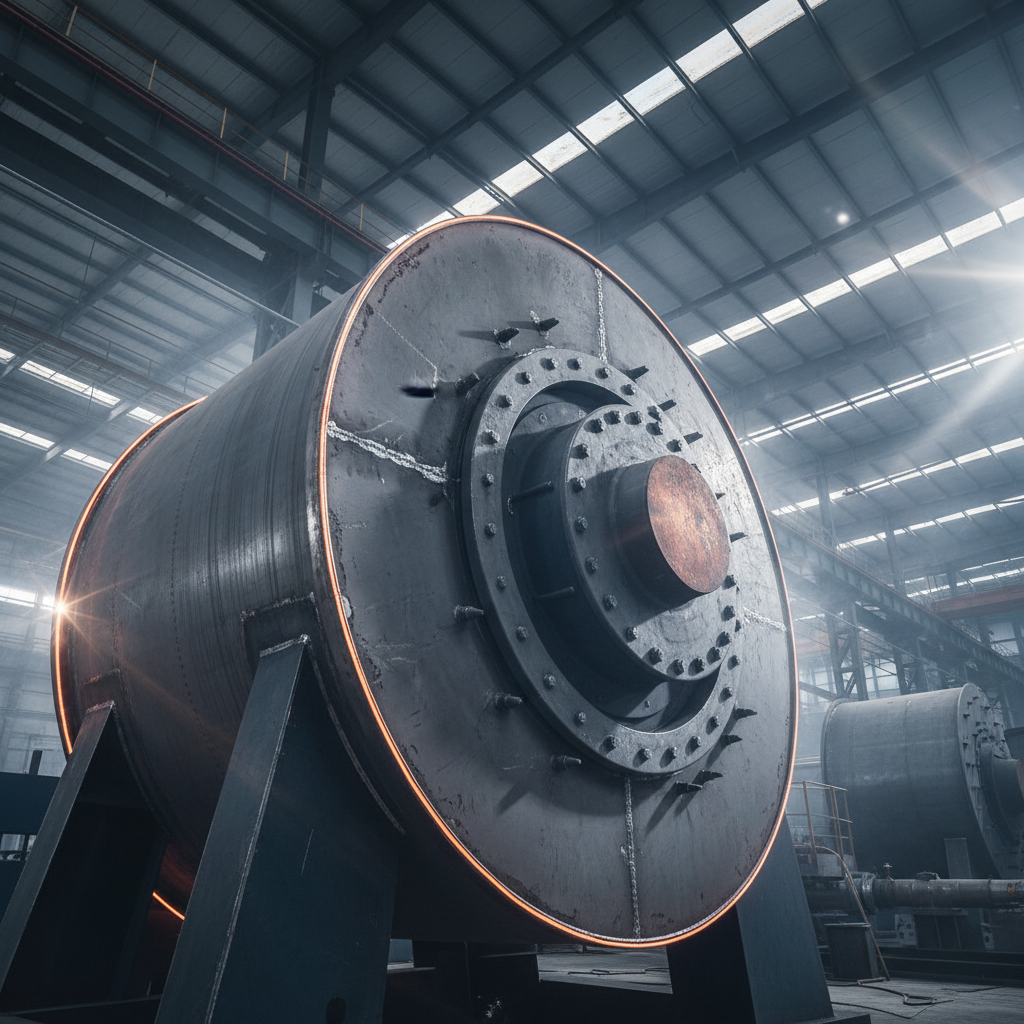
Construction quality is also huge. Welds need to be impeccable, the insulation needs to be robust, and the materials need to be corrosion-resistant. We use a lot of stainless steel for critical components, but even stainless steel can corrode if the fluid isn’t properly maintained. Anyway, I think a good design is one that anticipates problems before they happen.
Performance Metrics and Efficiency Ratings
Have you noticed how everyone focuses on efficiency? It’s the buzzword of the decade. With thermic fluid boilers, you're looking at thermal efficiency, which is basically how much of the fuel's energy actually goes into heating the fluid. We aim for 85-90%, which is pretty good.
But efficiency isn't just about the boiler itself. It's about the whole system – the insulation of the piping, the heat exchangers, the control system. A leaky pipe can negate all the efficiency gains of a high-performance boiler. And of course, the fluid's heat transfer coefficient plays a big role.
We use a combination of simulations and real-world testing to determine efficiency ratings. Simulations are useful for initial design, but nothing beats testing a fully operational system under realistic conditions. We have a dedicated test facility where we can subject boilers to a range of loads and operating conditions.
Thermic Fluid Boiler Performance Comparison
Global Applications of Thermic Fluid Boiler Systems
We’re shipping these things all over the place. Europe’s big on them, especially in Germany and Italy – they’ve got a lot of chemical plants. North America is growing fast, driven by the plastics industry. And surprisingly, there’s a huge demand in Southeast Asia, particularly in countries like Vietnam and Indonesia. They’re expanding their manufacturing capacity rapidly.
They’re used in everything from asphalt production to food processing. I saw one at a chocolate factory last year - keeping the chocolate at a precise temperature during manufacturing. Sounds sweet, right? It wasn’t. The humidity in that place was atrocious.
Advantages and Limitations of Thermic Fluid Boilers
Advantages? Consistent temperature control, that’s the big one. No steam hammer, no water treatment issues. Easier to operate than a steam system, generally. And they can operate at higher temperatures than water-based systems, which is critical for certain processes.
Limitations…well, the fluid is flammable. You need to be careful about leaks and overheating. And the fluid degrades over time, requiring regular analysis and replacement. The initial cost is also higher than a comparable steam boiler. But, over the long run, the lower maintenance costs and higher efficiency often offset that initial investment.
Future Trends and Customization Options
The trend is definitely towards more integrated systems – boilers linked to energy management systems, providing real-time data on performance and consumption. We’re also seeing a lot of interest in hybrid systems, combining thermic fluid boilers with renewable energy sources like solar thermal collectors.
Customization is huge. Last month, a small boss in Shenzhen who makes smart home devices insisted on changing the interface to . Said it was “more modern.” It made the wiring a nightmare, honestly. But you gotta give the customer what they want, right? We also get requests for different materials, specialized controls, and customized heat exchanger designs. It’s all about tailoring the system to the specific application.
I think we'll see more advanced fluid monitoring systems in the future – sensors that can detect degradation products before they cause problems. That’ll save a lot of headaches.
Summary of Thermic Fluid Boiler Performance and Customization
| Performance Aspect |
Typical Range |
Impact on Operations |
Customization Options |
| Thermal Efficiency |
85-92% |
Reduces fuel costs, lowers emissions |
High-efficiency burners, improved insulation |
| Operating Temperature |
150-350°C |
Allows for a wider range of process applications |
Specialized fluid selection, high-temperature materials |
| Fluid Degradation Rate |
Variable (dependent on conditions) |
Impacts heat transfer, corrosion risk |
Fluid analysis, filtration systems, fluid regeneration |
| Control System Response Time |
1-5 seconds |
Maintains precise temperature control |
PLC-based controls, advanced algorithms |
| System Footprint |
Variable (dependent on capacity) |
Impacts space requirements |
Compact designs, modular construction |
| Safety Features |
High/Low pressure switches, overheat protection |
Prevents accidents and damage |
Redundant sensors, emergency shutdown systems |
FAQS
That really depends on the operating conditions and the quality of the fluid. Generally, you're looking at 5-10 years, but regular testing is crucial. Ignoring it is just asking for trouble. We recommend annual fluid analysis to monitor degradation and ensure optimal performance. Higher temperatures and poor maintenance will drastically reduce its lifespan. A good fluid is an investment, not an expense.
They can be, but it's not ideal. Frequent start-ups and shutdowns put stress on the system and can accelerate fluid degradation. It's better to maintain a relatively constant load whenever possible. If intermittent operation is unavoidable, proper warm-up and cool-down procedures are essential to prevent thermal shock. We can design systems with features to minimize stress during cycling.
The fluid is flammable, so you need to be extremely careful. Avoid leaks, ensure proper ventilation, and never expose the fluid to open flames or ignition sources. Personnel should wear appropriate personal protective equipment, including gloves and eye protection. A thorough understanding of the fluid's safety data sheet (SDS) is essential. It's not something you mess around with.
The initial cost is generally higher than a steam boiler, but the long-term operating costs can be lower due to higher efficiency and reduced maintenance. The cost also depends on the size and complexity of the system. You've gotta factor in the fluid replacement costs too, which are ongoing. It’s a lifecycle cost analysis - what looks cheap upfront might be expensive in the long run.
Generally, no. Different fluids have different properties, and mixing them can lead to compatibility issues and reduced performance. You need to select a fluid that is specifically designed for the intended application and operating conditions. Switching fluids requires a thorough cleaning and flushing of the system to remove any residual contamination. Don't just pour anything in there.
Regular maintenance is key. This includes fluid analysis, filter replacement, leak checks, burner inspections, and control system calibration. We recommend a scheduled maintenance program tailored to the specific system and operating conditions. Ignoring maintenance will inevitably lead to problems and costly repairs. Prevention is always cheaper than a cure.
Conclusion
So, there you have it. Thermic fluid boilers aren’t the flashiest bits of kit, but they’re incredibly reliable and efficient when done right. They’re essential for a huge range of industrial processes, and they’re becoming increasingly important as the world moves towards more sustainable energy solutions. It's about understanding the details, choosing the right materials, and prioritizing preventative maintenance.
Ultimately, whether this thing works or not, the worker will know the moment he tightens the screw. He'll feel it - the solidness, the lack of resistance, the rightness of it. That’s what matters in the end. That and making sure you’ve got a good supply of rags handy.





 English
  Arabic
  Bengali
  French
  German
  Hindi
Hindi  Indonesian
  Kazakh
  Khmer
Khmer  Korean
  Kyrgyz
  Lao
Lao  Latin
Latin  Mongolian
  Nepali
  Russian
  Turkish
  Turkmen
  Uzbek
Uzbek