The efficient and reliable transfer of thermal energy is crucial across a vast spectrum of industries, from power generation and chemical processing to food production and district heating. A heat transfer oil boiler plays a central role in achieving this, providing a closed-loop system for heating processes without direct combustion within the heated medium. This technology is increasingly vital as industries demand higher temperatures, precise control, and enhanced safety in their operations.
Globally, the demand for efficient thermal energy solutions is driven by growing industrialization, particularly in emerging economies, and increasingly stringent environmental regulations. The move toward greater energy efficiency and reduced carbon emissions necessitates innovative heating technologies like heat transfer oil boilers. According to the International Energy Agency (IEA), industrial heat accounts for a significant portion of global energy consumption, highlighting the potential for substantial savings through optimized heating processes.
The increasing focus on process optimization and sustainable energy practices is accelerating the adoption of heat transfer oil boiler systems. These boilers offer benefits like consistent temperatures, reduced maintenance, and minimal environmental impact compared to traditional direct-fired heating methods. They represent a core technology in modern industrial infrastructure, enabling efficient and safe operations in a diverse range of applications.
Introduction to heat transfer oil boiler
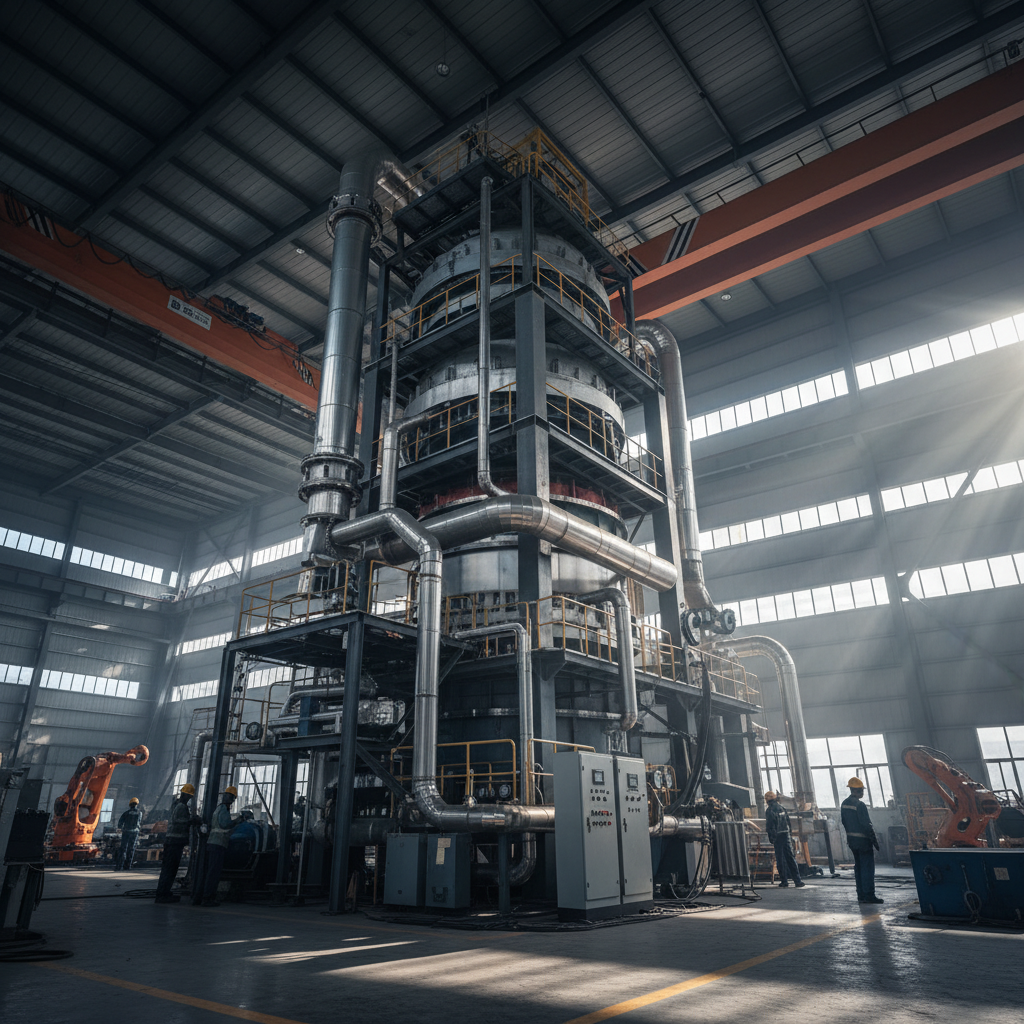
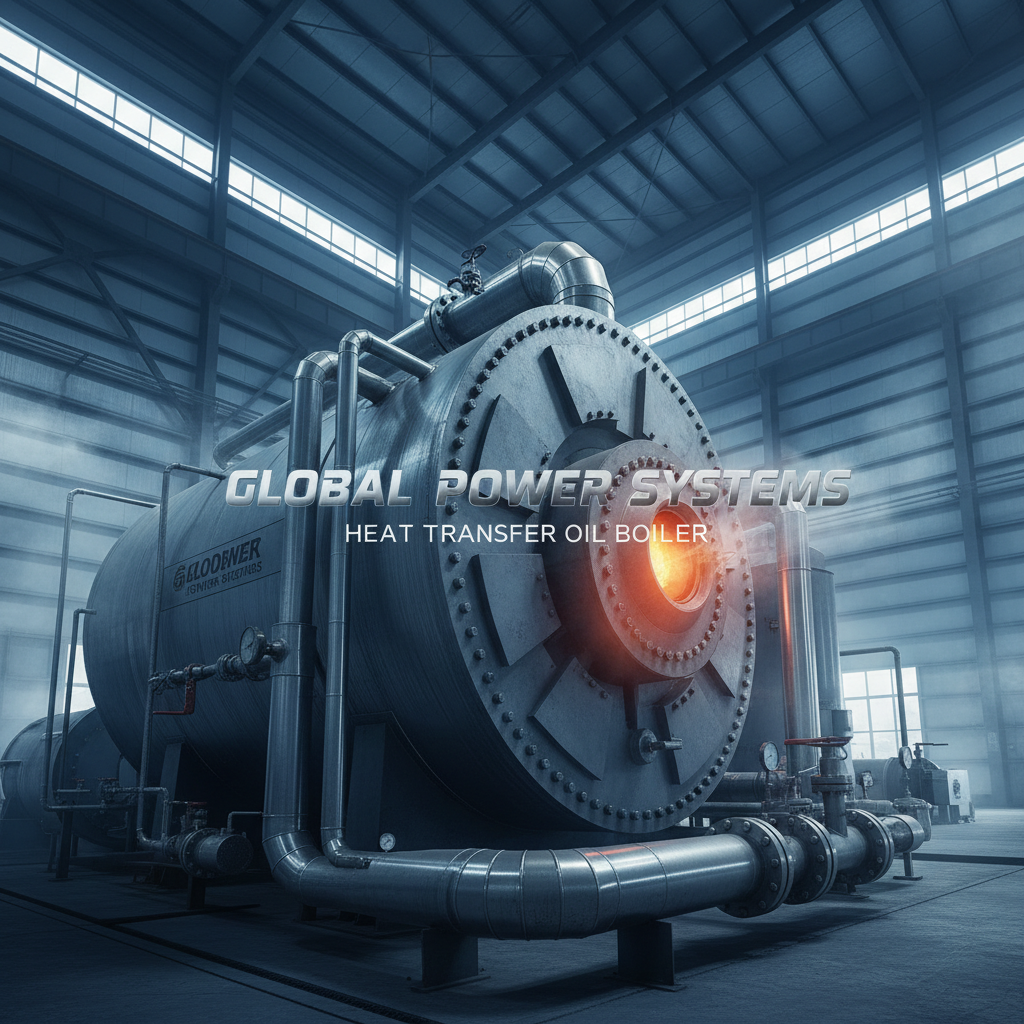
A heat transfer oil boiler is a sophisticated heating system designed to provide consistent and precise thermal energy. Unlike direct-fired boilers, these systems utilize a thermally stable oil as the heat transfer medium, circulating it through a closed loop to deliver heat to various industrial processes. This ensures a uniform temperature distribution and minimizes the risk of localized overheating.
The primary function of a heat transfer oil boiler is to heat a specialized oil—typically a mineral oil or synthetic fluid—to a high temperature and then circulate it to end-users. This provides a safe, efficient, and reliable method for supplying heat to various applications, making it a cornerstone of many industrial operations.
Global Relevance of Heat Transfer Oil Boilers
The relevance of heat transfer oil boilers spans across the globe, serving critical roles in a diverse range of industries. Rapid industrialization in regions like Asia-Pacific, coupled with increasing demand for energy-efficient processes, is driving significant growth in the adoption of this technology. The European Union's focus on reducing carbon emissions is also accelerating the transition towards cleaner and more efficient heating solutions.
The United Nations Sustainable Development Goals (SDGs), particularly SDG 7 (Affordable and Clean Energy) and SDG 9 (Industry, Innovation, and Infrastructure), are indirectly supported by the use of heat transfer oil boilers. Their contribution to energy efficiency directly addresses the need for sustainable energy sources, while their role in industrial processes promotes economic growth and innovation.
The need for reliable and efficient thermal energy is a universal challenge. Heat transfer oil boilers provide a viable solution for industries striving to meet production targets while adhering to increasingly stringent environmental standards. Their inherent flexibility and scalability make them suitable for various applications and geographical locations, solidifying their global relevance.
Defining a heat transfer oil boiler
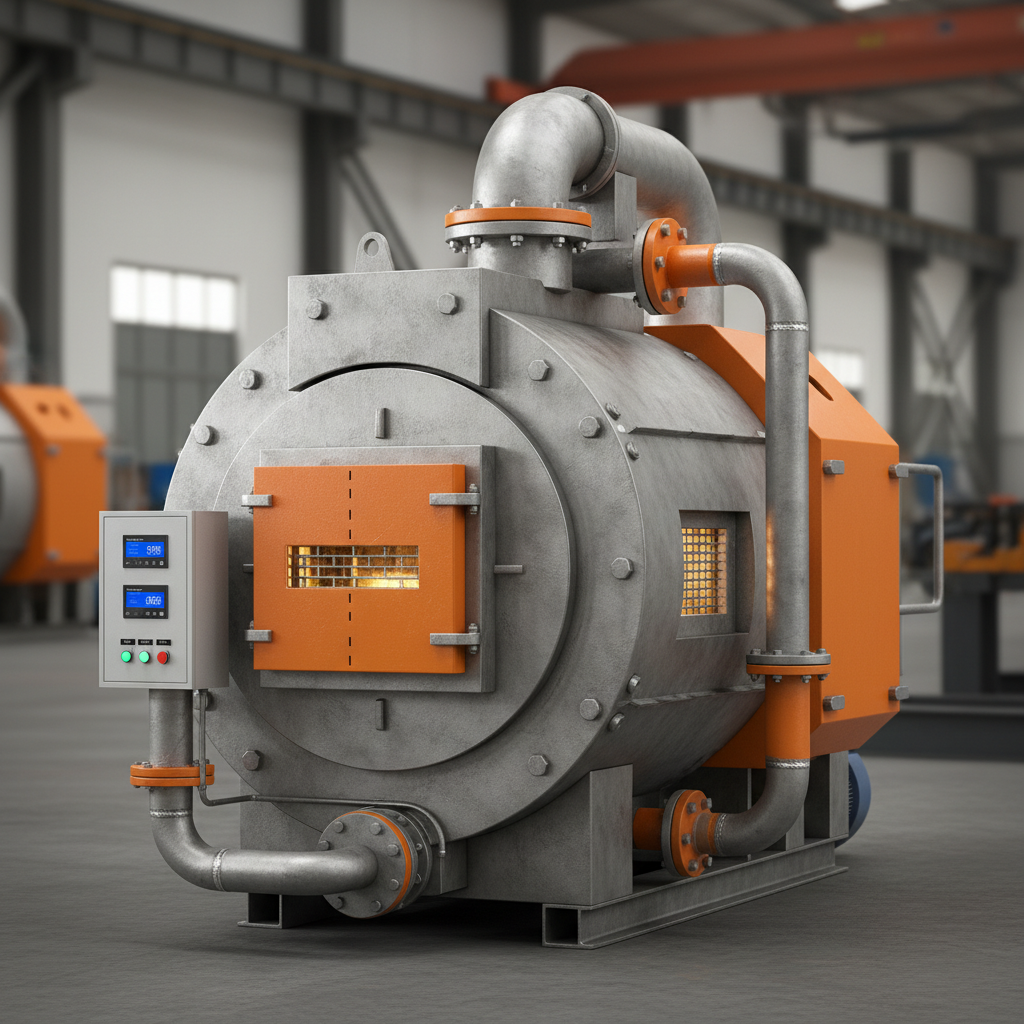
Simply put, a heat transfer oil boiler is a closed-loop heating system that utilizes a specialized oil to transport thermal energy. Unlike traditional boilers that produce steam, these systems heat the oil directly and then circulate it through piping to deliver heat to the point of use, be it a reactor, a dryer, or a heat exchanger.
The connection to modern industry is profound. Heat transfer oil boilers enable precise temperature control, essential for numerous chemical processes, pharmaceutical manufacturing, and polymer production. They are indispensable for applications requiring consistent and uniform heating, eliminating the risks associated with direct-fired systems and ensuring product quality.
This technology also contributes to humanitarian needs in scenarios requiring reliable heating solutions, such as in remote locations or emergency situations. While not directly involved in basic survival, they support industrial processes that produce essential goods and materials, indirectly impacting societal well-being.
Key Factors of heat transfer oil boiler Performance
Several key factors contribute to the performance and reliability of a heat transfer oil boiler. Thermal Efficiency is paramount, maximizing the conversion of fuel into usable heat, reducing energy waste and operational costs. Temperature Stability is crucial for maintaining consistent process conditions, ensuring product quality and safety.
Oil Degradation Resistance is another critical aspect; the oil must withstand high temperatures for extended periods without breaking down or forming sludge. System Reliability, encompassing component quality and design, minimizes downtime and maintenance requirements. Finally, Safety Features, such as pressure relief valves and temperature sensors, are essential for preventing accidents and protecting personnel.
heat transfer oil boiler Performance Metrics
Global Applications of Heat Transfer Oil Boilers
Heat transfer oil boilers find application in a vast array of industries worldwide. The chemical industry utilizes them extensively for reactor heating and temperature control in complex processes. The food processing sector relies on their precise heating capabilities for pasteurization, sterilization, and evaporation.
In the pharmaceutical industry, maintaining stringent temperature control is paramount during drug manufacturing, making heat transfer oil boilers an ideal solution. Moreover, they are used in the plastics and polymer industries for mold heating and extrusion processes. Their applications are particularly prevalent in regions with large manufacturing bases, such as China, Germany, and the United States.
Advantages & Long-Term Value of Heat Transfer Oil Boilers
The advantages of employing a heat transfer oil boiler are numerous. Tangible benefits include reduced energy consumption, lower maintenance costs compared to direct-fired systems, and enhanced safety due to the closed-loop design. From a sustainability perspective, these boilers contribute to reduced emissions and a smaller carbon footprint.
Long-term value lies in their reliability and extended lifespan. With proper maintenance, these systems can operate efficiently for decades, providing a consistent and dependable heat source. This fosters trust and minimizes disruptions to critical industrial processes, enhancing overall operational stability and profitability.
Future Trends and Innovations in Heat Transfer Oil Boiler Technology
The future of heat transfer oil boiler technology is focused on increased efficiency, sustainability, and integration with digital systems. Research is underway to develop new heat transfer fluids with improved thermal stability and environmental profiles. The integration of advanced sensors and control systems allows for real-time monitoring and optimization of boiler performance.
Automation and predictive maintenance are also gaining traction, enabling proactive identification of potential issues and minimizing downtime. Furthermore, the utilization of renewable energy sources, such as solar thermal collectors, to preheat the heat transfer oil is a promising avenue for further reducing carbon emissions.
FAQS
While both provide thermal energy, steam boilers generate steam as the heat transfer medium, requiring more energy and posing safety risks due to pressure. Heat transfer oil boilers, using oil in a closed loop, offer more precise temperature control, higher thermal efficiency, and reduced safety concerns. They operate at lower pressures, making them suitable for applications where steam is not required or desirable.
The lifespan of heat transfer oil varies based on operating temperature, system design, and oil quality. Typically, oil should be analyzed annually, and replaced every 3-5 years. Degradation of the oil reduces its efficiency and can lead to sludge formation, impacting system performance and potentially causing damage.
Essential safety features include high-temperature cutouts, low-level sensors (to prevent dry-running), pressure relief valves, and emergency shutdown systems. Regular inspections and maintenance of these features are crucial for preventing accidents and ensuring safe operation. Leak detection systems are also highly recommended.
The efficiency of a heat transfer oil boiler typically ranges from 85% to 95%, depending on the boiler design, fuel type, and operating conditions. Modern, well-maintained boilers with advanced control systems can achieve efficiencies approaching 95%, resulting in significant energy savings.
Yes, heat transfer oil boilers can be integrated with renewable energy sources like solar thermal collectors. Solar collectors can preheat the oil, reducing the fuel consumption of the boiler and lowering carbon emissions. This hybrid approach offers a sustainable and cost-effective heating solution.
Regular maintenance includes annual oil analysis, inspection of safety devices, cleaning of heat transfer surfaces, and checking for leaks. Periodic maintenance ensures optimal performance, extends the boiler’s lifespan, and prevents costly repairs. A preventative maintenance schedule is highly recommended.
Conclusion
In conclusion, the heat transfer oil boiler stands as a vital technology for efficient and reliable thermal energy provision across a diverse range of industries. Its ability to deliver precise temperature control, coupled with its safety features and long-term sustainability benefits, positions it as a cornerstone of modern industrial heating systems. From process optimization to reduced environmental impact, the advantages are compelling.
Looking ahead, continuous innovation in heat transfer fluids, coupled with the integration of digital technologies, will further enhance the performance and sustainability of these systems. Investing in heat transfer oil boiler technology is not merely a practical solution for today’s heating needs; it is a strategic move towards a more efficient, sustainable, and reliable future. Visit our website at www.hzsteamboiler.com to learn more about our offerings.





 English
  Arabic
  Bengali
  French
  German
  Hindi
Hindi  Indonesian
  Kazakh
  Khmer
Khmer  Korean
  Kyrgyz
  Lao
Lao  Latin
Latin  Mongolian
  Nepali
  Russian
  Turkish
  Turkmen
  Uzbek
Uzbek