Thermal oil boiler manufacturers are crucial components in a vast array of industrial processes, providing efficient and reliable heating solutions. Their importance stems from the ability to deliver consistent, precise temperatures for applications ranging from chemical processing and pharmaceutical manufacturing to food production and power generation. Understanding the nuances of these manufacturers – their capabilities, technologies, and future trends – is paramount for industries seeking optimized operational efficiency and sustainable practices.
The global demand for thermal oil boilers is intrinsically linked to industrial growth, particularly in emerging economies. According to a report by the World Bank, industrialization remains a key driver of economic development, and with it comes an increased need for efficient heating systems. The market is projected to grow steadily, fueled by factors such as stringent environmental regulations pushing for cleaner energy sources and a growing focus on process optimization. thermal oil boiler manufacturers are responding with innovations in boiler design and combustion technology.
Thermal oil boilers represent a significant advancement over traditional steam boilers in certain applications. Their ability to operate at higher temperatures without the pressure constraints of steam allows for more efficient heat transfer and reduced energy consumption. This, coupled with their relatively compact size and ease of operation, makes them an attractive choice for a wide spectrum of industrial users. The role of specialized thermal oil boiler manufacturers is key to meeting these specific industry requirements.
Introduction to thermal oil boiler manufacturers
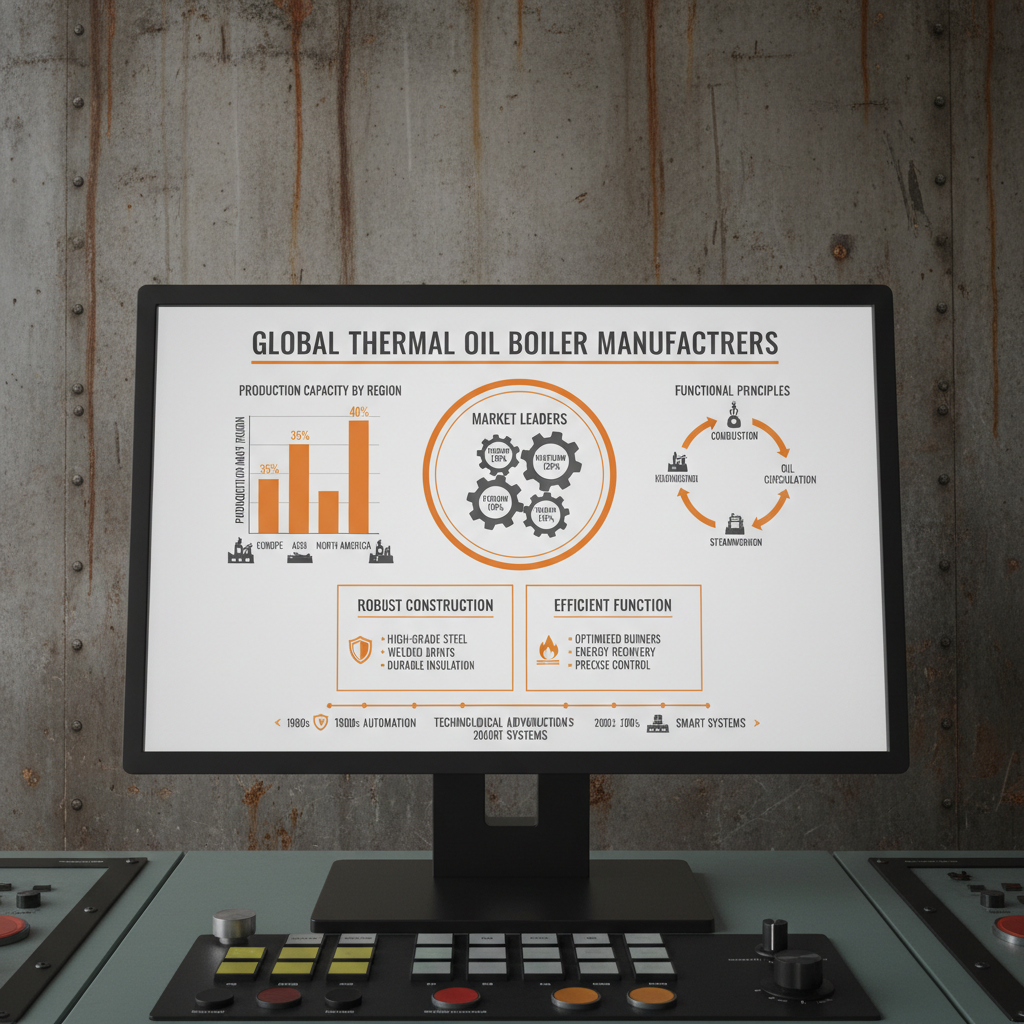
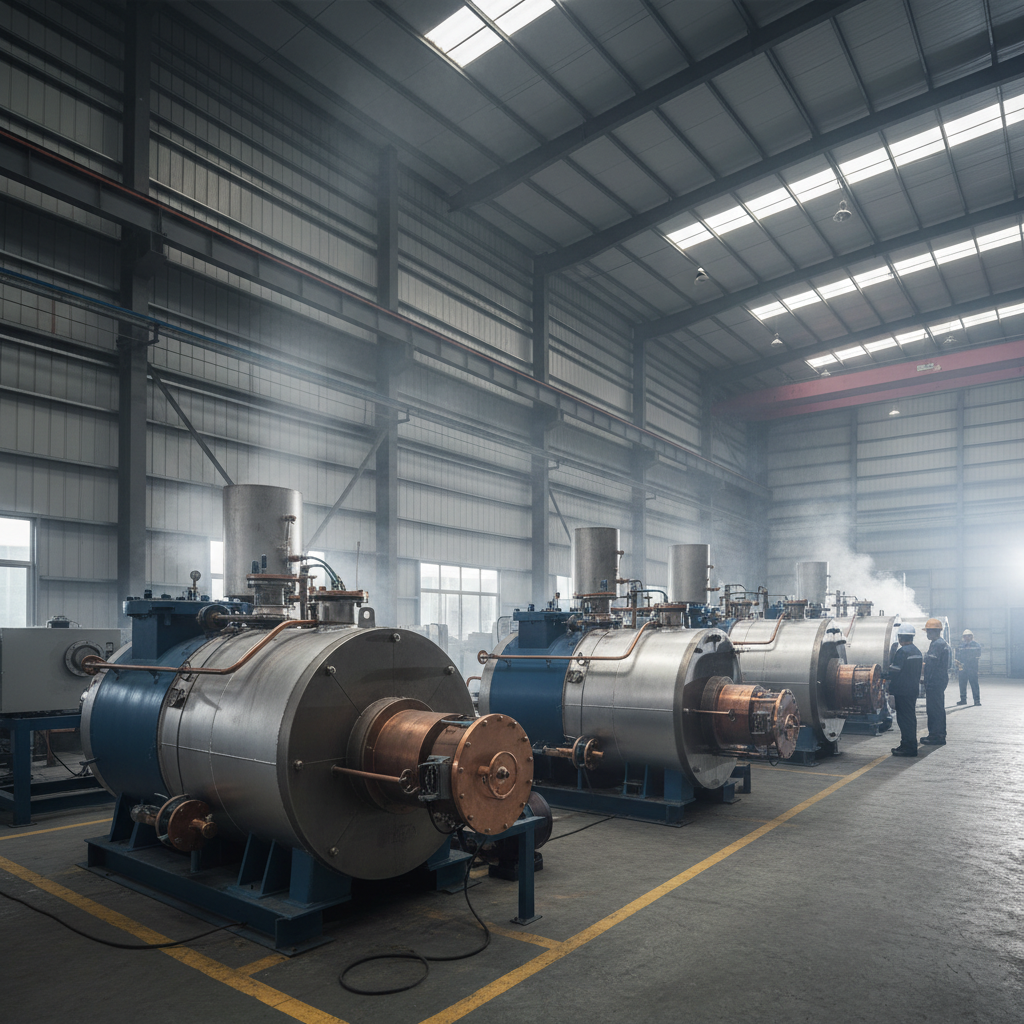
The landscape of thermal oil boiler manufacturers is diverse, ranging from established global players to specialized regional firms. These manufacturers are responsible for the design, fabrication, installation, and maintenance of complex heating systems, tailoring solutions to meet the specific demands of various industries. A key differentiation lies in the level of customization offered and the technological sophistication incorporated into their products.
Competition within the sector is driven by factors such as energy efficiency, emissions control, reliability, and cost-effectiveness. Leading thermal oil boiler manufacturers are actively investing in research and development to enhance their offerings and address evolving customer needs. This includes exploring alternative fuels, optimizing combustion processes, and integrating smart control systems for improved operational performance.
Defining Thermal Oil Boiler Manufacturers
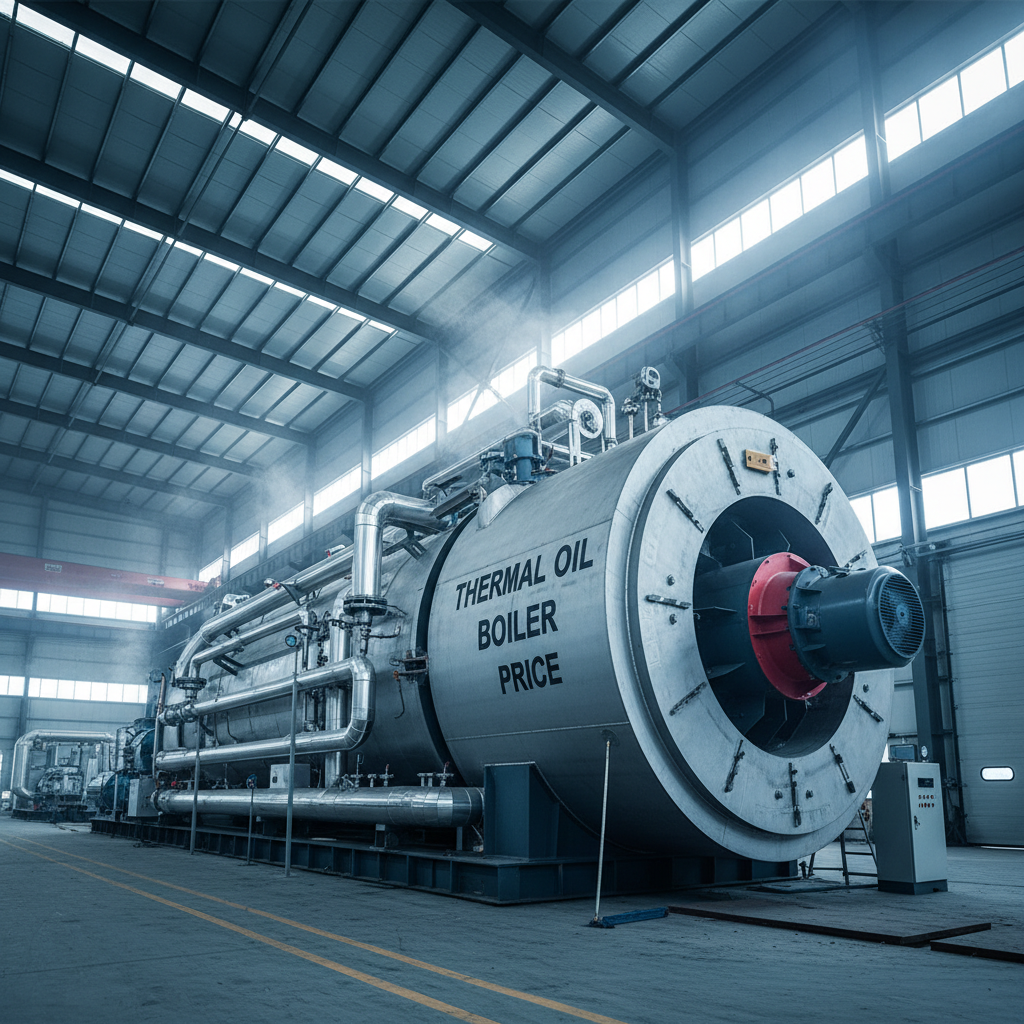
Thermal oil boiler manufacturers are companies specializing in the production of boilers that utilize thermal oil – a synthetic heat transfer fluid – as the heating medium. Unlike water-tube or fire-tube boilers that generate steam, thermal oil boilers directly heat the oil to high temperatures and circulate it through a closed-loop system to transfer heat to various industrial processes. These manufacturers offer complete systems, including the boiler itself, the thermal oil, pumps, expansion tanks, and control systems.
The connection to modern industry is profound. These systems are essential for processes demanding precise temperature control and consistent heating. They’re found in industries like chemical processing, plastics manufacturing, food processing, and pharmaceuticals where steam-based heating isn’t efficient or suitable. thermal oil boiler manufacturers provide the backbone for many critical production lines.
Effectively, these manufacturers enable industries to streamline their operations, reduce energy costs, and maintain product quality. They aren't just selling boilers; they're providing comprehensive heating solutions tailored to specific industrial needs, incorporating safety features and environmental considerations into their designs.
Core Components and Operational Principles
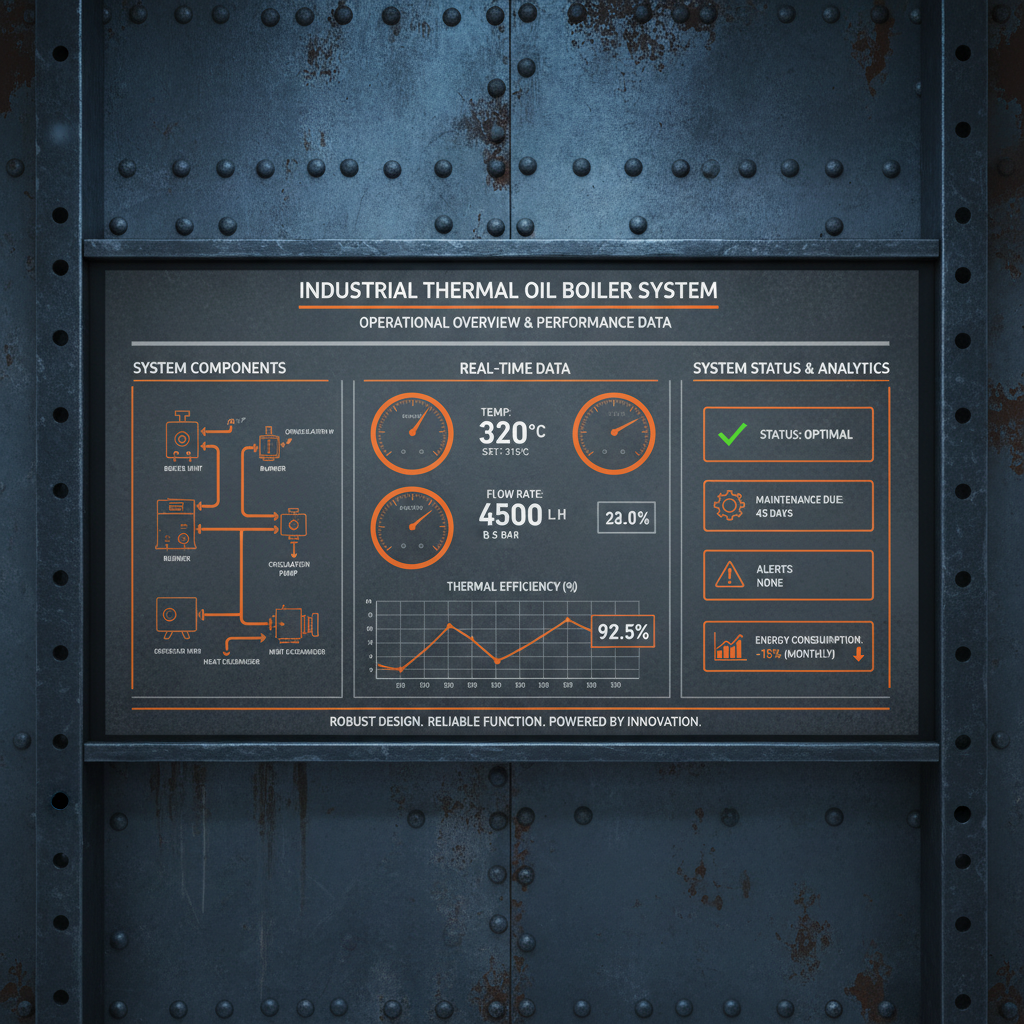
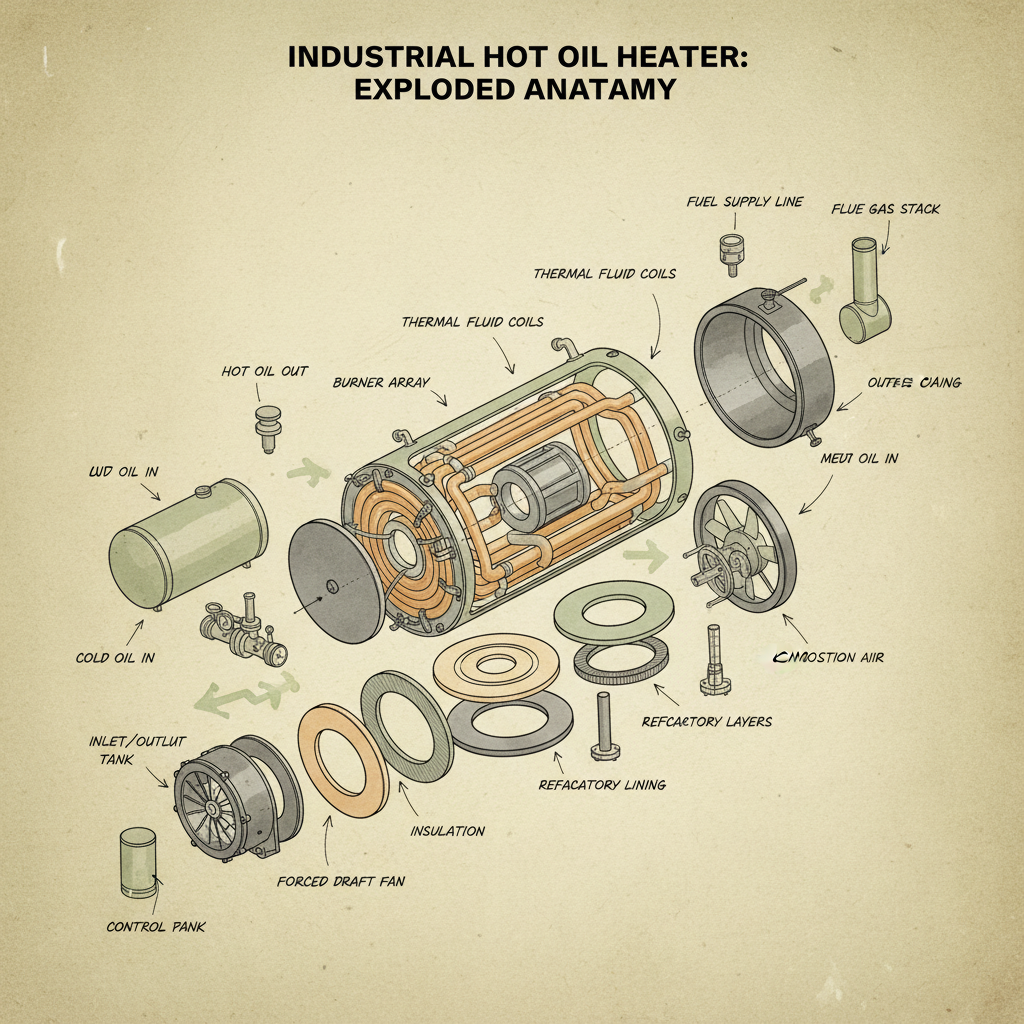
A thermal oil boiler’s operation hinges on a few key components. The combustion chamber is where fuel (typically natural gas, oil, or biomass) is burned to generate heat. This heat is then transferred to the thermal oil circulating through a network of coils within the boiler. A critical aspect is the thermal oil itself – a specially formulated fluid designed to withstand high temperatures without degradation. Effective thermal oil boiler manufacturers select and manage these key components expertly.
The circulation pump maintains a constant flow of thermal oil throughout the system, delivering heat to the process requiring it. An expansion tank accommodates the volume changes of the oil as it heats and cools. Finally, a sophisticated control system monitors and regulates the boiler’s operation, ensuring optimal efficiency and safety. These manufacturers meticulously integrate these elements for a seamless thermal process.
The operational principles emphasize complete fluid circulation, minimizing temperature gradients and hotspots. This results in even heating and extended oil life. Unlike steam systems, thermal oil boilers operate without the risk of water hammer or corrosion, further enhancing their reliability and reducing maintenance requirements.
Key Factors Influencing Performance
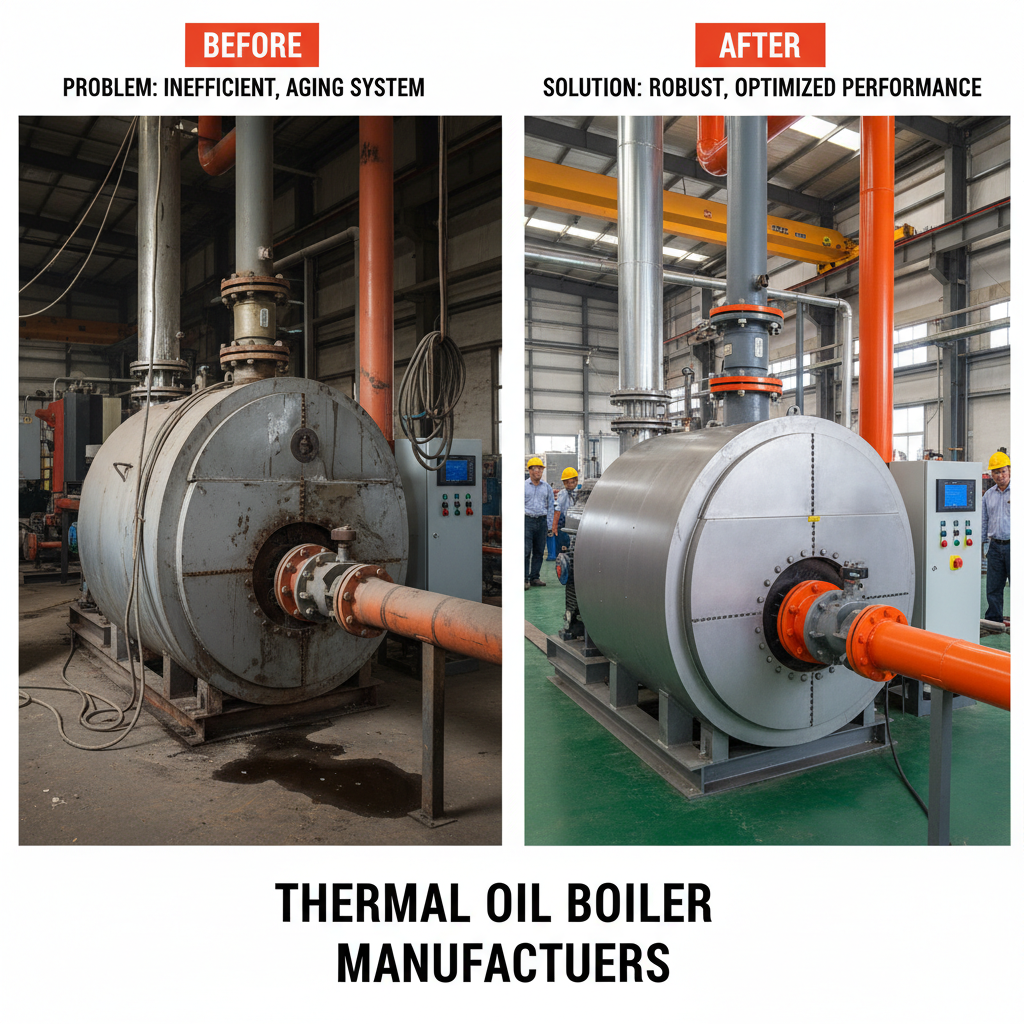
Durability is paramount, as thermal oil boilers operate under demanding conditions. Manufacturers prioritize high-quality materials and robust construction to ensure long-term reliability and minimize downtime. Scalability represents another key consideration – the ability to adjust boiler capacity to meet evolving production needs.
Cost efficiency is a central focus, driven by fuel consumption, maintenance costs, and operational efficiency. thermal oil boiler manufacturers strive to optimize boiler designs for maximum thermal efficiency and reduced fuel usage. Environmental impact is increasingly important, with a focus on minimizing emissions and utilizing cleaner fuel sources.
Thermal Oil Boiler Performance Metrics
Global Applications and Industry Impact
Thermal oil boilers find widespread application in the chemical industry, providing precise temperature control for reactors and distillation columns. In the food processing sector, they are used for pasteurization, sterilization, and evaporation processes. The plastics industry relies on them for maintaining consistent temperatures during molding and extrusion operations.
Regional variations in demand exist, with significant growth observed in emerging industrial hubs in Asia and Latin America. Industries in Europe and North America are increasingly focused on upgrading existing systems with more efficient and environmentally friendly thermal oil boilers. thermal oil boiler manufacturers are responding to these evolving regional dynamics.
Advantages & Long-Term Value Proposition
The tangible benefits of using thermal oil boilers are numerous. They offer lower operating costs compared to steam boilers due to higher thermal efficiency and reduced heat loss. They require less maintenance, resulting in reduced downtime and labor costs. Their compact size and ease of installation contribute to lower capital expenditure.
From a sustainability perspective, modern thermal oil boilers can utilize renewable fuel sources, reducing carbon emissions. The inherent safety features and reliability foster trust and peace of mind. The long-term value proposition of investing in quality thermal oil boiler systems ultimately translates to improved profitability and enhanced competitiveness.
Future Trends and Innovations in Thermal Oil Technology
The future of thermal oil boiler manufacturing will be shaped by several key trends. The integration of smart control systems and IoT technologies will enable remote monitoring, predictive maintenance, and optimized energy consumption. Research is focused on developing thermal oils with improved thermal stability and extended lifespan.
The adoption of Industry 4.0 principles, including data analytics and machine learning, will further enhance boiler performance and reliability. The increasing emphasis on green energy solutions will drive the development of boilers capable of utilizing biomass and other renewable fuels.
Challenges and Solutions
One common challenge is maintaining the thermal oil’s integrity over time. Degradation can occur due to overheating or contamination. thermal oil boiler manufacturers are addressing this through advanced oil monitoring systems and optimized boiler designs. Another challenge is ensuring efficient heat transfer in complex industrial processes.
Solutions include utilizing advanced heat exchanger technologies and implementing sophisticated control algorithms to optimize oil flow and temperature distribution. Moreover, ensuring proper operator training is crucial to prevent operational errors that could lead to oil degradation or system inefficiencies.
Finally, managing the lifecycle cost of the thermal oil itself is crucial. Manufacturers are increasingly offering oil regeneration and purification services to extend oil life and reduce waste.
Overview of Challenges and Solutions in Thermal Oil Boiler Systems
| Challenge Area |
Severity of Impact (1-10) |
Common Solutions |
Implementation Cost (USD) |
| Thermal Oil Degradation |
8 |
Regular Oil Analysis, Temperature Control |
500 - 2000 |
| Heat Transfer Inefficiency |
7 |
Improved Heat Exchanger Design, Optimized Flow Rates |
1000 - 5000 |
| Operator Error |
6 |
Comprehensive Training Programs |
300 - 1500 |
| Emissions Control |
9 |
Advanced Burner Technology, Flue Gas Treatment |
5000 - 20000 |
| System Downtime |
5 |
Predictive Maintenance, Redundant Components |
2000 - 10000 |
| Oil Lifecycle Management |
7 |
Oil Regeneration Services, Proper Disposal Procedures |
800 - 3000 |
FAQS
Thermal oil boilers offer several advantages, including higher operating temperatures, precise temperature control without pressure limitations, reduced corrosion risks, and simpler operation. They avoid the complexities of steam generation and distribution, making them ideal for applications requiring consistent and accurate heating. This translates to improved energy efficiency and reduced maintenance costs.
The lifespan of thermal oil varies depending on operating conditions and oil quality. Typically, thermal oil requires regeneration every 3-5 years, but regular oil analysis is crucial to determine its condition. Signs of degradation, such as increased viscosity or reduced thermal stability, indicate the need for regeneration or replacement. Proactive oil management extends system life and efficiency.
Thermal oil operates at high temperatures, demanding stringent safety protocols. Key precautions include ensuring proper ventilation, using appropriate personal protective equipment (PPE), regularly inspecting the system for leaks, and adhering to manufacturer’s operating guidelines. Automatic safety shut-off systems and overheat protection are essential features.
Yes, many modern thermal oil boilers are designed to operate with a variety of fuels, including biomass, biogas, and other renewable sources. Utilizing renewable fuels reduces carbon emissions and promotes sustainable industrial practices. Compatibility should always be verified with the boiler manufacturer before switching fuel types.
The payback period varies based on factors such as boiler size, fuel costs, and energy savings achieved. However, due to improved energy efficiency and reduced maintenance requirements, payback periods typically range from 2 to 5 years. The long-term cost savings often outweigh the initial investment.
Regular maintenance includes checking oil levels, inspecting pumps and valves, cleaning heat transfer surfaces, and performing oil analysis. Annual inspections by qualified technicians are recommended. Proactive maintenance minimizes downtime and ensures optimal system performance.
Conclusion
Thermal oil boiler manufacturers play a vital role in modern industry, providing efficient, reliable, and increasingly sustainable heating solutions. Their ability to deliver precise temperature control, coupled with advancements in fuel flexibility and system optimization, makes them essential for a wide range of applications. From chemical processing to food production, these systems underpin critical industrial processes globally.
Looking ahead, continued innovation in materials, control systems, and renewable fuel integration will further enhance the performance and environmental footprint of thermal oil boilers. Investing in cutting-edge technology and partnering with reputable thermal oil boiler manufacturers is crucial for businesses seeking to optimize their operations, reduce costs, and embrace a more sustainable future. Visit our website at www.hzsteamboiler.com to learn more.





 English
  Arabic
  Bengali
  French
  German
  Hindi
Hindi  Indonesian
  Kazakh
  Khmer
Khmer  Korean
  Kyrgyz
  Lao
Lao  Latin
Latin  Mongolian
  Nepali
  Russian
  Turkish
  Turkmen
  Uzbek
Uzbek