

Look, I've been running around construction sites for fifteen years, and let me tell you, things are moving fast these days. Everyone’s talking about prefabrication, modular construction – basically, getting more done off-site and just assembling it there. It's not new, but the scale is what's different. And with that comes a huge demand for reliable, efficient heat sources, and that's where the whole thermal fluid boiler conversation really heats up, pardon the pun. It's about consistent temperature control, portability, and frankly, not having to deal with the headaches of traditional steam systems on a crowded job site.
To be honest, a lot of folks underestimate how critical the thermal fluid itself is. They think, "It's just oil, right?" Wrong. I've seen guys try to substitute fluids, cut corners… it always ends badly. The degradation, the sludge buildup… it’s a nightmare to clean up, and it can ruin a perfectly good boiler. And the controls, they've gotten complicated. Too many bells and whistles sometimes. I’ve seen contractors just bypass safety features because they couldn’t figure out how to recalibrate them.
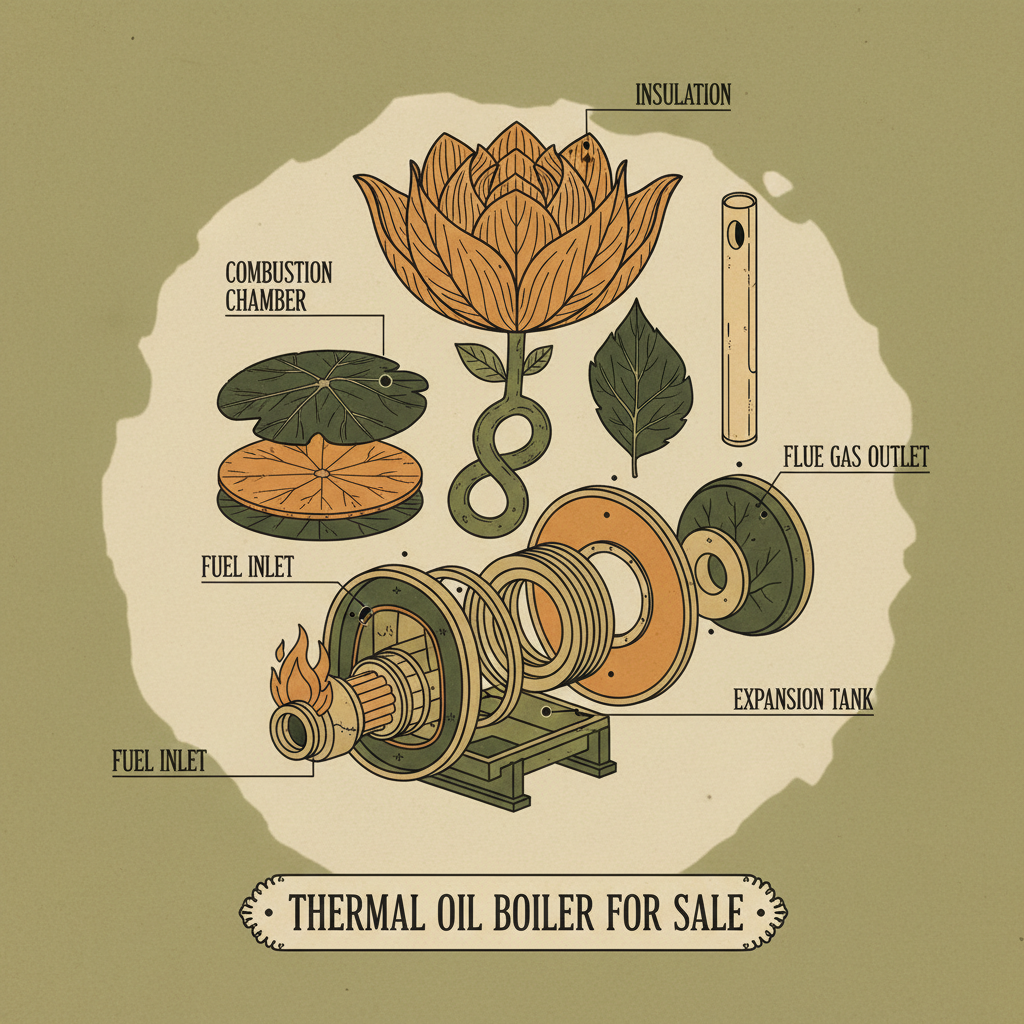
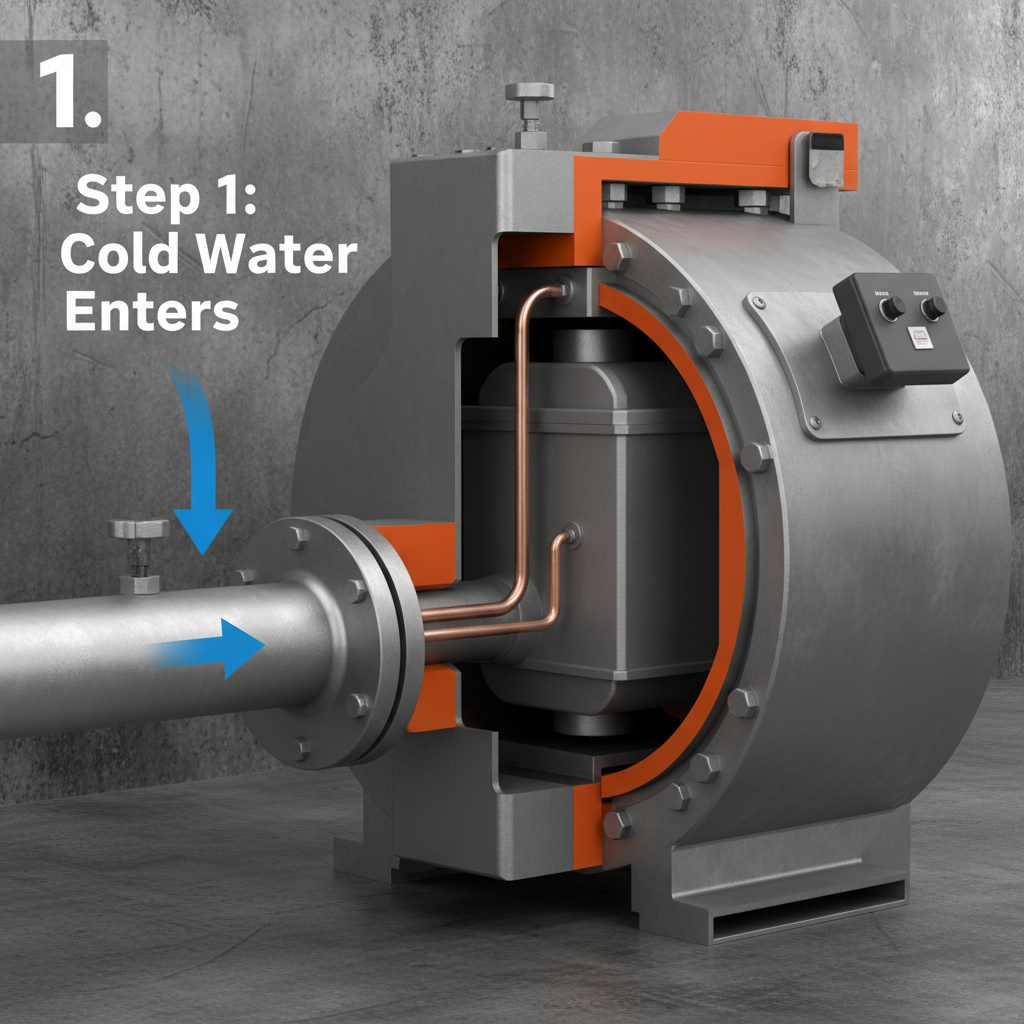
What I've noticed lately is a push for smaller, more agile units. The big, stationary boilers are fine for massive projects, but increasingly, sites are smaller, tighter, and need something they can wheel around. Which means packaging everything – the boiler, the expansion tank, the pump, the controls – into a single, skid-mounted unit is becoming essential.

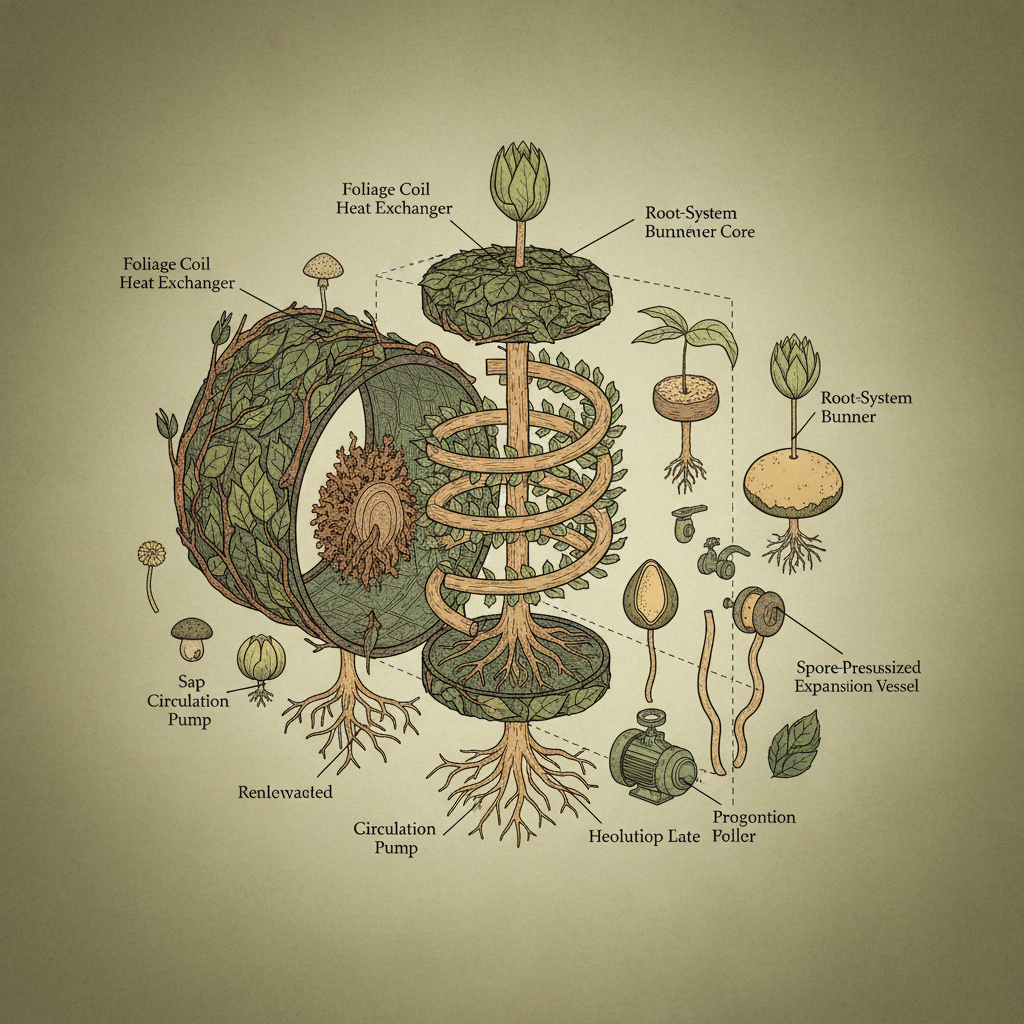
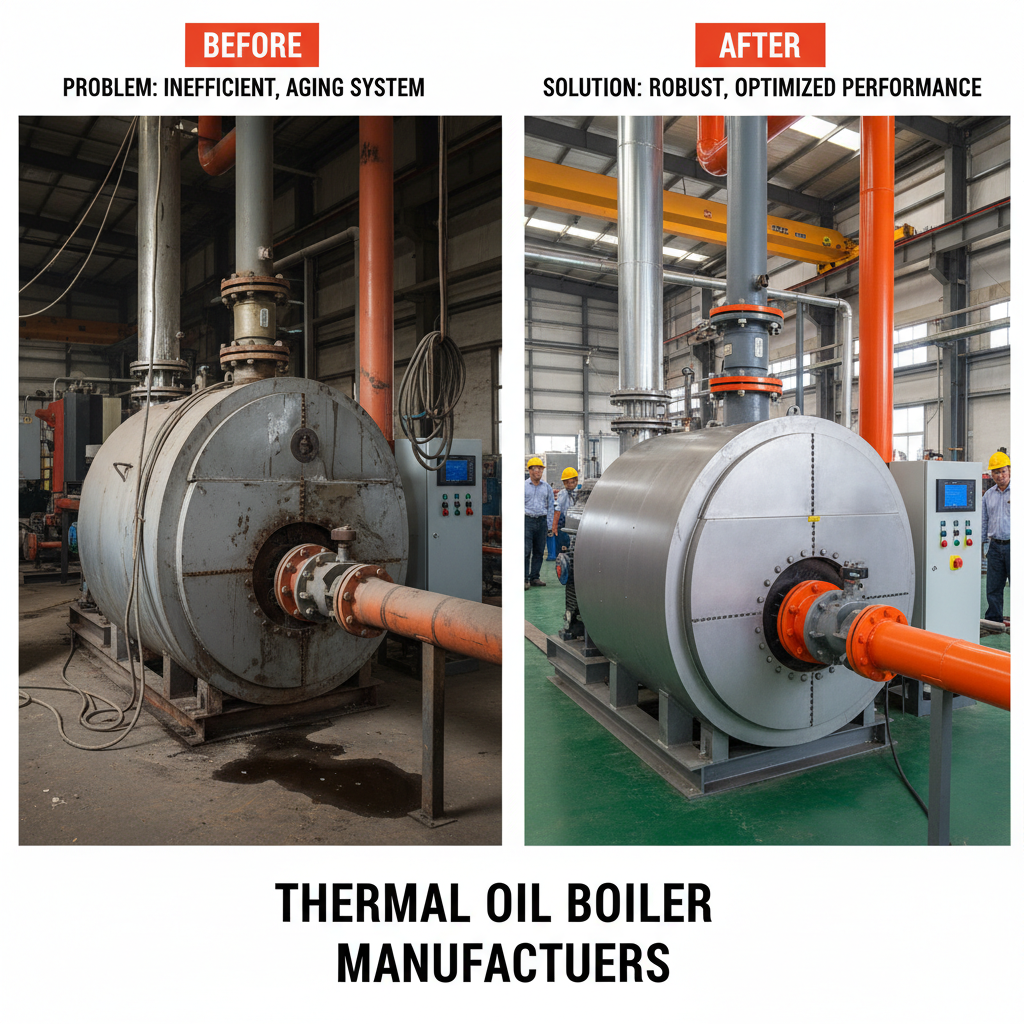
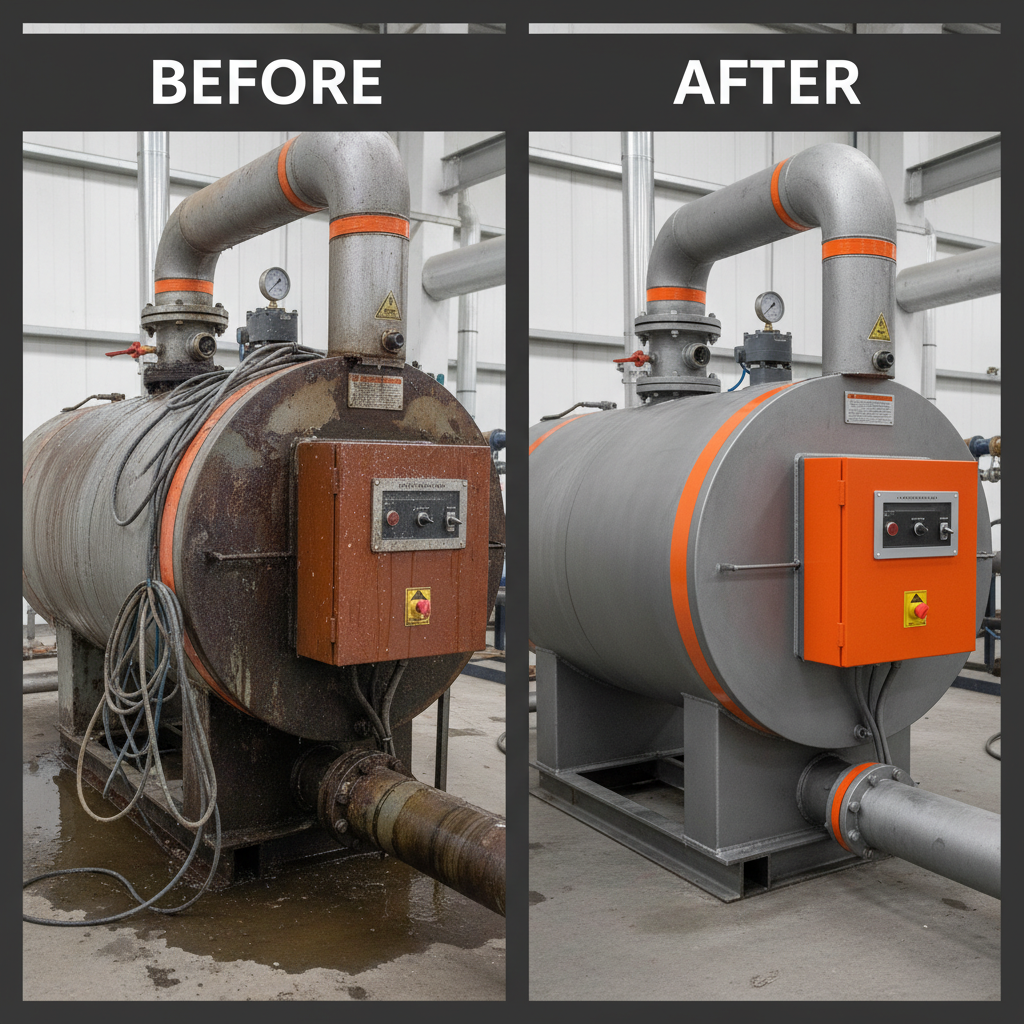
You know, ten years ago, everyone was focused on just getting heat. Now? It's about efficiency, minimizing downtime, and fitting it all into tighter spaces. I encountered this at a precast concrete factory last time; they were trying to retrofit an old steam system, and it was a total mess. They ended up switching to a compact thermal fluid boiler, and the difference was night and day. They could actually get consistent heat to the forms without constantly battling pressure drops and condensate issues.
It’s strange, but everyone's also asking about lower temperature systems. They’re looking for ways to reduce energy consumption, and thermal fluid boilers excel at delivering precise heat at lower temperatures, which is perfect for things like plastic processing or drying applications.
That really depends on the fluid type and operating temperature, but generally, you're looking at 5-10 years for a mineral oil-based fluid, and potentially longer for a synthetic. Regular testing is key. You need to check the flash point, viscosity, and acid number to monitor degradation. Ignoring it? You're asking for trouble. It's like not changing the oil in your car, eventually, something's gonna seize up.
Hot fluid is dangerous. Seriously. Wear appropriate PPE - gloves, eye protection, long sleeves. Avoid direct contact with the fluid, especially when it's hot. And make sure you have adequate ventilation. Some fluids release fumes when heated. Also, be mindful of potential fire hazards. Thermal fluids are combustible, so keep them away from ignition sources. Always follow the manufacturer’s safety guidelines.
It depends on the temperature range you need, the type of material you're heating, and the system pressure. Mineral oil-based fluids are generally cheaper and suitable for lower temperatures. Synthetic fluids offer better thermal stability and can handle higher temperatures, but they're more expensive. Silicone oils are good for very high temperatures, but they're also pricey. Talk to a fluid specialist; they can help you select the right fluid for your specific application.
Ignoring the fluid! They focus on the burner, the pump, the controls, but neglect the fluid. That fluid is the heart of the system. Regularly checking the fluid’s condition, filtering it, and replacing it when necessary is crucial. It’s cheaper to maintain the fluid than to replace the entire boiler. Trust me, I’ve seen both scenarios play out.
Absolutely. You can integrate them with solar thermal collectors or biomass boilers. The thermal fluid acts as a heat transfer medium, allowing you to store and distribute heat from renewable sources. It's a great way to reduce your carbon footprint and save money on energy costs. It's becoming increasingly common, actually.
That’s a tough one, because it depends on a lot of factors: the size of the system, the energy costs, and the efficiency of your existing system. But generally, you can expect a payback period of 3-5 years. The energy savings and reduced maintenance costs can add up quickly. Plus, you get the added benefit of consistent temperature control and improved product quality.
So, where does that leave us? Thermal fluid boilers are evolving. They’re becoming more compact, more efficient, and more versatile. They're no longer just a niche solution; they're a viable alternative to traditional steam systems for a wide range of applications. From prefabrication to process heating, these boilers are proving their worth on job sites all over the world.
Ultimately, whether this thing works or not, the worker will know the moment he tightens the screw. It’s the little things that matter. Don’t overcomplicate it. Choose the right fluid, maintain it properly, and listen to the guys on the ground. And if you're looking for a reliable thermal fluid boiler, give us a shout.



 English
  Arabic
  Bengali
  French
  German
  Hindi
Hindi  Indonesian
  Kazakh
  Khmer
Khmer  Korean
  Kyrgyz
  Lao
Lao  Latin
Latin  Mongolian
  Nepali
  Russian
  Turkish
  Turkmen
  Uzbek
Uzbek