Thermal oil heaters represent a cornerstone of indirect heating technology across a wide spectrum of industrial applications. Understanding the thermal oil heater working principle is crucial for optimizing processes, enhancing safety, and achieving energy efficiency in sectors ranging from chemical processing and pharmaceuticals to food production and plastics manufacturing. These systems offer precise temperature control, consistent heating, and reduced environmental impact compared to traditional steam-based methods. The demand for reliable and efficient heating solutions continues to grow globally, making a thorough grasp of thermal oil technology paramount.
The global industrial heating market is projected to reach substantial growth in the coming years, driven by increasing manufacturing output and a heightened focus on sustainability. According to industry reports, indirect heating systems, like those utilizing thermal oil, are gaining market share due to their superior temperature control and reduced emissions. A key challenge facing industries is balancing production demands with environmental regulations, and the thermal oil heater working principle offers a viable pathway to achieving both. Proper understanding of this technology contributes directly to improved operational efficiency and reduced carbon footprints.
The importance of mastering the intricacies of the thermal oil heater working principle extends beyond simply operating the equipment. It encompasses preventative maintenance, troubleshooting, optimizing performance, and ensuring long-term reliability. This knowledge empowers engineers, technicians, and plant managers to make informed decisions, minimize downtime, and maximize return on investment in this essential industrial technology.
Introduction to Thermal Oil Heater Technology
Thermal oil heaters represent a significant advancement in indirect heating methods, providing a reliable and efficient alternative to traditional steam systems. These heaters utilize a specialized heat transfer fluid – thermal oil – to circulate and deliver consistent heat to various industrial processes. The key advantage lies in the oil’s ability to reach and maintain high temperatures without the phase change associated with steam, leading to greater control and efficiency.
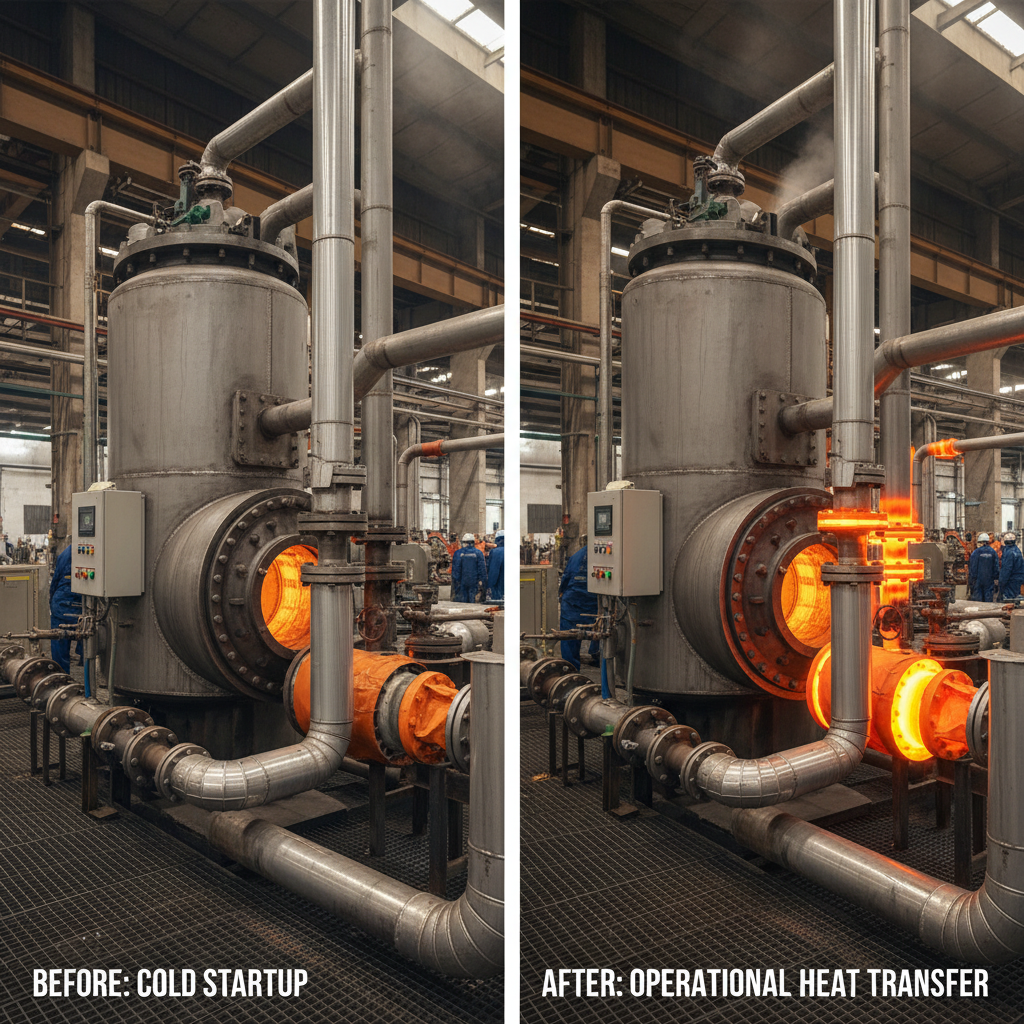
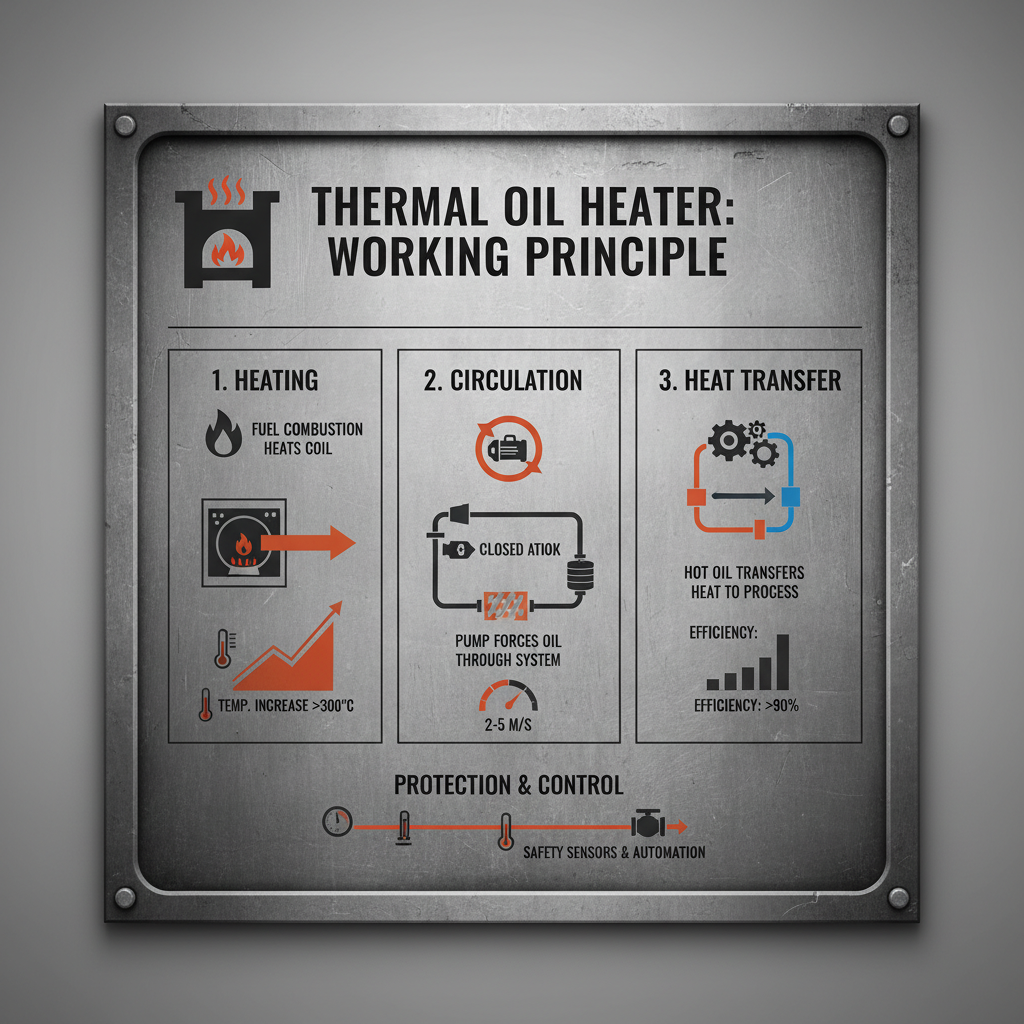
The fundamental thermal oil heater working principle involves heating the thermal oil within a closed-loop system. A fuel source, typically natural gas, oil, or electricity, heats the oil via a heat exchanger. This heated oil is then pumped through a network of pipes to the process requiring heat, where it transfers energy without direct contact, and returns to the heater to be reheated, creating a continuous cycle.
Defining Thermal Oil Heating Systems
A thermal oil heating system is a closed-loop heating system that employs a specifically formulated thermal oil as the heat transfer medium. Unlike steam systems, thermal oil operates as a liquid throughout the entire heating cycle, avoiding the complexities and potential dangers associated with phase changes. This allows for precise temperature control over a wide range, typically from 60°C to 400°C (140°F to 750°F), making them suitable for diverse industrial processes.
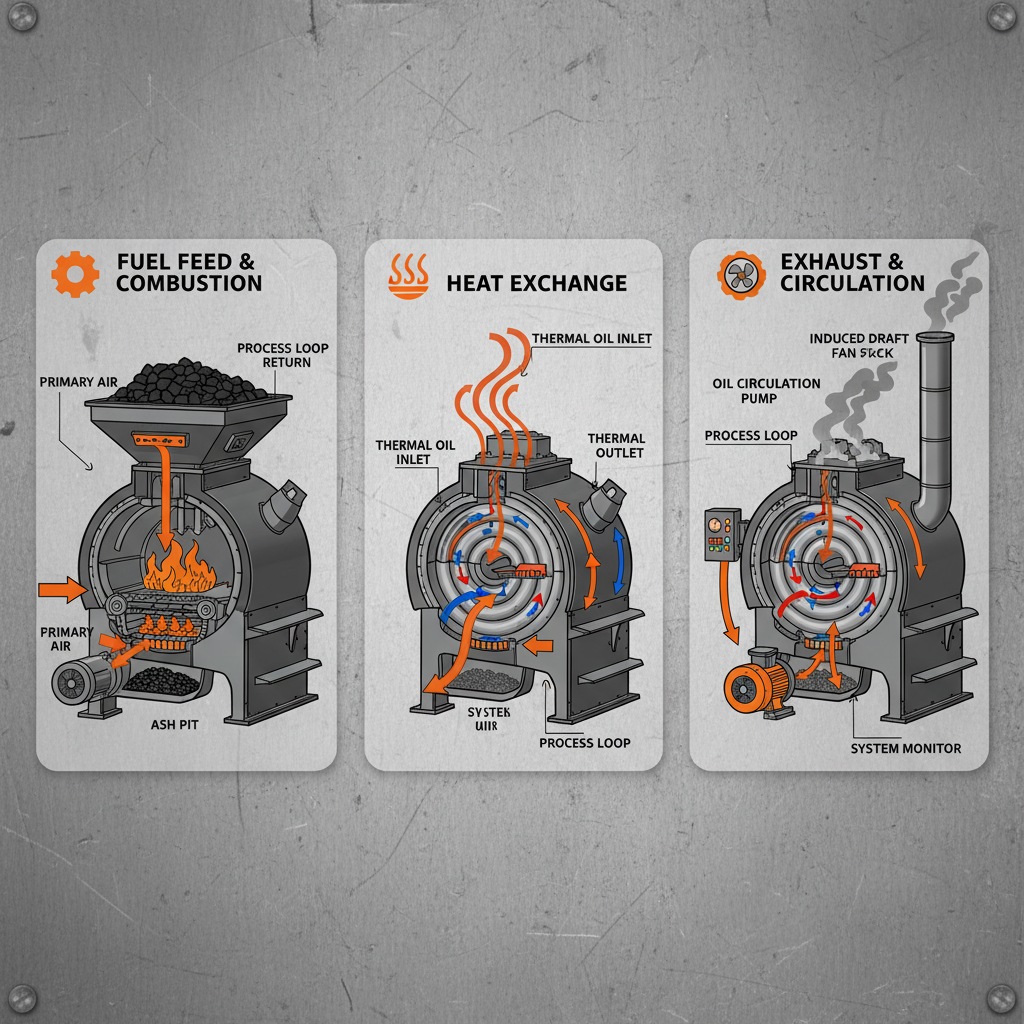
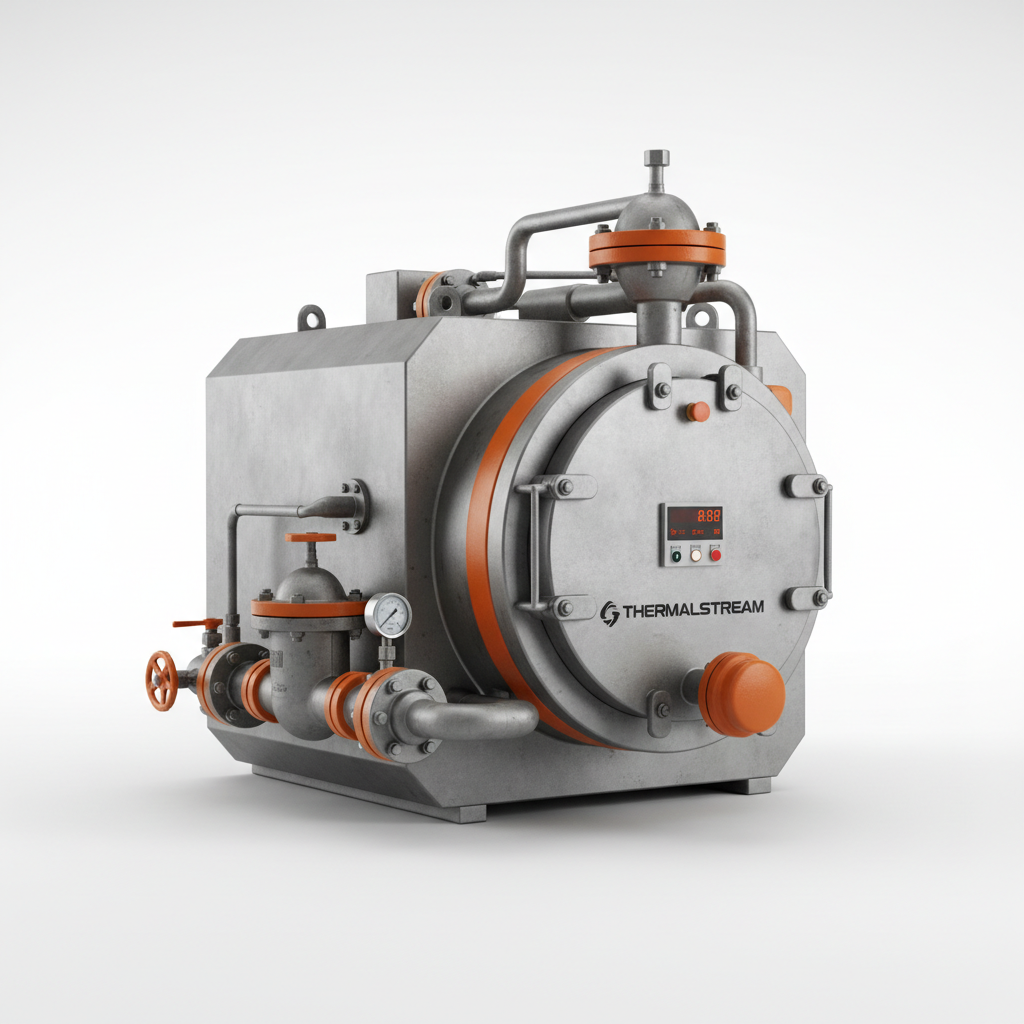
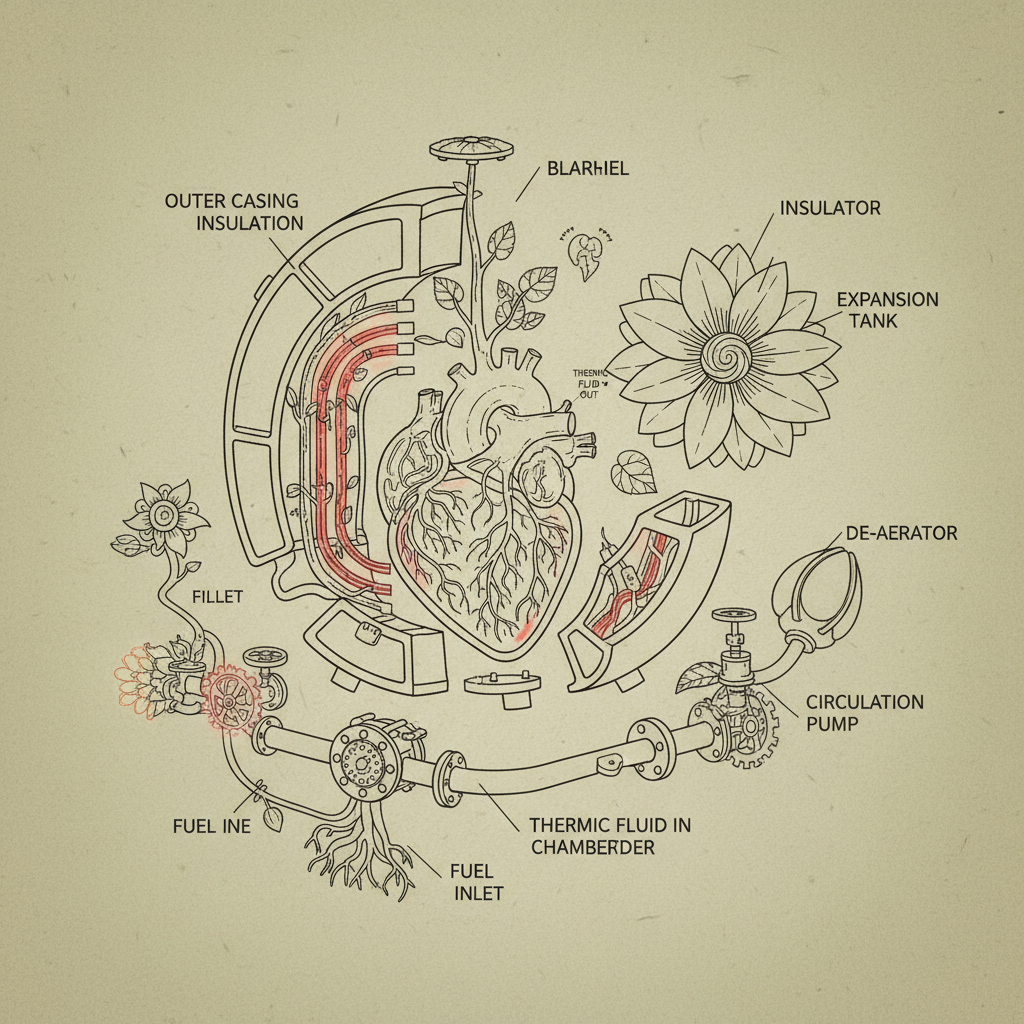
The system generally comprises a heater (where the oil is heated), a circulation pump (to move the oil through the system), a heat exchanger (where heat is transferred to the process), an expansion tank (to accommodate volume changes due to temperature fluctuations), and a control system (to regulate temperature and pressure). The effective functioning of the thermal oil heater working principle is directly linked to the careful selection of the thermal oil based on its thermal stability and compatibility with the process.
The advantages of utilizing a thermal oil system stem from its ability to deliver consistent and uniform heat, its minimal maintenance requirements, and its enhanced safety features. The closed-loop nature of the system also minimizes heat loss and reduces energy consumption, contributing to significant cost savings over time.
Core Components of a Thermal Oil Heater
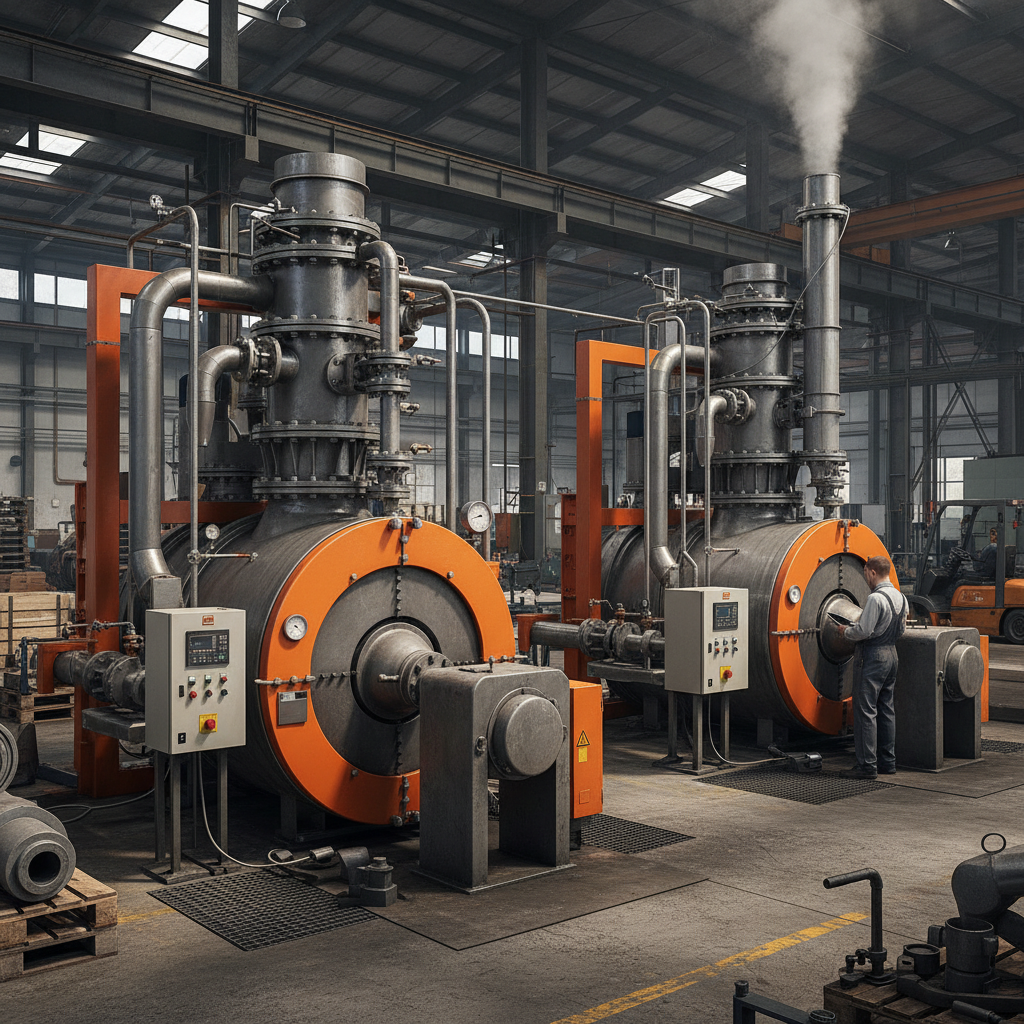
The core of any thermal oil heater lies in its robust and carefully engineered components. The heater itself typically employs a firetube or watertube design, utilizing a heat exchanger to efficiently transfer heat from the fuel source to the thermal oil. The combustion chamber is crucial for achieving complete fuel combustion and maximizing energy efficiency, forming a key element within the thermal oil heater working principle.
The circulation pump is equally vital, ensuring consistent flow of the thermal oil throughout the system. Its capacity must be precisely matched to the system’s requirements to maintain optimal heat transfer. An expansion tank accommodates the volumetric changes of the thermal oil as its temperature fluctuates, preventing pressure buildup and ensuring safe operation. Finally, a sophisticated control system, equipped with temperature sensors and automated valves, regulates the heating process and maintains the desired temperature setpoints.
The quality and maintenance of these components are paramount to the reliability and longevity of the entire system. Regular inspections, preventative maintenance, and timely replacements are crucial to ensuring continued optimal performance of the thermal oil heater working principle and preventing costly downtime.
Performance Metrics of Thermal Oil Heaters
Evaluating the performance of a thermal oil heater requires consideration of several key metrics. Thermal efficiency, representing the percentage of fuel energy converted to useful heat, is paramount. Higher efficiency translates directly into lower operating costs and reduced environmental impact. Temperature control accuracy, or the heater’s ability to maintain a consistent temperature setpoint, is critical for processes requiring precise thermal management.
System uptime, reflecting the reliability and availability of the heater, is also a crucial performance indicator. Minimizing downtime reduces production losses and enhances overall operational efficiency. Understanding these metrics is intrinsic to understanding the thermal oil heater working principle and optimizing its operation.
Thermal Oil Heater Performance Comparison
Global Industrial Applications
Thermal oil heaters find widespread application across diverse industries globally. In the chemical and petrochemical sectors, they provide the precise and consistent heat required for complex reactions and distillation processes. The pharmaceutical industry relies on them for sterile heating applications, ensuring product quality and safety.
The food processing industry utilizes thermal oil heating for cooking, pasteurization, and sterilization, guaranteeing food safety and extending shelf life. Plastics manufacturing employs them for maintaining consistent temperatures in extrusion, molding, and calendaring processes. These systems’ reliable heat transfer characteristics, directly related to the thermal oil heater working principle, make them invaluable in these applications.
Advantages and Sustainability Considerations
The advantages of thermal oil heating extend beyond performance and efficiency. Enhanced safety is a significant benefit, as the closed-loop system minimizes the risk of leaks and explosions. Reduced maintenance requirements translate into lower lifecycle costs and improved operational efficiency. Moreover, the precise temperature control offered by these systems minimizes product waste and enhances product quality.
From a sustainability perspective, thermal oil heaters can contribute to a smaller carbon footprint. Optimized combustion technologies, coupled with efficient heat transfer, reduce fuel consumption and greenhouse gas emissions. The ability to recover waste heat and integrate the system with renewable energy sources further enhances its sustainability profile. Considering the entire operational cycle, from energy input to emissions output, underscores the importance of a solid understanding of the thermal oil heater working principle.
Furthermore, responsible thermal oil management, including proper disposal and recycling, is critical to minimizing environmental impact and promoting a circular economy.
Future Trends and Innovation
The future of thermal oil heating is poised for innovation, driven by increasing demands for efficiency, sustainability, and digitalization. Integration with smart sensors and predictive maintenance algorithms will enable proactive monitoring of system performance, minimizing downtime and optimizing energy consumption. Research into novel thermal oil formulations with enhanced thermal stability and reduced environmental impact is ongoing.
The development of hybrid systems, combining thermal oil heating with renewable energy sources such as solar thermal or biomass, is gaining traction. These hybrid systems offer the potential to significantly reduce reliance on fossil fuels and minimize carbon emissions. A thorough understanding of the thermal oil heater working principle is essential for successfully integrating these innovative technologies.
Furthermore, advancements in heat exchanger design and combustion technologies will continue to improve the efficiency and performance of thermal oil heaters, solidifying their position as a leading indirect heating solution.
Summary of Key Factors Affecting Thermal Oil Heater Performance
| Thermal Oil Quality |
Combustion Efficiency |
Heat Exchanger Design |
System Insulation |
| Viscosity and thermal stability impact heat transfer. |
Complete combustion minimizes fuel waste and emissions. |
Surface area and flow rate optimize heat exchange. |
Reduces heat loss and maintains system temperature. |
| Degradation reduces efficiency and necessitates replacement. |
Air-fuel ratio and burner maintenance are crucial. |
Fouling reduces efficiency and requires cleaning. |
Thickness and material impact performance. |
| Proper selection minimizes thermal degradation. |
Monitoring emissions ensures compliance. |
Corrosion resistance is essential for longevity. |
Regular inspection identifies damage. |
| Regular analysis determines oil condition. |
Oxygen trim control optimizes combustion. |
Baffling enhances turbulence and heat transfer. |
Proper installation minimizes thermal bridges. |
| Compatibility with process fluids is essential. |
Flame detection systems ensure safety. |
Pressure drop considerations impact pump sizing. |
Quality materials resist degradation. |
| Preventative maintenance extends oil life. |
Regular maintenance reduces fuel consumption. |
Cleaning schedules maintain efficiency. |
Proper sealing prevents heat loss. |
FAQS
Thermal oil heating operates at a lower temperature and pressure than steam, enabling more precise temperature control and eliminating the risks associated with steam handling. Unlike steam, thermal oil remains a liquid throughout the process, avoiding condensation and related inefficiencies. Steam also requires more extensive water treatment, whereas thermal oil systems have simpler fluid maintenance requirements. Understanding the fundamental thermal oil heater working principle reveals why these differences are so significant.
The lifespan of thermal oil varies depending on operating conditions, but generally ranges from 5 to 10 years. However, regular oil analysis is crucial to monitor its condition and identify degradation. Factors like temperature, contamination, and oxidation can accelerate degradation. Replacement is necessary when the oil's properties, such as viscosity and thermal stability, fall outside acceptable limits. Proactive oil management optimizes system performance and protects the heater’s components.
Safety is paramount. Ensure proper ventilation to prevent the buildup of combustion gases. Implement regular leak checks to detect and address any fluid escapes. Maintain appropriate over-temperature protection systems. Proper training for operators is essential, covering emergency shutdown procedures and safe handling of thermal oil. Familiarity with the thermal oil heater working principle helps operators understand potential hazards and implement appropriate safeguards.
Fouling, the buildup of deposits on heat transfer surfaces, significantly reduces heater efficiency. It creates a thermal resistance, hindering heat transfer and requiring more energy to maintain the desired temperature. Regular cleaning, using appropriate methods, is crucial to remove fouling and restore performance. Monitoring pressure drop across the heat exchanger can indicate fouling buildup.
Yes, thermal oil heaters can be effectively integrated with renewable energy sources, such as solar thermal collectors or biomass boilers. These hybrid systems combine the reliability of thermal oil heating with the sustainability of renewable energy. This reduces reliance on fossil fuels and lowers carbon emissions. Understanding the thermal oil heater working principle allows for optimal integration of these renewable technologies.
Key considerations include the maximum operating temperature, thermal stability, compatibility with process fluids, and environmental regulations. Different thermal oils have varying properties, so selecting the appropriate fluid is crucial for ensuring optimal performance and longevity. Viscosity, flash point, and auto-ignition temperature should also be evaluated. A thorough understanding of the application’s requirements is essential for making the right choice.
Conclusion
In conclusion, the thermal oil heater working principle underpins a highly effective and versatile heating technology with widespread industrial applications. From precise temperature control and enhanced safety to improved energy efficiency and sustainability, these systems offer compelling advantages over traditional heating methods. A comprehensive understanding of the system's components, performance metrics, and operational best practices is crucial for maximizing its benefits.
Looking ahead, continuous innovation in thermal oil formulations, integration with renewable energy sources, and advancements in smart control systems will further enhance the capabilities and sustainability of thermal oil heating. Embracing these advancements will position industries to meet evolving demands for efficiency, environmental responsibility, and operational excellence. For detailed information and expert guidance on thermal oil heaters, visit our website: https://www.hzsteamboiler.com





 English
  Arabic
  Bengali
  French
  German
  Hindi
Hindi  Indonesian
  Kazakh
  Khmer
Khmer  Korean
  Kyrgyz
  Lao
Lao  Latin
Latin  Mongolian
  Nepali
  Russian
  Turkish
  Turkmen
  Uzbek
Uzbek