The need for reliable and efficient hot water systems on construction sites, especially for mains water boiler applications, is something I’ve seen firsthand for years. It’s not just about having a hot shower for the crew after a long day – though that's vital for morale! It’s about providing consistent, high-temperature water for critical tasks like concrete curing, cleaning heavy equipment, and even maintaining sanitary conditions in temporary facilities. We’ve moved past the days of unreliable, fuel-guzzling portable units. Modern mains water boiler systems are becoming integral to project efficiency and worker wellbeing.
What I've noticed across numerous projects is that downtime due to faulty or insufficient hot water systems translates directly into delays and increased costs. A crew waiting for hot water is a crew that isn't building. That’s why I’ve spent so much time evaluating different boiler technologies, looking for robust designs that can withstand the harsh conditions of a construction site - everything from dust and vibration to extreme temperatures and accidental impacts. It’s not about fancy features; it’s about dependable performance.
Investing in a properly sized and well-maintained mains water boiler isn't simply an expense; it's a strategic investment that boosts productivity, improves safety, and ultimately, contributes to a project’s bottom line. The right boiler provides a consistent, controllable heat source, reducing wasted resources and improving overall quality. We're talking about significant savings over the lifespan of a project, and beyond.
The Critical Role of Mains Water Boiler in Construction
From my experience, reliable hot water isn't a luxury on a construction site; it’s a necessity. Mains water boiler systems provide a dependable source of heated water for a range of crucial applications, including concrete curing, cleaning equipment, and providing sanitation facilities. A properly functioning boiler drastically improves efficiency and reduces downtime. We've seen projects delayed simply because the hot water supply couldn’t keep up with demand.
The demand for these systems is growing globally, especially in regions experiencing rapid infrastructure development. According to reports from the Associated General Contractors of America, skilled labor shortages are exacerbating the need for maximizing efficiency on site, and that includes streamlining essential services like hot water provision. It's about doing more with less and making every minute count.
Defining Mains Water Boiler for Practical Applications
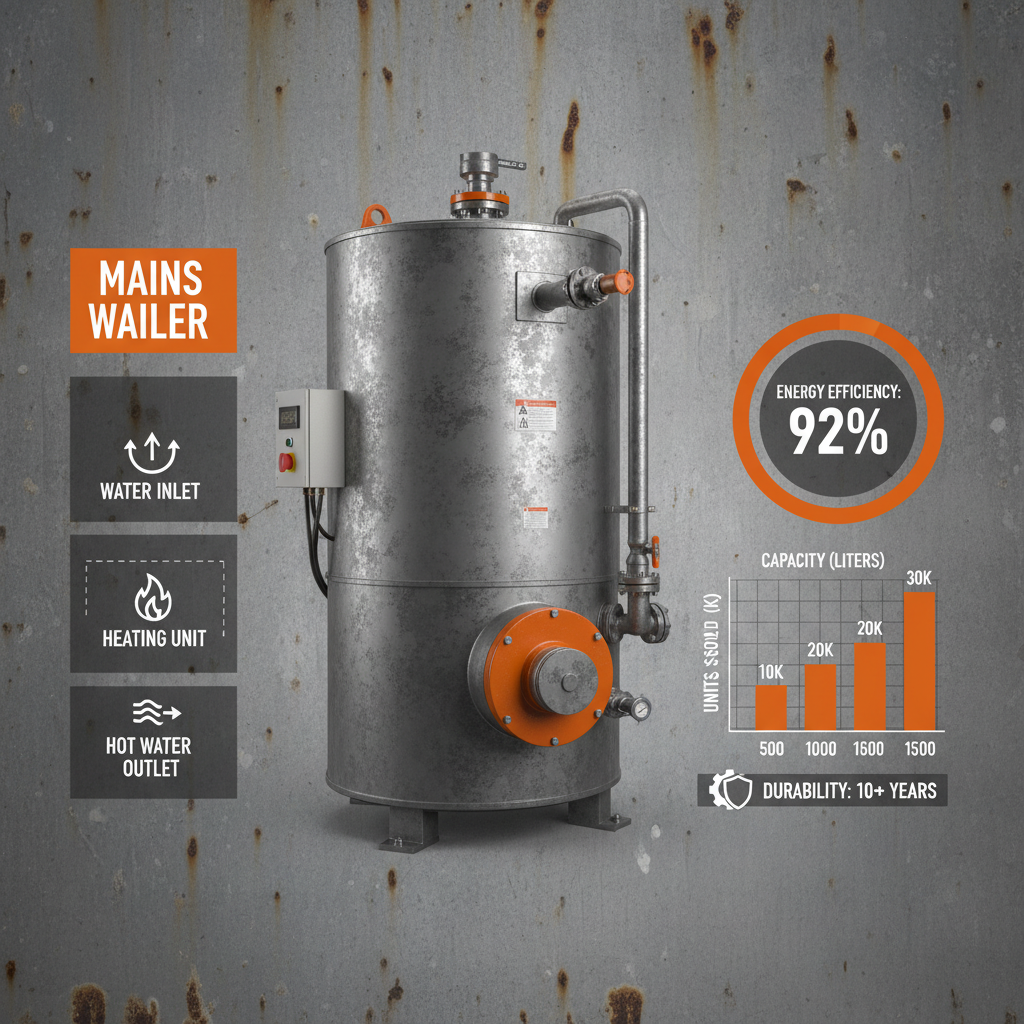
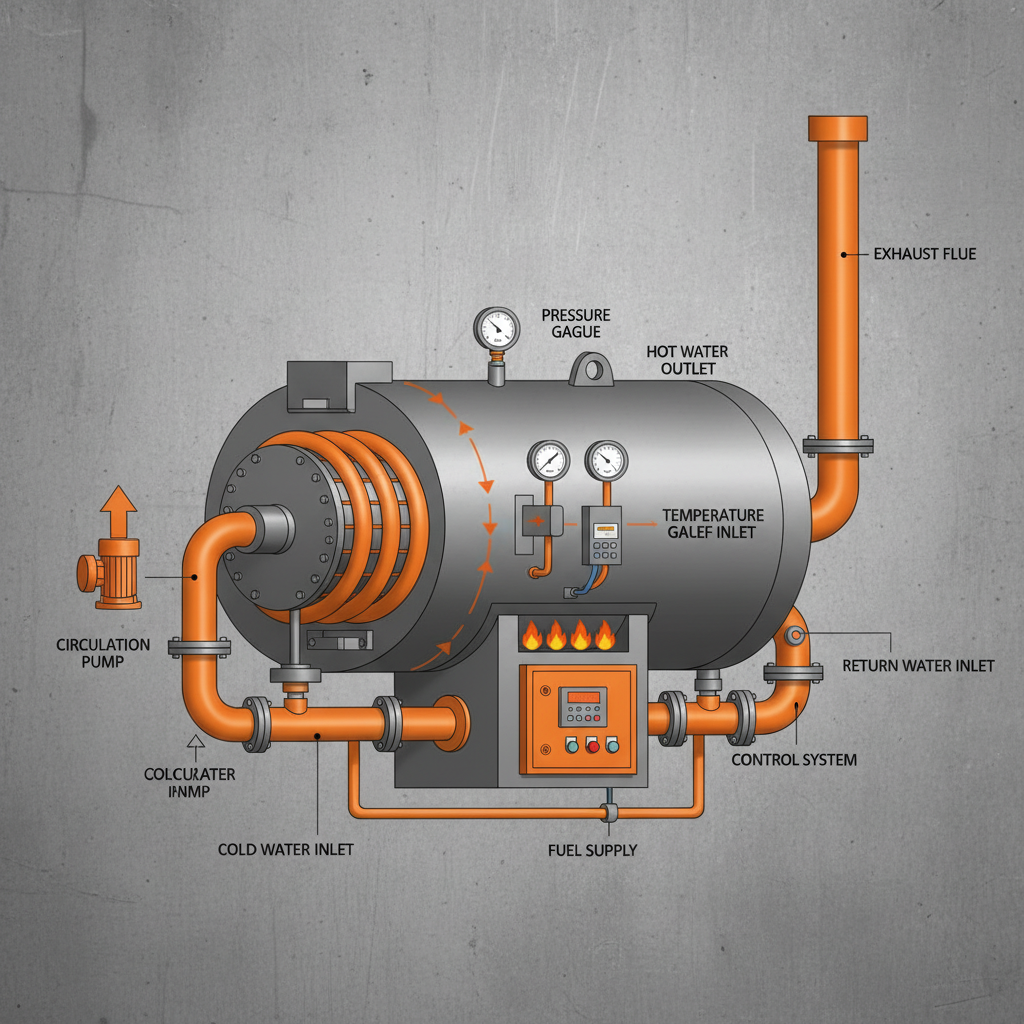
Simply put, a mains water boiler is a heating system that uses mains water pressure to deliver hot water on demand. Unlike older systems that relied on storage tanks, these boilers heat water directly as it's needed, eliminating standby heat loss and ensuring a constant supply of hot water. It's a shift towards more sustainable and efficient operation. This is especially important on large sites where water usage fluctuates dramatically.
The connection to modern industry and humanitarian needs is strong. In construction, it streamlines operations. In disaster relief, it provides essential hygiene and sanitation. It bridges the gap between basic needs and modern infrastructure. The scalability and rapid deployment of these systems make them incredibly valuable in emergency situations.
I've seen them used effectively in remote areas where access to traditional energy sources is limited, providing a sustainable and cost-effective solution for heating water. They offer a flexible and adaptable solution where traditional methods are impractical or cost-prohibitive.
Key Features for Construction Site Durability
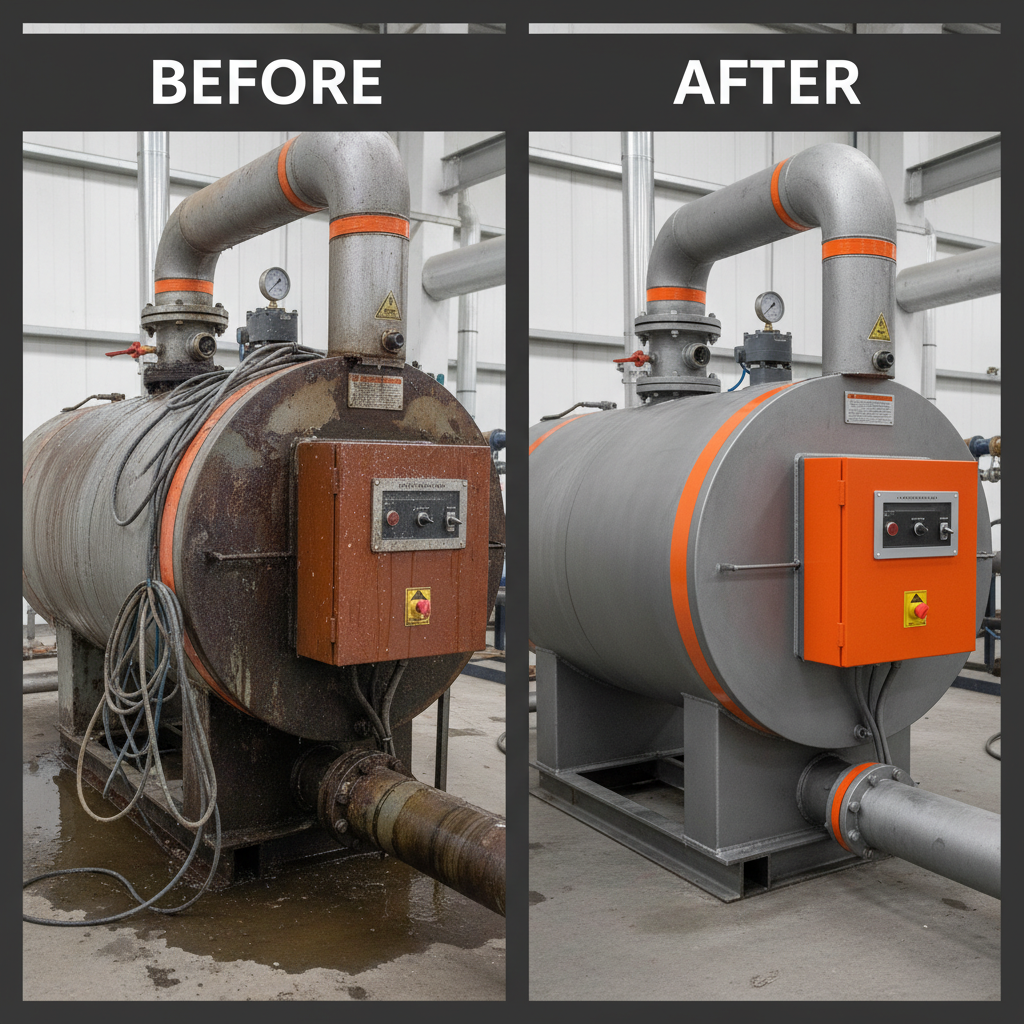
When I'm spec'ing a mains water boiler for a site, durability is paramount. We're not talking about a comfortable office environment; we're talking about a rough and tumble construction zone. Key features I look for include a robust, corrosion-resistant housing, heavy-duty burners, and easily accessible components for maintenance. The system needs to withstand vibration, dust, and potential impacts.
Another crucial aspect is automatic safety features. Things like overheat protection, low water shut-off, and flame failure detection are non-negotiable. You can't afford to take chances with safety on a construction site. I’ve personally seen the consequences of neglecting these vital safeguards. Properly installed and maintained safety features are the cornerstone of a reliable system.
Finally, ease of maintenance is a huge factor. We need systems that can be quickly and easily serviced in the field, with readily available spare parts. Downtime for repairs is costly, so minimizing maintenance time is critical to keeping projects on schedule.
Efficiency Ratings and Operational Costs of Mains Water Boiler
Let’s talk money. The initial cost of a mains water boiler is important, but you have to look at the total cost of ownership. I spend a lot of time analyzing efficiency ratings – the higher the rating, the lower the fuel consumption and operating costs. The difference between an 80% efficient boiler and a 95% efficient boiler can add up to significant savings over the life of a project.
Mains Water Boiler Operational Cost Comparison
Global Applications in Challenging Environments
I’ve seen mains water boiler systems deployed successfully in incredibly diverse environments. In post-disaster relief operations in Haiti and Nepal, they provided vital hot water for sanitation and medical facilities. In remote mining camps in Australia, they offered a reliable heating source where other options were simply unavailable.
Recently, I was involved in a project in the Arctic, where a mains water boiler was essential for maintaining operational temperatures in worker accommodations. The system had to withstand extreme cold and constant exposure to the elements. It performed flawlessly.
Long-Term Value and ROI for Mains Water Boiler
Look, a mains water boiler isn’t a cheap purchase upfront, but the long-term return on investment is substantial. Reduced energy costs, lower maintenance requirements, and increased productivity all contribute to a positive ROI. We track these metrics closely on our projects, and the data consistently shows that investing in a quality mains water boiler pays off.
Beyond the financial benefits, there's also the peace of mind that comes with knowing you have a reliable and safe system in place. That’s invaluable. Happy workers are productive workers, and providing them with basic comforts like hot water is a simple way to boost morale and improve overall performance.
We consider the social impact too. By utilizing efficient and sustainable technologies, we're reducing our environmental footprint and contributing to a more responsible construction industry.
Future Trends and Innovations in Boiler Technology
The industry is moving towards more integrated and intelligent systems. We're seeing boilers with advanced controls that allow for remote monitoring and diagnostics, predictive maintenance, and optimized energy consumption. Integration with building management systems (BMS) is also becoming more common.
There's a growing focus on renewable energy sources, with some manufacturers exploring the use of solar thermal collectors to preheat water and reduce reliance on fossil fuels. We’re also looking at hybrid systems that combine mains water boilers with heat pumps for even greater efficiency.
Automation and AI-powered controls will play an increasingly important role in optimizing boiler performance and minimizing downtime. The future of mains water boiler technology is about smarter, more efficient, and more sustainable solutions.
FAQS
With proper maintenance, a well-built mains water boiler can easily last 10-15 years on a construction site. The key is regular servicing, including descaling, burner cleaning, and inspection of safety components. Harsh conditions shorten the lifespan, so robust construction and preventative care are vital.
Sizing depends on several factors: the number of workers, the peak hot water demand, the temperature rise required, and the specific applications. A thorough assessment by a qualified engineer is essential. Undersizing leads to insufficient hot water, while oversizing increases energy waste and upfront costs.
Regular maintenance includes descaling to remove mineral buildup, cleaning the burner to ensure efficient combustion, inspecting safety features, and checking for leaks. Annual professional servicing is highly recommended. Following the manufacturer’s guidelines is crucial for maintaining warranty coverage.
Absolutely. Modern mains water boilers offer significantly higher energy efficiency compared to traditional storage tank systems. On-demand heating eliminates standby heat loss, and advanced burner technologies maximize combustion efficiency. This translates to lower fuel consumption and reduced operating costs.
Essential safety features include overheat protection, low water shut-off, flame failure detection, and a pressure relief valve. These features prevent dangerous situations and ensure the safe operation of the boiler. Regular inspection and testing of these safety components are critical.
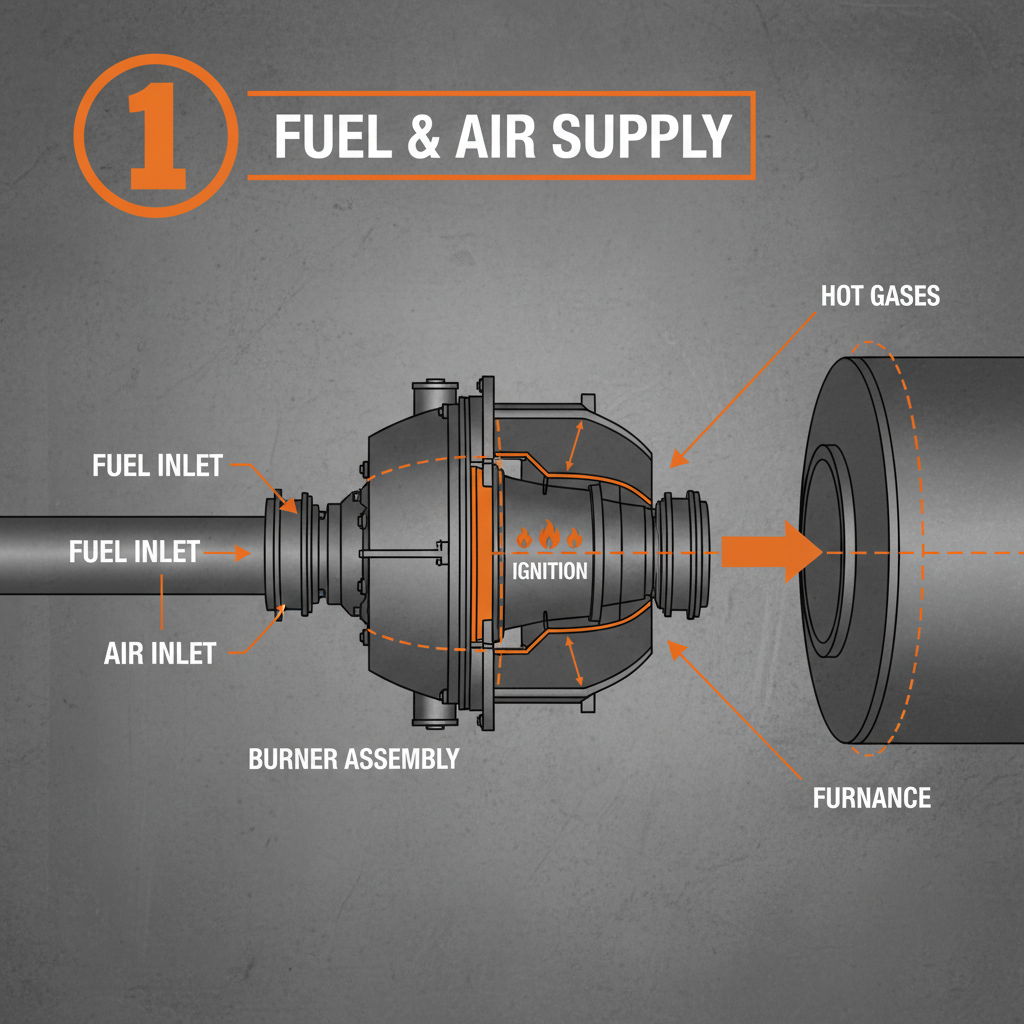
Many mains water boilers can be configured to run on various fuels, including natural gas, propane, and even biofuel options. The fuel type will impact efficiency and emissions, so selecting the right fuel for your application is important. Consider local regulations and availability when choosing a fuel source.
Conclusion
In conclusion, mains water boiler systems are no longer simply a convenience on construction sites – they’re a vital component of efficient operations, worker wellbeing, and project success. From reducing downtime and lowering energy costs to enhancing safety and promoting sustainability, the benefits are clear. It’s about smart investments that pay dividends throughout the project lifecycle.
Looking ahead, the continued innovation in boiler technology, coupled with a growing emphasis on sustainability, will drive even greater efficiency and reliability. By embracing these advancements and prioritizing proper maintenance, we can unlock the full potential of mains water boiler systems and build a more productive and responsible construction industry. For reliable mains water boiler solutions, visit our website: www.hzsteamboiler.com





 English
  Arabic
  Bengali
  French
  German
  Hindi
Hindi  Indonesian
  Kazakh
  Khmer
Khmer  Korean
  Kyrgyz
  Lao
Lao  Latin
Latin  Mongolian
  Nepali
  Russian
  Turkish
  Turkmen
  Uzbek
Uzbek