Coal fired boilers represent a cornerstone of power generation and industrial heating, providing a reliable and cost-effective means of producing steam for diverse applications. Understanding how does a coal fired boiler work is crucial in today’s energy landscape, as these systems continue to play a significant role, even as cleaner alternatives gain prominence. The principles behind their operation, from fuel combustion to steam production and emission control, are fundamental to engineering and energy management practices.
Globally, coal remains a substantial energy source, accounting for approximately 27% of primary energy consumption in 2022 (IEA data). While phasing out coal is a key objective in many climate policies, existing infrastructure and economic realities mean coal fired boilers will remain operational for decades. This underscores the importance of optimizing their efficiency and minimizing their environmental impact. Effective operation and maintenance, guided by a thorough understanding of how does a coal fired boiler work, is therefore paramount.
The challenges surrounding coal usage—primarily greenhouse gas emissions and air pollution—have spurred innovation in boiler technology and fuel handling. This has led to developments in cleaner coal technologies, advanced combustion methods, and flue gas treatment systems. A comprehensive knowledge of how does a coal fired boiler work enables engineers and operators to implement these improvements and ensure responsible operation of these vital energy systems.
The Fundamentals of how does a coal fired boiler work
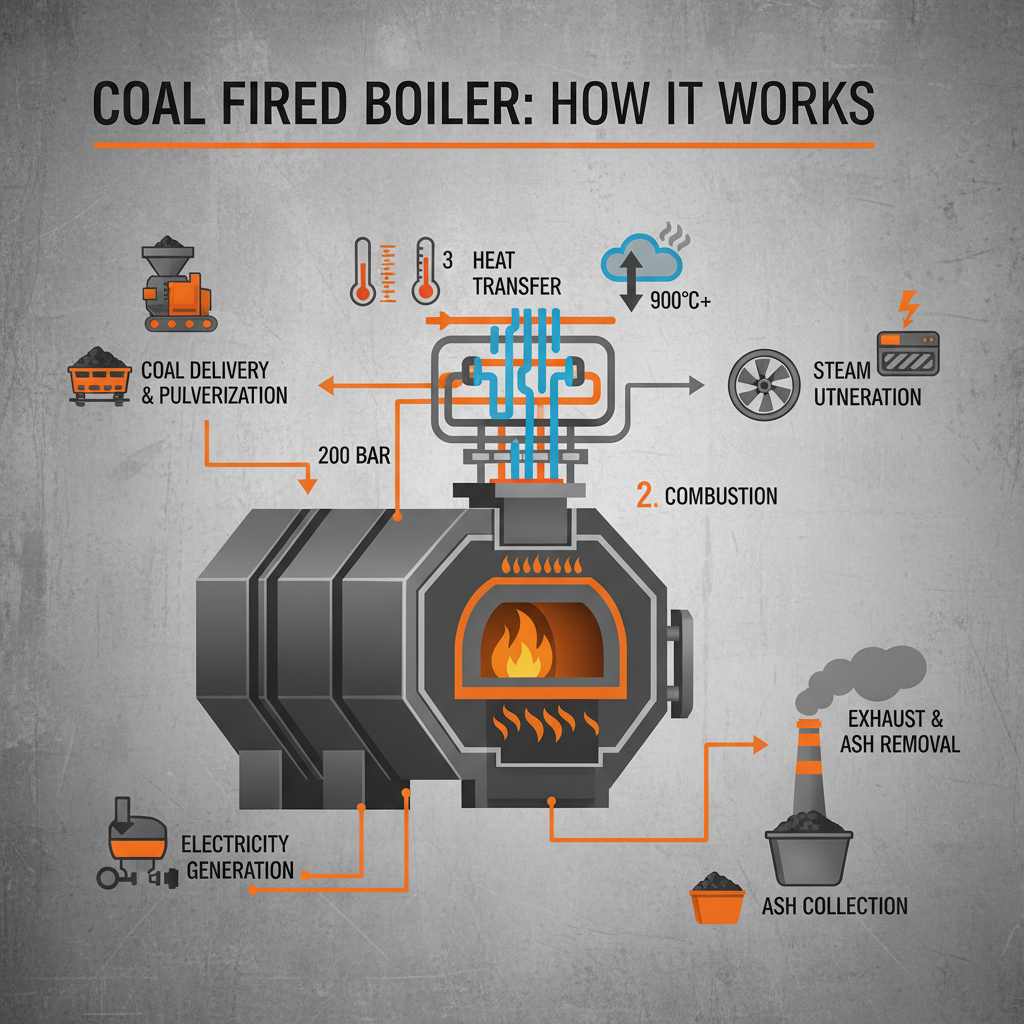
At its core, how does a coal fired boiler work relies on the principle of converting the chemical energy stored in coal into thermal energy in the form of steam. This is achieved through controlled combustion of coal within a furnace, transferring heat to water circulating through tubes or a shell surrounding the combustion chamber. This process transforms water into high-pressure, high-temperature steam, which is then used to drive turbines for electricity generation or provide process heat for industrial applications.
The efficiency of this energy conversion is paramount. Factors like boiler design, fuel quality, combustion control, and heat recovery all play a critical role in maximizing steam output while minimizing fuel consumption and emissions. A well-maintained and properly operated boiler is essential for both economic viability and environmental responsibility.
Historical Context and Evolution
The concept of steam power dates back to ancient Greece, but the development of practical coal fired boilers began with the advent of the Industrial Revolution in the 18th century. Early boilers were inefficient and often dangerous, relying on manual operation and lacking effective safety features. Improvements throughout the 19th and 20th centuries led to increasingly sophisticated designs, including the introduction of water-tube boilers, superheaters, and automated control systems.
These advancements dramatically increased efficiency, power output, and safety. The evolution of how does a coal fired boiler work has been closely tied to the demands of growing industries, particularly in the areas of manufacturing, transportation, and electricity generation. Each generation of boiler technology has reflected efforts to overcome the limitations of previous designs.
Today, continued research and development focus on minimizing environmental impact, incorporating renewable energy sources, and optimizing boiler performance through advanced materials and control technologies.
Core Components and Their Functions
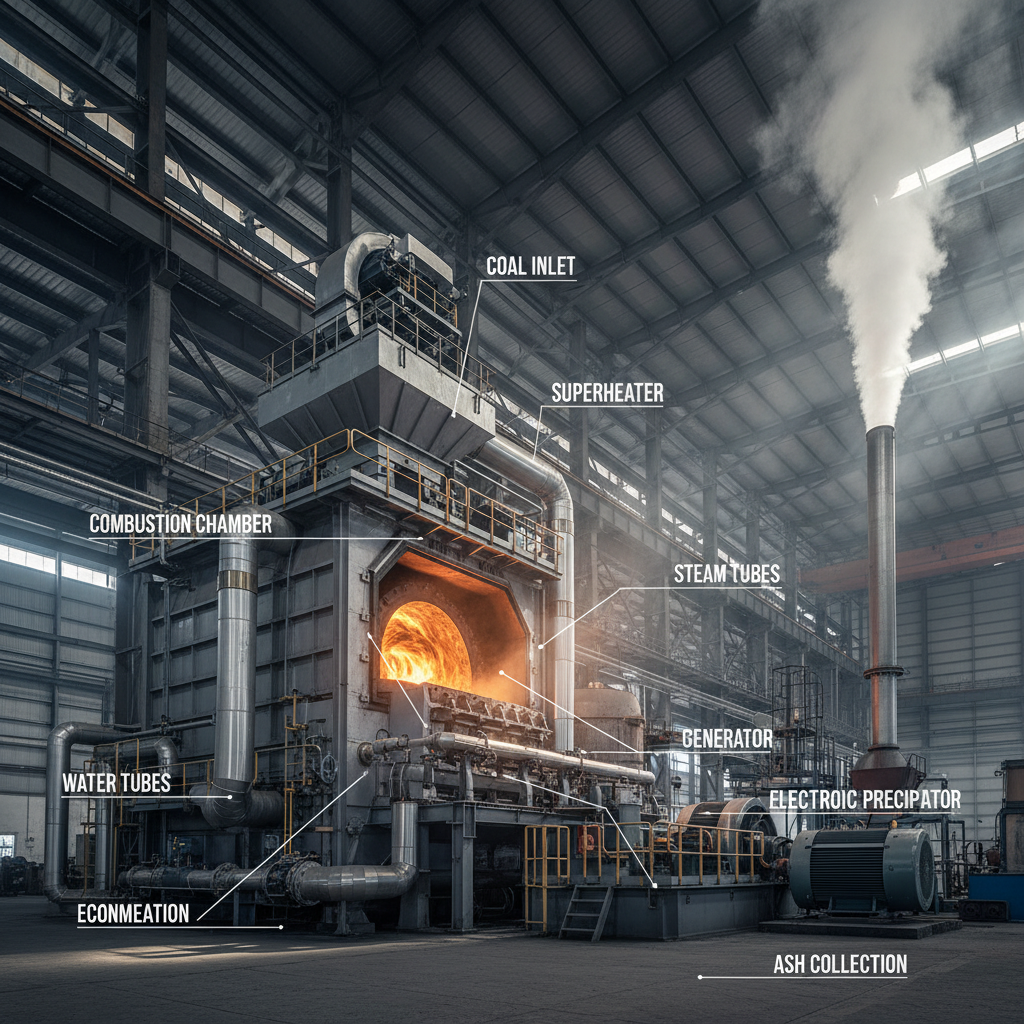
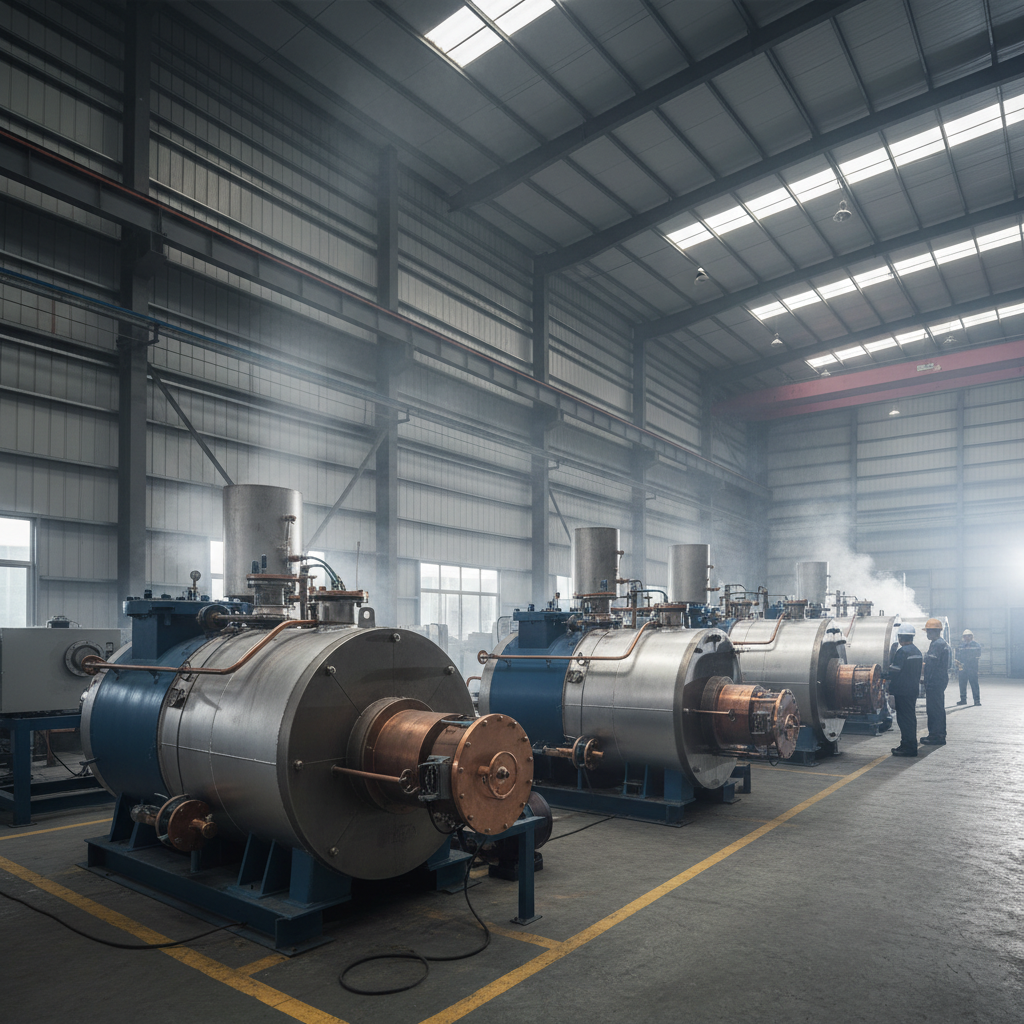
A typical coal fired boiler comprises several key components, each with a specific function in the steam generation process. The furnace is where coal combustion takes place, designed to ensure complete burning of the fuel. The boiler drum holds water and separates steam from water. Water tubes or fire tubes transfer heat from the furnace to the water.
The superheater increases the temperature of the steam beyond its saturation point, improving its efficiency. The economizer preheats the feedwater using exhaust gases, recovering waste heat. Finally, the air preheater warms the combustion air, further enhancing efficiency. Understanding the interplay between these components is essential to understanding how does a coal fired boiler work.
Flue gas cleaning systems, including electrostatic precipitators and scrubbers, are critical for removing pollutants like particulate matter, sulfur dioxide, and nitrogen oxides from the exhaust gases, minimizing environmental impact. Modern coal fired boilers increasingly incorporate advanced monitoring and control systems for optimal performance and reduced emissions.
Efficiency Metrics and Performance Indicators of how does a coal fired boiler work
Assessing the performance of a coal fired boiler involves several key efficiency metrics. Boiler efficiency, expressed as a percentage, represents the proportion of energy from the coal that is effectively transferred to steam. Thermal efficiency considers heat losses throughout the system, providing a more comprehensive measure.
Other important indicators include the excess air ratio (minimizing air while ensuring complete combustion), steam purity (preventing scale buildup in tubes), and flue gas temperature (indicating heat recovery effectiveness). Regular monitoring and analysis of these parameters are crucial for identifying areas for improvement and optimizing boiler operation.
Boiler Performance Indicators
Global Applications of Coal Fired Boilers
Coal fired boilers find extensive application across a range of industries and geographical regions. They remain a primary source of power generation in countries like China, India, and the United States, providing a significant portion of their electricity supply. In post-disaster relief operations, mobile coal fired boilers can provide essential heating and power to affected areas.
Industries such as pulp and paper, textile manufacturing, and chemical processing rely on coal fired boilers for process heat. In remote industrial zones lacking access to natural gas or other fuels, coal often represents the most economically viable option. The ongoing operation and maintenance of these boilers, relying on expertise in how does a coal fired boiler work, is critical to continued supply.
Advantages and Disadvantages of Coal Fired Boilers
The primary advantage of coal fired boilers lies in the abundance and relatively low cost of coal as a fuel source. They offer high steam generation capacity and are capable of providing continuous operation for extended periods. They also represent a well-established technology with a readily available workforce and supply chain.
However, coal fired boilers also present significant disadvantages. These include substantial greenhouse gas emissions, air pollution (sulfur dioxide, nitrogen oxides, particulate matter), and ash disposal challenges. Environmental regulations are increasingly stringent, driving up the cost of operation and requiring investment in pollution control technologies.
Despite these drawbacks, advancements in clean coal technologies and carbon capture systems are aimed at mitigating the environmental impact and extending the viability of coal fired power generation.
Future Trends and Technological Advancements
The future of coal fired boilers is inextricably linked to advancements in clean coal technologies and sustainability initiatives. Supercritical and ultra-supercritical boilers operate at higher temperatures and pressures, improving efficiency and reducing emissions. Integrated Gasification Combined Cycle (IGCC) technology converts coal into a synthetic gas, enabling more efficient and cleaner power generation.
Carbon capture, utilization, and storage (CCUS) technologies are being developed to capture CO2 emissions from power plants and either store them underground or utilize them in other industrial processes. Digitalization and automation, including advanced process control systems and predictive maintenance, are also playing an increasingly important role in optimizing boiler performance and reducing operating costs.
The implementation of these technologies, grounded in a deep understanding of how does a coal fired boiler work, is critical for balancing energy needs with environmental responsibility.
Table Summarizing Key Technological Advancements for Improved Boiler Performance
| Technology |
Efficiency Improvement |
Emission Reduction |
Implementation Cost |
| Supercritical Boilers |
10-15% |
Moderate |
High |
| IGCC Technology |
20-25% |
Significant |
Very High |
| Carbon Capture (CCUS) |
0-5% (net reduction) |
80-90% of CO2 |
Very High |
| Advanced Combustion Control |
5-10% |
Moderate |
Moderate |
| Digital Boiler Control Systems |
3-7% |
Minor |
Low to Moderate |
| Low NOx Burners |
1-3% |
Significant |
Moderate |
FAQS
A coal fired boiler fundamentally comprises a furnace for combustion, a boiler drum for water-steam separation, water tubes or fire tubes for heat transfer, a superheater for increasing steam temperature, an economizer for preheating feedwater, and an air preheater for warming combustion air. Effective operation relies on understanding how does a coal fired boiler work, with each component working in synergy to maximize efficiency.
Coal fired boilers release pollutants like sulfur dioxide, nitrogen oxides, particulate matter, and carbon dioxide. These emissions contribute to acid rain, smog, respiratory problems, and climate change. Modern boilers incorporate flue gas cleaning systems to mitigate these impacts, but understanding how does a coal fired boiler work and these mitigating technologies is crucial for responsible operation.
The superheater’s primary function is to increase the temperature of the saturated steam produced in the boiler. This superheated steam possesses higher energy content and improves the efficiency of steam turbines used for electricity generation. Superheating is a critical process in how does a coal fired boiler work to maximize power output.
Efficiency can be improved through several measures, including optimizing combustion control, upgrading burners, implementing waste heat recovery systems, improving insulation, and regular maintenance. Implementing advanced control systems and utilizing data analytics to identify inefficiencies are also beneficial, enhancing our understanding of how does a coal fired boiler work within the plant.
Proper water treatment is essential to prevent scale buildup and corrosion within the boiler tubes. Scale reduces heat transfer efficiency, while corrosion can lead to tube failure and costly repairs. Maintaining appropriate water chemistry is a fundamental aspect of how does a coal fired boiler work and ensuring long-term reliability.
Advancements in carbon capture technologies include amine-based absorption, adsorption using solid sorbents, and membrane separation techniques. These technologies aim to capture CO2 emissions from flue gases, preventing them from entering the atmosphere. Integrating these technologies is a critical step towards mitigating the environmental impact of how does a coal fired boiler work.
Conclusion
In summary, understanding how does a coal fired boiler work is crucial for efficient and responsible energy production. These systems, while facing environmental challenges, continue to play a significant role globally. By focusing on technological advancements, optimizing performance, and implementing stringent emission controls, we can mitigate their environmental impact and ensure their continued viability.
Looking ahead, investment in clean coal technologies, carbon capture systems, and digitalization will be paramount. Further research and development are needed to improve efficiency, reduce emissions, and integrate coal fired boilers into a more sustainable energy future. Visit our website at www.hzsteamboiler.com to learn more about advanced boiler solutions.





 English
  Arabic
  Bengali
  French
  German
  Hindi
Hindi  Indonesian
  Kazakh
  Khmer
Khmer  Korean
  Kyrgyz
  Lao
Lao  Latin
Latin  Mongolian
  Nepali
  Russian
  Turkish
  Turkmen
  Uzbek
Uzbek