0%

Table of Contents

Biomass fired thermal oil boilers represent a significant advancement in industrial heating solutions, offering a sustainable and efficient alternative to traditional fossil fuel systems. These boilers utilize a heat transfer fluid – thermal oil – heated by the combustion of various biomass materials like wood chips, pellets, agricultural residues, and energy crops. This indirect heating method provides precise temperature control and eliminates the risks associated with direct flame exposure, making them ideal for a wide range of applications across diverse industries. The global demand for cleaner energy sources is driving the adoption of biomass fired thermal oil boiler technology.

The increasing focus on reducing carbon emissions and promoting renewable energy sources has positioned biomass as a key player in the energy transition. Governments worldwide are implementing policies and incentives to encourage the use of biomass fuels, further bolstering the market for these boilers. They offer a tangible pathway towards achieving sustainability goals, aligning with international agreements like the Paris Agreement and contributing to a circular economy model. Understanding the nuances of this technology is crucial for businesses and organizations seeking to optimize their energy consumption and minimize their environmental impact.

The versatility of biomass fired thermal oil boiler systems allows for integration into existing infrastructure, offering a cost-effective solution for upgrading outdated heating systems. Furthermore, the ability to utilize locally sourced biomass fuels reduces reliance on imported fossil fuels, enhancing energy security and supporting local economies. This combination of economic and environmental benefits makes biomass fired thermal oil boilers a compelling choice for a sustainable future.
Advanced Biomass Fired Thermal Oil Boiler Systems for Sustainable Industrial Heating

The Core Principles of Biomass Fired Thermal Oil Boiler

Advanced Biomass Fired Thermal Oil Boiler Systems for Sustainable Industrial Heating

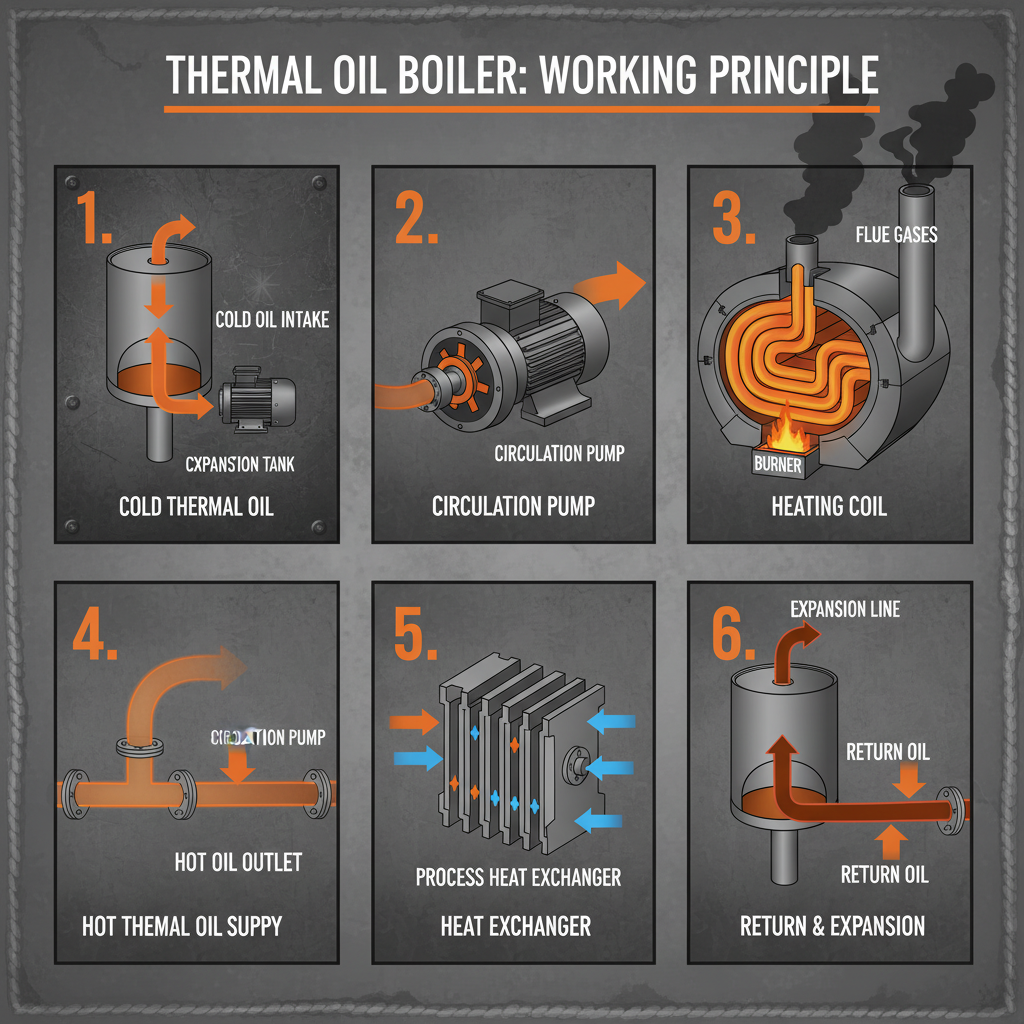
At its core, a biomass fired thermal oil boiler operates on the principle of indirect heating. Biomass fuel is combusted within a dedicated furnace, and the heat generated is transferred to a thermal oil circulating through a closed-loop system. This thermal oil then carries the heat to the point of application – be it industrial processes, heating systems, or power generation. This separation of combustion from the process being heated is a key advantage, ensuring consistent and clean thermal energy delivery.

The efficient transfer of heat via thermal oil minimizes energy losses and maximizes the overall system efficiency. The oil itself possesses excellent thermal stability, allowing for operation at high temperatures without degradation. This ensures a reliable and long-lasting heating solution. The technology’s design also facilitates precise temperature control, critical for processes requiring consistent and accurate thermal input.

Global Relevance and Market Dynamics

The global market for biomass fired thermal oil boilers is experiencing substantial growth, driven by the increasing demand for renewable energy and the need to reduce carbon footprints. Europe, North America, and Asia-Pacific are leading the charge, with governments offering incentives and regulations that favor sustainable heating solutions. According to a recent report by the International Renewable Energy Agency (IRENA), biomass accounts for a significant portion of global renewable energy consumption.

This growth is further fueled by the volatility of fossil fuel prices and the increasing awareness of the environmental impact of traditional heating systems. Industries like food processing, pharmaceuticals, and textiles are particularly adopting biomass thermal oil boilers due to their need for high-quality, consistent heat. The demand is also being boosted by initiatives aimed at rural electrification and sustainable agricultural practices.

Furthermore, the rising demand for district heating systems, particularly in colder climates, is contributing to the expansion of the market for these boilers. These systems utilize centralized heating plants employing biomass fired thermal oil boiler to efficiently distribute heat to multiple buildings, significantly reducing energy consumption and emissions.

Defining Biomass Fired Thermal Oil Boiler Technology

A biomass fired thermal oil boiler is a heating system that utilizes the combustion of biomass materials to heat a heat transfer fluid, known as thermal oil. Unlike traditional steam boilers, these systems operate at lower pressures and temperatures, offering enhanced safety and efficiency. The thermal oil circulates through a closed loop, transferring heat to the desired process without direct contact with the combustion gases.

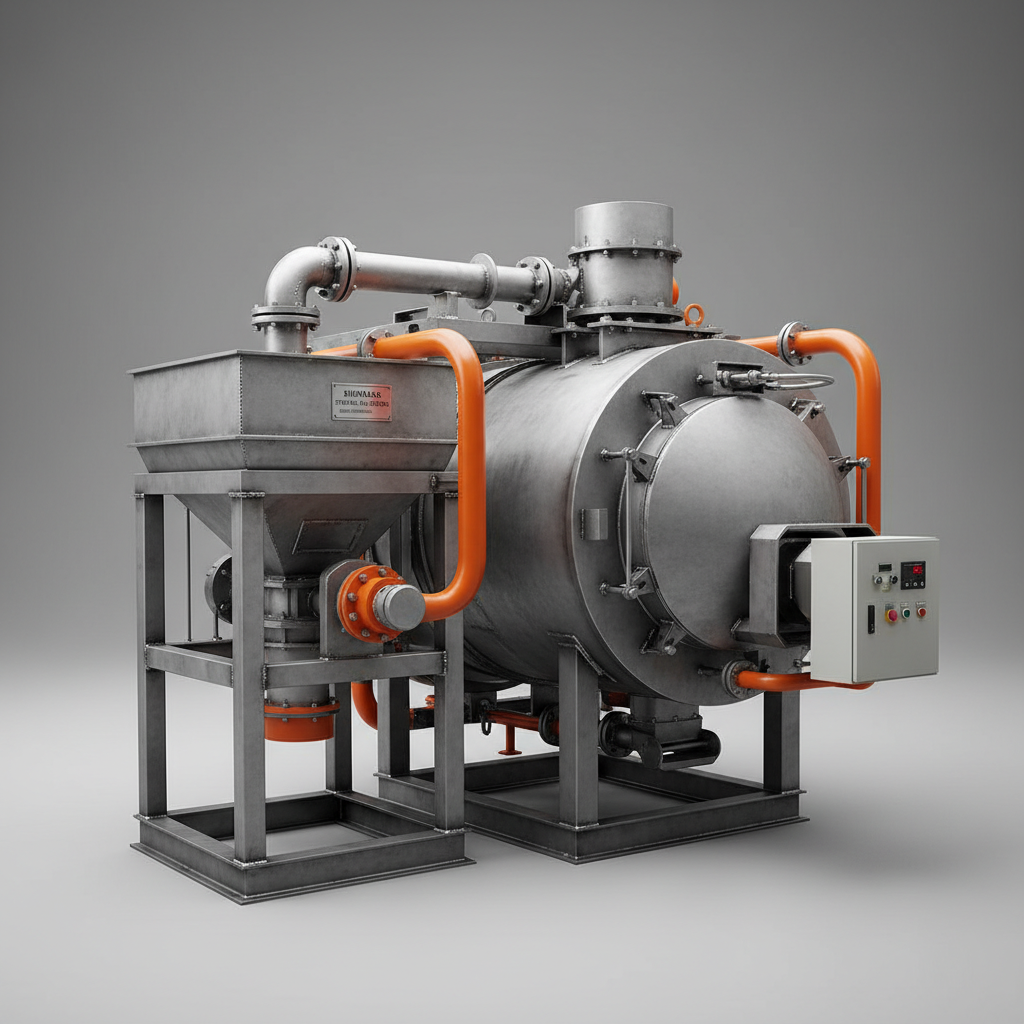
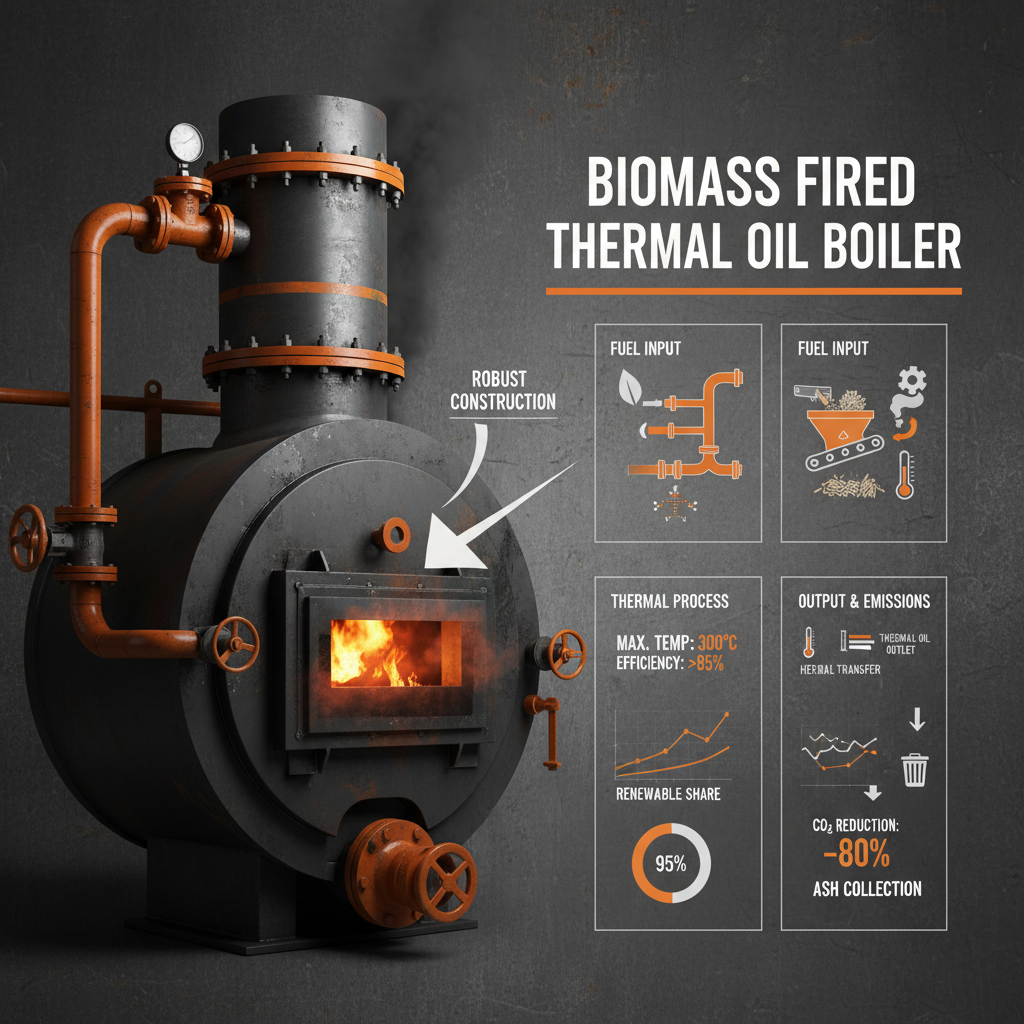
The biomass fuel can vary significantly, including wood chips, wood pellets, agricultural residues (such as straw and husks), and dedicated energy crops. The boiler itself comprises several key components: a combustion chamber, a heat exchanger, a thermal oil circulation pump, and a control system. The design allows for automated operation and precise temperature regulation, minimizing manual intervention and maximizing efficiency.

This technology connects modern industrial needs with sustainable practices, providing a clean and reliable heating solution. It plays a pivotal role in the transition towards a more circular economy, where waste materials are valorized as a valuable energy source, contributing to both environmental and economic benefits.

Key Factors Influencing Performance

Several factors significantly influence the performance of a biomass fired thermal oil boiler. These include the fuel quality, boiler design, combustion efficiency, and the effectiveness of the heat transfer system. Fuel quality, specifically moisture content and calorific value, directly affects combustion efficiency and overall heat output.

Boiler design, encompassing the size of the combustion chamber, the heat exchanger surface area, and the insulation effectiveness, is crucial for maximizing heat transfer and minimizing heat losses. Optimized combustion processes, utilizing advanced burner technology and air control systems, ensure complete fuel combustion and reduce emissions.

Biomass Fired Thermal Oil Boiler Performance Metrics


Real-World Applications and Industries Served

Biomass fired thermal oil boilers find diverse applications across a range of industries. In the food processing sector, they provide the consistent and hygienic heat required for pasteurization, sterilization, and drying processes. The pharmaceutical industry utilizes them for precise temperature control in chemical reactions and solvent recovery.

The textile industry leverages the boilers for dyeing, finishing, and drying operations. Furthermore, they are increasingly employed in wood processing plants, pulp and paper mills, and district heating systems. In remote industrial zones, where access to traditional fuels is limited, these boilers offer a reliable and sustainable energy solution.

Advantages and Long-Term Value Proposition

The advantages of employing biomass fired thermal oil boilers are multifaceted. From a cost perspective, utilizing locally sourced biomass fuels can significantly reduce energy expenses compared to relying on fossil fuels. Sustainability is another key benefit, as biomass is a renewable resource with a lower carbon footprint. This contributes to reduced greenhouse gas emissions and compliance with environmental regulations.

The long-term value extends beyond economic and environmental factors. The reliability and durability of these systems, coupled with their precise temperature control, enhance operational efficiency and product quality. The reduced maintenance requirements and long lifespan contribute to lower total cost of ownership, making them a sound investment for businesses seeking sustainable and cost-effective heating solutions.

Future Trends and Technological Advancements

The future of biomass fired thermal oil boiler technology is poised for significant advancements. Research and development efforts are focused on improving combustion efficiency, reducing emissions, and expanding the range of compatible biomass fuels. Integration with smart grid technologies and advanced control systems will enable optimized operation and remote monitoring.

The development of more efficient heat exchangers and thermal storage systems will further enhance the overall performance and flexibility of these boilers. Furthermore, the integration of artificial intelligence (AI) and machine learning (ML) algorithms will allow for predictive maintenance and optimized fuel consumption, reducing downtime and maximizing efficiency.

The increasing focus on carbon capture and storage (CCS) technologies could also be integrated with biomass boilers to create carbon-negative heating solutions, further mitigating climate change. This innovative approach positions biomass thermal oil boilers at the forefront of sustainable energy technologies.

FAQS

What types of biomass fuels can be used in a thermal oil boiler?

A wide range of biomass fuels can be used, including wood chips, wood pellets, agricultural residues like straw and husks, energy crops (such as miscanthus), and even certain types of organic waste. The suitability of a specific fuel depends on factors like moisture content, calorific value, and ash content. It’s crucial to ensure the fuel meets the boiler manufacturer's specifications for optimal performance and emissions control.

How does a thermal oil boiler compare to a steam boiler in terms of efficiency?

Thermal oil boilers generally exhibit higher efficiency compared to steam boilers, especially in applications requiring lower temperatures. This is due to the lower operating pressures and reduced heat losses associated with thermal oil systems. Steam boilers experience significant heat losses through steam condensation and require more energy to maintain high pressures. Thermal oil’s superior heat transfer characteristics also contribute to its efficiency advantage.

What are the typical maintenance requirements for a biomass thermal oil boiler?

Regular maintenance is essential for ensuring optimal performance and longevity. This includes periodic cleaning of the combustion chamber and heat exchanger, inspection of the fuel feeding system, and monitoring of the thermal oil quality. Annual inspections by qualified technicians are recommended to identify and address potential issues before they escalate. Proper maintenance minimizes downtime and maximizes the boiler's lifespan.

What safety features are incorporated into biomass thermal oil boilers?

Biomass thermal oil boilers are equipped with multiple safety features, including high-temperature alarms and shutdowns, low-oil-level protection, pressure relief valves, and combustion safety controls. These features are designed to prevent overheating, overpressure, and other hazardous conditions. Regular safety inspections and adherence to operating procedures are crucial for maintaining a safe operating environment.

Is it difficult to integrate a biomass boiler into an existing heating system?

The integration process depends on the complexity of the existing system. In many cases, it can be done relatively seamlessly, especially if the existing system is hydronic (water-based). A qualified engineer will assess the existing infrastructure and recommend any necessary modifications to ensure compatibility. Factors to consider include pipe sizing, pump capacity, and control system integration.

What are the emissions standards for biomass thermal oil boilers?

Emissions standards vary depending on the region and local regulations. However, modern biomass thermal oil boilers are designed to meet stringent emissions standards for particulate matter, nitrogen oxides (NOx), and carbon monoxide (CO). Advanced combustion technologies and flue gas treatment systems are employed to minimize emissions and ensure compliance with environmental regulations. Regular emissions testing is often required.

Conclusion

In conclusion, biomass fired thermal oil boilers represent a powerful and sustainable heating solution for a wide range of industries. Their ability to utilize renewable biomass fuels, combined with their high efficiency, precise temperature control, and reduced environmental impact, makes them a compelling alternative to traditional fossil fuel systems. The ongoing advancements in technology and increasing emphasis on sustainability are driving the adoption of this technology globally.

Looking ahead, continued innovation in combustion technology, fuel processing, and integration with smart grid systems will further enhance the performance and versatility of biomass fired thermal oil boiler. Investing in this technology not only contributes to a cleaner environment but also provides long-term economic benefits through reduced energy costs and increased operational efficiency. Visit our website at www.hzsteamboiler.com to explore how we can help you transition to a sustainable heating solution.

Daniel Wilson

Daniel Wilson

Daniel Wilson is a Service Engineer at Hebei Hongze Boiler Manufacturing Co., Ltd. He specializes in the maintenance and repair of hot water boiler systems and provides on-site support to customers. Daniel is known for his rapid response time and technical expertise, ensuring minimal downtime and maximum efficiency for clients.
Previous Advancements in Biomass Fired Thermal Oil Boiler Manufacturers and Industrial Heating
Next Leading Gas Fired Thermal Oil Boiler Manufacturers for Industrial Heating Solutions
Read More About gas fired water boiler
Read More About residential gas fired hot water boilers
Read More About oil burning water heater
Read More About oil fired water boiler
en_USEnglish