

Look, the whole thermal oil heater boiler scene… it's been changing fast. Everyone's chasing efficiency, right? Lower emissions, better heat transfer. But honestly, a lot of the new stuff sounds good on paper, doesn't always translate to the muddy reality of a construction site. You get these fancy controls, touchscreens... I saw one last week covered in concrete dust, completely useless. Anyway, I think the biggest trend is moving away from straight electric and back to more focused heat – that’s where thermal oil really shines.
We've been getting a ton of requests for compact units, too. Space is always at a premium, especially in these retrofit projects. Folks are cramming things into tighter and tighter spots, so shrinking the footprint is huge. What’s strange is how many designs I see trying to do that by just… shrinking everything, including the service access panels. That’s a nightmare for maintenance. To be honest, it’s a quick way to create a long-term headache.
And everyone is talking about recovery times. How quickly can you get the oil back up to temperature? That dictates cycle times, overall production… it’s crucial.
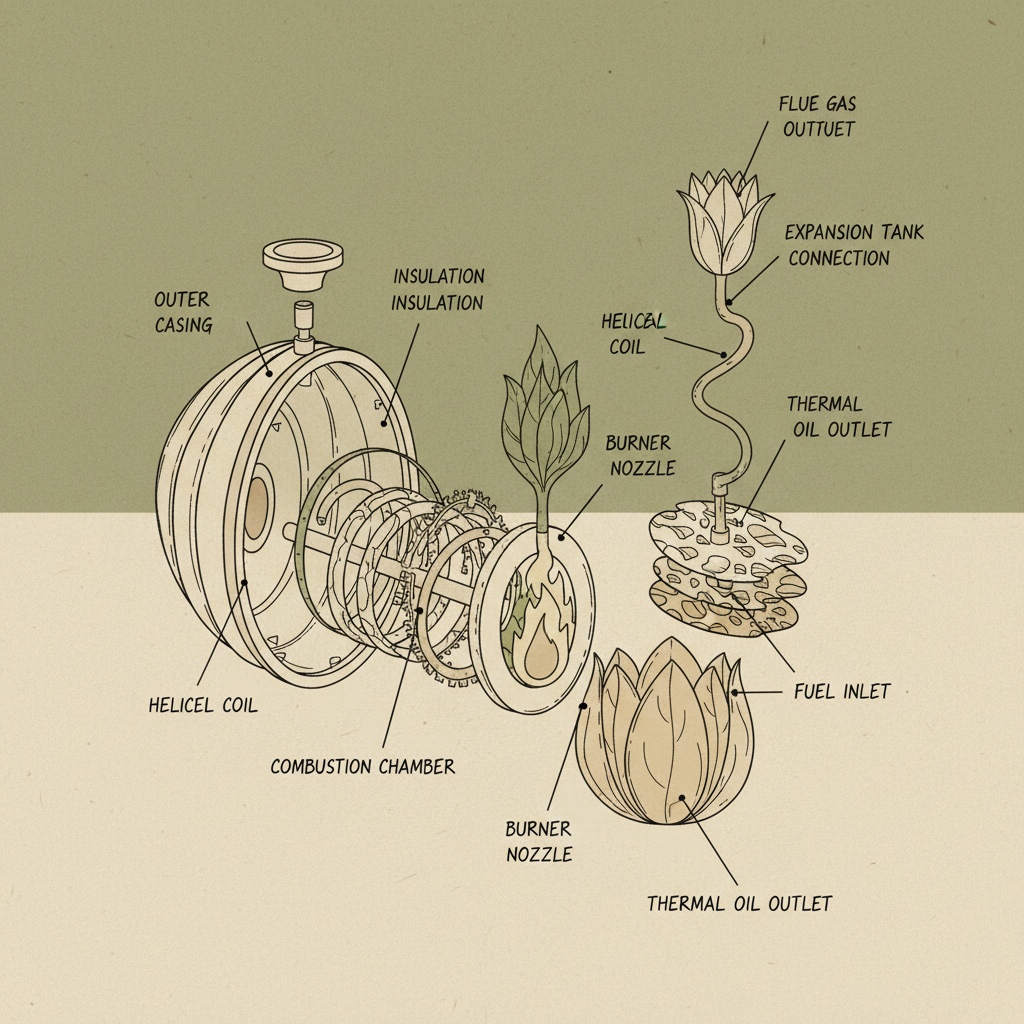
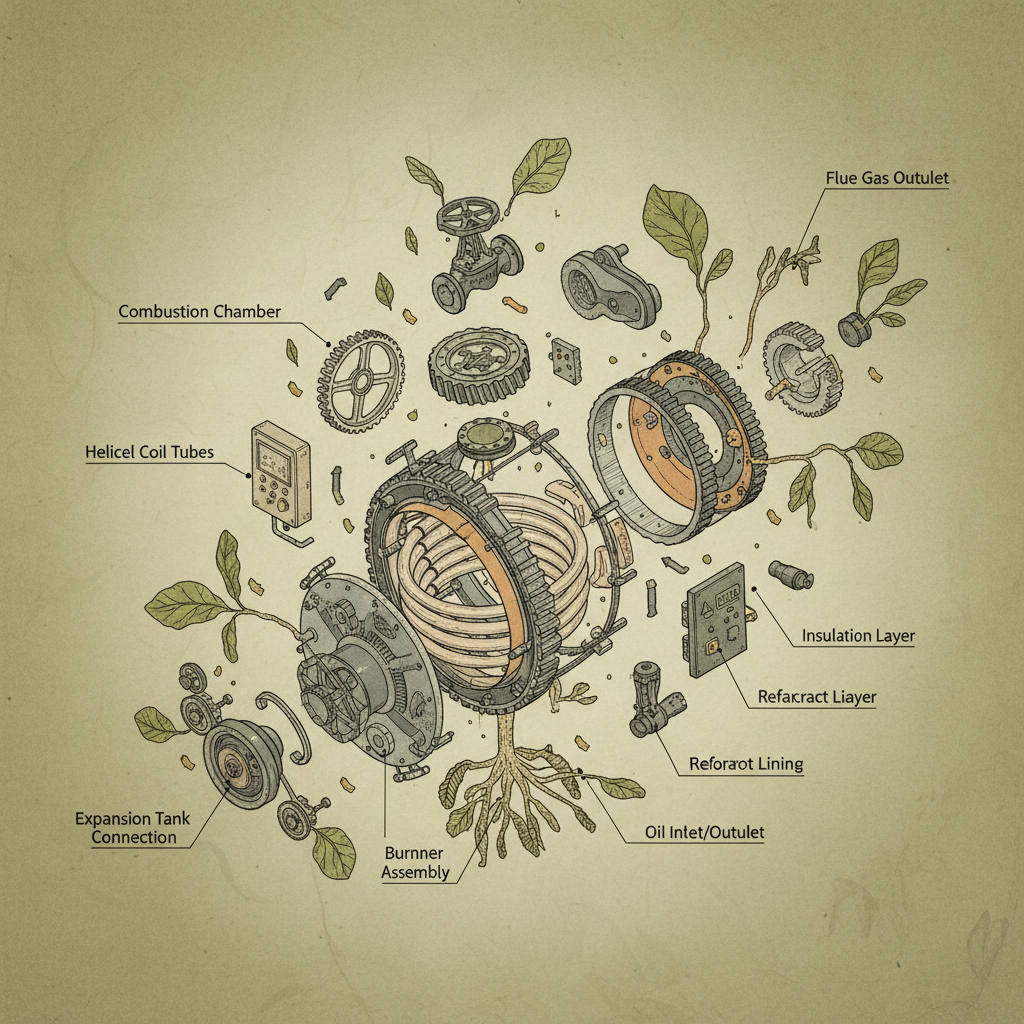
Durability, that's number one. These things are often running 24/7, so you need robust construction. The steel… you can tell a lot just by the smell of it when you weld. Cheap steel smells…off. I encountered this at a factory in Wenzhou last time, and the entire batch had to be scrapped. Then there’s the heat transfer fluid itself. The quality matters. We’ve tried a few different brands, and some just break down faster, leading to sludge buildup.
Scalability is also huge. Clients want to know they can expand later, add another unit if production ramps up. You don’t want to be stuck with a system that's too small after a year. Cost efficiency, of course, is always a factor. But it’s not just the upfront cost. It's the long-term maintenance, the fuel consumption… the total cost of ownership.
A well-maintained thermal oil heater boiler can easily last 20-30 years. It really depends on usage, maintenance schedules, and the quality of the original components. Consistent oil analysis and timely replacement of wear parts are crucial. We’ve seen some units still running strong after 40 years, but those are exceptions, not the rule. Replacing parts proactively is far cheaper than a full system replacement down the line.
Typically, the thermal oil should be replaced every 5-7 years, but this can vary depending on operating temperatures and usage intensity. Regular oil analysis is the best way to determine when replacement is necessary. We recommend analyzing the oil at least annually to monitor its condition and identify any signs of degradation. Ignoring oil replacement can lead to sludge buildup and reduced heat transfer efficiency.
Thermal oil operates at high temperatures, so safety is paramount. Always wear appropriate personal protective equipment (PPE), including heat-resistant gloves and eye protection. Ensure proper ventilation to prevent the buildup of fumes. Regularly inspect the system for leaks and address any issues promptly. Never operate the system if you suspect a leak or malfunction. It's a good idea to have a comprehensive safety training program for all personnel involved in operating and maintaining the system.
Absolutely. We routinely customize thermal oil heater boilers to meet specific client requirements. Last month, a small boss in Shenzhen who makes smart home devices insisted on changing the interface to , and the result was a three-week delay getting the unit shipped! Seriously though, we can adjust heating capacity, control systems, materials of construction, and even the physical dimensions to fit your application. We can add features like remote monitoring, data logging, and automated shutdown systems.
Regular maintenance is key to ensuring long-term reliability. This includes annual oil analysis, inspection of seals and gaskets, cleaning of heat transfer surfaces, and calibration of the control system. We recommend a preventative maintenance schedule tailored to your specific operating conditions. Simple things like keeping the area around the boiler clean and free of debris can also make a big difference.
Thermal oil heater boilers are quite versatile in terms of fuel. They can operate on natural gas, propane, oil, or even biomass. The choice of fuel depends on availability, cost, and environmental considerations. We can help you evaluate the best fuel option for your specific application and provide recommendations on burner configurations. Natural gas is often the most cost-effective option, but oil provides higher heat output.
Ultimately, thermal oil heater boilers offer a compelling combination of precise temperature control, efficiency, and reliability. From small-scale applications in food processing to large-scale industrial operations, these systems are proving their worth across a wide range of industries. Staying on top of maintenance, choosing the right materials, and integrating smart controls will be crucial for maximizing performance and minimizing downtime.
But honestly? Whether this thing works or not, the worker will know the moment he tightens the screw. It’s all about real-world performance and, at the end of the day, that’s what matters most. If you're interested in learning more about how a thermal oil heater boiler can benefit your operation, visit our website: https://www.hzsteamboiler.com



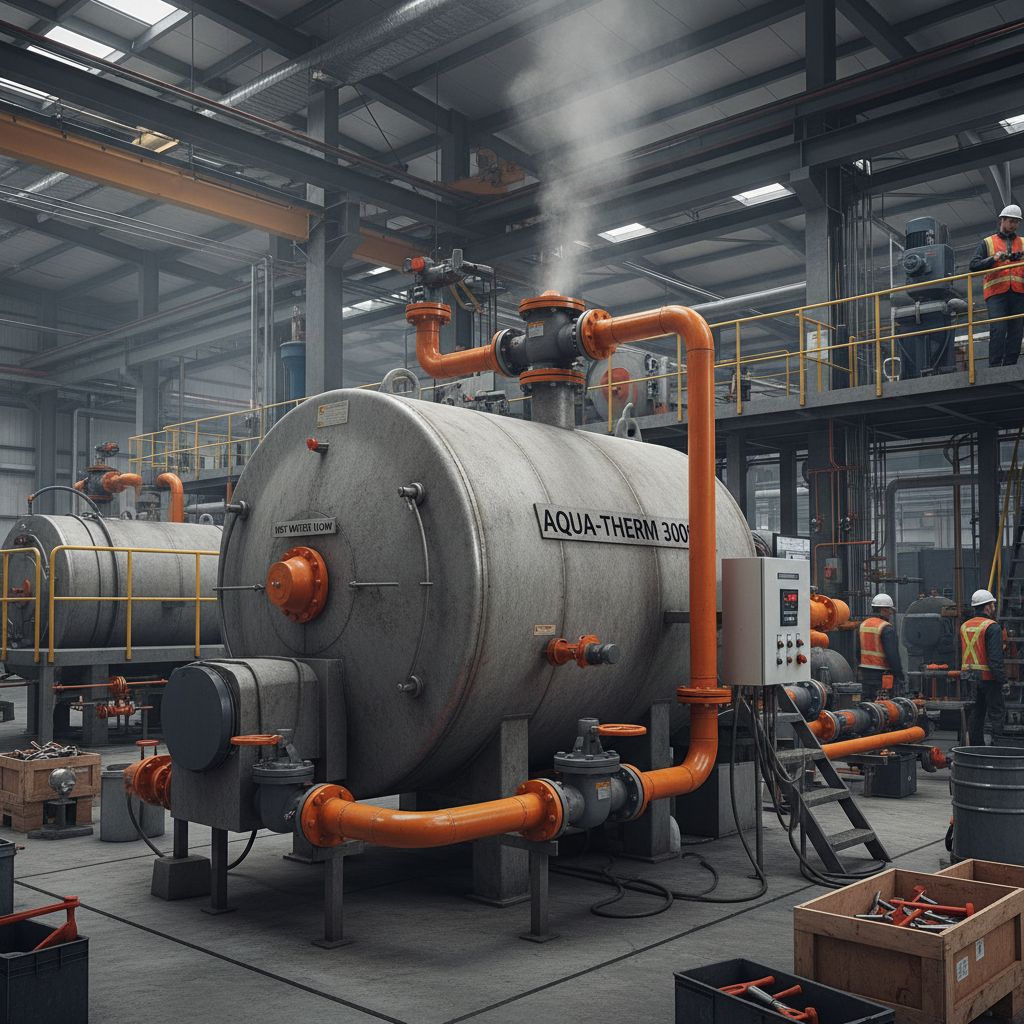
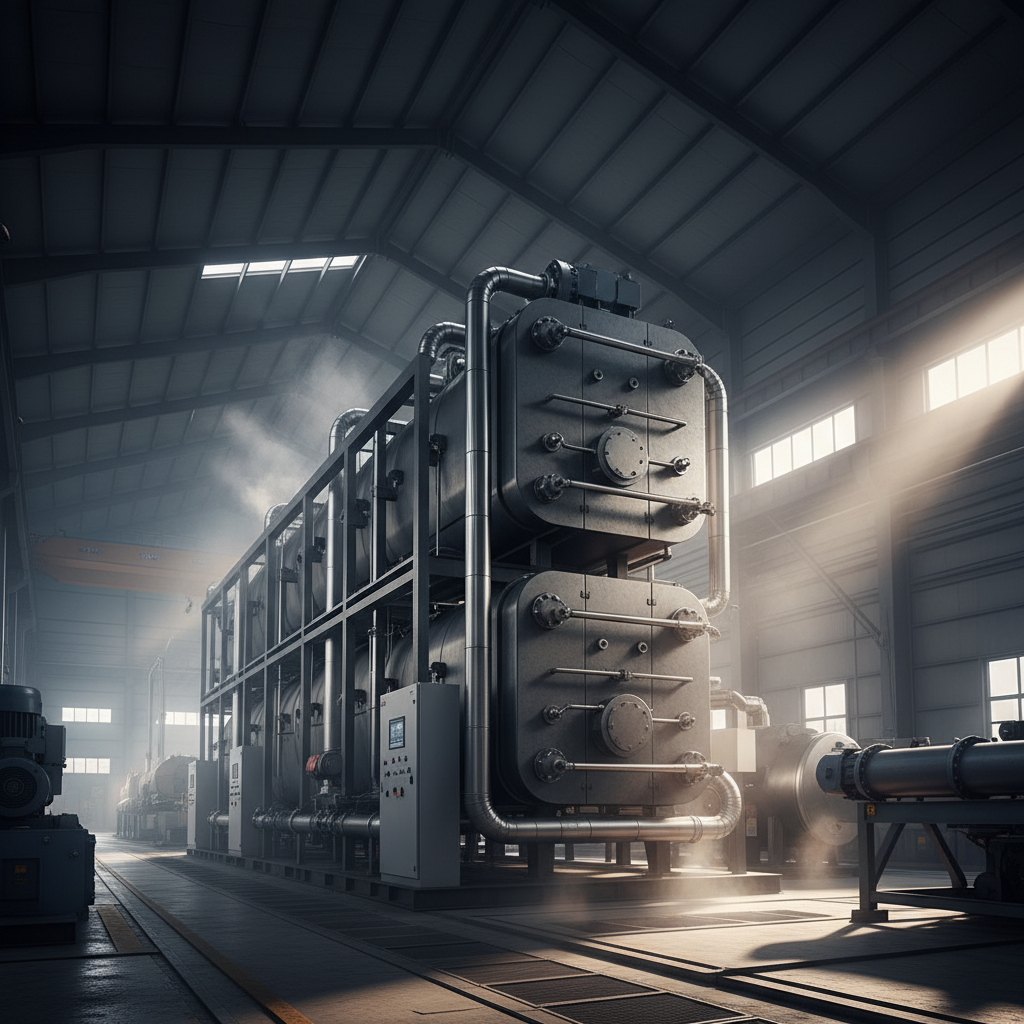
 English
  Arabic
  Bengali
  French
  German
  Hindi
Hindi  Indonesian
  Kazakh
  Khmer
Khmer  Korean
  Kyrgyz
  Lao
Lao  Latin
Latin  Mongolian
  Nepali
  Russian
  Turkish
  Turkmen
  Uzbek
Uzbek