The reliable and efficient operation of industrial processes hinges on consistent and precise heating solutions. The thermic fluid oil boiler emerges as a critical component in diverse sectors, offering a closed-loop heating system capable of delivering uniform temperatures over a broad range. Its significance lies in its ability to provide safe, controlled, and efficient heat transfer, vital for processes where temperature regulation is paramount. Understanding its principles, applications, and future trends is essential for professionals across manufacturing, chemical processing, and beyond.
Globally, the demand for efficient and safe heating systems is rising, driven by industrial growth, increasingly stringent environmental regulations, and the need to optimize energy consumption. Thermic fluid oil boiler technology is witnessing increased adoption in emerging economies and developed nations alike. According to industry reports, the global industrial boiler market is projected to reach substantial growth in the coming years, with thermic fluid systems representing a significant portion of this expansion. This growth reflects the increasing recognition of their benefits over traditional steam-based systems in specific applications.
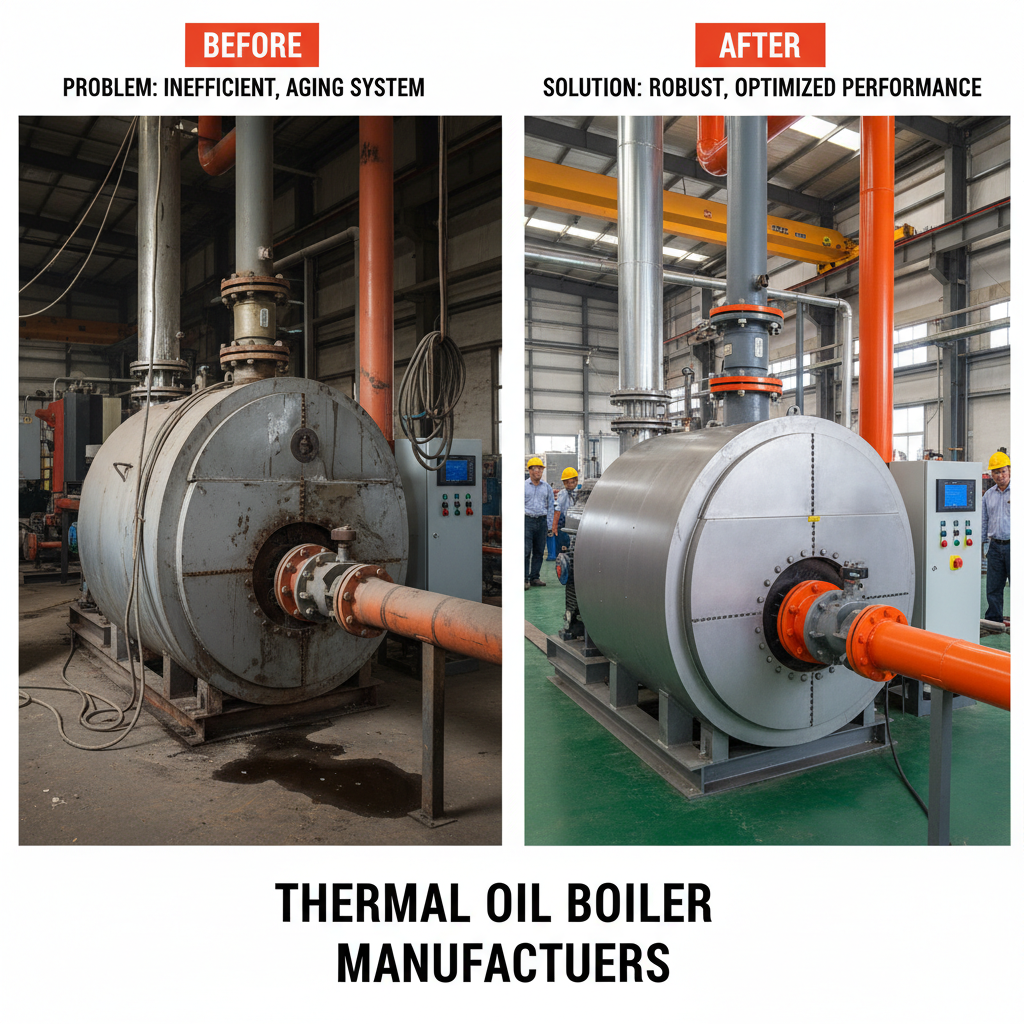
The challenge often lies in selecting the appropriate heating solution for specific industrial needs. Many legacy systems are inefficient and costly to maintain. Thermic fluid oil boiler systems offer a compelling alternative, providing enhanced safety, lower operational costs, and improved process control, addressing these crucial challenges for businesses worldwide.
Introduction to thermic fluid oil boiler
Thermic fluid oil boiler systems represent a significant advancement in industrial heating technology. Unlike traditional steam boilers, these systems utilize a specialized heat transfer fluid – typically a mineral oil or synthetic fluid – to deliver consistent and precise temperatures without the drawbacks associated with steam, such as energy loss through condensation and the risk of water hammer.
The efficiency and control offered by thermic fluid oil boiler systems are particularly valuable in industries requiring tightly regulated thermal processes, such as chemical manufacturing, plastics processing, and food production. They provide a reliable and cost-effective solution for achieving optimal operating conditions.
Defining the thermic fluid oil boiler System
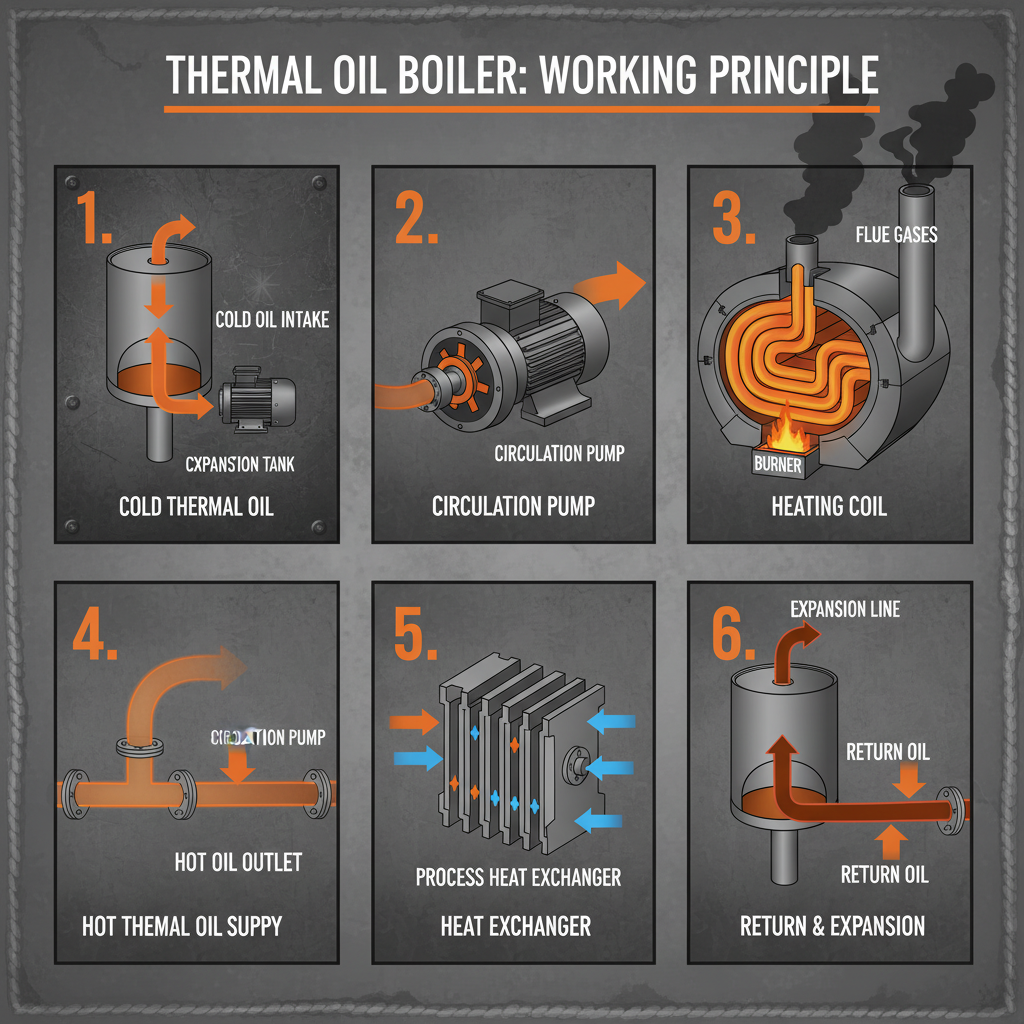
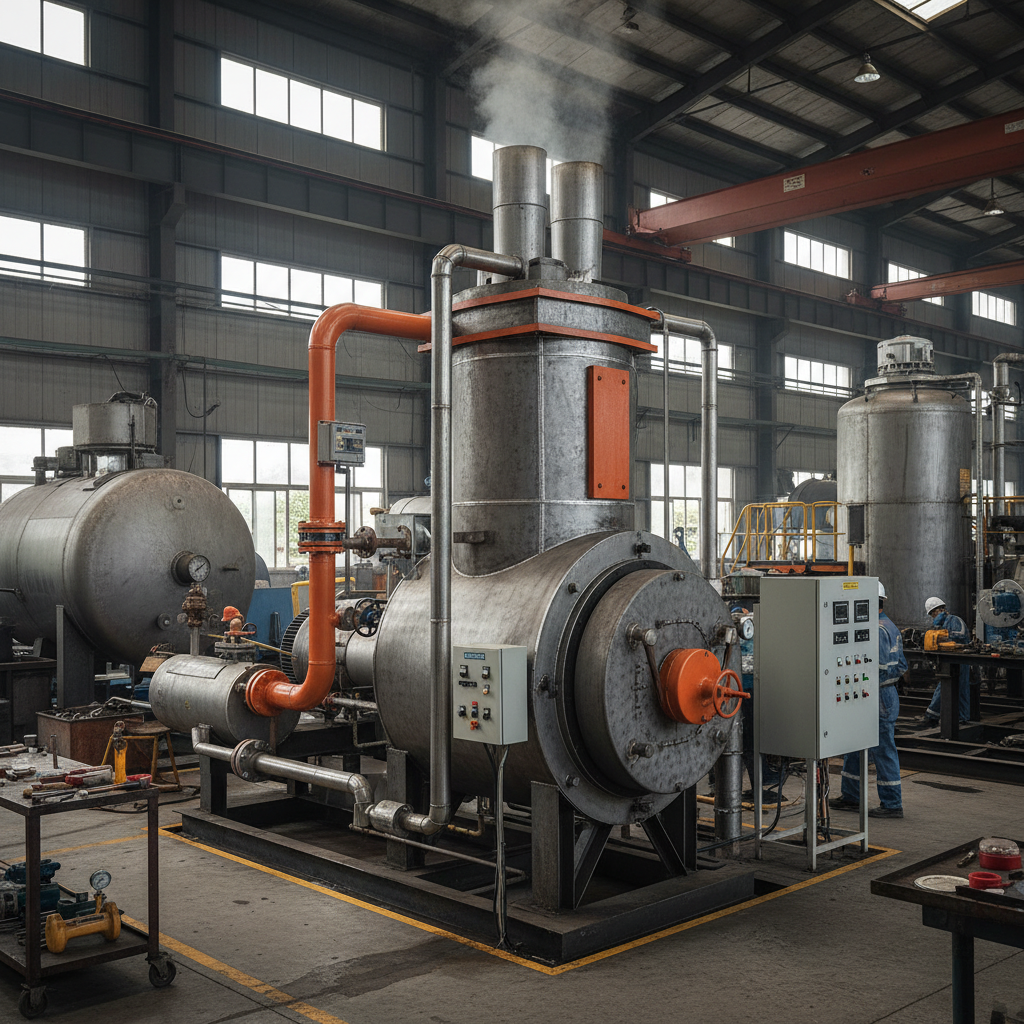
A thermic fluid oil boiler is a closed-loop heating system designed to circulate a heat transfer fluid to absorb heat from a fuel source and deliver it to various industrial processes. The key distinction lies in the fluid used: thermic fluids possess excellent thermal stability, a wide operating temperature range, and low vapor pressure, ensuring efficient and safe heat transfer.
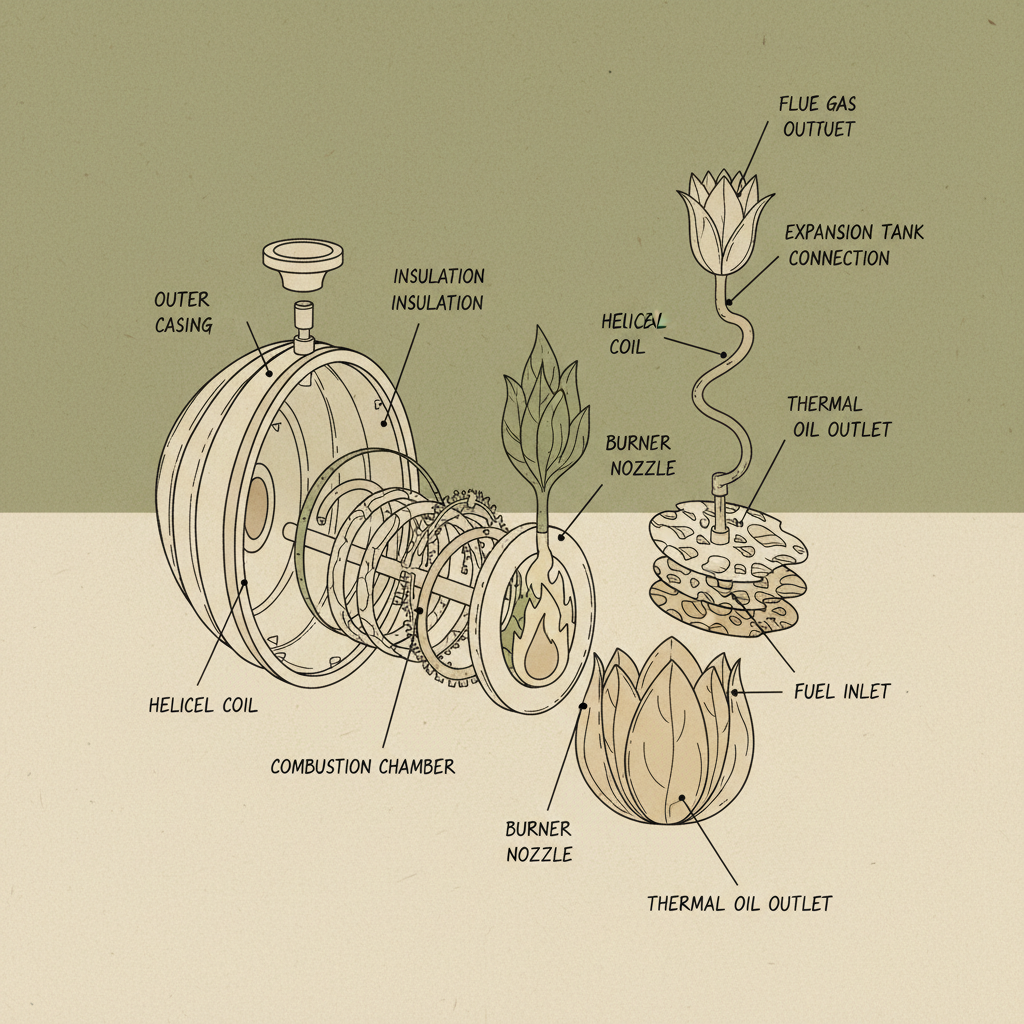
These systems consist of a boiler, a circulation pump, piping, a heat exchanger network, and a thermal expansion tank. The boiler heats the thermic fluid, which is then pumped through the process equipment, transferring its heat. The cooled fluid returns to the boiler to be reheated, creating a continuous loop.
This closed-loop design minimizes fluid loss, reduces environmental impact, and maintains consistent temperature control. The precise temperature regulation capabilities make it ideally suited for applications demanding consistent heat delivery, contributing to improved product quality and reduced energy consumption.
Core Components and Operational Factors
Several core components contribute to the effective operation of a thermic fluid oil boiler system. The boiler itself is designed for efficient heat transfer, often utilizing fire-tube or water-tube configurations. The circulation pump ensures consistent fluid flow, while the piping and heat exchangers are constructed from materials compatible with the thermic fluid.
Critical operational factors include maintaining proper fluid levels, monitoring fluid temperature, and regularly inspecting the system for leaks or corrosion. Fluid degradation over time is also a key consideration, requiring periodic analysis and replacement to ensure optimal performance and prevent system failure. The quality of the thermic fluid directly impacts the boiler’s lifespan and efficiency.
Furthermore, ensuring proper insulation of the piping network and regular maintenance of the control system are crucial for maximizing energy efficiency and minimizing downtime. Effective monitoring and preventative maintenance protocols are essential for long-term reliability.
Key Advantages of Implementing thermic fluid oil boiler
Implementing a thermic fluid oil boiler offers numerous advantages over traditional heating methods. Foremost is its superior temperature control, providing precise and consistent heating for demanding processes. This leads to improved product quality, reduced waste, and increased efficiency.
Moreover, these systems boast enhanced safety compared to steam boilers, eliminating the risks associated with high-pressure steam and water hammer. The closed-loop design minimizes fluid loss, reducing environmental impact and operating costs.
Comparison of Thermic Fluid Oil Boiler Methods
Global Applications and Industry Use Cases
Thermic fluid oil boiler systems are utilized across a wide spectrum of industries. In the chemical processing sector, they provide the precise temperature control required for complex reactions and distillation processes. The plastics industry relies on them for maintaining consistent temperatures during molding and extrusion.
Food processing benefits from their hygienic operation and ability to deliver uniform heating for cooking, pasteurization, and sterilization. Furthermore, they find applications in the pharmaceutical industry, textile manufacturing, and even concentrated solar power plants.
Long-Term Value and Sustainability
The long-term value of investing in a thermic fluid oil boiler extends beyond immediate operational benefits. Reduced energy consumption translates into lower utility bills and a smaller carbon footprint, contributing to sustainability goals. Minimized downtime and extended equipment lifespan reduce maintenance costs and enhance overall productivity.
The improved product quality and consistency facilitated by precise temperature control also contribute to enhanced brand reputation and customer satisfaction. Investing in a modern, efficient heating system demonstrates a commitment to innovation and responsible manufacturing practices.
The durability and reliability of these systems contribute to a lower total cost of ownership, making them a financially sound investment for businesses seeking long-term value.
Future Trends and Innovation in thermic fluid oil boiler Technology
The future of thermic fluid oil boiler technology is poised for significant advancements. Ongoing research focuses on developing more environmentally friendly heat transfer fluids with improved thermal stability and biodegradability. Integration with digital control systems and predictive maintenance technologies will further enhance efficiency and reliability.
Automation and remote monitoring capabilities are becoming increasingly prevalent, allowing for real-time performance analysis and optimized operation. Furthermore, hybrid systems combining thermic fluid oil boiler technology with renewable energy sources, such as solar thermal collectors, are gaining traction, offering a pathway towards sustainable industrial heating.
Expect to see a greater emphasis on energy recovery systems to capture and reuse waste heat, maximizing overall energy efficiency.
Summary of Key Performance Indicators for thermic fluid oil boiler Systems
| System Type |
Efficiency Rating (1-10) |
Maintenance Frequency |
Initial Investment Cost |
| Standard Oil-Fired Boiler |
6 |
Monthly |
$50,000 |
| High-Efficiency Thermic Fluid Oil Boiler |
9 |
Quarterly |
$80,000 |
| Electric Boiler |
7 |
Semi-Annually |
$60,000 |
| Gas-Fired Boiler |
7.5 |
Monthly |
$65,000 |
| Hybrid Boiler (Oil & Electric) |
8.5 |
Quarterly |
$95,000 |
| Biomass Boiler |
6.5 |
Weekly |
$70,000 |
FAQS
Thermic fluid oil boilers offer several advantages over steam boilers, including superior temperature control, enhanced safety due to lower operating pressures, and reduced energy losses. They also eliminate the need for water treatment and minimize the risk of scale buildup and corrosion, resulting in lower maintenance costs and increased operational efficiency.
The frequency of thermic fluid replacement depends on the fluid type, operating temperature, and system conditions. Generally, it's recommended to analyze the fluid annually and replace it every 5-10 years. Regular fluid analysis can detect degradation and ensure optimal performance, preventing system failures and maintaining efficiency.
Essential safety measures include regular leak checks, maintaining proper fluid levels, and ensuring adequate ventilation. Operators should be trained in proper shutdown procedures and emergency protocols. It's also critical to install and maintain appropriate safety valves and alarms to prevent over-pressurization and overheating.
Thermic fluid oil boilers are widely used in industries requiring precise temperature control, such as chemical processing, plastics manufacturing, food processing, pharmaceuticals, textile manufacturing, and concentrated solar power. They are also employed in various heating applications where steam is impractical or inefficient.
Thermic fluid oil boilers can typically operate within a wide temperature range, from approximately 50°C (122°F) to 340°C (644°F), depending on the specific fluid used. This broad operating range makes them suitable for a diverse range of industrial processes with varying temperature requirements.
Modern thermic fluid oil boilers boast significantly improved energy efficiency compared to older models, often exceeding 90%. This is due to advancements in burner technology, insulation materials, and control systems. Investing in a modern system can lead to substantial energy savings and a reduced carbon footprint.
Conclusion
In conclusion, the thermic fluid oil boiler stands as a robust and versatile heating solution for a wide range of industrial applications. Its superior temperature control, enhanced safety features, and energy efficiency make it a compelling alternative to traditional steam-based systems. Understanding its core principles, applications, and future trends is crucial for optimizing industrial processes and achieving sustainable operations.
Looking ahead, continued innovation in fluid technology, automation, and integration with renewable energy sources will further enhance the performance and environmental benefits of these systems. We encourage you to explore the possibilities offered by thermic fluid oil boiler technology and consider its potential to transform your industrial heating processes. Visit our website at www.hzsteamboiler.com to learn more.





 English
  Arabic
  Bengali
  French
  German
  Hindi
Hindi  Indonesian
  Kazakh
  Khmer
Khmer  Korean
  Kyrgyz
  Lao
Lao  Latin
Latin  Mongolian
  Nepali
  Russian
  Turkish
  Turkmen
  Uzbek
Uzbek