




Jul . 27, 2024 01:41 Back to list
Advantages and Applications of Using Thermal Oil Boilers in Industrial Heating Systems
Thermic Oil Boilers A Comprehensive Guide
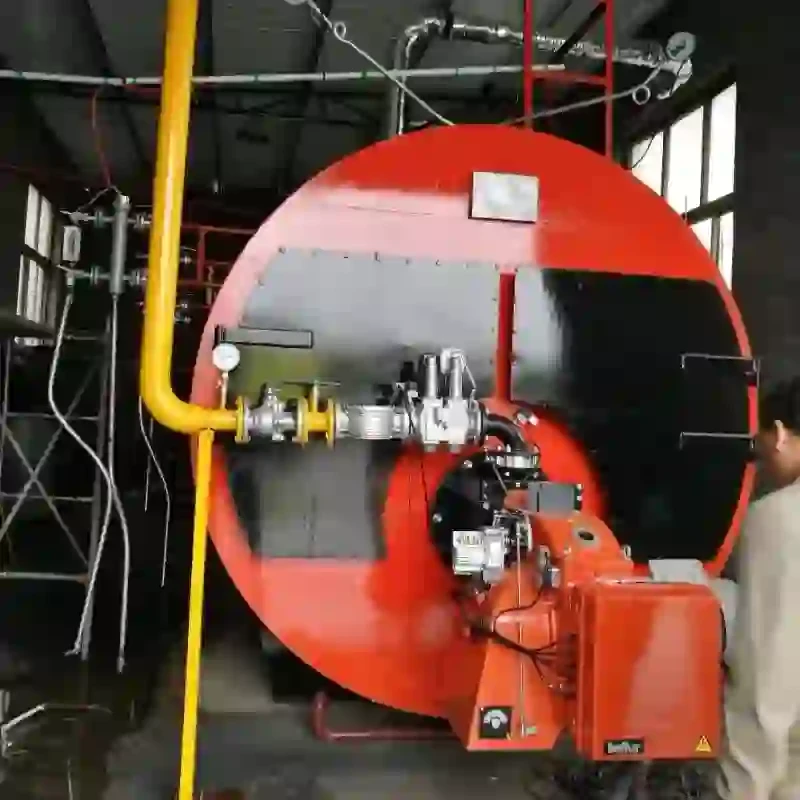
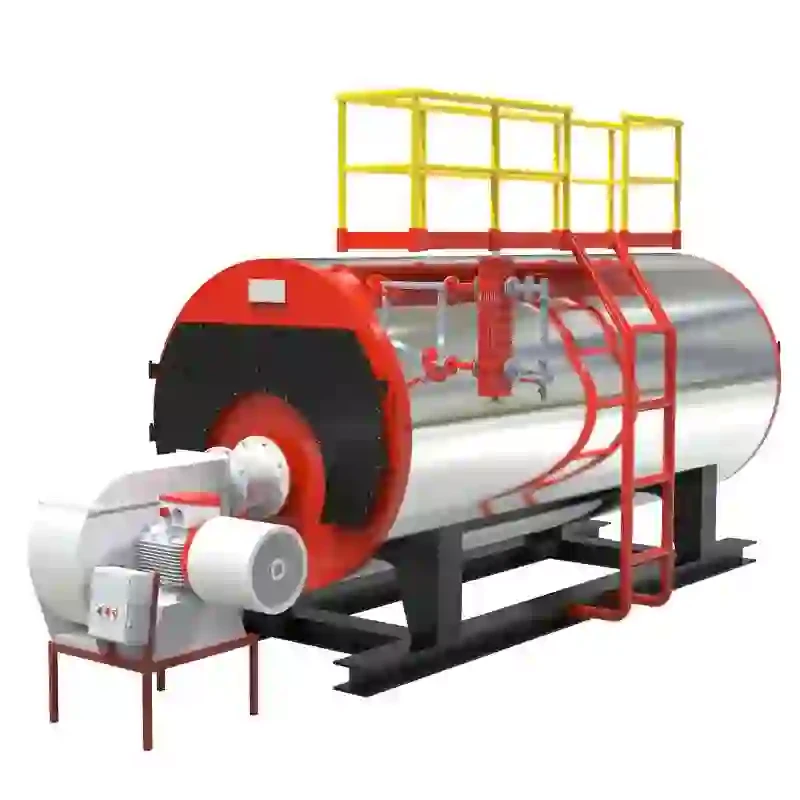
Thermic oil boilers, also known as thermal oil heaters, play a crucial role in various industrial processes that require precise temperature control. These boilers utilize thermal oil as a heat transfer medium, which offers several advantages over traditional steam boilers. In this article, we will delve into the functionality, benefits, applications, and maintenance of thermic oil boilers.
Functionality of Thermic Oil Boilers
Thermic oil boilers operate by heating oil to a specified temperature and then circulating it through a closed-loop system. The process begins with the heating of the thermal oil in the boiler, typically using a fuel-efficient burner. Once heated, the oil is pumped through a series of heat exchangers or directly to the machinery requiring heat.
The design of thermic oil boilers allows for precise temperature regulation, often reaching temperatures as high as 400°C (752°F). This high-temperature capability is possible without producing high-pressure steam, which significantly reduces the risks associated with high-pressure systems.
Advantages of Thermic Oil Boilers
1. Efficient Heat Transfer Thermal oil has a higher heat capacity than water, allowing for efficient heat transfer and reducing energy consumption.
2. High-Temperature Capability Unlike conventional boilers, thermic oil boilers can operate at higher temperatures without the risk of pressurization, making them suitable for processes that require substantial heat.
3. Safety With low operating pressures and the elimination of steam, thermic oil systems are generally safer than traditional steam systems. This reduces the risk of explosions or system failures.
5. Ease of Maintenance The design of thermic oil systems allows for simpler maintenance procedures compared to traditional steam boilers. Since the system operates at lower pressures, the risk of leaks and mechanical failures is minimized.
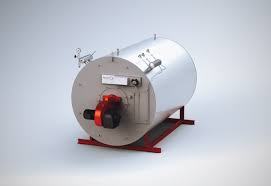
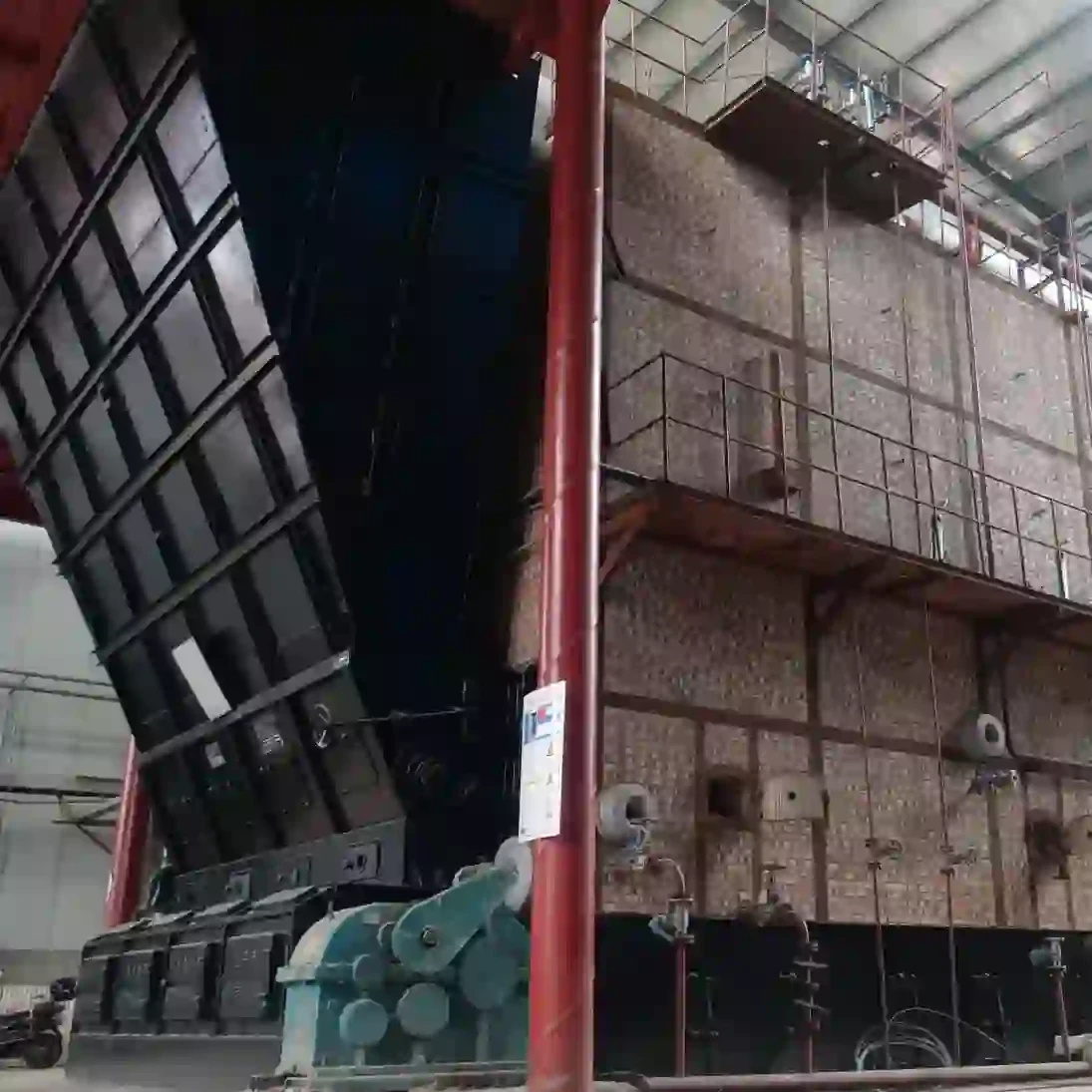
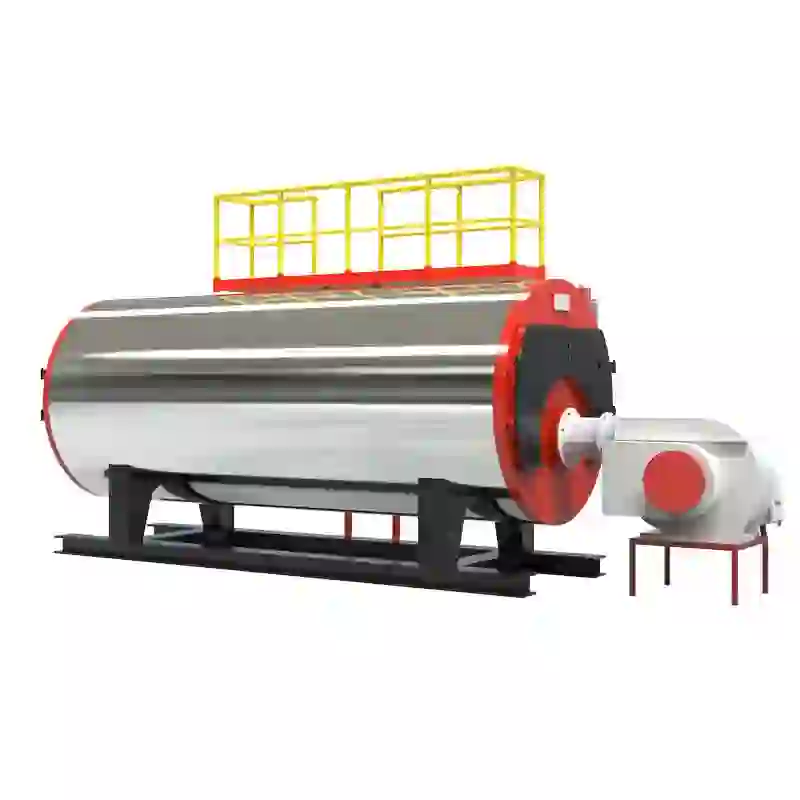
thermic oil boiler
Applications of Thermic Oil Boilers
Thermic oil boilers are widely used across different industries due to their flexibility and efficiency. Some common applications include
- Chemical Industry Used for heating reactors, distillation columns, and other equipment that requires precise temperature control in production processes.
- Food Processing Employed in cooking, drying, and heat treatment procedures to maintain optimal temperature while preserving food quality.
- Textile Industry Essential for dyeing, printing, and finishing textiles where controlled heat is critical.
- Plastic and Rubber Industries Utilized in molding, extruding, and other processing activities that require consistent heating.
Maintenance of Thermic Oil Boilers
Maintaining thermic oil boilers is crucial to ensuring their longevity and efficiency. Regular checks of the system for leaks, checking the quality of the thermal oil, and monitoring the temperature and pressure are essential tasks. Moreover, periodic cleaning of heat exchangers can help maintain optimal efficiency.
It is also important to ensure that the oil does not degrade over time. Thermal oils have a specific life span and should be replaced based on manufacturer recommendations or when they show signs of oxidation or contamination. Proper training for operators on handling and maintaining the system can prevent most operational issues.
Conclusion
In summary, thermic oil boilers are an advantageous choice for industries that require reliable and efficient heating solutions. Their ability to operate at high temperatures with low pressure, combined with safety and maintenance benefits, makes them a preferred option in various applications. As industries continue to seek efficient energy solutions, thermic oil boilers will undoubtedly remain an integral part of modern industrial heating systems.
-
Hot Water Boiler Working Principle Explained: Efficiency, Applications, and Innovations
NewsDec.03,2025
-
Hot Water Boiler Design: Global Insights, Innovations, and Applications
NewsDec.03,2025
-
Understanding Hot Water Heat Boiler Replacement Cost: Factors, Benefits & Trends
NewsDec.03,2025
-
1 Million BTU Steam Boiler - Efficient Steam Solutions for Industry
NewsDec.02,2025
-
250 000 BTU Steam Boiler: Comprehensive Guide to Industrial Steam Power
NewsDec.02,2025
-
What You Need to Know About the 300 000 BTU Steam Boiler: Efficiency & Applications
NewsDec.02,2025


 English
  Arabic
  Bengali
  French
  German
  Hindi
Hindi  Indonesian
  Kazakh
  Khmer
Khmer  Korean
  Kyrgyz
  Lao
Lao  Latin
Latin  Mongolian
  Nepali
  Russian
  Turkish
  Turkmen
  Uzbek
Uzbek 


