




Sep . 23, 2024 06:42 Back to list
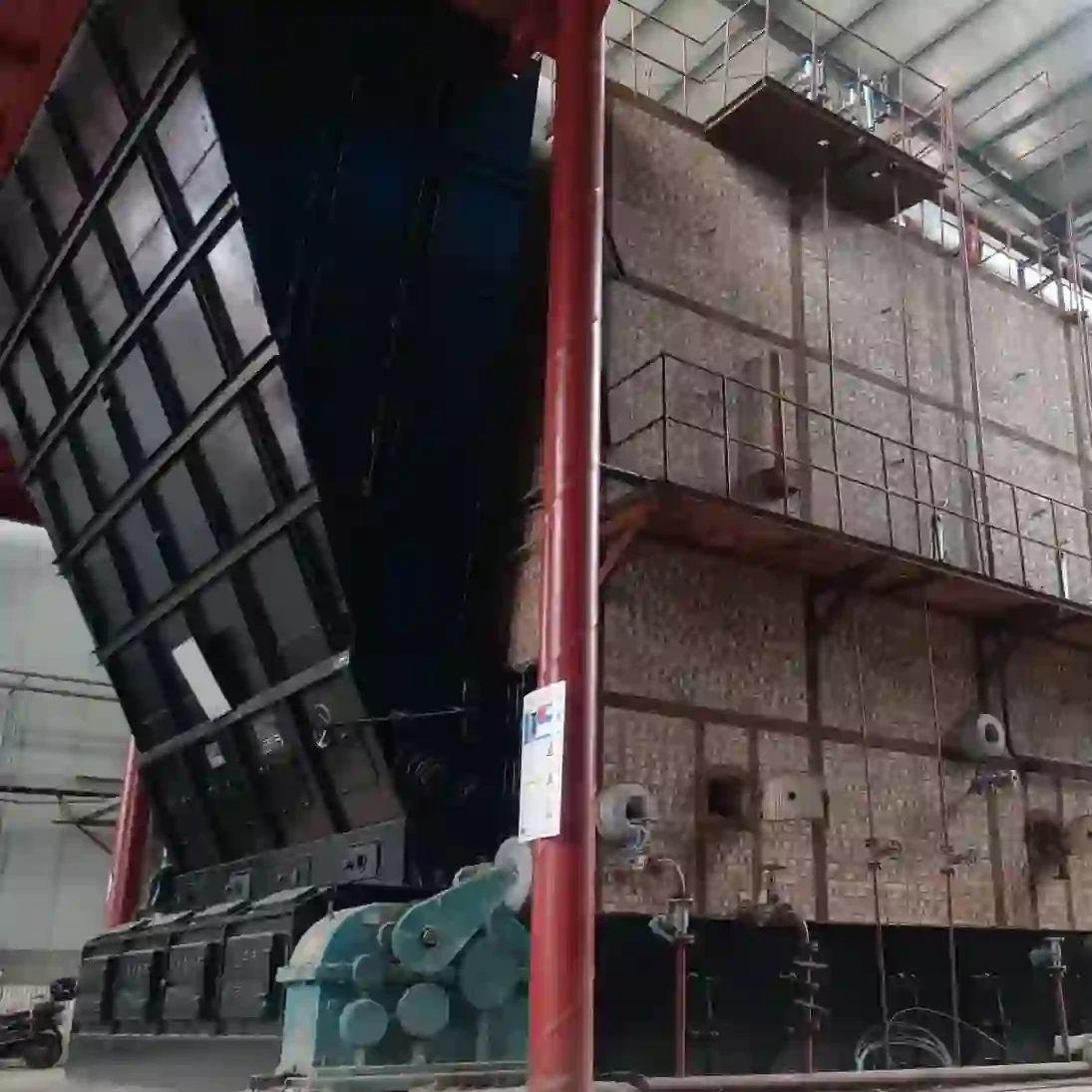
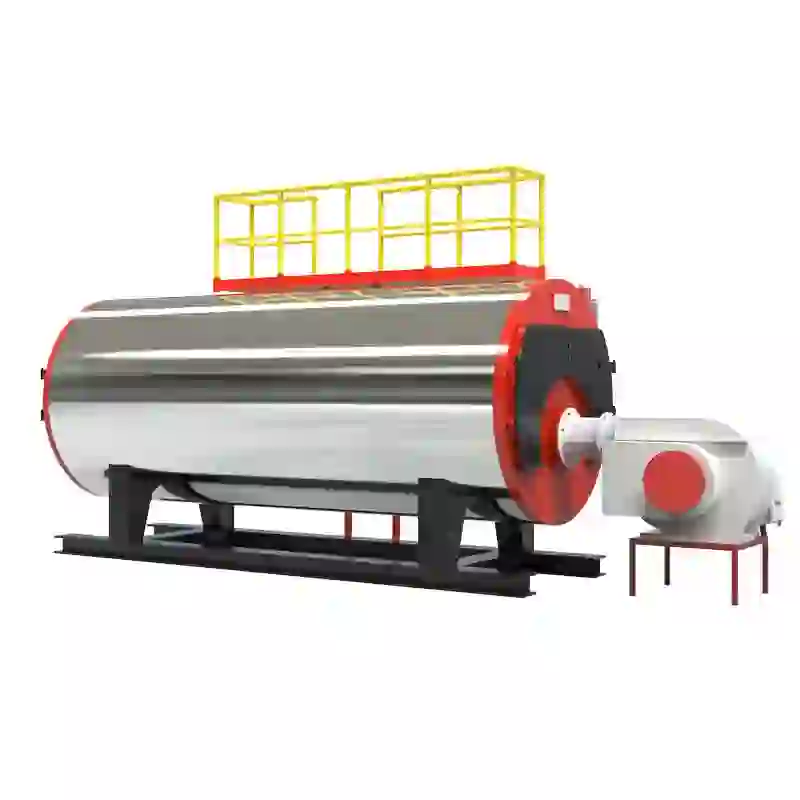
boiler steam plant
An Overview of Boiler Steam Plants
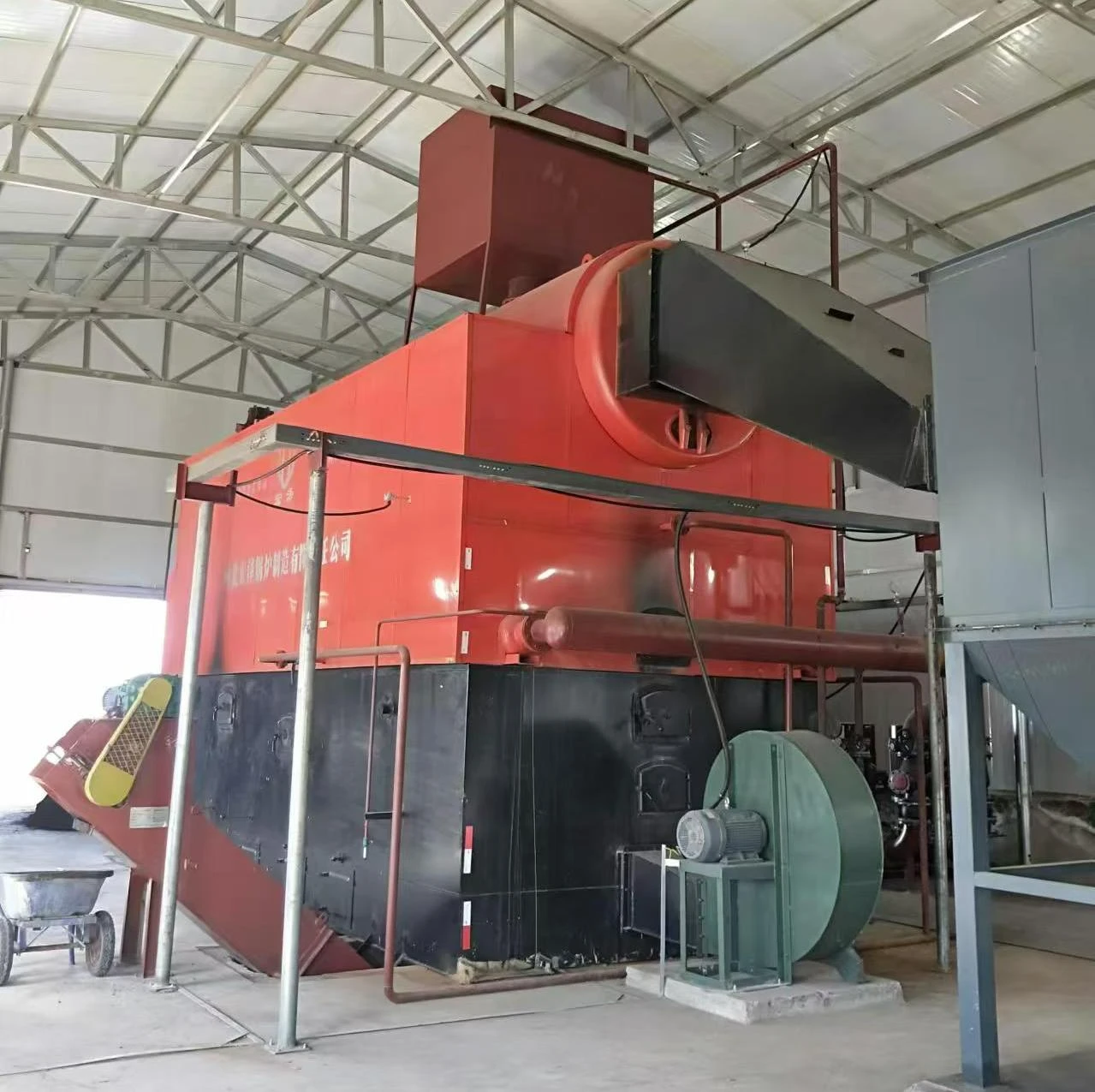
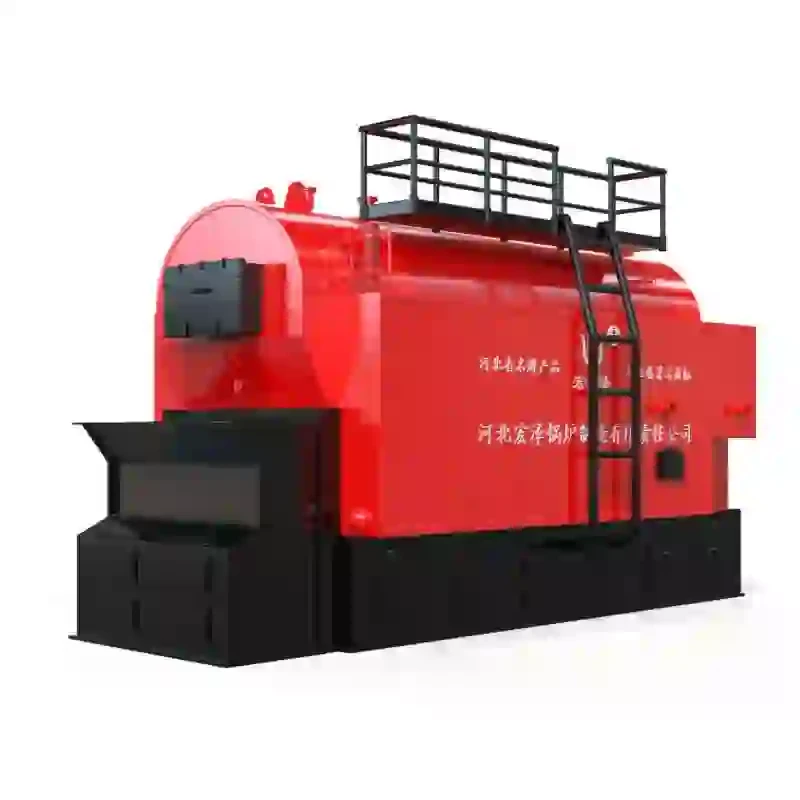
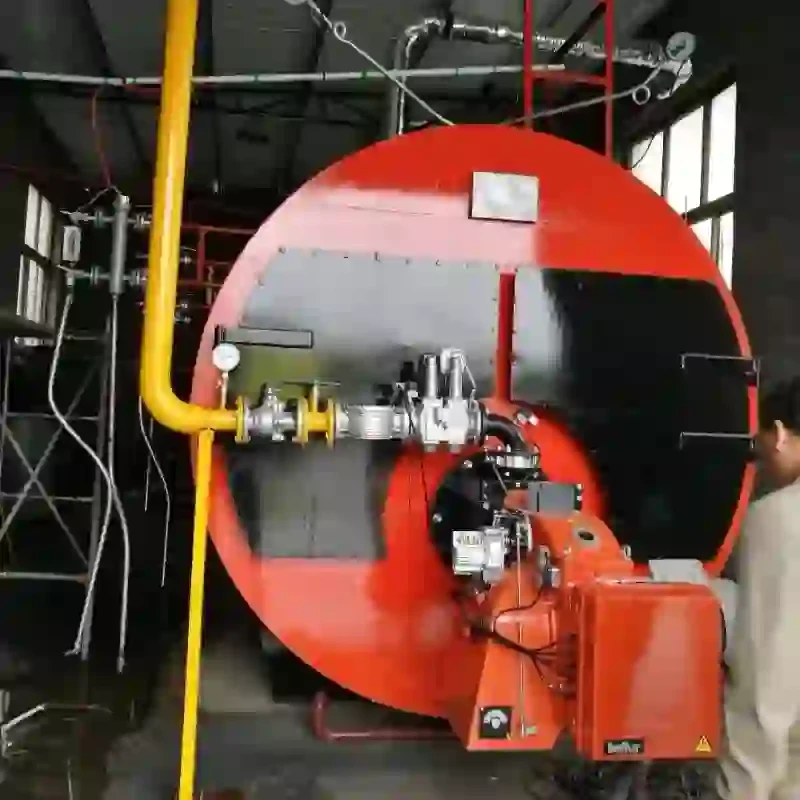
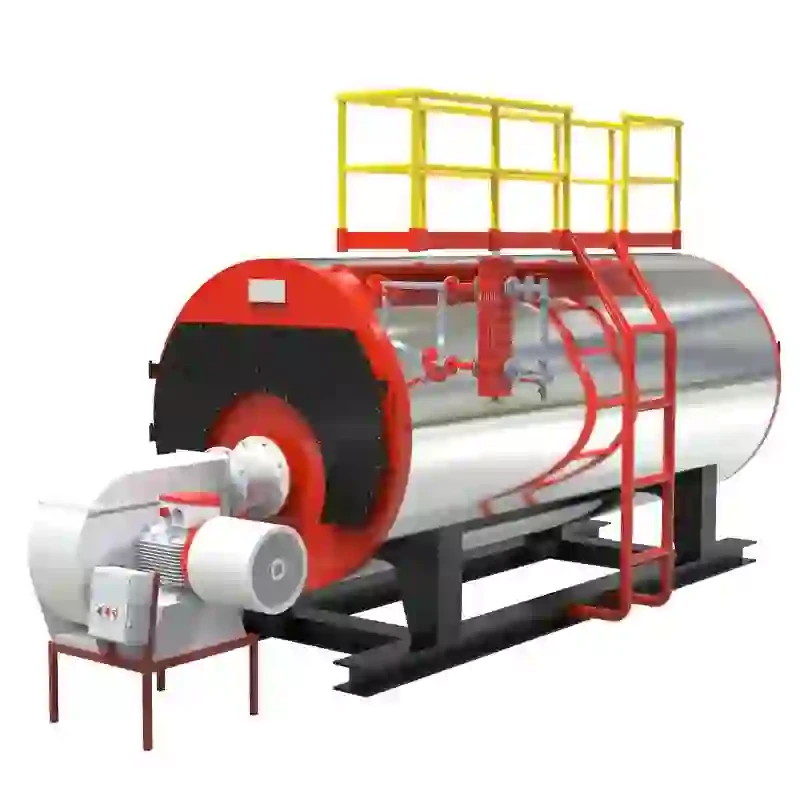
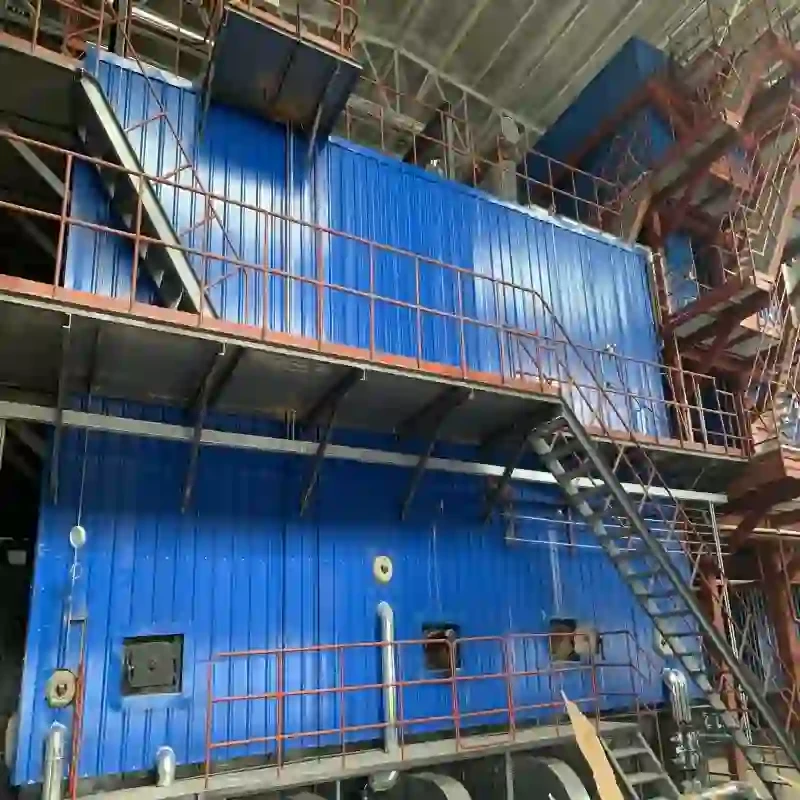
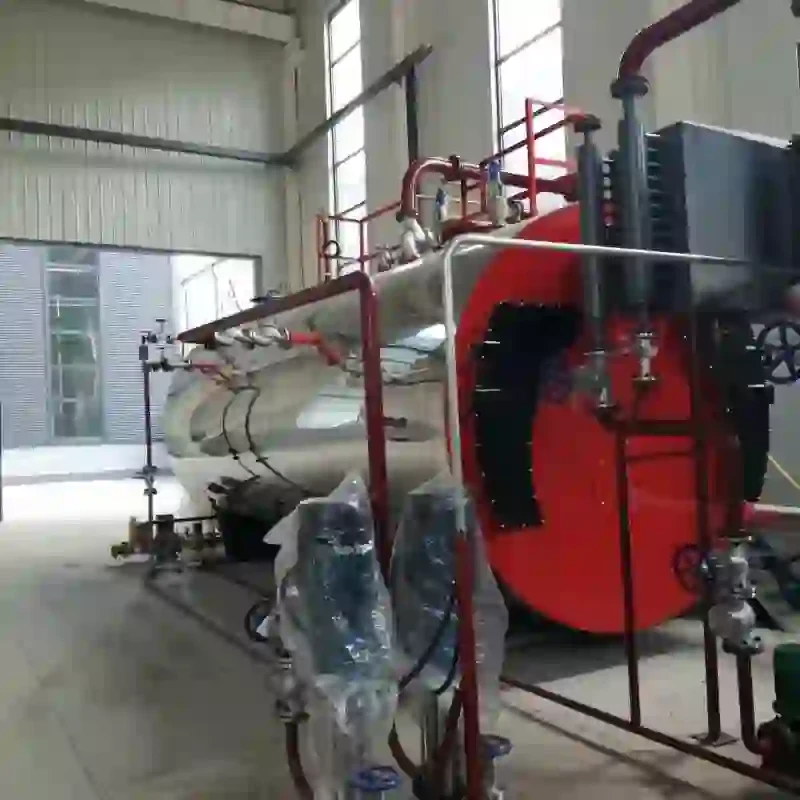
Boiler steam plants play a crucial role in various industries by generating steam for heating, power generation, and processing applications. A steam boiler operates on the principle of converting water into steam through the application of heat. This steam is then used for a wide array of functions, ranging from driving turbines to providing heat for industrial processes.
At the heart of a boiler steam plant is the boiler itself, which is designed to withstand high pressure and temperature conditions. There are several types of boilers, including fire-tube, water-tube, and electric boilers. Fire-tube boilers are characterized by hot gases that pass through tubes surrounded by water. In contrast, water-tube boilers have water flowing through tubes that are heated externally by combustion gases. Each design has its advantages, depending on the specific application and operational requirements.
The efficiency of a boiler steam plant is influenced by various factors, such as fuel type, operating conditions, and maintenance practices. Common fuels used in boiler plants include natural gas, oil, coal, and biomass. The choice of fuel can have significant implications for operational efficiency and environmental impact. With the increasing emphasis on sustainability, many plants are transitioning to cleaner and renewable energy sources.
boiler steam plant
Steam generation does not occur in isolation; it is part of a broader steam cycle that includes condensate return and feedwater systems. After the steam is used in a process, it condenses back into water, known as condensate. This water is often collected and returned to the boiler, reducing wastewater and improving overall system efficiency. Effective condensate management is vital for maintaining the performance and longevity of the system.
Safety is a paramount consideration in boiler steam plants. High-pressure steam systems can pose significant hazards if not properly managed. Regular inspections, adherence to safety codes, and proper training of personnel are essential to mitigate risks and ensure the safe operation of the plant. Moreover, modern boilers are equipped with advanced control systems that allow for real-time monitoring and automatic adjustments, which enhance operational safety.
In summary, boiler steam plants are integral components of modern industrial operations, providing essential steam for heating and power generation. With advancements in technology and a growing focus on environmental responsibility, these systems are evolving to become more efficient and sustainable. As industries continue to seek ways to improve energy efficiency and reduce emissions, the role of boiler steam plants will remain critical in the pursuit of a more sustainable future.
-
Hot Water Boiler Working Principle Explained: Efficiency, Applications, and Innovations
NewsDec.03,2025
-
Hot Water Boiler Design: Global Insights, Innovations, and Applications
NewsDec.03,2025
-
Understanding Hot Water Heat Boiler Replacement Cost: Factors, Benefits & Trends
NewsDec.03,2025
-
1 Million BTU Steam Boiler - Efficient Steam Solutions for Industry
NewsDec.02,2025
-
250 000 BTU Steam Boiler: Comprehensive Guide to Industrial Steam Power
NewsDec.02,2025
-
What You Need to Know About the 300 000 BTU Steam Boiler: Efficiency & Applications
NewsDec.02,2025


 English
 Arabic
 Bengali
 French
 German
 Hindi
 Indonesian
 Kazakh
 Khmer
 Korean
 Kyrgyz
 Lao
 Latin
 Mongolian
 Nepali
 Russian
 Turkish
 Turkmen
 Uzbek


