




Oct . 19, 2024 13:26 Back to list
boiler thermal oil
Understanding Boiler Thermal Oil Systems Efficiency and Applications
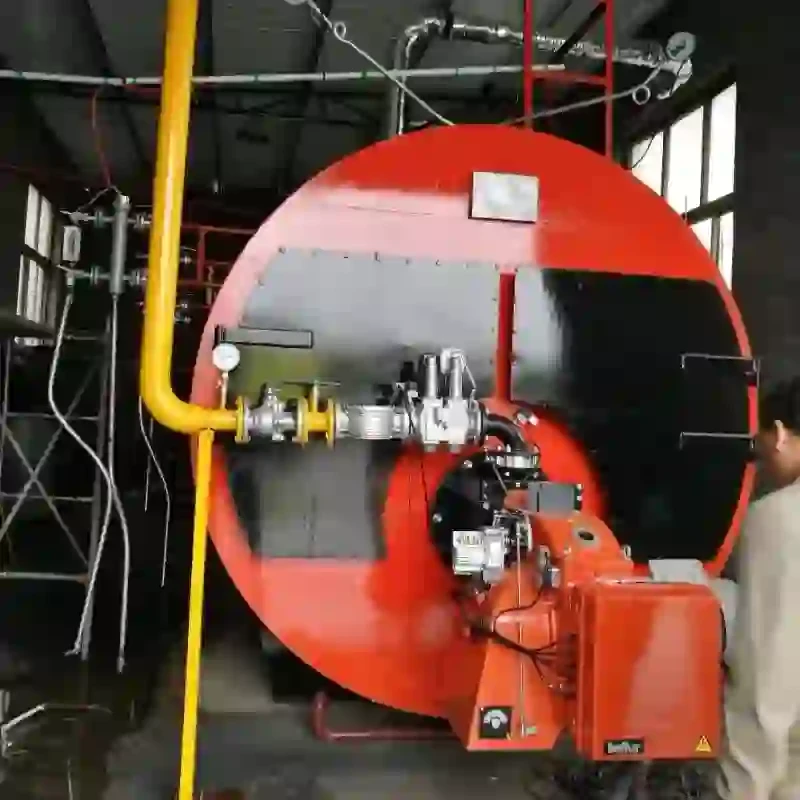
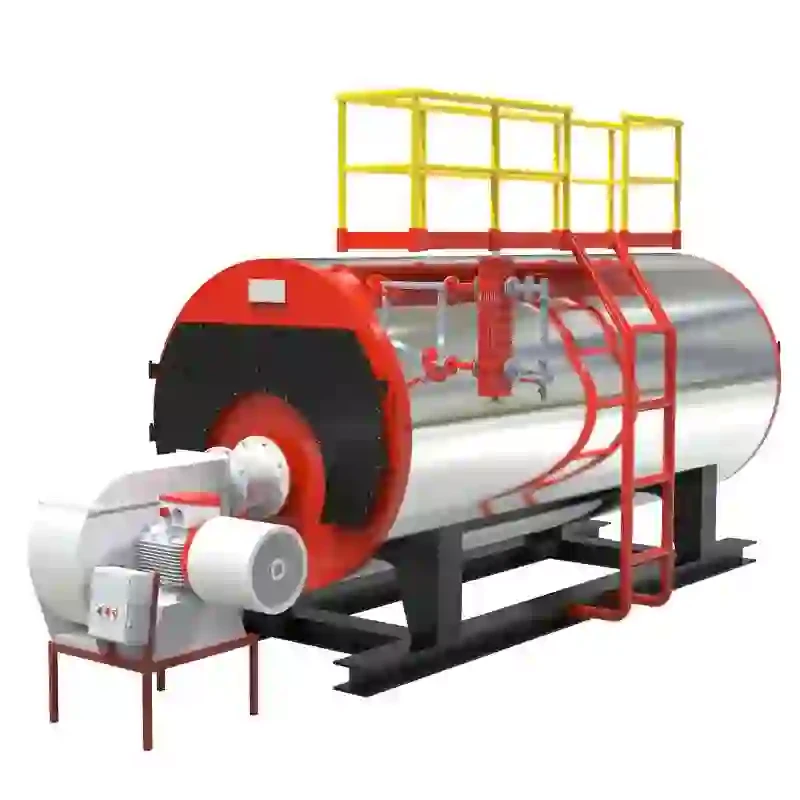
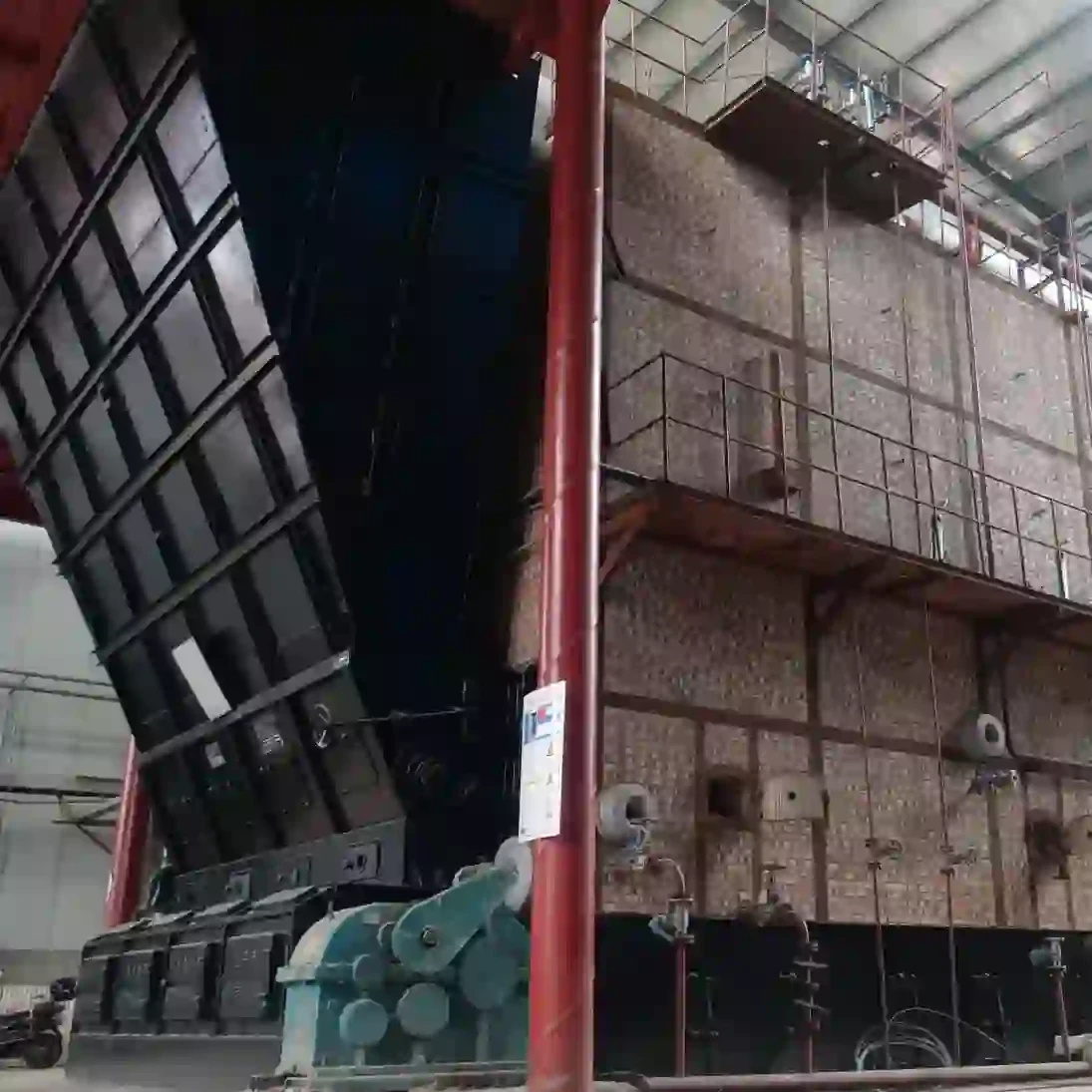
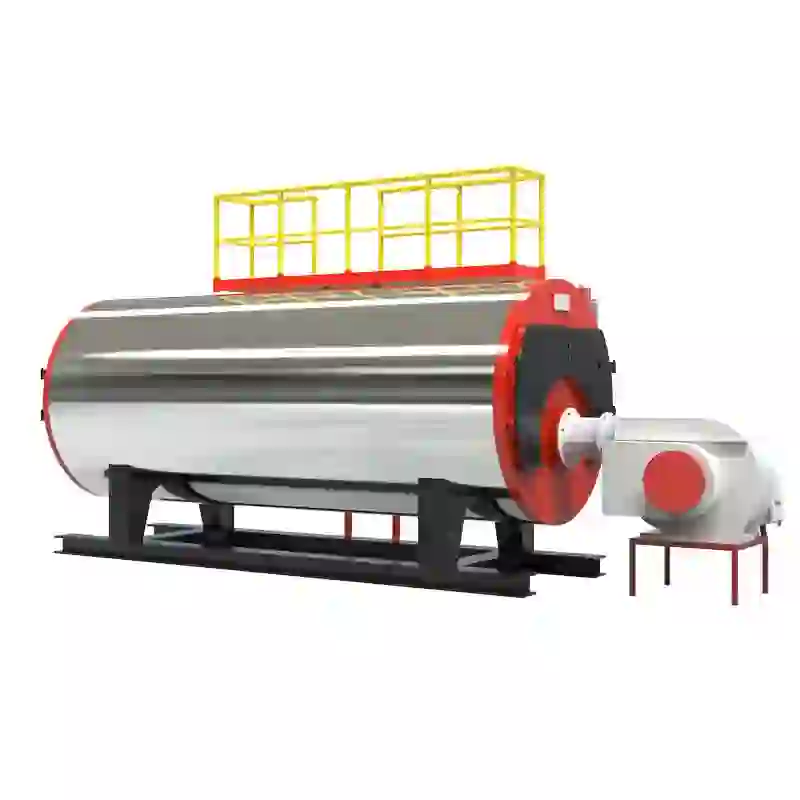
Boiler thermal oil systems, also known as thermal fluid systems, have become an integral part of various industrial applications due to their efficiency and effectiveness in heat transfer. Unlike traditional water-based boilers, thermal oil systems utilize special heat transfer fluids (HTFs) to carry heat with a higher temperature capability, providing several advantages across diverse sectors.
How Boiler Thermal Oil Works
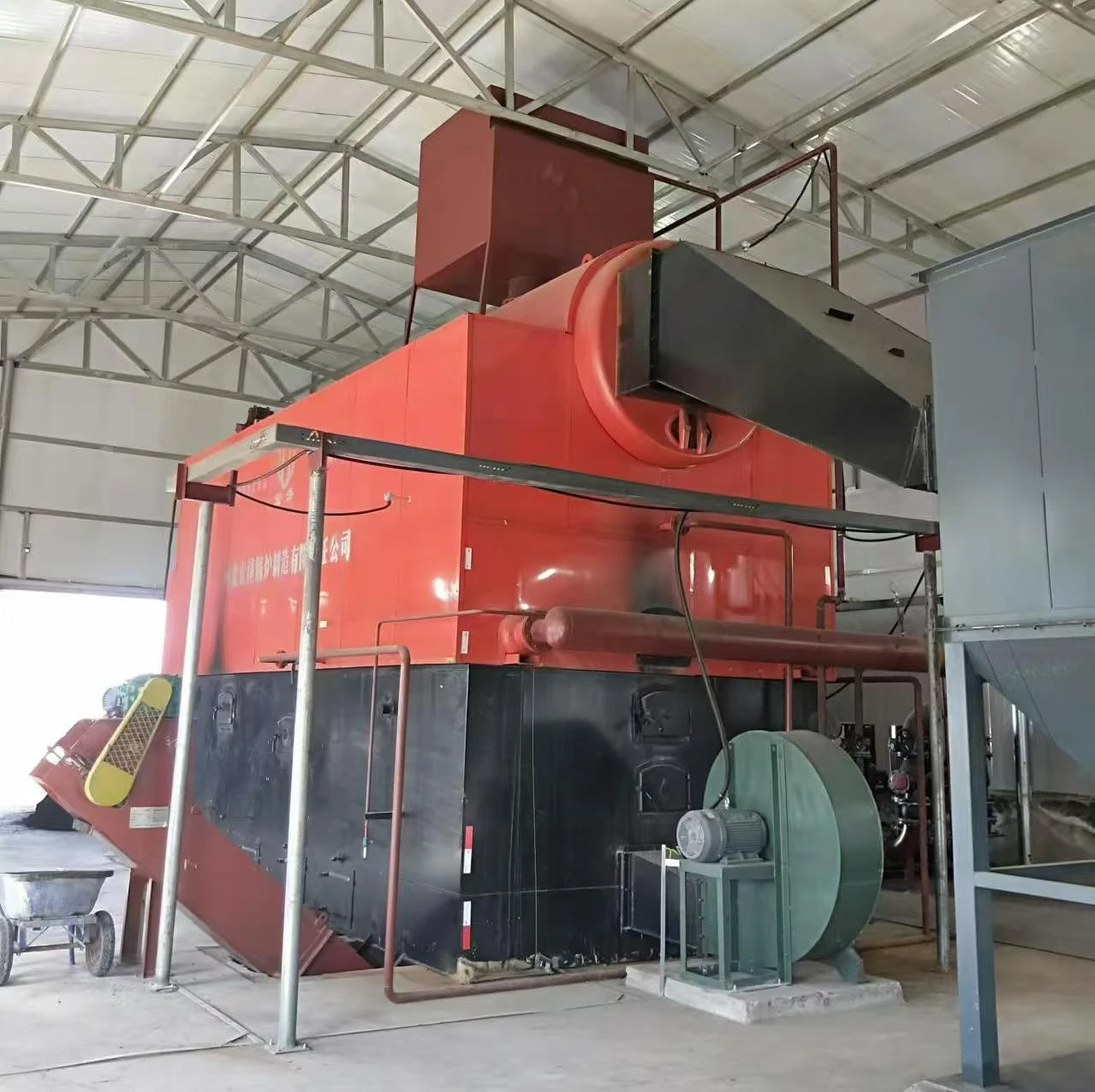
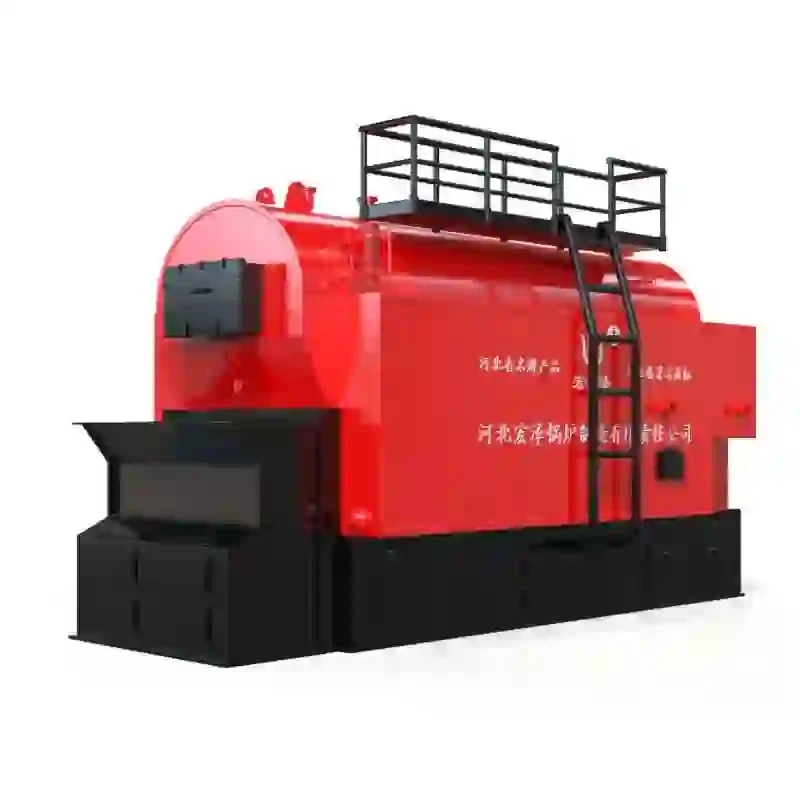
At the core of a boiler thermal oil system is the heat transfer fluid. This fluid is heated using a dedicated boiler, typically designed to operate at high temperatures. The thermal oil circulates through the system, absorbing heat from the boiler and transferring it to different processes or equipment requiring heating. The fundamental principle behind its operation is to ensure efficient heat absorption and delivery while minimizing heat loss.
The thermal oils used in these systems can withstand much higher temperatures than water without experiencing pressure build-up, which makes them ideal for high-heat applications. Common types of thermal oils include synthetic and mineral oils, each offering unique thermal properties suited for specific industrial processes.
Advantages of Boiler Thermal Oil Systems
1. High-Temperature Performance One of the principal advantages of thermal oil is its ability to operate at temperatures up to 400°C (752°F) or more. This capability allows industries such as chemical processing, oil refining, and food production to achieve necessary process temperatures while ensuring safety and efficiency.
2. Reduced Pressure Operation Traditional steam systems often operate under high pressure, which can be hazardous and costly in terms of maintenance. In contrast, thermal oil systems function at lower pressures, increasing safety and lowering the risks of leaks or catastrophic failures.
boiler thermal oil
3. Enhanced System Flexibility Thermal oil systems offer greater flexibility in heat transfer applications. The ability to heat multiple points from a single reservoir allows industries to design more efficient systems tailored to specific operational needs.
4. Improved Energy Efficiency By transferring heat directly to processes without the heat losses often associated with steam, thermal oil systems can enhance energy efficiency. This efficiency leads to reduced energy consumption and lower operating costs over time.
5. Longer Fluid Life Thermal oils are formulated to resist oxidation and thermal degradation, providing a longer operational life compared to water. This quality reduces the frequency and cost of fluid replacement, contributing to overall cost savings.
Applications of Boiler Thermal Oil Systems
Boiler thermal oil systems find applications across a broad range of industries.
- Chemical Industry High-temperature processing is critical in chemical production, and thermal oil systems are used for reactions, distillation, and drying processes. - Food Industry In food processing, thermal oil systems provide consistent heating for frying, baking, and pasteurization, ensuring product quality and safety without introducing additional moisture. - Textile Industry Thermal oil is often utilized for drying fabrics and heating dye baths, where precise temperature control is essential. - Plastics and Polymers Many companies involved in plastic molding and extrusion processes rely on thermal oil for consistent temperature maintenance, crucial for achieving high-quality products.
Conclusion
In conclusion, boiler thermal oil systems offer substantial advantages over traditional heating methods, making them an essential component in various industries. Their ability to efficiently transfer heat at high temperatures while maintaining safety and flexibility enhances productivity and ensures process integrity. As industries continue to evolve and focus on efficiency, the role of thermal oil systems is likely to expand further, promising a sustainable future in industrial heating. Embracing these systems can lead to improved operational efficiency and a competitive edge in an increasingly demanding market.
-
Hot Water Boiler Working Principle Explained: Efficiency, Applications, and Innovations
NewsDec.03,2025
-
Hot Water Boiler Design: Global Insights, Innovations, and Applications
NewsDec.03,2025
-
Understanding Hot Water Heat Boiler Replacement Cost: Factors, Benefits & Trends
NewsDec.03,2025
-
1 Million BTU Steam Boiler - Efficient Steam Solutions for Industry
NewsDec.02,2025
-
250 000 BTU Steam Boiler: Comprehensive Guide to Industrial Steam Power
NewsDec.02,2025
-
What You Need to Know About the 300 000 BTU Steam Boiler: Efficiency & Applications
NewsDec.02,2025


 English
  Arabic
  Bengali
  French
  German
  Hindi
Hindi  Indonesian
  Kazakh
  Khmer
Khmer  Korean
  Kyrgyz
  Lao
Lao  Latin
Latin  Mongolian
  Nepali
  Russian
  Turkish
  Turkmen
  Uzbek
Uzbek 


