




Oct . 08, 2025 22:40 Back to list
Coal Fired Thermal Oil Boiler: Efficient, Low-Pressure Heat?
Field Notes from the Boiler Room: Coal-Fired Thermal Oil Heaters That Still Punch Above Their Weight
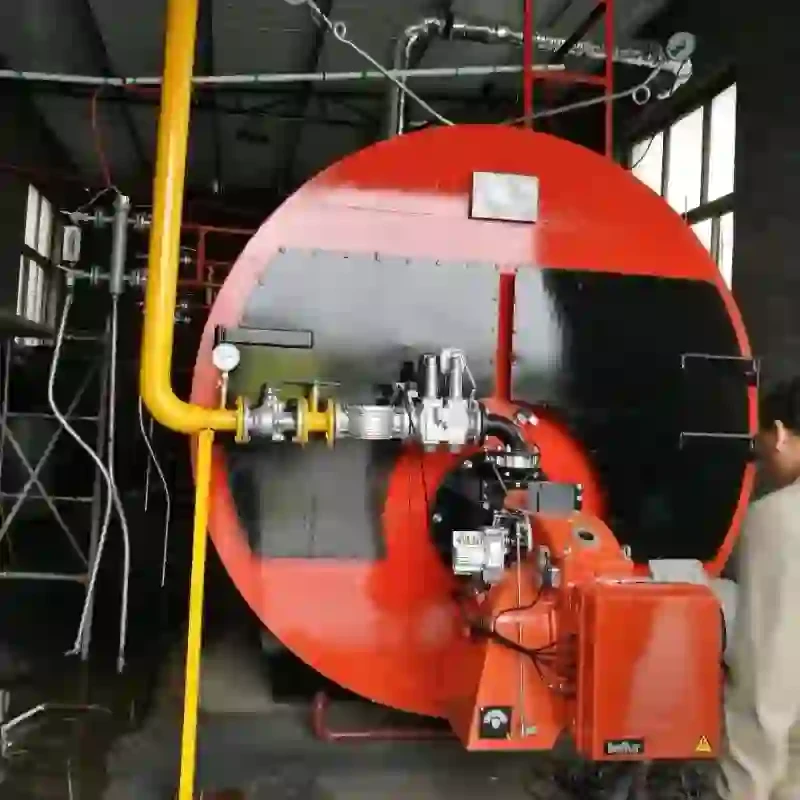
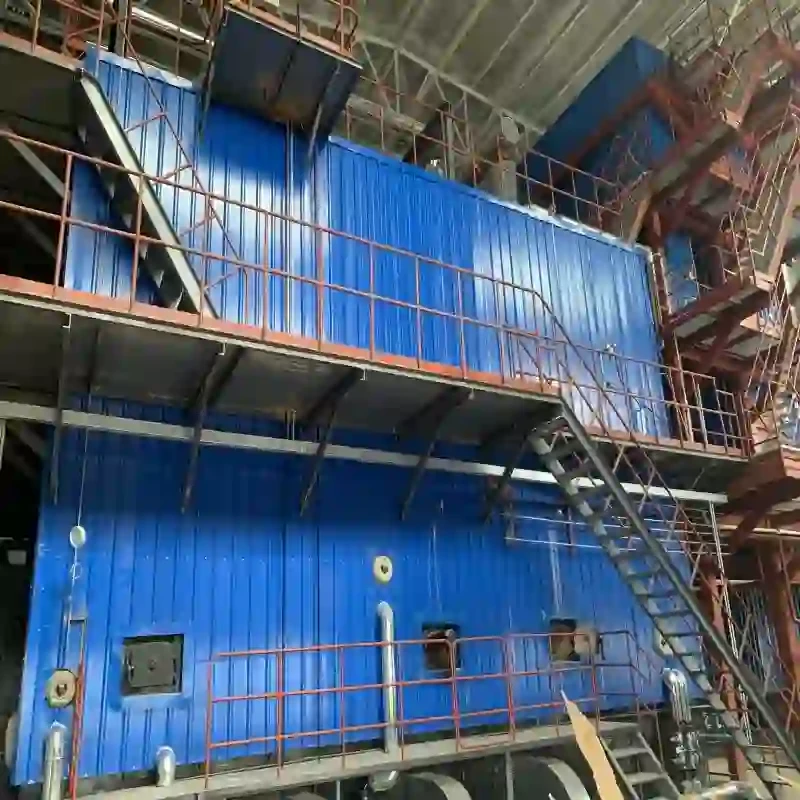
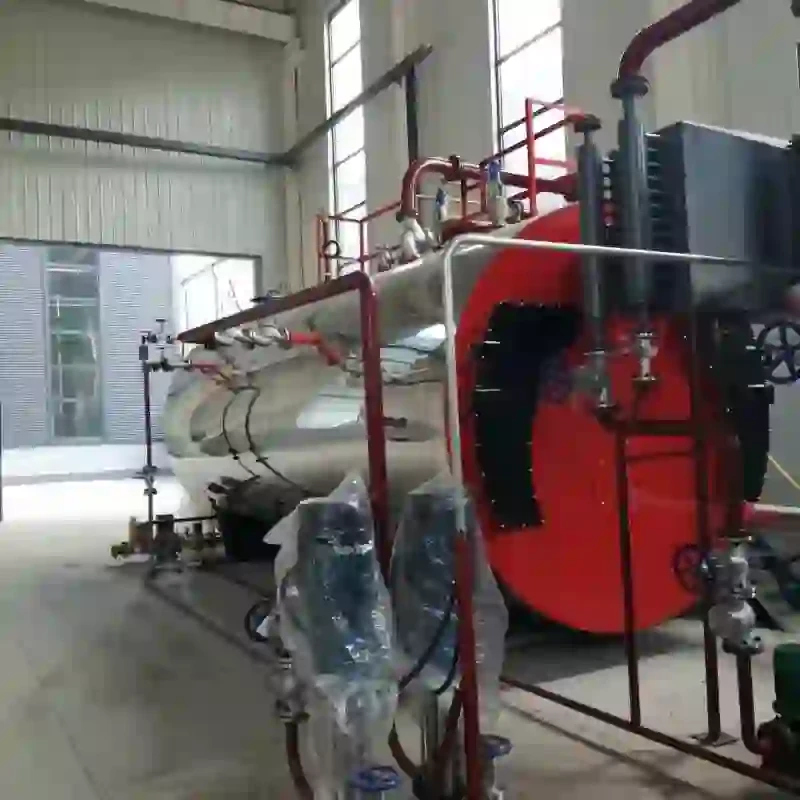
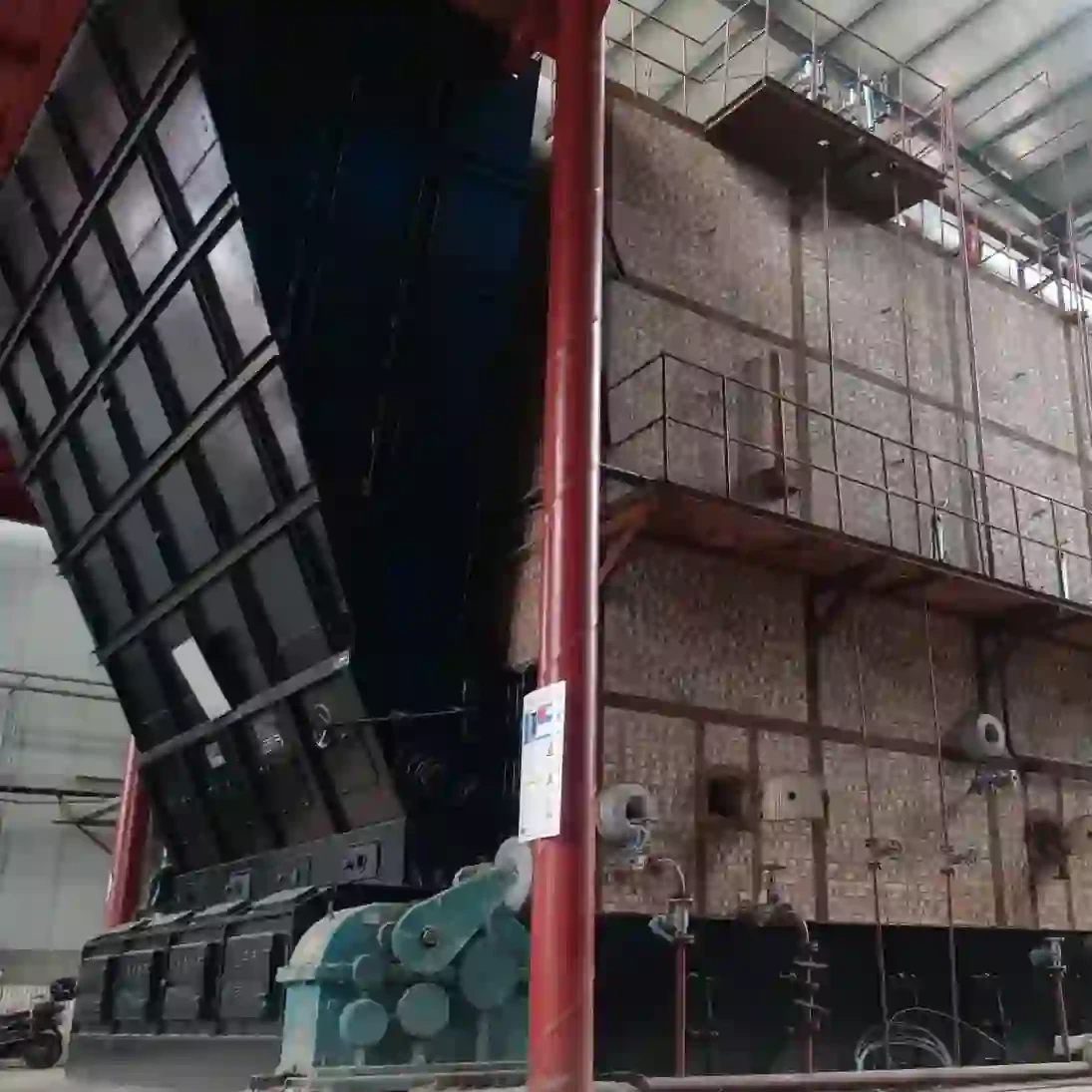
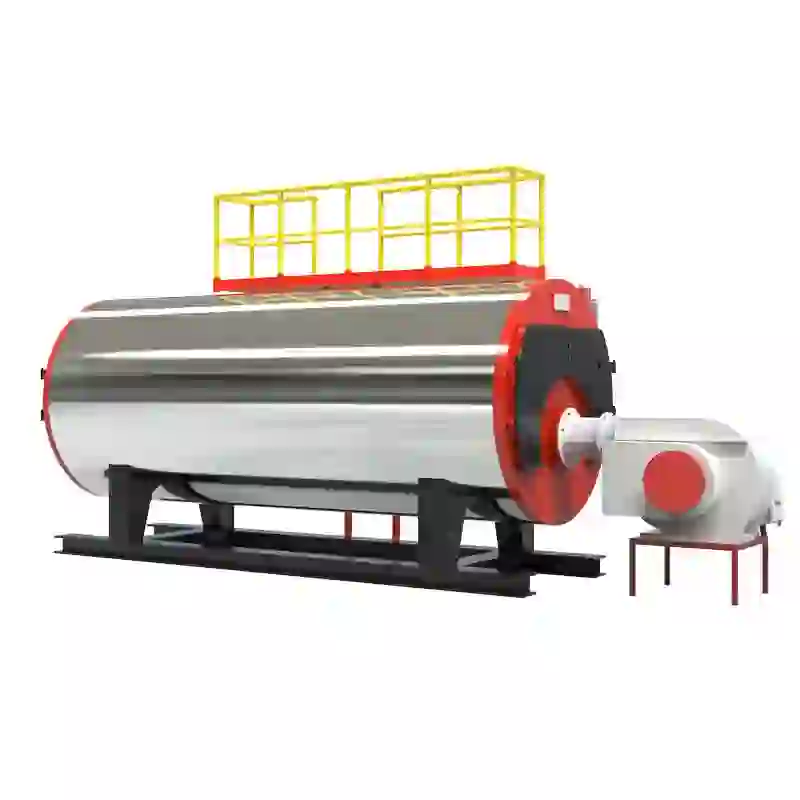
If you run a dryer line or a drum that lives above 250°C, you already know why people still ask me about the coal fired thermal oil boiler. To be honest, gas keeps stealing the headlines, but in textiles, wood-based panels, bitumen, and chemical plants, coal-fired thermal oil systems remain a pragmatic choice where fuel supply is local and budgets are tight. I’ve walked enough boiler houses to say: reliability still sells.
Quick trend snapshot: many customers say they’re hedging—keeping coal in the mix while exploring biomass co-firing and low-NOx retrofits. Actually, it’s a practical bridge strategy in regions where gas supply is volatile. The coal fired thermal oil boiler pushes stable heat up to ≈320°C at comparatively low pressure, which simplifies oversight and keeps operators a bit less stressed.
How it Works (in plain speak)
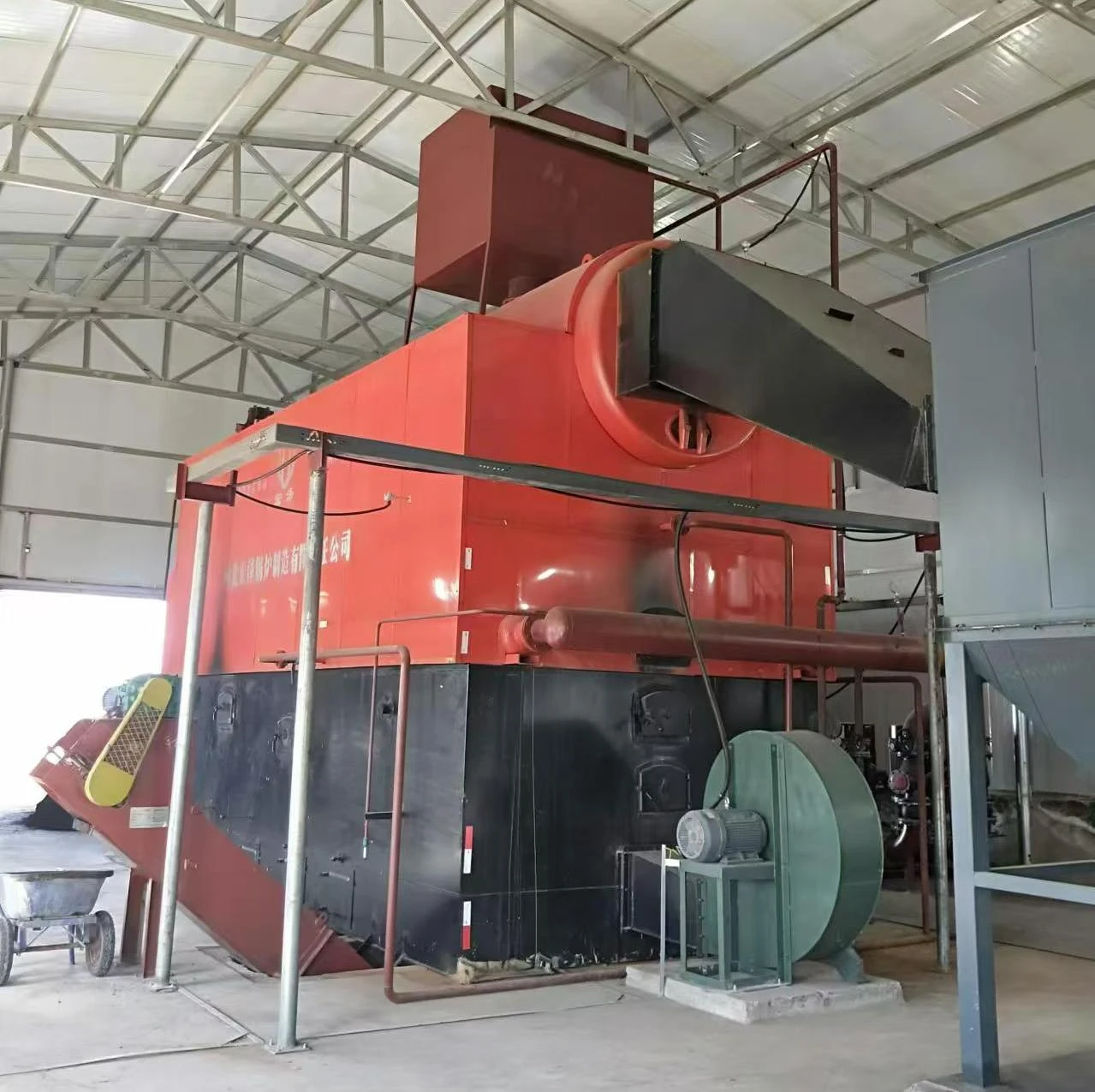
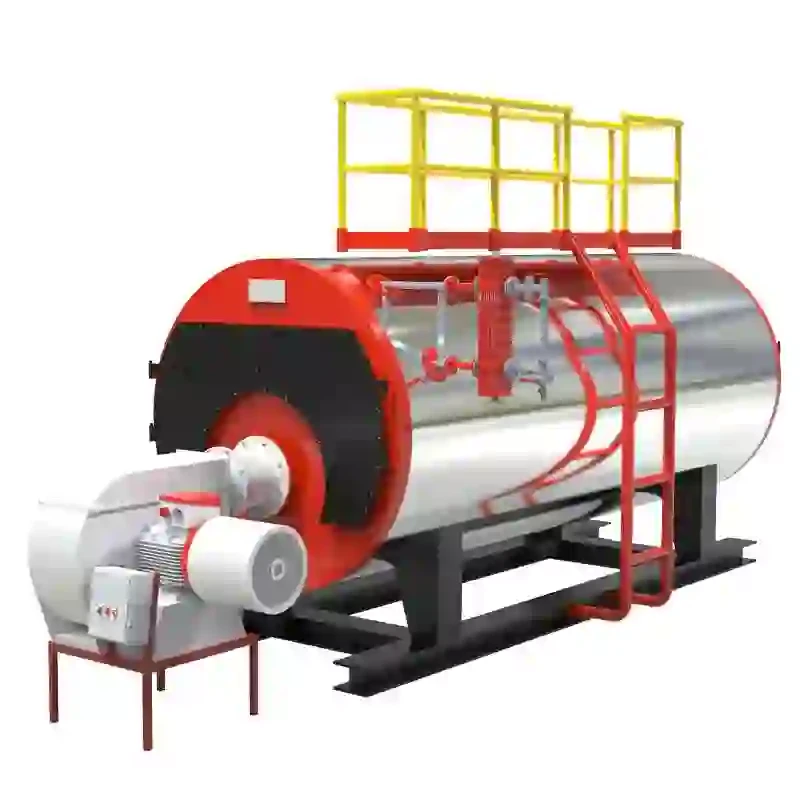
Fuel (lignite/bituminous/anthracite/gangue) is fed to a chain or reciprocating grate. Hot flue gas sweeps over multi-pass coils; a high-temp transfer oil (think L-QB 320 class) picks up the heat. A circulating pump drives the liquid-phase loop to your users—dryers, calenders, reactors—then it returns for another round. An expansion tank, safety valves, and oil management (de-aeration, filtration) keep the loop healthy. The coal fired thermal oil boiler thrives on steady load; cycling it hard is doable, but not ideal.
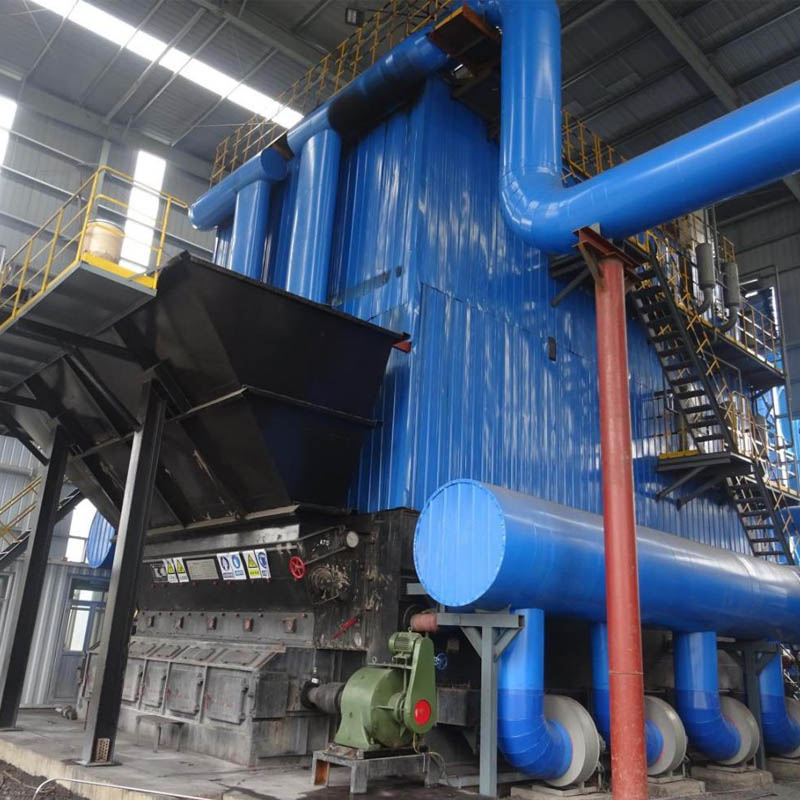
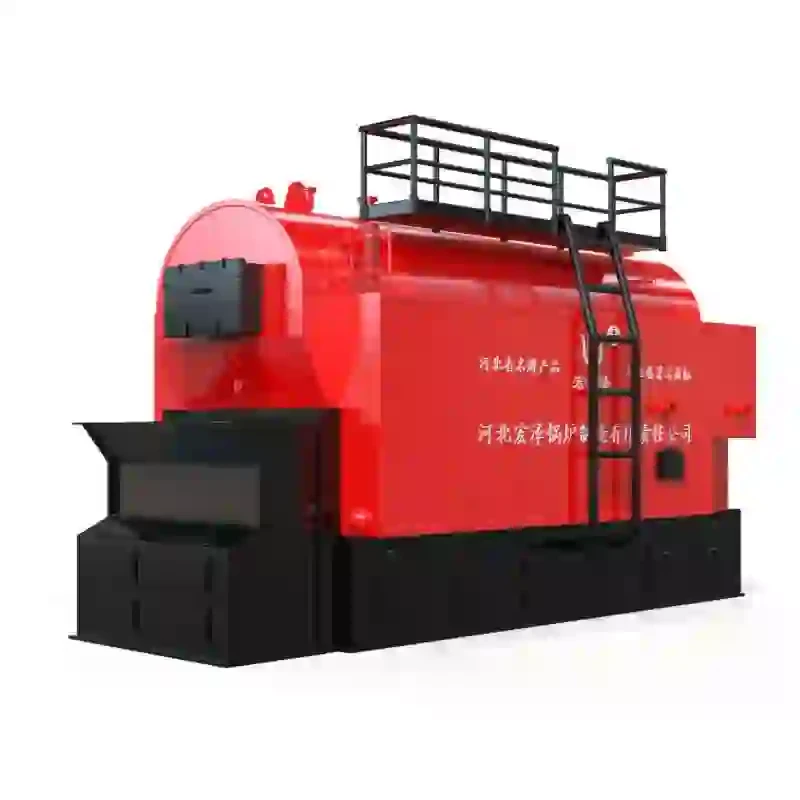
Product Snapshot (specs at a glance)
| Thermal Power | 30–1400 (10⁴ Kcal/h) |
| Working Pressure | 0.8–1.0 MPa (design test ≈1.5×) |
| Outlet Temperature | Up to ≈320 °C |
| Available Fuels | Lignite, bituminous, anthracite, gangue |
| Thermal Efficiency | ≈80–86% (coal grade & O2 trim dependent) |
| Materials | Coils: 20# / ASTM A106 Gr.B; refractory: high-alumina; casings: Q235 |
| Service Life | ≈15–20 years with proper oil management |
Typical factory test data (indicative): O₂ in flue ≈4–6%, CO under 200 mg/N·m³, NOx 200–450 mg/N·m³ with low-NOx burners/overfire air; real-world use may vary with coal and draft.
Where it fits
- Textile dyeing and stenter frames
- Wood-based panels, MDF/plywood hot presses
- Bitumen and chemical reactors
- Food drying (non-contact), building materials lines
Compliance, testing, and documentation
Hydrostatic test at ≈1.5× design; 100% weld visual, spot RT/UT per drawing; DP/MT for critical joints. Oil sampled to SH/T 0677 baseline. Projects are typically referenced to GB/T 17410 for organic heat carrier boilers, with materials to GB/ASTM equivalents. ISO 9001 QA is standard; PED/CE or ASME marks available on request (verify certificates).
Vendor snapshot (what I’m seeing in bids)
| Vendor | Design Pressure | Efficiency | Certs | Lead Time | Notes |
|---|---|---|---|---|---|
| HZ (Hengshui) | 0.8–1.0 MPa | ≈82–86% | ISO 9001; PED/ASME optional | 30–60 days | Solid after-sales, flexible fuels |
| Local Fabricator A | 0.8 MPa | ≈78–82% | ISO 9001 | 20–45 days | Lower capex, limited emission options |
| European Brand B | 1.0 MPa | ≈85–88% | PED, CE, ISO 9001 | 60–120 days | Premium controls, higher price |
Customization options
Multi-fuel grates (coal/biomass blend), economizer + air preheater, baghouse or ESP, low-NOx staging/OFA, PLC/DCS with O₂ trim, duplex pumps, and thermal oil conditioning skid. There’s also a gas-fired sibling (natural-gas burner, same liquid-phase loop) if your fuel strategy shifts.
Field cases (short and sweet)
- Textile mill, 8 MWth: cut fuel cost ≈18% vs. LPG; outlet 300–310°C; NO unplanned stops over first 11 months. - MDF plant, 12 MWth: switched to anthracite/gangue blend; payback ≈14 months after adding baghouse + economizer.
Customer feedback? “Stable temps, easy ash removal; just keep the oil clean.” I guess that sums it up.
Origin: No.2 Suheng North Street, Raoyang County, Hengshui City
Authoritative references
- [1] GB/T 17410-2015, Organic Heat Carrier Boiler
- [2] ASME Boiler and Pressure Vessel Code (BPVC), Section I & VIII
- [3] EN 12952/12953, Industrial Water-Tube and Shell Boilers (design principles referenced)
- [4] ISO 9001:2015, Quality Management Systems
- [5] IEA Coal 2024 – Market and policy trends (context for fuel strategies)
-
Comprehensive Guide to Steam Boiler Installation Diagram – Global Best Practices and Future Trends
NewsNov.24,2025
-
A Practical Guide to the Selection of Steam Boiler for Industrial Efficiency
NewsNov.23,2025
-
Comprehensive Guide to Steam Boiler PDF Manuals and Their Global Impact
NewsNov.22,2025
-
Discover How Steam Boiler Videos Improve Industrial Training & Safety
NewsNov.22,2025
-
Comprehensive Guide to Wood Fired Steam Boiler Design – Efficiency, Applications, and Innovations
NewsNov.21,2025
-
Comprehensive Guide to Steam Boiler Working – Efficiency & Applications
NewsNov.20,2025


 English
  Arabic
  Bengali
  French
  German
  Hindi
Hindi  Indonesian
  Kazakh
  Khmer
Khmer  Korean
  Kyrgyz
  Lao
Lao  Latin
Latin  Mongolian
  Nepali
  Russian
  Turkish
  Turkmen
  Uzbek
Uzbek 


