




Oct . 18, 2025 13:25 Back to list
Coal Fired Thermal Oil Boiler | Efficient, Precise Heating
Coal-Fired Thermal Oil Boiler: field notes from the plant floor
If you’ve ever had to keep a textile tenter line or an asphalt tank hot during a cold snap, you already know why a coal fired thermal oil boiler still earns its keep. To be honest, it’s not glamorous kit. But it is dependable, and—when engineered right—surprisingly clean and efficient for heavy fuel duties.
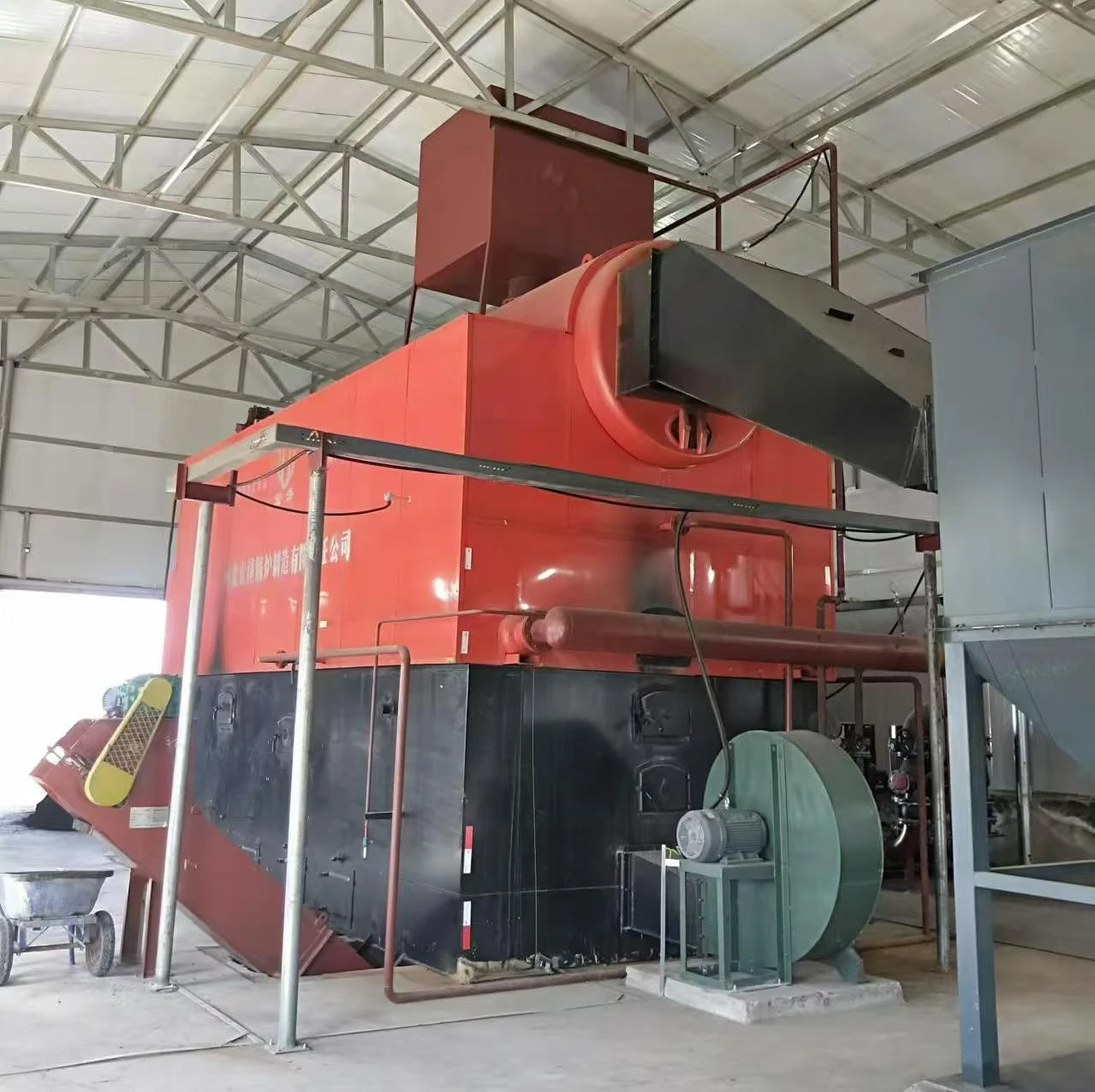
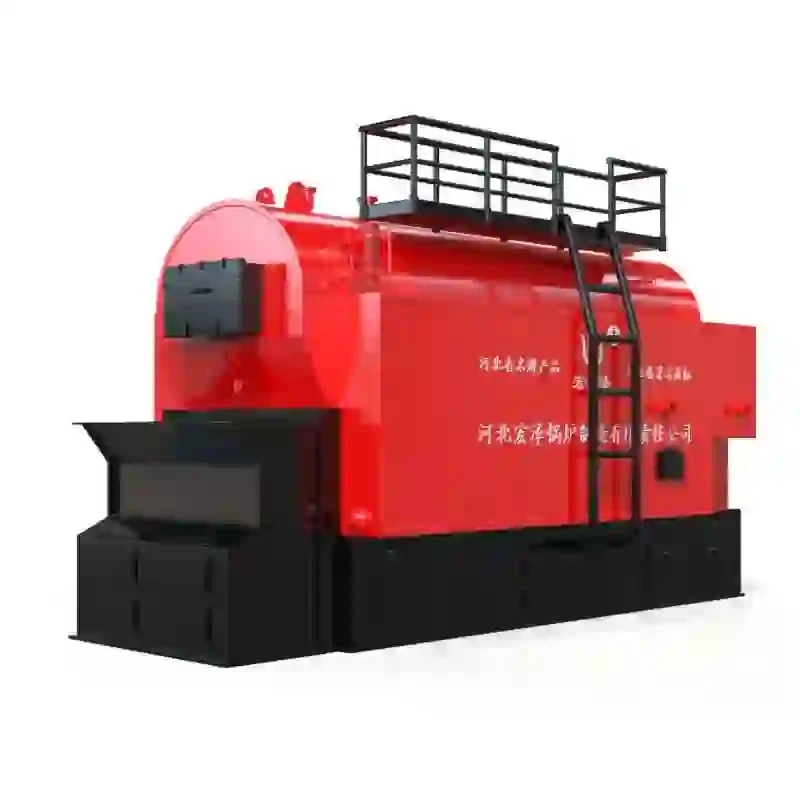
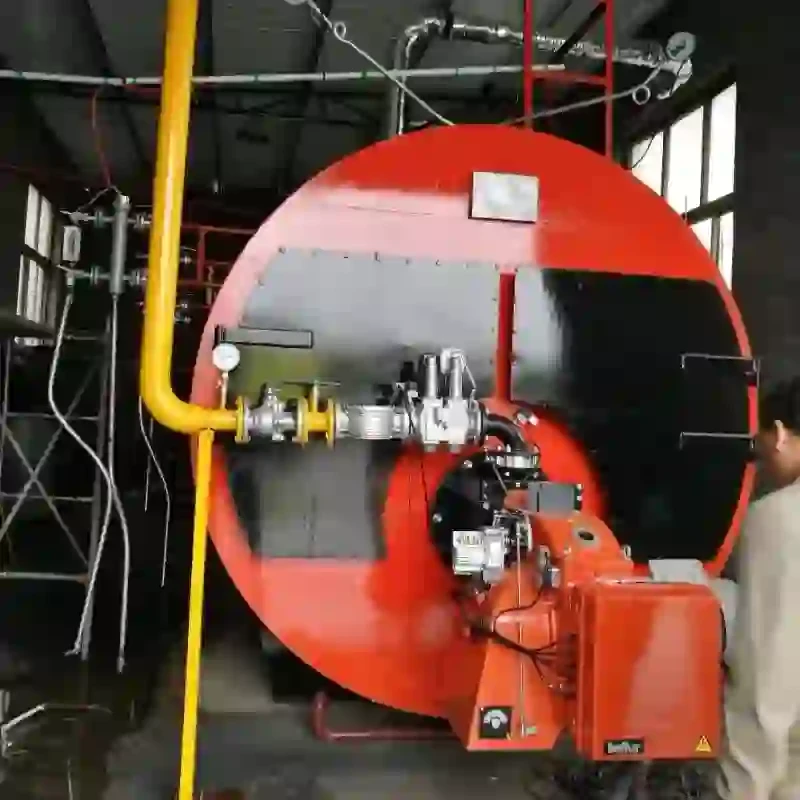
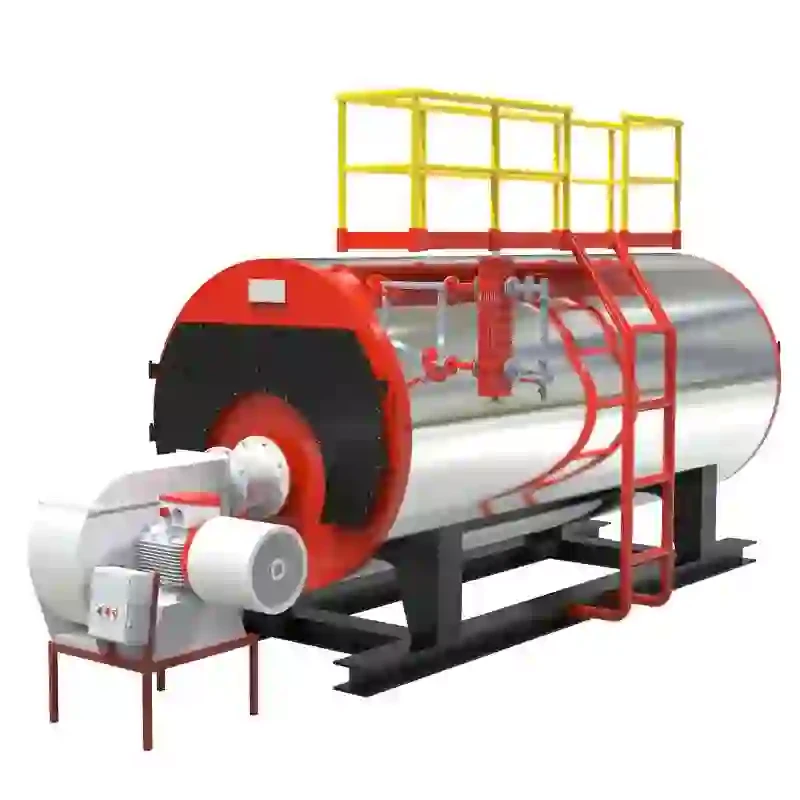
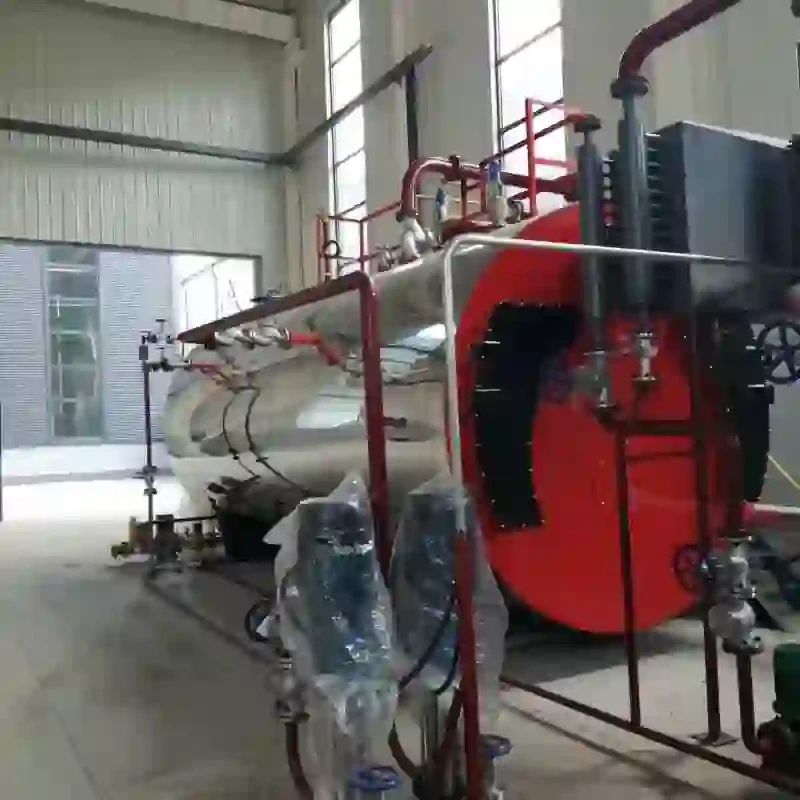
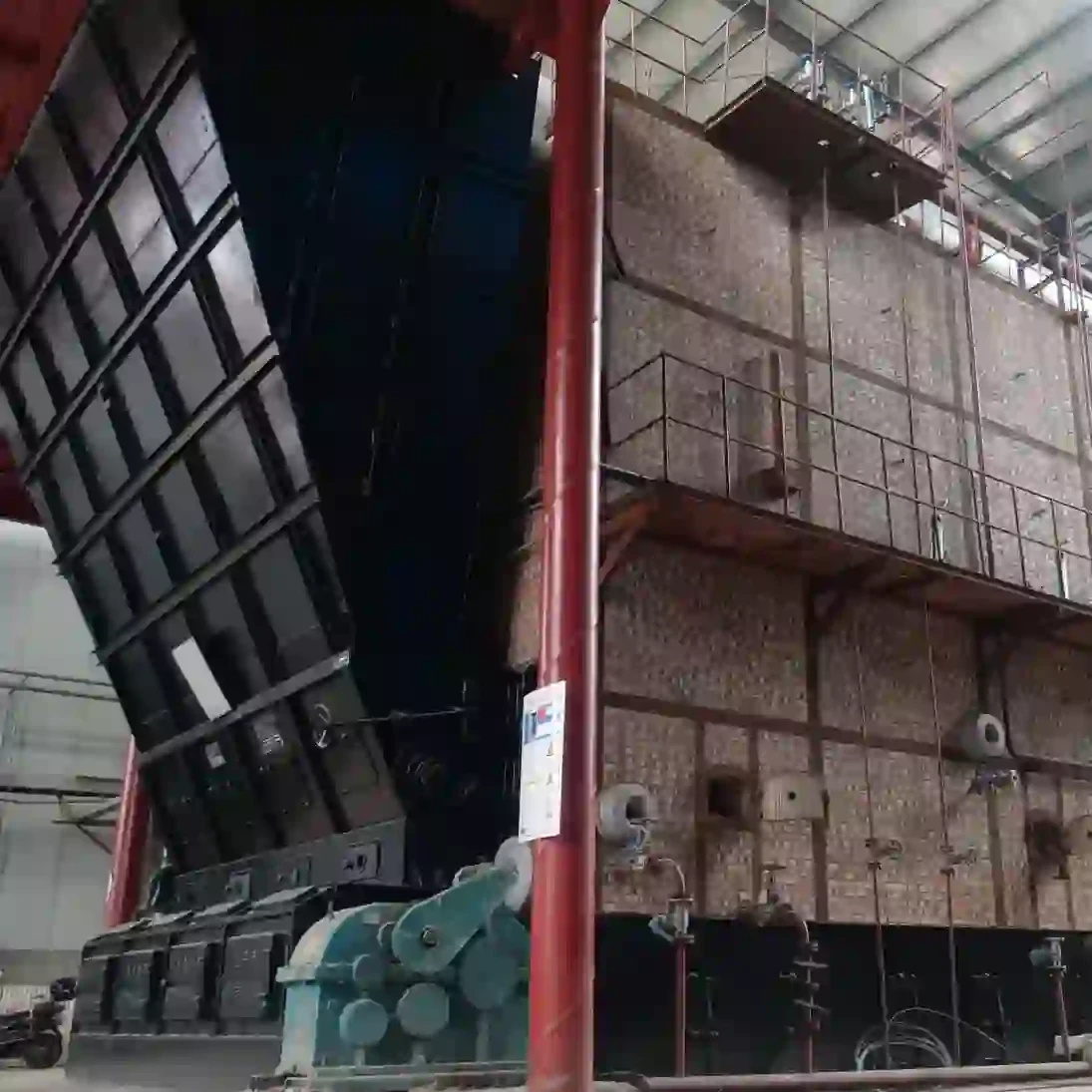
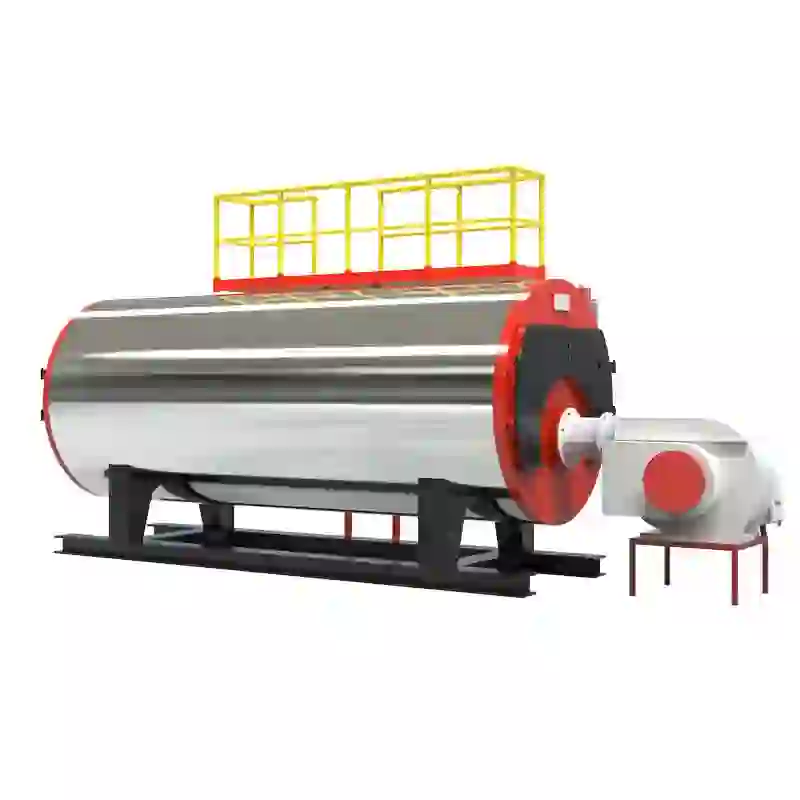
I’ve seen these units run in plywood plants and bitumen depots where steam would be overkill. The manufacturer here (origin: No.2 Suheng North Street, Raoyang County, Hengshui City) builds coil-type heaters with forced circulation pumps and a full flue-gas cleanup train. Different story than their gas-fired cousin, but same heat-transfer logic.
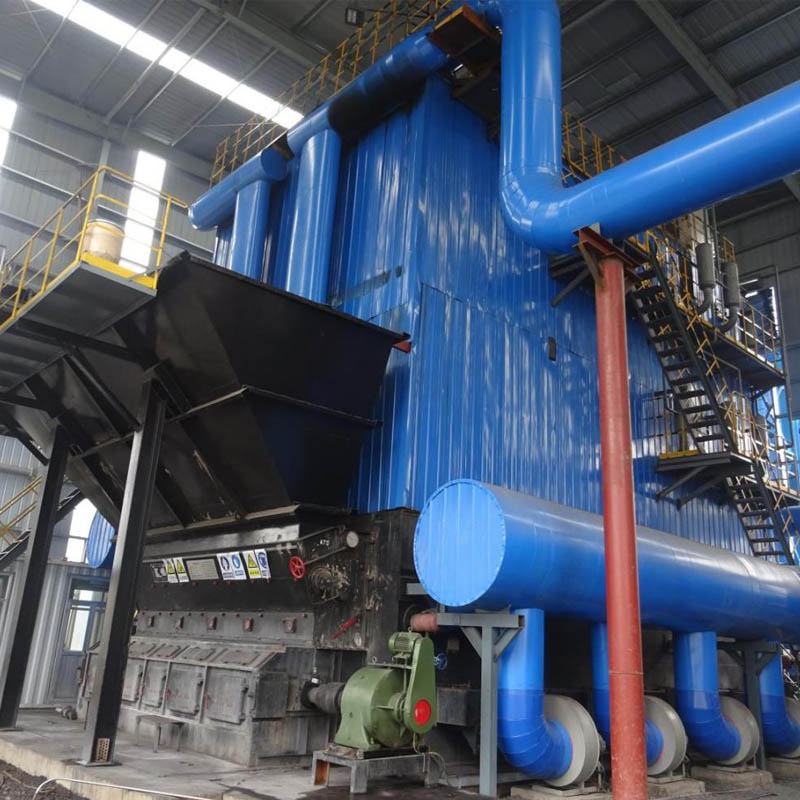
Industry trend in one breath
Coal is under pressure, yes, yet in textiles, chemical intermediates, asphalt mixing and wood processing across Asia, Africa and parts of Eastern Europe, operators still choose coal fired thermal oil boiler systems for cost per MWh and fuel security. The steady move is toward higher efficiency coils, better refractory, and emissions trims (bag filters, multi-cyclones, even SNCR in some lines) to meet tightening limits.
How it works (quick process flow)
- Fuel handling: lignite/bituminous/anthracite/gangue to a chain or reciprocating grate, with automatic stoker feed.
- Combustion & heat exchange: hot flue gas passes radiant/convective coils (seamless steel, GB 6479/GB 3087 grade), heating thermal oil to ≈320 °C at 0.8–1.0 MPa.
- Circulation: a hot-oil pump drives liquid-phase flow to users (calenders, reactors, bitumen tanks), then back to the heater via a deaerated expansion tank.
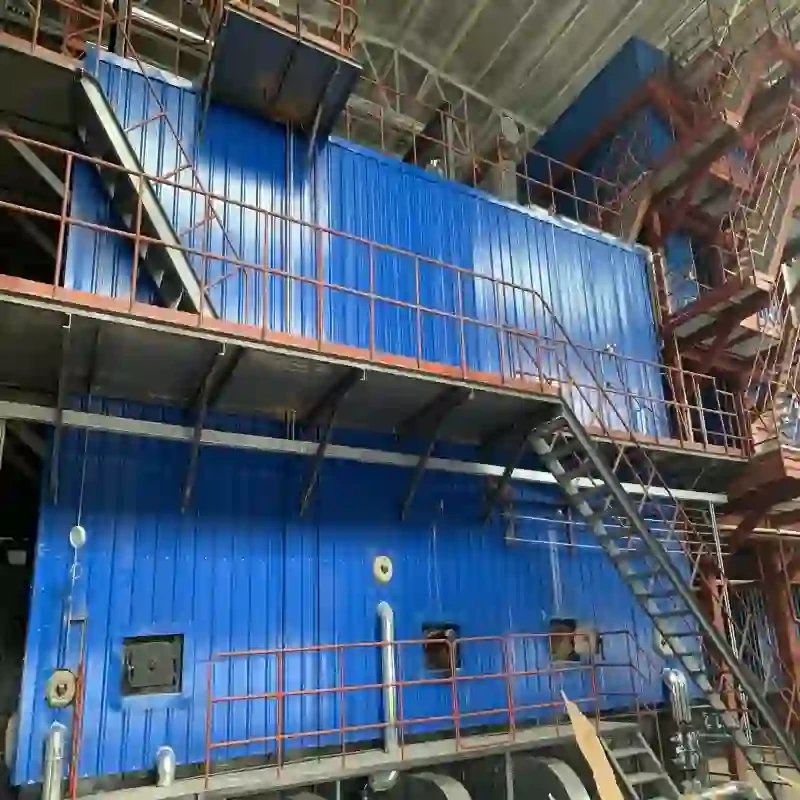
- Flue-gas treatment: multi-cyclone + baghouse, optional economizer and air preheater; induced draft fan to stack.
- Controls & safety: dual high-temp cutouts, low-flow interlock, nitrogen blanketing on expansion tank (optional), flame/bed monitoring.
Key specifications (typical)
| Thermal Power | 30–1400 (10⁴ kcal/h) ≈ 0.35–16.3 MW |
| Working Pressure | 0.8–1.0 MPa |
| Outlet Temperature | Up to 320 °C (real-world use may vary with oil type) |
| Available Fuels | Lignite, bituminous, anthracite, gangue |
| Thermal Efficiency | ≈ 82–88% (with economizer and proper tuning) |
| Service Life | 10–15 years typical with ASTM/GB compliant heat-transfer oil |
Materials, methods, and tests
Coils use seamless alloy tubes (GB 6479), headers to GB 8163, furnace shell Q235B/Q345R. Hydro tested at 1.5× design pressure; RT/UT on main weld seams; hardness checks on grate bars; PMI where specified. Compliance: GB/T 17410 organic heat-carrier furnaces; PED/CE for export; ISO 9001 QA. I’ve watched their crew run oil flushing to NAS 7–8 before handover—small thing, big difference in pump seal life.
Where it fits (and why)
- Textiles, dyeing, printing—stable 180–220 °C on tenter frames.
- Asphalt/bitumen—tank heating and line tracing up to 300+ °C.
- Chemicals, resins, plastics—reactor jackets with tight delta-T.
- Wood/plywood presses, paper machines—even heat, no steam traps.
Operators like coal fired thermal oil boiler setups for steady temperatures without scaling, no condensate losses, and lower kWh cost where coal pricing is favorable.
Field data and certifications
Recent FAT/SAT snapshots (bituminous, 6% O₂ ref): efficiency 86.4%; stack temp 175–195 °C with economizer; PM ≤ 30 mg/Nm³, SO₂ per fuel sulfur; NOx ~ 220 mg/Nm³ with staged air. Certificates: ISO 9001:2015; PED 2014/68/EU modules as ordered; material traceability MTRs kept for 10 years.
Vendor comparison (abridged)
| Vendor | Certs | Efficiency (≈) | Warranty | Notes |
|---|---|---|---|---|
| HZ Boiler (Hengshui) | GB/T 17410, ISO 9001, PED (opt.) | 85–88% | 12–18 months | Strong coil metallurgy; flexible fuel. |
| Regional Maker B | ISO 9001 | 80–84% | 12 months | Basic dust control, lower capex. |
| Import Brand C | CE/PED, ISO 14001 | 86–90% | 24 months | Higher cost; premium controls. |
Customization options
Coil material upgrades (15CrMoG), oversized economizer, dual pumps with VFD, explosion-proof electrics for Zone 2, SNCR kit, remote I/O for DCS, and skid-mounted thermal-oil ancillary package. Many customers say the extra on the bag filter pays back fast in dust-limited zones.
Two quick case snaps
- Bitumen plant, 600×10⁴ kcal/h (≈7.0 MW): outlet 300 °C, fuel: washed bituminous. Measured efficiency 87.1%, PM 26 mg/Nm³. Fuel cost down ~12% vs. older unit.
- Textile mill, 300×10⁴ kcal/h: ±2 °C stability at tenter frames, zero steam trap issues (obviously), oil life > 3 years with quarterly TAN checks.
Authoritative references:
- GB/T 17410-2015: Organic Heat Carrier Furnace standard.
- PED 2014/68/EU: Pressure Equipment Directive (EU), CE compliance framework.
- ASME Boiler & Pressure Vessel Code, Sec. VIII Div.1, pressure parts guidance.
- IEA, Coal 2024: Analysis and forecast to 2029.
- ISO 9001:2015 Quality Management Systems.
-
Hot Water Boiler Working Principle Explained: Efficiency, Applications, and Innovations
NewsDec.03,2025
-
Hot Water Boiler Design: Global Insights, Innovations, and Applications
NewsDec.03,2025
-
Understanding Hot Water Heat Boiler Replacement Cost: Factors, Benefits & Trends
NewsDec.03,2025
-
1 Million BTU Steam Boiler - Efficient Steam Solutions for Industry
NewsDec.02,2025
-
250 000 BTU Steam Boiler: Comprehensive Guide to Industrial Steam Power
NewsDec.02,2025
-
What You Need to Know About the 300 000 BTU Steam Boiler: Efficiency & Applications
NewsDec.02,2025


 English
  Arabic
  Bengali
  French
  German
  Hindi
Hindi  Indonesian
  Kazakh
  Khmer
Khmer  Korean
  Kyrgyz
  Lao
Lao  Latin
Latin  Mongolian
  Nepali
  Russian
  Turkish
  Turkmen
  Uzbek
Uzbek 


