




Nov . 10, 2025 15:11 Back to list
Commercial Oil Fired Steam Boiler | High Efficiency, Low NOx
What to Know Before You Specify a Commercial Oil Fired Steam Boiler
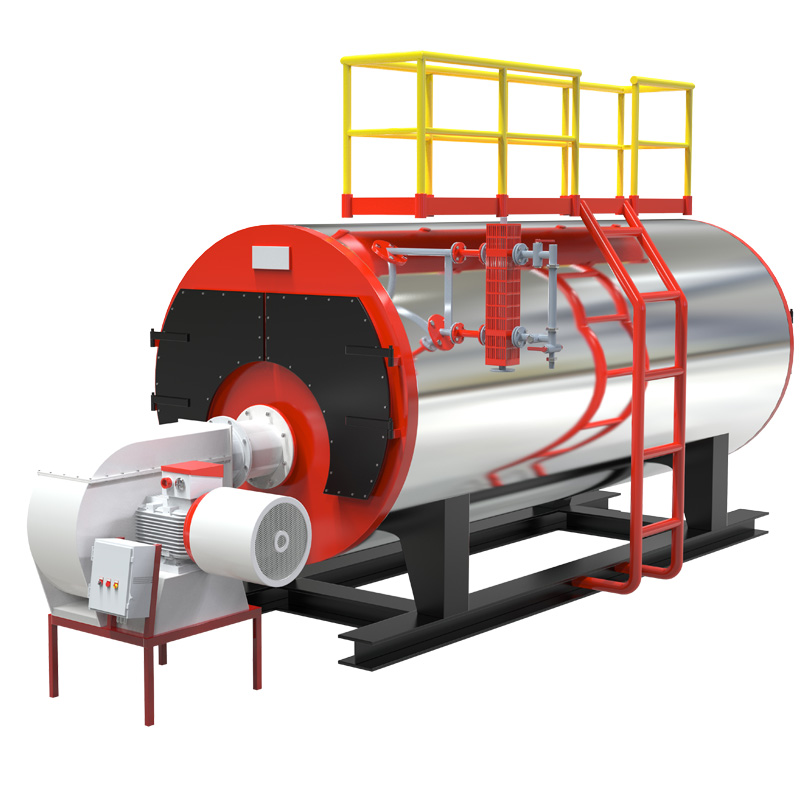
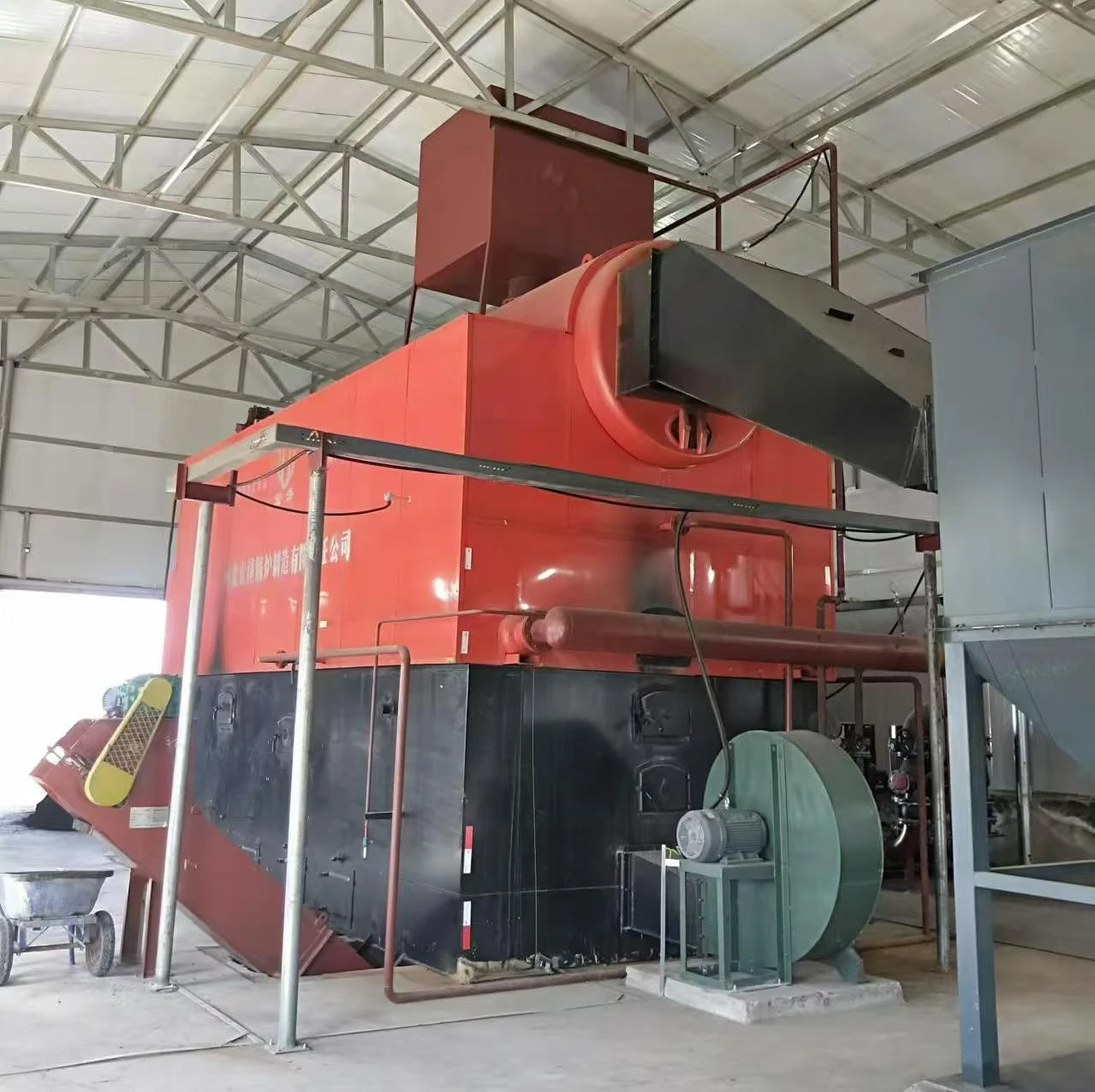
If you manage heat for a food plant, a hospital laundry, or a textile dye line, steam is your heartbeat. I’ve walked more boiler rooms than I can count, and the pattern is clear: tighter emissions, smarter controls, quicker installs. In that context, an Commercial Oil Fired Steam Boiler—especially a modern oil (gas) unit—still makes practical sense where gas supply is shaky or dual-fuel resilience is a must.
Industry trends (and some honest chatter)
Low-NOx is the headline—sub-30 mg/Nm³ units are now mainstream in China and creeping into export specs. Plants want skid-mounted packages, remote monitoring, and fuel flexibility (diesel today, gas tomorrow). Frankly, downtime tolerance is near zero, so serviceability and reliable burners matter more than brochure gloss.
Key specs at a glance
| Product Name | Oil (gas) steam boiler |
| Rated steam capacity | 0.5–200 t/h |
| Working pressure | 0.7–2.5 MPa |
| Fuels | Diesel, heavy oil, light oil (dual-fuel options ≈ available) |
| Thermal efficiency | ≈92–98% with economizer/condensing stack; real-world use may vary |
| NOx emission | ≤ 30 mg/Nm³ (with low-NOx burner) |
| Controls | PLC + touchscreen, O2 trim optional, remote monitoring |
| Origin | No.2 Suheng North Street, Raoyang County, Hengshui City |
Where it fits (and why)
- Food & beverage: batch kettles, CIP, retorts.
- Textiles & dyeing: steady steam at 0.8–1.3 MPa, color stability demands.
- Hospitals & hotels: laundry, sterilization, space heating.
- Chemicals & pharma: jacketed reactors, clean steam via secondary exchangers.
Users often tell me the big win is turndown. With the right burner, a Commercial Oil Fired Steam Boiler can ride morning start-up spikes without overshoot, then settle into a quiet, fuel-thrifty hum.
How it’s built (materials, methods, tests)
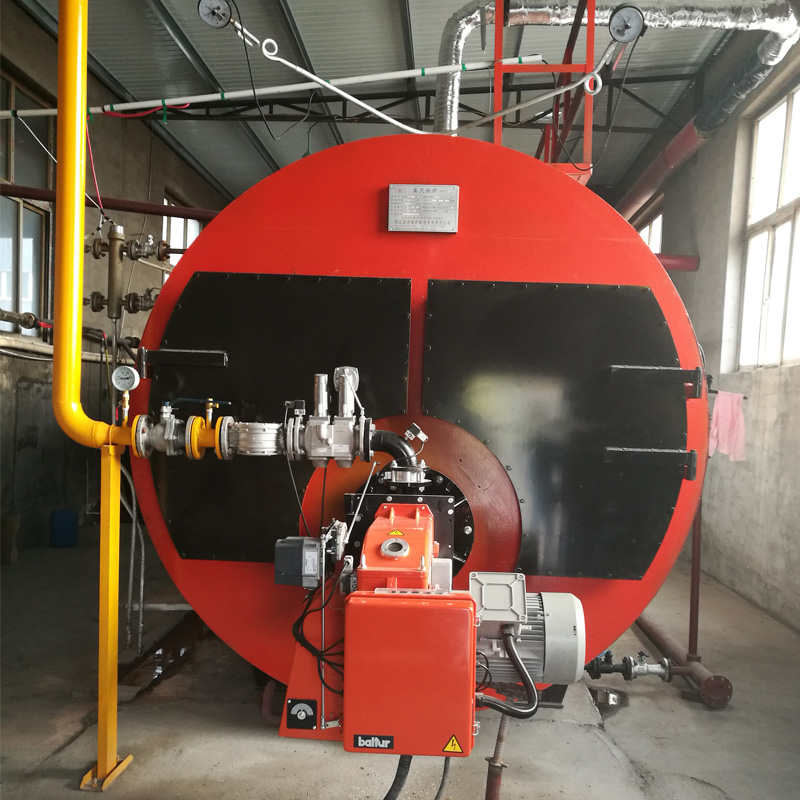
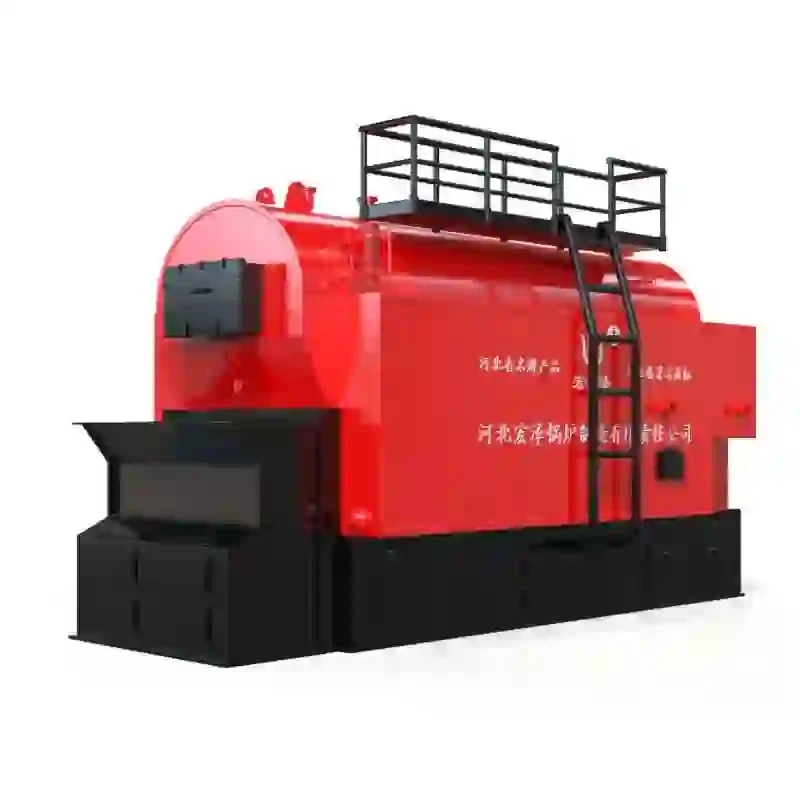
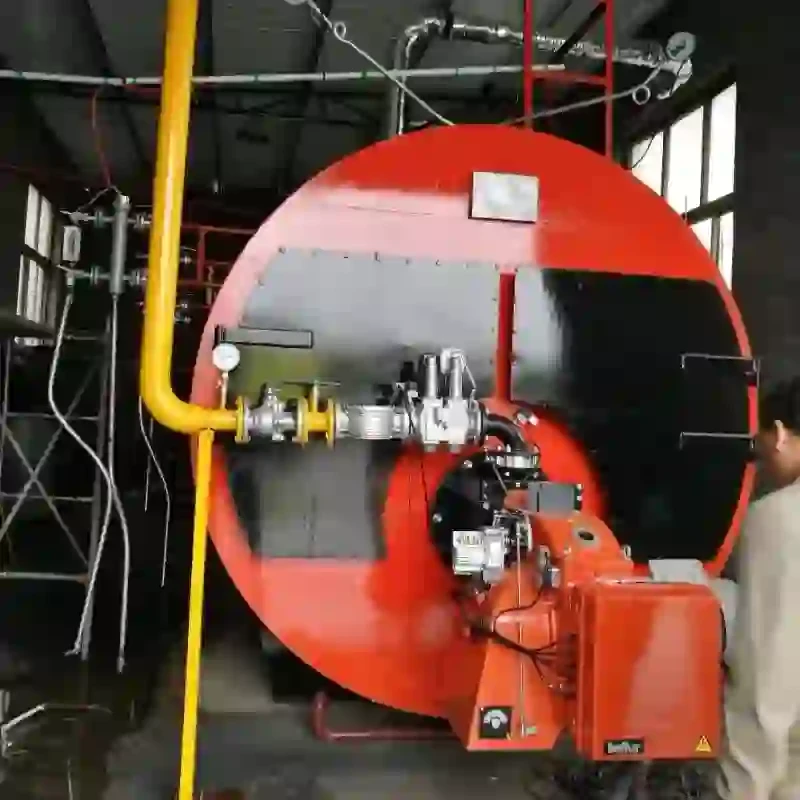
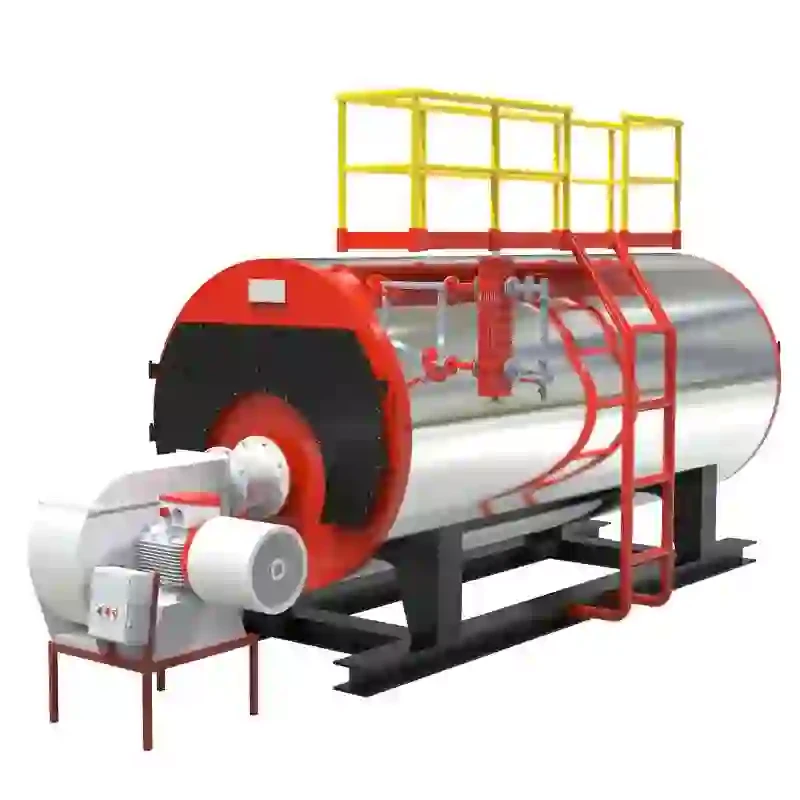
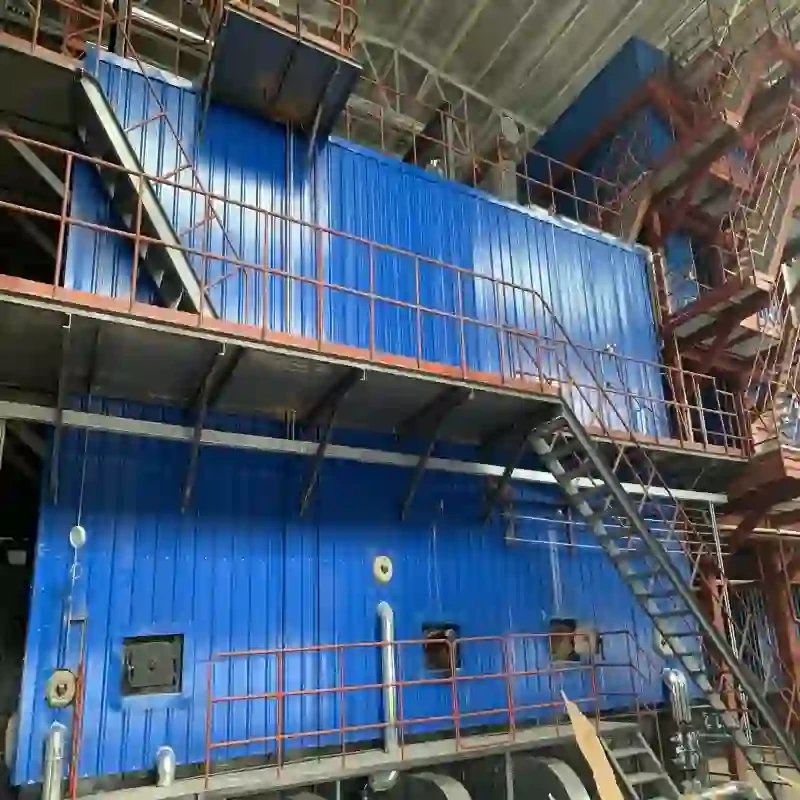
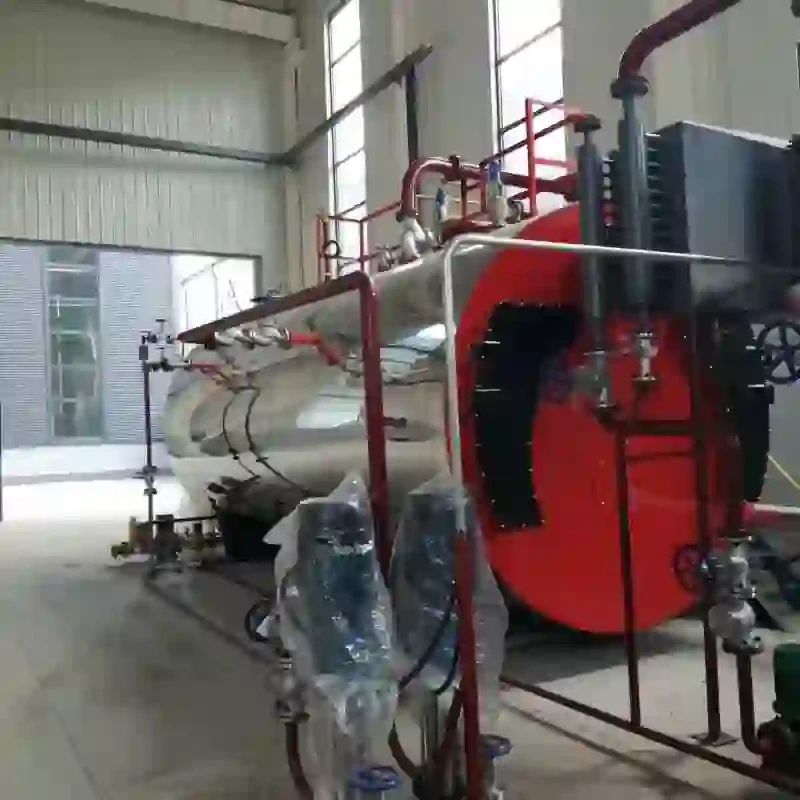
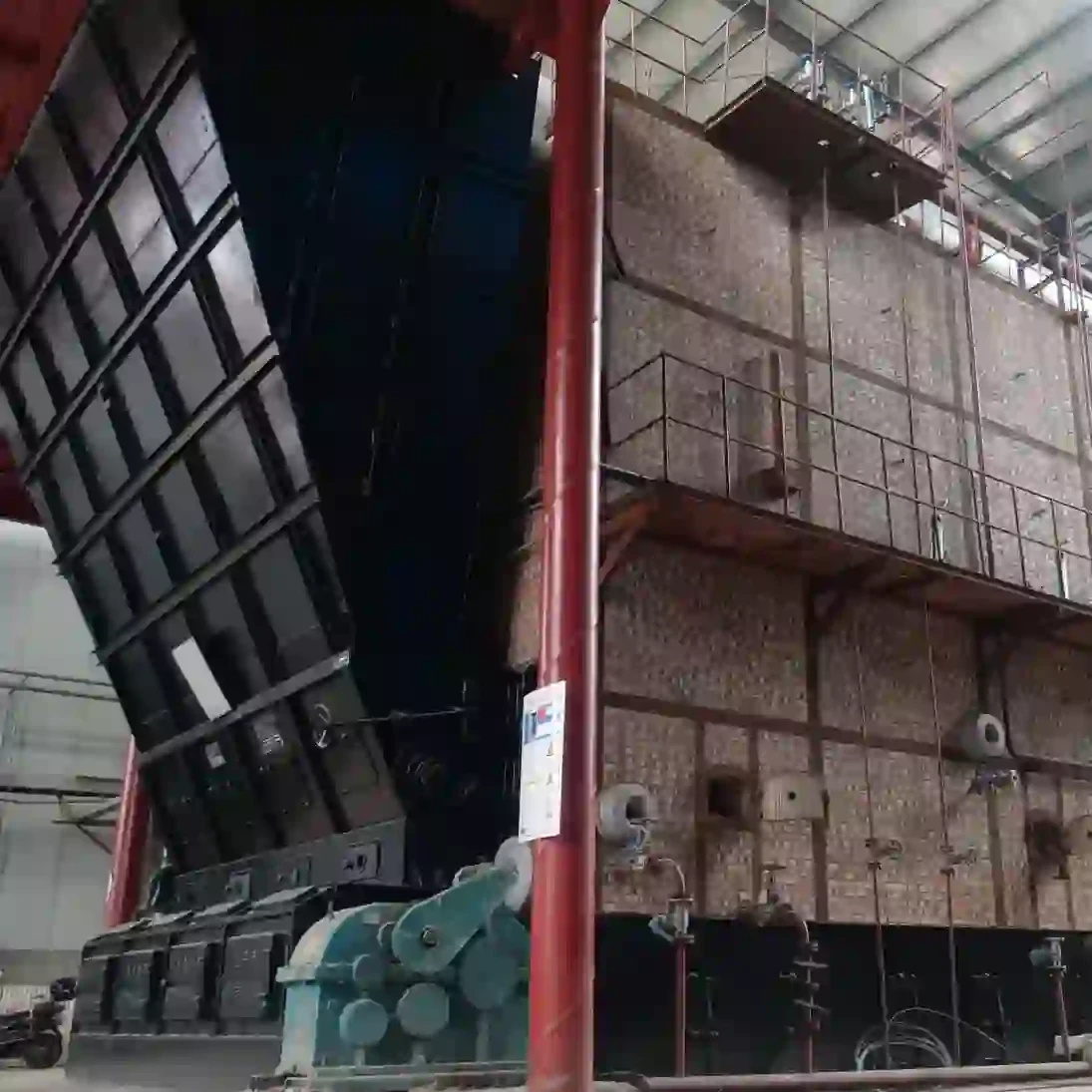
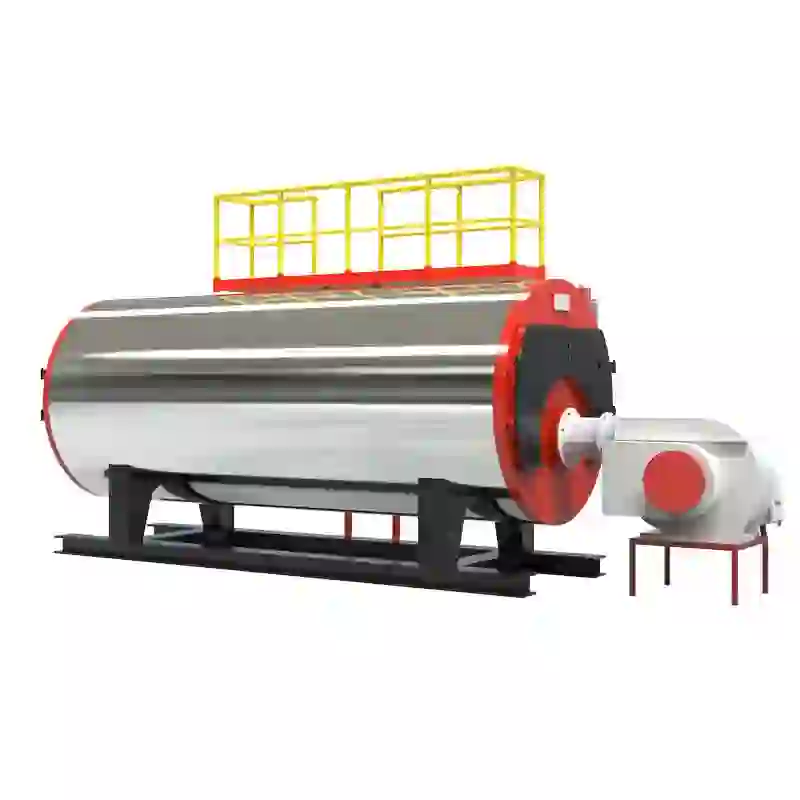
Pressure vessel steel typically Q245R/SA-516 Gr.70; wet-back, three-pass firetube with corrugated furnace for better heat transfer and stress relief. Fabrication uses CNC plate cutting, submerged arc welding, PWHT where specified. NDT includes RT/UT on long seams, MT/PT on nozzles. Hydrostatic test at 1.5× design pressure per ASME Section I/EN 12953. Burners from reputable brands (Riello/Weishaupt/Baltur, depending on region). Insulation is mineral wool; cladding aluminum or stainless. With proper water treatment (softener + deaerator), service life is ~15–20 years, sometimes longer. Factory test data I’ve seen: O2 at 3–4%, CO
Vendor comparison (indicative)
| Item | HZ Steam Boiler | Vendor A | Vendor B |
|---|---|---|---|
| NOx (mg/Nm³) | ≤ 30 | ≈ 30–80 | ≈ 50–120 |
| Pressure range | 0.7–2.5 MPa | Up to 1.6 MPa | 0.8–2.0 MPa |
| Lead time | ≈ 20–60 days (size-dependent) | ≈ 30–90 days | ≈ 45–120 days |
| Customization | Skid, dual-fuel, condensing, O2 trim | Limited options | Moderate options |
Note: indicative only; real-world specs and availability may vary by market and code compliance.
Field notes: one quick case
A mid-sized beverage plant in Shandong swapped an aging 8 t/h unit for a 10 t/h Commercial Oil Fired Steam Boiler with an economizer and O2 trim. Fuel: light oil. Result after 90 days: ≈8–12% fuel reduction versus baseline, faster start-up (15 minutes to 8 bar), and NOx comfortably
Customization checklist
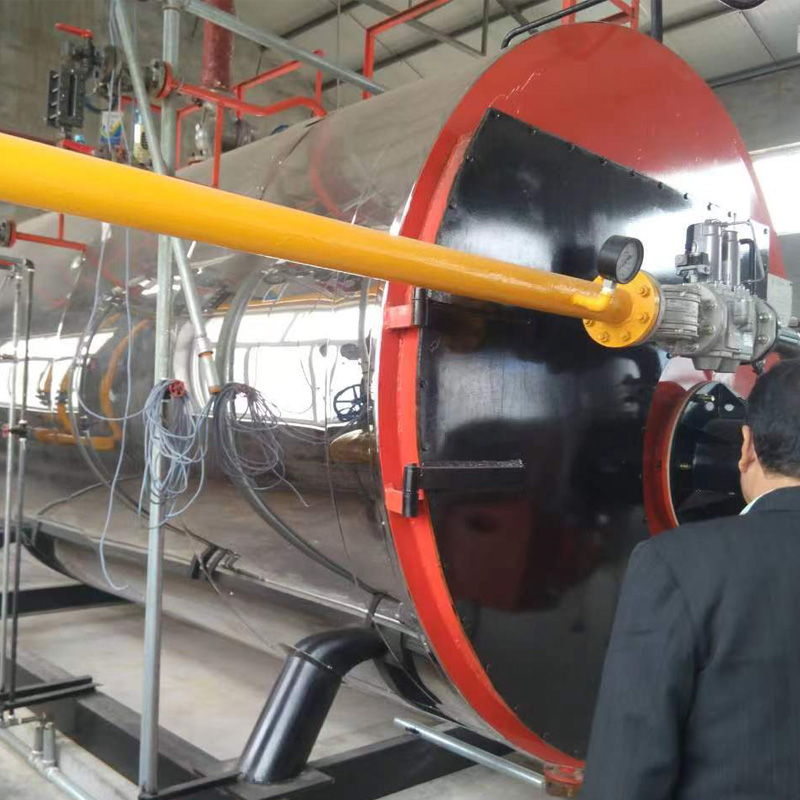
- Dual-fuel burner (oil/gas) and 10:1 turndown, if your load swings.
- Condensing stack + economizer for sub-100°C flue gas where dew point control is feasible.
- Feedwater system: deaerator, VFD pumps, TDS blowdown control.
- Noise treatment and stack design per site acoustic limits.
- Controls: PLC with remote access; integrate to BMS/SCADA.
Compliance-wise, look for CE, ISO 9001, and where applicable ASME “S” stamp. Emissions should align with local regulations; I always advise a pre-bid check against EN 12953/EN 12952 or ASME Section I, and local environmental limits—saves headaches later.
Authoritative references
- ASME Boiler & Pressure Vessel Code, Section I – Power Boilers.
- EN 12953 – Shell boilers, Part 7 (Requirements for firing systems).
- GB 13271-2014 – Emission standard of air pollutants for boilers (China).
- EU MCPD (EU 2015/2193) – Medium Combustion Plant emissions framework.
-
Industrial Natural Gas Steam Boiler High Efficiency System Guide
NewsApr.16,2026
-
Maximize Industrial Productivity with High Efficiency Gas Steam Boiler
NewsApr.09,2026
-
Comprehensive Guide to Industrial Steam Heater Systems and Applications
NewsApr.07,2026
-
Comprehensive Guide to Low Pressure Steam Boilers and Their Applications
NewsApr.04,2026
-
Understanding High Pressure Steam Boiler Technology and Industrial Applications
NewsMar.31,2026
-
Comprehensive Guide to High Efficiency Steam Boiler Systems and Applications
NewsMar.28,2026


 English
  Arabic
  Bengali
  French
  German
  Hindi
Hindi  Indonesian
  Kazakh
  Khmer
Khmer  Korean
  Kyrgyz
  Lao
Lao  Latin
Latin  Mongolian
  Nepali
  Russian
  Turkish
  Turkmen
  Uzbek
Uzbek 


