




Sep . 21, 2024 15:00 Back to list
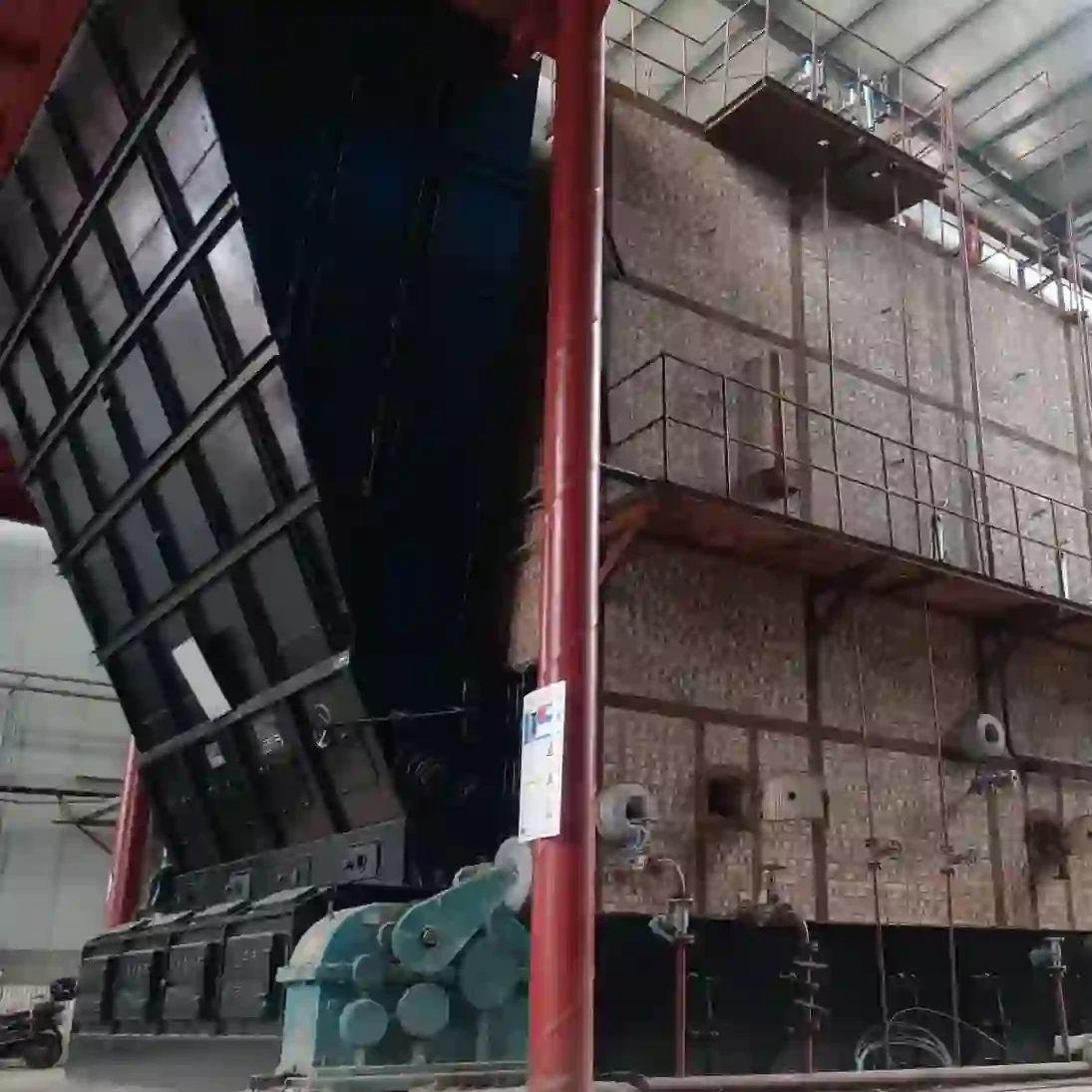
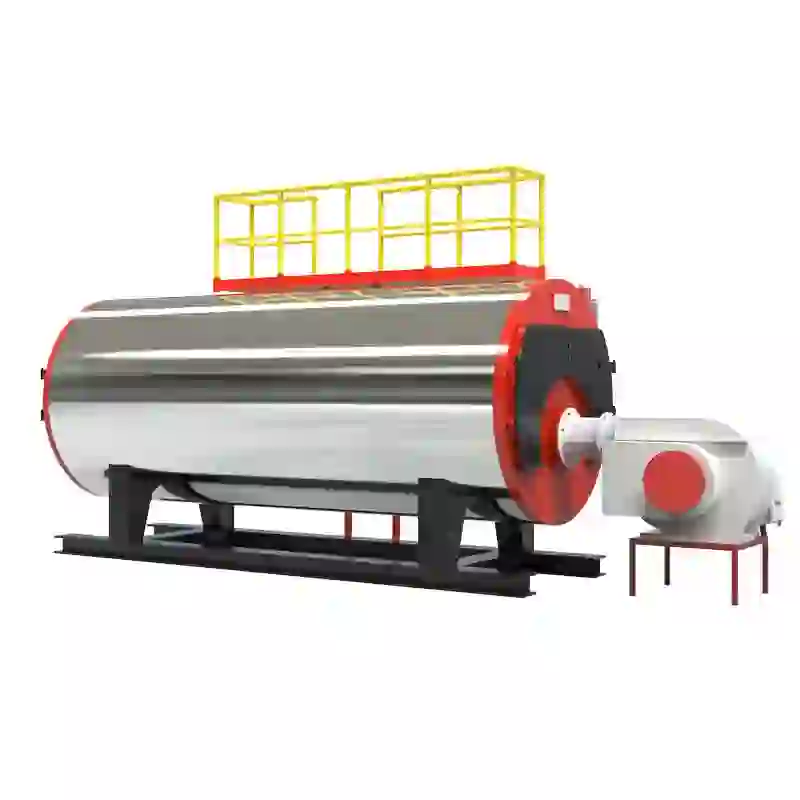
diagram of steam boiler
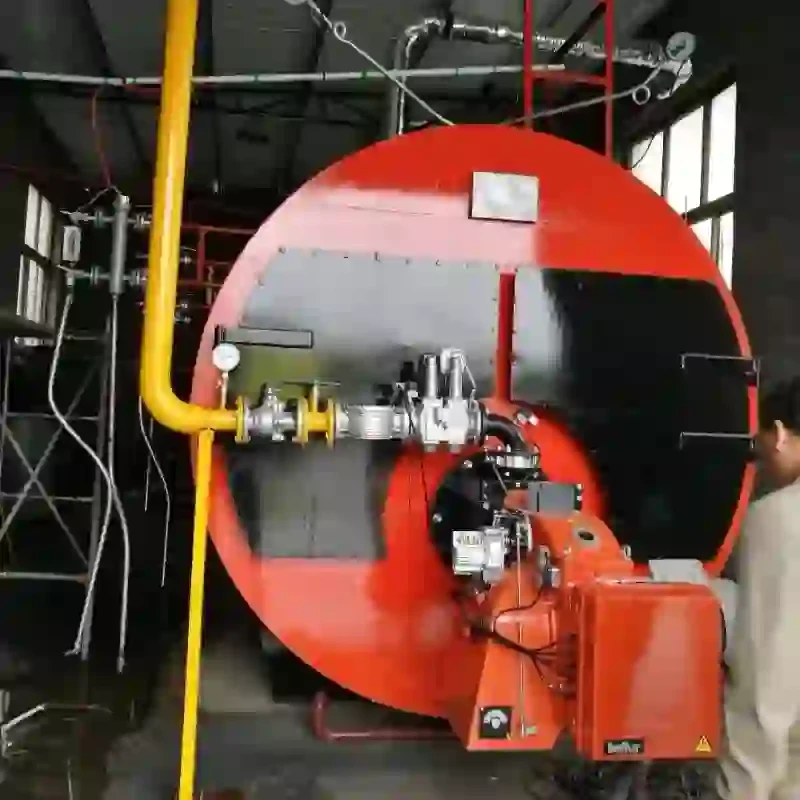
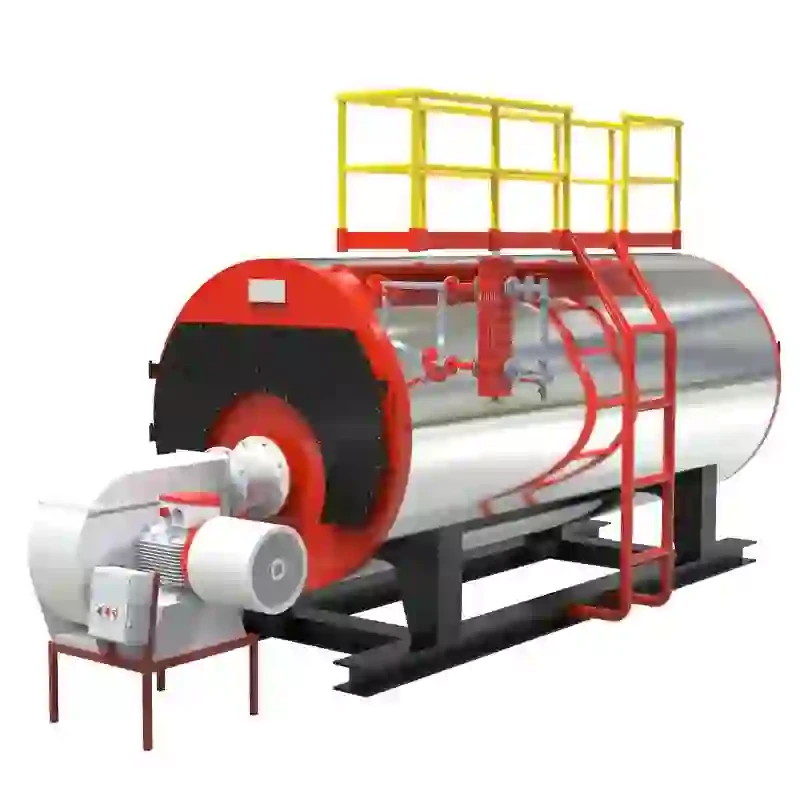
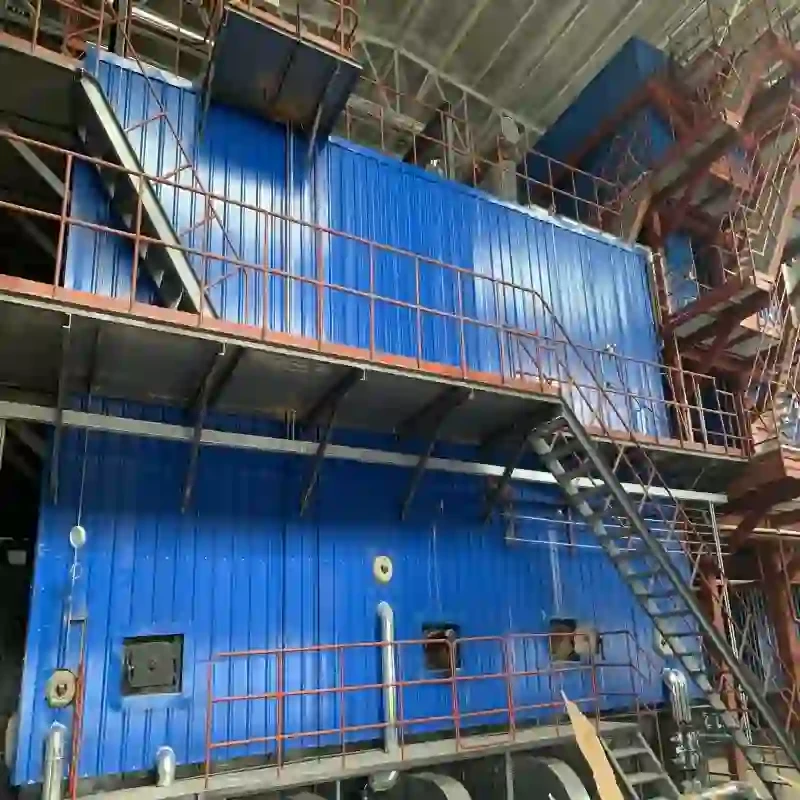
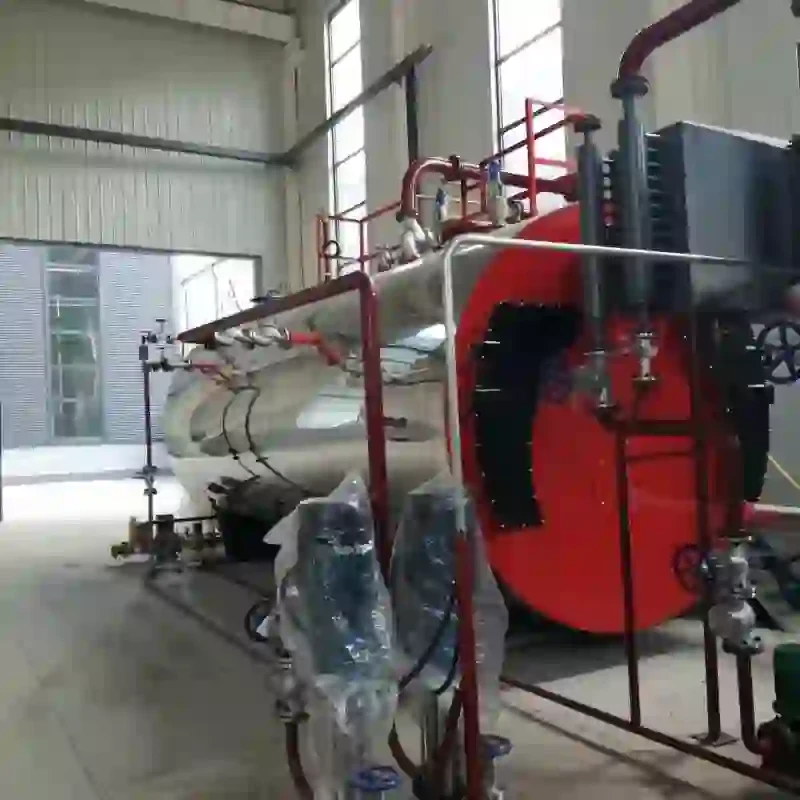
A steam boiler is a crucial component in various industries, generating steam for heating, power generation, and other processes. Understanding the diagram of a steam boiler can provide valuable insights into its functionality and performance.
At the core of the steam boiler diagram, we find the furnace, where the combustion of fuel occurs. Various fuels can be utilized, including coal, natural gas, or oil. The combustion process generates heat, which is transferred to the water within the boiler. The boiler itself comprises a pressure vessel, designed to withstand high pressures, and is typically constructed from thick steel plates.
.
In the diagram, we also observe the water level indicator, which is essential for monitoring the water level within the boiler. Maintaining an appropriate water level is critical to ensure the safe and efficient operation of the system. Too low a water level can lead to overheating and damage, while too high may cause flooding and reduce efficiency.
diagram of steam boiler
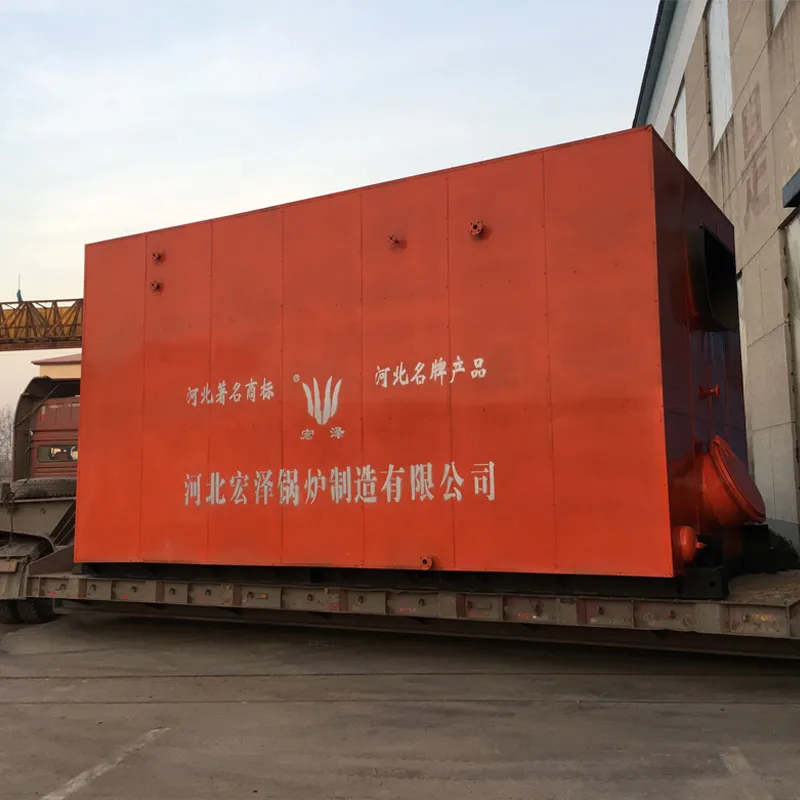
The steam produced in the boiler is collected in the steam drum, a separate vessel that separates steam from water. This drum is vital for controlling the steam quality, as it allows for the removal of impurities and moisture. The diagram typically indicates valves and fittings that regulate the flow of steam to various applications, whether it’s for heating purposes or to drive turbines in power generation.
Moreover, safety features are prominently featured in boiler diagrams. These may include pressure relief valves, which prevent excessive pressure buildup, and safety shut-off mechanisms. Such components ensure the boiler operates safely and prevent catastrophic failures.
In summary, the diagram of a steam boiler encapsulates the complex interplay of various components that work together to enable efficient steam production. Understanding this diagram is essential for operators, engineers, and maintenance personnel to ensure the reliable and safe operation of steam boilers across different applications. As technology advances, the design and efficiency of steam boilers continue to evolve, providing even greater performance in industrial settings.
-
Hot Water Boiler Working Principle Explained: Efficiency, Applications, and Innovations
NewsDec.03,2025
-
Hot Water Boiler Design: Global Insights, Innovations, and Applications
NewsDec.03,2025
-
Understanding Hot Water Heat Boiler Replacement Cost: Factors, Benefits & Trends
NewsDec.03,2025
-
1 Million BTU Steam Boiler - Efficient Steam Solutions for Industry
NewsDec.02,2025
-
250 000 BTU Steam Boiler: Comprehensive Guide to Industrial Steam Power
NewsDec.02,2025
-
What You Need to Know About the 300 000 BTU Steam Boiler: Efficiency & Applications
NewsDec.02,2025


 English
 Arabic
 Bengali
 French
 German
 Hindi
 Indonesian
 Kazakh
 Khmer
 Korean
 Kyrgyz
 Lao
 Latin
 Mongolian
 Nepali
 Russian
 Turkish
 Turkmen
 Uzbek


