




Feb . 25, 2026 02:05 Back to list
Exploring the Diverse Types of Coal Fired Steam Boiler Systems and Technologies
Types of Coal Fired Steam Boiler
Coal fired steam boilers are a cornerstone of many industrial processes, providing reliable heat and power. Understanding the different types of coal fired steam boiler is crucial for selecting the right system for your specific needs. This article will explore the common boiler configurations, their advantages, disadvantages, and suitable applications. We'll delve into aspects like fire-tube vs. water-tube designs, forced draft vs. natural draft systems, and traveling grate technologies. Choosing the optimal boiler ensures efficiency, longevity, and cost-effectiveness.
Fire-Tube vs. Water-Tube Boilers
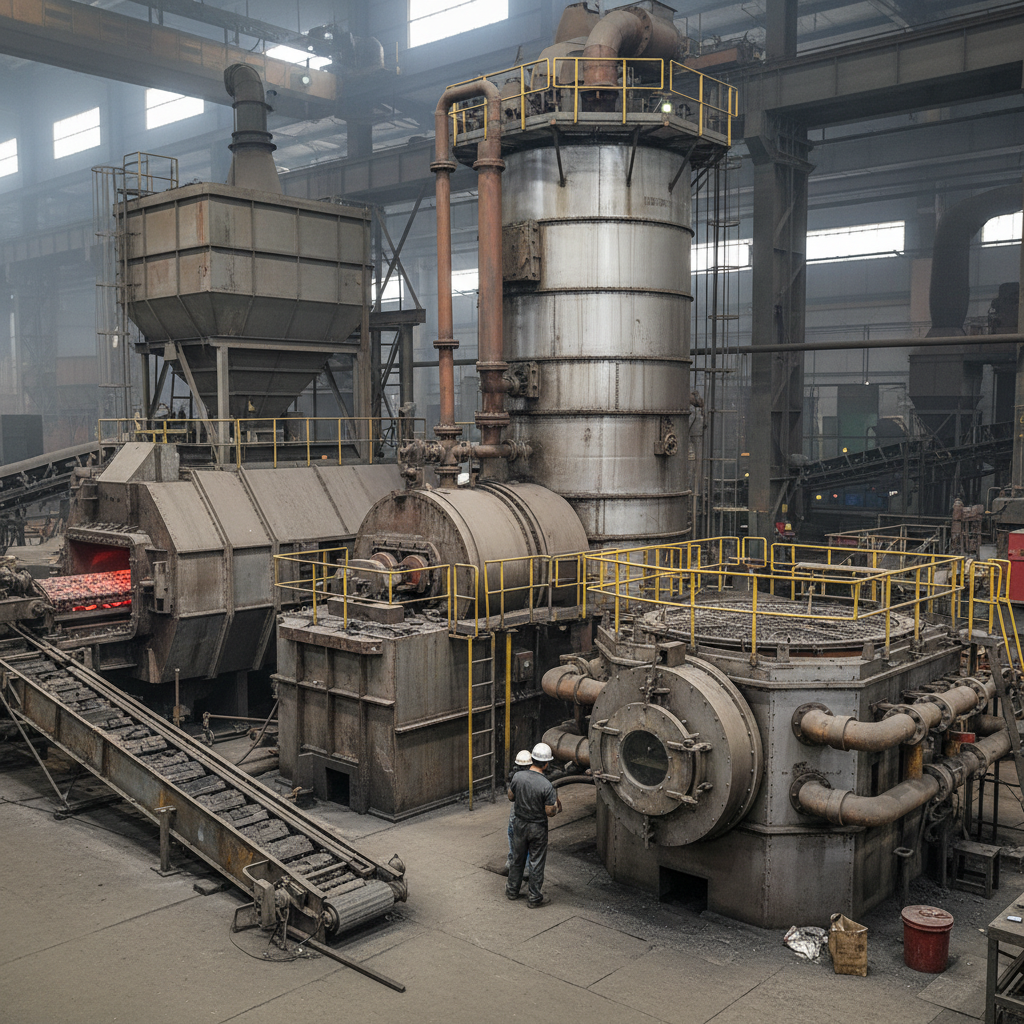
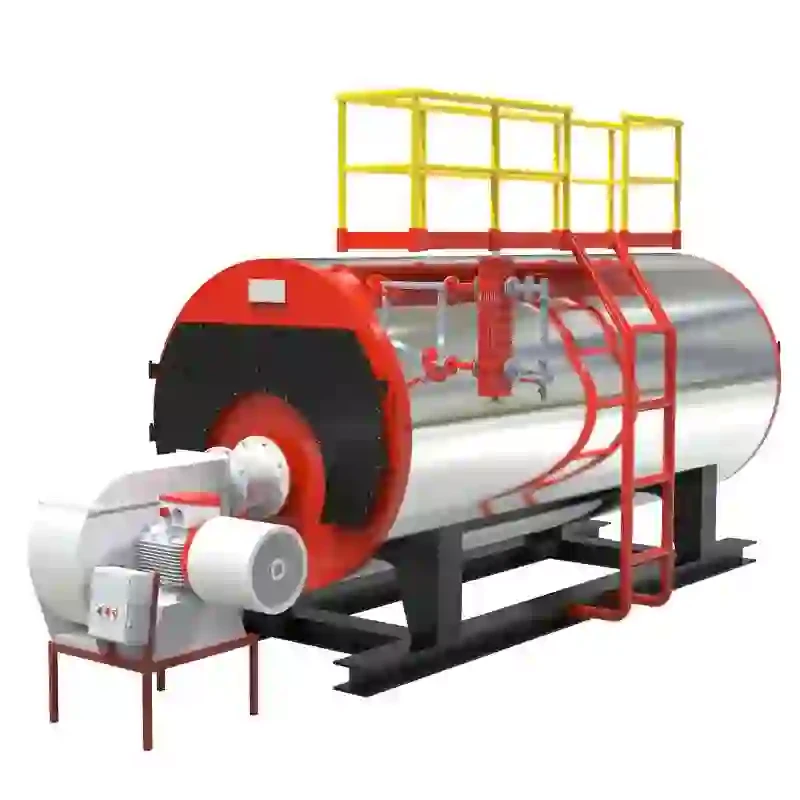
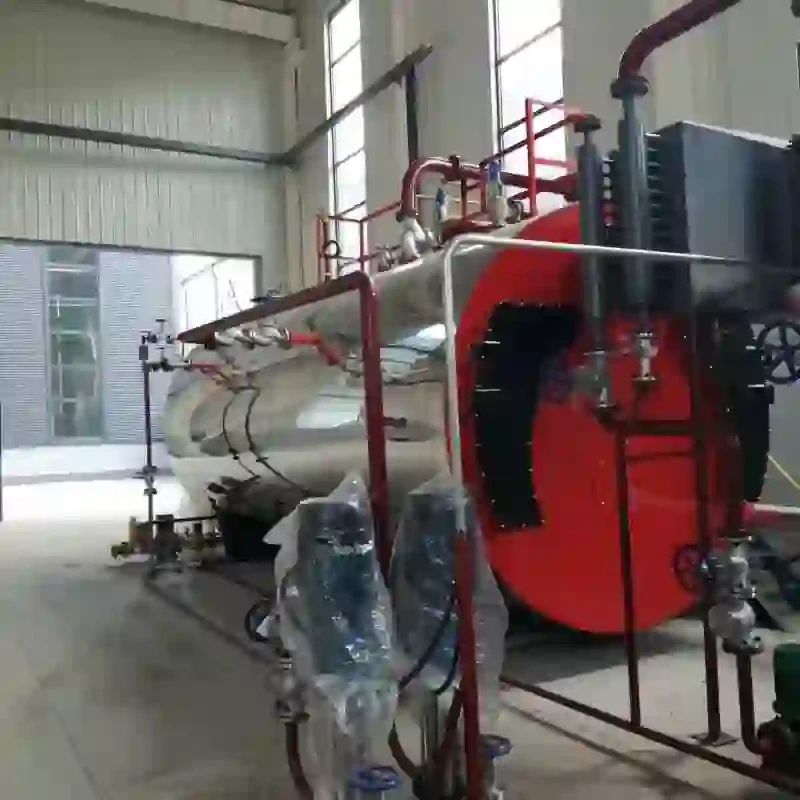
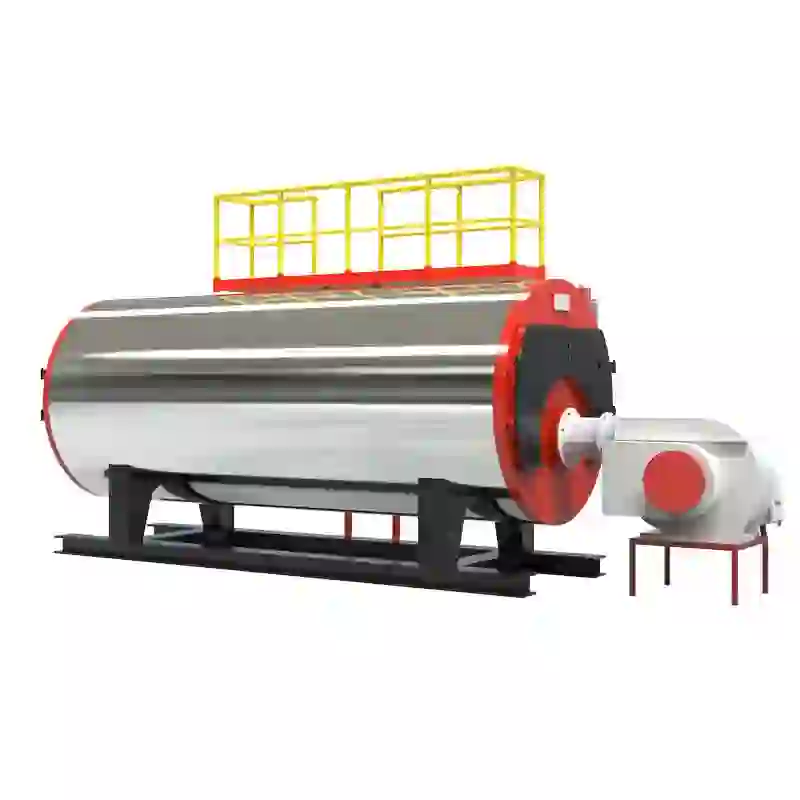
The fundamental distinction among coal fired steam boilers lies in how heat is transferred to the water. Fire-tube boilers, the simpler and often more economical option, feature hot gases passing through tubes surrounded by water. Water-tube boilers, conversely, have water circulating inside tubes that are heated by the combustion gases. This difference dictates their suitability for various applications and pressures. Fire-tube boilers are typically used for lower pressure, high steam demand applications, while water-tube boilers excel in high-pressure, high-temperature steam generation.
Draught Systems: Forced vs. Natural
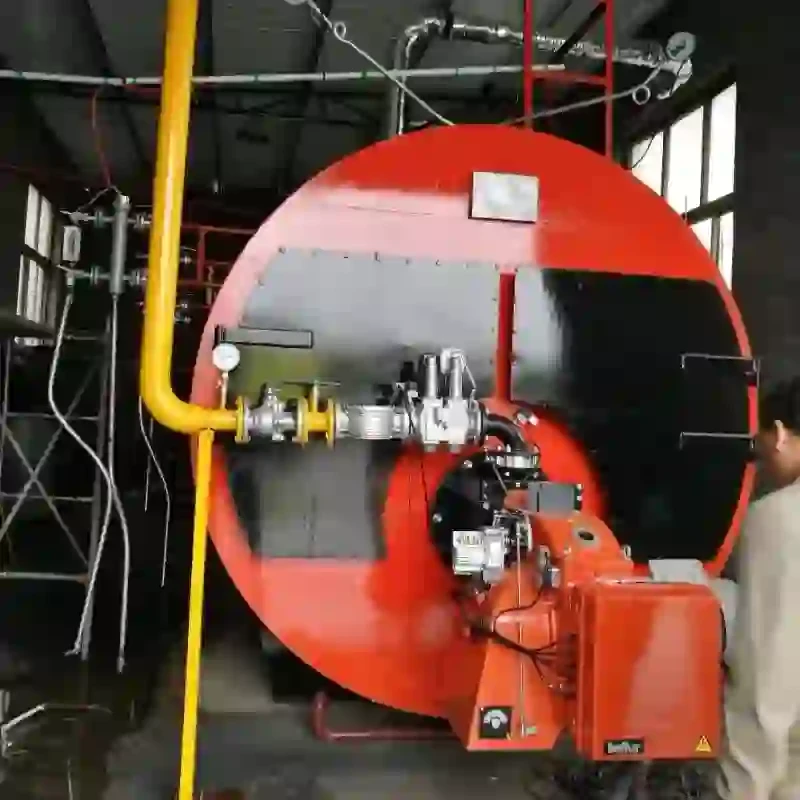
The method of supplying air for combustion significantly impacts boiler performance. Natural draft systems rely on the buoyancy of hot gases to create airflow, requiring a tall chimney. Forced draft systems utilize a fan to push air into the furnace, offering more precise control over the combustion process and eliminating the need for a tall chimney. While natural draft is simpler and cheaper to implement, forced draft allows for higher efficiency, better control of emissions, and flexibility in boiler placement. Modern coal fired boilers increasingly favor forced draft systems due to stricter environmental regulations.
Key Takeaway: Forced draft systems provide greater control and efficiency, making them ideal for modern, environmentally conscious operations.
Traveling Grate Stoker Boilers: A Deep Dive
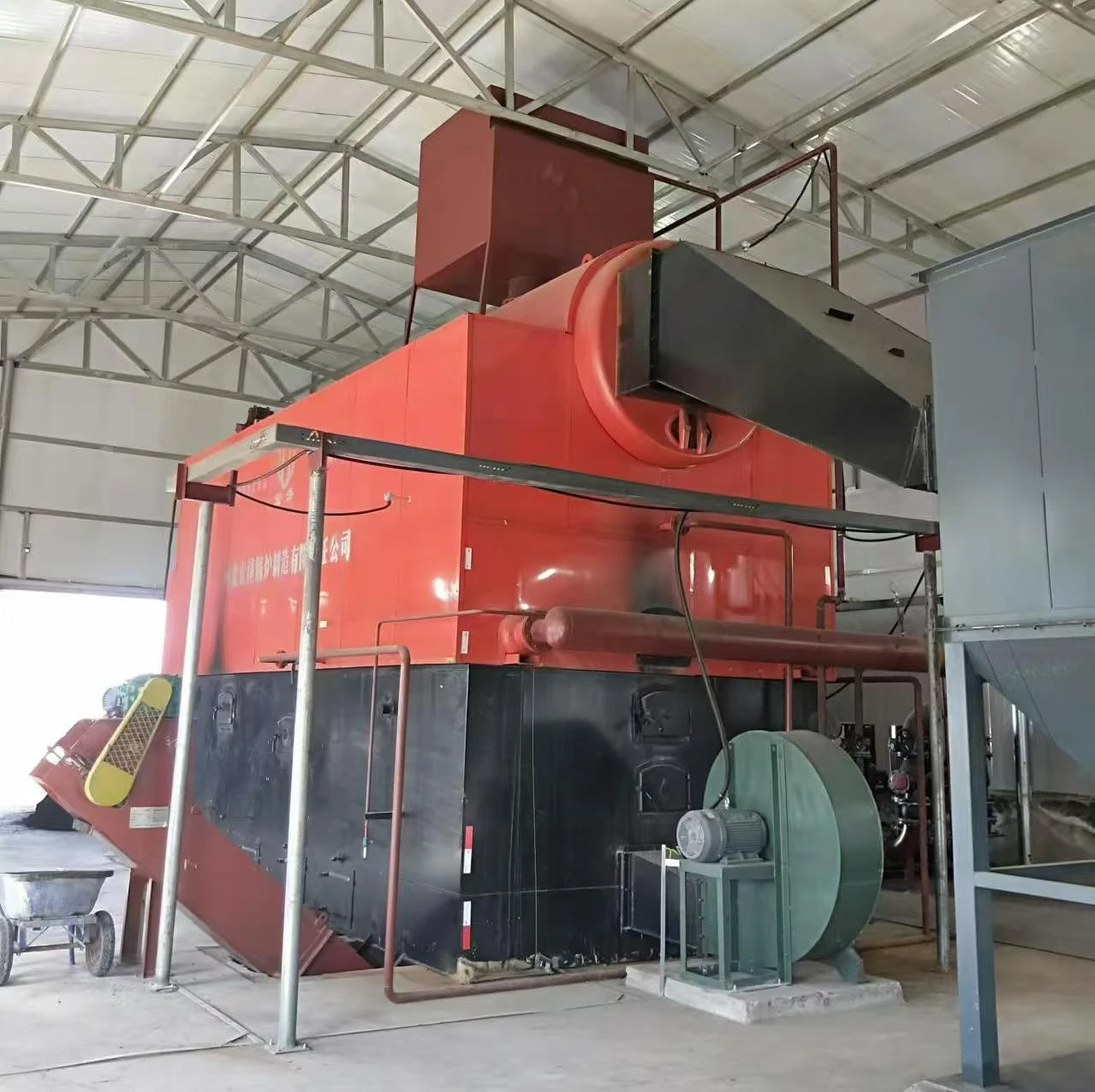
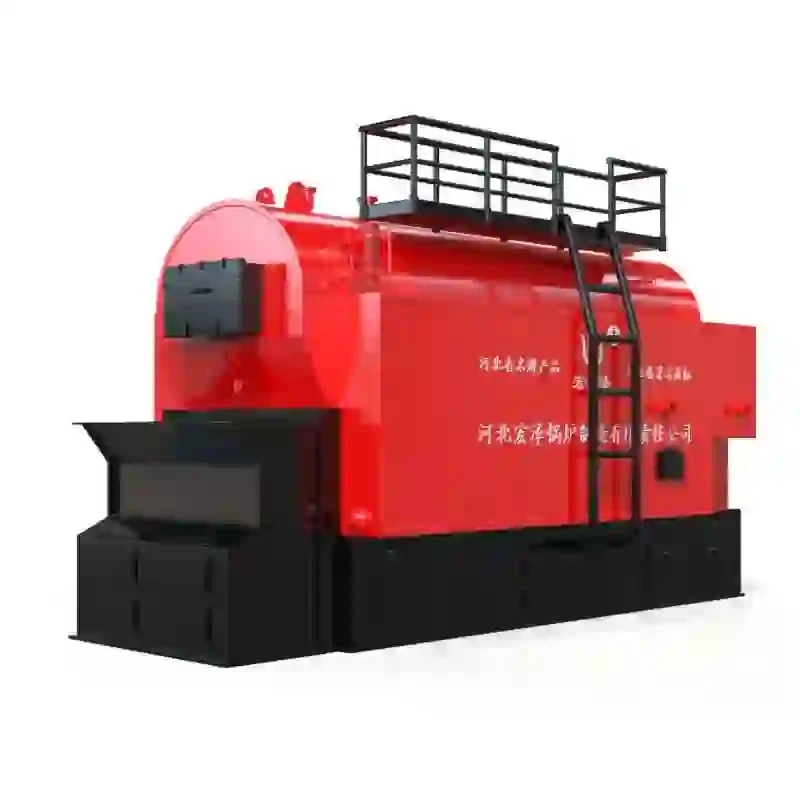
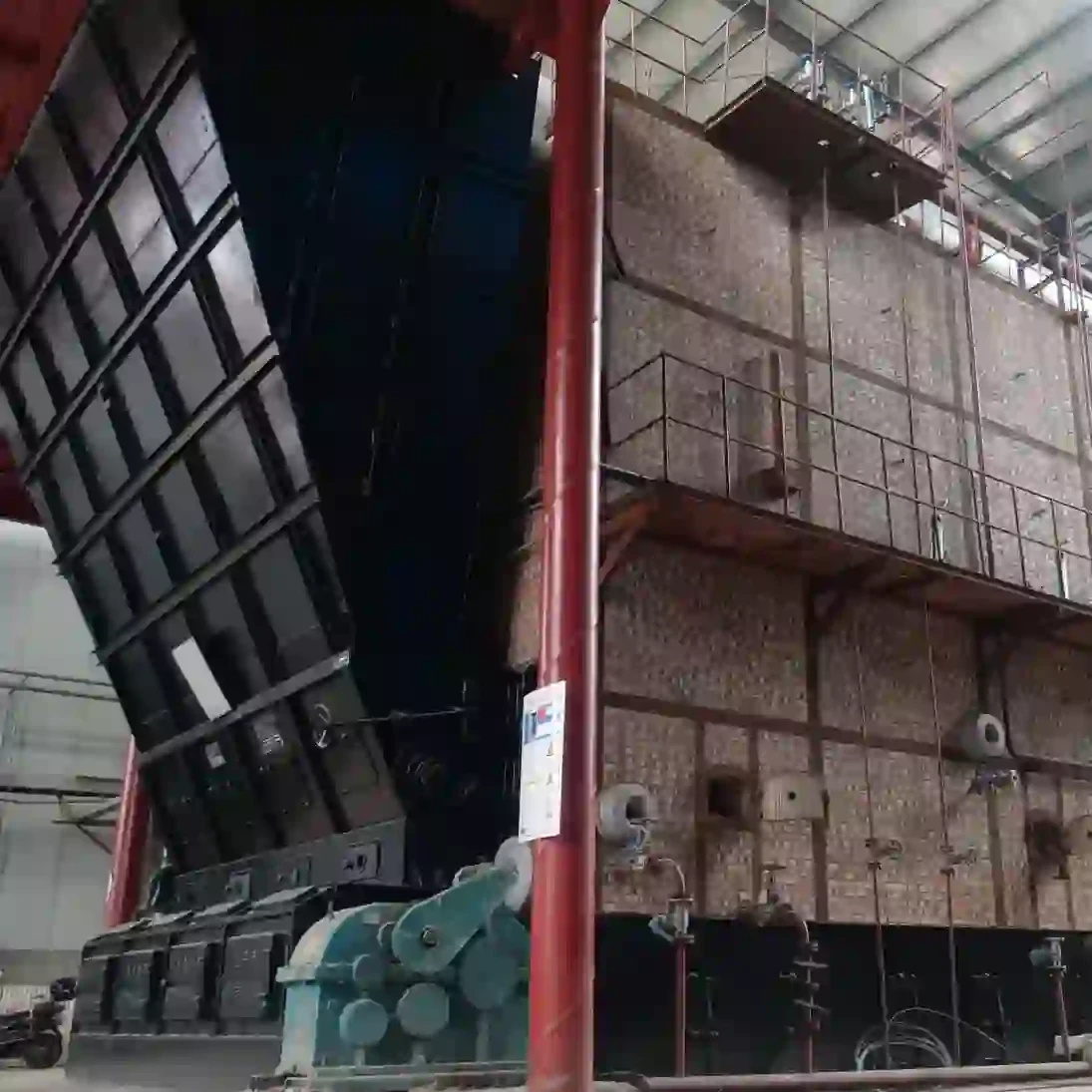
Traveling grate stoker boilers are commonly employed for burning a wide variety of coal types. The "traveling grate" is a continuous, moving grate that conveys coal through the furnace, allowing for efficient combustion. As the coal moves along the grate, it progressively dries, ignites, and burns. These boilers are known for their ability to handle fluctuating coal quality and load demands. They are particularly well-suited for medium to large-scale steam generation.
Traveling Grate Boiler Advantages:
• Handles various coal types
• Accommodates fluctuating loads
• Efficient combustion
• Relatively easy maintenance
Comparison of Coal Fired Boiler Types
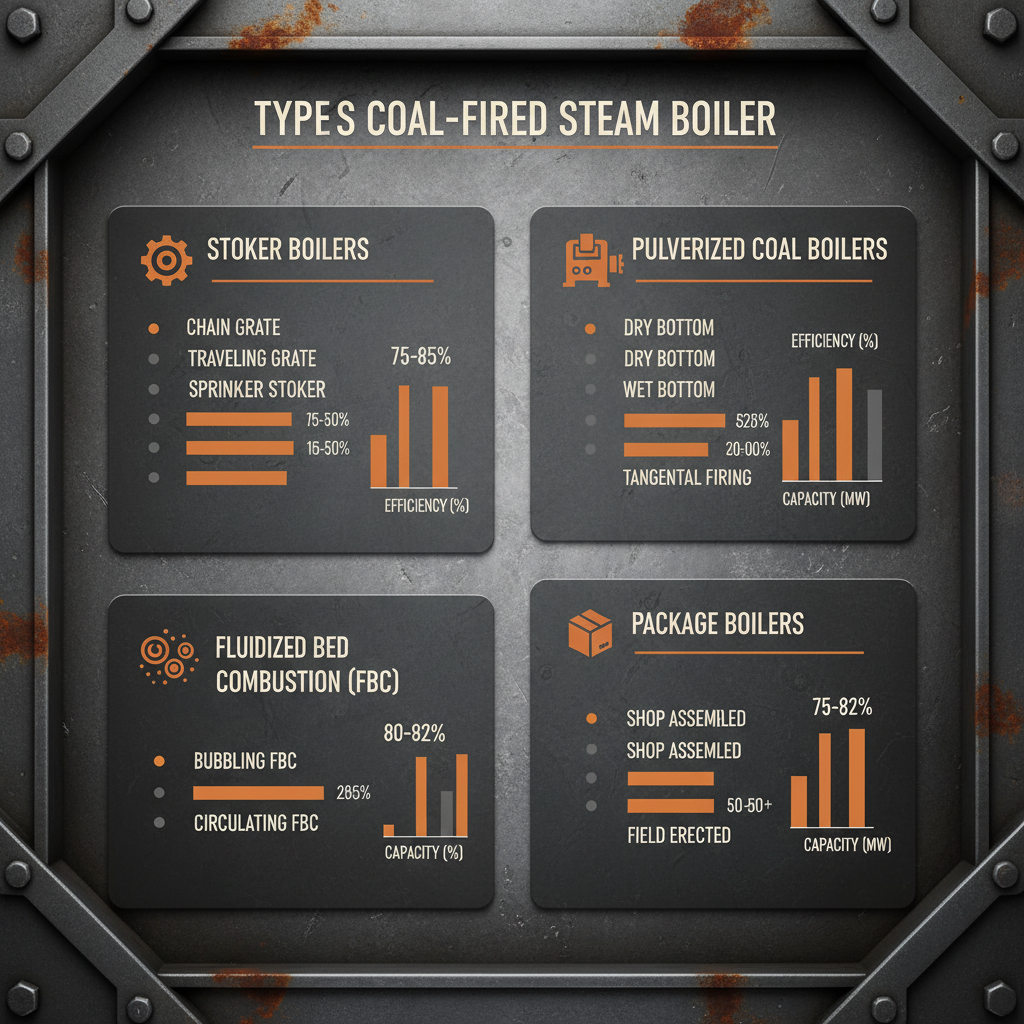
Selecting the correct boiler requires a thorough comparison. The following table outlines the key differences between common coal-fired boiler types:
Environmental Considerations and Emission Control
Modern coal fired steam boilers incorporate various technologies to minimize environmental impact. These include flue gas desulfurization (FGD) systems to remove sulfur dioxide, selective catalytic reduction (SCR) systems to reduce nitrogen oxides, and electrostatic precipitators (ESPs) or baghouses to control particulate matter. Efficient combustion and proper boiler maintenance are also crucial for reducing emissions. Staying compliant with environmental regulations is a critical factor in boiler selection and operation.
Choosing the Right Boiler: A Summary
Selecting the right coal fired steam boiler requires careful consideration of your specific needs, including steam demand, operating pressure, coal type, and environmental regulations. Whether you opt for a fire-tube, water-tube, or traveling grate stoker boiler, ensure it’s designed for efficiency, reliability, and minimal environmental impact. Contacting a reputable boiler manufacturer like HZ Steam Boiler can provide valuable guidance and support throughout the selection process.
Conclusion
Understanding the nuances of coal fired steam boiler technology is essential for making informed decisions. By considering factors such as boiler type, draught system, and emission control technologies, you can optimize performance and minimize environmental impact. Partnering with a trusted boiler manufacturer ensures you receive a tailored solution that meets your specific requirements.
Frequently Asked Questions (FAQs)
What is the typical lifespan of a coal fired steam boiler?
The lifespan of a coal fired steam boiler typically ranges from 20 to 30 years, assuming proper maintenance and operation. Factors influencing lifespan include boiler materials, operating conditions, water quality, and the frequency of inspections. Regular inspections, timely repairs, and adherence to manufacturer's recommendations are crucial for maximizing boiler lifespan. Replacing worn components and addressing corrosion promptly can significantly extend its service life.
How important is water treatment for coal fired boilers?
Water treatment is absolutely critical for coal fired boilers. Impurities in the boiler water, such as minerals and dissolved gases, can lead to scale formation, corrosion, and carryover. Scale reduces heat transfer efficiency and can cause overheating. Corrosion weakens boiler components and can lead to leaks. Carryover introduces contaminants into the steam, damaging downstream equipment. A comprehensive water treatment program, including softening, deaeration, and chemical treatment, is essential for maintaining boiler health and preventing costly repairs.
What are the common challenges associated with coal fired boilers?
Common challenges include maintaining consistent fuel quality, managing ash disposal, controlling emissions to meet environmental regulations, and ensuring reliable operation. Fuel quality variations can impact combustion efficiency and increase emissions. Ash disposal requires careful planning and adherence to environmental guidelines. Emission control technologies can be expensive to install and maintain. Regular maintenance, skilled operators, and proactive monitoring are essential for overcoming these challenges.
-
Industrial Natural Gas Steam Boiler High Efficiency System Guide
NewsApr.16,2026
-
Maximize Industrial Productivity with High Efficiency Gas Steam Boiler
NewsApr.09,2026
-
Comprehensive Guide to Industrial Steam Heater Systems and Applications
NewsApr.07,2026
-
Comprehensive Guide to Low Pressure Steam Boilers and Their Applications
NewsApr.04,2026
-
Understanding High Pressure Steam Boiler Technology and Industrial Applications
NewsMar.31,2026
-
Comprehensive Guide to High Efficiency Steam Boiler Systems and Applications
NewsMar.28,2026


 English
  Arabic
  Bengali
  French
  German
  Hindi
Hindi  Indonesian
  Kazakh
  Khmer
Khmer  Korean
  Kyrgyz
  Lao
Lao  Latin
Latin  Mongolian
  Nepali
  Russian
  Turkish
  Turkmen
  Uzbek
Uzbek 


