





Dec . 16, 2024 09:14 Back to list
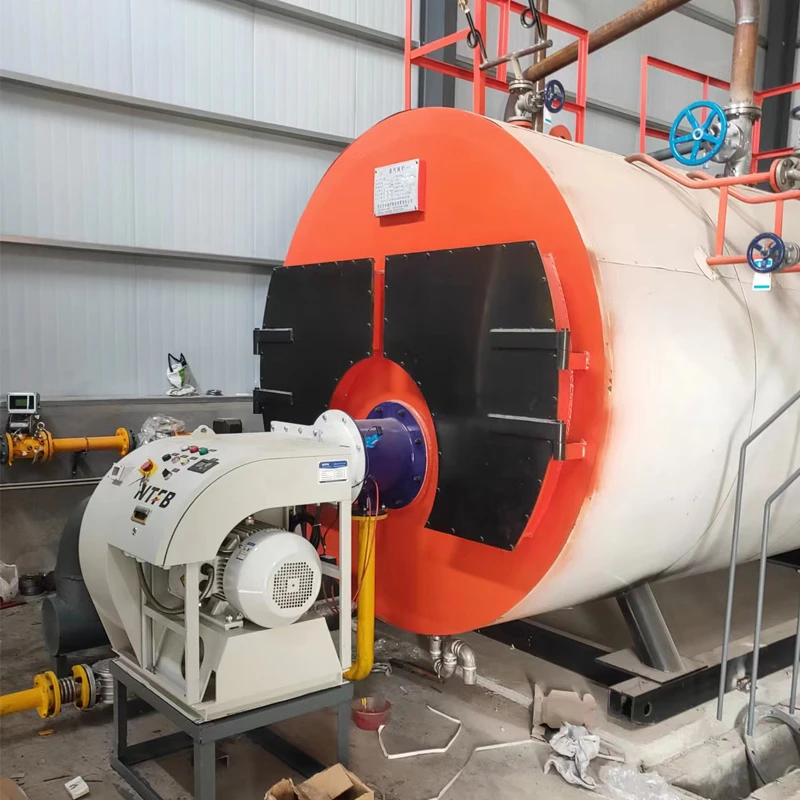
furnace oil fired steam boiler
The Role of Furnace Oil Fired Steam Boilers in Modern Industry
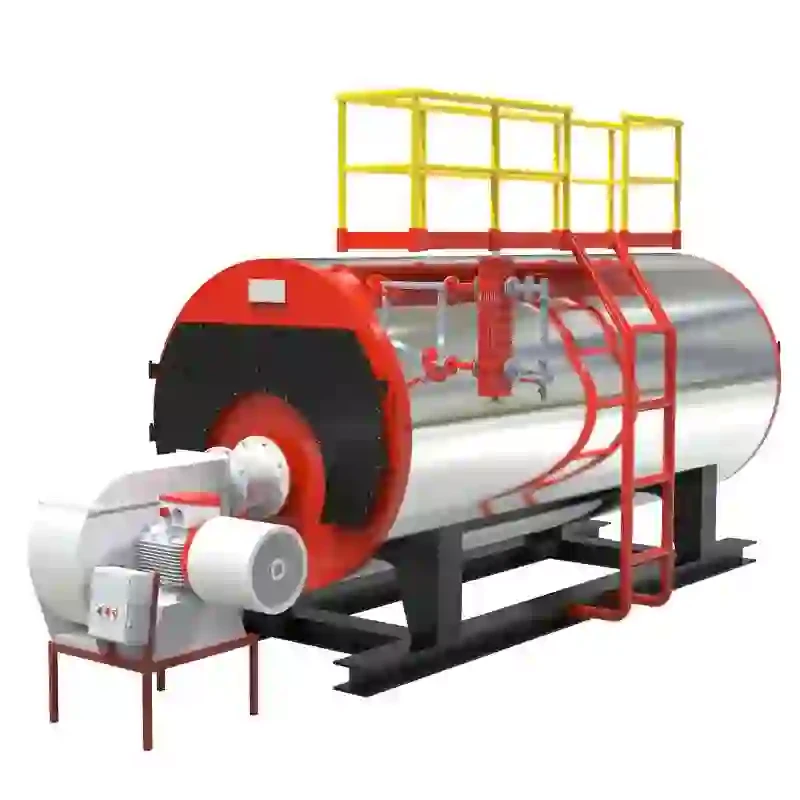
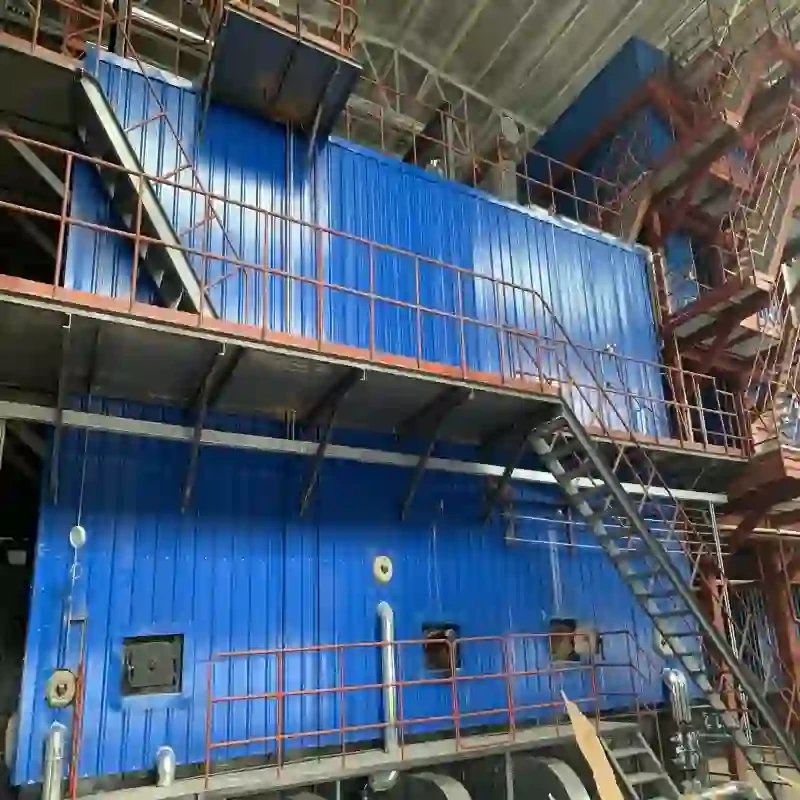
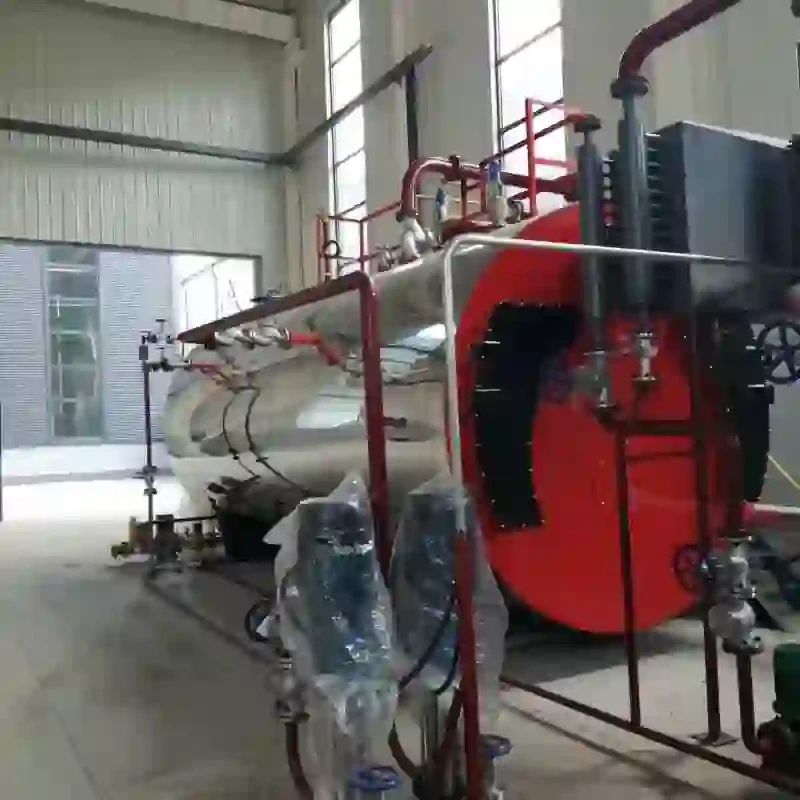
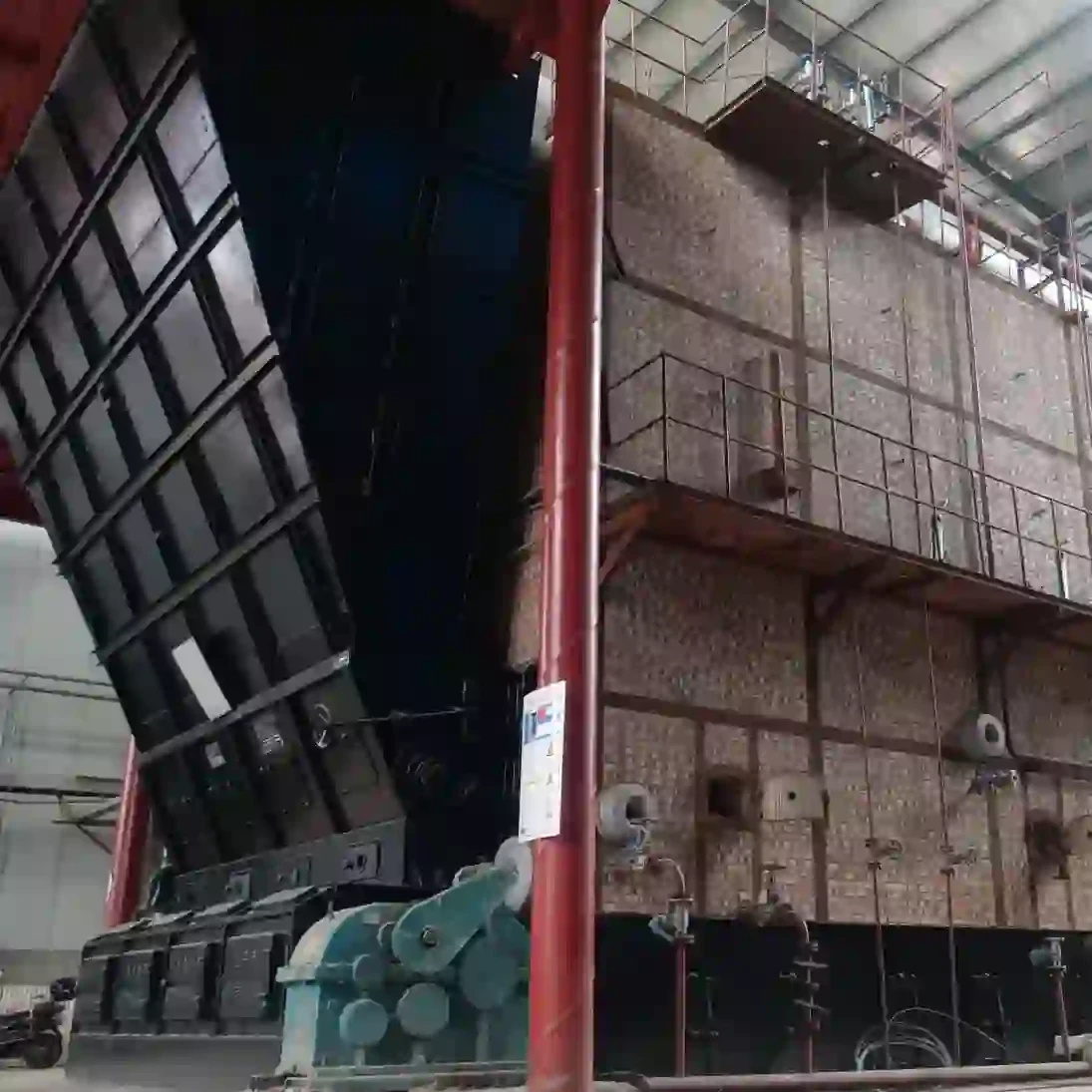
Furnace oil fired steam boilers are crucial components in various industrial processes, providing an efficient means of generating steam for diverse applications. These boilers utilize furnace oil, a heavy oil derived from crude oil, as a fuel source, making them a popular choice in industries where electricity is either too expensive or not feasible.
Functionality and Design
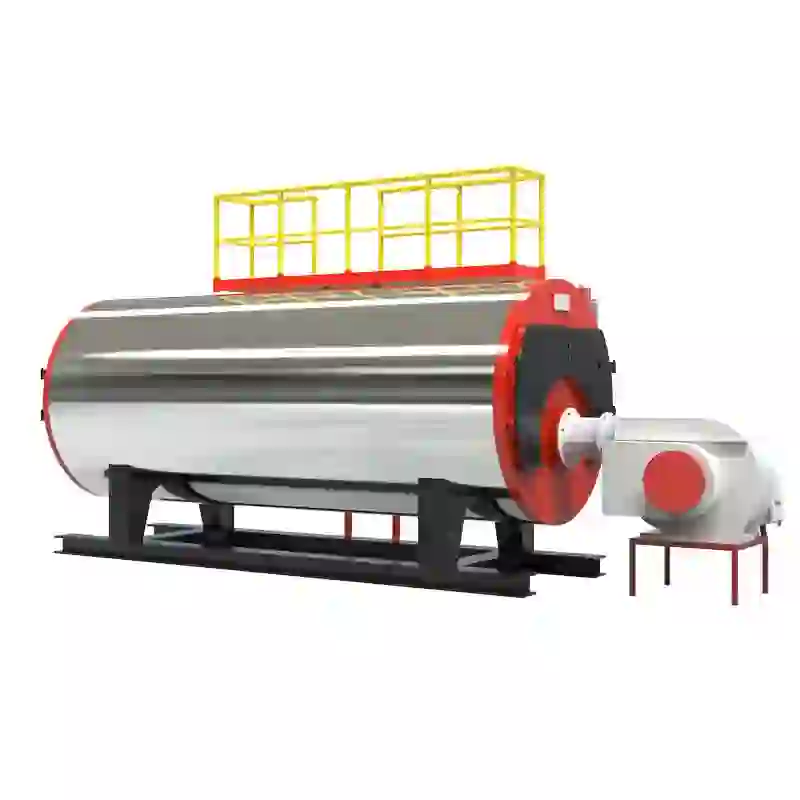
A furnace oil fired steam boiler operates on a relatively straightforward principle it combusts furnace oil to create hot gases that heat water contained in the boiler. The heated water then turns into steam, which can be utilized for heating, power generation, or as a process agent in manufacturing. These boilers are typically designed with high efficiency in mind, utilizing features such as economizers and superheaters to maximize energy output while minimizing fuel consumption.
One of the key design aspects of these boilers is their ability to operate under varying pressure and temperature conditions. This flexibility makes them suitable for a wide range of industrial applications—from textiles and paper production to food processing and chemical manufacturing. The ability to modulate steam output efficiently also helps industries manage their energy consumption effectively.
Advantages of Using Furnace Oil
Furnace oil offers several advantages as a fuel source for steam boilers. Firstly, it tends to be more cost-effective than other fossil fuels such as natural gas or coal, especially in regions where these alternatives may not be readily available. Additionally, furnace oil is known for its high calorific value, allowing boilers to generate significant amounts of steam from relatively small volumes of fuel.
Another advantage is the storage and handling of furnace oil. It is typically stored in large tanks, providing a centralized solution that can meet the demand for sustained periods. This is particularly beneficial for industries that require consistent steam supply for extended operations, thus ensuring uninterrupted production processes.
furnace oil fired steam boiler
Environmental Considerations
Despite their efficiencies and cost benefits, furnace oil fired steam boilers do present environmental challenges. The combustion of furnace oil releases greenhouse gases, particulate matter, and other pollutants that contribute to air quality issues. As regulatory pressure to reduce emissions increases, many industries are seeking alternative solutions.
Innovations in boiler technology have led to the development of advanced systems that minimize emissions through better combustion control and flue gas treatment. Additionally, some companies are exploring the blending of furnace oil with biofuels to create a more environmentally friendly fuel option.
The Future of Furnace Oil Fired Steam Boilers
The future of furnace oil fired steam boilers is shaped by both technological advancements and changing regulatory landscapes. Industries are increasingly focusing on improving energy efficiency and reducing emissions, propelling developments such as automatic control systems and enhanced heat recovery systems.
Moreover, the shift towards renewable energy sources has prompted some manufacturers to rethink their boiler operations. While furnace oil may remain a significant fuel source for the foreseeable future, transitioning towards greener alternatives such as biomass, solar thermal, or electric steam generation is becoming increasingly prevalent.
In conclusion, furnace oil fired steam boilers play a critical role in industries that rely on steam for various processes. While their efficiency and cost-effectiveness make them appealing, the environmental impact cannot be ignored. As technology evolves and the focus on sustainability intensifies, the industry may see a gradual shift towards more eco-friendly alternatives, ensuring that the steam generation process stays aligned with global efforts to combat climate change.
-
Hot Water Boiler Working Principle Explained: Efficiency, Applications, and Innovations
NewsDec.03,2025
-
Hot Water Boiler Design: Global Insights, Innovations, and Applications
NewsDec.03,2025
-
Understanding Hot Water Heat Boiler Replacement Cost: Factors, Benefits & Trends
NewsDec.03,2025
-
1 Million BTU Steam Boiler - Efficient Steam Solutions for Industry
NewsDec.02,2025
-
250 000 BTU Steam Boiler: Comprehensive Guide to Industrial Steam Power
NewsDec.02,2025
-
What You Need to Know About the 300 000 BTU Steam Boiler: Efficiency & Applications
NewsDec.02,2025


 English
  Arabic
  Bengali
  French
  German
  Hindi
Hindi  Indonesian
  Kazakh
  Khmer
Khmer  Korean
  Kyrgyz
  Lao
Lao  Latin
Latin  Mongolian
  Nepali
  Russian
  Turkish
  Turkmen
  Uzbek
Uzbek 


