





Sep . 21, 2024 17:18 Back to list
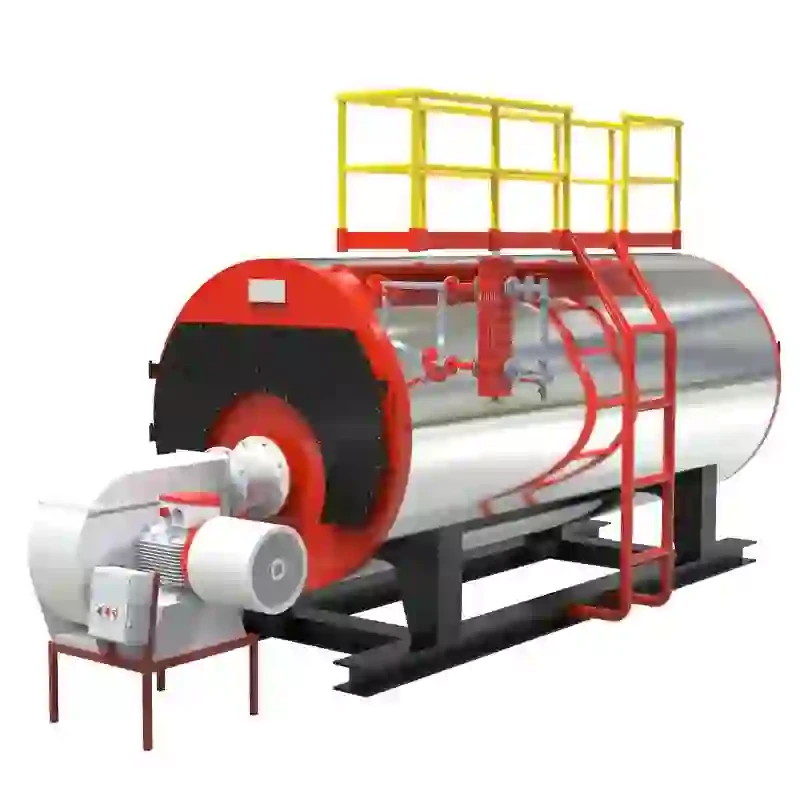
hot water boiler diagram
Understanding the Hot Water Boiler Diagram Key Components and Their Functions
A hot water boiler is an essential component of many heating systems, providing hot water for various applications, including space heating and domestic hot water supply
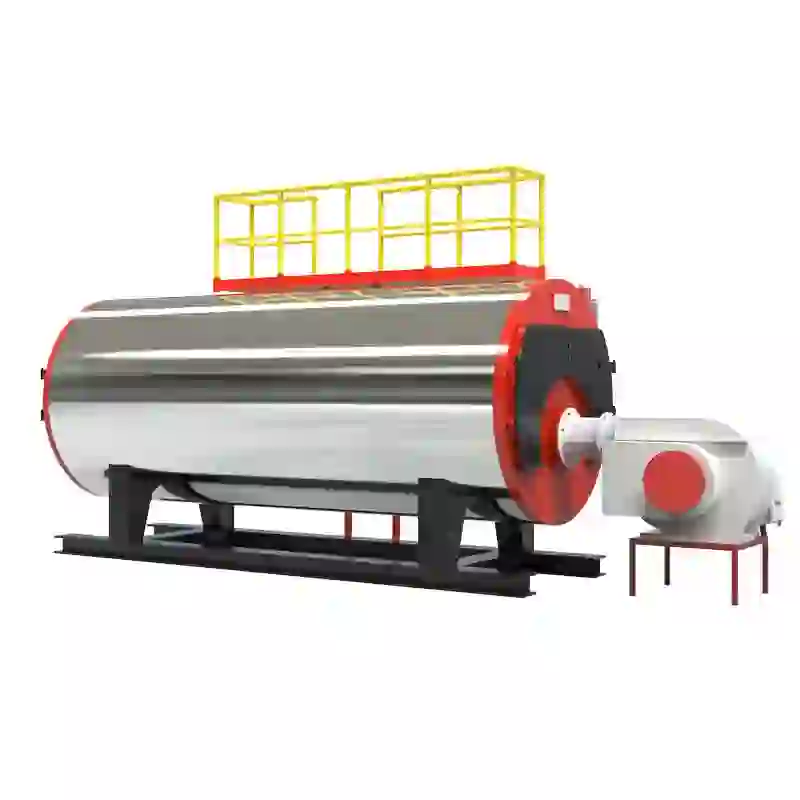
. Analyzing a hot water boiler diagram can help us understand the critical components and their interconnections, which are vital for the efficient operation of the system.At the heart of the hot water boiler is the boiler itself, where water is heated to produce hot water. The diagram typically showcases the firebox or combustion chamber, where fuel—such as natural gas, oil, or biomass—is burned. This combustion process generates heat, which is transferred to the water circulating within the boiler through heat exchangers. Understanding this process is crucial, as it highlights the importance of maintaining efficient combustion for optimal heat transfer.
Additionally, the diagram usually features a circulator pump, which is responsible for moving the heated water from the boiler to various points in the system, such as radiators or underfloor heating systems. The efficiency of the circulator pump is vital; an inadequate pump can lead to uneven heating and increased energy consumption.
hot water boiler diagram
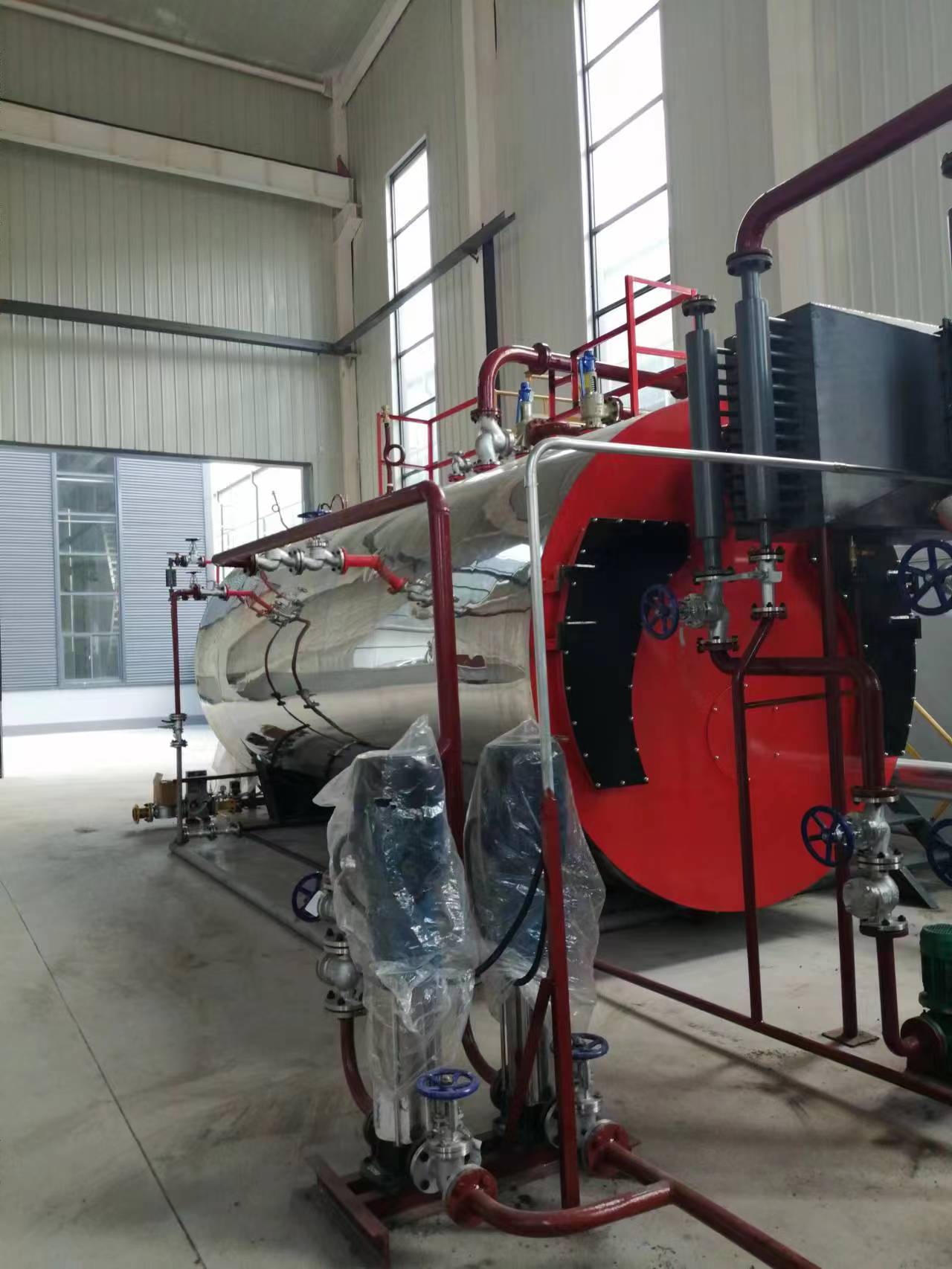
Furthermore, a well-designed hot water boiler system will include safety and control components, such as pressure relief valves and temperature gauges. The pressure relief valve is a critical safety feature, preventing excessive pressure buildup within the system, which could lead to dangerous situations. Meanwhile, temperature gauges help monitor the water temperature, ensuring it remains within a safe operating range.
Another noteworthy component in the hot water boiler diagram is the expansion tank, which accommodates the expansion of water as it heats. As water heats up, it expands, and without an expansion tank, the pressure in the system could rise excessively, potentially causing damage.
Moreover, the diagram often details the piping layout, illustrating how water flows through the system, including return lines that send cooled water back to the boiler for reheating. A proper piping design minimizes heat loss and ensures efficient circulation, contributing to a well-functioning system.
In conclusion, a hot water boiler diagram provides a comprehensive overview of the critical components involved in the heating process. By understanding each part's function, from the combustion chamber to the circulator pump and safety features, users can better appreciate the importance of regular maintenance and monitoring for optimal performance and safety in their heating systems.
-
Hot Water Boiler Working Principle Explained: Efficiency, Applications, and Innovations
NewsDec.03,2025
-
Hot Water Boiler Design: Global Insights, Innovations, and Applications
NewsDec.03,2025
-
Understanding Hot Water Heat Boiler Replacement Cost: Factors, Benefits & Trends
NewsDec.03,2025
-
1 Million BTU Steam Boiler - Efficient Steam Solutions for Industry
NewsDec.02,2025
-
250 000 BTU Steam Boiler: Comprehensive Guide to Industrial Steam Power
NewsDec.02,2025
-
What You Need to Know About the 300 000 BTU Steam Boiler: Efficiency & Applications
NewsDec.02,2025


 English
 Arabic
 Bengali
 French
 German
 Hindi
 Indonesian
 Kazakh
 Khmer
 Korean
 Kyrgyz
 Lao
 Latin
 Mongolian
 Nepali
 Russian
 Turkish
 Turkmen
 Uzbek


