




Dec . 18, 2024 11:17 Back to list
hot water boiler operation
Understanding Hot Water Boiler Operation
Hot water boilers are essential components in both residential and commercial heating systems. They operate on the principle of heating water and distributing it for various applications, including heating spaces, providing hot water for domestic use, and supporting industrial processes. Understanding the operation of hot water boilers can enhance efficiency, improve safety, and prolong the lifespan of the equipment.
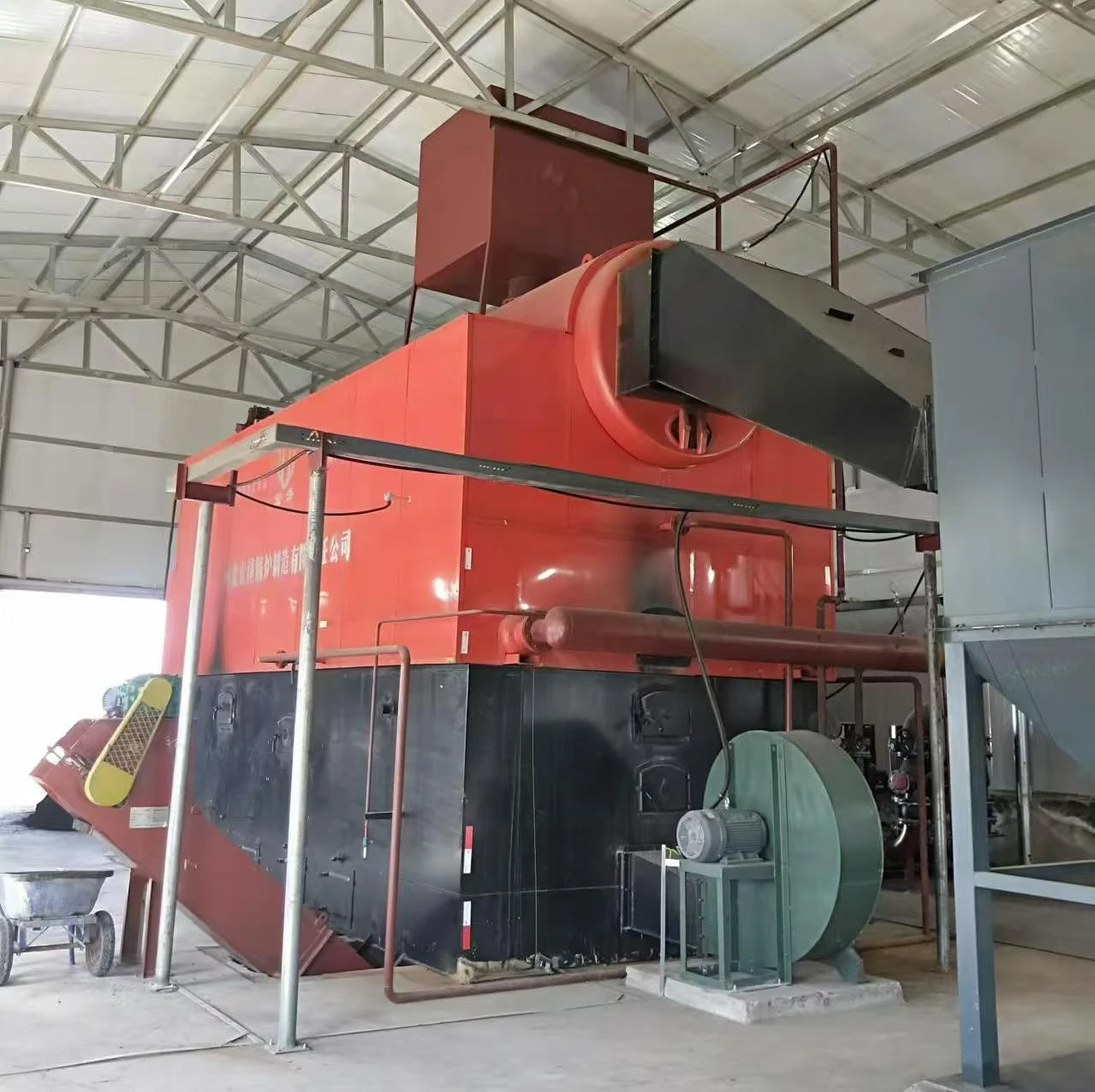
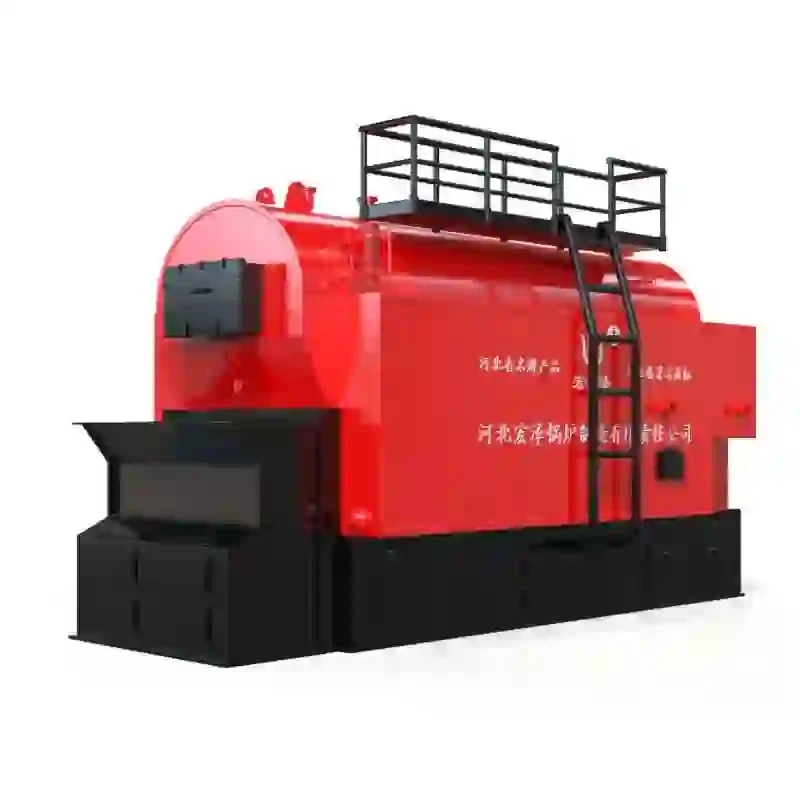
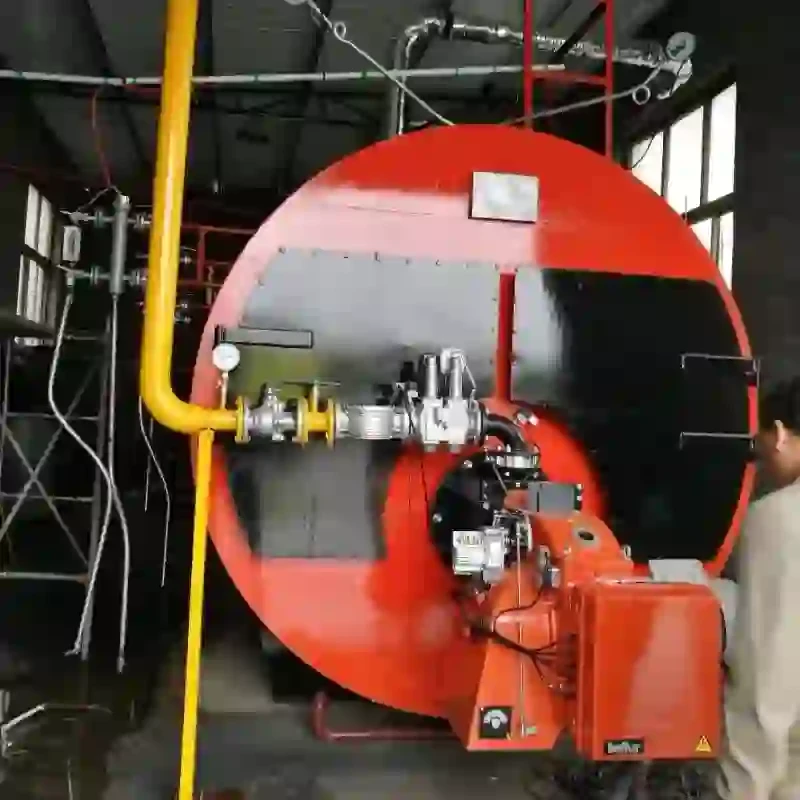
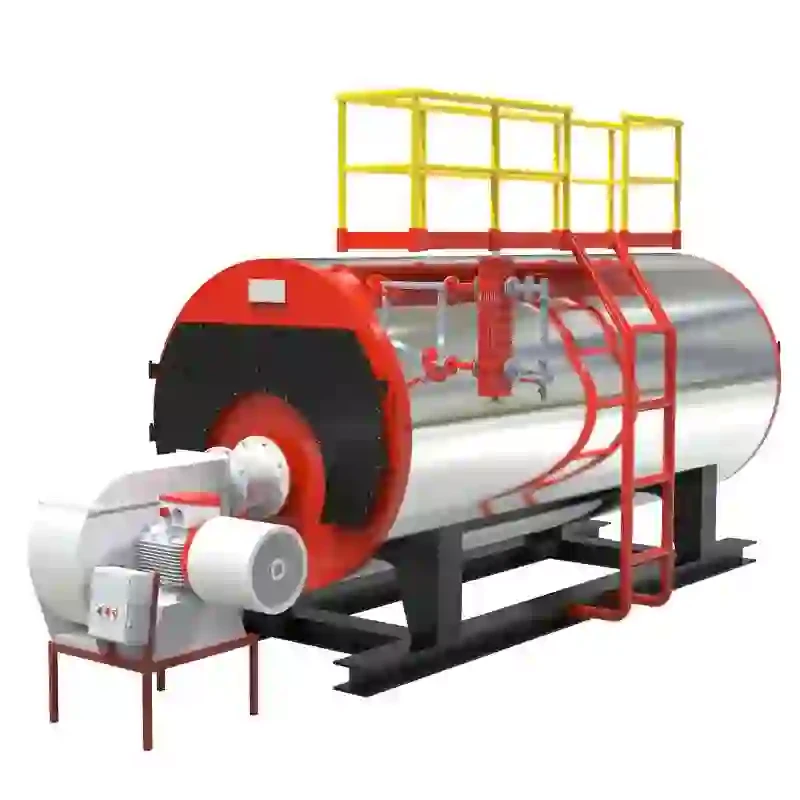
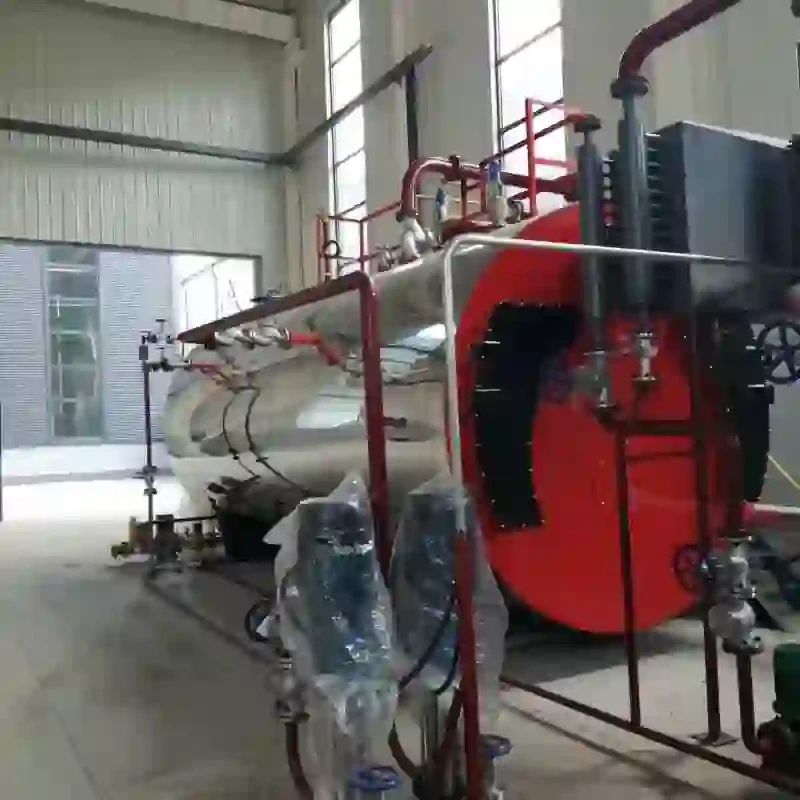
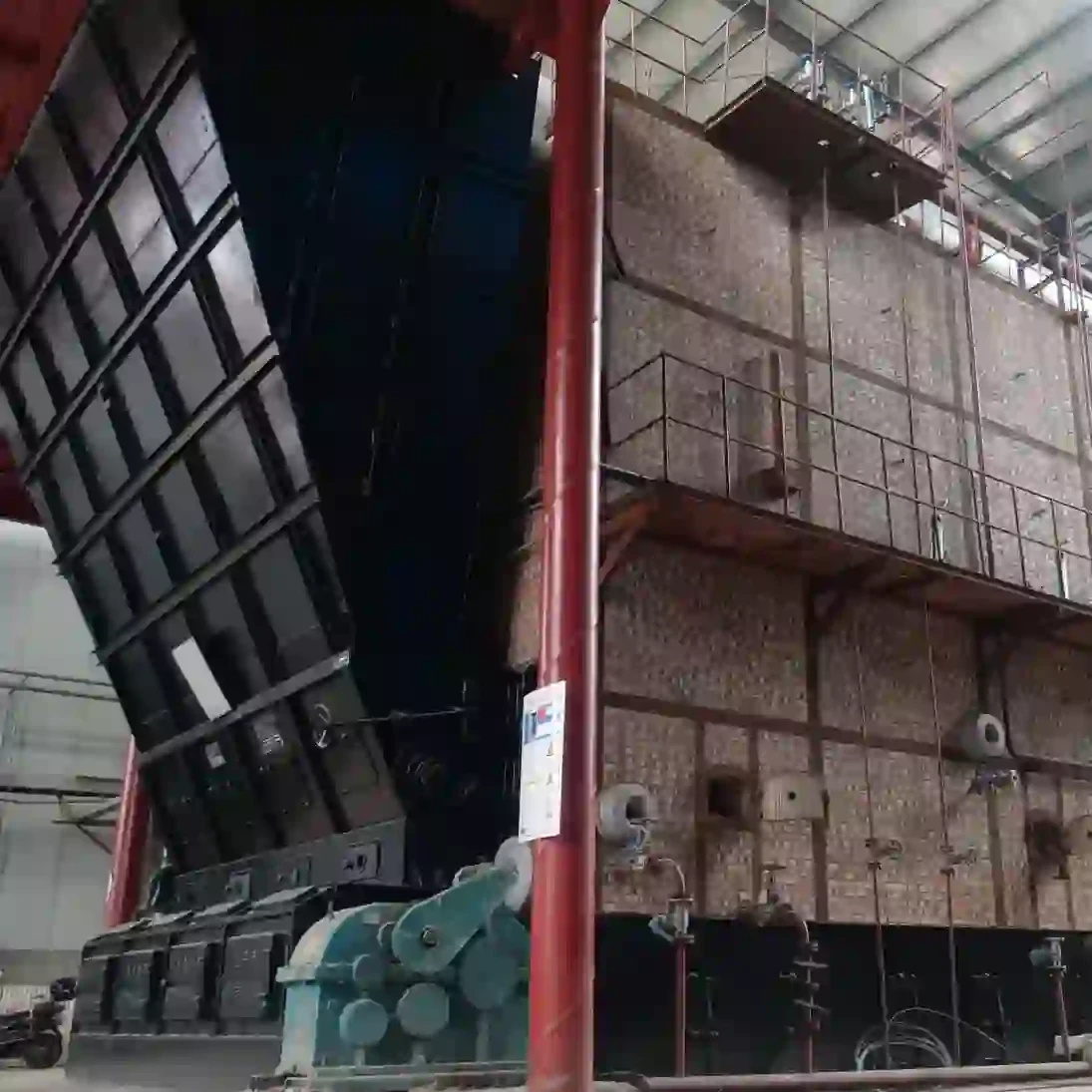
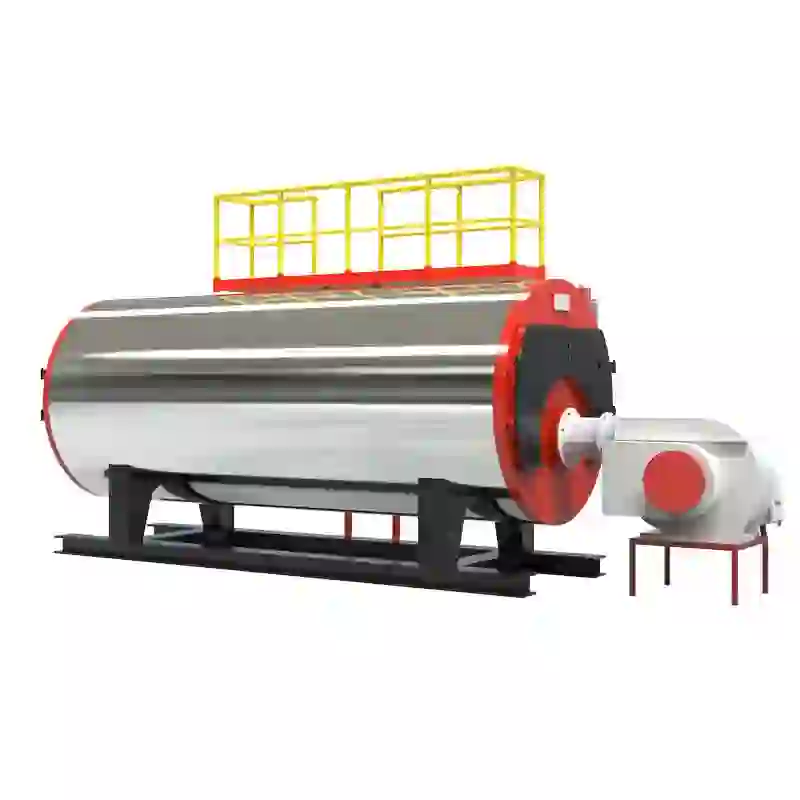
At its core, a hot water boiler functions by burning fuel—such as natural gas, oil, or even biomass—to generate heat. This heat is transferred to water in a closed system. The boiler consists of several key components the burner, heat exchanger, circulation pump, expansion tank, and a control system. Each part plays a crucial role in ensuring that the boiler operates effectively and safely.
The burner, located at the bottom of the boiler, is responsible for igniting the fuel to create heat. The efficiency of the burner is critical, as it directly impacts the overall efficiency of the boiler. Advanced burners utilize sophisticated controls to optimize the air-fuel mixture, improving combustion efficiency and reducing emissions.
Once the burner heats the water in the boiler, the heat is transferred through the heat exchanger, which maximizes the surface area for effective heat transfer. The heated water then travels through a system of pipes, either to radiators or underfloor heating systems, where it releases its warmth. The circulation pump is vital for moving the water through the system, ensuring that hot water is consistently delivered where needed.
hot water boiler operation
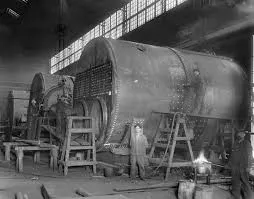
As the water is heated, it expands, which can increase pressure within the system. To manage this pressure, an expansion tank is included in the system. The expansion tank absorbs excess pressure caused by the thermal expansion of water, preventing excessive pressure that could damage the boiler or piping.
The boiler’s control system ensures that the operating temperature remains within desired parameters. Modern boilers are equipped with digital controls that allow for precise temperature management, boiler diagnostics, and automated adjustments based on demand. This not only enhances comfort but also improves energy efficiency by preventing unnecessary heating.
Safety is a paramount concern when it comes to hot water boiler operation
. Boilers are equipped with several safety features, including pressure relief valves, which help to vent excess steam or pressure safely. Regular maintenance, such as periodic inspections and flushing to remove sediment buildup, is essential to ensure these safety mechanisms function correctly and maintain the efficiency and reliability of the boiler.In summary, hot water boilers play a crucial role in providing heating and hot water across various applications. Understanding their operation involves familiarity with their key components and the principles of heat transfer. Regular maintenance and the implementation of modern control technologies can significantly enhance the performance and lifespan of hot water boilers while ensuring safety and energy efficiency. Whether in a residential setting or an industrial environment, being knowledgeable about hot water boiler operation can lead to improved comfort and operational reliability, making it an essential aspect of modern heating systems.
-
Hot Water Boiler Working Principle Explained: Efficiency, Applications, and Innovations
NewsDec.03,2025
-
Hot Water Boiler Design: Global Insights, Innovations, and Applications
NewsDec.03,2025
-
Understanding Hot Water Heat Boiler Replacement Cost: Factors, Benefits & Trends
NewsDec.03,2025
-
1 Million BTU Steam Boiler - Efficient Steam Solutions for Industry
NewsDec.02,2025
-
250 000 BTU Steam Boiler: Comprehensive Guide to Industrial Steam Power
NewsDec.02,2025
-
What You Need to Know About the 300 000 BTU Steam Boiler: Efficiency & Applications
NewsDec.02,2025


 English
  Arabic
  Bengali
  French
  German
  Hindi
Hindi  Indonesian
  Kazakh
  Khmer
Khmer  Korean
  Kyrgyz
  Lao
Lao  Latin
Latin  Mongolian
  Nepali
  Russian
  Turkish
  Turkmen
  Uzbek
Uzbek 


