




Dec . 09, 2024 21:15 Back to list
Schematic Diagram of a Hot Water Boiler System for Efficient Heating Solutions
Understanding Hot Water Boiler Schematic Diagrams
Hot water boilers are essential components in heating systems, commonly used in residential and commercial buildings. To operate effectively, it’s important to understand their design and functionality, which is usually conveyed through a schematic diagram. In this article, we will explore the various elements depicted in a hot water boiler schematic diagram, explain their functions, and provide insights on their operational significance.
What is a Hot Water Boiler?
A hot water boiler, also known as a hydronic boiler, is a device that heats water and circulates it through a system of pipes to provide space heating. Unlike steam boilers, which create steam that can be distributed through radiators, hot water boilers maintain water at a consistent, elevated temperature and use that hot water for heating purposes. This method of heating is highly efficient and can be used in various applications, from underfloor heating systems to radiators.
Key Components of a Hot Water Boiler Schematic Diagram
A typical hot water boiler schematic diagram includes several crucial components, each represented in a standardized manner. Understanding these representations can help in troubleshooting, maintenance, and operation.
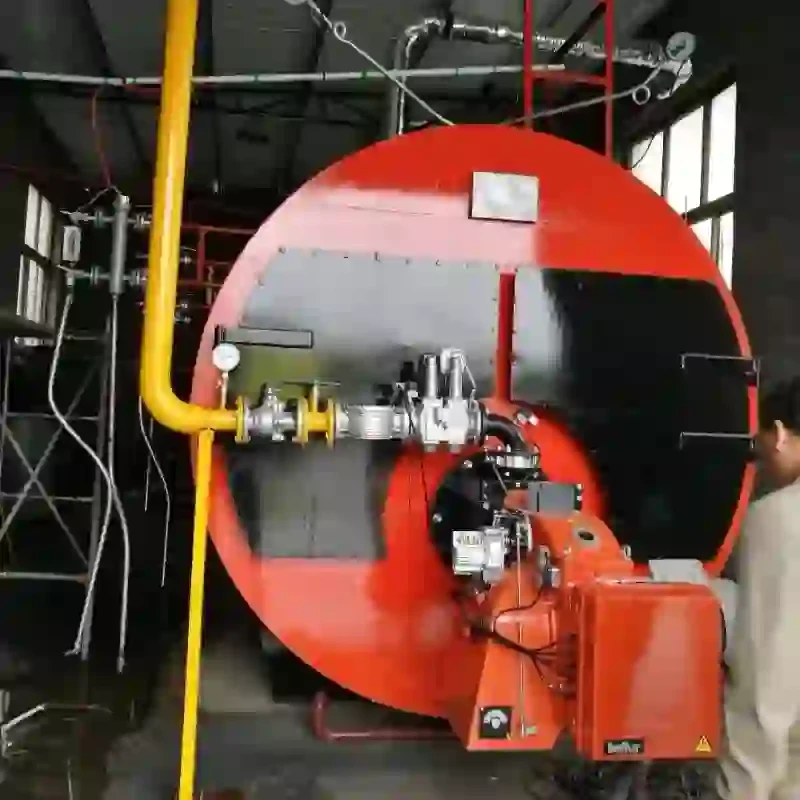
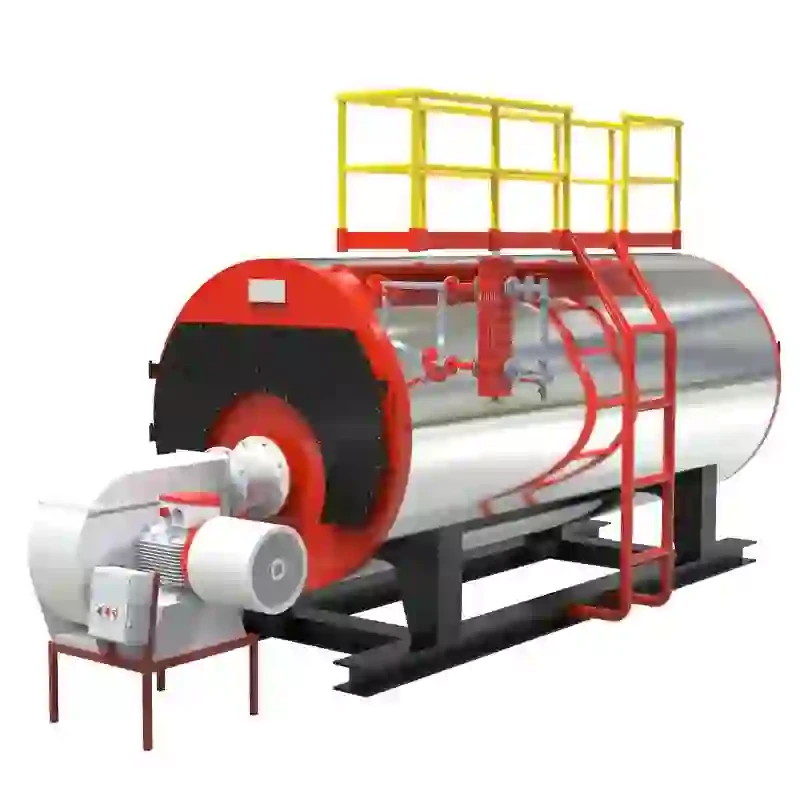
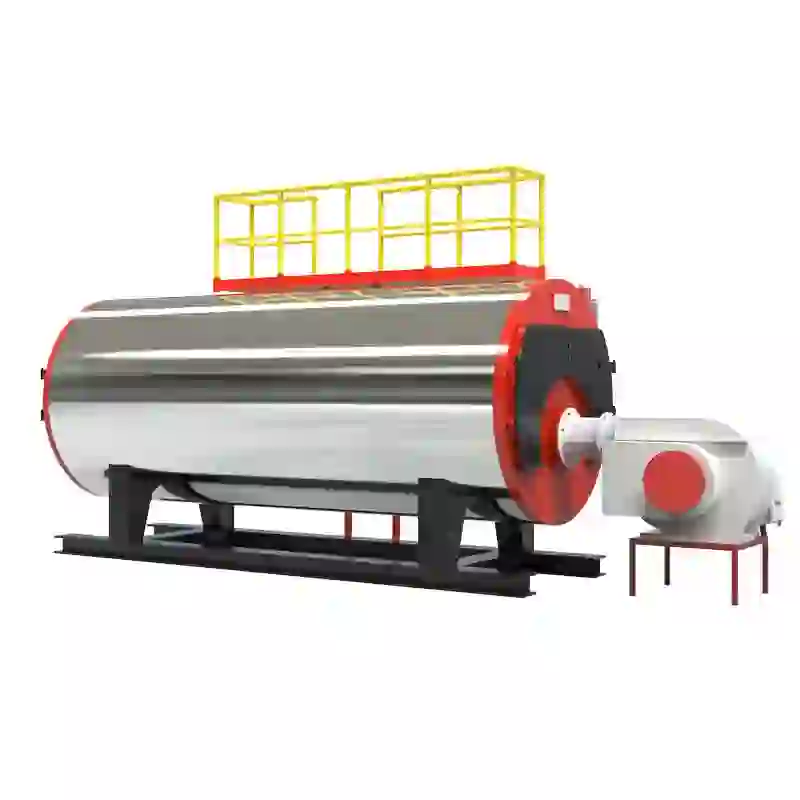
1. Boiler Unit The heart of the system, the boiler unit, is where water is heated. It consists of a burner that supplies heat to the water, either using gas, oil, or electricity. In the schematic, this is often depicted as a large rectangle.
2. Water Supply and Return Lines These lines are crucial for the system's operation. The supply line carries heated water from the boiler to the heating devices, while the return line brings cooler water back to the boiler for reheating. In diagrams, these are typically shown as pipes with directional arrows indicating water flow.
3. Expansion Tank This component absorbs excess water expansion caused by heating, preventing pressure build-up. It is usually depicted as a smaller tank connected to the system.
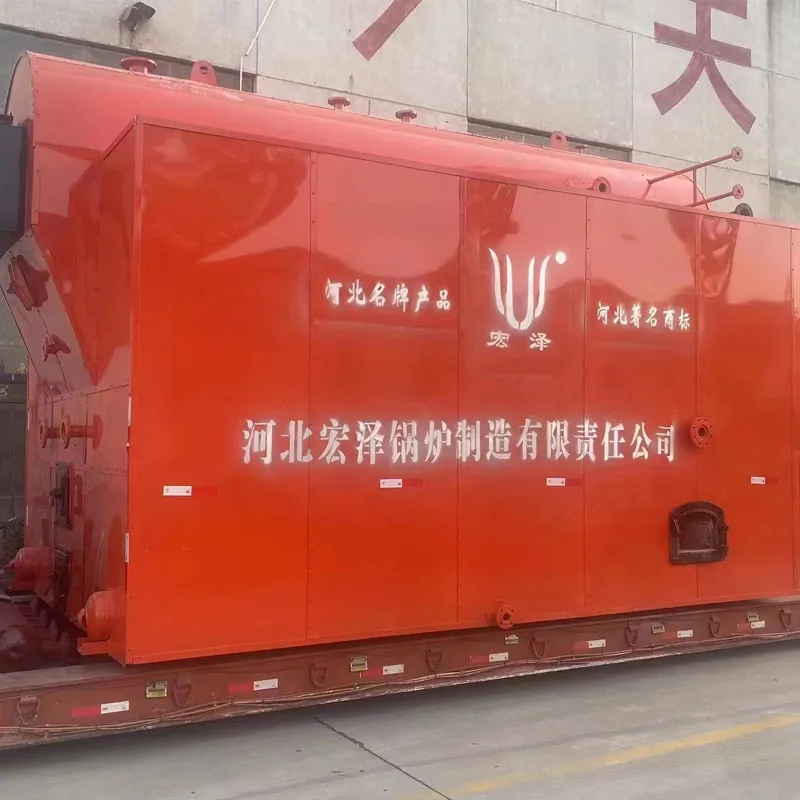
hot water boiler schematic diagram
4. Circulating Pump Essential for moving the hot water throughout the system, the circulating pump is often illustrated with a motor symbol. It ensures a continuous flow of water, maintaining efficient heating.
5. Thermostat This device regulates the temperature within the heating system. It is usually shown as a simple control element in the diagram, indicating where user settings can influence the boiler’s operation.
6. Safety Devices Various safety devices, such as pressure relief valves and temperature controls, are included in the schematic to prevent overheating and excessive pressure. These components are crucial for ensuring the safety and reliability of the boiler system.
7. Flue and Venting System This part of the system ensures that combustion gases are safely expelled from the building. In the diagram, it is typically represented as a vertical pipe leading outside.
Importance of the Schematic Diagram
The schematic diagram serves as a blueprint for the entire boiler system. It provides a clear visual representation of how all the components work together, making it an invaluable tool for engineers, technicians, and even homeowners. Understanding the schematic enables better maintenance practices, quicker troubleshooting of problems, and the ability to make informed decisions regarding system upgrades or replacements.
Conclusion
Hot water boilers are critical for heating applications, and their schematic diagrams offer insights into their operational mechanics. By familiarizing oneself with the various components and their functions outlined in these diagrams, one can better appreciate the efficiency and effectiveness of hot water heating systems. Whether for residential use or industrial applications, knowledge of hot water boiler schematic diagrams enhances our understanding of these essential heating systems and their maintenance needs.
-
Hot Water Boiler Working Principle Explained: Efficiency, Applications, and Innovations
NewsDec.03,2025
-
Hot Water Boiler Design: Global Insights, Innovations, and Applications
NewsDec.03,2025
-
Understanding Hot Water Heat Boiler Replacement Cost: Factors, Benefits & Trends
NewsDec.03,2025
-
1 Million BTU Steam Boiler - Efficient Steam Solutions for Industry
NewsDec.02,2025
-
250 000 BTU Steam Boiler: Comprehensive Guide to Industrial Steam Power
NewsDec.02,2025
-
What You Need to Know About the 300 000 BTU Steam Boiler: Efficiency & Applications
NewsDec.02,2025


 English
 Arabic
 Bengali
 French
 German
 Hindi
 Indonesian
 Kazakh
 Khmer
 Korean
 Kyrgyz
 Lao
 Latin
 Mongolian
 Nepali
 Russian
 Turkish
 Turkmen
 Uzbek


