




Sep . 23, 2024 22:39 Back to list
Understanding the Operation of Gas Fired Boilers for Efficient Heating Solutions
How Does a Gas-Fired Boiler Work?
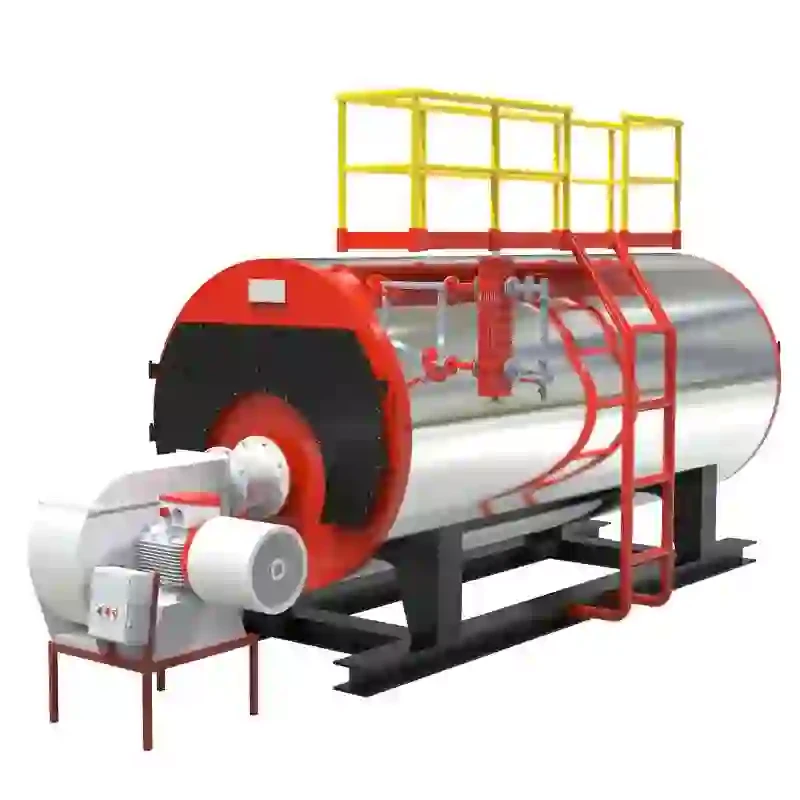
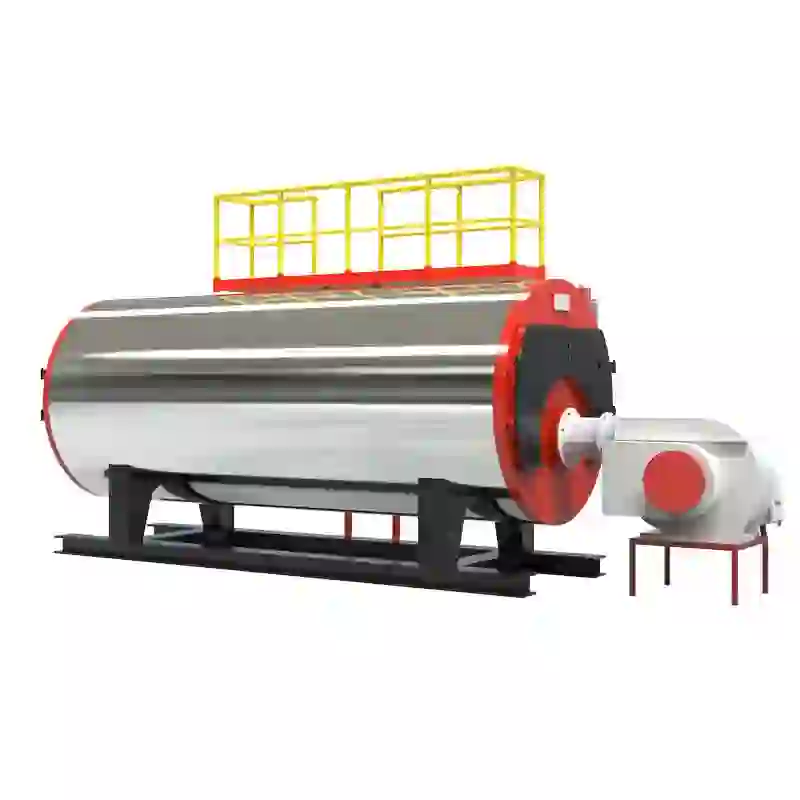
A gas-fired boiler is a popular heating solution for many homes and businesses. These systems use natural gas or propane to generate heat, which is then used to warm water that circulates through pipes, radiators, or underfloor heating systems. Understanding how a gas-fired boiler works can help homeowners appreciate its efficiency, maintenance needs, and energy-saving capabilities.
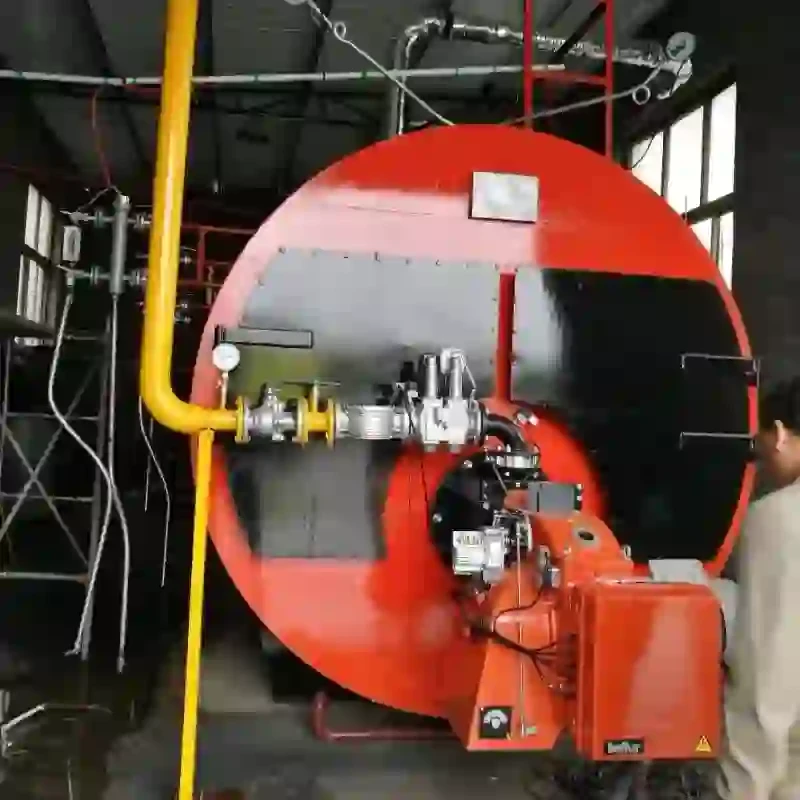
The operation of a gas-fired boiler begins with the gas supply. Natural gas is transported through pipelines directly to the boiler, where it enters the combustion chamber. Here, gas is ignited using an electronic ignition system or a pilot light, producing a flame. The heat generated from this combustion raises the temperature of water contained within the boiler.
How Does a Gas-Fired Boiler Work?
To ensure safety and efficiency, modern gas-fired boilers are equipped with several safety mechanisms. These include pressure relief valves, thermostats, and oxygen depletion sensors. The thermostat regulates the water temperature and ensures the system operates efficiently, while the pressure relief valve prevents potential overpressure situations by releasing excess steam or water.
how does a gas fired boiler work
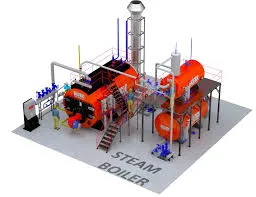
Once the heated water has circulated through the heating system, it returns to the boiler to be reheated. This cyclical process continues until the desired temperature within the building is reached. Upon reaching the set temperature, the thermostat signals the boiler to shut off, conserving energy until heating is needed again.
Gas-fired boilers can come in various designs, including conventional, combi, and system boilers. Conventional boilers typically require a separate hot water cylinder, whereas combi boilers provide hot water on demand without the need for a cylinder, making them space-efficient. System boilers, on the other hand, work similarly to conventional models but have built-in components that simplify installation.
Moreover, gas-fired boilers are known for their efficiency, often achieving over 90% energy efficiency with modern condensing technology. This not only reduces energy bills but also lowers carbon emissions, making gas-fired boilers a more environmentally friendly option compared to older heating systems.
In conclusion, gas-fired boilers are an effective means of heating that operates through a straightforward process of combustion and heat exchange. By understanding how they work, homeowners can better manage their heating systems, ensure proper maintenance, and enjoy warm, comfortable living spaces while being energy-conscious.
-
Hot Water Boiler Working Principle Explained: Efficiency, Applications, and Innovations
NewsDec.03,2025
-
Hot Water Boiler Design: Global Insights, Innovations, and Applications
NewsDec.03,2025
-
Understanding Hot Water Heat Boiler Replacement Cost: Factors, Benefits & Trends
NewsDec.03,2025
-
1 Million BTU Steam Boiler - Efficient Steam Solutions for Industry
NewsDec.02,2025
-
250 000 BTU Steam Boiler: Comprehensive Guide to Industrial Steam Power
NewsDec.02,2025
-
What You Need to Know About the 300 000 BTU Steam Boiler: Efficiency & Applications
NewsDec.02,2025


 English
  Arabic
  Bengali
  French
  German
  Hindi
Hindi  Indonesian
  Kazakh
  Khmer
Khmer  Korean
  Kyrgyz
  Lao
Lao  Latin
Latin  Mongolian
  Nepali
  Russian
  Turkish
  Turkmen
  Uzbek
Uzbek 


